2027 Most Popular Nursing Degree Programs Ranking in Chapel Hill

Co-Founder and Chief Data Scientist
Choosing the right nursing degree program in Chapel Hill can feel overwhelming, but this article is here to help. It features the 2027 Most Popular Nursing Degree Programs Ranking in Chapel Hill, created by the Research.com team of data scientists to guide you toward the best options.
By exploring this ranking, you'll gain insights to make an informed choice about your education and career path. Earning a nursing degree offers rewarding opportunities to make a real difference in people's lives and build a meaningful profession.
Key benefits of getting nursing degree in Chapel Hill
- Graduates with a nursing degree in Chapel Hill can expect strong earning potential, with roles like Registered Nurse, Public Health Nurse, and Emergency Room Nurse offering mean annual wages of around $94,480.
- Chapel Hill nursing graduates enjoy diverse career opportunities, from clinical practice to education, allowing for meaningful work in hospitals, community health, or academic settings.
- Online nursing degrees offer flexibility and convenience for Chapel Hill students balancing work or family, providing the same quality education as traditional programs with the benefit of studying at your own pace.
- 2027 Most Popular Nursing Degree Programs Ranking in Chapel Hill
- What can I expect from nursing degree in Chapel Hill?
- Where can I work with nursing degree in Chapel Hill?
What can I expect from nursing degree in Chapel Hill?
The average cost of earning a nursing degree in Chapel Hill often lands in the range of $30,000 to $40,000 per year at the University of North Carolina at Chapel Hill, a figure many graduates recall balancing with a cocktail of scholarships, part-time work, and sheer determination. Imagine walking into the UNC School of Nursing's vibrant hallways, the hum of future RNs buzzing alongside you, each tuition payment a step closer to that cherished RN license. Graduates often reflect on the investment as challenging but worthwhile-knowing clinical practice hours inside bustling UNC Medical Center provide hands-on experience money can't buy.
Tuition is just part of the journey. Students find themselves budgeting for textbooks, scrubs, and those seemingly endless clinical supplies. Yet, the shared excitement of mastering pharmacology in lively Chapel Hill classrooms, or celebrating high NCLEX pass rates with peers, keeps motivation glowing bright through the financial grind.
Where can I work with nursing degree in Chapel Hill?
Graduates from Chapel Hill nursing programs often find themselves weaving through a vibrant healthcare tapestry woven by UNC Health's bustling hospitals, where each shift feels like stepping into a dynamic, lifesaving orchestra-from the quiet intensity of intensive care units to the hopeful buzz of pediatric wings. Imagine a day spent navigating oncology floors, applying hands-on skills honed at the University of North Carolina at Chapel Hill's School of Nursing, where theory meets real-world urgency.
Others embark on journeys through outpatient clinics and community health centers, crafting personalized care plans for patients battling chronic diseases or getting their first flu shot amid the warmth of familiar neighborhoods. Here, nurses become trusted health advocates, their roles expanding beyond hospitals into vital public health campaigns supported by Orange County's health departments.
Some graduates venture into specialized realms-skilled nursing and rehabilitation centers-where compassion and patience are as crucial as medical expertise, tending to aging populations with heartfelt care. Meanwhile, a few choose academic pathways, partnering with pioneering research trials that push the boundaries of nursing knowledge, transforming classrooms into laboratories of hope and discovery.
Graduates from Chapel Hill's nursing programs, like those at the University of North Carolina, often watch their paychecks grow faster than they imagined. Starting as a registered nurse here typically means earning around $94,480 annually-enough to enjoy comfortable living nearby and maybe even a weekend getaway in the Blue Ridge Mountains. Imagine stepping into a bustling UNC Medical Center shift, knowing the mean hourly wage is $45.42, rewarding the intense dedication poured into each patient's care.
Some grads move into specialized roles. Operating room nurses, for example, not only thrive in high-pressure environments but also earn a standout $128,490 a year, nearly $62 an hour-a figure that sparks excitement when budgeting for life in vibrant Orange County. Clinical nurse educators, public health nurses, and emergency room nurses all hover near the $94,480 mark, blending rewarding work with solid financial footing.
In Chapel Hill, nursing isn't just a career; it's a gateway to meaningful impact and robust earnings that reflect your expertise and commitment. Picture your very own story unfolding here, where your nursing degree becomes a passport to both professional fulfillment and financial confidence.
- UNC Chapel Hill offers a well-established Bachelor of Science in Nursing (BSN) program accredited by the Commission on Collegiate Nursing Education (CCNE).
- Tuition for in-state nursing students is approximately $9,000 to $10,000 per year, while out-of-state students pay around $36,000 annually.
- Additional costs for textbooks, uniforms, and living expenses can add several thousand dollars per year to the total cost.
- Nursing graduates in Chapel Hill typically find jobs within six months, supported by UNC Hospitals and a large healthcare sector.
- Starting salaries for nurses range from $55,000 to $65,000, with median salaries rising to $75,000 to $85,000 as experience grows.
- Clinical rotations include diverse healthcare settings, which prepare students for licensure and NCLEX-RN exams in North Carolina.
In Chapel Hill, the clock ticks differently for nursing degrees-depending on the path you choose, time bends to your ambition. Imagine diving into an Associate Degree in Nursing at a local community college, where some grads recount jumping into clinical rotations within just 2 to 3 years, wearing their scrubs with pride and stepping swiftly into their RN roles. For those craving a fuller canvas, the Bachelor of Science in Nursing at UNC Chapel Hill paints a richer picture-four years of immersive lectures, labs, and hands-on care woven seamlessly into Chapel Hill's vibrant healthcare community.
Some graduates who already hold a degree outside nursing remember the whirlwind of the accelerated BSN program, squeezing intense 12 to 18 months of study into their calendars, fueled by passion and espresso. Then, the quest continues-those seeking mastery in roles like nurse practitioners often invest 1.5 to 3 additional years through an MSN, embracing Chapel Hill's nurturing academic vibe that transforms care into craft.
Ensuring your nursing program holds proper accreditation and meets state licensure standards is essential for both educational quality and career prospects. In North Carolina, reputable nursing programs must be accredited by either the Commission on Collegiate Nursing Education (CCNE) or the Accreditation Commission for Education in Nursing (ACEN), and approved by the North Carolina Board of Nursing (NCBON). These accreditations verify that the curriculum, faculty credentials, and clinical experiences adhere to rigorous national standards. Before applying, verify that your chosen school appears on the NCBON’s list of approved programs, which guarantees eligibility to sit for the NCLEX-RN exam upon graduation. Passing the NCLEX-RN is the mandatory step toward obtaining your registered nurse license in North Carolina, and many programs offer dedicated review courses and simulated testing environments to boost your confidence and pass rates. If you’re weighing cost alongside accreditation, consider exploring our Inexpensive Online Nursing Degree Programs Ranking in North Carolina, which highlights accredited online options that balance affordability with quality instruction. Additionally, out-of-state applicants should confirm licensure reciprocity agreements through the NCBON’s endorsement process to streamline licensure if relocating back to North Carolina. Ultimately, choosing an accredited, board-approved program not only secures your eligibility for licensure but also signals to employers that you’ve met the highest educational benchmarks-paving the way for a trustworthy, long-lasting career in nursing.
Imagine waking up on a crisp Chapel Hill morning and walking across the green campus of the University of North Carolina, where nursing students gather in buzzing simulation labs and lively study groups. On-campus nursing programs here offer face-to-face mentorship, spontaneous hallway chats with professors, and seamless access to nearby hospitals for hands-on clinical practice - moments that graduates vividly recall as the heartbeat of their education. These experiences create a tight-knit community that feels as supportive as family.
Now, picture another student juggling work and family, attending nursing lectures from the comfort of their living room through a top-ranked Chapel Hill online program. Their day blends video classes with local clinical hours scheduled nearby, making education flexible but no less rigorous. These graduates celebrate the freedom to tailor their studies around life's unpredictable rhythms while still meeting the same accreditation standards. Both routes demand grit, but their rhythms and connections dance to different beats in the charming landscape of Chapel Hill.
Most Chapel Hill nursing programs follow a structured admissions cycle designed for fall enrollment. Align your preparation with these critical steps to maximize your chances of acceptance.
- Research programs & attend virtual or in-person info sessions (Aug – Oct).
- Complete prerequisite courses (biology, chemistry, statistics) and schedule your TEAS exam (by Oct 31).
- File FAFSA and submit your nursing school application with personal essays (Nov 1 – Jan 15).
- Send official transcripts and two letters of recommendation (by Jan 31).
- Participate in interviews or campus tours (Feb – Mar).
- Receive admission and financial aid decisions (by Apr 15).
- Confirm enrollment, pay deposits, and register for orientation (by May 1).
- Begin classes for the Fall semester (mid-Aug).
Planning to advance into a nurse practitioner role? Explore our ranking of best nurse practitioner programs in california to map your educational journey.
Picture yourself walking the leafy paths of UNC Chapel Hill, where the dream of becoming a nurse takes shape amid dynamic classrooms and buzzing simulation labs. The average nursing degree cost Chapel Hill students face is about $56,297 total, a figure that blends tuition with the many essential experiences that build a nurse's expertise. In-state students often see a more modest figure closer to $8,994, reflecting UNC's commitment to making quality nursing education accessible. Graduates often share stories of investing in clinical supplies, technology, and those late-night study fuel staples, knowing each dollar spent sharpens their readiness for real-world care.
Chapel Hill nursing programs carry an inspiring reputation supported by hands-on practice and innovative curricula that justify their investment. A graduate recalls the priceless thrill of mastering patient simulation technology, a vital part of the total cost nursing programs Chapel Hill incorporates seamlessly alongside textbook fees and living expenses. This holistic approach ensures future nurses don't just memorize but live the vocation.
For those curious about expanding their horizons, many Chapel Hill students explore broader paths, sometimes even transitioning to online nursing degrees new jersey specialization options that offer flexibility alongside rigorous study. Knowing the costs and opportunities empowers students to navigate their nursing education journey with confidence, transforming costs into a doorway of endless possibilities.
Registered Nurses seeking to elevate their credentials without pausing work often turn to accelerated bridge programs that build on existing licensure. An RN-to-BSN pathway typically spans 12 to 18 months, but with focused coursework and streamlined clinical requirements, some students complete their degrees in as little as six months. For RNs looking to advance their career quickly, consider our 6-month rn to bsn program designed to fast-track your education while maintaining flexibility. Curriculum Highlights:
- Core Nursing Theory: Advanced concepts in leadership, community health, and evidence-based practice reinforce foundational skills and prepare RNs for supervisory roles.
- Public Health & Policy: Courses on health promotion, epidemiology, and healthcare systems equip graduates to shape patient outcomes beyond the bedside.
- Capstone Project: A practice-focused capstone encourages critical analysis of clinical challenges, fostering research literacy and quality-improvement initiatives. Admission Requirements & Eligibility: Applicants must hold an active, unencumbered RN license and submit undergraduate transcripts demonstrating a minimum 2.5 GPA. Many programs waive standardized test requirements for experienced RNs, though submission of letters of recommendation and proof of clinical hours may be required. Benefits of Accelerated Completion:
- Faster ROI: Reduced tuition costs and earlier entry into higher-paying BSN roles translate into significant financial and professional gains.
- Employer Recognition: Hospitals and outpatient clinics increasingly prefer BSN-prepared nurses for leadership, specialty practice, and Magnet® designation support.
- Seamless Transition: Online and hybrid delivery models allow continued employment, with cohort-based schedules fostering peer support and networking. Choosing the Right Program: Compare accreditation (CCNE or ACEN), NCLEX-RN pass rates, and employer partnerships to ensure your accelerated RN-to-BSN pathway aligns with career goals and market demand in Chapel Hill’s thriving healthcare community.
Imagine walking through UNC Chapel Hill's vibrant campus, knowing that your path to becoming a nurse isn't blocked by financial worries. Scholarships and grants here often act as golden tickets, like federal Pell Grants providing crucial, no-strings-attached support for many in-state nursing students. Graduates recall how these funds transformed their dream into reality, turning $9,000 annual tuition into an achievable goal rather than a distant number.
Some nursing students dive into federal Work-Study programs, balancing shifts that pay for textbooks and coffee-fueled study nights, all while gaining relevant experience. Others lean on loans crafted with care-Direct Subsidized or Unsubsidized-low-interest lifelines that flex with life's unpredictability, unlike the harsher private loans lurking elsewhere.
Chapel Hill's community also whispers promises of loan forgiveness for those who commit to public health or underserved areas, embedding hope for a future where paying it back takes a backseat to paying it forward. Local scholarships embody that spirit, fueling passion with a pinch of hometown pride.
Accreditation and strong NCLEX-RN pass rates are critical indicators of a nursing program’s quality and the readiness of its graduates. In Chapel Hill, premier institutions like the University of North Carolina at Chapel Hill boast NCLEX-RN first-time pass rates above 95%, while other respected programs maintain rates between 90% and 93%. These figures reflect rigorous curricula aligned with Commission on Collegiate Nursing Education (CCNE) and Accreditation Commission for Education in Nursing (ACEN) standards. When assessing programs, always confirm both regional and nursing-specific accreditation to guarantee eligibility for state licensure and nationwide employment. Beyond traditional on-campus offerings, many students balance work or family by enrolling in online pathways. However, not all remote programs deliver equivalent outcomes. Prospective students seeking cost-effective entry into the field can explore affordable nursing programs online, though should verify their NCLEX outcomes and accreditation status before committing. Remember that state boards of nursing require graduates from accredited schools to sit for the NCLEX–RN exam; programs with pass rates below 80% may signal gaps in preparation. Finally, maintaining licensure demands ongoing continuing education and adherence to state board requirements. High-quality Chapel Hill programs often offer post-graduation support, including refresher courses, exam simulations, and alumni networks, to sustain professional competence. By prioritizing accredited programs with proven NCLEX success and robust support services, you can embark confidently on a nursing career poised for both immediate impact and long-term growth.
To dive into nursing studies in Chapel Hill, imagine gearing up with a solid backpack of essentials-your high school diploma or GED acts as the dependable map, especially if it's decorated with biology, chemistry, and algebra badges. Graduates from UNC and other local colleges often recall that hitting a GPA around 3.0 felt like unlocking a secret door to their future.
Next up, the TEAS exam stands as the gatekeeper, testing your skills in reading, math, science, and English. Picture it as a puzzle that, once solved, turns nerves into confidence, a step many Chapel Hill nursing hopefuls say was a game-changer.
Health and safety rituals like immunizations and background checks are the unsung heroes behind the scenes, ensuring you can walk into clinicals at UNC Medical Center feeling ready and trusted.
Many graduates smile remembering their early volunteer shifts, where hands-on moments transformed aspirations into real-world empathy-a treasured spark in Chapel Hill's nursing corridors.
Pursuing a nursing degree in Chapel Hill, NC, is a strategic decision for those aiming to embark on a fulfilling and challenging career in healthcare. The city's reputable educational institutions, such as the University of North Carolina at Chapel Hill, offer comprehensive nursing programs that equip students with essential skills and knowledge. For individuals interested in exploring the various nursing degree options available, understanding the most popular nursing degree programs can provide valuable insights into the educational landscape. Chapel Hill's nursing programs stand out due to their strong clinical partnerships, innovative curriculum, and commitment to community service, making them an attractive choice for prospective nursing students. By choosing to study nursing in Chapel Hill, individuals can position themselves for success in a field that is both personally rewarding and in high demand.
Imagine diving headfirst into the world of nursing at the University of North Carolina at Chapel Hill, where courses aren't just subjects but gateways to becoming a healthcare hero. Graduates often recall tackling Pharmacology like decoding a secret language of pills and potions, learning how medications dance through the body to heal or harm.
In Pathophysiology, students unravel the mysterious stories diseases whisper inside us, understanding the battlefields within human bodies. Then there's the intense, hands-on adventure of Adult and Pediatric Nursing, where learners master unique care for both the spry toddler and the wise elder, often sharing unforgettable moments bonding across generations.
Mental Health Nursing pushes students to step gently into the minds of patients, fostering empathy and resilience. Meanwhile, Community and Public Health Nursing transforms Chapel Hill classrooms into vibrant hubs of population wellness, sparking ideas for prevention that echo beyond hospital walls.
Ethics and Evidence-Based Practice courses ignite debates about "doing what's right" backed by solid research, leaving many graduates feeling equipped and confident as they prepare for real-world clinical rotations across the Research Triangle's leading healthcare centers.

Imagine walking through the vibrant corridors of Chapel Hill's nursing schools, where graduates from UNC Chapel Hill passionately choose their paths in nursing degree specializations in Chapel Hill. Some dive into the Family Nurse Practitioner track, mastering the art of primary care that embraces every family member from toddlers to grandparents. Others relive intense moments spent in hospital ICU wings as Adult-Gerontology Acute Care specialists, honing skills that directly impact elder patient survival and comfort.
In community settings, Public Health Nursing students weave connections across Chapel Hill neighborhoods, transforming education into powerful health policies. Many graduates feel the fulfilling weight of Pediatric Nursing, comforting frightened children with steady hands and warm hearts. Meanwhile, those drawn to Psychiatric-Mental Health Nursing share stories of breakthroughs with patients navigating mental illness, feeling the pulse of growing awareness in their city. By choosing these specializations, Chapel Hill nurses craft careers deeply rooted in local healthcare needs and aspirations.
Tuition and costs at local universities remain a key consideration, and prospective students often explore tuition and costs when planning their educational journey.
Choosing the best nursing degree in Chapel Hill feels like piecing together a vibrant quilt made from threads of cost, accreditation, and real-world experience. Imagine walking the halls of a renowned Chapel Hill university, where graduates recall how the hands-on clinical hours at UNC Medical Center turned textbook knowledge into lifesaving action. These clinical partnerships breathe life into study, making abstract lessons pulse with the energy of actual patient care.
Affordability also shapes this journey-some find relief at affordable nursing schools Chapel Hill NC, where in-state tuition keeps dreams within reach without drowning in debt. Others cherish the flexibility of part-time or online courses that weave around busy work lives and family demands, blending ambition with reality.
Graduates frequently recommend digging deep-check program graduation and NCLEX pass rates, scout faculty passion, and hunt scholarships. And as you crunch numbers and possibilities, expanding horizons means also considering careers data like psychologist salary trends that hint at paths intertwined with healthcare's future.

Graduates from UNC Chapel Hill's nursing program often find themselves stepping into the dynamic world of registered nursing, where hospital halls hum with urgent care and community clinics buzz with patient stories. These Chapel Hill nursing degree job outlooks are bright, with local health systems like UNC Health Care eagerly welcoming new RNs into pediatric wards or critical care units, turning learned skills into lifesaving actions. Others evolve into nurse practitioners or specialists, embracing autonomy and higher salaries while shaping patient outcomes across North Carolina's vibrant healthcare landscape.
For those who imagine a nursing journey beyond the bedside, opportunities unfold in healthcare administration and education-imagine guiding future nurses or influencing policy from Chapel Hill's intellectual crucible. Graduates often feel this pull, inspired by their rigorous studies and motivated to explore diverse pathways. Nursing career opportunities in Chapel Hill even invite creative souls to merge care with leadership, with some seeking additional training to specialize in oncology or geriatrics, securing both job satisfaction and stability.
Many graduates reflect on their transformative education and frequently recommend nursing education as the foundation that empowered their careers at UNC and beyond, emphasizing the variety of clinical and administrative routes open to them.
The nursing job opportunities in Chapel Hill pulse with vitality thanks to a thriving healthcare ecosystem anchored by institutions like the UNC Health Care system. Graduates from popular nursing programs in the area often share stories of walking into diverse roles, from bustling hospital floors to community clinics, feeling the rush of being needed. The local landscape rewards both ADN and BSN holders, though those with BSN degrees tend to unlock more complex, rewarding patient care positions as Chapel Hill's healthcare needs evolve.
Many graduates recall how the practical experience gained on campus seamlessly shifted into real-world success, supported by Chapel Hill's steady demand for qualified nurses. Competitive salaries, slightly above the national average, create a reassuring backdrop, providing financial confidence as they embark on nursing careers. For anyone exploring nursing options, exploring nursing education pathways in Chapel Hill offers clarity on how to thrive in this nurturing yet challenging market.
In the heartbeat of Chapel Hill nursing degree employment outlook, advanced certifications and specializations become golden tickets. Nurses focusing on geriatrics or critical care find themselves propelled into pivotal roles, transforming patient lives amid the region's expanding medical vista.
2027 Most Popular Nursing Degree Programs Ranking in Chapel Hill
Investing in your education is a significant decision that can shape your future, and the Research.com team understands the importance of making informed choices. To assist prospective students in Chapel Hill, we have meticulously crafted the "2027 Most Popular Nursing Degree Programs Ranking in Chapel Hill." Our commitment to quality, credibility, and accuracy is reflected in the extensive research and analysis conducted to compile this ranking.
We utilized the following reputable data sources to ensure a comprehensive evaluation of nursing programs:
By exploring this ranking, readers will gain valuable insights into the most popular nursing degree programs available in Chapel Hill, empowering them to make well-informed decisions about their educational paths. For more details on our methodology, please visit our Research.com methodology page.

Frequently Asked Questions About nursing
Nursing degree students in Chapel Hill can maximize their learning experience by engaging actively in both classroom and clinical settings. The University of North Carolina at Chapel Hill offers hands-on clinical placements at leading hospitals, which is crucial for applying theoretical knowledge. Students should also take advantage of tutoring services and simulation labs that improve critical thinking and technical skills.
Joining nursing student organizations fosters networking and professional growth. According to the North Carolina Board of Nursing, collaborative learning increases NCLEX-RN pass rates, reinforcing the value of peer support. Additionally, internships and volunteer work in Chapel Hill healthcare facilities provide practical exposure and enhance resumes.
The nursing field is rapidly evolving, with several emerging niches offering new opportunities for students in Chapel Hill. One key area is geriatric nursing, driven by the aging U.S. population. Nurses specializing in elderly care are increasingly in demand to manage chronic illnesses and improve quality of life. Another growing niche is telehealth nursing, which uses technology to provide remote patient care-a trend accelerated by the COVID-19 pandemic.
Additionally, oncology nursing is expanding due to advances in cancer treatment and research, including efforts by UNC Health in Chapel Hill. Lastly, informatics nursing combines healthcare and data management to improve patient outcomes and streamline clinical workflows.
After completing a nursing degree in Chapel Hill, preparing for the job market requires strategic steps. Start by obtaining your Registered Nurse (RN) license through the NCLEX-RN exam, which is essential for practice in North Carolina. The University of North Carolina at Chapel Hill reports a strong local healthcare sector, with growing demand for skilled nurses due to an aging population.
Networking is key: engage with local hospitals such as UNC Medical Center and community clinics. Consider internships or residencies during your studies to gain practical experience. Joining professional organizations like the North Carolina Nurses Association can also open doors for job opportunities and continuing education.
Lastly, sharpen your resume and interview skills by utilizing campus career services, which often track nursing job placement rates and employer connections. Being proactive in these areas greatly enhances your chances of securing a nursing position in Chapel Hill's competitive healthcare market.
Employers in Chapel Hill highly value nursing graduates who demonstrate strong clinical skills combined with effective communication. According to the North Carolina Board of Nursing, practical experience in patient assessment and care planning remains essential. Critical thinking is also crucial, as nurses frequently make quick decisions in complex situations.
Additionally, proficiency in technology, such as electronic health records, is increasingly important due to healthcare digitization across Chapel Hill's medical facilities. Interpersonal skills are emphasized, with many employers prioritizing empathy and teamwork. According to a 2023 survey by the UNC Health System, over 85% of hiring managers rated these soft skills as top hiring criteria.
Finding nursing internships in Chapel Hill involves exploring opportunities at local healthcare facilities and educational institutions. The University of North Carolina at Chapel Hill, renowned for its School of Nursing, offers clinical placements as part of its nursing programs, connecting students with hospitals like UNC Medical Center.
Local hospitals, such as Duke University Hospital and UNC Health, frequently provide internships and externships specifically for nursing students, giving practical experience in various clinical settings.
Students should also consult Chapel Hill's community health centers, which sometimes offer internships focusing on public health nursing. Networking with nursing faculty and attending career fairs hosted by schools or local health organizations can increase chances of finding suitable positions.
The North Carolina Board of Nursing and online platforms like the National Student Nurses' Association can be helpful resources for updated internship listings relevant to Chapel Hill.
A nursing degree significantly enhances career mobility and advancement opportunities in Chapel Hill. The region's growing healthcare sector demands qualified nurses to fill roles in hospitals, clinics, and research centers. According to the North Carolina Department of Commerce, Chapel Hill's healthcare employment is projected to grow faster than average through 2030.
Holding a nursing degree opens doors to specialized nursing roles such as nurse practitioner, nurse educator, and clinical nurse leader. Advanced degrees, like a BSN or MSN, are often required for leadership positions in local healthcare systems like UNC Health.
Professional licensing and certifications supported by accredited nursing programs in Chapel Hill further strengthen employability and salary potential in this competitive market.
Studying for a nursing degree in Chapel Hill offers strong preparation for interdisciplinary roles through comprehensive curriculum integration. The University of North Carolina at Chapel Hill's School of Nursing emphasizes collaboration across healthcare fields, enabling students to work effectively with doctors, therapists, and social workers.
Students engage in team-based clinical experiences at local UNC Health facilities, a leading academic medical center. This exposure enhances communication skills and understanding of diverse healthcare perspectives.
According to the 2023 UNC School of Nursing annual report, over 70% of graduates participate in interdisciplinary projects during their coursework, fostering real-world teamwork readiness vital in today's complex healthcare environments.
Courses often include subjects like healthcare policy and informatics, preparing nurses to contribute to broader organizational goals beyond bedside care.
When deciding between a thesis and a non-thesis nursing degree program in Chapel Hill, students should consider their career goals and learning preferences. Thesis programs often appeal to those interested in research or pursuing doctoral studies, as they develop skills in data analysis and scientific writing. Non-thesis programs focus more on practical coursework and clinical experience, preparing graduates for immediate professional roles.
Chapel Hill offers nursing programs accredited by the Commission on Collegiate Nursing Education (CCNE), ensuring quality education for both paths. According to the UNC School of Nursing, about 40% of graduate nursing students opt for thesis tracks, particularly in research-oriented roles.
Location, faculty expertise, and available resources also influence the choice. Students seeking academic or teaching roles might prefer thesis options, while those aiming for direct patient care may lean toward non-thesis tracks.
Students in Chapel Hill interested in studying nursing abroad have several options within the US higher education framework. Many universities with strong nursing programs, including the University of North Carolina at Chapel Hill (UNC), offer study abroad partnerships focused on healthcare and nursing practice.
These programs typically last from a few weeks to a semester and provide hands-on experience in diverse healthcare settings. UNC nursing students, for example, can participate in global health initiatives and clinical placements through established exchange programs with institutions in countries such as Ireland, Australia, and South Africa.
According to UNC's School of Nursing, approximately 10-15% of its nursing students engage in international study programs annually, strengthening their cultural competence alongside clinical skills.
Aside from university exchanges, Chapel Hill students can also explore summer study abroad courses or internships in global nursing environments, often organized through third-party education providers that comply with US nursing accreditation standards.
Chapel Hill offers a variety of part-time job opportunities that can effectively complement nursing degree education. Common roles include certified nursing assistant (CNA) positions at local hospitals such as UNC Health, providing hands-on patient care experience vital for nursing students. According to UNC Health statistics, over 30% of their nursing staff began their careers in part-time support roles.
Additionally, medical scribing or clinical assistant jobs in outpatient clinics help students familiarize themselves with medical terminology and healthcare workflows. Pharmacy technician roles in community pharmacies offer insight into medication management, an essential nursing skill. These options allow practical learning while balancing academic commitments.
Nursing students in Chapel Hill benefit from a variety of strong networking opportunities tied to the region's robust healthcare and academic community. The University of North Carolina at Chapel Hill, home to a highly ranked School of Nursing, offers access to numerous professional organizations and student groups, including the Student Nurses' Association and Nursing Honor Societies. These groups regularly host events that connect students with alumni and healthcare employers.
Moreover, Chapel Hill's proximity to major hospitals, such as UNC Medical Center-a top-ranked teaching hospital-provides clinical placements and networking with experienced nursing professionals. According to the North Carolina Board of Nursing, these clinical affiliations significantly enhance job prospects after graduation.
Local nursing conferences and workshops occur frequently, giving students opportunities to meet practitioners and leaders across North Carolina's healthcare system, making Chapel Hill a valuable location to build professional relationships while pursuing a nursing degree.
Alumni networks play a crucial role in supporting nursing degree students in Chapel Hill by offering valuable professional connections. These networks connect current students with graduates who have experience in hospitals, clinics, and research institutions in North Carolina.
Through alumni events and mentoring programs, students gain insights into local job markets and clinical opportunities. For example, the University of North Carolina at Chapel Hill's School of Nursing boasts one of the largest nursing alumni networks in the state, which recent studies show improves graduate employment rates within six months by over 20% compared to students without network access.
Additionally, alumni often assist with internships and recommend students for positions at top healthcare facilities like UNC Medical Center, enhancing real-world readiness.
In Chapel Hill, students can customize nursing degree programs to align with their career goals by choosing from various specializations and elective courses. Many programs offer tracks such as pediatric, geriatric, or psychiatric nursing, allowing students to gain targeted skills.
Students may also combine classroom learning with hands-on clinical experiences at local hospitals like UNC Medical Center, which ranks among the top hospitals nationally and provides diverse practicum opportunities.
Online and part-time options are increasingly available in Chapel Hill, offering flexibility for working professionals. Additionally, some programs provide pathways for advancing to nurse practitioner or leadership roles, supporting long-term career growth in healthcare.
Nursing students in Chapel Hill often face rigorous academic demands, balancing heavy coursework with clinical practice. The University of North Carolina at Chapel Hill's School of Nursing reports that students dedicate over 40 hours weekly to studies and lab work, which can contribute to stress and burnout.
Another common challenge is securing clinical placements in local hospitals, where demand exceeds available spots. This competition sometimes delays hands-on experience critical for skill development. Additionally, students must navigate evolving certification requirements and maintain passing scores on the NCLEX-RN licensing exam, which has a national average first-time pass rate around 88%, according to the National Council of State Boards of Nursing.
Financial pressures also affect many nursing students in Chapel Hill, as tuition and living costs increase. Managing time between work, school, and personal life remains a significant hurdle, requiring strong organizational skills and resilience.
With a nursing degree, graduates in Chapel Hill can pursue a range of professional certifications to advance their careers. Common certifications include the Certified Nurse Assistant (CNA), Registered Nurse (RN) licensure through the NC Board of Nursing, and specialty certifications such as the Certified Nurse Practitioner (CNP) or Clinical Nurse Specialist (CNS).
Additionally, certifications in areas like Pediatric Nursing (CPN) or Critical Care (CCRN) are widely recognized. These credentials often require passing exams administered by national organizations like the American Nurses Credentialing Center (ANCC).
Gaining certifications can enhance job prospects and salary potential in Chapel Hill's competitive healthcare job market, where hospitals emphasize certified nursing staff.
Applying to a nursing program in Chapel Hill requires careful preparation to stand out in a competitive field. Start by researching programs such as the University of North Carolina at Chapel Hill's School of Nursing, which is highly regarded nationally. Ensure your application highlights a strong academic record, especially in science courses like biology and chemistry, as UNC Chapel Hill values rigorous coursework.
Include clinical or volunteer experience, which demonstrates your commitment to healthcare. The UNC School of Nursing emphasizes hands-on experience in diverse settings. Additionally, craft a compelling personal statement focused on your passion for nursing and your career goals.
Strong letters of recommendation from healthcare professionals or professors can significantly boost your application. Finally, meet all deadlines and follow application instructions carefully, as Chapel Hill programs often receive hundreds of applicants for limited spots.
Nursing as a career is recognized globally for its critical role in healthcare systems. In the United States, including Chapel Hill, registered nurses are among the fastest-growing professions, with the Bureau of Labor Statistics projecting a 6% growth from 2021 to 2031. This growth reflects increasing demand worldwide due to aging populations and chronic disease management.
Globally, nursing education varies, but the US system emphasizes evidence-based practice and clinical experience. Chapel Hill benefits from nearby institutions like the University of North Carolina, which offers highly ranked nursing programs, fostering international standards.
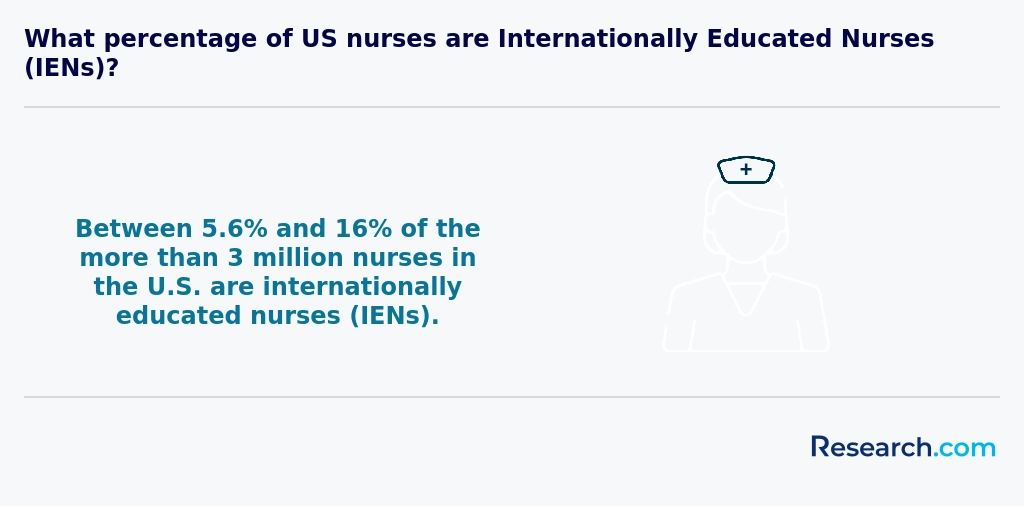
International nurses often seek US degrees for advanced opportunities, linking Chapel Hill's programs to broader global healthcare networks. According to the National Council of State Boards of Nursing, over 10% of new US nurses are educated abroad, underscoring nursing's international dimension.
Gaining practical experience during a nursing degree in Chapel Hill is essential for building clinical skills and confidence. Most accredited nursing programs require students to complete clinical rotations in local hospitals, clinics, and community health settings. Chapel Hill offers opportunities through partnerships with facilities like UNC Hospitals, ranked among the leading teaching hospitals in the U.S.
Students can also engage in internships or volunteer roles, which provide hands-on experience beyond classroom learning. According to the North Carolina Board of Nursing, these practical components are critical for meeting licensure requirements.
Additionally, simulation labs at universities in Chapel Hill let students practice patient care in controlled environments. This blend of clinical work and simulation helps prepare nursing students for real-world healthcare challenges.
Choosing the right concentration within a nursing degree program in Chapel Hill involves understanding your career goals and the healthcare needs of the region. Chapel Hill's nursing programs often offer specializations such as pediatric, gerontological, or psychiatric nursing. According to the University of North Carolina's School of Nursing, focusing on high-demand areas like family health nursing can improve job prospects locally.
It is also important to consider clinical placement opportunities. Chapel Hill's connection to UNC Hospitals provides students with diverse patient care experiences, helping refine their specialty choice. Review program curricula closely to match coursework with your interests and strengths.
Consulting academic advisors and local nursing professionals can offer insight into which fields are expanding in Chapel Hill and the wider North Carolina healthcare market. Staying informed about regional health trends supports making an educated decision about your concentration.
- 2027 Most Popular Nursing Degree Programs Ranking in Charlotte
- 2027 Most Popular Nursing Degree Programs Ranking in Columbia
- 2027 Most Popular Nursing Degree Programs Ranking in Washington
- 2027 Most Popular Nursing Degree Programs Ranking in Baltimore
- 2027 Most Popular Nursing Degree Programs Ranking in Pittsburgh
- 2027 Most Popular Nursing Degree Programs Ranking in Macon
- 2027 Most Popular Nursing Degree Programs Ranking in Atlanta
- 2027 Most Popular Nursing Degree Programs Ranking in Philadelphia
- 2027 Most Popular Nursing Degree Programs Ranking in Columbus
- 2027 Most Popular Nursing Degree Programs Ranking in Cincinnati
See What Experts Have To Say About Studying Nursing
Read our interview with Nursing experts

Lisa Grubb
Nursing Expert
Assistant Professor
Johns Hopkins School of Nursing

- What Are the Best Jobs to Work While in Nursing School? https://www.dewv.edu/what-are-the-best-jobs-to-work-while-in-nursing-school/
- How to Choose the Right Nursing Program for Your Career Goals - Maria College https://mariacollege.edu/blog/how-to-choose-the-right-nursing-program-for-your-career-goals
- Interdisciplinary Education and Practice https://www.aacnnursing.org/news-data/position-statements-white-papers/interdisciplinary-education-and-practice
- THE FIELD OF NURSING - FIRST-DEGREE OF STUDIES https://wnoz.wum.edu.pl/pl/content/field-nursing-first-degree-studies
- Nursing - SUM Admission https://admission.sum.edu.pl/nursing/
- Moon River Nursing Careers | CNA Training and More in Chapel Hill, NC - Moon River Nursing Careers https://moonrivernursingcareersnc.com/
- Nursing Internship and Externship Programs https://jobs.mayoclinic.org/nursinginternexternprograms
- Types of Nursing Careers & Specialties https://nursinglicensemap.com/nursing-specialties/
- Nursing Degree You Need to Become an RN https://www.allnursingschools.com/registered-nursing/degrees/
- Essential Tips for Nursing Students to Advance Their Careers https://almanaltraining.com/essential-tips-for-nursing-students-to-advance-their-careers/