2027 Most Affordable Nursing Degree Programs Ranking in Toledo

Co-Founder and Chief Data Scientist
Exploring nursing degree options in Toledo just became easier with the 2027 Most Affordable Nursing Degree Programs Ranking in Toledo. This ranking, created by the Research.com team of data scientists, is designed to guide you toward nursing programs that offer great value without compromising quality.
Choosing the right program is a big step toward a rewarding career in healthcare. Reading this article will help you make an informed decision, saving time and stress.
Whether you're starting out or advancing your education, a nursing degree opens doors to meaningful work and personal growth.
Key benefits of getting nursing degree in Toledo
- Salary for nursing degree graduates: Graduates in Toledo can expect strong earnings, with Registered Nurses and Public Health Nurses earning a mean annual wage around $94,480. Operating Room Nurses have even higher potential, with an average yearly salary of about $128,490.
- Career paths: Nursing degree holders from Toledo institutions often find diverse opportunities, from clinical nurse educator roles to emergency room nursing, allowing rewarding work in various healthcare settings. This flexibility offers stable and fulfilling career growth.
- Online degree benefits: Earning a nursing degree online offers convenience and flexibility, ideal for working adults or those with busy schedules in Toledo. It enables learners to balance education with personal life while accessing quality programs from local universities.
- 2027 Most Affordable Nursing Degree Programs Ranking in Toledo
- What can I expect from nursing degree in Toledo?
- Where can I work with nursing degree in Toledo?
What can I expect from nursing degree in Toledo?
The average cost of pursuing a nursing degree in Toledo varies depending on the institution and program type, but students can generally expect reasonable tuition compared to national levels. Graduates from Owens Community College often share how their Associate Degree in Nursing (ADN) was affordable, allowing them to gain essential skills without overwhelming debt. Typically, ADN programs at Owens cost around $5,000 to $8,000 per year for in-district students, making it a practical stepping stone into nursing.
At the University of Toledo, the investment is higher but comes with access to extensive resources and accredited Bachelor of Science in Nursing (BSN) programs. Tuition there may range roughly from $10,000 to $15,000 annually for in-state students. Alumni recall how this fee reflected the high-quality education, clinical partnerships, and preparation for the NCLEX-RN licensing exam, fueling confidence as they entered the workforce.
Financial aid and scholarships through local foundations and state programs often ease these costs, motivating students to pursue their calling in healthcare with optimism and determination.
Where can I work with nursing degree in Toledo?
With a nursing degree earned at respected schools like the University of Toledo, graduates find themselves welcomed across a vibrant healthcare landscape. Many begin their careers at renowned hospitals such as the University of Toledo Medical Center or Mercy Health St. Vincent Medical Center, where they quickly gain valuable experience in fast-paced departments like emergency care or surgical nursing. This hands-on exposure, often supported by residency programs at these hospitals, helps new nurses build confidence while mastering essential skills.
Others discover rewarding opportunities in outpatient clinics or physician offices, engaging closely with patients by assisting in health assessments and educating on chronic disease management. Long-term care facilities like Jesup Scott Health Center also employ Toledo-trained nurses who take pride in providing compassionate care to elderly and disabled populations.
Public health roles with Toledo Public Health or school nursing positions within Toledo Public Schools offer chances to impact community wellness directly-perfect for graduates eager to promote prevention and health education. The steady demand for nurses here means graduates feel optimistic and motivated stepping into their first roles, knowing Toledo supports their growth every step of the way.
Graduates from nursing programs in Toledo, such as those at the University of Toledo, can anticipate a rewarding career with competitive earnings. Many registered nurses (RNs) starting out can expect mean annual wages around $94,480, according to reliable Bureau of Labor Statistics data. This figure reflects the combined value of both entry-level positions and experienced roles within the Toledo healthcare system.
For those pursuing specialized paths, like becoming an emergency room nurse or a clinical nurse educator, the salaries typically align closely with the RN average, also near $94,480 annually. This consistency can be encouraging as it highlights solid earning potential across various nursing roles.
Operating room nurses stand out with even higher compensation, averaging $128,490 a year, a testament to the advanced skills and responsibilities this demanding field requires. Graduates who remember late nights studying anatomy and hands-on lab practice often find these challenges transform into confidence and financial reward.
Many Toledo nursing graduates share how their education prepared them to step confidently into high-demand roles, often in local hospitals or outpatient centers. With dedication, the path from student to well-compensated professional is clear and inspiring here.
- Toledo offers accredited nursing programs at associate, bachelor's, and advanced degree levels, including a BSN from the University of Toledo with clinical placements.
- Tuition for a Bachelor's in nursing ranges from $7,000 to $11,000 per year for in-state students, while community colleges offering ADN programs cost $3,000 to $5,000 annually.
- Starting salaries for new nursing graduates in Toledo range from $55,000 to $60,000 per year, increasing to $75,000 to $85,000 with experience.
- The nursing job market in Toledo is growing faster than the national average due to an aging population and rising healthcare needs.
- Nursing graduates must pass the NCLEX exam to become RNs, and local programs provide strong preparation and clinical experience opportunities.
Completing a nursing degree in Toledo typically depends on the program you choose and your personal pace. Many students start with an Associate Degree in Nursing (ADN), which usually takes about two years at local community colleges like Owens Community College. Graduates often share how this path helped them quickly enter the workforce as Registered Nurses while still gaining vital clinical experience.
If you're aiming for a more comprehensive education, a Bachelor of Science in Nursing (BSN) from universities such as the University of Toledo usually requires around four years. Many grads appreciate how this route deepened their knowledge and opened doors to leadership roles in healthcare.
For those who already hold an ADN or another bachelor's degree, accelerated BSN programs in Toledo can be an inspiring choice, taking just 12 to 18 months. This fast pace suits driven students eager to elevate their careers swiftly without sacrificing quality.
Keep in mind that part-time and graduate programs, like a Master of Science in Nursing, add extra time but bring rewarding opportunities in advanced practice. The journey in Toledo's nursing schools is flexible, designed to fit your ambitions and lifestyle.
Accreditation and licensure eligibility should be nonnegotiable when choosing an affordable nursing degree program in Toledo. A low-cost program is not a good value if it does not prepare you to sit for the NCLEX exam or meet Ohio practice requirements.
Reputable ADN and BSN programs in Toledo should hold appropriate nursing accreditation from either the Accreditation Commission for Education in Nursing (ACEN) or the Commission on Collegiate Nursing Education (CCNE). Accreditation helps confirm that the curriculum meets recognized standards, supports federal financial aid eligibility, and may make future credit transfer or graduate study more feasible.
Ohio’s Board of Nursing requires graduates to complete approved clinical hours and pass the NCLEX-RN to obtain licensure. Prospective students should also review each school’s published NCLEX-RN pass rates. Programs with pass rates above 85% demonstrate strong preparation and faculty support.
Clinical partnerships are also important. Confirm that the program has placements with local hospitals, long-term care facilities, and community health centers, because these experiences are required for approval and help strengthen your résumé.
If you are considering another entry point into nursing or a bridge pathway, the best ohio lpn program can provide additional context before advancing to an RN track.
Choosing between an online and an on-campus nursing degree in Toledo comes down to your lifestyle and learning style. On-campus programs, such as those at the University of Toledo, offer vibrant campus life with hands-on experiences in local hospitals where students build confidence through direct mentorship and teamwork.
Many graduates recall the excitement of clinical rotations near campus, where real-world skills come alive under the guidance of seasoned nurses. This immersive setting nurtures connections that often last into professional careers.
Conversely, online programs provide flexibility, ideal for students balancing work or family. For example, those enrolled at Ohio's online nursing programs cherish the ability to study evenings and weekends, yet still complete required clinical hours at nearby healthcare facilities.
These students often develop strong self-discipline and master time management, skills essential in nursing practice. Whether attending classes in Toledo or logging in from home, both paths lead to the same goal: readiness to pass the NCLEX-RN and serve your community with confidence.
The programs below are listed for students comparing affordable nursing options for 2026. Tuition is only one part of the decision, so students should also review accreditation, NCLEX performance, clinical placements, admission requirements, and financial aid.
| Rank | Program | Degree pathway | Annual tuition |
| 1 | Edison State Community College | ADN | ~$11,950/year |
| 2 | Owens Community College | ADN | ~$12,300/year |
| 3 | University of Toledo | BSN, in-state | ~$30,000/year |
| 4 | Lourdes University | BSN | ~$21,000/year |
| 5 | Mercy College of Ohio | Accelerated BSN | ~$18,500/year |
When comparing these options, calculate the total program cost rather than relying only on annual tuition. Program length, transfer credits, fees, transportation, and aid can change the final amount you pay.
For a broader comparison, review best nursing schools in florida.
The average nursing degree cost Toledo students face varies notably depending on residency and the type of institution they choose. For in-state residents, typical total expenses hover around $16,000 for the entire nursing program, a figure embraced by many graduates from well-regarded programs like those at the University of Toledo. These students often feel empowered knowing their investment balances quality education with affordability.
Out-of-state students, however, generally encounter higher costs, with total tuition nearing $33,500. This increase reflects the additional financial commitment required but doesn't deter motivated individuals who share stories of overcoming these hurdles through scholarships or part-time work. Community colleges in Toledo, such as Owens Community College, offer more affordable nursing paths focused on practical credentials, making it possible to enter the healthcare field with costs often under $20,000 in total.
A close look at the cost of nursing programs in Toledo reveals the importance of considering additional fees beyond tuition, like books, lab fees, and exam preparation, which contribute to the overall financial picture. Graduates frequently describe how financial aid and careful budgeting played critical roles in achieving their goals.
If cost is a concern but nursing remains your passion, exploring options like online nursing degrees new jersey admission requirements can broaden your perspective on affordable pathways that fit your lifestyle and ambitions.
Understanding the Ohio RN licensure process helps you avoid delays between graduation and employment. In general, students should plan for the following steps.
- Graduate from an ACEN- or CCNE-accredited nursing program recognized by the Ohio Board of Nursing.
- Submit an application for licensure by examination, including official transcripts, to the Ohio Board of Nursing website.
- Complete a state and federal criminal background check and fingerprinting as required.
- Register for the NCLEX-RN exam through Pearson VUE and pay the associated fees.
- Receive your Authorization to Test (ATT) via email, schedule your exam at a Pearson VUE testing center, and take the NCLEX.
- Once you pass, the Ohio Board issues your RN license-allowing you to practice statewide.
To reduce delays, confirm transcript submission procedures before graduation, complete background-check requirements promptly, and register for the NCLEX as soon as you are eligible. RNs who want to continue toward a BSN can also explore rn to bsn no clinicals.
When pursuing a nursing degree in Toledo, financial aid options are truly within your reach, helping to ease the burden of tuition costs. Graduates from the University of Toledo often speak about how federal Pell Grants and student loans with low interest rates provided them the financial flexibility to focus on their studies without constant worry.
Many nursing students also tap into Ohio's state-level scholarships and loan forgiveness programs through the Ohio Nursing Workforce Center. These programs reward commitment-encouraging graduates to serve in local healthcare facilities, which helps both your community and your career prospects.
Community colleges in Toledo stand out too, offering affordable tuition paired with merit-based scholarships that recognize your hard work and dedication. Private organizations like the American Nurses Association provide scholarships that celebrate leadership and academic success, opening doors for many aspiring nurses.
If you're currently working in healthcare, explore employer-sponsored tuition reimbursement, a powerful aid that helped numerous Toledo nurses advance their degrees while staying financially secure.
Seizing these opportunities can transform your nursing journey into an achievable and rewarding experience right here in Toledo.
Choosing the right nursing program affects more than your classroom experience. It can influence your debt load, NCLEX readiness, clinical confidence, job prospects, and ability to advance into specialized or leadership roles.
- Lower financial risk: A program with manageable tuition, strong aid options, and transparent fees can help reduce unnecessary borrowing.
- Better licensure preparation: Programs with strong academic support and NCLEX-focused preparation can help students move from graduation to licensure more smoothly.
- Stronger clinical readiness: Quality clinical placements expose students to real patient-care environments and help develop practical judgment.
- Career alignment: Students interested in registered nursing, nurse practitioner roles, education, leadership, or specialty practice should choose a pathway that supports those goals.
- Transfer and advancement options: Accreditation and curriculum design matter if you plan to move from ADN to BSN, or from BSN to graduate nursing education.
Students comparing programs beyond Toledo can review affordable nursing programs in ohio to understand broader options across the state.
To enroll in a nursing degree program in Toledo, you must first have a high school diploma or GED, which sets a strong foundation for success in rigorous nursing studies. Many graduates from Toledo's well-known nursing colleges recall that maintaining a GPA around 2.5 to 3.0 was crucial, especially for those pursuing a Bachelor of Science in Nursing (BSN).
Before starting the program, prepare to complete key prerequisite courses like Biology with labs, Chemistry, Anatomy and Physiology, Microbiology, Nutrition, English Composition, and sometimes Statistics. These classes are the building blocks that gave many graduates the confidence to thrive in clinical settings at Toledo-area hospitals.
You'll likely need to take the TEAS exam, which tests essential skills in reading, math, science, and English. Passing this test often opens the door to formal admission. Many students found that thoughtful preparation for this exam reduced anxiety and boosted their chances of acceptance.
Expect to provide background checks and immunization records as part of clinical safety measures. While prior healthcare experience isn't always required, those with volunteer or work experience in healthcare settings often felt more prepared and motivated once they began their studies in Toledo.
NCLEX pass rates are one of the clearest indicators of whether a nursing program prepares students for licensure. They should not be the only factor in your decision, but they are important because passing the exam is required before you can practice as a licensed nurse.
| Program | Reported first-time NCLEX-RN pass rate |
| University of Toledo | 92% |
| Lourdes University | 89% |
| Owens Community College | 88% |
These figures suggest that each curriculum includes meaningful clinical preparation and exam-readiness support. Students should still ask how pass rates are calculated, whether they refer to first-time test takers, and how recent the reporting year is.
Graduate outcome data also helps students evaluate program value:
- 95% of graduates secure full-time nursing positions within six months of licensure
- 87% report satisfaction with clinical support and faculty mentorship
- 78% pursue advanced certifications or graduate degrees within two years
Students considering alternative pathways can also compare lvn programs with low tuition cost, which often report NCLEX-PN pass rates above 90% and may provide a foundation for RN bridge programs.
When you dive into a nursing degree in Toledo, expect a thoughtfully designed curriculum that builds your confidence and expertise step by step. Graduates from well-known local colleges often share how foundational science courses like anatomy, physiology, microbiology, and chemistry brought clarity to the complex workings of the human body, making clinical practice less intimidating.
Beyond theory, practical courses such as Fundamentals of Nursing, Pharmacology, Medical-Surgical Nursing, Pediatric Nursing, Mental Health Nursing, and Maternal and Newborn Nursing give students hands-on skills essential for real-world nursing challenges. Many describe simulation labs and clinical rotations in Toledo-area hospitals as transformative, where they connect lessons to actual patient care.
Students also benefit from classes on nursing ethics, healthcare law, and community health, which prepare them to navigate the diverse situations nurses face daily. These experiences at Toledo's respected institutions shape nurses who are ready, compassionate, and fully equipped to serve their communities.
Nursing degree programs in Toledo offer a range of specializations tailored to meet the community's healthcare demands. Graduates often share how focusing on pediatric nursing allowed them to nurture young patients with compassion, whether in hospitals or school clinics. Others find purpose in geriatric nursing, providing essential care for Ohio's growing elderly population, a crucial skill that opens doors to work in rehabilitation centers. Popular nursing degree tracks in Toledo also include psychiatric nursing, where students learn to support mental health in community settings, reflecting a rise in mental health awareness locally.
Students at Toledo's well-regarded universities appreciate the hands-on experience gained in critical care nursing, preparing them for fast-paced environments like ICUs. Public health nursing is another specialization embraced by those passionate about community wellness and preventive strategies, especially in urban Toledo. For those seeking affordable nursing specializations in Toledo, programs at local public institutions blend quality with competitive tuition. If you want to explore broader options, consider checking out nursing schools washington dc cost as a comparative resource for planning your education.
When choosing the best nursing degree in Toledo, start by focusing on accredited programs like those at the University of Toledo or Owens Community College. Graduates often share how the solid accreditation helped them confidently pass the NCLEX and step into rewarding careers. Considering affordable nursing programs in Toledo is crucial - Owens Community College, for instance, offers comprehensive nursing education at a cost that keeps financial stress low, allowing students to pursue their passion with peace of mind.
Think about your lifestyle and career goals. Many students juggle work and school, so flexible schedules with evening or weekend classes can make a huge difference. Choosing between an ADN or a BSN matters too - graduates from Toledo's BSN pathways often express pride in their advanced training and the wider opportunities it brings.
Take advantage of Toledo's strong local clinical partnerships with hospitals like ProMedica, where hands-on experience becomes the highlight of your learning journey. For practical help with funding, explore Michigan medical assistant scholarship availability as part of your research.
Graduates holding a nursing degree in Toledo find themselves welcomed by a vibrant healthcare community offering numerous rewarding career paths. Many step directly into roles as Registered Nurses (RN) in large hospitals or outpatient clinics, gaining hands-on experience while making a real difference. Others choose Licensed Practical Nurse (LPN) positions in rehabilitation centers or long-term care facilities, where compassionate care is vital. Specialized paths like pediatric or geriatric nursing allow graduates to connect deeply with specific patient groups, while emergency and critical care roles bring adrenaline and profound satisfaction.
Schools like the University of Toledo or Owens Community College prepare students not only with skills but also with strong networks in the Toledo healthcare sector. Graduates often share how public health nursing lets them educate communities, shaping healthier futures. Nurses looking to grow professionally pursue advanced practice or educator roles, some advancing via bridge programs to expand credentials right here in Toledo.
For those curious about further advancement options, DNP programs in Orlando FL present inspired pathways. Embracing nursing career options in Toledo invites you into a world of meaningful impact and continuous growth.
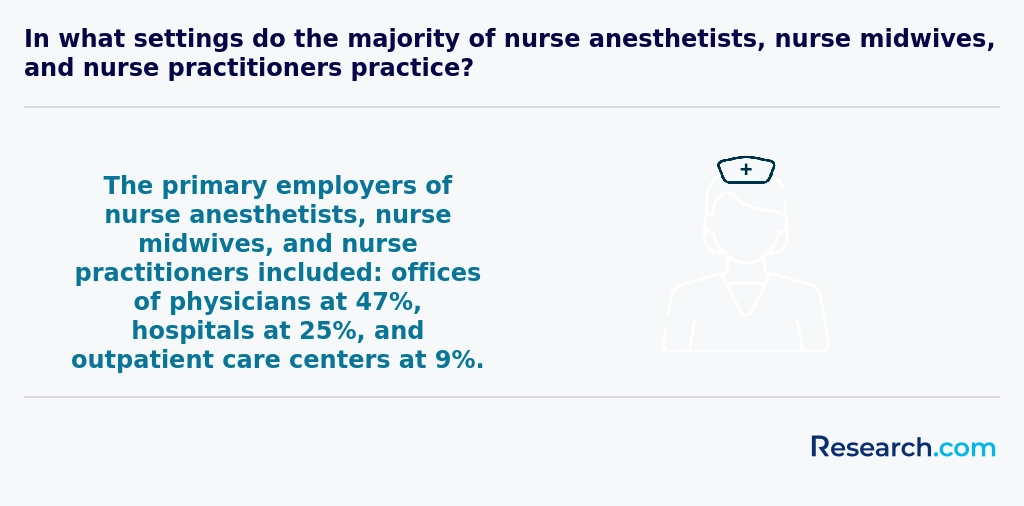
The nursing job opportunities in Toledo remain robust, especially for graduates from local institutions like the University of Toledo and Owens Community College. Many graduates share how clinical experiences at hospitals such as ProMedica and Mercy Health gave them confidence entering the workforce. The city's aging population directly boosts demand for skilled nurses in geriatrics and home care, creating fulfilling roles where you can truly make a difference.
Employment outlook in Toledo's nursing field is promising, with employers valuing specialized skills gained through ongoing education. Nurses with expertise in emergency care and surgical support often find themselves in high demand. Graduates often highlight how this diverse environment allows for career growth while contributing to community health initiatives.
For those exploring affordable nursing training, considering the affordable nursing programs in ohio can help manage costs while positioning you for a competitive salary that aligns with the region's cost of living. This balance of opportunity and investment makes pursuing a nursing degree in Toledo a wise choice.
2027 Most Affordable Nursing Degree Programs Ranking in Toledo
Investing in your education is a significant decision that can shape your future, and the Research.com team understands the importance of making informed choices. To assist prospective students in Toledo, we have meticulously developed the "2027 Most Affordable Nursing Degree Programs Ranking in Toledo." Our commitment to quality, credibility, and accuracy is reflected in the extensive research and careful analysis conducted to compile this ranking.
We utilized the following reputable data sources to ensure a comprehensive evaluation of nursing programs:
By exploring this ranking, readers will gain valuable insights into the most affordable nursing degree options in Toledo, empowering them to make well-informed decisions about their educational investments. For more details on our methodology, please visit our Research.com methodology page.


Frequently Asked Questions About nursing
Nursing degree students in Toledo can maximize their learning experience by engaging in local clinical placements, which are abundant due to Toledo's several reputable healthcare facilities, including the University of Toledo Medical Center. Practical experience in real-world settings enhances both skills and confidence. Joining study groups and nursing organizations like the Ohio Nurses Association provides valuable networking and professional development opportunities. Utilizing resources at Toledo-area libraries and online databases funded by Ohio colleges supports academic success. According to the Ohio Board of Nursing, students who combine theoretical study with clinical practice tend to graduate with stronger competencies, improving their readiness for the NCLEX exam and employment.
The nursing field is rapidly evolving, with several emerging niches offering promising career paths. In Toledo, specialties like telehealth nursing are gaining traction due to increased demand for remote patient care. According to the Ohio Board of Nursing, telehealth has seen a 20% rise in local nursing roles over the past two years. Another growing area is geriatric nursing, as Toledo's aging population requires more specialized elder care. Additionally, informatics nursing, which combines healthcare with data management and technology, is expanding, reflecting national trends reported by the American Nurses Association. These niches present diverse opportunities for Toledo nursing graduates.
After completing a nursing degree in Toledo, preparing for the job market involves several key steps. First, obtaining licensure by passing the NCLEX-RN exam is essential to become a registered nurse in Ohio. Toledo's healthcare sector, including facilities like ProMedica and Mercy Health, consistently hires new graduates, reflecting a local demand growth of about 10% through 2030 according to the Ohio Department of Job and Family Services.
Networking through clinical rotations and local nursing associations can open job opportunities. Additionally, gaining certifications such as Basic Life Support (BLS) or Advanced Cardiovascular Life Support (ACLS) improves employment prospects. Employers value relevant experience, so internships or volunteering in Toledo hospitals also boost resumes.
Employers in Toledo highly value nursing graduates with strong clinical skills, including patient assessment, medication administration, and wound care. According to the Ohio Board of Nursing, practical experience in local healthcare settings significantly boosts employability. Communication skills are essential, as nurses must effectively collaborate with patients, families, and healthcare teams.
Critical thinking and problem-solving abilities are also crucial, helping nurses respond to emergencies and adapt to fast-changing situations. Familiarity with electronic health records (EHR) systems is increasingly demanded, reflecting Toledo hospitals' commitment to digital healthcare.
Lastly, cultural competence and empathy remain top priorities in the diverse Toledo community, ensuring quality patient-centered care.
Finding nursing internships in Toledo involves leveraging local healthcare facilities and educational institutions. Toledo is home to multiple hospitals such as ProMedica Toledo Hospital and Mercy Health, which often offer clinical placements for nursing students as part of their degree programs. Many nursing schools in the area have formal partnerships with these hospitals to facilitate internships.
Students should also consult their nursing program's career services or internship office for listings and application guidance. The Ohio Board of Nursing requires certain clinical hours, which internships help fulfill.
Additionally, students can explore opportunities through Toledo-based nonprofit clinics and long-term care facilities, which often seek nursing interns for practical experience.
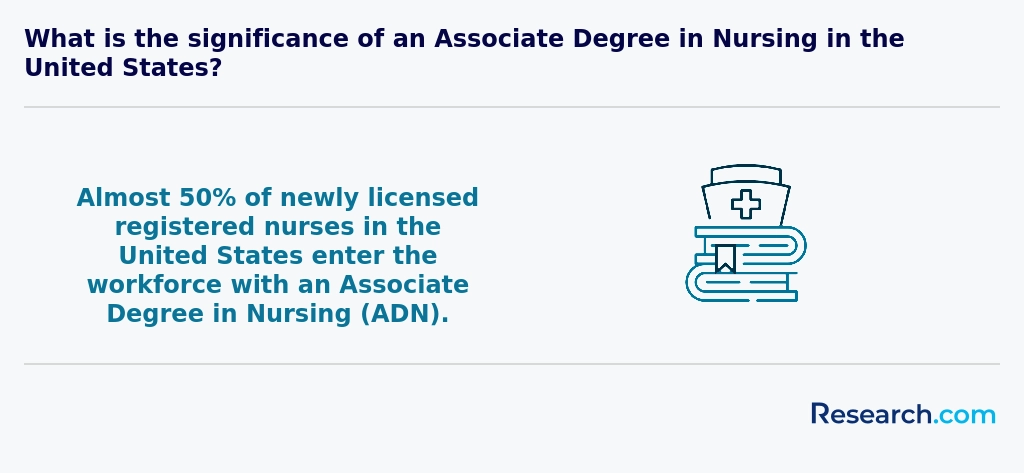
Obtaining a nursing degree in Toledo significantly enhances career mobility and advancement opportunities within the local healthcare sector. According to the U.S. Bureau of Labor Statistics, the Toledo metropolitan area expects about a 12% growth in registered nurse jobs between 2020 and 2030, indicating strong demand. Nurses with a degree, especially at the bachelor's level or higher, are more competitive for specialized roles such as nurse practitioners or nurse managers, which offer higher salaries and leadership responsibilities.
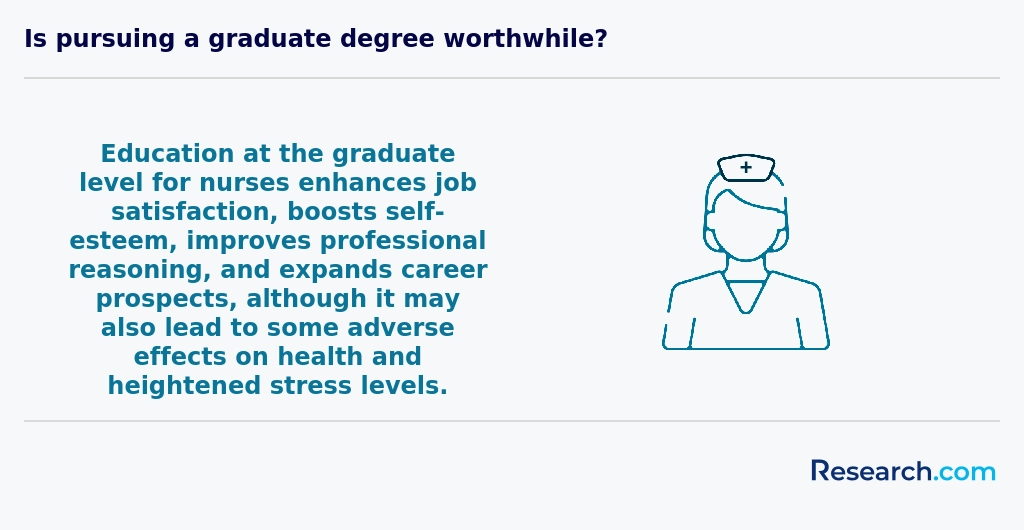
Educational credentials also impact licensing options and eligibility for advanced certifications recognized in Ohio. Employers in Toledo's hospitals and clinics preferentially hire degree-qualified nurses to meet evolving healthcare standards and patient care requirements. As a result, earning a nursing degree can lead to quicker promotions and access to diverse job settings, including public health and education.
Studying for a nursing degree in Toledo equips students with skills essential for interdisciplinary collaboration in healthcare settings. Toledo's nursing programs emphasize teamwork among nurses, physicians, social workers, and therapists to improve patient outcomes. Coursework often includes case studies and simulations that replicate real-world healthcare environments, fostering communication and problem-solving across disciplines. According to the Ohio Board of Nursing, Toledo graduates demonstrate high competency in interprofessional collaboration, a skill highly valued in local hospitals such as ProMedica and Mercy Health. This practical, teamwork-oriented training prepares students to contribute effectively within diverse medical teams.
Choosing between a thesis and a non-thesis nursing degree program in Toledo depends on your career goals and learning preferences. Thesis programs typically focus on research, requiring you to conduct original studies and write a detailed paper. This path suits students aiming for advanced degrees, teaching, or research roles. Non-thesis programs emphasize practical training and clinical experience, preparing students directly for nursing practice or leadership positions.
In Toledo, nursing programs follow US higher education standards, so the decision aligns with national trends. According to the Ohio Board of Nursing, around 60% of local programs offer both options, reflecting the demand for versatile educational paths.
Consider job market data from the Ohio Department of Job and Family Services, which shows that clinical nursing roles grow faster than research-oriented positions. This could influence your choice based on employment prospects.
Students based in Toledo seeking to study nursing abroad have several avenues to explore within the US higher education framework. Many Toledo nursing programs, such as those at the University of Toledo, offer exchange programs or partnerships with international institutions, enabling students to gain global experience without fully transferring. Additionally, programs accredited by the Commission on Collegiate Nursing Education (CCNE) or the Accreditation Commission for Education in Nursing (ACEN) ensure that credits earned abroad can often be transferred back to Ohio-based schools.
Some students pursue study-abroad opportunities in countries with comparable nursing standards, like Canada or the United Kingdom, supported by official articulation agreements. Organizations like NAFSA provide resources specifically for nursing students planning international study, guiding credit recognition and licensure considerations.
Part-time job opportunities in Toledo that complement nursing degree education are plentiful and diverse. Many students find roles as certified nursing assistants (CNAs) or patient care technicians in local hospitals like ProMedica Toledo Hospital, gaining hands-on experience with patient care. According to the Ohio Department of Job and Family Services, CNAs in Toledo earn an average hourly wage of around $14, valuable for students balancing work and study.
Other options include positions as medical scribes or pharmacy technicians, which develop knowledge of medical terminology and healthcare systems. Volunteering in community health programs also supports skill development and networking in Toledo's healthcare sector. These roles provide relevant experience while accommodating flexible class schedules.
Nursing students in Toledo benefit from a variety of networking opportunities essential for career development. Local institutions such as the University of Toledo and Owens Community College regularly host nursing-focused events, workshops, and clinical simulation sessions where students can meet peers and professionals. The Toledo-Lucas County Health Department also offers internships and volunteer positions that enable students to connect directly with practicing nurses and healthcare leaders.
The Toledo chapter of professional organizations like the American Nurses Association provides memberships that include networking mixers, lectures, and continuing education. According to the Ohio Board of Nursing, Toledo-area nursing graduates have access to job fairs and employer meet-and-greets, which enhance employment prospects. These activities foster valuable professional relationships in a city with a growing healthcare sector.
Alumni networks provide important support for nursing degree students in Toledo by connecting them with experienced professionals in the local healthcare industry. These networks often share job openings and internship opportunities that are especially relevant to the Toledo region's needs. According to the Toledo Chamber of Commerce, nearly 30% of nursing graduates find employment through alumni referrals within their first year after graduation.
Additionally, alumni can offer mentorship, helping students navigate licensure exams and clinical placements more effectively. Many Toledo nursing programs maintain active alumni associations, which organize events and workshops to enhance career development. This community support strengthens students' professional connections and improves job prospects in the competitive healthcare sector in Toledo.
Customizing a nursing degree program in Toledo allows students to align their education with specific career goals. Many local institutions offer flexible options such as part-time study, evening classes, and online courses to accommodate working professionals. Students can choose specialized tracks like pediatric, geriatric, or psychiatric nursing depending on their interests. Clinical placements within Toledo-area hospitals and healthcare facilities give practical experience tailored to desired fields. According to the Ohio Board of Nursing, over 50% of programs in the region support certification preparation within specialty areas to enhance employability. Utilizing electives and additional certifications can further refine expertise in desired nursing roles.
Nursing students in Toledo face several common challenges during their education. Balancing rigorous coursework with clinical practice is a primary difficulty, as clinical hours demand significant time and physical effort. According to the Ohio Board of Nursing, students must complete extensive hands-on training in hospitals, often resulting in long, irregular shifts.
Financial concerns also impact many students. Tuition and fees for nursing programs in Toledo vary, but on average, students spend over $10,000 per year on education-related costs, excluding living expenses. This financial pressure can increase stress and impact academic performance.
Additionally, students often report high levels of academic stress, partly due to the demanding nature of science courses and the need to master constantly evolving medical knowledge. Toledo nursing programs frequently include courses in anatomy, pharmacology, and ethics, which require strong memorization and critical thinking skills.
With a nursing degree in Toledo, graduates can pursue a variety of professional certifications to advance their careers. Common certifications include the Registered Nurse (RN) license, which is required to practice nursing in Ohio and must be obtained by passing the NCLEX-RN exam.
Beyond initial licensure, nurses often pursue specialty certifications such as Certified Nurse Practitioner (CNP), Certified Clinical Nurse Specialist (CNS), or Certified Nurse Midwife (CNM).
Many Toledo nurses also earn credentials like the Basic Life Support (BLS) and Advanced Cardiovascular Life Support (ACLS) certifications, which are important for working in hospitals and acute care settings.
According to the Ohio Board of Nursing, over 13,000 nurses were licensed in Toledo-area counties as of 2023, reflecting a strong regional workforce engaged in ongoing certification and training.
Writing a winning application for a nursing program in Toledo requires careful preparation and attention to detail. Start by ensuring your academic records meet program requirements, typically including a strong GPA in science and math courses. Toledo institutions often look for applicants with healthcare experience or volunteer work, so highlight these experiences clearly. According to the Ohio Board of Nursing, programs value documented practical exposure as it demonstrates commitment.
Craft a clear and sincere personal statement expressing why you want to pursue nursing in Toledo. Mention local healthcare challenges or opportunities to show awareness of the community you aim to serve. Finally, secure strong letters of recommendation from professionals familiar with your dedication and skills, as Toledo programs rate these highly during admissions reviews.
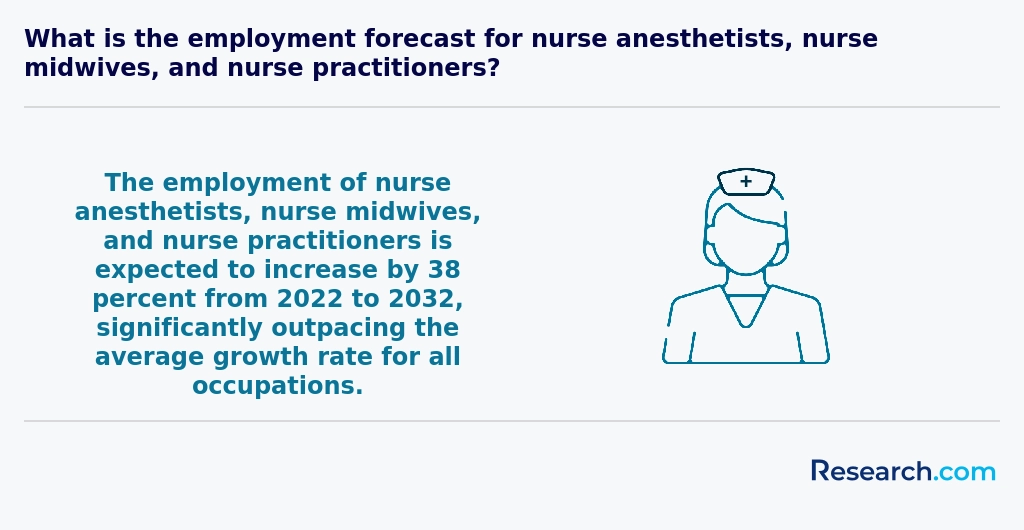
The nursing profession is highly valued worldwide, with consistent demand due to aging populations and increased healthcare needs. In the United States, including Toledo, nursing offers numerous opportunities for specialization and career advancement. According to the U.S. Bureau of Labor Statistics, the demand for registered nurses is projected to grow 9% from 2020 to 2030, faster than the average for all occupations.
Toledo benefits from this trend, with local hospitals and clinics actively seeking well-trained graduates. Degrees earned here follow U.S. standards, which are recognized internationally, enabling mobility for nurses who choose to work abroad.
Global organizations like the World Health Organization emphasize nursing's critical role in improving healthcare outcomes, encouraging cross-border education and cooperation. However, licensing requirements vary by country, so U.S. qualifications may need additional credentialing elsewhere.
Gaining practical experience while studying for a nursing degree in Toledo is essential for building skills and confidence. Most nursing programs in Toledo require clinical rotations at local hospitals, such as Mercy Health St. Vincent Medical Center and ProMedica Toledo Hospital. These hands-on placements allow students to work alongside experienced nurses in real healthcare settings.
Additionally, many Toledo schools offer simulation labs that mimic clinical environments, providing safe spaces to practice procedures. Students can also seek internships or volunteer opportunities in community health centers or long-term care facilities.
According to the Ohio Board of Nursing, nursing students must complete a minimum number of clinical hours to qualify for licensure, reinforcing the importance of practical experience during education.
Choosing the right concentration within a nursing degree program in Toledo depends on your career goals and interests. Toledo offers concentrations such as medical-surgical nursing, pediatrics, gerontology, and mental health. Consider local healthcare needs; for example, Toledo's aging population increases demand for gerontological nurses, according to the Ohio Department of Health.
Review program curricula closely to understand course content and clinical opportunities. Hands-on experience at local hospitals, like ProMedica Toledo Hospital, can be a significant factor.
Licensing requirements remain the same across concentrations, but specialized fields may improve job prospects and earning potential.
- 2027 Most Affordable Nursing Degree Programs Ranking in Detroit
- 2027 Most Affordable Nursing Degree Programs Ranking in Cleveland
- 2027 Most Affordable Nursing Degree Programs Ranking in Indianapolis
- 2027 Most Affordable Nursing Degree Programs Ranking in Pittsburgh
- 2027 Most Affordable Nursing Degree Programs Ranking in Chicago
- 2027 Most Affordable Nursing Degree Programs Ranking in Milwaukee
- 2027 Most Affordable Nursing Degree Programs Ranking in Louisville
- 2027 Most Affordable Nursing Degree Programs Ranking in Madison
- 2027 Most Affordable Nursing Degree Programs Ranking in Rochester
- 2027 Most Affordable Nursing Degree Programs Ranking in Peoria
See What Experts Have To Say About Studying Nursing
Read our interview with Nursing experts


- Toledo Nurses: Healing in the Glass City https://www.nurserecruiter.com/ohio/toledo
- Types of Nursing Degrees-Which One Is Yours? https://www.allnursingschools.com/how-to-get-into-nursing-school/degree-options/
- College of Health and Human Services https://www.utoledo.edu/hhs/nursing/graduate
- Client Challenge https://www.springerpflege.de/nursing-graduates-perceived-future-career-pathway-and-career-shi/50653658
- Careers https://health.utoledo.edu/careers/search-jobs.html
- | NRR | Dove Medical Press https://www.dovepress.com/internship-challenges-encountered-by-nursing-students-a-qualitative-st-peer-reviewed-fulltext-article-NRR
- Toledo Campus | Hondros College of Nursing https://www.hondros.edu/campuses/toledo/
- From our readers…Strengthening nursing networks https://www.myamericannurse.com/from-our-readersstrengthening-nursing-networks/
- Nursing Study Abroad Programs | Go Overseas https://www.gooverseas.com/study-abroad/nursing
- Top Skills Employers Want in Practical Nursing Graduates https://vervecollege.edu/what-employers-look-for-in-practical-nursing-graduates/