2027 Best Online Doctorate in Nursing Degree Programs Ranking in the USA

Co-Founder and Chief Data Scientist
Choosing the right online doctorate in nursing program is an important step toward advancing your career and making a meaningful impact in healthcare. This article presents the 2027 Best Online Doctorate in Nursing Degree Programs Ranking in the USA, created by the Research.com team of data scientists to help you navigate your options confidently.
By exploring this ranking, you'll discover trustworthy insights that highlight quality programs designed to fit your goals and lifestyle. Earning a nursing doctorate opens doors to leadership roles, research opportunities, and personal growth.
Take this opportunity to invest in your future and make an informed decision with expert guidance.
Key benefits of getting online nursing degree in America
- Nursing degree graduates can earn a mean annual wage of $128,490 in roles like Advanced Practice Registered Nurse and Family Nurse Practitioner, providing strong financial stability.
- Career paths for nursing graduates are diverse, including positions in family health, psychiatric care, and acute care, offering opportunities to find a role that fits your passion and lifestyle.
- Online nursing degrees from universities such as Ohio State University offer flexibility, allowing students to balance work and study while gaining the same respected credentials as traditional programs.
- 2027 Best Online Doctorate in Nursing Degree Programs Ranking in the USA
- What can I expect from online nursing degree in America?
- Where can I work with online nursing degree in America?
What can I expect from online nursing degree in America?
The average cost of an online nursing degree in America can feel like navigating a complex landscape of tuition rates and fees. Graduates from well-known public universities often share stories of balancing affordable tuition-sometimes as low as $7,000 annually for in-state learners-with the challenge of managing additional fees and living expenses. Meanwhile, students enrolled at prominent private institutions may face annual costs upwards of $25,000, a stark contrast that underscores the financial variability within nursing education.
Many students speak about the relief that comes with public university rates, particularly when they receive in-state tuition benefits, making the dream of advancing their nursing career more accessible. Yet, even with these lower prices, the investment isn't merely financial; it demands exceptional time management and dedication, especially when juggling clinical rotations and online coursework.
For example, graduates from large universities known for their nursing programs describe the blend of synchronous lectures and asynchronous assignments that allow them to learn at their own pace while still meeting rigorous clinical hour requirements. This balance often justifies the cost, reinforcing the tangible value behind the numbers.
The variability in pricing reminds prospective students that beyond the sticker price, the real question becomes how a program's structure and support align with their personal and professional goals within America's demanding healthcare environment.
Where can I work with online nursing degree in America?
Graduates of online nursing degrees from prominent American institutions often find themselves immersed in diverse career paths across the healthcare landscape. From bustling hospital wards to community clinics, many embrace roles that challenge their clinical skills daily. For instance, graduates from well-known universities recognize the dynamic pace of hospitals where nearly 60% of registered nurses serve, stepping into positions like staff nurses or clinical nurse specialists, often gaining rewarding leadership responsibilities.
Others discover fulfillment in outpatient clinics or physician offices, helping patients manage chronic diseases and offering preventive care, echoing the experiences of nurses trained at leading colleges. Long-term care facilities present emotionally rich opportunities, where nurses provide consistent support to aging populations-a demand clearly reflected by demographic trends studied during their programs.
Advanced degree holders frequently venture into public health, education, or government roles, shaping policy or teaching future nurses with confidence gained through rigorous online curricula from respected schools. Meanwhile, telehealth nursing has opened new horizons, allowing graduates to connect remotely with patients-a revolutionary shift that many describe as empowering and liberating, transforming traditional perceptions of nursing work in America.
Graduates from online nursing programs in America often find the financial rewards more substantial than they initially imagined. For instance, those stepping out of popular programs at universities like the University of Pennsylvania or Ohio State University, both known for their online nursing degrees, report entry salaries that defy the myth of modest nursing pay. The mean annual wage for Advanced Practice Registered Nurses, including Family, Psychiatric, Adult, and Acute Care Nurse Practitioners, stands around $128,490 according to the latest BLS data.
This figure challenges the traditional view that nursing is a low-paid profession. These graduates often share stories of transitioning from classrooms online to meaningful clinical roles earning hourly wages upwards of $61.78. Consider a graduate completing their MSN or DNP online, suddenly qualifying for leadership or highly specialized roles that not only bolster their income but also elevate their professional satisfaction.
Moreover, studying online from institutions renowned for rigorous programs means your degree carries weight across the country-allowing you to leverage these strong salary figures regardless of where you practice. It's not just about the numbers; it's about the fulfillment and stability this path promises in a rapidly evolving healthcare landscape.
- Online nursing degrees range from associate to advanced practice doctorates, with clinical requirements completed locally.
- Tuition costs vary widely; a BSN program can cost between $20,000 and $60,000, while graduate degrees like the DNP often exceed $40,000.
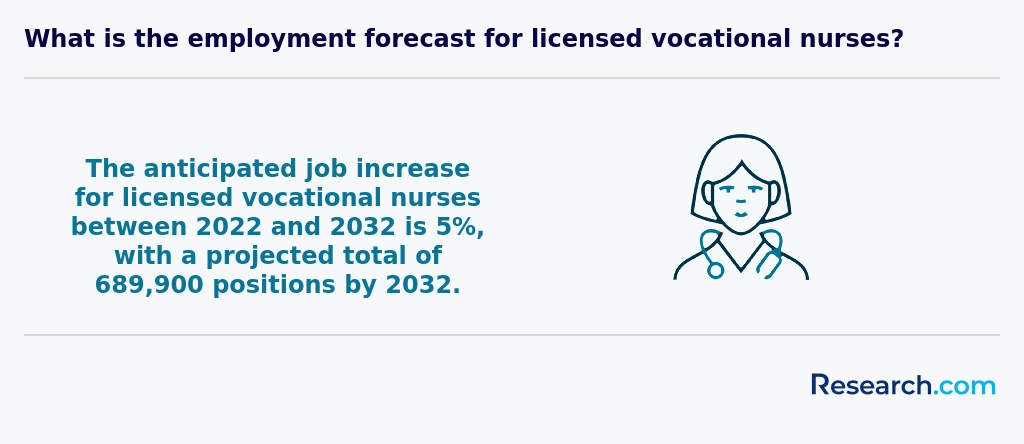
- Registered nursing jobs are expected to grow 9% from 2022 to 2032, driven by an aging population and expanded healthcare coverage.
- Starting salaries for new registered nurses average around $60,000 annually, with experienced nurses earning between $90,000 and $110,000, and nurse practitioners often exceeding $120,000.
- Accreditation by organizations such as CCNE or ACEN is crucial for program quality and eligibility for federal financial aid.
Completing an online nursing degree in America is often seen as a fixed timeline, but graduates from institutions like the University of Florida or Ohio State University reveal a more flexible reality. For many, an Associate Degree in Nursing (ADN) wraps up in about two years, offering a fast track into healthcare. Others, aiming higher, embark on a Bachelor of Science in Nursing (BSN), which can range from a traditional four years to 12-24 months through RN-to-BSN bridge programs if they already hold a nursing diploma. These variations invite reflection: is time truly the limiting factor, or is it personal commitment and program flexibility?
Advance-minded nurses often pursue a Master of Science in Nursing (MSN) or Doctor of Nursing Practice (DNP) online, which can take anywhere from 1.5 to 4 years. Graduates from programs at Georgetown University or the University of Pennsylvania describe balancing family and work with their studies, appreciating accelerated options that turn years into months when prior experience counts.
This glimpse into varied timelines challenges the one-size-fits-all mindset. An online nursing degree's length hinges on your starting point and life situation, making the journey uniquely your own. The success stories from top schools show that with dedication and smart choices, completing an online nursing degree can feel less like a hurdle and more like an achievable milestone.
Choosing between a Doctor of Nursing Practice (DNP) and a PhD in Nursing depends on your career goals and interest in practice versus research.
- Purpose
DNP: Clinical leadership, evidence-based practice, policy translation
PhD: Original research, theory development, academic scholarship
- Curriculum Focus
DNP: Advanced practice courses, leadership, systems improvement, capstone project
PhD: Research methods, statistics, teaching pedagogy, dissertation
- Career Outcomes
DNP: Nurse Practitioner roles, executive leadership, healthcare policy
PhD: University faculty, research scientist, grant writing and publication
- Time to Completion
DNP: Typically 3–4 years post-BSN/MSN
PhD: Often 4–6 years, driven by dissertation research
- Ideal Candidate
DNP: Nurses seeking advanced clinical authority and population health impact; explore the cheapest online nurse practitioner programs for cost-effective pathways
PhD: Nurses passionate about generating new knowledge and teaching the next generation of clinicians
Many graduates from universities like the University of Pennsylvania or the University of Michigan reflect on how online nursing degrees challenge the traditional notion that education must happen within classroom walls. The core difference is less about content-both online and on-campus programs offer the same accredited Bachelor of Science in Nursing-but more about how and where learning occurs.
Imagine balancing a job in bustling Chicago while attending an online program at a respected school; flexibility to study at night or during breaks offers immense relief. Conversely, on-campus students at colleges like the University of North Carolina experience rich face-to-face collaborations, with immediate access to labs and peers enhancing hands-on learning and social bonding.
Yet, both student types share the demanding clinical hours in local hospitals, crucial for real-world practice, showing that no matter the path, the essence of nursing education remains firmly grounded in practical experience. This blended reality invites students to think beyond conventional classroom attendance and embrace diverse but equally valid routes to becoming a nurse in America.
When exploring online nursing degree programs, affordability is a crucial factor to consider. Pursuing a nursing degree can be costly, but there are various options available to make it more accessible. For instance, many students opt for affordable nursing programs that offer competitive tuition rates without compromising on the quality of education. Additionally, scholarships, grants, and federal student aid can significantly reduce the financial burden. It's essential to research and factor in all the costs, including tuition, fees, books, and materials, to make an informed decision that aligns with your budget and career goals. By choosing an affordable online nursing program, you can set yourself up for success without breaking the bank, and focus on what matters most – gaining the knowledge and skills necessary to excel in the nursing field.
The average cost of an online nursing degree in America centers around $32,325, though experiences vary widely depending on residency and institution type. Graduates from public universities often reflect on the more manageable tuition-closer to $27,495 for in-state students-which allows them to balance work and studies without overwhelming debt. In contrast, out-of-state students at similar institutions face higher costs, averaging about $35,245. These figures illustrate the necessity of strategic planning around tuition and living expenses when pursuing nursing education online.
For many students, enrolling at esteemed public universities known for their nursing programs means embracing a financial commitment that often extends beyond tuition. Additional fees like technology requirements and clinical placement add layers to the total expense, challenging the assumption that online study is inherently cheaper. Yet, graduates frequently express pride in overcoming these hurdles, especially when using employer tuition reimbursement or federal financial aid to ease the financial load.
Understanding the average cost of online nursing degree USA options encourages deeper reflection on educational investment. Some students at highly regarded institutions feel empowered by the flexible schedules and networking opportunities despite costs, while others suggest exploring affordable nursing programs to mitigate expenses without sacrificing quality. This dynamic showcases how thoughtful choices influence both short-term sacrifices and long-term career benefits.
Looking ahead to total expenses for nursing doctorate programs 2027, aspiring nurses should expect variability shaped by residency, program prestige, and additional fees. Such complexity redefines the conversation around affordability and access in nursing education, inviting students to consider not only cost but value in their unique circumstances.

Planning your application well in advance can make the difference between a stressful scramble and a smooth transition into an online doctorate in nursing program. Here’s a step-by-step timeline and expert tips to guide you: 1. 9–12 Months Before Start Date - Research Programs: Begin by narrowing down schools based on accreditation (CCNE or ACEN), curriculum focus, and student support services. - Attend Virtual Info Sessions: Ask about clinical placement options and faculty expertise. - Review Alternative Pathways: If you’re seeking an RN-to-BSN bridge with minimal onsite requirements, explore options like rn bsn online programs no clinicals to quickly boost your credentials before pursuing a doctorate. 2. 6–9 Months Before Start Date - Gather Transcripts and Test Scores: Request official records and schedule the TEAS or GRE if required. - Secure Letters of Recommendation: Reach out to former professors or supervisors who can speak to your clinical competence and leadership potential. - Draft Personal Statement: Highlight your nursing achievements, research interests, and career goals. A strong narrative sets you apart. 3. 3–6 Months Before Start Date - Submit Applications: Complete each online portal carefully; double-check for missing documents or fees. - Interview Preparation: Practice common questions about your clinical experience, research aspirations, and how you’ll balance work, study, and family commitments. - Plan Clinical Hours: Coordinate with your chosen program’s clinical coordinator to secure placements in local healthcare facilities. 4. 1–2 Months Before Start Date - Financial Aid and Scholarships: Finalize FAFSA submissions, apply for institutional grants, and explore employer tuition reimbursement. - Technology Check: Ensure your computer meets program requirements and test your internet speed to avoid disruptions. By following this timeline and leveraging these best practices, you’ll enter your online nursing doctoral program with confidence, ready to excel both academically and clinically.
Many online nursing students at institutions like University of Florida or Ohio State University quickly realize that navigating financial aid goes beyond just applying for loans. Federal aid, such as the Pell Grant-which offered a maximum of $7,395 in 2023-2024-can dramatically offset costs, especially for those balancing family or work. Graduates often share relief from Direct Subsidized Loans' low interest rates that make repayment manageable while working part-time or studying.
State-funded grants stand out in regions with nursing shortages, giving students a targeted boost. Imagine a student at Arizona State University receiving a Nursing Workforce Diversity Grant, feeling both supported and motivated to serve underserved communities. Meanwhile, scholarships from groups like the American Nurses Association bring merit and need-based funds, empowering diverse candidates to pursue specialized nursing paths without financial hesitation.
Even employer tuition assistance in hospitals offers practical hope. Graduates recount how such programs have turned daunting tuition bills into achievable goals, requiring only a commitment to serve afterward. And for those dedicated to rural or public health, programs like Public Service Loan Forgiveness provide a clear path to debt relief after consistent service, making the dream of nursing attainable and meaningful.
When evaluating online doctoral nursing degrees, understanding the distinction between a Doctor of Nursing Practice (DNP) and a Doctor of Philosophy (PhD) in Nursing is crucial for aligning your education with career goals. Both pathways elevate your expertise, but they cater to different professional objectives: • Program Focus – DNP: Emphasizes advanced clinical practice, quality improvement, and healthcare leadership. Ideal for nurses aiming to implement evidence-based interventions and lead multidisciplinary teams. – PhD: Centers on original research, theory development, and academic scholarship. Suited for those who wish to generate new knowledge, publish studies, and teach at the university level. • Curriculum and Requirements – DNP: Typically 30–40 credit hours post-MSN, culminating in a practice-based capstone project addressing real-world healthcare challenges. – PhD: Often 48–60 credit hours post-MSN, requiring comprehensive exams and a dissertation that contributes novel insights to nursing science. • Timeframe and Flexibility – DNP: 2–4 years full-time; part-time options available with asynchronous coursework and short residency intensives. – PhD: 3–5 years full-time; may include teaching assistantships or research fellowships, with more rigid milestones for proposal defense and publication. • Career Outcomes – DNP Graduates: Nurse executives, clinical directors, policy advisors, advanced practice registered nurses (APRNs) in specialized settings. – PhD Graduates: Nurse scientists, tenure-track faculty, research directors, grant writers, healthcare policy researchers. For non-nurses seeking a fast track into advanced nursing roles before committing to a doctoral path, exploring accelerated msn programs for non nurses can provide the foundational clinical expertise and credits needed to transition seamlessly into a DNP or PhD program. By weighing program focus, curriculum structure, and long-term goals, you’ll select the doctoral pathway that maximizes your impact in healthcare.
To enter an online nursing degree program in America, you must meet more than just academic criteria; it's an initiation into a demanding, transformative journey. Graduates from well-known institutions, like the University of Pennsylvania or the University of North Carolina at Chapel Hill, often recall the moment they secured their active RN license as a critical turning point-it wasn't merely a checkbox but a symbol of readiness. For bachelor's degrees, a high school diploma or GED opens doors, but programs such as RN-to-BSN expect candidates to already hold that coveted license, revealing a layered path rather than a shortcut.
Graduate applicants recount overcoming the hurdle of maintaining strong GPAs while accumulating professional nursing experience, sometimes up to three years, to qualify for master's or doctoral study at places like Johns Hopkins University. These prerequisites-combining academic rigor, licensure, and real-world expertise-reflect the complexity and commitment embedded in nursing careers in America. They transform hopefuls into compassionate caregivers equipped for challenges beyond textbooks.
- High school diploma or GED for undergraduate entry
- Active RN licensure for RN-to-BSN, MSN, or DNP programs
- Bachelor's degree with a strong GPA for graduate nursing programs
- Relevant professional nursing experience, especially for doctoral degrees
- Completion of prerequisite science and statistics courses
- Accredited nursing program for proper certification and licensure
Doctor of Nursing Practice (DNP)
- Practice-focused degree aimed at clinical leadership, policy implementation and advanced patient care
- Common roles: Nurse Practitioner, Clinical Nurse Leader or Healthcare Administrator
- Curriculum highlights: Evidence-based practice projects, clinical residencies, health systems management
- Typical duration: 3–4 years post-BSN or 1.5–2.5 years post-MSN
PhD in Nursing
- Research-oriented degree designed for academic scholarship, scientific inquiry and policy research
- Common roles: University faculty, clinical researcher or policy analyst
- Curriculum highlights: Research methodology, statistics, dissertation-focused original research
- Typical duration: 4–6 years post-BSN or 3–4 years post-MSN
Key considerations
- Career goal: clinical impact vs advancing nursing science
- Prerequisites: BSN (or MSN) with RN licensure; if you need a BSN foundation, explore rn to bsn online programs without clinicals
- Time and cost: compare program lengths, funding options and expected return on investment
Online nursing degree programs in America typically include a dynamic mix of courses that go far beyond textbooks. Graduates from top institutions like the University of Pennsylvania or Arizona State University often recall how anatomy and physiology courses transformed abstract diagrams into real human bodies they could almost visualize during clinical simulations. These foundational classes build the confidence needed to navigate complex healthcare scenarios.
Pathophysiology challenges students to think critically about how diseases disrupt body functions, a skill praised by graduates who later applied this knowledge during demanding hospital rotations. Courses in pharmacology bring medication management to life, helping learners understand the delicate balance of patient safety and treatment efficacy in fast-paced environments.
Leadership and nursing management are more than just theory; online students frequently share how these lessons prepared them for real supervisory roles, turning uncertainties about career growth into excitement about future opportunities. Clinical practicum arrangements in local settings make the experience tangible, connecting classroom learning with hands-on practice essential for passing licensure exams like the NCLEX-RN.
Online nursing degree programs in America offer a wide array of specializations that reflect the complexity and diversity of today's healthcare environment. Graduates from nationally recognized colleges often share stories of shifting their career paths by choosing areas like Family Nurse Practitioner or Psychiatric-Mental Health Nurse Practitioner, which allow them to impact primary care or mental health with newfound confidence. This flexibility, coupled with programs at institutions famous for their nursing education, challenges the traditional one-size-fits-all approach to nursing degrees.
Some students appreciate the convenience and focus of online nursing specializations in the USA such as Adult-Gerontology, Neonatal, or Emergency Nurse Practitioner tracks, balancing rigorous coursework with hands-on clinical practicums near their homes. Their experiences highlight how tailored education fosters resilience and growth, enabling nurses to meet evolving health challenges while maintaining work-life balance. For those seeking alternatives with less clinical burden, exploring rn bsn online programs no clinicals can be a strategic choice aligned with personal and professional goals.
Choosing the right online nursing degree in America demands moving beyond surface-level factors like price or duration. Graduates from well-known programs at institutions like the University of Michigan or Johns Hopkins often emphasize the transformative power of program flexibility-balancing clinical hours close to home with asynchronous coursework that fits hectic schedules.
Don't underestimate accreditation's role. It's not just about meeting standards; it ensures your degree opens real doors in a tightly regulated profession. Many students aiming for the best online nursing doctorate programs USA recall how accreditation influenced their eligibility for licensure and advanced roles.
Financial considerations are real but nuanced. Average tuition costs highlight the importance of comparing total expenses, including clinical fees and necessary travel. Some discover that exploring accelerated msn programs for non nurses offers a faster, cost-effective entry point without sacrificing quality.
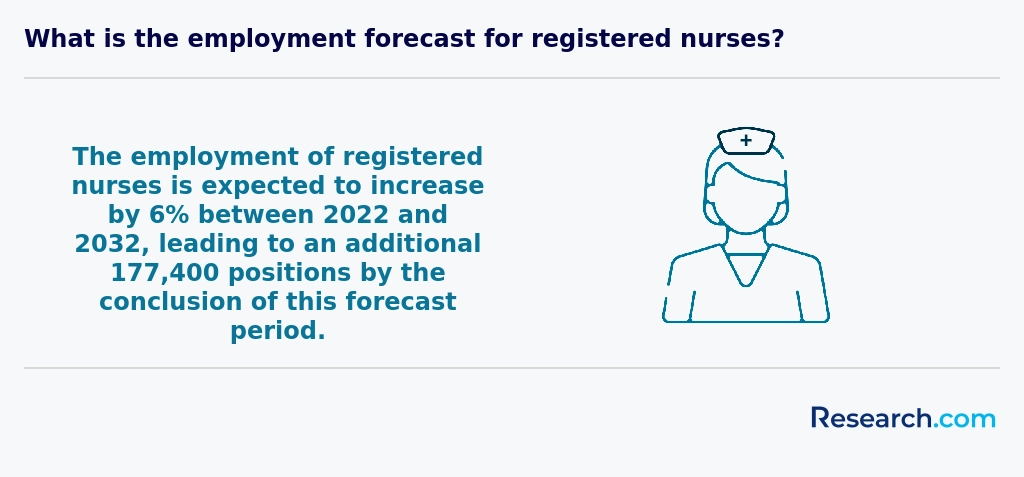
Career alignment through specialization also shapes success. Graduates focusing on nurse educator or administrator tracks recommend reflecting deeply on the future job market, supported by the BLS's 6% growth forecast, to ensure your investment pays off in fulfillment and stability.
Student support services, often undervalued, emerge as essential in stories from those balancing work, family, and study. This holistic approach defines how to choose online nursing degree America with confidence and clarity.
Graduates with an online nursing degree in America find themselves at a fascinating crossroads of opportunity-far beyond the typical Registered Nurse track. Those who pursued programs at well-known institutions often share how their education opened doors to diverse roles like clinical nurse specialists dedicated to enhancing patient care protocols or nurse educators passionate about shaping the next generation of nurses amid ongoing shortages.
Career paths for nursing graduates in America extend into leadership domains as nurse administrators and health policy experts, roles that influence how care is delivered on a systemic level. Some graduates recount balancing work while earning their Bachelor of Science in Nursing (BSN) online, later advancing into specialized fields such as nurse practitioners or anesthetists, sectors slated for remarkable growth according to labor statistics.
Prospective students considering these pathways can explore options through best accredited online colleges non profit, which offer flexible programs accommodating working professionals. This flexibility embodies the promise of online nursing degree careers USA, where the journey often reflects resilience, purpose, and evolving aspirations in the healthcare landscape.
The online nursing job market USA reflects a robust landscape where graduates from accredited programs often find opportunities comparable to those of traditional degree holders. Many graduates from well-known institutions across America, such as those attending major public universities, share stories of entering healthcare settings confident and prepared. They navigate hospital nursing floors or community clinics equipped with competencies honed in online classes that emphasize both theory and practical skills, making their transition into the workforce smoother.
Employment prospects for nursing degree employment prospects America are notably strong due to ongoing demand in hospitals, outpatient centers, and rural clinics facing nursing shortages. Many online graduates find advanced degrees like a Doctor of Nursing Practice open doors to higher-paying specialized roles. For these students, balancing work and study through flexible programs at respected colleges makes earning their credentials more achievable and rewarding.
One graduate recounted how choosing the fastest way to get an associates degree online allowed rapid entry into the nursing field, saving on commuting and relocation costs while securing a foothold in a competitive job market centered around evidence-based care and healthcare technology skills.
2027 Best Online Doctorate in Nursing Degree Programs Ranking in the USA
Investing in your education is a significant decision that can shape your future, and the Research.com team understands the importance of making informed choices. To assist prospective students in selecting the best online doctorate in nursing degree programs, we have meticulously crafted the "2027 Best Online Doctorate in Nursing Degree Programs Ranking in the USA." Our commitment to quality, credibility, and accuracy is reflected in the extensive research and analysis conducted to compile this ranking.
We utilized the following reputable data sources to ensure a comprehensive evaluation of the programs:
By exploring this ranking, readers will gain valuable insights into the top online doctorate in nursing programs available nationwide, empowering them to make well-informed decisions about their educational and professional futures. For more details on our methodology, please visit our Research.com methodology page.


# 14 position
Duquesne University
Executive Nurse Leadership and Health Care Management, Post-Masters


# 20 position
Maryville University of Saint Louis
Doctor of Adult-Gerontology Primary Care Nurse Practitioner

Frequently Asked Questions About nursing
Online nursing degree students in America can maximize their learning by actively engaging with both coursework and clinical practice opportunities. According to the American Association of Colleges of Nursing, hands-on clinical experience remains essential, even for online programs. Students should seek programs that partner with local healthcare providers to ensure quality practicum placements.
Utilizing available technology effectively also enhances learning. Tools like virtual simulations and interactive case studies can deepen clinical understanding. Time management is crucial as well; setting a consistent study schedule helps balance work, family, and education commitments.
Networking with peers and instructors through online forums and virtual office hours fosters collaboration and support. Finally, staying informed about licensure requirements by state boards of nursing ensures students meet all career prerequisites post-graduation.
The nursing field in America is expanding rapidly, with several emerging niches gaining attention. One key area is telehealth nursing, driven by a 2020 CDC report showing a 154% increase in telemedicine usage during the pandemic. Nurses in this niche support remote patient care through digital technology.
Another growing specialty is gerontological nursing, responding to the aging U.S. population, which the U.S. Census Bureau projects will reach 73 million by 2030. This niche focuses on elderly care and chronic disease management.
Additionally, informatics nursing is becoming essential. The Healthcare Information and Management Systems Society highlights that nurses with informatics expertise improve patient outcomes by integrating data and technology in healthcare settings.
After completing an online nursing degree in America, preparing for the job market involves several key steps. First, graduates should obtain their nursing license by passing the NCLEX-RN exam, required in all states to practice as a registered nurse. According to the National Council of State Boards of Nursing, the pass rate for first-time candidates was 81.8% in 2023.
Networking is essential. Joining professional organizations like the American Nurses Association helps build connections and access job listings. Gaining hands-on experience through clinical rotations, internships, or volunteer work improves employability.
Additionally, tailoring resumes and practicing interview skills are critical. Staying informed about nursing demand, projected to grow 7% from 2021 to 2031 per the U.S. Bureau of Labor Statistics, directs focus toward high-need specialties and regions.
Employers in America prioritize a mix of technical and interpersonal skills when hiring nursing degree graduates. Clinical competence is essential, including proficiency in patient assessment, medication administration, and care planning. According to the American Association of Colleges of Nursing (AACN), strong critical thinking and decision-making abilities are crucial for responding to complex patient needs and healthcare emergencies.
In addition, communication skills rank highly, enabling nurses to effectively collaborate with patients, families, and healthcare teams. Empathy and emotional resilience are also valued, as nurses often work in high-stress environments requiring compassion and adaptability.
Digital literacy, particularly familiarity with electronic health records (EHR) systems, is increasingly important given the growing role of technology in healthcare. These combined skills ensure nursing graduates are well-prepared to meet the demands of modern American healthcare settings.
Finding internships relevant to a nursing degree in America involves several strategic steps. Nursing students, including those in online programs, should start by exploring partnerships their schools have with hospitals and healthcare facilities. Many accredited nursing programs maintain formal agreements to place students in clinical internships.
Additionally, students can utilize resources like the American Nurses Association (ANA) and the National Council of State Boards of Nursing (NCSBN) for guidance. According to the Bureau of Labor Statistics, clinical experience is critical, as 80% of nursing employers prefer candidates with hands-on training. Networking through professional nursing organizations and career fairs also increases internship opportunities.
Applying early and preparing well for interviews are essential parts of the process.
Online nursing degrees in America significantly enhance career mobility and advancement by offering flexibility and access to accredited programs nationwide. According to the American Association of Colleges of Nursing (AACN), nurses with at least a bachelor's degree have better job prospects and higher earning potential. Online degrees allow working professionals to earn advanced credentials such as BSN, MSN, or DNP without relocating, broadening their opportunities in various healthcare settings.
The U.S. Bureau of Labor Statistics projects a 9% growth for registered nurses through 2032, driven by increasing healthcare needs. Nurses with graduate degrees are often considered for leadership roles, specialized clinical positions, and academic careers, making online degrees a valuable pathway to such advancements.
Studying for a nursing degree in America equips students with skills essential for interdisciplinary roles in healthcare. Nursing programs emphasize collaboration among doctors, therapists, social workers, and other professionals to improve patient outcomes. According to the American Association of Colleges of Nursing (AACN), over 80% of nursing curricula include teamwork and communication training designed for complex healthcare settings.
Online programs often incorporate case studies and simulations involving multiple disciplines. This approach helps students understand different perspectives and coordinate care effectively. Additionally, many nursing degrees fulfill requirements linked to the Interprofessional Education Collaborative (IPEC) competencies, ensuring graduates are ready for teamwork in diverse clinical environments.
When choosing between thesis and non-thesis online nursing degree programs in America, consider your career goals. Thesis programs often emphasize research skills, preparing students for academic or research-focused roles. According to the American Association of Colleges of Nursing (AACN), about 20% of nursing doctoral candidates pursue research careers that benefit from thesis work.
Non-thesis programs usually focus on practical skills and leadership, ideal for those aiming at clinical practice or administrative roles. They often require additional clinical hours or projects instead of a formal thesis.
Another factor is time commitment; thesis tracks may take longer due to research demands.
American students interested in studying nursing abroad have limited options when it comes to fully online nursing degrees from foreign institutions. Most accredited nursing programs recognized by U.S. nursing boards require in-person clinical training, which can be difficult to complete abroad through purely online formats. However, some international universities offer hybrid models combining online coursework with local clinical placements.
The U.S. Bureau of Labor Statistics reports that nursing remains one of the fastest-growing professions, increasing the demand for flexible education pathways. Students may also consider programs abroad that align with the U.S. Commission on Graduates of Foreign Nursing Schools (CGFNS) certification to ensure eligibility for U.S. licensure.
It is essential to verify whether foreign degrees meet state nursing board requirements before enrolling. Students often use international study options for theoretical study supplemented by clinical hours completed domestically.
Part-time jobs that complement nursing degree education in America often involve roles that provide practical healthcare experience. Common opportunities include certified nursing assistant (CNA), medical scribe, or patient care technician positions. These roles help students build clinical skills while managing class schedules.
According to the U.S. Bureau of Labor Statistics (BLS 2023), CNAs earn a median hourly wage of $15.50 and job growth is projected at 8% through 2032, faster than average. Medical scribing also provides insight into healthcare documentation and workflow, important for nursing students.
Other options include pharmacy technician and home health aide jobs, offering patient interaction and medication knowledge beneficial for nursing curricula.
Online nursing students in America have diverse networking opportunities despite the virtual learning environment. Many programs partner with organizations like the American Nurses Association (ANA) and the National League for Nursing (NLN), which offer online communities, webinars, and conferences. These platforms enable students to connect with experienced professionals and peers nationwide.
Additionally, students often access virtual clinical simulations and collaborative projects, fostering professional relationships. According to the National Council of State Boards of Nursing (NCSBN), about 80% of nursing programs incorporate such interactive elements.
Social media groups and LinkedIn forums also play a growing role in professional networking for nursing students today.
Alumni networks play a crucial role for online nursing degree students in America by offering valuable professional connections. Graduates can access job opportunities through referrals and recommendations shared within these networks. According to the National League for Nursing, more than 70% of nursing jobs are found via personal connections, highlighting the importance of strong alumni relations.
These networks also provide mentorship, guidance, and support during career advancement. For many, connections with experienced nurses help navigate challenges unique to nursing specialties. Alumni groups often share resources like continuing education and workshops, promoting lifelong learning essential in the fast-evolving healthcare field.
Such support can be especially beneficial for online students who may lack traditional campus engagement. Through virtual platforms, alumni networks foster community and professional growth, bridging geographic distances common in online education.
Customizing your online nursing degree in America begins with selecting programs that offer multiple specializations, such as family nurse practitioner, psychiatric-mental health, or nurse educator tracks. According to the American Association of Colleges of Nursing (AACN), tailoring your coursework to meet licensure and certification requirements can significantly boost your career prospects.
Many programs also allow electives focusing on leadership, research, or healthcare policy to align with your long-term goals. Additionally, accelerated options and part-time schedules can accommodate working professionals, with over 60% of nursing students balancing employment as reported by the National Student Nurses' Association.
Careful planning ensures your degree matches both your professional ambitions and regulatory standards across states.
Online nursing students in America frequently face several distinct challenges that impact their academic experience. One key difficulty is balancing clinical practice requirements with remote coursework. Despite the online format, nursing programs must include hands-on clinical hours, often necessitating travel to healthcare facilities, which can be time-consuming and costly. According to the American Association of Colleges of Nursing (AACN), about 86% of nursing programs require in-person clinical experiences.
Another common challenge is limited interaction and support. Many students report feelings of isolation due to fewer opportunities for face-to-face engagement with instructors and peers, which can affect motivation and learning outcomes. Additionally, approximately 30% of online nursing students cite technology issues, such as unreliable internet and platform navigability, as barriers to success (National Center for Education Statistics, 2023).
Finally, the rigorous nature of nursing curricula paired with personal and work responsibilities creates significant stress. Balancing those demands requires excellent time management skills, which can be overwhelming for many online learners.
With an online nursing degree in the United States, graduates are eligible to pursue a variety of professional certifications that can enhance their careers. Common certifications include the Certified Nurse Practitioner (CNP), Certified Nurse Educator (CNE), and Certified Nurse Midwife (CNM), each requiring specific graduate-level education and clinical experience. According to the American Nurses Credentialing Center (ANCC), over 250,000 nurses held certification by 2023, reflecting growing demand for specialized skills.
Many online nursing programs prepare students to sit for the NCLEX-RN licensure exam, which is mandatory for registered nurses. Specialized certifications, such as Critical Care Registered Nurse (CCRN) or Oncology Certified Nurse (OCN), support career advancement in various clinical domains.
These credentials validate expertise and often lead to higher salaries and leadership opportunities within healthcare organizations.
Writing a winning application for an online nursing program in America requires a clear focus on academic performance and relevant experience. Most nursing schools expect applicants to hold a valid RN license and submit official transcripts showing a minimum GPA, often around 3.0. According to the American Association of Colleges of Nursing (AACN), highlighting clinical experience and continuing education strengthens your application.
Personal statements should emphasize your commitment to nursing, leadership skills, and ability to manage remote learning. Including letters of recommendation from employers or nursing professors can support your case. Attention to detail when completing essays and resumes demonstrates professionalism valued by admissions committees.
Staying informed about each program's prerequisites, such as specific courses or test scores, improves your chances. The Bureau of Labor Statistics notes that demand for nurse practitioners is expected to grow 46% from 2021 to 2031, adding relevance to your motivation in the application.
The nursing profession is highly valued worldwide, with demand growing due to aging populations and evolving healthcare needs. In the United States, the Bureau of Labor Statistics projects a 9% employment growth for registered nurses from 2021 to 2031, indicating strong domestic opportunities. Globally, nursing roles vary, but the US nursing education system, especially through online degree programs, is recognized for its rigorous standards and emphasis on evidence-based practice.
Many countries look to the US model for advanced nursing education, including doctorate programs, which prepare nurses for leadership and research roles. The World Health Organization highlights that well-educated nurses improve patient outcomes, a priority echoed in American healthcare policy.
For US students, pursuing an online nursing degree offers flexibility and access to accredited programs that align with international competencies. This global perspective underscores nursing as a resilient, evolving career with significant impacts across healthcare systems.
Gaining practical experience is essential when pursuing an online nursing degree in America. Most accredited programs require clinical rotations, which students complete at approved healthcare facilities near their homes. These hands-on experiences enable students to apply theoretical knowledge in real-world settings, essential for licensure.
The American Association of Colleges of Nursing (AACN) reports that students typically complete between 500 to 1,000 clinical hours, depending on the degree level. Online programs often assist in finding local placements that meet state and program requirements.
Additionally, simulation labs and virtual clinical experiences supplement in-person training, improving decision-making skills.
Students should coordinate closely with program advisors to ensure practical components meet both educational and licensing standards.
Choosing the right concentration within an online nursing degree program in America begins with understanding your career goals and interests. Nursing offers diverse specialties such as family nurse practitioner, nurse educator, or nurse administrator. Each concentration prepares you for different roles in healthcare settings.
Consider the demand for specific nursing roles. According to the U.S. Bureau of Labor Statistics, nurse practitioners' employment is projected to grow 45% from 2021 to 2031, much faster than average. This growth highlights strong opportunities in advanced practice roles.
Evaluate program accreditation, especially by the Commission on Collegiate Nursing Education (CCNE) or the Accreditation Commission for Education in Nursing (ACEN), ensuring quality education.
Finally, assess clinical requirements and how they fit your current location and schedule, since most programs have hands-on components even when online.
See What Experts Have To Say About Studying Nursing
Read our interview with Nursing experts


- Tips for Creating a Perfect Nursing School Application https://www.allnursingschools.com/articles/how-to-create-the-perfect-nursing-school-application/
- Resources For Nursing Careers https://www.straighterline.com/resources/careers/nursing/
- From our readers…Strengthening nursing networks https://www.myamericannurse.com/from-our-readersstrengthening-nursing-networks/
- Guide to Making a Career Change to Nursing https://teach.com/online-ed/healthcare-degrees/online-msn-programs/career-change-to-nursing/
- Nursing Internship and Externship Programs https://jobs.mayoclinic.org/nursinginternexternprograms
- Online Nursing Programs & Degrees https://nursinglicensemap.com/nursing-degrees/
- What Are the Best Jobs to Work While in Nursing School? https://www.dewv.edu/what-are-the-best-jobs-to-work-while-in-nursing-school/
- The Impact of Education on Nursing Practice https://www.aacnnursing.org/news-data/fact-sheets/impact-of-education-on-nursing-practice
- Clinical Experience for Nursing Students: A Critical Career Step https://beal.edu/clinical-experience-for-nursing-students/
- Nursing Programs | ACE https://ace.edu/degree-programs/nursing-degrees/