2027 Most Affordable Nursing Degree Programs Ranking in Erie

Co-Founder and Chief Data Scientist
Considering a nursing degree in Erie? Choosing the right program can feel overwhelming, but we're here to help. This article presents the 2027 Most Affordable Nursing Degree Programs Ranking in Erie, created by the Research.com team of data scientists to guide you toward smart decisions.
By exploring this ranking, you'll discover nursing programs that balance quality and cost. Taking this step can open doors to a rewarding career where you make a real difference. Whether you're starting fresh or continuing your education, this information supports your journey with confidence.
Key benefits of getting nursing degree in Erie
- Nursing degree graduates in Erie can expect competitive salaries, with roles like Registered Nurse, Clinical Nurse Educator, Public Health Nurse, and Emergency Room Nurse earning around $94,480 annually, while Operating Room Nurses earn about $128,490.
- Graduates from popular local colleges often find diverse career paths, from direct patient care to specialized nursing roles, allowing flexibility and growth in healthcare settings.
- Online nursing degrees provide a convenient way to study while working or caring for family, as shown by Erie graduates who enjoy flexible schedules without sacrificing quality education.
- 2027 Most Affordable Nursing Degree Programs Ranking in Erie
- What can I expect from nursing degree in Erie?
- Where can I work with nursing degree in Erie?
What can I expect from nursing degree in Erie?
The average cost of pursuing a nursing degree in Erie varies depending on the program and institution. Graduates from popular schools like Penn State Behrend report that Associate Degree in Nursing (ADN) programs tend to be more affordable, often significantly less expensive than Bachelor of Science in Nursing (BSN) programs. This cost difference is an important consideration for students balancing educational investment with potential earnings.
Many nursing students in Erie describe feeling supported both academically and financially as they navigate tuition expenses. Scholarships and financial aid tailored specifically for nursing education often ease the financial burden, making the pursuit of a nursing degree feel more attainable and rewarding. For example, ADN students commonly benefit from lower tuition, while BSN students appreciate how the comprehensive curriculum justifies the investment through enhanced career opportunities.
Graduates frequently share that the practical, hands-on clinical experiences embedded in Erie's programs add immense value beyond tuition costs. The combination of reasonable fees and robust training creates a positive and motivating environment for students committed to entering the healthcare field.
Where can I work with nursing degree in Erie?
Nursing graduates from Erie's respected institutions, such as Penn State Behrend, find a broad spectrum of employment opportunities across the city's healthcare landscape. Many quickly secure positions at UPMC Hamot hospital, where their hands-on training translates into roles within intensive care units, surgical wards, and maternity departments. These settings challenge graduates to apply their skills meaningfully, fostering both confidence and professional growth.
Others choose to work in skilled nursing facilities and rehabilitation centers like Millcreek Community Hospital. Here, graduates experience rewarding careers caring for elderly patients, managing chronic conditions, and collaborating with interdisciplinary teams. The palpable sense of making a difference boosts their job satisfaction.
Community health centers and public health departments also employ Erie nursing graduates, offering positions focused on disease prevention and health education. Many find fulfillment engaging with underserved populations, helping to improve regional health outcomes. Graduates appreciate that their nursing degrees open doors to diverse, impactful roles tailored to their strengths and passions within Erie's growing healthcare sector.
Graduates from nursing programs in Erie, such as those from local institutions like Mercyhurst University or Penn State Behrend, can anticipate competitive salary prospects aligned with national standards. Registered nurses typically earn a mean annual wage of about $94,480 in the broader U.S. labor market, reflecting strong demand and valuable clinical skills.
Specialized roles available to nursing graduates, like clinical nurse educators or public health nurses, command similar mean wages near $94,480 annually. These positions offer rewarding career pathways for Erie graduates seeking to impact community health education and public outreach.
Emergency room nurses, a demanding but exhilarating field many graduates enter, also earn a mean annual salary of $94,480, providing financial stability alongside dynamic clinical experiences in busy hospital settings such as UPMC Hamot.
Operating room nurses stand out with mean wages around $128,490 annually, representing an appealing option for Erie graduates who aspire to advanced practice roles that require technical precision and teamwork in high-stakes environments.
Local graduates often express satisfaction with these earnings, particularly considering Erie's balanced cost of living, which enhances the positive impact of these salaries right after completing a nursing degree.
- Tuition for nursing degrees in Erie ranges from about $8,000 for associate programs at community colleges to $30,000 for bachelor's degrees at four-year schools.
- Associate Degree in Nursing (ADN) graduates in Erie have average starting salaries of around $55,000 per year.
- Bachelor of Science in Nursing (BSN) graduates typically start with salaries closer to $60,000 annually.
- Experienced registered nurses earn between $70,000 and $80,000 annually, depending on their workplace and certifications.
- Specialized nursing fields such as critical care or pediatrics often provide higher pay than general nursing positions.
- The local nursing job market is growing steadily with many openings in hospitals, outpatient centers, nursing homes, and home healthcare.
Completing a nursing degree in Erie typically requires between one and four years, depending on the chosen program and prior education. Many graduates from local community colleges reflect on their two-year Associate Degree in Nursing (ADN) as a practical, efficient pathway, balancing rigorous coursework with clinical experience. These programs prepare students well for the NCLEX-RN licensure exam and entry into the profession.
For those attending universities in Erie, the Bachelor of Science in Nursing (BSN) generally takes four years of full-time study. Graduates often express pride in gaining comprehensive knowledge through a curriculum that combines theory, extensive clinical practice, and general education. This degree opens doors to expanded career opportunities and leadership roles in healthcare settings.
Additionally, RN-to-BSN programs offered both online and in hybrid formats in Erie allow licensed nurses to advance their education in one to two years. Many nurses appreciate this accelerated timeline, which fits their professional responsibilities while enhancing their qualifications.
Accreditation by recognized bodies confirms program quality and ensures graduates can sit for the NCLEX-RN licensure exam. In Erie, top nursing programs typically hold accreditation from the Commission on Collegiate Nursing Education (CCNE) or the Accreditation Commission for Education in Nursing (ACEN), demonstrating adherence to rigorous academic and clinical standards.
Erie nursing schools report first-time NCLEX-RN pass rates ranging from 88% to 96%, often surpassing the national average of 85%. High pass rates reflect strong curricula, skilled faculty, and comprehensive exam preparation resources.
- Check each program’s CCNE or ACEN status on school websites or the accreditor’s official directory.
- Review recent NCLEX-RN pass rate data published by the Pennsylvania State Board of Nursing to compare outcomes.
For a broader perspective on program quality metrics, consider exploring the best nursing programs in florida.
Online nursing degree programs in Erie offer flexible scheduling that accommodates working adults and parents managing busy lives. Students enrolled at institutions like Penn State Behrend appreciate the ability to access lectures and assignments remotely, which removes the stress of commuting and allows learning around personal commitments. However, these online students still complete essential clinical hours at local Erie healthcare facilities, ensuring vital hands-on experience required for licensure.
Conversely, traditional on-campus nursing students at Erie-based colleges benefit from direct interaction with faculty and peers. These students often mention the advantages of using well-equipped simulation labs and receiving immediate feedback during in-person classes, fostering a collaborative learning atmosphere. The face-to-face environment also supports spontaneous mentorship and group study, which can enhance confidence and skill development.
Both pathways entail comparable tuition costs, roughly $9,400 annually for in-state students, but on-campus attendance may include additional expenses like housing and transportation. Graduates from both formats reflect satisfaction, noting that their choice fit their unique lifestyles and learning preferences while adequately preparing them for professional nursing roles in Erie.
Many prospective nurses in Erie begin their healthcare careers as Licensed Practical Nurses (LPNs) before advancing to Registered Nurse (RN) roles through bridge programs. LPN-to-RN pathways offer a cost-effective, time-efficient route to a BSN or ADN, often leveraging prior clinical experience to accelerate progression. Bridge curricula typically include advanced pharmacology, community health, and leadership courses, with clinical hours tailored to supplement LPN competencies. For students balancing work and study, accredited lpn online classes provide asynchronous lectures, virtual simulations, and hands-on practicums arranged at local Erie healthcare facilities. Many programs also integrate NCLEX-RN prep modules and one-on-one academic coaching, boosting pass rates and confidence. When evaluating options, consider program accreditation (CCNE or ACEN), transfer credit policies for LPN coursework, and partnerships with Erie hospitals for seamless clinical placements. By choosing a bridge pathway with strong online support, LPNs can minimize financial strain, maintain income, and secure accelerated access to high-demand RN roles in critical care, community health, and leadership positions.
The average nursing degree cost in Erie reflects a balance between affordability and quality education. Graduates from local community colleges pursuing an Associate Degree in Nursing typically encounter total tuition and fees averaging around $40,656 for in-state students. This figure represents the comprehensive cost of completing their program, including tuition, fees, and necessary supplies spread over the course duration. For those enrolled in four-year institutions such as Gannon University or Penn State Behrend, expenses rise but remain accessible, drawing students motivated by a blend of ambition and financial planning to pursue their Bachelor of Science in Nursing.
Many Erie nursing students find this investment rewarding, often recalling their hands-on clinical experiences and supportive faculty that made their educational journey valuable. The median total cost for nursing degrees in Erie, including both Associate and Bachelor programs, typically reaches about $57,862 for out-of-state students, emphasizing the cost advantage of staying in-state. These figures encourage prospective students to consider in-state options to maximize value.
Those seeking an Erie affordable nursing programs cost pathway benefit from exploring financial aid and scholarships tailored to the region. The Pennsylvania Higher Education Assistance Agency plays a key role, offering resources that help reduce direct costs. Interested students can find excellent guidance by reviewing options listed at the affordable nursing school in pennsylvania page, which highlights programs designed to balance quality and cost effectively.
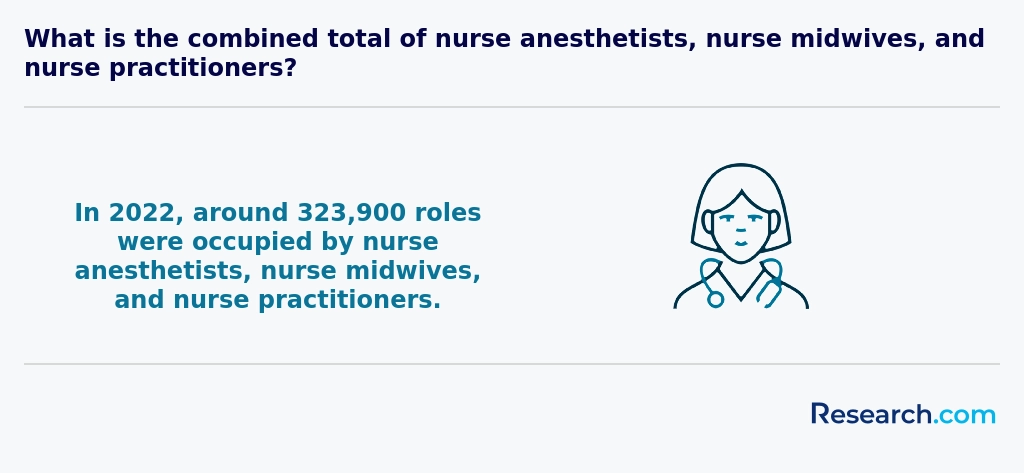
When considering the affordability of nursing programs, it's essential to look beyond the immediate location and explore options that offer a balance between cost and quality education. For instance, prospective students can explore affordable nursing schools in Pennsylvania by visiting affordable nursing school in pennsylvania to find programs that fit their budget and academic goals. This nominee for the most crucial missing section includes a detailed breakdown of the costs associated with different nursing programs in Erie, PA, such as tuition fees, living expenses, and financial aid opportunities, ultimately empowering students to make informed decisions about their nursing education.
Nursing students in Erie benefit from a variety of financial aid resources that significantly ease the burden of tuition costs. Many receive federal Pell Grants and FSEOG awards, which provide up to $7,395 annually without requiring repayment, allowing them to focus more on their studies. Graduates from institutions like Erie Community College often highlight how these grants made completing their programs financially manageable.
State aid is another vital source, with Pennsylvania's PHEAA offering grants and scholarships grounded in need and academic merit. Students at Gannon University reflect positively on how such state-sponsored support helped them stay committed to their nursing careers without overwhelming debt.
Institutional scholarships tailored to nursing students are also common in Erie. These awards, sometimes sponsored by hospital partners, enable students to gain confidence as they prepare for healthcare careers. Work-study opportunities provide hands-on experience while earning, which many Erie students find rewarding both professionally and financially.
Furthermore, programs like the Nurse Corps Scholarship attract Erie candidates willing to serve in underserved areas, creating a profound sense of purpose. After graduation, federal loan forgiveness options such as Public Service Loan Forgiveness help nurses working in local nonprofits and hospitals feel secure about their financial future.
Accreditation ensures that nursing programs in Erie, PA meet rigorous academic and clinical standards, directly impacting graduates’ eligibility for licensure and employment. In Erie, the majority of ADN and BSN programs hold accreditation from the Accreditation Commission for Education in Nursing (ACEN) or the Commission on Collegiate Nursing Education (CCNE), while all programs must also comply with Pennsylvania Board of Nursing requirements. Students should verify both institutional and programmatic accreditation before enrolling to guarantee transferability of credits and recognition by employers and licensing boards. NCLEX-RN pass rates are a key indicator of program quality and student preparedness. Erie’s top nursing schools have reported first-time NCLEX-RN pass rates ranging from 88% to 97% over the past five years, surpassing the national average of 85%. Prospective students can review school-specific pass rates published on the Pennsylvania Board of Nursing website and in the College Scorecard database to make data-driven choices. Strong partnerships with local healthcare providers further enhance clinical training and support high pass rates. For instance, Gannon University’s simulation labs and UPMC Hamot clinical rotations have contributed to its 95% NCLEX pass rate, while Penn State Behrend’s emphasis on evidence-based practice has yieldeda consistent 92%. For aspiring nurses exploring alternative pathways, affordable options like lvn programs with low tuition cost can provide a solid foundation before advancing to RN licensure. By prioritizing accredited programs with strong NCLEX outcomes, students in Erie, PA can confidently pursue nursing degrees that align with both their career goals and financial considerations.
Students aiming to enroll in nursing degree programs in Erie must meet several key prerequisites to secure their place. Typically, this begins with holding a high school diploma or GED, a fundamental requirement across Erie's nursing schools. Graduates from local institutions, such as those attending community colleges or regional universities offering nursing, emphasize the importance of completing prerequisite courses in biology, chemistry, and mathematics, which lay the scientific groundwork needed for success.
Standardized entrance exams like the TEAS or HESI play a critical role; aspiring nurses share that preparing for and passing these tests builds confidence and validates their academic readiness. Additionally, clinical preparedness is essential-programs require up-to-date immunizations, background checks, and CPR certification. Erie nursing graduates often reflect positively on how meeting these criteria early allowed them to focus fully on both classroom learning and hands-on rotations, fostering a rewarding educational experience in respected local programs.

After graduating from an accredited nursing program in Erie, PA, the next critical step is to secure your Registered Nurse (RN) license through the Pennsylvania State Board of Nursing. Without licensure, you cannot practice or advance your career. Below is a streamlined roadmap: 1. Meet State Board Eligibility • Graduate from a CCNE- or ACEN-accredited ADN or BSN program • Submit official transcripts and proof of clinical hours 2. Apply for NCLEX-RN Authorization • Complete the Pennsylvania RN license application online • Pay application and fingerprinting fees (typically $100–$150) • Undergo a criminal background check 3. Register and Schedule the NCLEX-RN • Create an account with Pearson VUE • Pay the NCLEX exam fee (approx. $200) • Choose a testing center in Erie or nearby 4. Pass the NCLEX-RN and Receive Your License • Allow 2–3 weeks for official score reporting • Receive e-license via Pennsylvania e-License portal 5. Maintain and Advance Your Credentials • Complete 30 hours of Continuing Education every two years • Pursue specialty certifications (e.g., CCRN, CPN) to boost your marketability • For CE credit flexibility, consider reputable online courses such as our Inexpensive Online Nursing Degree Programs Ranking in Denton, TX Understanding and navigating licensure requirements ensures you transition seamlessly from student to practicing nurse, solidifying your foundation in Pennsylvania’s healthcare system.
Nursing degree programs in Erie typically encompass a well-rounded curriculum combining foundational sciences, core nursing courses, and clinical practice. Students at popular Erie institutions often describe the early semesters as intense yet rewarding, engaging deeply with subjects like human anatomy and physiology, microbiology, general and organic chemistry, nutrition, and psychology. These courses establish essential knowledge of the human body and disease mechanisms, crucial for competent nursing care.
Following the science groundwork, students advance to specialized nursing courses such as pharmacology, patient assessment, medical-surgical nursing, mental health nursing, pediatric and obstetric nursing, and gerontological nursing. Graduates recall how these classes, especially those emphasizing evidence-based care and cultural sensitivity, directly prepared them for diverse patient interactions unique to Erie's communities.
Clinical rotations held at local Erie hospitals provide immersive, hands-on experience. Many students express confidence gained from working under supervision in real healthcare settings. This direct application of classroom knowledge helps bridge theory and practice, setting Erie nursing students on a successful path to licensure and professional nursing roles.
Nursing degree specializations in Erie encompass a range of focused pathways that align with both local healthcare demands and students' career goals. Graduates from popular Erie universities often highlight programs like Registered Nurse (RN) to Bachelor of Science in Nursing (BSN), which includes options to concentrate on public health or nursing leadership roles. Others value the Licensed Practical Nurse (LPN) to RN bridge programs, advancing clinical skills while providing flexibility-many students complement this by enrolling in lpn online classes to fit their schedules.
Erie nursing programs with specialization options also include Family Nurse Practitioner (FNP), targeting advanced practice in primary care suitable for families of all ages. Geriatric nursing stands out due to Erie's aging population, preparing nurses to offer compassionate eldercare. Additionally, pediatric and mental health nursing specializations respond to specific community needs, with students frequently praising clinical rotations at local hospitals that deepen hands-on experience and confidence in these fields.
Choosing the best nursing degree in Erie involves assessing program length, degree type, and alignment with your career goals. Graduates from local community colleges, which offer affordable nursing degree programs in Erie, often highlight how their ADN programs facilitated rapid entry into nursing careers within two years. Popular BSN programs at four-year universities provide deeper specialization and leadership training, appealing to students aiming for management roles.
Cost considerations are paramount. Many students seek lvn programs with low tuition cost to balance quality education with financial feasibility. Erie nursing schools reliably maintain accreditation through bodies like CCNE or ACEN, which is crucial for NCLEX-RN success. Students often praise clinical rotations coordinated with Erie hospitals, emphasizing how hands-on experience strengthened their confidence and practical skills.
Faculty qualifications and NCLEX pass rates are also significant factors. Those who chose programs with high graduation rates report feeling well-prepared and supported throughout their studies. Researching the best nursing schools Erie ranking can help in selecting institutions that blend academic rigor with real-world experience.
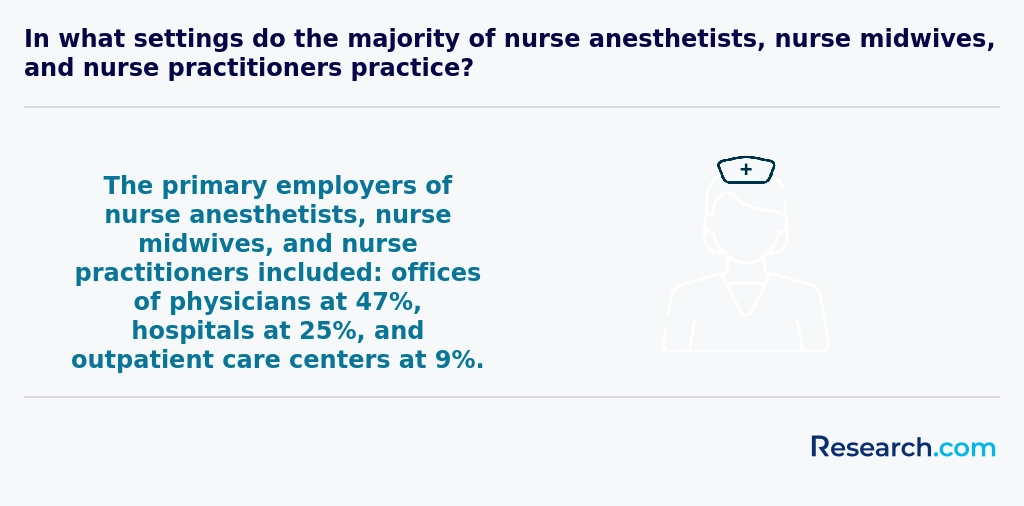
Graduates with a nursing degree in Erie have access to diverse nursing career opportunities in Erie that extend well beyond traditional bedside roles. Many begin their professions in prominent healthcare settings like UPMC Hamot or Saint Vincent Hospital, gaining essential hands-on experience. Others pursue specialized paths such as Nurse Practitioner roles, which demand advanced degrees and offer significant autonomy in diagnosing and treating patients, or become Clinical Nurse Specialists who focus on improving specific patient outcomes in areas like geriatrics or pediatrics.
Many graduates from Erie's popular nursing programs share enthusiasm for careers as Nurse Educators, contributing to the education of future nurses locally, or as Nurse Administrators who lead hospital operations. Public Health Nursing also attracts those passionate about community wellness and disease prevention. These options demonstrate strong Erie nursing degree job prospects that align with students' personal interests and professional growth goals. Students seeking cost-effective study options may explore the Inexpensive Online Nursing Degree Programs Ranking in Denton, TX to complement their local education.
The nursing job outlook in Erie remains strong due to a growing demand for healthcare services driven by an aging population and expanding medical facilities. Graduates of nursing programs in Erie consistently find rewarding employment across hospitals, outpatient clinics, and long-term care centers. Local institutions like Penn State Behrend provide affordable nursing education, enabling students to enter the workforce equipped with both theoretical knowledge and practical skills valued by employers such as UPMC Hamot. These graduates often share positive experiences about the career advancement opportunities available within Erie's healthcare system, particularly in specialties like geriatrics and home health nursing.
Erie nursing degree employment opportunities are further enhanced by competitive wages aligned with the region's cost of living, making the career both financially viable and professionally fulfilling. Many students discover that selecting local programs facilitates smoother transitions from study to work, supported by established partnerships with regional healthcare providers. Prospective students interested in accelerated paths may also explore the fastest online degree programs for working adults to balance education with personal commitments.
2027 Most Affordable Nursing Degree Programs Ranking in Erie
Investing in your education is a significant decision that can shape your future, and the Research.com team recognizes the importance of making well-informed choices. To support prospective students seeking nursing degrees in Erie, we have carefully developed the "2027 Most Affordable Nursing Degree Programs Ranking in Erie." Our dedication to quality, credibility, and accuracy is demonstrated through rigorous research and thorough data analysis.
We utilized the following reputable data sources to ensure a comprehensive evaluation of nursing programs:
By exploring this ranking, readers will gain valuable insights into affordable and high-quality nursing degree options available in Erie, empowering them to make confident educational decisions. For more information on how this ranking was created, please visit our Research.com methodology page.
# 1 position
Pennsylvania State University-Penn State Erie-Behrend College
Bachelor of Science in Nursing



Frequently Asked Questions About nursing
Nursing degree students in Erie can maximize their learning experience by engaging actively in clinical opportunities offered through local hospitals such as UPMC Hamot. Hands-on practice in these settings helps students apply theory to real-world patient care. Erie's nursing programs often emphasize simulation labs, which prepare students by replicating clinical scenarios in a controlled environment.
Another important strategy is to leverage Erie's connections with healthcare providers for internships and networking. According to the Pennsylvania Department of Labor, Erie's healthcare sector is growing, increasing job placements for nursing graduates.
Students should also prioritize staying current with evidence-based nursing practices through resources like the American Nurses Association.
Nursing in Erie is evolving rapidly, with several emerging niches gaining attention. One fast-growing area is geriatric nursing, driven by Erie's aging population, which is increasing demand for specialized elder care. According to the Pennsylvania Department of Health, Erie County's population aged 65 and older is projected to grow significantly in coming years, highlighting this trend.
Another promising niche is telehealth nursing, which has expanded due to advances in technology and the COVID-19 pandemic. Nurses in this field provide remote care, improving access for rural Erie residents.
Additionally, specialized fields like oncology and palliative care nursing are expanding, reflecting broader national trends toward chronic disease management and holistic patient care.
After completing a nursing degree in Erie, preparing for the job market involves several key steps to enhance employment prospects. First, obtaining licensure by passing the NCLEX-RN exam is mandatory. In Pennsylvania, where Erie is located, this licensure is critical to practice as a registered nurse.
Networking within Erie's healthcare community can be particularly valuable. The city has numerous hospitals such as UPMC Hamot and Saint Vincent Hospital that often recruit locally. Attending local job fairs and joining nursing associations like the Pennsylvania State Nurses Association can also increase visibility.
Gaining practical experience through internships or volunteering during studies can make candidates more competitive. According to the Bureau of Labor Statistics, Erie's nursing employment growth aligns with national trends, emphasizing demand for skilled nurses.
Employers in Erie seek nursing graduates with strong clinical skills and the ability to apply evidence-based practices. According to the Pennsylvania Center for Nursing Workforce, proficiency in patient assessment, medication administration, and electronic health records are essential. Communication skills are highly valued, as nurses must collaborate with diverse healthcare teams and provide clear patient education.
Cultural competency and critical thinking are increasingly important in Erie's evolving healthcare environment. Data from Erie Regional Health System shows that nurses who demonstrate adaptability and effective problem-solving contribute to better patient outcomes. Additionally, employers emphasize professionalism and ethical decision-making as foundational qualities for nursing graduates.
Finding nursing internships in Erie involves targeting local hospitals, clinics, and healthcare facilities known to offer practical training. Erie's primary medical centers, such as UPMC Hamot and Saint Vincent Health Center, often provide internship opportunities for nursing students. These programs allow students to gain hands-on experience alongside licensed professionals.
Students should also explore partnerships between Erie nursing schools and healthcare providers, as formal agreements frequently secure internship placements. Checking with academic advisors or career centers at institutions like Penn State Behrend can offer guidance on current internship openings.
According to the Pennsylvania Department of Labor, Erie's healthcare sector employs over 7,000 professionals, reflecting strong demand for nursing skills and internship availability in this region.
Obtaining a nursing degree in Erie significantly enhances career mobility and advancement opportunities within the healthcare sector. According to the U.S. Bureau of Labor Statistics, registered nurses in Pennsylvania, including Erie, have a projected job growth of 7% from 2022 to 2032, indicating steady demand.
Locally, nursing graduates from accredited programs can pursue roles ranging from bedside nursing to specialized fields such as pediatric or geriatric care. Advanced degrees like a BSN or MSN further open doors to leadership, clinical specialist, or nurse educator positions.
Employers in Erie often prefer candidates with formal nursing degrees, linking education to higher salaries and increased responsibilities. Data from the Pennsylvania Center for Nursing highlights that nurses with a BSN earn approximately 16% more than those with only an associate degree.
Studying for a nursing degree in Erie equips students to take on interdisciplinary roles by emphasizing collaboration across healthcare fields. Erie's nursing programs often include clinical experiences in diverse healthcare settings, allowing students to work alongside professionals such as physicians, social workers, and therapists.
These programs integrate coursework in communication, health informatics, and community health, fostering essential skills for teamwork and patient-centered care. According to data from the Pennsylvania Department of Education, Erie's nursing graduates demonstrate strong readiness for cooperative healthcare environments.
Additionally, partnerships between Erie colleges and local hospitals provide real-world exposure, enhancing students' adaptability in multidisciplinary teams.
When deciding between a thesis and a non-thesis nursing degree program in Erie, consider your career goals and learning preferences. A thesis option typically suits students aiming for research roles or advanced degrees, as it involves completing original research under faculty supervision.
Non-thesis programs focus more on practical skills and clinical experience, which may be preferable for students wanting to enter the workforce quickly or advance in clinical settings. According to data from the Pennsylvania Department of Education, nursing programs in Erie report higher graduate employment rates when offering strong clinical components.
Evaluate the time commitment, as thesis tracks may take longer to complete due to research demands.
Additionally, local Erie healthcare employers often value practical experience, which non-thesis programs emphasize.
Students in Erie interested in studying nursing abroad have several pathways through US higher education programs offering international experiences. Many nursing programs in Pennsylvania, including those near Erie, have established partnerships with universities overseas, facilitating study abroad options or clinical placements.
For example, students can participate in exchange programs during their bachelor's or advanced degree studies, gaining exposure to diverse healthcare systems. According to the American Association of Colleges of Nursing, about 15% of nursing students nationwide engage in some form of international study or practicum.
Erie's location near Lake Erie and proximity to Canada also provide unique cross-border opportunities for clinical training. However, students must plan carefully to meet licensure requirements under the US nursing boards after completing foreign components.
Part-time job opportunities in Erie that complement nursing degree education include roles such as certified nursing assistant (CNA), medical scribe, and patient care technician. These positions offer practical experience in healthcare settings, helping students develop clinical skills and understand patient care. According to the Pennsylvania Department of Labor, CNAs in Erie earn an average hourly wage of $13 to $16, providing both income and relevant experience.
Hospitals like UPMC Hamot and St. Vincent Health System frequently hire part-time support staff, allowing students to balance work and study effectively. Additionally, Erie's numerous outpatient clinics and long-term care facilities offer roles requiring flexible hours that fit around academic schedules.
Engaging in such roles can enhance a nursing student's resume and increase employability in competitive nursing programs and future job markets.
Nursing students in Erie have access to a variety of networking opportunities that can enhance their education and career prospects. Local hospitals like UPMC Hamot and Saint Vincent Hospital often collaborate with nursing programs for clinical placements, allowing students to build professional connections early.
Additionally, Erie is home to local chapters of nursing organizations such as the Pennsylvania State Nurses Association (PSNA). These groups host regular meetings and events where students can meet practicing nurses and healthcare leaders.
Schools like Gannon University and Penn State Behrend also organize career fairs and guest lectures, providing further chances to network within the Erie healthcare community.
According to the Bureau of Labor Statistics, Erie's healthcare sector is growing, which increases opportunities for new graduates to connect with potential employers.
Alumni networks play a crucial role in supporting nursing degree students in Erie by offering professional connections and mentorship opportunities. Graduates from Erie's nursing programs often share valuable insights about local healthcare employers, including major hospitals like UPMC Hamot and Saint Vincent Health Center. According to a 2023 report by the Pennsylvania State Nurses Association, 68% of new nurses in Erie secured jobs through networking connections, including alumni referrals.
Additionally, alumni networks frequently organize workshops and career fairs, helping students stay informed about evolving nursing practices and certifications. These events enhance students' job readiness and can lead to internships essential for clinical experience. Overall, these networks strengthen community ties and improve employment outcomes for nursing graduates in Erie.
Customizing a nursing degree program in Erie allows students to align their education with specific career goals. Many local institutions offer flexible options, such as choosing between Associate Degree in Nursing (ADN) and Bachelor of Science in Nursing (BSN) pathways. Erie's healthcare landscape supports specialization opportunities in areas like gerontology, pediatrics, or oncology through elective courses and clinical placements.
Students can also benefit from partnerships between Erie colleges and hospitals, providing practical experience tailored to desired nursing fields. Additionally, online and hybrid program formats accommodate working professionals aiming to advance their credentials without sacrificing employment.
According to the Pennsylvania Department of Education, Erie's nursing programs have maintained strong NCLEX pass rates above 85%, reflecting quality training across customized tracks.
Nursing students in Erie often face several significant challenges during their education. A common issue is balancing rigorous coursework with clinical practice requirements, which can demand over 40 hours per week. This time pressure affects many students, especially those who work part-time or support families. According to the Pennsylvania State Nurses Association, nearly 60% of nursing students report stress related to managing academic and personal responsibilities.
Another challenge is the competitive admission process at local institutions like Erie Community College, where limited spots increase anxiety among applicants. Additionally, some students struggle with financial barriers, as the average tuition for nursing programs in Erie ranges from $7,000 to $15,000 annually.
Moreover, adapting to evolving healthcare technologies and high expectations for clinical competency can be difficult for many. Students must stay current with electronic health records and modern patient-care techniques, all while maintaining their academic performance.
With a nursing degree in Erie, you can pursue several professional certifications to enhance your career options. The most common certification is the Registered Nurse (RN) license, granted after passing the NCLEX-RN exam, essential for practicing nursing in Pennsylvania.
Beyond licensure, nurses often seek specialty certifications such as the Certified Medical-Surgical Registered Nurse (CMSRN) or Certified Pediatric Nurse (CPN), offered by national bodies like the Medical-Surgical Nursing Certification Board and the Pediatric Nursing Certification Board.
In Erie, employers value certifications in areas like gerontology, critical care, and infection control, reflecting regional healthcare needs highlighted by the Pennsylvania State Nurses Association. These certifications improve job prospects and earning potential.
Additionally, advanced certifications like Nurse Practitioner or Clinical Nurse Specialist require further education but offer greater autonomy in clinical practice.
To write a winning application for a nursing program in Erie, focus first on meeting all admission requirements, including a solid GPA and prerequisite courses such as biology and anatomy. Highlight relevant healthcare experience, which local programs often value. According to the Pennsylvania State Board of Nursing, applicants should demonstrate strong communication and critical thinking skills in their personal statement.
Use your personal statement to explain your motivation for pursuing nursing in Erie, referencing your understanding of local healthcare needs. Include specific examples of volunteer or work experience in Erie-area hospitals or clinics.
Request recommendation letters from professionals familiar with your academic or clinical work. Pay careful attention to deadlines and submit all materials on time.
Many Erie nursing programs also require standardized test scores, such as the TEAS, so prepare thoroughly to boost your competitiveness.
Nursing is recognized globally as a vital and respected profession, with growing demand in many countries, including the United States. In Erie, nursing degrees align with nationwide trends emphasizing advanced education and specialization to meet complex healthcare needs.
The U.S. Bureau of Labor Statistics projects a 9% growth in registered nurse employment between 2022 and 2032, faster than average job growth. Erie reflects this with several accredited institutions offering quality nursing programs that prepare graduates for diverse roles worldwide.
Globally, nurses must adapt to evolving healthcare technologies and cultural competencies. For Erie students, this means gaining skills valued internationally, supported by Erie's strong clinical partnerships that offer real-world experience.
Sources such as the Pennsylvania Department of Education and the National Council of State Boards of Nursing emphasize Erie's strategic role in producing skilled nurses for both local and global healthcare systems.
Gaining practical experience while studying for a nursing degree in Erie is essential for building clinical skills. Many nursing programs in the area incorporate hands-on training through partnerships with local hospitals, such as UPMC Hamot and Saint Vincent Hospital. These clinical rotations allow students to work directly with patients under supervision, which enhances learning and prepares them for real-world nursing roles.
In addition, some Erie colleges offer simulation labs where students practice procedures in a controlled environment. Volunteering or part-time work in healthcare facilities also helps build experience and professional connections.
According to the Pennsylvania State Board of Nursing, clinical hours count toward licensure eligibility, so choosing a program with ample clinical placement is advisable for practical learning.
Choosing the right concentration within a nursing degree program in Erie involves considering both personal interests and local healthcare demands. Erie's healthcare workforce is growing, with the Pennsylvania Center for Workforce Information reporting a 12% increase in nursing job openings projected by 2030. Concentrations such as gerontology, given Erie's aging population, or acute care nursing, aligned with regional hospital needs, are important options to evaluate.
Explore programs that offer clinical placements in local facilities like UPMC Hamot or Saint Vincent Hospital to gain hands-on experience. Also, review accreditation status and NCLEX pass rates, as these indicators reflect program quality. Align your choice with career goals and Erie's specific healthcare landscape.
- 2027 Most Affordable Nursing Degree Programs Ranking in Cleveland
- 2027 Most Affordable Nursing Degree Programs Ranking in Pittsburgh
- 2027 Most Affordable Nursing Degree Programs Ranking in Rochester
- 2027 Most Affordable Nursing Degree Programs Ranking in Detroit
- 2027 Most Affordable Nursing Degree Programs Ranking in Harrisonburg
- 2027 Most Affordable Nursing Degree Programs Ranking in Baltimore
- 2027 Most Affordable Nursing Degree Programs Ranking in Washington
- 2027 Most Affordable Nursing Degree Programs Ranking in Lynchburg
- 2027 Most Affordable Nursing Degree Programs Ranking in New York
- 2027 Most Affordable Nursing Degree Programs Ranking in Indianapolis
See What Experts Have To Say About Studying Nursing
Read our interview with Nursing experts

Lisa Grubb
Nursing Expert
Assistant Professor
Johns Hopkins School of Nursing

- What Subjects do I Need to Become A Nurse? https://www.stonebridge.uk.com/blog/nursing/what-subjects-do-i-need-to-become-a-nurse/
- Work-life balance | Careers Crossroads | RCN Careers Resources | Royal College of Nursing https://www.rcn.org.uk/Professional-Development/Your-career/Nurse/Career-Crossroads/Career-Ideas-and-Inspiration/work-life-balance
- 10 Nursing Fields That Are Growing in Demand https://promedcert.com/blog/10-nursing-fields-that-are-growing-in-demand
- Nursing (ASN) https://www.mercyhurst.edu/academics/nursing-rn
- How to Choose the Right Nursing Program for Your Career Goals - Maria College https://mariacollege.edu/blog/how-to-choose-the-right-nursing-program-for-your-career-goals
- Financial Aid for Nursing Students | AHN https://www.ahn.org/health-care-professionals/education/nursing/schools/financial-aid
- Client Challenge https://www.springerpflege.de/nursing-graduates-perceived-future-career-pathway-and-career-shi/50653658
- The Nurses' Alumni Association https://giving.mainlinehealth.org/get-involved/auxiliaries-and-womens-boards/lankenau-medical-center-womens-board/the-nurses-alumni-association
- Practical Nursing https://www.ec3pa.org/practical-nursing
- How to Write https://esign.com/letter-of-intent/school/nursing/