
2027 Best Nursing Degree Programs Ranking in Cedar Rapids

Co-Founder and Chief Data Scientist
If you're considering a nursing career in Cedar Rapids, you've come to the right place. This article presents the 2027 Best Nursing Degree Programs Ranking in Cedar Rapids, carefully developed by the Research.com team of data scientists. Their analysis helps you understand which nursing programs truly stand out.
Reading this guide will give you clear insights to make a confident, informed decision about your education path. A nursing degree opens doors to a rewarding, impactful profession where you can make a real difference in people's lives.
Explore your options and take the first step toward a meaningful future.
Key benefits of getting nursing degree in Cedar Rapids
- Nursing degree graduates in Cedar Rapids can earn competitive salaries, with Registered Nurses and Public Health Nurses making around $94,480 annually, while Operating Room Nurses earn a higher average of $128,490 per year.
- Graduates from popular local colleges have diverse career paths, including clinical nursing, education, and emergency care, offering exciting opportunities to make a meaningful impact in healthcare.
- Obtaining a nursing degree online from a well-known Cedar Rapids university provides flexibility, allowing students to balance studies with personal and work commitments while gaining quality education.
- 2027 Best Nursing Degree Programs Ranking in Cedar Rapids
- What can I expect from nursing degree in Cedar Rapids?
- Where can I work with nursing degree in Cedar Rapids?
What can I expect from nursing degree in Cedar Rapids?
The average cost of obtaining a nursing degree in Cedar Rapids varies by program type and institution but generally falls within a manageable range for most students. For example, an Associate Degree in Nursing (ADN) at local community colleges typically costs between $8,000 and $12,000 in tuition for the full program, excluding fees and supplies. Graduates from these programs often highlight the value of affordable education paired with strong clinical practice opportunities at nearby hospitals like Mercy Medical Center.
Bachelor of Science in Nursing (BSN) programs at universities such as the University of Iowa (with campus extensions or partnerships in Cedar Rapids) generally range from $25,000 to $40,000 for the four-year degree, depending on residency status and financial aid availability. Students frequently express satisfaction with their investment, citing comprehensive coursework and access to extensive clinical rotations, which enhance their readiness for the NCLEX-RN exam.
Financial aid, including scholarships and federal loans, is a common support avenue for many nursing students, making these costs more accessible. Graduates often emphasize that despite upfront expenses, the strong job prospects and high NCLEX-RN pass rates in Cedar Rapids justify the financial commitment.
Where can I work with nursing degree in Cedar Rapids?
Nursing graduates in Cedar Rapids find diverse employment options across several healthcare sectors. Hospitals such as Mercy Medical Center and St. Luke's Hospital lead hiring efforts, offering roles in emergency care, intensive care units, and specialty fields like oncology. Graduates from local institutions like Mount Mercy University often report rewarding experiences working in these dynamic clinical environments, benefiting from hands-on practice gained during their studies.
Beyond hospital settings, graduates frequently secure positions in outpatient clinics, rehabilitation centers, and long-term care facilities. With Cedar Rapids's aging population, facilities like nursing homes and assisted living centers consistently seek skilled nurses to provide compassionate, ongoing care. Local nursing alumni express strong job satisfaction in these roles where they impact daily patient well-being.
Community health organizations and public health agencies in the area also employ nurses for health education and vaccination programs. Nurses trained at local colleges value these opportunities to improve population health and engage with diverse communities.
Advanced degree holders, such as nurse practitioners, enjoy expanded roles managing chronic conditions and prescribing treatments in primary care, reflecting Cedar Rapids's growing healthcare demands.
Graduates with nursing degrees in Cedar Rapids can expect competitive salaries supported by strong local demand. Registered nurses typically earn around $94,480 annually, aligning with data from the U.S. Bureau of Labor Statistics. This figure reflects wages for roles such as clinical nurse educators, public health nurses, and emergency room nurses, all earning similarly around $94,480 per year.
Operating room nurses represent a higher earning potential, with mean annual wages reaching approximately $128,490, highlighting the benefits of specialization. Graduates from popular nursing programs at institutions like Kirkwood Community College and Mount Mercy University report satisfaction not only with their education but also with salary prospects, enabling them to confidently pursue diverse clinical roles in Cedar Rapids healthcare facilities.
Many graduates describe entering the workforce with enthusiasm, encouraged by salaries that support financial stability and career growth. Clinical experience combined with additional certifications often leads to pay increases. For nurses aiming to expand into advanced practice or specialized areas, the potential earnings in Cedar Rapids provide a motivating pathway beyond initial RN roles.
- Cedar Rapids offers accredited ADN and BSN nursing programs through community colleges and universities.
- ADN tuition ranges from $5,000 to $8,000 for in-district students, while BSN programs cost between $20,000 and $35,000.
- Entry-level nurses in Cedar Rapids earn about $55,000 to $65,000 annually, with experienced nurses making over $75,000.
- Local healthcare facilities actively recruit nursing graduates and support clinical placements for practical experience.
- The region's lower cost of living enhances the financial benefits of nursing careers in Cedar Rapids.
Nursing degrees in Cedar Rapids vary in length depending on the program level. Graduates from Kirkwood Community College's ADN program typically complete their studies in about two years, balancing coursework and clinical practice that quickly prepares them for the NCLEX-RN licensure exam. Many students appreciate the manageable time frame combined with an affordable tuition of approximately $9,000, fostering confidence as they begin their nursing careers.
Those pursuing a traditional BSN through four-year institutions near Cedar Rapids commit to comprehensive training over four years. This path offers a deeper dive into nursing theory and leadership, enhancing job prospects and earning potential. Graduates often recall the rewarding challenge of integrating classroom knowledge with clinical experience, a combination that justifies the $30,000-plus tuition investment.
Accelerated BSN options condense the experience into 12 to 18 months for individuals holding prior degrees. Former students describe this intensity as demanding yet exhilarating, rapidly opening doors to RN licensure and advanced roles.
At the graduate level, MSN students invest about two additional years, embracing specialization opportunities that expand career trajectories into advanced practice, emphasizing Cedar Rapids as a versatile nursing education hub.
Registered nurses with an ADN or diploma can fast-track their careers through RN to BSN bridge programs, designed to build on existing clinical skills and open doors to leadership roles.
- Program Length: Typically 12–24 months, with part-time, full-time, and accelerated tracks.
- Delivery Formats: On-campus labs, online lectures, and hybrid options for scheduling flexibility.
- Key Requirements: Active RN license, official transcripts, minimum GPA (often 2.5+), and completion of general education prerequisites.
- Core Curriculum: Advanced pathophysiology, community health, nursing leadership, research methods, and evidence-based practice.
- Career Benefits: BSN credentials can boost earning potential, expand scope of practice, and meet employer preferences for management or specialty roles.
- Cost-Saving Tip: Compare tuition and fees, and explore cheap rn to bsn online programs to find the best value without compromising quality.
Online nursing degrees in Cedar Rapids offer working adults and caregivers vital flexibility by delivering lectures and coursework through digital platforms accessible anytime. However, graduates often note that completing in-person clinical hours at local healthcare facilities remains mandatory, ensuring hands-on skill acquisition and compliance with Iowa Board of Nursing licensure. This blended approach allows students to balance studies with personal commitments.
Conversely, on-campus programs, such as those at Kirkwood Community College, immerse students in face-to-face labs, group studies, and real-time faculty interaction. Graduates frequently highlight the benefit of immediate feedback and strong campus support systems including simulation labs and healthcare partnerships that enrich learning experiences.
Cost-wise, Cedar Rapids public colleges typically charge between $4,000 and $6,000 annually, making both formats financially attainable. Online students appreciate savings on commuting and housing, while on-campus students value the structured environment and community engagement. Both pathways effectively prepare students for nursing careers, each tailored to different lifestyles and study preferences.
Achieving a high NCLEX-RN pass rate is a critical measure of a nursing program’s effectiveness and reflects both the quality of instruction and the preparedness of its graduates. In Cedar Rapids, leading institutions consistently report pass rates above the national average of 88%. For example, Coe College boasts a 96% first-time NCLEX-RN pass rate, Kirkwood Community College maintains a 94% rate, and Mount Mercy University graduates achieve a 93% pass rate. These figures underscore the rigorous curriculum and dedicated faculty support that students receive throughout their studies. Beyond licensure, graduate success is further demonstrated by job placement rates and ongoing professional development. Approximately 90% of BSN graduates in Cedar Rapids secure full-time nursing positions within three months of passing the NCLEX, often accepting roles in local hospitals, clinics, and long-term care facilities. Many alumni credit early exposure to clinical rotations and simulation labs for their seamless transition into practice, while strong mentorship from experienced instructors reinforces critical thinking and patient-care skills. For nurses aiming to advance their careers, enrolling in an accelerated specialty program after initial licensure can be a game-changer. Experienced RNs in Cedar Rapids frequently pursue advanced practice roles through flexible formats, with options such as a 12-month fnp program online enabling them to become Family Nurse Practitioners in just one year. This pathway not only elevates clinical autonomy but also expands earning potential and leadership opportunities within the healthcare sector.
The average nursing degree cost Cedar Rapids students face varies notably depending on residency status and the type of institution. Median in-state total costs hover around $40,878, while out-of-state students may see totals rise to approximately $52,078. Public institutions like Kirkwood Community College offer affordable Associate Degree in Nursing (ADN) programs, making nursing education accessible for local students balancing budgets. Graduates recall managing tuition while benefiting from hands-on clinical training and supportive faculty, reinforcing the program's value beyond mere expenses.
For those pursuing a Bachelor of Science in Nursing (BSN), costs differ substantially between public and private universities. At the University of Iowa, in-state tuition generally ranges from $8,000 to $12,000 annually, reflecting more manageable costs compared to private schools like Mount Mercy University, where tuition can reach above $30,000 per year. As a result, the median total tuition highlights the financial commitment required, but many graduates emphasize how scholarships and financial aid in Cedar Rapids help ease this burden. The nursing program tuition and fees Cedar Rapids students encounter often include clinical fees, textbooks, and health insurance, which students plan for carefully.
Prospective students should consider that beyond tuition, expenses like commuting or housing may apply, especially if relocating. Many who have successfully completed nursing degrees in Cedar Rapids found that leveraging local nursing-specific scholarships and grants was essential. Additionally, those interested in a healthcare profession nutrition focus can explore specialized opportunities through practical programs, enabling a well-rounded educational experience and career readiness.

When evaluating nursing programs, affordability is a crucial factor for many students. Prospective nursing students in Cedar Rapids, IA, often find themselves weighing the costs of different programs against their potential returns. For those seeking affordable options, exploring the cheapest nursing programs in iowa can be a valuable step in making informed decisions about their educational investments. By considering factors such as tuition, fees, and available financial aid, students can better navigate the process of selecting a nursing program that meets their financial situation and career aspirations. This thoughtful approach to program selection not only helps in managing educational expenses but also in choosing a path that aligns with personal and professional goals, ultimately leading to a fulfilling nursing career.
Nursing students in Cedar Rapids frequently rely on federal financial aid to manage tuition costs ranging from $7,000 to $15,000 annually. By completing the FAFSA, many qualify for Pell Grants up to $7,395, which directly ease the financial burden. For example, graduates from Kirkwood Community College often report how Pell Grants allowed them to focus on studies without overwhelming loan debt.
State aid programs such as the Iowa Vocational-Technical Tuition Grant provide targeted support, especially for in-state students, reducing tuition and fees without requiring repayment. Those attending institutions like the University of Iowa appreciate this resource as it complements federal aid effectively.
Local scholarships offered by healthcare providers, including Mercy Medical Center and UnityPoint Health, create practical pathways for students willing to commit to work post-graduation. This connection between scholarships and employment brings reassurance and motivation seen in many recent nursing graduates.
Stafford and Perkins loans remain another option with relatively low interest, while work-study programs enable students to earn income and gain relevant clinical experience, enhancing both financial stability and professional readiness throughout their nursing education.
Nursing programs in Cedar Rapids, IA, stand out for their strong clinical partnerships with top healthcare facilities, ensuring students gain real-world experience before graduation. Local colleges collaborate with UnityPoint Health – St. Luke’s Hospital, Mercy Medical Center, and regional outpatient clinics to offer structured internship placements and simulation lab training. Through these affiliations, students complete required clinical hours in diverse departments-emergency, pediatrics, maternity, and mental health-under the supervision of seasoned nurses and clinical educators. Many programs guarantee at least 700 clinical hours, combining in-hospital rotations with community health initiatives such as mobile clinics and school health screenings. This hands-on exposure enhances patient assessment skills, critical thinking, and interprofessional communication, while also fostering professional networks that often lead to job offers upon course completion. Additionally, on-campus simulation centers equipped with high-fidelity manikins allow students to practice advanced procedures-like IV insertions and code response-in a risk-free setting. For those who plan to advance beyond the bachelor’s level, Cedar Rapids institutions often guide students toward graduate pathways; for example, you can review the most affordable graduate options in our comprehensive list of cheapest msn programs. By integrating clinical internships with evidence-based learning, Cedar Rapids nursing degrees ensure graduates enter the workforce with both confidence and competence.
Enrolling in a nursing degree program in Cedar Rapids typically requires a high school diploma or GED, emphasizing strong skills in biology, chemistry, and algebra. These foundational courses prepare students for the rigors encountered at institutions like Mount Mercy University and Kirkwood Community College, where graduates often highlight how early mastery of science helped them excel.
Proficiency in English, both written and verbal, is another prerequisite, reflecting nursing's communication demands. Many Cedar Rapids programs ask for standardized test scores or coursework demonstrating this ability. For example, graduates recall that passing the TEAS or HESI entrance exams was a pivotal step that boosted their confidence and readiness.
Health screenings, immunizations, and background checks protect students and patients, complying with state nursing board rules. Practical experience, though not always mandatory, is highly recommended and praised by Cedar Rapids nursing students for providing hands-on insight.
Financially, students should prepare for tuition ranging from $8,000 to $12,000 annually, plus additional costs like textbooks and licensing fees, a reality well understood by those pursuing nursing locally.

Understanding the true value of a nursing degree requires weighing tuition costs against potential earnings and career longevity. In Cedar Rapids, the average total cost for an ADN ranges from $23,900 to $66,320, while BSN programs average between $89,556 and $211,392. Considering that Registered Nurses in the region earn an average of $89,010 annually, ADN graduates can often recoup their investment within two years of full-time employment, and BSN holders typically break even in under three years. Beyond direct salary comparisons, it’s important to factor in debt service and loan forgiveness opportunities. Federal programs such as the Nurse Corps Loan Repayment and public service loan forgiveness can reduce educational debt burdens by up to 85%, significantly shortening payback periods and improving net lifetime earnings. Additionally, Cedar Rapids institutions frequently partner with local hospitals to offer sign-on bonuses and tuition reimbursement, further enhancing ROI. Non-financial returns-such as job security (with a projected 6% RN job growth through 2033), professional development, and work-life balance-also contribute to a robust long-term value proposition. For students seeking even more cost-effective pathways, exploring highly ranked online options can be beneficial; for example, our Inexpensive Online Nursing Degree Programs Ranking in Georgia highlights programs that combine affordability with accreditation and strong NCLEX pass rates. Ultimately, calculating the return on investment involves personalized considerations-program cost, anticipated salary trajectory, and available financial aid-ensuring each student selects a nursing path that delivers both professional fulfillment and financial stability.
Nursing degree programs in Cedar Rapids include a broad range of courses that combine scientific foundations with hands-on clinical skills, preparing students for diverse healthcare roles. Graduates from institutions like Kirkwood Community College and Coe College highlight courses such as Anatomy and Physiology, Microbiology, and Pharmacology as essential for understanding human health and medication management.
Core classes typically feature Introduction to Nursing Practice, Health Assessment, Pathophysiology, and specialized topics like Maternal and Child Health Nursing and Mental Health Nursing. These courses build practical competencies, which students appreciate when they engage in real-world scenarios, such as conducting patient assessments during clinical rotations at local hospitals.
Many students express confidence gained from community health and leadership courses that teach ethical decision making and patient safety. The integration of Nursing Research and Evidence-Based Practice fosters critical thinking, helping graduates deliver informed care in dynamic settings. Clinical practicums or internships supervised by experienced nurses solidify this learning, enabling students to translate theory into effective patient care in Cedar Rapids's healthcare facilities.

Nursing degree specializations in Cedar Rapids typically include Registered Nurse (RN) to Bachelor of Science in Nursing (BSN), Family Nurse Practitioner (FNP), Psychiatric-Mental Health Nursing, Geriatric Nursing, Critical Care Nursing, and Pediatric Nursing. Graduates from popular Cedar Rapids colleges frequently cite how clinical rotations at local institutions like St. Luke's and Mercy Medical Center deepen their expertise in these focused areas, preparing them for real-world challenges.
For example, those completing the FNP track gain skills to provide primary care across age groups, meeting Iowa's urgent need for primary care providers. Another common pathway is Psychiatric-Mental Health Nursing, addressing rising mental health concerns statewide. These Cedar Rapids nursing program concentration options reflect both national healthcare trends and community needs.
Many aspiring nurses start with foundational tracks while considering specializations such as those found in lpn degrees tennessee rankings to shape flexible career options. Graduates often express satisfaction with how these programs prepare them to impact local healthcare positively, increasing job market competitiveness and salary potential.
Choosing the best nursing degree in Cedar Rapids requires analyzing program types aligned with career ambitions, such as ADN, BSN, or MSN. Graduates from Kirkwood Community College report that the BSN degree enhances job competitiveness, especially since many local hospitals favor candidates with BSNs due to Magnet recognition efforts. Evaluating program accreditation by bodies like CCNE and ACEN is essential; Cedar Rapids schools maintain strong accreditation, ensuring education quality that employers trust.
Cost considerations are paramount. Kirkwood's ADN programs offer affordable tuition compared to private universities, with financial aid and scholarships improving accessibility. Many students find relief in these options, balancing expenses with quality education. Clinical experience is foundational. Cedar Rapids programs partner with UnityPoint Health and Mercy Medical Center, providing hands-on training often praised by graduates for boosting confidence before licensure.
NCLEX-RN pass rates remain above the Iowa average, indicating effective preparation in Cedar Rapids. Flexibility also matters; hybrid courses allow working adults to manage studies alongside jobs. Those seeking options can explore lpn degrees tennessee campus visits for comparative perspectives. For anyone evaluating the best nursing degree programs Cedar Rapids offers practical, affordable nursing schools Cedar Rapids students recommend due to these clear advantages.

Graduates with a nursing degree in Cedar Rapids have a range of career opportunities across healthcare settings. The most common roles involve working as Registered Nurses (RNs) in hospitals, clinics, or long-term care facilities such as UnityPoint Health and Mercy Medical Center, where many local nursing graduates begin their careers. These positions often include direct patient care in medical-surgical units or emergency departments, providing rewarding experiences that build confidence and practical skills. Nursing career opportunities in Cedar Rapids extend beyond bedside care to specialized roles requiring further certification or advanced degrees, including Clinical Nurse Specialists, Nurse Educators, Nurse Practitioners, Public Health Nurses, and Nurse Administrators.
Graduates from popular nursing programs at Cedar Rapids colleges often find doors open into emerging fields like informatics nursing and healthcare policy. Such roles combine technology or advocacy with clinical expertise to improve patient outcomes. Many also pursue a Master of Science in Nursing or Doctor of Nursing Practice to increase their earning potential and leadership responsibilities. For students exploring options, understanding nursing career advancement is essential to mapping out a rewarding future in this growing sector.
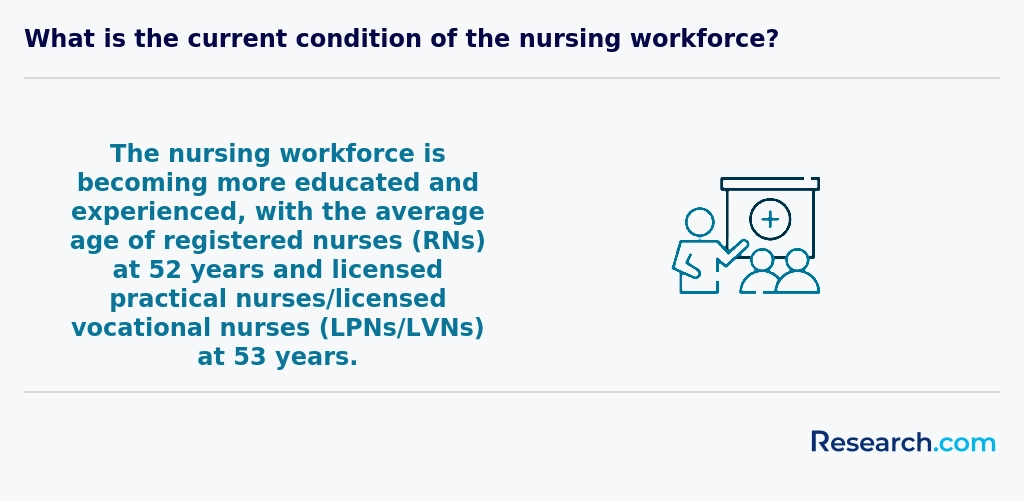
The nursing degree job market Cedar Rapids offers is characterized by steady growth and diverse opportunities. Graduates from prominent local colleges often find rewarding positions in major hospitals like St. Luke's Hospital and Mercy Medical Center, where critical care and surgical unit roles are frequently available. This robust demand reflects broader statewide trends, with registered nurse employment expected to grow by roughly 6% through 2032. Nurses report satisfaction working in community health organizations and outpatient clinics, appreciating the balance between challenging work and team support.
Many graduates highlight the competitive salaries in Cedar Rapids, which generally meet or slightly surpass Iowa's average registered nurse wage of approximately $67,000 annually. Advanced practitioners earn even more, making the career financially appealing. Students benefit from affordable nursing program tuition at local institutions, ranging from $8,000 to $15,000 yearly, and various financial aid options. For those exploring other regional options, resources like the best nursing schools in louisiana rankings offer helpful guidance.
Those entering home healthcare or long-term care in Cedar Rapids emphasize the city's strong healthcare infrastructure and community-based employment, reinforcing why many nursing graduates view their career prospects here with optimism and confidence.
2027 Best Nursing Degree Programs Ranking in Cedar Rapids
Investing in your education is a significant decision that can shape your future, and the Research.com team understands the importance of making informed choices. To assist prospective students in Cedar Rapids, we have meticulously crafted the "2027 Best Nursing Degree Programs Ranking in Cedar Rapids." Our commitment to quality, credibility, and accuracy is demonstrated through extensive research and analysis conducted to compile this ranking.
We utilized the following reputable data sources to ensure a comprehensive evaluation of nursing degree programs:
By exploring this ranking, readers will gain valuable insights into the best nursing degree programs available in Cedar Rapids, helping them make well-informed decisions about their educational paths. For more details on our methodology, please visit our Research.com methodology page.


Frequently Asked Questions About nursing
Nursing degree students in Cedar Rapids can maximize their learning by engaging actively in clinical rotations offered through partnerships with local healthcare facilities. These hands-on experiences are crucial, as they allow students to apply classroom knowledge in real-world settings. According to the Iowa Board of Nursing, clinical hours represent a significant portion of nursing education requirements.
Utilizing resources at Linn-Benton Community College and nearby universities, including tutoring and simulation labs, also enhances understanding of complex nursing concepts. Moreover, joining professional organizations such as the Iowa Nurses Association provides networking, mentorship, and access to current healthcare trends.
Time management and balancing coursework with practical experience are essential, as highlighted by the National League for Nursing's guidelines for student success.
The nursing field is evolving rapidly, especially in regions like Cedar Rapids where healthcare needs are diversifying. Emerging niches include gerontological nursing, driven by Iowa's growing elderly population, which is expected to rise by 22% over the next decade according to the Iowa Department of Public Health.
Another key area is telehealth nursing, boosted by increased digital health services following the COVID-19 pandemic. Telehealth offers nurses the ability to care for patients remotely, improving access in rural Iowa communities.
Additionally, psychiatric-mental health nursing is gaining importance due to rising awareness of mental health issues nationwide. Nurses specializing in this field provide critical support in both hospital and community settings.
These niches reflect broader national trends, highlighting opportunities for Cedar Rapids nursing students to specialize and meet local healthcare demands.
After completing a nursing degree in Cedar Rapids, preparing for the job market involves several key steps. First, obtaining licensure is essential; all nurses must pass the NCLEX-RN exam to practice legally in Iowa. The Iowa Board of Nursing provides specific guidelines and support for applicants.
Networking locally is important. Cedar Rapids has a strong healthcare presence, including Mercy Medical Center and UnityPoint Health, which frequently hire new nurses. Attending local job fairs and joining nursing associations such as the Iowa Nurses Association can increase job opportunities.
Completing clinical hours and internships during your program also enhances employability. According to the U.S. Bureau of Labor Statistics, registered nurses in Iowa earn a median annual wage of about $65,000, with growing demand expected through 2031. Staying current with certifications like CPR and specialty training can give candidates an advantage in this competitive market.
Employers in Cedar Rapids prioritize several key skills in nursing degree graduates to meet the demands of local healthcare settings. Critical thinking and clinical judgment are essential, enabling nurses to assess patients effectively and make informed decisions. According to the Iowa Board of Nursing, communication skills rank highly, as nurses must collaborate with multidisciplinary teams and provide clear patient education.
Additionally, proficiency in electronic health records (EHR) management is increasingly important, given Cedar Rapids hospitals' adoption of advanced health IT systems. Time management and adaptability also stand out, helping nurses handle busy shifts and diverse patient needs efficiently. These skills collectively prepare graduates to contribute effectively in Cedar Rapids's evolving healthcare environment.
Finding nursing internships in Cedar Rapids involves exploring partnerships between local healthcare providers and educational institutions. Major hospitals like UnityPoint Health and Mercy Medical Center regularly offer clinical placements to nursing students, which are essential for hands-on experience.
Students should contact nursing schools in Cedar Rapids directly as they often facilitate internship opportunities through established networks with local medical facilities. Additionally, the Iowa Board of Nursing provides guidelines and resources related to clinical practice requirements.
Networking events and career fairs hosted by colleges such as Kirkwood Community College or the University of Iowa can also be valuable for connecting with potential internship sponsors. Timely applications and clear communication with hospital education departments increase chances of placement.
Obtaining a nursing degree in Cedar Rapids significantly enhances career mobility and advancement opportunities. According to the Iowa Workforce Development, the healthcare sector in Cedar Rapids is expanding, with registered nurse positions expected to grow by 12% through 2030. A degree equips nurses with essential clinical skills and credentials required for promotions and specialized roles.
Higher degrees, such as a Bachelor of Science in Nursing (BSN), often open doors to leadership, case management, and education positions. Employers in Cedar Rapids increasingly prefer or require BSN-prepared nurses due to demonstrated critical thinking and adaptability.
Additionally, nursing degrees facilitate eligibility for advanced certifications, improving salary potential and job security within local hospitals and clinics identified by the Cedar Rapids Chamber of Commerce.
Studying for a nursing degree in Cedar Rapids equips students to excel in interdisciplinary healthcare teams. Local programs emphasize collaboration with professionals in medicine, social work, and therapy, reflecting the integrated nature of modern healthcare. The University of Iowa, near Cedar Rapids, offers nursing courses that include interprofessional education, which is essential for effective communication and teamwork in clinical settings.
The Cedar Rapids healthcare community includes major hospitals like Mercy Medical Center and UnityPoint Health, providing students with practical experience alongside diverse medical practitioners. According to data from the Iowa Board of Nursing, graduates demonstrate strong competency in teamwork skills, crucial for patient outcomes in interdisciplinary roles.
Such programs also incorporate technology training and case management, preparing nurses to coordinate care across disciplines efficiently. This holistic education approach ensures graduates can adapt to varied roles within healthcare systems in Cedar Rapids and beyond.
When choosing between a thesis and a non-thesis nursing degree program in Cedar Rapids, students should consider their career goals and learning preferences. Thesis programs focus on original research, ideal for those interested in clinical research or pursuing a PhD. Non-thesis options often emphasize practical skills and may include additional coursework or capstone projects, suitable for nurses aiming to advance in clinical or administrative roles.
According to the Iowa Board of Nursing, Cedar Rapids has seen increased demand for advanced practice nurses, highlighting the value of specialized skills. Prospective students should also evaluate faculty expertise and available research facilities at local institutions such as the University of Iowa College of Nursing.
Financial considerations matter too. Thesis programs might require more time, affecting tuition and living expenses. Conversely, non-thesis tracks can be completed faster, letting students enter the workforce sooner.
Students based in Cedar Rapids who wish to study nursing abroad have several paths to consider. Many universities in Iowa, including Kirkwood Community College, have partnerships or exchange programs with international institutions, enabling students to gain global nursing experience. These programs typically last from a few weeks to a semester, allowing students to immerse themselves in different healthcare systems.
Additionally, students can explore study-abroad programs affiliated with their U.S. nursing schools. These programs often provide clinical placements combined with coursework in countries known for advanced nursing practices. For financial support, students should investigate scholarships dedicated to international nursing education, such as those offered by the Institute of International Education.
It is important to choose accredited programs that align with U.S. nursing licensure requirements to ensure credits transfer appropriately. The National Council of State Boards of Nursing offers guidance on international study recognition relevant to Iowa students.
In Cedar Rapids, several part-time job opportunities can effectively complement nursing degree education. Positions such as certified nursing assistant (CNA), medical assistant, or patient care technician provide practical experience that reinforces classroom learning. According to the Iowa Workforce Development, healthcare support roles in Cedar Rapids grew by 7% from 2020 to 2023, signaling robust demand for such jobs.
Jobs at local hospitals like UnityPoint Health and Mercy Medical Center often accommodate students' schedules, offering flexible hours. Additionally, working in community health centers or long-term care facilities can enhance clinical skills and patient interaction, essential for a nursing career.
These roles broaden understanding of healthcare settings, improve communication skills, and enrich resumes for future nursing positions.
Networking opportunities for nursing students in Cedar Rapids are robust, offering valuable connections that can enhance both education and career prospects. Local healthcare facilities like UnityPoint Health - St. Luke's Hospital and Mercy Medical Center provide clinical placements where students gain hands-on experience and build professional relationships with practicing nurses and medical staff.
In addition, nursing programs in the area often partner with these hospitals for internships and job fairs. Student organizations, including chapters of the American Nursing Association, enable students to attend workshops, seminars, and networking events tailored specifically to nursing professionals.
Such interactions help students engage with local experts and increase their chances of employment after graduation. According to the Iowa Board of Nursing, Cedar Rapids saw a 12% increase in nursing job openings between 2020 and 2023, highlighting the importance of strong networks for entry into this growing market.
Alumni networks offer significant benefits to nursing degree students in Cedar Rapids by providing access to professional connections and mentorship opportunities. Through these networks, students can connect with experienced nurses who graduated from local programs, gaining insights into clinical practices and workplace expectations.
Local healthcare facilities such as UnityPoint Health and Mercy Medical Center often recruit nurses via recommendations from alumni, strengthening graduates' job prospects. According to the Iowa Board of Nursing, Cedar Rapids ranks among the top regions in the state for nursing employment growth, making these connections even more valuable.
Alumni groups also organize workshops and seminars tailored to emerging healthcare trends, helping students stay current. Networking within Cedar Rapids' nursing community fosters collaboration and lifelong professional development.
Customizing a nursing degree program in Cedar Rapids involves selecting courses and experiences aligned with your career goals. Many local institutions offer flexible curricula where students can choose specialties such as pediatrics, geriatrics, or critical care nursing. This allows you to focus on areas that match your interests and job aspirations.
Clinical placements are essential for hands-on experience, and Cedar Rapids offers diverse healthcare facilities for students to gain practical skills. Networking with local hospitals and clinics can help tailor your clinical hours to preferred fields.
Additionally, options like accelerated BSN or part-time study accommodate working professionals or career changers. According to the Iowa Board of Nursing, Cedar Rapids-based nursing programs maintain licensure preparation rates above 85%, reflecting strong alignment with workforce needs.
Nursing students in Cedar Rapids face several typical challenges during their studies. One major difficulty involves balancing demanding clinical rotations with academic coursework. These hands-on experiences often require long hours and high levels of focus, which can cause fatigue. According to the Iowa Board of Nursing, the state has seen a rising demand for nurses, which increases pressure on students to perform well and enter the workforce quickly.
Another challenge is managing financial stress. Tuition costs and related expenses may lead students to seek part-time employment, complicating their schedules. Additionally, some students report difficulty accessing mental health support during stressful periods, which can affect academic success.
With a nursing degree in Cedar Rapids, graduates can pursue several professional certifications to enhance their careers. The most common certification is the Registered Nurse (RN) license, which requires passing the NCLEX-RN exam overseen by the Iowa Board of Nursing.
Beyond RN licensure, nurses can specialize and obtain certifications such as Certified Nurse Practitioner (CNP), Certified Clinical Nurse Specialist (CNS), or certifications in areas like pediatrics, geriatrics, and critical care. For example, the American Nurses Credentialing Center (ANCC) offers certifications widely recognized across Iowa and the United States.
According to Iowa Workforce Development, healthcare occupations, including nursing, are growing steadily in Cedar Rapids, making certifications valuable for career advancement.
Writing a winning application for a nursing program in Cedar Rapids requires careful preparation. Start by thoroughly researching the program's prerequisites, which usually include coursework in biology, chemistry, and anatomy. Many Cedar Rapids programs, such as those at Kirkwood Community College, expect a minimum GPA of 3.0 for competitive applicants, according to the Iowa Board of Nursing.
Highlight your practical experience clearly. Cedar Rapids nursing schools value applicants with prior healthcare exposure, whether through volunteering or work. Make sure to craft a personal statement that reflects your commitment to nursing and the local community's health needs.
Finally, strong letters of recommendation from academic or healthcare professionals in Cedar Rapids can enhance your application. Check deadlines carefully and submit all documents well in advance to avoid issues.
Nursing is recognized worldwide as a vital and respected profession. In the US, including Cedar Rapids, nursing offers diverse career opportunities influenced by global healthcare trends. The World Health Organization emphasizes nurses' role in improving health outcomes, especially as populations age and chronic diseases rise.
According to the US Bureau of Labor Statistics, registered nursing jobs are projected to grow 9% nationally from 2022 to 2032, reflecting strong demand partly driven by international standards of care. In Cedar Rapids, local health systems like UnityPoint Health and regional universities contribute to preparing nurses to meet both community and global health challenges.
The global view encourages continuous education and cultural competence, essential for nurses adapting to diverse patient needs. Nursing degrees in Cedar Rapids integrate these principles, aligning with international best practices to ensure graduates are competitive anywhere in the world.
Gaining practical experience while studying for a nursing degree in Cedar Rapids typically involves clinical rotations arranged by nursing programs. These rotations take place in local hospitals and healthcare facilities, such as UnityPoint Health - St. Luke's Hospital and Mercy Medical Center, both prominent training sites in the area. Students apply their classroom knowledge in real-world settings, directly caring for patients under supervision.
Additionally, some schools encourage internships or externships that provide extended hands-on experience. According to the Iowa Board of Nursing, clinical experience is a mandatory component for licensure, ensuring students meet competency standards before graduation.
Volunteering in healthcare settings is another practical option to build skills while networking professionally.
Choosing the right concentration within a nursing degree program in Cedar Rapids involves evaluating your career goals and local healthcare needs. Nursing programs in the area typically offer concentrations like pediatric, geriatric, critical care, or community health nursing. According to Iowa Workforce Development, Cedar Rapids hospitals show a growing demand for nurses specialized in geriatric and acute care, reflecting the city's aging population and advanced medical facilities.
Consider your interests and strengths in patient care, and research each specialization's job prospects. Most programs in Cedar Rapids provide clinical experiences aligned with different concentrations, which can help in making an informed decision.
- 2027 Best Nursing Degree Programs Ranking in Madison
- 2027 Best Nursing Degree Programs Ranking in Peoria
- 2027 Best Nursing Degree Programs Ranking in Milwaukee
- 2027 Best Nursing Degree Programs Ranking in Chicago
- 2027 Best Nursing Degree Programs Ranking in Saint Paul
- 2027 Best Nursing Degree Programs Ranking in Minneapolis
- 2027 Best Nursing Degree Programs Ranking in Omaha
- 2027 Best Nursing Degree Programs Ranking in Saint Louis
- 2027 Best Nursing Degree Programs Ranking in Sioux City
- 2027 Best Nursing Degree Programs Ranking in Kansas City
See What Experts Have To Say About Studying Nursing
Read our interview with Nursing experts

Lisa Grubb
Nursing Expert
Assistant Professor
Johns Hopkins School of Nursing

- Medical University of GdaÅsk https://admission.mug.edu.pl/29318.html
- Types of Nursing Careers & Specialties https://nursinglicensemap.com/nursing-specialties/
- How Do Nurses Navigate Career Advancement? | NursingEducation https://nursingeducation.org/insights/career-advancement/
- What Are the Best RN Certifications for Your Career? https://credenzahealth.com/career-advice/what-are-the-best-rn-certifications-for-your-career
- Nursing Degree You Need to Become an RN https://www.allnursingschools.com/registered-nursing/degrees/
- Exploring Diverse Nursing Career Horizons - N2S Healthcare Blog https://n2shealthcare.com/blog/exploring-diverse-nursing-career-horizons-n2s-healthcare-blog
- Nursing - WSEI University https://www.wsei.pl/en/admission/bachelors-degree/nursing-bachelor-degree/
- Associate Degree Nursing (RN) | Hawkeye Community College Waterloo, IA https://www.hawkeyecollege.edu/programs/nursing/rn
- Travel Nursing Jobs in Cedar Rapids, IA - Up To $3,226/wk https://www.vivian.com/nursing/travel/cedar-rapids-ia/
- Earn+Learn Nursing Education Assistance Program - Cedar Rapids, IA - Mercy Medical Center https://www.mercycare.org/employment/students-new-grads/earn-learn/


