2027 Best Nursing Degree Programs Ranking in Chicago

Co-Founder and Chief Data Scientist
Choosing the right nursing degree program in Chicago is an important step toward a rewarding healthcare career. This article introduces the 2027 Best Nursing Degree Programs Ranking in Chicago created by the Research.com team of data scientists to help you navigate your options confidently.
By exploring this ranking, you'll gain insights into programs that offer quality education and practical experience. Pursuing a nursing degree opens doors to meaningful work and lifelong impact. We're here to support your journey with clear, trustworthy information tailored just for you.
Key benefits of getting nursing degree in Chicago
- Salary for nursing degree graduates: Graduates in Chicago can expect competitive salaries, with Registered Nurses earning about $94,480 annually and Operating Room Nurses making up to $128,490, offering financial stability and growth.
- Career paths: Nursing graduates from Chicago's top universities can pursue diverse roles such as Clinical Nurse Educator or Public Health Nurse, allowing for rewarding work in various healthcare settings.
- Benefits of online nursing degrees: Online programs from reputable Chicago schools offer flexibility to balance work and study, helping graduates quickly enter the workforce without compromising quality education.
- 2027 Best Nursing Degree Programs Ranking in Chicago
- What can I expect from nursing degree in Chicago?
- Where can I work with nursing degree in Chicago?
What can I expect from nursing degree in Chicago?
Studying nursing in Chicago typically costs between $4,000 and $8,000 per year at public colleges like the City Colleges of Chicago for ADN programs. Many graduates recall that this affordable pricing made pursuing their degree less stressful financially, allowing them to focus on gaining valuable clinical experience. On the other hand, BSN programs at private universities can range from $20,000 to over $40,000 annually. Graduates from these institutions often emphasize the benefit of smaller class sizes and access to enhanced facilities, justifying the higher tuition with better networking opportunities and advanced resources.
Financial aid and scholarships are widely available across both public and private schools, which many students find crucial for managing their expenses. For instance, nursing students at Rush University Medical Center's partnered programs have shared how securing scholarships eased their burden and helped them fully engage in their studies and clinical rotations. Overall, understanding these costs helps prospective students in Chicago strategically plan their education and finances to pursue their nursing careers confidently.
Where can I work with nursing degree in Chicago?
Graduates from nursing programs at institutions like the University of Illinois at Chicago and Loyola University Chicago often find rewarding positions in major hospitals such as Northwestern Memorial and Rush University Medical Center. These settings offer varied roles, from registered nurses to clinical nurse specialists, where you gain hands-on experience in fast-paced environments, building confidence and skill.
Many nursing grads also pursue careers in outpatient care centers or community clinics. Here, you can connect personally with patients managing chronic conditions, often supported by Chicago's Department of Public Health initiatives. This path allows for meaningful work that directly impacts underserved neighborhoods.
Others thrive in long-term care facilities or home healthcare agencies, where you provide essential care to elderly or recovering patients. These roles offer a sense of fulfillment as you help people maintain their independence outside of hospitals. Graduates frequently share how working in these settings deepens their compassion and practical abilities.
Additional options include school nursing and correctional facility healthcare, giving you chances to specialize and serve unique community needs. Nursing degrees from Chicago's colleges open diverse career doors that match your interests and lifestyle.
Graduates with a nursing degree in Chicago can expect competitive earnings that reflect both education and experience. For instance, registered nurses in the region earn a mean annual wage of about $94,480, according to recent wage data. This figure aligns with specialized roles such as clinical nurse educators and public health nurses, who share similar salary ranges.
Those aiming for highly specialized positions, like operating room nurses, can see salaries as high as $128,490 per year, highlighting the financial benefits of pursuing advanced certifications or clinical experience. Nurses who completed programs at well-known institutions like the University of Illinois Chicago or Loyola University Chicago report starting salaries near $60,000 to $65,000 but quickly advancing as they gain experience.
Working in Chicago-area hospitals, such as Northwestern Medicine, often boosts earning potential further due to the size and resources of these employers. Graduates should focus on gaining diverse clinical experience and consider certification pathways to access higher-paying roles and enjoy rewarding careers in this thriving healthcare market.
- Chicago offers nursing programs from associate degrees (ADN) to advanced degrees like the master of science in nursing (MSN) with accreditation by CCNE and ACEN.
- Tuition for a BSN at public universities ranges from $20,000 to $35,000 for in-state students, while private schools often charge more than $40,000; associate degrees typically cost between $10,000 and $20,000.
- Entry-level registered nurses in Chicago earn between $60,000 and $70,000 annually, with experienced RNs making $80,000 to $90,000, and nurse practitioners earning over $110,000.
- The demand for registered nurses in the Chicago area is expected to grow by about 10% over the next decade, driven by an aging population and increased healthcare needs.
- Clinical placements are available in various healthcare settings, and nurses must pass the NCLEX-RN exam and meet state requirements, including background checks and continuing education, to obtain licensing.
Completing a nursing degree in Chicago depends largely on the program you choose. Many ADN students at community colleges like City Colleges of Chicago finish in about two years, balancing hands-on clinical rotations at local hospitals with coursework. Graduates often mention how rewarding it feels to start working as registered nurses quickly and begin gaining real-world experience.
For those enrolling in BSN programs at universities such as the University of Illinois at Chicago, the typical duration is around four years. Students appreciate the mix of leadership training and clinical hours that prepare them well for diverse nursing roles. Accelerated BSN tracks also exist, allowing those with prior bachelor's degrees to complete their studies in as little as 12 to 18 months, a popular choice for career changers eager to advance swiftly.
MSN students often extend their education by two to three years, choosing part-time or online programs that fit around their nursing jobs. This flexibility helps working nurses in Chicago balance professional growth with personal commitments without feeling overwhelmed.
One of the most critical indicators of a nursing program’s effectiveness is its NCLEX-RN pass rate, which directly impacts licensure and employability. In Chicago, top nursing schools report first-time NCLEX pass rates exceeding 90%, reflecting rigorous curricula and strong clinical partnerships. For example, the University of Illinois Chicago consistently achieves a 92% first-attempt pass rate, while DePaul University graduates average around 94%. Prospective students should compare these metrics when evaluating programs, as higher pass rates often correlate with more comprehensive preparation and faculty support. Graduate outcomes extend beyond licensure: many Chicago nursing programs boast job placement rates above 85% within six months of graduation. Alumni surveys indicate that newly licensed RNs secure positions in acute care, outpatient clinics, and specialty units at prestigious hospitals like Rush University Medical Center. Moreover, programs offering accelerated pathways-such as a 6 month lpn to rn program online-demonstrate pass rates on par with traditional tracks by focusing on targeted exam preparation and intensive clinical simulation. To maximize success, students should take advantage of program-specific NCLEX review workshops, peer-led study groups, and faculty-led case studies. Many institutions provide access to question banks and virtual simulation labs, which have been shown to improve critical thinking under exam conditions. By prioritizing NCLEX performance statistics and post-graduation outcomes, prospective nursing students can choose programs that not only grant a degree but also ensure a smooth transition into professional practice.
Choosing between online and on-campus nursing degrees in Chicago depends largely on your lifestyle and learning preferences. Graduates from the University of Illinois at Chicago often highlight the value of face-to-face classes and hands-on clinical practice at nearby hospitals, which build confidence through direct mentorship and teamwork. In contrast, students from DePaul University who opt for online programs appreciate the flexibility of studying from home, juggling work or family commitments while still completing required clinical hours within local healthcare facilities.
On-campus nursing degrees offer structured schedules with in-person labs that foster immediate peer interaction and hands-on skills development. Meanwhile, online students benefit from virtual advising and discussion forums, though managing time independently is crucial for success. Both paths demand clinical rotations onsite, so planning these experiences early can ease the transition and enhance learning.
Tuition costs vary: public universities in Chicago typically cost between $12,000-$15,000 annually, while private colleges may be pricier. Online options sometimes reduce fees but consider technology needs and clinical placement expenses when budgeting.
When considering nursing programs in Chicago, IL, one of the crucial factors to weigh is the cost of tuition and the availability of financial aid. Prospective students often find themselves navigating a complex landscape of scholarships, grants, and loans. For those looking to minimize their expenses, exploring cheapest nursing programs in illinois can be a strategic move. Many institutions in Chicago offer competitive pricing without compromising on the quality of education, making it essential for students to research and compare costs. Additionally, numerous organizations and governmental bodies provide financial assistance specifically tailored for nursing students, aiming to address the shortage of skilled nursing professionals. By understanding the cost implications and available financial aid options, aspiring nurses can make informed decisions that align with their financial situation and career goals, ultimately paving the way for a successful and rewarding career in nursing.
The average cost of a nursing degree in Chicago typically centers around $48,246, with in-state students paying closer to $36,710. Graduates from institutions like the University of Illinois at Chicago often reflect on how understanding these expenses early helped them plan their finances better. For example, public community colleges offer ADN programs at roughly $6,000 per year for in-district students, making them an affordable stepping stone into nursing careers.
Nursing degree tuition fees in Chicago vary widely, especially between public and private schools. Private universities such as Loyola University Chicago or Rush University may charge from $30,000 to $50,000 annually, leading to a total program cost significantly higher than public options. Many students find these costs manageable by combining scholarships, financial aid, and work-study opportunities. Some even benefit from tuition reimbursement offered by local healthcare employers, helping ease the burden after graduation.
Students looking to minimize expenses often explore accelerated nursing programs and loan forgiveness options, especially when entering high-demand specialties in underserved areas. Planning and utilizing resources like the cheapest nursing programs in illinois can make pursuing a nursing degree in Chicago practical and financially feasible. Real-life stories from recent graduates highlight how strategic choices and support systems can transform what seems like a daunting cost into a worthwhile investment in their future.

One of the most reliable measures of a nursing program’s effectiveness is its first-time NCLEX-RN pass rate. In Chicago, top institutions consistently report pass rates that exceed national averages, reflecting strong academic curricula and robust clinical partnerships. For example:
- University of Illinois Chicago (UIC): 95% first-time pass rate
- DePaul University: 92% first-time pass rate
- Loyola University Chicago: 94% first-time pass rate
- Malcolm X College (ADN): 89% first-time pass rate High NCLEX pass rates not only demonstrate program quality but also boost graduates’ confidence and employability. When comparing programs, prospective students should investigate published pass-rate statistics-often available on school websites or state board reports-to ensure they choose a program with proven outcomes. Moreover, strong NCLEX performance is linked to comprehensive exam preparation courses, simulation labs, and dedicated faculty mentors. For those seeking a fast-track entry into patient care, exploring a six month lpn program can provide foundational clinical skills and prepare candidates for advanced RN studies. By prioritizing NCLEX pass rates in your selection process, you align with evidence-based standards and set yourself on a path toward licensure success and a rewarding nursing career.
Many nursing students in Chicago rely on federal financial aid programs like Pell Grants and Federal Supplemental Educational Opportunity Grants (FSEOG), which provide need-based funding that doesn't have to be repaid. For instance, graduates from the University of Illinois at Chicago often highlight how Pell Grants made their degrees more attainable without adding debt.
Another valuable resource is the Federal Nursing Loan Repayment Program, which helps repay loans for those working in critical shortage areas. This has been a game-changer for graduates who committed to Chicago's underserved hospitals after finishing school.
Illinois residents can also benefit from the Illinois Nurse Educator Scholarship Program, designed for those who plan to work locally. Graduates from local colleges share stories of how this program motivated them to stay and serve the Chicago community.
Additionally, local scholarships from Chicago healthcare organizations and institutional aid from schools-including merit-based awards and work-study opportunities at places like Rush University-offer practical support that students appreciate. Starting early with FAFSA applications and contacting school financial aid offices is key to maximizing these options.
Chicago RNs can advance their careers without starting over by enrolling in bridge programs that build on existing licensure and clinical experience.
- Flexible timelines: complete in 12–24 months with full- or part-time enrollment.
- Hybrid formats: combine online coursework with clinical placements at leading Chicago hospitals.
- Accreditation: ensure CCNE or ACEN accreditation for seamless state licensing.
- Career benefits: unlock leadership roles, higher salaries, and graduate study eligibility.
Explore the cheapest rn to bsn options to find programs that fit your budget and schedule.
To enroll in a nursing degree program in Chicago, you first need a high school diploma or GED. Many students who've succeeded at the University of Illinois at Chicago or Rush University highlight how having strong grades in biology, chemistry, and algebra gave them confidence and a solid academic foundation. These subjects prepare you for the challenging coursework ahead.
Standardized test scores such as the SAT, ACT, or TEAS are commonly required. One graduate shared how focusing on TEAS test prep helped them feel ready for nursing school's specific demands.
If you're aiming for a Bachelor of Science in Nursing (BSN), completing prerequisite college courses like anatomy, physiology, microbiology, and statistics is essential. These classes are practical-they build the knowledge you'll use daily during clinical rotations.
Although clinical experience isn't always mandatory, volunteering or working in healthcare can boost your application and provide early insight into patient care. Submitting strong letters of recommendation and personal statements, plus passing background checks and health screenings, round out the application process, helping you step confidently into your nursing career.

Chicago’s nursing programs are at the forefront of several key innovations designed to prepare graduates for a rapidly evolving healthcare landscape. First, the integration of high-fidelity simulation labs-with mannequins that mimic human physiology and acute care scenarios-allows students to practice critical interventions in a low-risk environment, reinforcing clinical judgment and teamwork. Second, telehealth training modules have become standard, teaching students to conduct virtual assessments, manage remote patient monitoring devices, and communicate effectively through digital platforms. This focus on telemedicine not only enhances graduate readiness for modern care delivery but also aligns with national best practices, as seen in the Low Cost Online Nursing Degree Programs Ranking in Pittsburgh, PA, where programs are similarly updating curricula to include virtual care competencies. Interprofessional education (IPE) is another hallmark of Chicago’s programs: nursing students collaborate with peers in medicine, pharmacy, social work, and public health on case studies and community outreach projects, fostering the communication skills necessary for team-based practice. Additionally, data analytics and informatics courses are expanding, equipping students to interpret electronic health records, apply evidence-based decision support tools, and contribute to quality improvement initiatives. Finally, many institutions now offer micro-credentials in areas like trauma-informed care, cultural competency, and health equity, reflecting Chicago’s commitment to serving diverse populations. By embracing these emerging trends, nursing programs in Chicago ensure graduates possess the clinical agility, technological proficiency, and collaborative mindset required for tomorrow’s healthcare challenges.
Nursing degree programs in Chicago include a well-rounded mix of courses designed to equip you for real-world healthcare work. Graduates from leading Chicago colleges often mention how foundational classes like anatomy and physiology gave them a clear understanding of the human body's structure and functions-knowledge they applied daily during clinical rotations.
Microbiology courses focus on infection control, critical for patient safety, especially in busy Chicago hospitals. You'll also study pharmacology to learn about medications-their types, dosages, and effects-which prepares you for administering drugs with confidence and accuracy. Pathophysiology classes help you recognize how diseases alter normal body functions, essential for effective nursing interventions.
Hands-on courses such as health assessment train you to perform patient exams and diagnostics, skills praised by students at top Chicago nursing schools who found these practical lessons invaluable after graduation.
Specialized nursing courses include adult and pediatric nursing for diverse patient age groups, mental health nursing to support psychological care, and community health nursing to address public health needs outside hospital settings.
Nursing degree specializations in Chicago cover a broad spectrum to fit diverse career goals. Graduates often choose pathways such as Registered Nurse (RN) to Bachelor of Science in Nursing (BSN), ideal for those already licensed who want to advance clinical skills. For students aiming at primary care, the Family Nurse Practitioner specialization is highly sought after, providing opportunities to serve all ages in communities. Others pursue Psychiatric-Mental Health Nursing to support patients with mental health needs through therapeutic and medication strategies.
At the University of Illinois at Chicago and community colleges, students report feeling confident entering fields like Critical Care Nursing, where they manage life-threatening conditions in fast-paced ICU settings. Pediatric and Gerontological Nursing are also popular, reflecting Chicago's diverse patient population, from children to an aging community. Those interested in managerial or educational roles find administration and informatics specializations useful for leadership advancement.
For flexible options, many look into a 6 month lpn to rn program online to quickly start clinical practice before specializing further. These varied choices ensure students in Chicago can find nursing specialties aligned with personal passion and market demand.
Focus on programs accredited by the CCNE or ACEN, as graduates from these schools in Chicago are eligible to take the NCLEX-RN and have reported high pass rates. Many graduates from University of Illinois at Chicago praise the strong clinical partnerships with local hospitals, offering hands-on experience that helped them feel confident entering their careers. Cost plays a big role; public schools in Chicago offer more affordable tuition compared to private ones, making affordable nursing schools Chicago a practical choice for budget-minded students. Look for programs with flexible options like part-time, evening, or online courses to fit your schedule if you're balancing work or family. Graduates of Chicago State University highlight how accelerated BSN or bridge programs helped them quickly advance their careers. For those starting out, a six month lpn program can be an efficient stepping stone. Prioritize schools with strong graduation and NCLEX success rates to ensure you are well-prepared and supported.
Graduates with a nursing degree in Chicago find diverse career paths tailored to the city's robust healthcare ecosystem. Many start as registered nurses (RNs) in major hospitals such as those affiliated with the University of Chicago Medicine or Northwestern Medicine, working in high-demand areas like emergency rooms and critical care units. These roles offer hands-on patient interaction and steady job growth, fulfilling the demand for skilled nursing professionals.
Others explore nursing career opportunities in Chicago by joining community health centers or outpatient care facilities. Here, nurses often focus on preventive care and patient education, addressing chronic diseases within underserved neighborhoods. Such roles allow graduates to make a tangible difference in public health while enjoying meaningful work.
Advanced degrees open doors to specialized fields like nurse practitioners or nurse anesthetists, which many Chicago nursing graduates pursue for higher impact and salary. Additionally, some leverage their experience to enter nursing education or administration, leading programs at local universities or managing clinical teams. For those balancing costs, exploring options like the Low Cost Online Nursing Degree Programs Ranking in Pittsburgh, PA can offer financial relief while pursuing these rewarding careers.
Overall, nursing degree job prospects Chicago are promising, with varied paths to match personal goals and strengths.
The nursing job market in Chicago is thriving, offering graduates strong employment opportunities across various healthcare settings. Graduates from well-regarded schools like the University of Illinois at Chicago often find roles quickly in acute care hospitals or community health centers, where demand for skilled nurses remains high. This consistent need translates into a positive employment outlook that motivates many students as they complete their degrees.
Several Chicago nursing graduates highlight how practical experiences at renowned institutions such as Rush University Medical Center boost their confidence and employability. With opportunities spanning specialized clinics and home health care services, graduates can explore diverse career paths. The Chicago nursing degree employment outlook also benefits from competitive salaries, reflecting the city's investment in healthcare talent, which encourages many to pursue further specialization or advanced practice roles.
For students managing tuition costs, taking advantage of affordable public university options is key. Some also explore 6 month online certificate programs for high paying jobs to supplement their skills and accelerate their career entry in the healthcare sector.
2027 Best Nursing Degree Programs Ranking in Chicago
Investing in your education is a significant decision that can shape your future, and the Research.com team understands the importance of making informed choices. To assist prospective students in Chicago, we have meticulously crafted the "2027 Best Nursing Degree Programs Ranking in Chicago." Our commitment to quality, credibility, and accuracy is reflected in the extensive research and analysis conducted to compile this ranking.
We utilized the following reputable data sources to ensure a comprehensive evaluation of nursing programs:
By exploring this ranking, readers will gain valuable insights into the best nursing degree programs available in Chicago, helping them make confident and well-informed decisions about their educational paths. For more details on how the ranking was developed, please visit our Research.com methodology page.


Frequently Asked Questions About nursing
Nursing degree students in Chicago can maximize their learning experiences by engaging with both academic and clinical opportunities offered throughout the city. Chicago hosts several accredited nursing programs, including those at the University of Illinois at Chicago and Rush University, known for their strong clinical partnerships.
Hands-on experience is crucial; students should seek practicum placements in Chicago's diverse healthcare settings, such as Northwestern Memorial Hospital and John H. Stroger Jr. Hospital. These experiences help develop practical skills and expose students to a variety of patient populations.
Additionally, joining local professional nursing organizations like the Illinois Nursing Students' Association provides access to networking, mentorship, and continuing education resources. According to the Illinois Department of Public Health, Chicago's growing healthcare sector demands highly skilled nurses, highlighting the importance of experiential learning alongside coursework.
The nursing field in Chicago is evolving with several emerging niches gaining attention. Among these, telehealth nursing stands out, driven by increased demand for remote patient care, especially after the COVID-19 pandemic. According to the Illinois Department of Public Health, telehealth services have grown by over 30% since 2020.
Another growing area is gerontological nursing, addressing Chicago's aging population; the U.S. Census Bureau reports that approximately 15% of Chicago residents are over 65. This creates a need for nurses skilled in elder care and chronic disease management.
Additionally, nurse informatics is expanding as healthcare systems adopt advanced electronic records technology. This niche combines clinical expertise with data management skills to improve patient outcomes.
After completing a nursing degree in Chicago, preparation for the job market involves several key steps. First, obtaining licensure through the National Council Licensure Examination (NCLEX-RN) is essential for registered nurses. Illinois Department of Financial and Professional Regulation oversees this process.
Networking within Chicago's healthcare environment can improve job opportunities. Joining organizations like the Illinois Nurses Association connects graduates with local employers and professional development resources. According to the U.S. Bureau of Labor Statistics, Chicago's metropolitan area expected a 12% growth in nursing jobs from 2020 to 2030, indicating strong demand.
Gaining clinical experience through internships or residencies at Chicago hospitals is highly recommended. Continuing education and certifications in specialized fields also enhance employability in competitive markets. Familiarity with electronic health record (EHR) systems used locally increases practical readiness.
Employers in Chicago highly value nursing graduates who demonstrate strong clinical competence and critical thinking skills. According to the Illinois Nursing Workforce Report, proficiency in patient assessment and care planning is essential for success in local healthcare settings.
Effective communication is another top skill, as nurses must interact clearly with patients, families, and interdisciplinary teams. The Chicago Department of Public Health emphasizes cultural sensitivity and adaptability due to the city's diverse population.
Additionally, employers look for graduates familiar with electronic health record (EHR) systems and evidence-based practice. Leadership and teamwork abilities are also critical as many Chicago hospitals require nurses who can collaborate in high-pressure environments.
Finding internships in Chicago relevant to a nursing degree involves several practical steps. Many nursing programs in the city collaborate with local hospitals, clinics, and public health organizations to offer clinical placements. Institutions such as Northwestern Memorial Hospital and the University of Chicago Medicine frequently host nurse interns.
Students should also explore resources at Chicago State University or the Illinois Nursing Workforce Center, which provide internship listings and guidance. Additionally, checking Job Bank platforms like the Illinois Department of Employment Security can reveal local openings.
Networking through nursing associations, such as the Illinois Nurses Association, can increase internship opportunities and professional connections.
A nursing degree significantly enhances career mobility and advancement opportunities for healthcare professionals in Chicago. The city's growing healthcare sector fuels demand for nurses with formal education, especially those holding a Bachelor of Science in Nursing (BSN) or higher. Chicago's hospitals and medical centers increasingly prefer graduates with advanced degrees when considering promotions or specialized roles.
According to the Illinois Department of Employment Security, registered nurses in Chicago earn median annual wages well above the national average, reflecting a positive correlation between degree attainment and income potential. Additionally, the Illinois Center for Nursing reports that nurses with a BSN have nearly 25% more chances for leadership positions compared to those with only an associate degree.
Career pathways such as nurse practitioner, clinical nurse specialist, or nurse educator typically require master's or doctoral degrees, underscoring the importance of continued education for advancement in Chicago's competitive healthcare job market.
Studying for a nursing degree in Chicago equips students with strong interdisciplinary skills essential for modern healthcare. Chicago's nursing programs emphasize collaboration with professionals in medicine, social work, and public health. This approach reflects the city's diverse healthcare environment, where teamwork improves patient outcomes, according to the Illinois Department of Public Health.
Many Chicago nursing schools partner with local hospitals and community organizations, offering hands-on clinical experiences that promote communication and coordination across disciplines. Coursework often includes modules on healthcare policy, ethics, and informatics, broadening students' understanding of various roles within medical teams.
Nationally, over 50% of nurses engage in interdisciplinary roles early in their careers, a trend mirrored in Chicago's growing healthcare sector.
Choosing between a thesis and a non-thesis nursing degree program in Chicago depends on your career goals and learning preferences. A thesis program typically involves conducting original research and writing a detailed paper. This option suits students interested in clinical research, advanced practice nursing, or pursuing a doctoral degree.
Non-thesis programs focus more on coursework and practical skills, ideal for nurses aiming to enter or advance in clinical or administrative roles quickly. According to the Illinois Board of Higher Education, many Chicago nursing schools offer both options, with thesis tracks often requiring more time.
Consider your future plans and available time when deciding.
Students based in Chicago who wish to study nursing abroad have several viable options through partnerships between local institutions and international programs. Many Chicago nursing schools, such as Rush University and the University of Illinois at Chicago (UIC), offer study abroad opportunities allowing students to gain clinical experience in countries like Ireland, Australia, and Canada. These programs often last from a few weeks to a semester and focus on global health practices and cross-cultural nursing skills.
According to the American Association of Colleges of Nursing, about 15% of nursing students nationwide participate in study abroad programs. Chicago's institutions emphasize global exposure to enhance students' competitiveness in the healthcare field.
Financial aid and scholarships specifically for nursing study abroad are sometimes available through the schools or external organizations. Prospective students should consult their school's international office for up-to-date program details and requirements.
Students pursuing nursing degrees in Chicago have several part-time job opportunities that can enhance their education and clinical skills. Positions such as Certified Nursing Assistant (CNA), medical scribe, or patient care technician offer practical experience in healthcare settings. According to the Illinois Department of Employment Security, CNAs in the Chicago area earn an average of $15 to $18 per hour, providing both income and hands-on exposure.
Hospitals like Northwestern Memorial and Rush University Medical Center frequently hire part-time support staff, helping students build valuable connections in the nursing field. Additionally, retail pharmacies and urgent care centers offer flexible roles related to patient care and medication management. These jobs complement academic learning with real-world application, improving students' understanding of patient communication, safety protocols, and healthcare teamwork.
Nursing students in Chicago benefit from numerous networking opportunities that help advance their careers. Many local institutions, such as the University of Illinois at Chicago and Loyola University Chicago, host nursing student organizations where members networking with peers and professionals. These groups often organize events, workshops, and guest lectures with healthcare leaders.
Chicago is home to several professional nursing organizations, including the Illinois Nurses Association and the Chicago Area Nursing Informatics Association, which offer student memberships and regular networking events. Hospitals like Northwestern Memorial and Rush University Medical Center also provide clinical rotations and job fairs that connect students with potential employers.
According to the Illinois Department of Employment Security, northeastern Illinois shows steady growth in healthcare jobs, making these connections crucial for students entering the workforce.
Alumni networks provide significant benefits to nursing degree students in Chicago by offering valuable professional connections in a competitive healthcare market. These networks often facilitate mentorship opportunities, linking current students with experienced nurses who understand local healthcare dynamics. Given Chicago's status as a major medical hub with over 50 hospitals, networking can lead to job placements and internships in top institutions.
Access to alumni events and digital platforms helps students stay informed about industry advancements and continuing education possibilities. According to the Illinois Nursing Workforce Center, 65% of new nurses find employment through personal or professional contacts, highlighting the importance of strong alumni relationships.
Customizing a nursing degree program in Chicago allows students to align their education with specific career ambitions. Many Chicago colleges offer flexible degree paths, including Bachelor of Science in Nursing (BSN), accelerated BSN, and Bridge programs for licensed practical nurses (LPNs) or registered nurses (RNs) seeking advancement.
Students can often choose electives in specialties such as pediatrics, gerontology, or psychiatric nursing, tailoring their coursework to match desired fields. Clinical placements in Chicago's diverse hospitals provide practical experience in settings that reflect students' interests and community needs.
According to the Illinois Nursing Workforce Center, Chicago's healthcare demand favors nurses specialized in chronic disease management and acute care, making targeted training valuable. Additionally, options like part-time study, online classes, and evening courses support personalized scheduling, helping students balance education with professional or personal commitments.
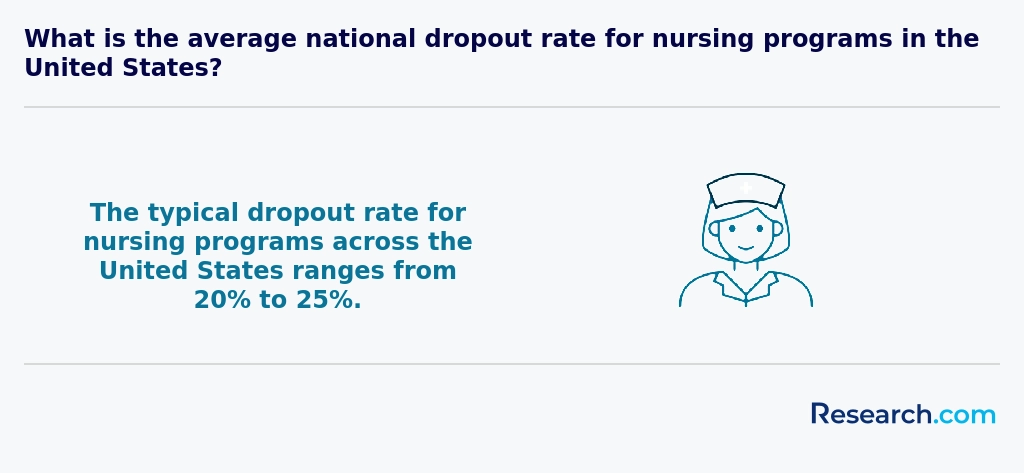
Nursing students in Chicago face several challenges distinct to the urban healthcare environment. One major difficulty is balancing rigorous academic coursework with demanding clinical hours at local hospitals, many of which serve diverse and high-need populations. According to the Illinois Board of Nursing, the dropout rate for nursing programs in the state can be as high as 20%, often due to stress and workload.
Another challenge is the competitive nature of clinical placement opportunities, intensified by Chicago's large student population. Students must often travel across the city, which can increase time and transportation costs.
Financial barriers also remain significant. The Illinois Student Assistance Commission reports that many nursing students rely on multiple sources of funding to cover rising tuition and living expenses. These factors combined create hurdles for students striving to enter Chicago's vital nursing workforce.
With a nursing degree in Chicago, graduates can pursue several professional certifications to enhance their career prospects. Common certifications include the Certified Registered Nurse Anesthetist (CRNA), Certified Nurse Midwife (CNM), and Nurse Practitioner (NP) credentials, all nationally recognized and available through bodies like the American Nurses Credentialing Center (ANCC).
Chicago's healthcare sector supports many advanced practice roles due to its large hospital network, which demands skilled nurses holding certifications.
Entry-level nurses often begin with the Registered Nurse (RN) license, which requires passing the NCLEX-RN exam, a mandatory step in Illinois.
Specialty certifications such as Certified Clinical Nurse Specialist (CNS) or certifications in pediatrics, critical care, or oncology also offer pathways for career growth. These certifications improve job opportunities and reflect expertise in specific nursing fields.
To write a winning application for a nursing program in Chicago, start by carefully researching the specific program requirements at local institutions like the University of Illinois at Chicago and Rush University. Strong academic records, especially in science courses such as biology and chemistry, are essential. Most Chicago nursing schools require a minimum GPA of around 3.0 for competitive admission.
Include a well-crafted personal statement that clearly explains your motivation for nursing and any relevant experience. Highlight any volunteer work or healthcare-related activities, as Chicago programs value community engagement. Also, prepare solid letters of recommendation that speak to your character and academic abilities.
Standardized test scores or entrance exams may be required; check each school's policy carefully. Finally, demonstrate understanding of local healthcare challenges, which shows genuine interest and readiness to serve Chicago's diverse populations, aligning your goals with regional needs reported by the Illinois Nursing Workforce Center.
Nursing careers in the United States, including Chicago, are increasingly influenced by global healthcare trends. The demand for skilled nurses worldwide highlights nursing as a profession with vast international opportunities. According to the U.S. Bureau of Labor Statistics, nursing employment is projected to grow 6% from 2021 to 2031, reflecting a strong demand similar in many developed countries.
Many nursing programs in Chicago incorporate global health perspectives, preparing graduates for diverse healthcare environments. The World Health Organization emphasizes nursing as essential to achieving universal health coverage, further validating the profession's worldwide importance.
Chicago's nursing graduates often engage in international exchange programs or humanitarian work, reflecting the career's global mobility and impact.
Gaining practical experience while studying for a nursing degree in Chicago is essential for career readiness. Many nursing programs in Chicago require clinical rotations in local hospitals and healthcare facilities, providing hands-on experience under supervision. For example, students often complete placements at major institutions like Rush University Medical Center and Northwestern Memorial Hospital. These rotations expose students to diverse patient populations and real-world medical situations.
Additionally, several Chicago nursing schools offer simulation labs where students practice clinical skills in a controlled environment. Volunteer opportunities and internships in community health centers are also common ways to build experience. According to the Illinois Board of Nursing, practical experience significantly improves licensure exam success rates for Chicago nursing students.
Choosing the right concentration within a nursing degree program in Chicago requires understanding your career goals and the local healthcare landscape. Chicago offers diverse clinical settings, from large hospitals like Northwestern Memorial to community clinics, impacting specialization opportunities. Popular concentrations include pediatric, geriatric, psychiatric, and acute care nursing. According to the Illinois Department of Employment Security, registered nurses in Chicago earn a median salary of about $85,000, with specialized roles often paying higher.
Consider the program's clinical placement options and faculty expertise in your area of interest. Research local job demand via Chicago's healthcare labor reports to align your concentration with market needs.
- 2027 Best Nursing Degree Programs Ranking in Milwaukee
- 2027 Best Nursing Degree Programs Ranking in Madison
- 2027 Best Nursing Degree Programs Ranking in Peoria
- 2027 Best Nursing Degree Programs Ranking in Indianapolis
- 2027 Best Nursing Degree Programs Ranking in Detroit
- 2027 Best Nursing Degree Programs Ranking in Saint Louis
- 2027 Best Nursing Degree Programs Ranking in Louisville
- 2027 Best Nursing Degree Programs Ranking in Cleveland
- 2027 Best Nursing Degree Programs Ranking in Saint Paul
- 2027 Best Nursing Degree Programs Ranking in Minneapolis
See What Experts Have To Say About Studying Nursing
Read our interview with Nursing experts

Lisa Grubb
Nursing Expert
Assistant Professor
Johns Hopkins School of Nursing

- Nursing - SUM Admission https://admission.sum.edu.pl/nursing/
- Medical University of GdaÅsk https://admission.mug.edu.pl/29318.html
- Nursing Internship and Externship Programs https://jobs.mayoclinic.org/nursinginternexternprograms
- What Nursing Concentration Is Right for Me? | Maryville Nursing https://nursing.maryville.edu/blog/what-nursing-concentration-is-right-for-me
- What Are the Best Jobs to Work While in Nursing School? https://www.dewv.edu/what-are-the-best-jobs-to-work-while-in-nursing-school/
- How to Choose a Nursing Program | All Nursing Schools https://www.allnursingschools.com/how-to-get-into-nursing-school/choose-the-right-school/
- Tuition - City Colleges of Chicago https://www.ccc.edu/departments/tuition-and-fees/
- Nursing - WSEI University https://www.wsei.pl/en/admission/bachelors-degree/nursing-bachelor-degree/
- What Are the Best RN Certifications for Your Career? https://credenzahealth.com/career-advice/what-are-the-best-rn-certifications-for-your-career
- | NRR | Dove Medical Press https://www.dovepress.com/internship-challenges-encountered-by-nursing-students-a-qualitative-st-peer-reviewed-fulltext-article-NRR