2027 Best Nursing Degree Programs Ranking in Cleveland

Co-Founder and Chief Data Scientist
Choosing the right nursing program is a big step toward a rewarding career in healthcare. Our article introduces the 2027 Best Nursing Degree Programs Ranking in Cleveland, created by the Research.com team of data scientists to guide you through the top nursing schools available locally.
By exploring this ranking, you'll gain valuable insights to help make an informed decision that fits your goals and lifestyle. Earning a nursing degree opens doors to meaningful work and personal fulfillment, and this article aims to support you every step of the way.
Key benefits of getting nursing degree in Cleveland
- Nursing degree graduates in Cleveland can earn solid salaries, with Registered Nurses and Public Health Nurses averaging around $94,480 annually, while Operating Room Nurses can earn up to $128,490 per year.
- Graduates from Cleveland's popular nursing programs have a wide array of career paths available, from clinical nurse educators to emergency room specialists, offering diverse opportunities to find a fulfilling role.
- Completing a nursing degree online offers flexibility and convenience, allowing students to balance work and studies effectively, as seen with graduates from Cleveland-based online nursing programs.
- 2027 Best Nursing Degree Programs Ranking in Cleveland
- What can I expect from nursing degree in Cleveland?
- Where can I work with nursing degree in Cleveland?
What can I expect from nursing degree in Cleveland?
The average cost of pursuing a nursing degree in Cleveland varies depending on the program and institution, but it remains reasonably accessible for many students. For instance, an Associate Degree in Nursing (ADN) at community colleges like Cuyahoga Community College typically costs less and can be completed in about two years, making it a practical choice for students eager to enter the nursing field quickly.
Graduates from these programs often share how manageable their tuition fees felt compared to the value of hands-on experience they gained. On the other hand, a Bachelor of Science in Nursing (BSN) program at universities such as Case Western Reserve University involves higher tuition and about four years of study-yet many find the investment worthwhile for the expanded career opportunities it unlocks.
Financially, it's wise to consider scholarships, grants, and affordable housing when planning. Remember, these costs reflect the rigorous curriculum and quality clinical exposure, including placements with major health systems like the Cleveland Clinic, preparing you solidly for success in nursing.
Where can I work with nursing degree in Cleveland?
With a nursing degree in Cleveland, your career possibilities are as vibrant as the city itself. Graduates from institutions like Case Western Reserve University often find themselves stepping confidently into roles at renowned healthcare hubs such as Cleveland Clinic or University Hospitals. Imagine joining a team where every day you directly impact patient lives as a registered nurse, nurse practitioner, or clinical nurse specialist.
Many of these graduates share stories of working beyond hospital walls-in outpatient clinics, rehab centers, or long-term care facilities-where they develop close relationships with patients requiring ongoing support. Cleveland's community health agencies and home healthcare services also welcome nurses passionate about outreach and education, offering pathways that blend clinical work with public service.
For those energized by innovation, the city's biotech and pharmaceutical sectors provide exciting opportunities to engage in research and clinical trials. Nursing grads tell of thriving in roles requiring sharp skills in data management and patient advocacy, helping transform healthcare delivery.
Whether you envision yourself as a bedside caregiver, a community champion, or a future nurse leader, Cleveland's nursing programs prepare you for a meaningful, diverse career.
Graduates from nursing programs in Cleveland often find encouraging salary prospects that reflect their dedication and skills. For instance, registered nurses typically earn a mean annual wage around $94,480, according to recent data. This figure applies broadly across roles such as clinical nurse educators and public health nurses, demonstrating stable earning potential for many nursing graduates.
Those who pursue specialized fields can expect even more rewarding outcomes. For example, operating room nurses, a demanding yet highly respected specialty, have a mean annual wage of about $128,490. Many graduates from Cleveland-based schools find it motivating to see these figures, knowing their advanced training opens doors to well-compensated roles.
Real-life stories from Cleveland nursing graduates often spotlight their growth-from entering as registered nurses to exploring leadership or specialty areas where earnings rise. Whether studying at popular local institutions or navigating clinical rotations in Cleveland's hospitals, these professionals emphasize how their investment in education translates into meaningful and competitive paychecks, along with fulfilling careers.
- The average annual cost for nursing degrees in Cleveland ranges from $10,000 to $30,000 at public institutions, while private schools may charge over $40,000.
- New nursing graduates in Cleveland can expect a starting salary of about $58,000 per year, with experienced nurses earning between $75,000 and $85,000 annually.
- Nursing jobs in Cleveland are projected to grow by approximately 12% over the next decade due to high demand and an aging population.
- Many nursing programs in Cleveland hold accreditation from the CCNE or ACEN, which is required to take the NCLEX-RN licensing exam.
- Cleveland offers a variety of nursing programs, including ADN, BSN, and accelerated BSN options for those with a non-nursing bachelor's degree.
Completing a nursing degree in Cleveland varies depending on your chosen path, but the journey is always rewarding. Many graduates from Cuyahoga Community College share how their 2-3 year ADN program quickly launched them into nursing careers, allowing them to support their families while gaining hands-on experience. For those aiming higher, a BSN at Cleveland State University or Case Western Reserve University typically takes about four years. Graduates often describe this time as transformative, gaining skills that open doors to leadership and specialized roles.
If you already have an ADN, consider an accelerated RN-to-BSN program in Cleveland. Graduates appreciate that it takes only 1 to 2 years, making advanced education more accessible without starting over. For those inspired to pursue advanced practice or leadership, an MSN usually adds around two years beyond the BSN. This path can empower you to make a broader impact in healthcare.
Choosing the right timeline depends on your goals and life circumstances, but Cleveland's supportive nursing programs ensure you're well-prepared to succeed.
Cleveland nursing programs consistently achieve NCLEX-RN pass rates above the Ohio average of 87%, demonstrating strong licensure outcomes. Key factors in student success include:
- Dedicated NCLEX-RN prep workshops featuring timed practice exams
- High-fidelity simulation labs that replicate testing scenarios
- Personalized tutoring and faculty-led review sessions
Prior to graduation, students complete a comprehensive exit exam and skills validation to build confidence. Many graduates then pursue advanced practice roles by enrolling in a dnp online program, further enhancing credentials and career prospects.
Choosing between online and on-campus nursing degrees in Cleveland often comes down to your lifestyle and learning preferences. Graduates from Cleveland State University fondly recall the energy of face-to-face classes and hands-on training in well-equipped labs, where practicing vital skills with peers and instructors felt invaluable. This immersive setting builds confidence through direct patient care simulations and instant feedback, perfect for those who thrive in structured environments.
Meanwhile, alumni from Cuyahoga Community College who opted for online programs appreciate the flexibility to balance work and family while completing coursework remotely. Even they highlight the importance of local clinical hours completed in Cleveland hospitals, which bring real-life patient care into their education. Online students often feel empowered by planning their studies around daily responsibilities, making nursing education accessible without sacrificing ambition.
Both paths share a commitment to rigorous training and state licensing readiness, with tuition costs varying but always reflecting quality. Whether on campus or online, nursing in Cleveland prepares you to serve with skill and heart.
Pursuing a nursing degree in Cleveland culminates in passing the NCLEX-RN and securing your Ohio nursing license. Understanding the exam structure, application process, and licensing timeline is essential for a smooth transition from student to practicing RN. 1. NCLEX-RN Exam Overview - Format: Computer Adaptive Test (CAT) with 75–145 questions covering Safe and Effective Care, Physiological Integrity, Psychosocial Integrity, and Health Promotion. - Passing Standard: The National Council of State Boards of Nursing sets the pass/fail cut-score; you must demonstrate minimum competence across all categories. - Fees and Scheduling: Register through Pearson VUE ($200 fee), then schedule your test at a Cleveland-area testing center within your Authorization to Test (ATT) window. 2. Ohio Board of Nursing License Application - Eligibility: Graduate from an ACEN- or CCNE-accredited program and register for NCLEX through NURSYS. - Background Check: Complete a fingerprint-based criminal background check and submit results to the Ohio Board of Nursing. - Application Steps: • Create an eLicense account on the Ohio eLicense portal • Submit transcripts, exam registration, and fee ($100) • Monitor application status online and provide any additional documentation promptly. 3. Exam Preparation Strategies - Review Courses: Enroll in Kaplan or Hurst NCLEX prep programs offered by many Cleveland schools. - Practice Tests: Aim for 90%+ on CAT-style question banks to build confidence. - Study Groups: Join campus or online cohorts for peer-led review sessions. - Accelerated Pathways: LPNs can boost their exam readiness by completing a bridge program-consider options like the best 6-month lpn to rn program to sharpen clinical judgment and test-taking skills in record time. 4. Maintaining Your License - Renewal Cycle: Ohio RN licenses require renewal every two years, with mandatory continuing education (CE) hours. - CE Requirements: Complete at least 24 contact hours, including at least two in Ohio law and rules. - Renewal Process: Log into your eLicense account, submit proof of CE, and pay the $60 renewal fee before your expiration date to avoid lapses. By proactively preparing for the NCLEX-RN and following Ohio’s licensing procedures, you’ll be ready to join Cleveland’s vibrant healthcare workforce with confidence and competence.
The average nursing degree cost in Cleveland typically centers around a median total cost of about $56,594, reflecting both in-state and out-of-state tuition expenses. Graduates from public universities like Cleveland State University often share how investing in their education here felt manageable compared to other cities, especially considering the quality of clinical training and community support they received. Public institutions tend to offer lower tuition rates, with in-state students seeing costs closer to $39,798, which can dramatically reduce the overall financial burden.
Many nursing students find that balancing tuition with additional expenses-such as lab fees, textbooks, and licensing exams-is crucial for an accurate picture of the total cost of nursing programs Cleveland. For example, students attending community colleges for an ADN program appreciate the affordability without sacrificing hands-on experience, while those pursuing a BSN at universities often see their higher tuition pay off through broader career opportunities.
If you're exploring options, consider researching the most affordable nursing programs in ohio. These programs offer competitive tuition and excellent outcomes, making them an inspiring and cost-effective pathway. Understanding these numbers and planning accordingly helps future nurses feel empowered and confident as they embark on their vital healthcare journeys.
One of the most critical steps in choosing a nursing degree program in Cleveland is verifying its accreditation and understanding the licensure process. Accredited programs ensure your education meets rigorous quality standards set by bodies like the Commission on Collegiate Nursing Education (CCNE) or the Accreditation Commission for Education in Nursing (ACEN). In Ohio, graduates must pass the NCLEX‐RN (for registered nurses) or NCLEX‐PN (for practical nurses) administered by the Ohio Board of Nursing. High NCLEX pass rates not only reflect strong curricula but also improve your chances of securing competitive positions upon graduation. Before applying, confirm that your chosen institution appears on the Ohio Board of Nursing’s official list of approved nursing programs. During your final semester, you’ll submit an application to test with Pearson VUE, pay examination fees, and complete a background check. To maintain licensure, Ohio requires renewal every two years along with proof of completing continuing education units (CEUs). For those seeking an even faster pathway into practice, consider exploring a fast track lpn program online that accelerates clinical training and prepares you for the NCLEX‐PN in as little as 12 months. Understanding accreditation and licensing requirements upfront not only safeguards your investment but also lays a clear roadmap from your first semester to your first paid shift. By choosing an accredited program with strong NCLEX outcomes and staying proactive about state board requirements, you’ll graduate ready to meet Ohio’s standards and step confidently into a thriving nursing career.
When pursuing a nursing degree in Cleveland, you'll find several financial aid options designed to support your journey. Graduates from institutions like Case Western Reserve University often share how applying for the FAFSA unlocked access to federal grants and loans, which eased their tuition burden significantly. For example, the Pell Grant can provide up to $7,395 annually for eligible students, lightening the costs and helping you focus on learning rather than financial stress.
State aid is another valuable resource. Many nursing students at Cleveland State University benefit from the Ohio College Opportunity Grant, which tailors awards based on financial need, offering practical relief. Additionally, local scholarships such as those from the Cleveland Clinic provide thousands of dollars annually, rewarding both undergrad and grad nursing students for their dedication.
You might also consider programs like the Nurse Corps Loan Repayment, helping cover up to 85% of your student debt in exchange for service in underserved Cleveland areas. Coupled with tuition assistance from local healthcare employers, these opportunities turn your nursing aspirations into achievable, hopeful realities.
Cleveland’s top nursing programs distinguish themselves not only through academic rigor but also via comprehensive student support services designed to foster success. From the moment you enroll, dedicated academic advisors guide you through course selection, prerequisites, and clinical placement logistics, ensuring that each step aligns with your career goals. Access to state-of-the-art simulation labs reinforces hands-on learning, allowing you to practice critical skills-such as IV insertion and patient assessment-in a controlled environment before entering a real clinical setting. Peer-led study groups and tutoring centers provide additional reinforcement for challenging subjects like pharmacology and pathophysiology, promoting collaboration and deeper understanding. Mental health and wellness resources are equally prioritized. Counseling services, stress management workshops, and resilience training help nursing students maintain balance during demanding clinical rotations. Career services offices offer resume reviews, mock interviews, and networking events with local healthcare employers, streamlining the transition from classroom to bedside. Moreover, strong partnerships with leading Cleveland hospitals guarantee clinical rotations in diverse environments, from urban trauma centers to community health clinics. For students seeking flexible delivery options without compromising quality support, the Most Affordable Online Nursing Degree Programs present an excellent pathway. These programs integrate virtual simulation, 24/7 academic assistance, and seamless clinical placement coordination, ensuring that online learners benefit from the same robust resources as their on-campus peers.
To enroll in a nursing degree program in Cleveland, you'll need a strong academic base, starting with a high school diploma or GED emphasizing science and math. Graduates from Cleveland's popular nursing schools often talk about how excelling in biology, chemistry, and algebra built their confidence before stepping into challenging courses.
Many of these programs expect you to have completed prerequisite college courses like anatomy, physiology, and microbiology. This foundation really pays off when you begin clinical rotations, where you'll apply what you've learned firsthand in hospitals or community health settings around Cleveland.
Standardized tests like the TEAS are a common requirement; they help your chosen school understand your readiness to handle reading, math, and science demands. One graduate mentioned how preparing for the TEAS gave them a clearer idea of their strengths and areas to improve before starting classes.
Healthcare experience, even as a volunteer or intern, is highly valued in Cleveland nursing programs. It immerses you in patient care environments early on and shows your dedication. On top of this, you'll submit official transcripts, immunization records including a current TB test, and complete background and drug screenings to meet clinical safety standards.
Many applicants also provide letters of recommendation or personal statements, sharing their motivation and professionalism-qualities Cleveland nurses take pride in and continually cultivate throughout their careers.
To finance your nursing education, it's essential to explore various options that can help alleviate the financial burden. Many students in Cleveland, OH, have found success in pursuing their nursing degrees by leveraging financial aid, scholarships, and loan repayment programs. For instance, considering the most affordable nursing programs in ohio can be a strategic move, as it can significantly reduce the cost of tuition. Additionally, federal financial aid, scholarships like the Pamela Rutar Endowed Scholarship, and loan repayment programs such as the Nursing Education Loan Repayment Program (NELRP) can provide substantial support. Hospital tuition assistance programs offered by local healthcare institutions like University Hospitals and Cleveland Clinic can also cover a considerable portion of educational expenses. By understanding and utilizing these financial resources, aspiring nurses can focus on their studies and clinical training, ultimately paving the way for a successful and rewarding career in healthcare.
When pursuing a nursing degree in Cleveland, expect a dynamic mix of courses designed to prepare you for real-world challenges. Graduates from well-known local universities often recall how foundational science classes like Anatomy and Physiology, Microbiology, Chemistry, and Nutrition gave them a deep understanding of the human body and health. These courses are vital-they build the knowledge you'll rely on daily in clinical settings like the Cleveland Clinic.
Beyond the sciences, nursing programs here emphasize comprehensive care by including psychology and sociology classes. This holistic approach equips you to connect genuinely with patients from diverse backgrounds, a skill many graduates treasure as they start their careers.
Specialized nursing courses shape practical skills and ethical decision-making. For instance, classes in Pharmacology, Medical-Surgical Nursing, Pediatric Nursing, and Leadership show up frequently in Cleveland curricula, enabling students to confidently handle complex patient needs during clinical rotations.
Hands-on experience at local hospitals reinforces what you learn in the classroom, turning theory into compassionate care. This integration is what sets Cleveland nursing programs apart, making your journey both inspiring and deeply rewarding.
In Cleveland, nursing degrees often include specializations that allow you to tailor your education to the specific healthcare field you're passionate about. Graduates from well-known colleges in the area frequently share how focusing on Adult-Gerontology Nursing prepared them to confidently care for aging patients facing chronic illnesses, a growing need in Cleveland's community. Others speak about how Pediatric Nursing shaped their skills to support children's hospitals and clinics, making a real difference for families.
Many nursing students choose Psychiatric-Mental Health Nursing, inspired by the expanding mental health services in the region. Critical Care Nursing is another popular path, offering hands-on experience in fast-paced environments like ICU units in Cleveland's top hospitals. For those drawn to community impact, Public Health Nursing provides the tools to improve wellness on a larger scale.
If you're aiming for advanced practice, Family Nurse Practitioner (FNP) programs are growing rapidly here, enabling nurses to deliver family-centered care across Ohio. To explore quicker options, consider the fast track lpn program online that complements these specializations well.
Choosing nursing specializations in Cleveland truly sets you up for a rewarding career aligned with real-world healthcare demands in your community.
Choosing the best nursing degree in Cleveland means focusing on programs that align with your career goals and offer strong, hands-on experience. Graduates from local schools like Cuyahoga Community College often praise their ADN programs for affordability and real clinical opportunities within Cleveland's thriving healthcare system. On the other hand, BSN programs from private universities are highly respected for preparing nurses to meet industry demands, especially given the preference for BSN-prepared nurses in hospitals.
Look closely at accreditation by CCNE or ACEN, as this credential guarantees eligibility for the NCLEX-RN and ensures quality education. Many nursing students find reassurance knowing their program holds such esteemed recognition, helping them feel confident stepping into the workforce.
Financial factors are vital too. Considering affordable nursing schools Cleveland Ohio offers can save you from heavy debt, and some students explore best 6-month lpn to rn program options to accelerate entry into nursing while balancing cost. Also, programs with partnerships with Cleveland Clinic or University Hospitals provide invaluable clinical rotations that boost skills and future job placement.
Graduates with a nursing degree in Cleveland find themselves opening doors to rewarding careers that truly make a difference. Many start as Registered Nurses (RN), a versatile role where graduates from institutions like Case Western Reserve University quickly learn to provide compassionate patient care across Cleveland's top hospitals. For those ready to specialize, critical care or pediatric nursing offer exciting challenges, with Cleveland's advanced medical centers supporting nurses eager to deepen their expertise.
Jobs with nursing degree in Cleveland also include nurse practitioners and advanced roles requiring a Master of Science in Nursing (MSN) or Doctor of Nursing Practice (DNP). These paths empower nurses to diagnose and treat patients independently, a huge boost for those craving autonomy. Leadership roles in healthcare administration attract graduates passionate about shaping policy and improving systems. Community health nursing thrives here as well, where graduates engage directly with neighborhoods to promote wellness through outreach programs.
For students exploring options, programs in Cleveland balance rigorous academics with meaningful clinical experiences. To discover accessible pathways, consider exploring the Most Affordable Online Nursing Degree Programs as a practical step toward your career goals.
The nursing job market in Cleveland offers promising opportunities for graduates, especially those who have earned degrees from well-regarded institutions such as Case Western Reserve University or Cuyahoga Community College. Many graduates share inspiring stories of securing positions quickly within hospitals like the Cleveland Clinic, benefiting from the city's robust healthcare infrastructure. Registered nurses here enjoy competitive salaries averaging around $72,000 annually, with scope to earn more based on experience and specialized skills.
Employers increasingly favor candidates with Bachelor of Science in Nursing degrees, which enhances job security and career advancement. Cleveland's diverse healthcare settings-ranging from outpatient clinics to long-term care facilities-provide a dynamic environment ideal for applying nursing knowledge in real-world situations. Those interested in expanding their credentials often pursue medical certifications that pay well, further enhancing employability.
Considering the Cleveland nursing degree employment outlook, the city's growing elderly population continues to drive demand for skilled nurses in gerontology and chronic care. This dynamic ensures a rewarding career path filled with meaningful impact.
2027 Best Nursing Degree Programs Ranking in Cleveland
Investing in your education is a significant decision that can shape your future, and the Research.com team understands the importance of making informed choices. To assist prospective students in Cleveland, we have meticulously crafted the "2027 Best Nursing Degree Programs Ranking in Cleveland." Our commitment to quality, credibility, and accuracy is reflected in the rigorous research and analysis conducted to compile this ranking.
We utilized the following reputable data sources to ensure a comprehensive evaluation of nursing programs:
By exploring this ranking, readers will gain valuable insights into the top nursing degree programs in Cleveland, enabling them to make well-informed decisions about their academic and professional futures. For more information on how the ranking was developed, please visit our Research.com methodology page.


Frequently Asked Questions About nursing
Nursing degree students in Cleveland can maximize their learning experience by actively engaging in clinical placements offered through local hospitals such as Cleveland Clinic and University Hospitals. These institutions provide diverse patient populations, giving students valuable hands-on experience. Combining coursework with practical training helps reinforce critical skills.
Joining student nursing organizations also supports peer networking and professional development. Additionally, Cleveland's nursing programs often integrate simulation labs, allowing students to practice procedures in a controlled environment, which improves clinical confidence and competence.
Accessing resources from the Ohio Board of Nursing keeps students informed about licensure requirements and continuing education opportunities crucial for career advancement.
The nursing field in Cleveland is rapidly evolving, with emerging niches that reflect changes in healthcare demands and technology. One key area is geriatric nursing, driven by the region's aging population; Cleveland's older adult demographic is significantly higher than the national average, increasing demand for specialized care. Another growing niche is telehealth nursing, which expanded notably during the COVID-19 pandemic and continues to offer remote patient monitoring and virtual care services.
Additionally, nurses specializing in informatics are becoming essential, as many Cleveland hospitals adopt advanced electronic health record systems. Palliative and hospice nursing also see growth due to greater focus on quality end-of-life care. These emerging specialties offer promising career paths for nursing students in Cleveland.
Preparing for the job market after completing a nursing degree in Cleveland involves several key steps. First, graduates must obtain licensure by passing the NCLEX-RN exam, a requirement for all registered nurses nationwide. According to the Ohio Board of Nursing, the state has a steady demand for nurses, driven by aging populations in healthcare systems like the Cleveland Clinic. Gaining clinical experience through internships or residency programs offered by local hospitals can improve job prospects.
Networking is crucial; joining organizations such as the Ohio Nurses Association helps connect graduates with job openings. Additionally, continuing education and certifications in specialties like geriatrics or critical care can boost employability in Cleveland's competitive job market.
Employers in Cleveland seeking nursing degree graduates prioritize a combination of clinical competence and interpersonal skills. According to the Ohio Board of Nursing, strong patient assessment abilities and familiarity with electronic health records are essential for effective care delivery. Communication skills rank highly, as nurses must collaborate with diverse healthcare teams and provide clear patient education.
Adaptability is also critical due to the fast-paced hospital environments in Cleveland, including facilities like the Cleveland Clinic. Additionally, employers value candidates with critical thinking skills to respond to emergencies and make informed decisions. Licensure and adherence to state regulations remain fundamental prerequisites for employment in Ohio.
Students pursuing nursing degrees in Cleveland can find internships by exploring partnerships between local colleges and healthcare providers. Institutions such as Case Western Reserve University and Cuyahoga Community College often collaborate with Cleveland Clinic and University Hospitals, which are among the largest employers offering clinical placements for nursing students.
Internships provide essential hands-on experience required by the Ohio Board of Nursing for licensure. Many programs have dedicated career centers that help students connect with hospitals, nursing homes, and community health organizations. Cleveland's healthcare sector employs over 130,000 people, making it a strong market for nursing internships (U.S. Bureau of Labor Statistics, 2023).
Students should also leverage online portals like the Ohio Nursing Facility Association site and attend local job fairs focused on healthcare. Networking with faculty and alumni can lead to valuable internship opportunities tailored to nursing education.
Obtaining a nursing degree in Cleveland significantly enhances career mobility and advancement opportunities in the local healthcare sector. According to the Ohio Board of Nursing, registered nurses with a Bachelor of Science in Nursing (BSN) degree are more competitive for leadership roles and specialized positions. Cleveland's growing healthcare industry-anchored by institutions like the Cleveland Clinic-demands highly qualified nurses, increasing demand for advanced credentials.
Data from the Bureau of Labor Statistics shows that nurses with higher education levels often earn salaries 20% above the median. Additionally, employers in Cleveland prefer nurses with BSN or higher for promotions, impacting long-term career growth.
Studying for a nursing degree in Cleveland equips students for interdisciplinary roles by fostering collaboration skills essential in modern healthcare. Local nursing programs emphasize teamwork among nurses, physicians, social workers, and therapists through integrated clinical experiences. According to the Ohio Board of Nursing, many Cleveland institutions include simulation labs and community-based practicums that mirror real-world healthcare settings.
These programs encourage communication and problem-solving in diverse teams, reflecting Cleveland's large health systems like the Cleveland Clinic and University Hospitals. Graduates are thus prepared to contribute effectively within multidisciplinary teams, enhancing patient outcomes and operational efficiency in a demanding healthcare environment.
Choosing between a thesis and a non-thesis nursing degree program in Cleveland depends on your career goals and learning preferences. Thesis programs typically require conducting original research and writing a comprehensive paper, which is ideal for students seeking advanced clinical roles or considering doctoral studies.
Non-thesis programs focus more on practical skills and coursework, suitable for professionals aiming to enter or advance clinical practice quickly. According to the Cleveland Nursing Workforce Report 2023, about 40% of local nursing graduates pursue research-intensive paths, while 60% prefer practice-oriented programs.
Consider also program length: thesis tracks may take longer due to research requirements. Select a program accredited by the Commission on Collegiate Nursing Education (CCNE) or the Accreditation Commission for Education in Nursing (ACEN) to ensure quality education in Cleveland.
Students based in Cleveland who wish to study nursing abroad have multiple pathways to consider. Many universities in Cleveland, such as Case Western Reserve University, offer study abroad programs or partnerships with international institutions, allowing nursing students to gain global clinical experience. According to the Cleveland Clinic, global health experience is highly valued in nursing careers. Programs often include clinical placements in countries across Europe, Asia, and Latin America, enhancing cultural competence and practical skills.
Additionally, students can participate in exchange programs facilitated by academic consortia or seek opportunities through organizations like the Global Nursing Initiative supported by the American Nursing Association.
Students pursuing nursing degrees in Cleveland can enhance their education by taking part-time jobs closely related to healthcare. Common opportunities include roles as Certified Nursing Assistants (CNAs), medical scribes, and patient care technicians. These positions provide valuable hands-on experience with patient interaction and medical procedures.
According to the Ohio Bureau of Labor Market Information, Cleveland hospitals and clinics frequently hire part-time CNAs, offering flexible schedules for students. Working in these roles not only reinforces clinical skills but also improves time management and communication abilities essential for nursing careers.
Additionally, volunteering in local health centers or long-term care facilities helps build practical knowledge while networking within Cleveland's healthcare community.
Nursing students in Cleveland have access to a variety of networking opportunities that support their professional growth. Local hospitals like the Cleveland Clinic and University Hospitals provide clinical placements where students connect with experienced nurses and healthcare leaders. These experiences often lead to valuable mentorships and job referrals.
Additionally, nursing programs in Cleveland commonly partner with organizations such as the Ohio Nurses Association. This group hosts events and conferences that allow students to meet peers and industry experts across Ohio.
Students can also engage in campus nursing clubs and community health initiatives, fostering strong ties within the local healthcare community. According to the Ohio Board of Nursing, Cleveland has a high concentration of nursing professionals, increasing chances for valuable networking.
Alumni networks offer nursing degree students in Cleveland valuable support during and after their studies. These networks connect current students with graduates working across Northeast Ohio healthcare facilities, expanding access to job opportunities.
According to the Ohio Board of Nursing, Cleveland's healthcare sector employs over 40,000 nurses, making professional connections crucial. Alumni can provide mentorship, offering guidance on licensing exams, continuing education, and career advancement within local hospitals and clinics.
Many Cleveland nursing programs host events and workshops through their alumni associations, helping students build relationships with experienced professionals. Research from the American Association of Colleges of Nursing (AACN) shows that mentorship improves job placement rates by up to 20% for nursing graduates.
Customizing your nursing degree program in Cleveland allows you to align your education with specific career goals. Many local institutions offer flexible tracks such as registered nursing (RN), nurse practitioner (NP), or specialized fields like gerontology and pediatric nursing. Cleveland has a strong healthcare sector, including the Cleveland Clinic, which influences program options and clinical placements.
Students can select electives and clinical experiences that target their interests, supported by faculty advisors. Cleveland's colleges also provide part-time and online courses to accommodate working students. According to the Ohio Board of Nursing, Cleveland programs maintain accreditation to ensure quality education that meets state licensure requirements.
Nursing students in Cleveland face several notable challenges during their education. A common difficulty is balancing rigorous coursework with demanding clinical rotations, which often require long hours in healthcare settings. According to the Ohio Board of Nursing, clinical placements in Cleveland hospitals can be competitive, adding stress for students needing quality hands-on experience.
Financial pressure is also significant, as tuition and living costs in Cleveland continue to rise. Many students rely on part-time jobs or loans, impacting their study time and well-being. Additionally, navigating the licensing exams requires intense preparation; Ohio's NCLEX pass rates average around 85%, reflecting the exam's demanding nature.
Mental health is another concern due to the high stress associated with nursing programs. Resources exist, but access varies across schools. Understanding these challenges can help prospective students prepare effectively.
Nursing degrees from Cleveland institutions open pathways to numerous professional certifications that enhance career prospects. Graduates can pursue certifications such as the Certified Nurse Assistant (CNA), Licensed Practical Nurse (LPN), and Registered Nurse (RN) credentials, each requiring specific educational and clinical hours approved by the Ohio Board of Nursing.
For advanced practice, certifications like the Nurse Practitioner (NP), Clinical Nurse Specialist (CNS), and Certified Nurse Midwife (CNM) are available. These often demand a Master of Science in Nursing (MSN) and passing national exams.
Specialty certifications in areas like pediatrics, oncology, or emergency nursing are nationally recognized and valued by Cleveland employers, with the American Nurses Credentialing Center (ANCC) as a key certifying body.
Writing a winning application for a nursing program in Cleveland requires clear demonstration of academic readiness and passion for healthcare. Applicants should highlight strong performance in prerequisite courses, especially in biology, chemistry, and anatomy, which are essential for competitive nursing programs.
Including relevant healthcare experience, such as volunteering or working in local hospitals like the Cleveland Clinic, strengthens an application by showcasing commitment to nursing. According to the Ohio Board of Nursing, programs often value practical experience alongside academic records.
Personal statements should be concise, focused on motivations, and reflect understanding of nursing challenges in Cleveland's diverse communities. Applicants must also ensure their application meets all deadlines and includes all required documents, such as letters of recommendation and official transcripts.
Standardized test scores, like the TEAS, may be required by some Cleveland programs; scoring well can improve acceptance chances. Researching specific requirements of each school and tailoring applications accordingly ensures a better fit and improves overall competitiveness.
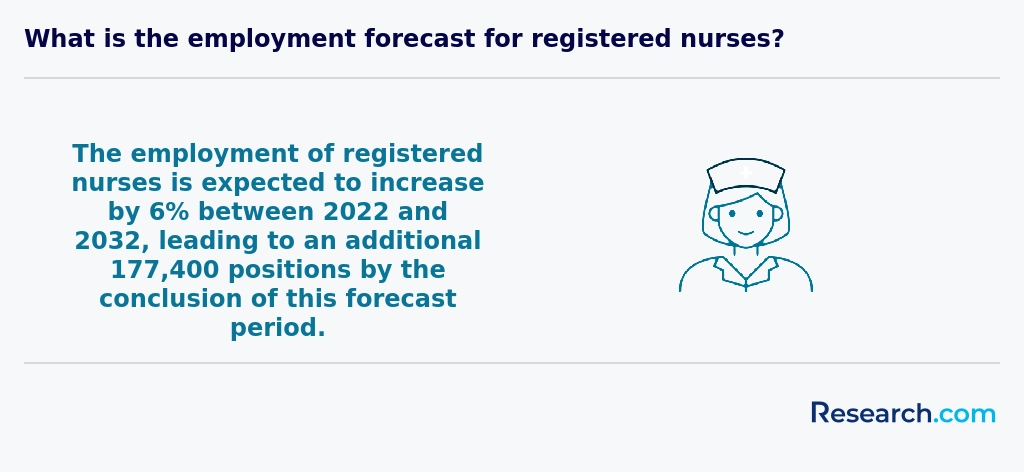
The nursing profession has a strong global demand, reflecting growing healthcare needs worldwide. In the United States, including Cleveland, registered nurses are expected to see a 6% job growth from 2021 to 2031, according to the U.S. Bureau of Labor Statistics. This trend highlights the stable career opportunities nursing offers locally and internationally.
Globally, nurses play key roles in diverse healthcare settings, from hospitals to community clinics. Many US-educated nurses pursue opportunities abroad due to their strong clinical training and the high regard for US nursing programs. Cleveland's nursing schools prepare students not only for local careers but to meet standards recognized internationally.
Additionally, global health challenges like pandemics and aging populations emphasize the need for skilled nurses worldwide. US nursing degrees often include training in evidence-based practices and technology use, skills valued in healthcare systems globally.
Gaining practical experience while studying for a nursing degree in Cleveland is essential for building clinical skills and enhancing employability. Many nursing programs in the city include structured clinical rotations at local healthcare facilities such as Cleveland Clinic, University Hospitals, and MetroHealth. These rotations provide direct patient care under professional supervision.
Additionally, students can pursue internships or volunteer positions at hospitals or community health centers. According to the Ohio Board of Nursing, hands-on clinical hours are a requirement, often ranging from 500 to 700 hours depending on the program.
Simulation labs with high-fidelity mannequins are also widely available in Cleveland nursing schools, offering safe environments to practice procedures before patient interaction.
Choosing the right concentration within a nursing degree program in Cleveland depends on your career goals and local healthcare needs. Cleveland is home to major medical centers like the Cleveland Clinic, which offers diverse nursing opportunities in specialties such as acute care, geriatrics, and pediatrics. Reviewing Cleveland's job market can guide your decision; for example, the Ohio Department of Job and Family Services projects a 12% growth in registered nursing jobs through 2030.
Consider your interests in patient care areas-like maternal health or mental health-and research which Cleveland-area hospitals emphasize those fields. Additionally, evaluate program curricula at local institutions to ensure they align with your preferred concentration.
Networking with professionals in Cleveland's healthcare sector or speaking with program advisors can also provide valuable insight.
- 2027 Best Nursing Degree Programs Ranking in Detroit
- 2027 Best Nursing Degree Programs Ranking in Pittsburgh
- 2027 Best Nursing Degree Programs Ranking in Rochester
- 2027 Best Nursing Degree Programs Ranking in Harrisonburg
- 2027 Best Nursing Degree Programs Ranking in Indianapolis
- 2027 Best Nursing Degree Programs Ranking in Washington
- 2027 Best Nursing Degree Programs Ranking in Chicago
- 2027 Best Nursing Degree Programs Ranking in Baltimore
- 2027 Best Nursing Degree Programs Ranking in Louisville
- 2027 Best Nursing Degree Programs Ranking in Lynchburg
See What Experts Have To Say About Studying Nursing
Read our interview with Nursing experts


- Online Nursing Education (10 Important FAQs Answered) https://www.allnursingschools.com/how-to-get-into-nursing-school/online-programs/
- THE FIELD OF NURSING - FIRST-DEGREE OF STUDIES https://wnoz.wum.edu.pl/pl/content/field-nursing-first-degree-studies
- Nursing at Cleveland Clinic https://jobs.clevelandclinic.org/nursing-home/
- Pros And Cons Of Online Nursing In 2025 | Davis & Elkins https://www.dewv.edu/the-pros-and-cons-of-online-nusing-in-2025-is-it-right-for-you/
- Nursing - WSEI University https://www.wsei.pl/en/admission/bachelors-degree/nursing-bachelor-degree/
- How to Choose the Right Nursing Program for Your Career Goals - Maria College https://mariacollege.edu/blog/how-to-choose-the-right-nursing-program-for-your-career-goals
- What Nursing Concentration Is Right for Me? https://nursing.maryville.edu/blog/what-nursing-concentration-is-right-for-me
- Know more about thesis vs non- thesis: what is the difference? https://studyfans.com/en/blogs/816
- How to Choose the Right Nursing School for Your Career Goals | Archer Review https://www.archerreview.com/blog/how-to-choose-the-right-nursing-school-for-your-career-goals
- Nursing Internship and Externship Programs https://jobs.mayoclinic.org/nursinginternexternprograms