
2027 Most Valuable Online Master's in Nursing Degree Programs Ranking in the Northeast

Co-Founder and Chief Data Scientist
Choosing the right nursing master's program can feel overwhelming, especially with so many online options in the Northeast. This article introduces the 2027 Most Valuable Online Master's in Nursing Degree Programs Ranking in the Northeast, developed by research.com's team of data scientists.
Designed to guide you in making a confident and informed decision, this ranking highlights programs that offer real value for your time and investment. Pursuing a nursing degree can open doors to rewarding careers and personal growth, and this guide is here to support your journey every step of the way.
Key benefits of getting online nursing degree in the Northeast
- Nursing degree graduates in the Northeast can expect competitive salaries, with roles like Nurse Practitioner and Critical Care Nurse earning mean annual wages around $128,490. This financial stability makes nursing a rewarding career choice.
- Graduates from Northeastern universities often pursue diverse paths such as Nurse Educator, Nurse Administrator, or Clinical Nurse Specialist, all with mean annual wages near $94,480, allowing for flexible and fulfilling careers.
- Online nursing degrees from respected schools in the Northeast offer convenience and flexibility, enabling students to balance work and study while earning the same respected credentials as traditional programs.
- 2027 Most Valuable Online Master's in Nursing Degree Programs Ranking in the Northeast
- What can I expect from online nursing degree in the Northeast?
- Where can I work with online nursing degree in the Northeast?
What can I expect from online nursing degree in the Northeast?
The average cost of an online nursing degree in the Northeast typically ranges from $25,000 to $60,000, depending on the program's length and level. Graduates from well-known institutions in New York and Massachusetts often share how investing in these programs was worthwhile, given the region's reputation for high-quality education and career opportunities.
Many nursing students appreciate that these programs blend affordable tuition with strong financial aid options, helping ease the burden. For example, a graduate from a prominent Boston university recounts managing work, family, and studies through an accelerated RN-to-BSN online track, praising the flexibility that allowed progress without sacrificing income.
Another common experience involves clinical placement coordination, easily arranged locally due to the Northeast's dense healthcare network, which adds immense value to the education without additional travel costs. Choosing a program accredited by the CCNE or ACEN ensures your investment leads to licensure eligibility and competitive salaries post-graduation.
Ultimately, students can feel confident that, although costs vary, the Northeast offers robust support systems that make earning an online nursing degree both accessible and rewarding.
Where can I work with online nursing degree in the Northeast?
With an online nursing degree from a respected Northeast school like Boston University or the University of Pennsylvania, you open doors to a wide array of fulfilling career paths. Graduates often land rewarding roles in major hospital systems such as Massachusetts General Hospital or NewYork-Presbyterian, where they contribute directly to patient care in bustling clinical environments. Imagine starting your day supporting critical cases in an emergency room or educating patients about their health-these real-life experiences shape your skills and confidence.
Many graduates find joy working in outpatient clinics or specialty centers, embracing the shift toward preventative and community health. For others, long-term care facilities in states like Maine offer meaningful chances to support elderly patients, providing comfort and dignity every day.
Advanced-degree holders thrive in academia or research, joining teams at institutions like Yale to innovate nursing practices or mentor the next generation of nurses. The Northeast's Nurse Licensure Compact makes moving between states easier, allowing you to explore diverse workplaces across the region. This flexibility means your nursing career can evolve alongside your passions and personal life.
If you complete an online nursing degree program in the Northeast, you can expect competitive earnings that reflect the region's demand and higher living costs. Graduates from respected schools like Northeastern University or Columbia University often step into roles as Nurse Practitioners, where mean annual wages reach approximately $128,490. This salary not only rewards your hard work but also opens doors to financial stability and professional growth.
Other career paths available to nursing graduates include Clinical Nurse Specialist, Nurse Administrator, or Nurse Educator, each offering a mean annual wage near $94,480. Imagine working in a Boston hospital's critical care unit or managing nursing teams in a New York City healthcare facility-these roles combine your passion with a rewarding paycheck.
Many graduates find that advancing beyond a Bachelor's degree unleashes even greater earning potential, with Nurse Practitioner and Critical Care Nurse salaries topping $128,000 annually. Pursuing certifications and specialized training at colleges known for their rigorous online nursing curriculums positions you well to thrive both personally and financially in the Northeast healthcare market.
- Online bachelor's nursing degrees in the Northeast typically cost between $12,000 and $40,000, while graduate degrees like MSN can range from $20,000 to over $50,000.
- Early-career registered nurses earn between $65,000 and $75,000 annually, and experienced nurses can make $85,000 to $95,000 or more depending on their specialty and location.
- Some states in the Northeast follow the Nurse Licensure Compact, so students should ensure their program meets state board requirements for licensure and clinical placement eligibility.
- The nursing field in the Northeast is expected to grow by about 15% over the next decade, driven by factors like an aging population and healthcare advancements.
- Many online programs require in-person clinical hours, which are usually arranged locally to support online students during their training.
Completing an online nursing degree in the Northeast typically takes between 3 to 4 years for a traditional Bachelor of Science in Nursing (BSN) when studying full-time. Graduates from well-known institutions in the region often share how balancing coursework with clinical placements challenges yet enriches their learning journey. If you already hold a bachelor's degree in another field, accelerated BSN programs can be finished in just 12 to 18 months, offering a faster path to entering the nursing profession.
For those pursuing a Master of Science in Nursing (MSN), expect around 1.5 to 3 years full-time, with part-time study extending that timeline. Many students from top Northeastern colleges appreciate the flexibility online programs provide, but emphasize how scheduling clinical hours locally remains essential and sometimes requires careful time management.
Keep in mind, state licensure requirements and clinical hour mandates mean your pace might vary. Part-time enrollment often stretches completion times but allows you to maintain work-life balance, a reality many nursing professionals in the Northeast navigate with determination and pride.
Accreditation ensures your online nursing education meets national quality standards and qualifies you for licensure in the Northeast. Look for regional accreditation (e.g., NEASC or MSCHE) alongside programmatic accreditation from the Commission on Collegiate Nursing Education (CCNE) or the Accreditation Commission for Education in Nursing (ACEN). Equally important is approval from your state board of nursing-each state in the Northeast has specific requirements for clinical hours, coursework, and background checks. Many students benefit from the Nurse Licensure Compact (NLC), which allows RNs and LPNs licensed in one compact state to practice in others without obtaining additional licenses. However, if your program is out of state, verify that your chosen school’s accreditation and clinical affiliations align with your home state’s licensure board. Before enrolling, contact your state board to confirm:
- Eligible clinical sites and preceptor criteria
- Required number of practicum hours and simulation allowances
- Any additional state-specific examinations or affidavits
Choosing between an online and on-campus nursing degree in the Northeast often comes down to how you want to balance life and learning. Online programs, like those offered by Northeastern University or Rutgers, give you the freedom to study on your own schedule-perfect if you're juggling work, family, or commuting challenges in busy states like New York or Massachusetts. Many graduates share how this flexibility allowed them to continue earning an income while advancing their education without uprooting their lives.
That said, neither path skips the essential hands-on clinical experience. Whether you're at a bustling campus or logging in from home, expect to complete in-person clinical hours arranged close to you. This real-world practice is where theory meets action, solidifying your skills in healthcare settings near you.
Financially, online programs often save you from additional campus fees and housing costs, which graduates appreciate as a practical advantage. Plus, despite being virtual, these programs include lively discussions and group projects that create a supportive community feeling, helping you network just as effectively as on campus.
Accreditation ensures your master’s degree meets rigorous national standards, qualifies you for certification and licensure, and signals quality to employers. Key accreditation markers include:
- Institutional accreditation by regional bodies (e.g., New England Commission of Higher Education)
- Programmatic accreditation from nursing-specific agencies (CCNE or ACEN)
- State authorization for clinical placements and licensure eligibility
Well-accredited programs also:
- Qualify you for federal financial aid
- Meet board certification requirements for advanced practice roles
- Enhance employability in competitive Northeast markets
If you need to complete a BSN before applying to an MSN, explore rn to bsn online programs without clinicals.
The average cost of an online nursing degree in the Northeast reflects both the high standards of education and the vibrant healthcare landscape in this region. Typically, the median total tuition fees for nursing programs in Northeast hover around $26,853, with in-state students benefiting from slightly lower rates near $24,750. Out-of-state learners can expect a median cost around $26,730, which remains a sound investment given the quality of instruction and clinical experience offered.
Graduates from well-regarded schools such as the University of Massachusetts or the State University of New York often share how the balance between affordability and academic rigor helped them confidently pursue their nursing careers. These programs combine flexibility with expert faculty guidance, making it easier for busy students to stay on track without compromising educational quality. The average cost of online nursing degree Northeast students face may seem daunting, but many find scholarships, financial aid, and employer tuition reimbursement vital in managing expenses effectively.
For those aiming to advance rapidly, exploring options like the fastest dnp pathways can be a smart choice to reduce time and cost burdens. Remember, the total tuition fees for nursing programs in Northeast also often include fees for clinical placements and essential resources, which ultimately enrich the learning experience and career readiness.
Ensuring your online nursing master’s program holds proper accreditation is the first step toward licensure and a successful career. Accredited programs-typically approved by the Commission on Collegiate Nursing Education (CCNE) or the Accreditation Commission for Education in Nursing (ACEN)-meet rigorous educational standards that qualify graduates to sit for the NCLEX-RN or advanced practice exams. Before enrolling, verify that your chosen institution appears on your state board of nursing’s list of approved programs and participates in the Nurse Licensure Compact if you plan to relocate or practice across state lines. Beyond institutional accreditation, confirm that clinical rotation sites are vetted by both the university and state regulators. These partnerships guarantee you accumulate the required hands-on hours under supervised conditions, a non-negotiable element for licensure eligibility. Some states mandate specific coursework or supervised practice hours in areas such as pharmacology or community health; review your state’s board requirements early to avoid surprises. When evaluating program costs and value, consider both accreditation status and tuition rates. For those seeking cost-effective pathways to advanced practice roles, explore our best affordable nurse practitioner online programs to find accredited options that balance quality with financial feasibility. Prioritizing accredited, board-approved curricula ensures your degree unlocks licensure opportunities and sets the foundation for lifelong professional growth.
Pursuing an online nursing degree in the Northeast comes with costs that can feel overwhelming, but a variety of financial aid options can open doors. Many graduates from top schools like Northeastern University and Columbia University found federal aid invaluable-Pell Grants, Federal Work-Study, and low-interest Direct Loans funded via FAFSA helped ease their financial burden while balancing work and study.
State programs add another layer of support. For instance, students in Massachusetts often benefit from the Nursing Incentive Program, which rewards commitment to underserved areas with forgivable loans, transforming hope into real opportunity for those ready to serve. Similarly, Connecticut's Nursing Faculty Scholarship inspires future educators, something graduates who've pursued teaching careers deeply appreciate.
Institutional scholarships also brighten the path; universities frequently award funds based on merit or personal background, boosting diversity in nursing. And don't overlook employer tuition reimbursement or loan forgiveness-many rural hospitals in the Northeast offer these, making career and education growth feel truly achievable.
Accredited online nursing master’s programs in the Northeast hold both regional and nursing-specific approvals to ensure quality and meet state licensure standards. Look for:
- Regional accreditation from bodies like MSCHE or NEASC
- Nursing accreditation from CCNE or ACEN
- State authorization to confirm eligibility for licensure exams
- Bridge options using simulations or waiving clinical hours; see rn to bsn online programs without clinicals for examples
To enroll in an online nursing degree program in the Northeast, you'll first need a high school diploma or GED, a fundamental step toward your success. Graduates from universities like Northeastern or Rutgers often recall how this basic credential opened doors but that building upon it with prerequisite courses was key. These courses-human anatomy, microbiology, and even psychology-are essential building blocks to prepare you for the challenges ahead.
Many students share how completing these classes with solid grades gave them confidence, especially knowing that their favorite programs at colleges like Boston College expect a minimum of a "C." If you're aiming for an MSN, having an active RN license and clinical experience-often a year or two-is crucial. This hands-on practice helped other grads feeling truly ready to blend theory and real-world care seamlessly.
Don't forget the entrance exams like TEAS or HESI, frequently required to prove your academic readiness. You'll find that meeting these perks helps you join respected Northeast programs confidently, equipped to thrive in demanding healthcare settings.
One of the most critical factors when choosing an online master’s in nursing program in the Northeast is accreditation and state licensure approval. Accreditation from recognized agencies such as the Commission on Collegiate Nursing Education (CCNE) or the Accreditation Commission for Education in Nursing (ACEN) guarantees that your degree meets rigorous educational standards and is recognized by state boards of nursing. Moreover, proper accreditation ensures eligibility to sit for the NCLEX-RN examination and facilitates licensure portability across state lines.
To navigate licensure requirements, follow these best practices:
- Verify Accreditation: Confirm your program’s CCNE or ACEN status via the institution’s website or the accreditor’s directory.
- Check State Board Approval: Each state board of nursing sets specific prerequisites for degree recognition and clinical hours. Review the state board’s approval list before enrolling.
- Understand the Nurse Licensure Compact (NLC): If you plan to live or work in multiple states, choose a program that aligns with NLC guidelines to streamline multistate practice.
- Plan Clinical Placements: Ensure the online program’s clinical agreements include accredited healthcare facilities near your location to fulfill state-mandated clinical hours.
- Prepare for the NCLEX-RN: A CCNE- or ACEN-accredited curriculum equips you with the knowledge and clinical reasoning skills tested on the NCLEX-RN.
By prioritizing accreditation and understanding licensure pathways, you safeguard your investment and accelerate your transition into advanced nursing roles. For students considering cost-efficient options outside the Northeast, you may also find our Most Affordable Nursing Degree Programs Ranking in the Midwest valuable when comparing program costs and accreditation standards.
Online nursing degrees in the Northeast offer a carefully designed set of courses that build your skills step-by-step, just like many graduates from well-known local universities have experienced. You'll begin with foundational classes such as Pathophysiology and Pharmacology, where you learn about how diseases affect the body and how medications help patients recover-knowledge you'll see in action during clinical hours. Health Assessment courses will train you to evaluate patients through hands-on techniques like physical exams and taking health histories, essential skills that graduates often recall as turning points in their confidence.
As you progress, Nursing Research courses will introduce evidence-based practices, a crucial skill for making informed patient care decisions. Adult and Pediatric Nursing will prepare you to care for patients of all ages, reflecting real-world variety encountered by alumni of respected Northeast colleges.
Advanced coursework dives into Healthcare Policy and Ethics, teaching you to navigate tough decisions with integrity, while Leadership and Management classes set you up for supervisory roles many graduates find rewarding. Community and Public Health Nursing opens your view to diverse populations, highlighting the impact of nursing beyond hospital walls. Clinical practicums, though completed locally, tie all these lessons together, ensuring you graduate ready to thrive in the Northeast's dynamic healthcare environment.
When exploring online nursing specializations in the Northeast, you'll find pathways that open doors to rewarding and impactful careers. Graduates from well-known universities in this region often pursue tracks like Family Nurse Practitioner, which prepares them to serve diverse age groups in community health or private practice settings. Others gravitate toward Adult-Gerontology Acute Care, treating critically ill adults in busy hospital environments, where hands-on experience truly transforms their confidence and skills.
Psychiatric-Mental Health Nurse Practitioner programs are increasingly vital, reflecting the growing mental health needs across the Northeast. Many graduates discover their purpose helping underserved populations, fueled by the rigorous training their schools provide. Nursing Education and Healthcare Leadership are equally valuable avenues for those inspired to teach future nurses or lead healthcare teams toward innovative solutions.
For students searching for tailored opportunities, some Northeast institutions also integrate specialized certifications like oncology or pediatrics into their curricula. Considering your options carefully can ensure you join the best affordable nurse practitioner online programs that fit your goals and life demands.
Choosing the best online nursing degree in the Northeast means focusing on accreditation and real-world impact. Graduates from respected institutions here often highlight how programs accredited by the Commission on Collegiate Nursing Education (CCNE) ensured their licenses were recognized everywhere they wanted to work. Programs that blend online learning with local clinical placements make a huge difference, offering hands-on experience alongside flexible study-something working nurses appreciate deeply.
When exploring the best online nursing programs Northeast, consider how curriculum specialization fits your goals. Graduates aiming for leadership or nurse practitioner roles found programs emphasizing those tracks more rewarding and aligned with their careers. Cost matters too: many public universities in the region balance quality with affordability, often charging between $20,000 and $50,000 total. Checking out resources like the Most Affordable Nursing Degree Programs Ranking in the Midwest can provide helpful cost comparisons.
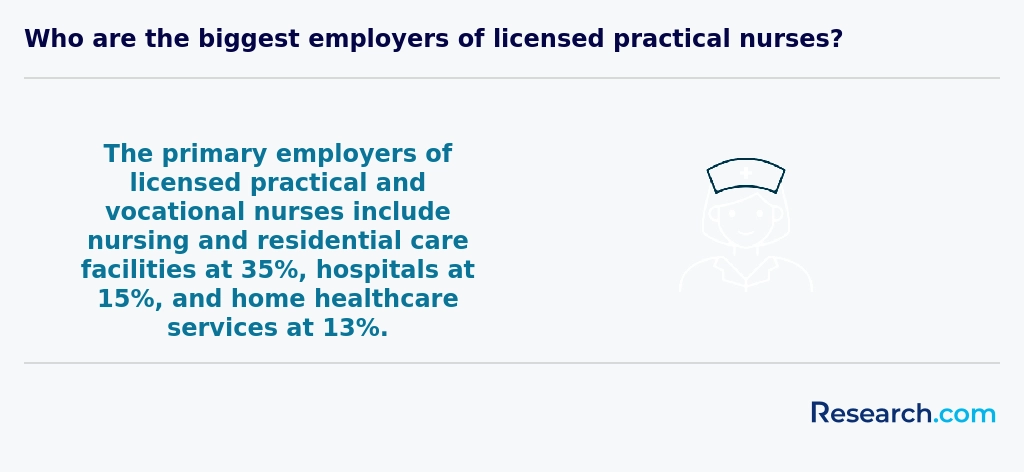
Graduates with an online nursing degree in the Northeast find themselves stepping into a variety of rewarding career paths that reflect the region's rich healthcare environment. Many begin as Registered Nurses, serving in bustling hospitals in New York or community clinics in Massachusetts, where demand is consistently high and salaries range between $75,000 and $90,000. Others pursue roles such as Licensed Practical Nurse (LPN) or Licensed Vocational Nurse (LVN), a quicker route into nursing with median wages around $50,000, ideal for those eager to start their careers swiftly.
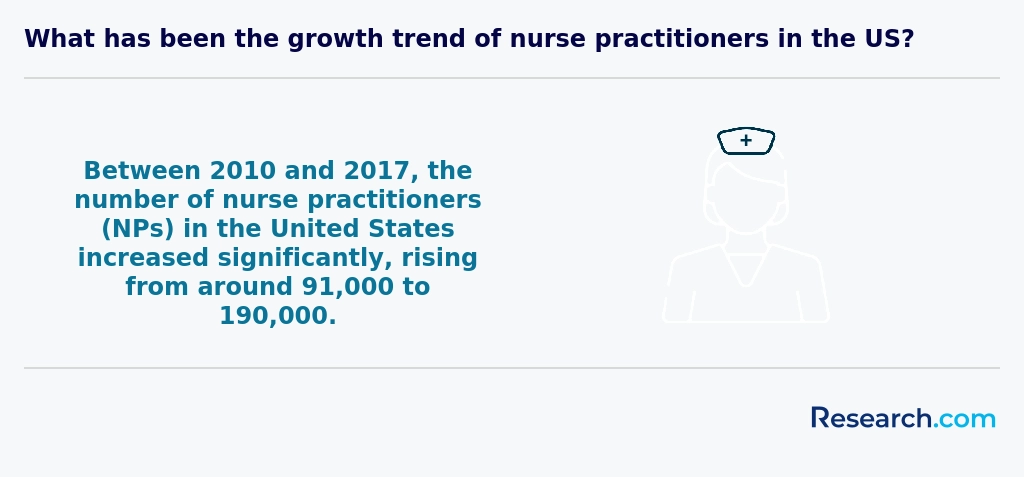
For those aiming higher, becoming a Nurse Practitioner in underserved areas can be life-changing, offering not just financial rewards-median salaries over $110,000-but also the chance to deeply impact communities. Graduates from well-known programs at Boston College or University of Pennsylvania often share how their online nursing careers in the Northeast have unlocked these advanced roles. Additionally, some choose paths like Clinical Nurse Specialist or Nurse Educator, combining care and mentorship to shape the future of nursing.
Many students also discover opportunities in healthcare administration, bringing frontline experience to leadership roles in metropolitan hubs. If you're curious about which degree might fit your goals, explore what is the easiest 2 year degree to get to weigh your options.
The job market for graduates holding an online nursing degree in the Northeast is exceptionally promising. Healthcare employers across states like New York, Pennsylvania, and Massachusetts eagerly welcome candidates with online credentials, especially from well-known colleges in the region. Graduates have shared how attending online programs at these institutions allowed them to juggle family and work commitments while gaining the clinical experience needed to thrive in cities bustling with healthcare opportunities.
Many report finding roles swiftly due to the growing demand for nurses beyond traditional hospital settings. The rise of telehealth and outpatient clinics means flexible career paths abound for those equipped with specialized skills. If you're wondering about where to start, consider exploring cheap online universities for job holders that offer strong curricula designed for busy adults.
This vibrant landscape translates into steadily increasing online nursing jobs in the Northeast, where median salaries reach $75,000 to $85,000, reflecting both regional need and cost of living. By pursuing a respected online nursing degree here, you position yourself to meet this demand and embrace a fulfilling, stable profession.
The Northeast nursing degree employment outlook is bright, supported by expansive healthcare networks employing hundreds of thousands. Graduates often remark how their flexible learning paths helped accelerate their careers in diverse nursing roles, from urban hospitals to suburban health centers.
2027 Most Valuable Online Master's in Nursing Degree Programs Ranking in the Northeast
Investing in your education is a significant decision that can shape your future, and the Research.com team understands the importance of making informed choices. To assist prospective students interested in nursing, we have carefully developed the "2027 Most Valuable Online Master's in Nursing Degree Programs Ranking in the Northeast." Our dedication to quality, credibility, and accuracy is demonstrated through comprehensive research and thorough analysis used to compile this ranking.
We utilized the following reputable data sources to ensure a well-rounded evaluation of online nursing master's programs:
By exploring this ranking, readers will gain valuable insights into the most worthwhile and credible online nursing master's programs in the Northeast, empowering them to make confident and informed educational choices. For more information on our ranking's methodology, please visit our Research.com methodology page.

# 2 position
SUNY Empire State College
Master of Nursing Education


# 9 position
Penn State University Park
Master of Nursing





Frequently Asked Questions About nursing
Online nursing degree students in the Northeast can enhance their learning by actively engaging with virtual simulations and clinical practice opportunities. Many accredited programs require students to complete local clinical hours, so choosing schools that facilitate partnerships with nearby hospitals is crucial.
Students should take advantage of regional nursing associations, such as the Massachusetts Nurses Association or New York State Nurses Association, for networking and professional development.
According to the National Council of State Boards of Nursing, nearly 60% of Northeast nurses report improved competency through online continuing education, highlighting the value of supplementary courses.
Time management and consistent communication with faculty are also key to success in online nursing programs.
Emerging niches in nursing reflect shifts in healthcare demands, especially in the Northeast where an aging population drives specialized care. One growing area is gerontological nursing, focusing on elderly patients' complex needs. According to the New England Journal of Medicine, this specialization is expected to grow by 20% through 2030.
Another expanding field is informatics nursing, which blends nursing with data management to improve patient outcomes. The Northeast, home to many healthcare tech hubs, sees increasing opportunities in this niche.
Additionally, community health nursing gains importance amid public health challenges. Nurses trained in this area organize outreach and preventive care, particularly in urban centers like Boston and New York.
These niches align well with online nursing degree programs offering flexible specialization tracks tailored to regional workforce needs.
After completing an online nursing degree in the Northeast, preparing for the job market involves several key steps. First, obtaining state licensure is essential; each Northeastern state requires passing the NCLEX-RN exam to become a registered nurse (RN). According to the National Council of State Boards of Nursing, pass rates in the region consistently exceed the national average, reflecting strong program quality.
Next, gaining clinical experience through internships or volunteer work boosts employability. Networking with healthcare employers in densely populated urban centers like New York City and Boston can open doors. The Bureau of Labor Statistics projects a 15% growth in nursing jobs in the Northeast by 2030, emphasizing demand for qualified nurses.
Continuing education and certifications also enhance career prospects and salary potential in this competitive field.
Employers in the Northeast highly value nursing graduates who demonstrate strong clinical skills alongside effective communication and critical thinking. According to the Massachusetts Board of Registration in Nursing, proficiency in patient assessment and care planning remains essential. Additionally, teamwork and adaptability are crucial, especially in fast-paced hospitals across New York and New Jersey, where collaboration improves patient outcomes.
Technological competence is increasingly sought after, with many healthcare systems in the region adopting electronic health records and telehealth platforms. The Bureau of Labor Statistics reports that nurses with skills in healthcare technology and data management have better employment prospects. Furthermore, cultural competence is vital in the Northeast's diverse populations, enhancing patient trust and care quality.
Finding internships relevant to a nursing degree in the Northeast involves targeting healthcare facilities affiliated with nursing programs. Many hospitals and clinics in states such as New York, Massachusetts, and Pennsylvania offer internships through partnerships with universities. For example, the New York State Department of Health provides listings of clinical placements supporting online nursing students.
Students should also explore resources from organizations like the American Nurses Association (ANA) - Northeast chapter, which shares local internship opportunities. Additionally, online nursing programs frequently offer guidance and connections to regional employers.
Networking through professional associations and utilizing university career centers can improve chances of securing quality internships that meet licensure and program requirements.
Obtaining an online nursing degree in the Northeast significantly enhances career mobility and advancement opportunities. According to the Bureau of Labor Statistics, registered nurses in the Northeast earn median wages up to 12% higher than the national average. Online degrees offer flexible access to advanced education without geographic relocation, allowing nurses to upskill while continuing their work.
Many hospitals and healthcare systems in states like New York, Massachusetts, and Pennsylvania actively seek nurses with master's degrees for leadership roles. Advanced degrees are linked to higher chances of promotion into nurse manager or specialist positions.
The region's competitive healthcare market rewards nurses who hold credentials from accredited online programs recognized by the Commission on Collegiate Nursing Education (CCNE). This recognition supports licensure reciprocity across Northeast states, which further facilitates career advancement.
Studying for a nursing degree in the Northeast offers strong preparation for interdisciplinary roles through comprehensive curricula and collaborative learning models. Many programs emphasize teamwork with professionals from fields such as medicine, social work, and public health, reflecting the region's integrated healthcare systems.
According to the New England Board of Higher Education, universities incorporate case studies and simulations involving multiple disciplines, helping students navigate complex patient care environments. This approach mirrors real-world demands in hospitals and community settings across states like New York, Massachusetts, and Pennsylvania.
Moreover, clinical placements often occur in diverse healthcare facilities, exposing students to interprofessional communication and leadership. This experience enhances graduates' abilities to coordinate care effectively across specialties, a crucial skill given the Northeast's aging population and increasing chronic health conditions.
Choosing between a thesis and a non-thesis nursing degree program in the Northeast depends largely on your career goals and learning preferences. Thesis programs typically require original research and are suited for students aiming for clinical research or doctoral studies. Non-thesis options focus on coursework and practical skills, appealing to those targeting advanced clinical roles or leadership positions.
The Northeast hosts several accredited online nursing programs, with about 30% of graduates preferring thesis tracks according to the American Association of Colleges of Nursing (AACN) 2023 report. Consider program flexibility and faculty support, especially if balancing work and study.
Cost and program length also vary; thesis degrees may take longer due to research demands. Check if your chosen school aligns with your professional licensure requirements in Northeast states such as New York or Massachusetts, where nursing standards are strict and evolving.
Students based in the Northeast interested in studying nursing abroad while pursuing an online degree have several options through partnership programs and international clinical placements.
Many accredited nursing schools in the region, such as those in New York and Massachusetts, offer exchange opportunities with institutions in Canada and Ireland, allowing students to gain global experience without interrupting their online coursework.
According to the American Association of Colleges of Nursing, about 15% of nursing programs in the Northeast provide structured study-abroad modules focused on public health or community nursing.
These programs enhance cultural competence and professional skills, a benefit in today's global healthcare environment.
Part-time jobs that complement nursing degree education in the Northeast are essential for balancing work and study while gaining relevant experience. Common opportunities include certified nursing assistant (CNA) positions in hospitals and long-term care facilities, which provide hands-on patient care experience. According to the U.S. Bureau of Labor Statistics (2023), the Northeast has a 15% higher demand for CNAs compared to the national average.
Medical scribing and health coaching roles are also growing, offering exposure to clinical settings and patient interaction without requiring full nursing credentials. Additionally, working as a pharmacy technician or in outpatient clinics allows students to understand medication management and healthcare workflows.
These roles often offer flexible schedules to accommodate online coursework, supporting students' progress through their nursing programs effectively.
Online nursing students in the Northeast benefit from strong networking opportunities through regional nursing associations such as the Massachusetts Nurses Association and the New York State Nurses Association. These organizations offer virtual events, webinars, and local chapter meetings that connect students with practicing nurses and healthcare leaders. The Northeast hosts about 15% of the nation's registered nurses, providing a broad professional community, according to the U.S. Bureau of Labor Statistics. Additionally, many online programs collaborate with local hospitals and clinics for clinical placements, creating in-person networking chances. Students also access online forums and alumni groups to build connections across the region's healthcare industry.
Alumni networks play a significant role in supporting online nursing degree students in the Northeast. These networks provide valuable opportunities for mentorship, helping students connect with experienced professionals who understand regional healthcare challenges. According to the New England Board of Higher Education, strong alumni connections can increase job placement rates by up to 15% among nursing graduates in the region.
Members often share exclusive job openings, continuing education resources, and industry updates. For online students, these networks reduce isolation by fostering a sense of community despite the remote format. In a region with a high demand for nursing professionals, such as the Northeast, alumni associations help graduates navigate local licensure and employment landscapes efficiently.
Customizing an online nursing degree program in the Northeast begins with selecting a program that offers diverse specialty tracks like nurse anesthesia, pediatrics, or healthcare leadership. Many accredited universities in the region provide electives aligned with specific career goals. For example, the American Association of Colleges of Nursing notes that Northeast schools often integrate clinical simulations and practicum opportunities tailored to local healthcare demands.
Students can also adjust their course load for part-time or accelerated options, balancing work and study effectively. Additionally, some programs offer certificates or dual degrees to enhance skill sets.
Exploring state licensing requirements in places like New York or Massachusetts ensures that coursework meets professional standards for intended roles.
Online nursing students in the Northeast often face challenges related to clinical placement availability. Due to the region's dense healthcare systems, securing local clinical sites can be competitive, delaying program completion. According to the New England Board of Higher Education, hospitals in states like Massachusetts and Connecticut report increasing demands for in-person training, limiting spots for online program students.
Connectivity issues also affect students in rural parts of the Northeast, where broadband access is less reliable. This can hinder participation in live virtual classes and simulations essential for nursing training. The Federal Communications Commission (FCC) notes that about 10% of households in parts of New York and Pennsylvania lack high-speed internet.
Additionally, balancing work and study remains difficult. Many students in this field juggle nursing shifts with coursework, creating time-management stress. Online nursing programs often require rigorous clinical hours and asynchronous learning, which can limit real-time instructor support.
With an online nursing degree, especially at the master's level, graduates in the Northeast can pursue a variety of professional certifications to enhance their careers. Common certifications include the Certified Nurse Practitioner (CNP), Certified Nurse Educator (CNE), and Clinical Nurse Specialist (CNS).
Licensing varies by state, but organizations like the American Nurses Credentialing Center (ANCC) and the American Association of Nurse Practitioners (AANP) offer certifications widely recognized across Northeast states.
According to the Bureau of Labor Statistics, the Northeast employs a large number of advanced practice nurses, where certification can increase job prospects and salary potential significantly.
Specialty certifications in areas such as gerontology, pediatrics, or psychiatric nursing are also accessible after completing an accredited online program and fulfilling clinical hours.
To write a winning application for an online nursing program in the Northeast, start by carefully researching schools accredited by the Commission on Collegiate Nursing Education (CCNE) or the Accreditation Commission for Education in Nursing (ACEN). Strong applications highlight your clinical experience and commitment to healthcare, which is crucial in a region where nursing demand is expected to grow by 15% through 2030, according to the Bureau of Labor Statistics.
Emphasize your goals clearly and connect them to the program's strengths. Personal statements should be concise and reflect knowledge of regional healthcare challenges.
Finally, submit all required documents on time and tailor your resume to highlight relevant skills and certifications valuable in Northeastern healthcare settings.
The nursing profession is recognized worldwide as vital to healthcare systems, offering diverse opportunities and strong job security. In the United States, including the Northeast, nursing careers continue to grow rapidly due to an aging population and increased healthcare demands. According to the U.S. Bureau of Labor Statistics, nursing jobs are projected to grow 7% from 2021 to 2031, faster than the average for all occupations.
Globally, nursing is respected as a stable and rewarding career path. Many countries face nursing shortages, highlighting the profession's importance and demand. Online nursing degrees from accredited Northeast institutions provide flexible education options to prepare graduates for both local and international healthcare challenges.
Students pursuing an online nursing degree in the Northeast can gain practical experience through clinical placements arranged by their schools. These placements typically occur at local hospitals, clinics, or community health centers, allowing students to apply theoretical knowledge in real-world settings. According to the New England Board of Higher Education, partnerships between nursing programs and healthcare facilities are common, facilitating smooth access to quality clinical sites.
Many programs require a minimum number of clinical hours-often around 500 to 700-before graduation, in line with state nursing board regulations. Students may also engage in simulation labs or telehealth practicums to supplement hands-on experience.
Exploring state nursing boards such as those in New York, Massachusetts, or Pennsylvania can provide details on approved clinical requirements and opportunities specific to the Northeast region.
Choosing the right concentration within an online nursing degree program in the Northeast depends on your career goals and local healthcare demand. Common specializations include family nurse practitioner, psychiatric-mental health, and nurse education. Consider the job market: for example, New York and Massachusetts report high demand for nurse practitioners and mental health nurses, as noted by the Bureau of Labor Statistics (2023).
Also, evaluate your experience and interests. If you enjoy teaching, a nurse educator concentration may suit you. If clinical practice appeals more, advanced practice roles could be ideal.
Lastly, review state licensing requirements in Northeastern states, as these can affect which concentrations qualify you for practice. Programs accredited by CCNE or ACEN ensure quality education recognized by state boards.
See What Experts Have To Say About Studying Nursing
Read our interview with Nursing experts

Lisa Grubb
Nursing Expert
Assistant Professor
Johns Hopkins School of Nursing

- Nursing Internship and Externship Programs https://jobs.mayoclinic.org/nursinginternexternprograms
- Nursing Study Abroad Programs | Go Overseas https://www.gooverseas.com/study-abroad/nursing
- 2025 Most Affordable Online Nursing Programs https://www.onlineu.com/most-affordable-colleges/nursing-degrees
- Essential Tips for Nursing Students to Advance Their Careers https://almanaltraining.com/essential-tips-for-nursing-students-to-advance-their-careers/
- What Are the Best Jobs to Work While in Nursing School? https://www.dewv.edu/what-are-the-best-jobs-to-work-while-in-nursing-school/
- What Are the Best RN Certifications for Your Career? https://credenzahealth.com/career-advice/what-are-the-best-rn-certifications-for-your-career
- Study Nursing Abroad | Boomerang International Educational Services https://boomerangedu.com/study-nursing-abroad/
- Nursing, BSN https://www.nec.edu/programs/nursing-bsn-program
- How Much Can I Earn With a BSN? https://www.allnursingschools.com/bsn/salary/
- Exploring Diverse Nursing Career Horizons - N2S Healthcare Blog https://n2shealthcare.com/blog/exploring-diverse-nursing-career-horizons-n2s-healthcare-blog


