2027 Most Affordable Online Master's in Nursing Degree Programs Ranking in North Carolina

Co-Founder and Chief Data Scientist
If you're considering advancing your nursing career in North Carolina, this article is here to guide you. We present the 2027 Most Affordable Online Master's in Nursing Degree Programs Ranking in North Carolina, carefully compiled by the Research.com team of data scientists. This ranking helps you find nursing programs that offer the best value without compromising quality.
Reading here will save you time and effort, providing clear insights to make an informed choice. Pursuing a nursing degree can open doors to new opportunities and personal fulfillment, and we're excited to help you on that journey.
Key benefits of getting online nursing degree in North Carolina
- Nurse practitioners and critical care nurses with nursing degrees in North Carolina earn a mean annual wage of $128,490, highlighting strong salary potential for graduates.
- Graduates from universities like the University of North Carolina can explore various career paths including nurse administration, education, or clinical specialist roles, all with competitive pay.
- Online nursing degrees offer flexibility and convenience, allowing students from North Carolina to balance work and study effectively, similar to graduates from popular programs at East Carolina University.
- 2027 Most Affordable Online Master's in Nursing Degree Programs Ranking in North Carolina
- What can I expect from online nursing degree in North Carolina?
- Where can I work with online nursing degree in North Carolina?
What can I expect from online nursing degree in North Carolina?
The average cost of an online nursing degree in North Carolina varies widely, typically depending on the institution and the degree level. Graduates from well-known schools like the University of North Carolina at Chapel Hill and East Carolina University often report paying between $8,000 and $15,000 per year for in-state tuition, which is considerably more affordable than many out-of-state options. These costs can add up, especially for Master of Science in Nursing (MSN) or Doctor of Nursing Practice (DNP) programs, so budgeting for 2-3 years of study is essential.
Many students find relief through financial aid, scholarships, or employer tuition reimbursement programs, making the investment more manageable. One recent graduate shared how applying for multiple scholarships helped reduce her tuition burden while working full-time as a registered nurse in Charlotte. Another student at NC State University utilized employer support, enabling him to pursue his MSN without compromising his family income.
Considering tuition in isolation isn't enough-students must factor in expenses for books, clinical placement fees, and technology, especially since clinical hours require local healthcare site coordination. Taking advantage of local clinical placements near universities like Western Carolina University helps keep travel expenses low while meeting state licensure requirements efficiently.
Where can I work with online nursing degree in North Carolina?
Graduates from online nursing programs in North Carolina, such as those at the University of North Carolina at Chapel Hill or East Carolina University, quickly discover a wide range of job options. Most find roles in hospitals like Atrium Health or Novant Health, delivering patient care in general wards or specializing in critical care units. These experiences match the hands-on learning integrated into their online curricula, preparing them well for the NCLEX-RN licensure exam required statewide.
Others transition into outpatient clinics or rehabilitation centers, managing ongoing care that often involves direct coordination with patients. Many graduates share how community health agencies and public health departments provide fulfilling work, especially in rural areas where nurses lead preventive care programs.
With a growing need for nursing educators and case managers in North Carolina, some graduates pursue teaching roles or administrative careers within institutions such as North Carolina State University's nursing school. These paths highlight the versatility and positive impact allowed by an online nursing degree focused on practical skills and real-world readiness.
Graduates with an online nursing degree in North Carolina can expect starting salaries around $65,000 as registered nurses, according to U.S. Bureau of Labor Statistics data. For example, many graduates from programs at the University of North Carolina at Chapel Hill report beginning near this median, with competitive benefits included. Advancing to roles such as nurse practitioners can substantially increase earnings, with an average salary reaching over $128,000 annually in North Carolina. This jump reflects real experiences shared by alumni from schools like East Carolina University, who have leveraged their MSN degrees to access nurse practitioner positions in metropolitan areas like Raleigh and Charlotte.
Specialized roles like clinical nurse specialists, nurse administrators, and nurse educators often earn about $94,000 per year. Graduates from online programs at North Carolina State University describe how earning certifications in critical care further boosts their pay potential to align with these figures. Metropolitan locations typically offer higher wages, while rural areas remain competitive for entry-level nurses. Practical planning to gain experience and certifications early can steadily grow salary prospects above $75,000 within a few years.
- North Carolina offers accredited online nursing degrees at multiple levels, including RN-to-BSN, BSN, MSN, and DNP programs.
- The total tuition for RN-to-BSN programs ranges from $8,000 to $20,000, while MSN programs typically cost between $20,000 and $40,000.
- Entry-level BSN nurses earn about $60,000 annually, and advanced degree holders like MSN or DNP graduates may earn between $90,000 and $110,000.
- The nursing job market in North Carolina is expected to grow by approximately 10% from 2022 to 2032, faster than the national average.
- Licensure requires passing the NCLEX-RN exam, and online programs include clinical practicums at local healthcare facilities.
Completing an online nursing degree in North Carolina varies by program type and your prior experience. For example, graduates of local community colleges offering online ADN programs often finish in 2 to 3 years, fitting their studies around work and family commitments. One graduate from a popular North Carolina community college shared how the hybrid format allowed flexible scheduling, helping them balance clinical hours with their job.
If you already hold an ADN, enrolling in an RN-to-BSN program at universities like East Carolina University can reduce your study time to about 12 to 18 months. These bridge programs focus on leadership and advanced clinical skills, providing a motivational boost as you see yourself progressing quickly in your nursing career.
Online MSN degrees typically take 1.5 to 3 years, depending on your specialty and whether you study full- or part-time. Working nurses at institutions such as the University of North Carolina find part-time options helpful, allowing them to meet clinical hour requirements without sacrificing career growth.
When selecting an online nursing program in North Carolina, confirming accreditation and meeting state licensure requirements are critical steps to ensure you can practice without barriers. First, look for programs accredited by the Commission on Collegiate Nursing Education (CCNE) or the Accreditation Commission for Education in Nursing (ACEN). Accreditation not only validates curriculum quality but also guarantees eligibility for federal financial aid and smooth NCLEX-RN registration. Next, review the North Carolina Board of Nursing (NCBON) licensure criteria. Applicants must submit proof of graduation from an accredited program, complete a criminal background check, and provide official transcripts directly to NCBON. Most programs integrate the required 500+ clinical hours into their curriculum, but you should verify how local clinical placements are arranged. Graduates must then pass the NCLEX-RN exam; North Carolina’s first-time pass rate consistently exceeds the national average, reflecting rigorous program standards. For nurses planning advanced practice careers, state licensure can vary widely. If you’re exploring Nurse Practitioner paths beyond North Carolina, consider reviewing our list of best nurse practitioner programs in california to compare program accreditation models and post-graduate certification requirements. Understanding both accreditation and licensure processes up front will streamline your transition from student to licensed nurse and help you avoid delays in entering the workforce.
Choosing between online and on-campus nursing programs in North Carolina means weighing flexibility against face-to-face interaction. Graduates from programs at universities like UNC and ECU often highlight how online degrees let them balance work and family, accessing lectures anytime without the daily commute.
On-campus students at these schools appreciate the structured schedules and direct access to faculty during labs and clinical simulations. This hands-on environment helps those who learn best with immediate feedback and peer collaboration. Still, both options require local clinical placements, ensuring real-world nursing experience in North Carolina healthcare facilities.
Cost is another practical factor: online students report saving 10-20% by avoiding housing and commuting costs. However, reliable internet and up-to-date devices are necessary investments for success. Graduates describe online programs as empowering for disciplined self-starters, while on-campus programs feel supportive for learners who thrive in community settings.
Choosing an accredited program ensures your degree is recognized and qualifies you for licensure in North Carolina. Consider these key points:
- Commission on Collegiate Nursing Education (CCNE) or Accreditation Commission for Education in Nursing (ACEN) accreditation
- Approval by the North Carolina Board of Nursing for clinical and curriculum standards
- Eligibility to sit for the NCLEX-RN or advanced practice certification exams
For nurses planning to advance to a doctorate, check out the easiest dnp program online to find a seamless path to the highest level of practice.
The average cost of an online nursing degree in North Carolina varies depending on residency status and the institution chosen. For in-state students, the median total cost is approximately $10,109, which offers a more affordable pathway compared to out-of-state students, who might expect to pay around $35,490. These figures align with the experiences of many graduates from well-known schools like the University of North Carolina at Greensboro, where online Master of Science in Nursing programs often fall near the lower end of this range for state residents.
Understanding the average cost online nursing degree North Carolina requires careful budgeting beyond tuition. Graduates frequently mention additional fees such as technology access, clinical placements, and course materials, which can increase total expenses. However, many find the flexibility and savings on commuting make these investments worthwhile, helping them balance work, life, and study.
For those seeking more budget-friendly options, exploring affordable online nursing master programs NC is a practical step. Public universities and community colleges commonly offer reduced rates for in-state students, a key factor in keeping costs manageable. Also, researching financial aid opportunities and scholarships can significantly lower expenses.
Prospective students wanting to compare costs can find valuable guidance by checking affordable nursing programs in North Carolina, which list schools that combine quality education with lower tuition. This helps build a realistic financial plan, ultimately contributing to a more confident and satisfying academic experience.
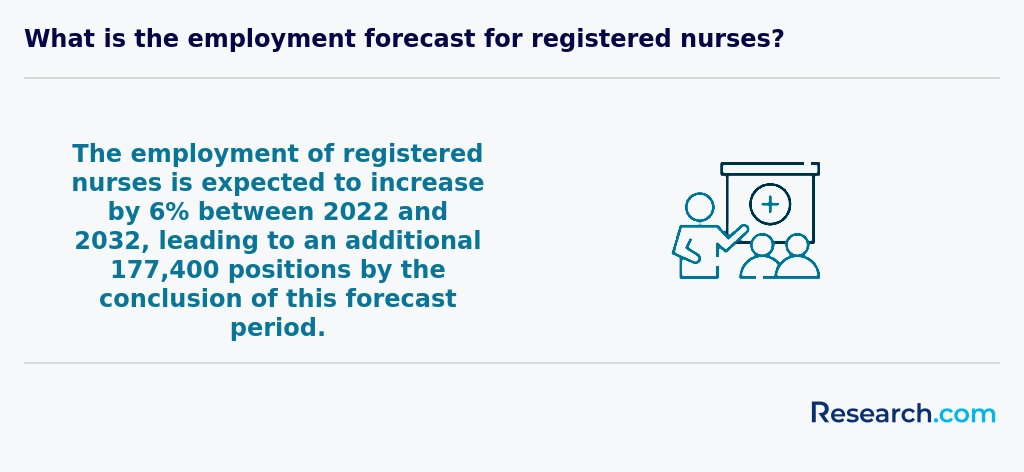
Before starting an online nursing program in North Carolina, it’s essential to understand the state’s licensure process and NCLEX exam requirements. The North Carolina Board of Nursing (NCBON) oversees the approval of nursing education programs and issues licenses to practice. To qualify for the NCLEX-RN or NCLEX-PN, graduates must: • Complete a Board-approved, accredited nursing program (CCNE or ACEN accreditation is required) • Submit an application to the NCBON along with official transcripts and a criminal background check • Achieve a minimum passing score on the NCLEX exam within two years of program completion International or out-of-state graduates must also apply for licensure by endorsement, which includes verification of original licensure and education credentials. Continuing competence is maintained through mandatory renewal every two years, requiring proof of completed continuing education units (CEUs) and adherence to the NCBON’s practice standards. By ensuring your online program meets NCBON approval and preparing thoroughly for the NCLEX-through review courses, practice questions, and study groups-you’ll streamline your path from graduation to clinical practice. For students comparing options in neighboring states, our Most Affordable Online Nursing Degree Programs Ranking in Tennessee provides additional insights into program affordability and licensure preparation.
Online nursing students in North Carolina can access multiple financial aid options that make education more affordable. Many graduates from institutions like the University of North Carolina at Chapel Hill or Wake Technical Community College emphasize the relief they found through federal aid, especially Pell Grants, which can cover up to $7,395 annually. Applying early via FAFSA unlocks access to these grants, low-interest loans, and work-study programs, helping balance work and study commitments.
State-specific awards also play a key role. For example, students at community colleges often rely on the Nurse Education Scholarship Program, which offers grants in exchange for a commitment to work in North Carolina after graduation. Others attending NC State University have tapped into the Medical Society Foundation Scholarship to offset tuition.
Institutional scholarships based on merit or financial need, and employer tuition reimbursement programs, especially for current healthcare workers, further ease expenses. These avenues, regularly mentioned by nursing grads, highlight practical routes to funding your path to a nursing career in North Carolina.
To enroll in an online nursing degree program in North Carolina, you first need a high school diploma or GED. Graduates from well-known schools like UNC Chapel Hill often mention how securing this basic credential early helped them focus confidently on higher coursework. If you're aiming for a BSN or MSN, expect to present an accredited ADN or a bachelor's degree in any field.
Maintaining a GPA around 2.75 to 3.0 is common. This ensures you're ready for the demanding nursing curriculum at institutions such as East Carolina University, where former students note that meeting this requirement made challenging courses feel more manageable.
Prepare by completing prerequisites in anatomy, physiology, microbiology, chemistry, nutrition, and statistics. Many successful graduates recall how these classes formed a solid foundation, easing their transition into clinical concepts.
Clinical readiness includes holding a current Basic Life Support (BLS) certification. Some programs, especially advanced tracks at schools like Wake Forest University, also require prior LPN or RN experience, reflecting real-world preparedness.
Finally, expect to submit to a criminal background check and immunization verification, key steps to ensure safety during clinical placements across North Carolina's healthcare facilities.

After earning your online nursing degree, obtaining state licensure and national certification is essential to begin practicing in North Carolina. First, you must pass the NCLEX-RN (for RNs) or NCLEX-PN (for LPNs), administered by the National Council of State Boards of Nursing (NCSBN). To register: 1. Create an account with Pearson VUE, the NCLEX testing service, and submit your application through the North Carolina Board of Nursing (NCBON) portal. 2. Complete a criminal background check and fingerprinting as required by the NCBON. 3. Obtain an Authorization to Test (ATT) and schedule your exam at an approved Pearson VUE test center. 4. After passing the NCLEX, apply for licensure by endorsement if you hold an out-of-state license, or by examination if you are a new graduate. For advanced practice roles, such as Nurse Practitioners or Clinical Nurse Specialists, you’ll need national certification from bodies like the American Nurses Credentialing Center (ANCC) or the American Association of Nurse Practitioners (AANP). Requirements typically include:
- A master’s or doctoral degree in your specialty area.
- Completion of a recognized clinical hours threshold.
- Passing a specialty-specific certification exam. Maintain your license through continuing education (CE) credits-North Carolina requires 30 contact hours every two years. Many online programs integrate CE modules into their curriculum, and you might even pursue an affordable MSN nursing education online degree that awards credits directly accepted by the NCBON. Planning ahead for licensure and certification ensures a seamless transition from graduation to practice.
When pursuing an online nursing degree in North Carolina, you'll typically take courses covering essential topics like anatomy and physiology, pharmacology, and health assessment. These provide a solid foundation for understanding how the human body works and how to safely administer medications, crucial knowledge shared by graduates from well-known state schools such as the University of North Carolina and NC State University.
Practical nursing skills come into play with clinical nursing practice, which often includes virtual simulations or requires local clinical hours. Many students in programs like those at East Carolina University found these hands-on experiences invaluable when preparing for real patient care situations.
You'll also engage with courses on nursing research, ethics, and healthcare policy that guide you through decision-making processes in North Carolina's specific healthcare landscape. For those aiming at advanced degrees, expect leadership and population health topics that prepare you for broader roles in community health and administration.
This structured curriculum helps you feel confident and ready to pass the NCLEX and succeed in the nursing job market within the state's healthcare system.
When exploring online nursing specializations in North Carolina, students often choose among several focused tracks tailored to the state's healthcare needs. Family Nurse Practitioner (FNP) programs are especially popular, providing graduates with the skills to deliver primary care to diverse populations, including underserved rural areas. Graduates of popular institutions like the University of North Carolina have shared how the FNP curriculum prepared them to confidently handle real-world patient scenarios.
Other North Carolina MSN degree focus areas include Psychiatric-Mental Health Nurse Practitioner and Pediatric Nurse Practitioner specializations. These tracks equip nurses to address mental health challenges and childhood health concerns directly relevant to the state's communities. Adult-Gerontology Nurse Practitioner programs, commonly offered at universities such as Duke and East Carolina, train students to care for the growing aging population with chronic conditions.
For those interested in roles beyond clinical practice, online degrees often feature Nursing Education and Healthcare Leadership tracks. Graduates excited by the opportunity to teach future nurses or lead hospital teams highlight the practical skills gained. If you want to compare options outside the region, consider reviewing the list of best nurse practitioner programs in california to understand how specialization choices vary nationwide.
Start by confirming the program's accreditation with either the Commission on Collegiate Nursing Education (CCNE) or the Accreditation Commission for Education in Nursing (ACEN). Graduates from well-known North Carolina universities often share how this validation made their transition to the NCLEX licensure exam smoother and respected by local employers. Next, evaluate the program's format: many online nursing students appreciate asynchronous classes paired with clinical placement support within North Carolina, allowing flexibility around work and family life.
Considering cost is essential. North Carolina's community colleges and public universities provide affordable online nursing degrees North Carolina options, often priced well below $10,000 total. Many former students recommend exploring financial aid or employer tuition reimbursement to lessen expenses, and some highlight programs known for affordability such as those featured in affordable MSN nursing education online degree.
Finally, check career outcomes linked to your specialization. Graduates from top-rated RN to MSN programs North Carolina often benefit from partnerships between universities and local healthcare facilities, boosting job prospects in high-demand fields like family nurse practitioner roles. Prioritizing programs with strong clinical ties can make your nursing career path feel confident and supported.
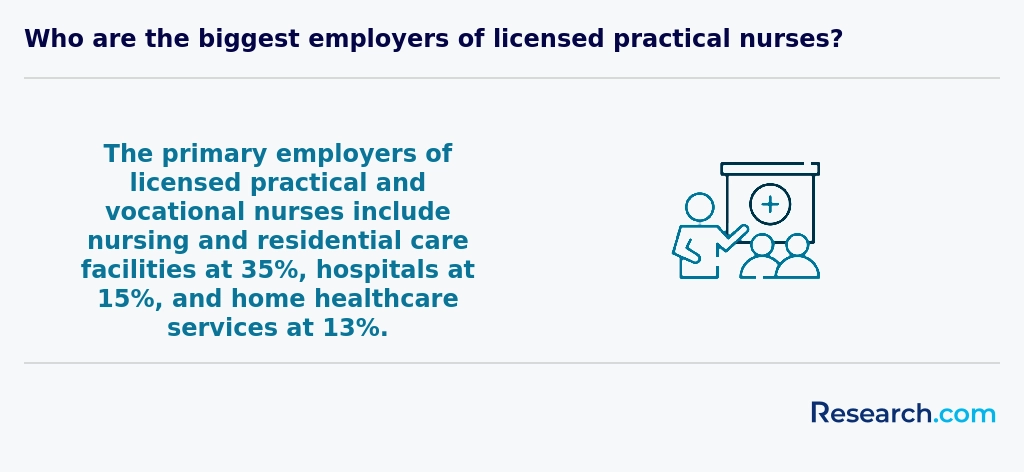
Graduates of online nursing programs in North Carolina find diverse career paths tailored to their skills and goals. Many start as Registered Nurses (RNs), providing hands-on care in hospitals or community clinics, a common route for those finishing programs at universities like East Carolina or UNC Charlotte. For those aiming higher, pursuing an MSN opens doors to becoming Nurse Practitioners (NPs), who enjoy increasing practice independence across the state. Others choose specialization as Clinical Nurse Specialists, advising on complex cases in facilities around Raleigh or Charlotte. Experienced nurses often transition to Nurse Educator roles, addressing the high demand for qualified instructors in North Carolina's nursing colleges, inspiring students just as they were once guided. Leadership-oriented graduates move into healthcare administration or nurse management, shaping policies and improving patient care from within. If you're considering the cost and want to explore affordable options, check the Most Affordable Online Nursing Degree Programs Ranking in Tennessee. Online nursing career opportunities in North Carolina grow steadily, offering tangible steps for advancement.
Practical planning with these career prospects in mind helps align education choices with job market needs, ensuring graduates feel empowered and hopeful about their future in nursing degree job prospects North Carolina offers.
The job market for online nursing graduates in North Carolina is notably strong, with registered nursing roles projected to grow by about 15% from 2020 to 2030. This growth exceeds the national average, reflecting robust demand within the state's healthcare sector. Graduates from well-known programs at universities such as the University of North Carolina and East Carolina University report positive experiences securing positions in hospitals, outpatient centers, and expanding telehealth services.
To navigate nursing career opportunities in North Carolina online programs effectively, focus on enrolling in accredited courses that meet the state Board of Nursing's licensure requirements. Many graduates highlight that earning an RN-to-BSN or MSN online opened doors to higher-paying roles like nurse practitioners or educators. Urban areas like Charlotte offer higher median wages around $62,000, adding to the appeal for those balancing study and work.
Prospective students should also explore financial options through online schools that accept financial aid to manage tuition costs while pursuing stable nursing careers with lasting growth.
2027 Most Affordable Online Master's in Nursing Degree Programs Ranking in North Carolina
Investing in your education is a significant decision that can shape your future, and the Research.com team understands the importance of making informed choices. To assist prospective students in North Carolina, we have meticulously crafted the "2027 Most Affordable Online Master's in Nursing Degree Programs Ranking." Our commitment to quality, credibility, and accuracy is reflected in the extensive research and analysis conducted to compile this ranking.
We utilized the following reputable data sources to ensure a comprehensive evaluation of nursing programs:
By exploring this ranking, readers will gain valuable insights into the most affordable and high-quality online master's nursing programs in North Carolina, enabling them to make well-informed decisions about their educational investments. For more details on our methodology, please visit our Research.com methodology page.


Frequently Asked Questions About nursing
Online nursing degree students in North Carolina can maximize their learning experience by actively engaging with their program's virtual resources. Utilizing video lectures, discussion boards, and digital libraries helps deepen understanding of complex nursing concepts. North Carolina requires nursing students to complete clinical hours, so securing local clinical placements early is crucial to gaining practical experience.
Networking with peers and faculty through online forums enhances collaboration and professional growth. Additionally, students benefit from time management skills to balance coursework with personal responsibilities. According to the North Carolina Board of Nursing, over 70% of nurses in the state hold at least a bachelor's degree, highlighting the importance of advanced learning for career success.
The nursing field is evolving with several emerging niches offering promising career opportunities, especially for those pursuing online nursing degrees in North Carolina. One rapidly growing area is **telehealth nursing**, driven by increased demand for remote patient care. According to the North Carolina Healthcare Association, telehealth usage expanded by over 50% from 2020 to 2023.
Another niche is **gerontological nursing**, reflecting the state's aging population, with nearly 18% of North Carolinians aged 65 or older as reported by the U.S. Census Bureau. Nurses specializing in elder care are vital in managing chronic conditions and improving quality of life.
Additionally, **nursing informatics** is gaining traction due to the integration of technology in healthcare systems, focusing on data management and optimizing patient outcomes. These niches offer unique roles for nurses seeking advanced expertise beyond traditional practices.
After earning an online nursing degree in North Carolina, graduates should focus on obtaining their nursing license by passing the NCLEX-RN exam, a mandatory step for all registered nurses in the state. The North Carolina Board of Nursing provides resources and requirements for licensure.
Networking is crucial; joining state nursing associations such as the North Carolina Nurses Association can help connect with employers and peers. Additionally, clinical experience gained through internships or volunteer work strengthens practical skills and resume quality.
Staying informed about healthcare trends in North Carolina, where demand for nurses is forecasted to grow by 15% through 2031 according to the Bureau of Labor Statistics, can guide job search strategies effectively.
Employers in North Carolina highly value a combination of clinical and interpersonal skills in nursing degree graduates. According to the North Carolina Board of Nursing, strong patient assessment abilities and proficiency in evidence-based practice rank among the top competencies sought.
Effective communication is critical, as nurses frequently collaborate with healthcare teams and support patients. Problem-solving and critical thinking skills enable nurses to make quick, accurate decisions in fast-paced environments.
Technological competence is increasingly important due to the widespread use of electronic health records in North Carolina hospitals. Additionally, cultural sensitivity and adaptability help nurses provide inclusive care across diverse populations in the state.
Finding nursing internships in North Carolina involves leveraging multiple resources. Start by contacting your online nursing program's career services or academic advisors, as they often have established partnerships with local hospitals and clinics. The North Carolina Board of Nursing reports that clinical practice opportunities are vital for licensure and employment, so accredited programs typically assist students in placement.
Networking is key: join the North Carolina Nurses Association and attend industry events to connect with professionals. You can also explore internship openings through healthcare systems like Atrium Health and Novant Health, which frequently offer programs for nursing students.
Online platforms such as the NC Health Careers website provide updated listings of clinical opportunities tailored for nursing students. Beginning your search early and maintaining communication with your program and professional organizations enhances your chances of securing a meaningful internship.
An online nursing degree in North Carolina significantly enhances career mobility by providing flexible access to advanced education without geographic constraints. Graduates qualify for broader roles such as nurse practitioners or nurse educators, meeting the state's rising demand for specialized nursing professionals. According to the North Carolina Board of Nursing, obtaining a master's degree online can increase eligibility for leadership and clinical advancement opportunities, aligning with state healthcare workforce projections that foresee a 15% growth in advanced practice nursing roles by 2030.
Employers in North Carolina increasingly recognize accredited online programs, helping graduates compete for promotions and higher salaries. Additionally, online degrees often include clinical partnerships, ensuring vital practical experience within the state's healthcare system.
Studying for a nursing degree in North Carolina equips students with skills essential for interdisciplinary healthcare roles. State programs emphasize collaboration across professions such as medicine, pharmacy, social work, and physical therapy. Coursework often integrates case studies and simulations that mirror real clinical settings, fostering teamwork and communication skills.
North Carolina's Board of Nursing supports curricula aligned with national standards, ensuring graduates are prepared to engage in multidisciplinary care. According to the North Carolina Institute of Medicine, 67% of healthcare jobs require effective coordination among diverse professionals, highlighting the demand for nurses trained in such environments.
Many online nursing programs in North Carolina also offer clinical placements within varied healthcare systems, further building interdisciplinary experience.
When choosing between a thesis and a non-thesis online nursing degree in North Carolina, consider your career goals. A thesis program emphasizes research and prepares students for doctoral studies or leadership roles requiring strong analytical skills. It typically involves conducting original research and writing a detailed paper.
In contrast, a non-thesis program focuses more on practical nursing skills and may include more clinical hours or projects, making it suitable for professionals aiming to advance in clinical practice or administration.
The North Carolina Board of Nursing notes that master's-prepared nurses in leadership roles often benefit from research experience, which thesis programs provide. According to the NC Department of Commerce, the state expects a 15% growth in nursing jobs by 2030, increasing demand for advanced nursing positions often requiring critical research skills.
Students in North Carolina interested in studying nursing abroad face several practical limitations. Most U.S. states, including North Carolina, require nurses to hold a license from the state's Board of Nursing to practice legally. This often means completing an accredited program within the United States or a program recognized by U.S. regulators.
While purely online international nursing degrees may appeal, clinical practice components must usually be completed in-person at accredited local facilities. North Carolina's Board of Nursing mandates supervised clinical hours, which are difficult to fulfill abroad without specific state approval.
Some students consider international partnerships through North Carolina universities that offer study-abroad opportunities or global health experiences while enrolled in domestic online programs. According to the North Carolina Board of Nursing, verifying foreign credentials and nursing program accreditation is critical for licensure eligibility.
Part-time job opportunities in North Carolina that complement nursing degree education are diverse and beneficial for students. Roles such as certified nursing assistant (CNA) or nursing aide positions provide practical patient care experience relevant to coursework. These positions often pay around $13 to $16 per hour according to the North Carolina Department of Labor.
Other opportunities include medical receptionist and patient care technician jobs, which help develop communication and clinical skills. Some students also find employment in home health aide services, gaining hands-on exposure to patient support in home settings.
Working in these roles not only supplements income but enriches understanding of healthcare systems, which is valuable for online nursing students balancing studies and work.
Online nursing students in North Carolina have various networking opportunities despite the virtual format. Many online programs encourage participation in local clinical placements, which helps students connect with healthcare professionals across the state. Additionally, organizations like the North Carolina Nurses Association (NCNA) offer memberships that provide networking events, conferences, and online forums tailored to nurses practicing in North Carolina (NCNA, 2024).
Students can also engage in virtual study groups and professional social media platforms to build relationships with peers and faculty. Such connections are crucial for career advancement and job placement in North Carolina's competitive healthcare market.
Overall, these opportunities enable students to build a strong professional network while completing their degree remotely.
Alumni networks offer valuable benefits for online nursing degree students in North Carolina by providing access to professional connections and local job opportunities. These networks connect graduates with experienced nurses and healthcare leaders within the state's robust medical sector. According to the North Carolina Board of Nursing, over 136,000 registered nurses are licensed in the state, making networking essential for career growth.
Members can receive mentorship, advice on certification exams such as the NCLEX-RN, and guidance on continuing education. Many alumni groups also share exclusive information on clinical placements and specialty roles critical to North Carolina's healthcare needs. This support helps new nurses transition successfully into the workforce.
Customizing an online nursing degree in North Carolina allows students to align their education with specific career goals. Many programs offer specialty tracks such as family nurse practitioner, nurse educator, or healthcare leadership. Choosing electives or concentrations relevant to the desired role can provide targeted skills. Clinical placement options across North Carolina give practical experience in diverse healthcare settings, enhancing career readiness.
The North Carolina Board of Nursing and sources like the U.S. Bureau of Labor Statistics highlight growing demand for advanced nursing roles in the state, especially in rural areas. This trend encourages tailored programs that meet local healthcare needs. Accreditation and program flexibility are key factors to consider when customizing your degree.
Online nursing students in North Carolina often face unique challenges related to clinical placement. While coursework is delivered virtually, students must complete in-person clinical hours, which can be difficult to schedule due to limited local healthcare facilities partnered with online programs. According to the North Carolina Board of Nursing, securing quality clinical sites remains one of the biggest hurdles for students.
Another common challenge is balancing coursework with personal and professional responsibilities. Many online nursing students are working nurses or parents, making time management essential but difficult. Additionally, some report feeling isolated without the face-to-face interaction typical in traditional programs, impacting peer support and networking opportunities.
Technical issues also pose obstacles. Reliable internet access and familiarity with digital platforms are critical, and gaps in these areas may slow academic progress.
With an online nursing degree in North Carolina, graduates can pursue various professional certifications that enhance their career opportunities. Common certifications include the Certified Registered Nurse Anesthetist (CRNA), Nurse Practitioner (NP), and Clinical Nurse Specialist (CNS), among others. The North Carolina Board of Nursing oversees licensure and certification processes for nurses in the state, ensuring that certifications meet regional standards.
Many nurses in North Carolina also pursue the Certified Nurse Educator (CNE) credential to work in academic settings. According to the American Association of Colleges of Nursing, about 30% of nursing graduates aim for advanced certifications within five years post-degree. These credentials typically require passing a national exam and meeting clinical practice hours.
To write a winning application for an online nursing program in North Carolina, start by carefully reviewing each school's admission requirements. Many programs require a valid RN license issued by the North Carolina Board of Nursing and a minimum GPA of 3.0. Highlight your clinical experience clearly, as North Carolina employers value hands-on skills obtained in healthcare settings.
Include a strong personal statement that explains your commitment to nursing and how the online program fits your career goals. Tailor your essay to emphasize understanding of the state's healthcare challenges, such as rural access issues noted by the North Carolina Health Professions Data System.
Request letters of recommendation from supervisors or academic mentors familiar with your nursing abilities. Lastly, ensure all transcripts and documents are complete and submitted by the program deadlines, often between November and March for fall enrollment.
The nursing profession is highly valued worldwide for its role in healthcare and patient support. In the United States, including North Carolina, nursing is seen as a stable and growing career, with the Bureau of Labor Statistics projecting a 6% growth in registered nurse jobs from 2021 to 2031. Globally, nurses face varying challenges such as workforce shortages, but the demand for skilled professionals remains strong.
North Carolina's expanding healthcare sector reflects these global trends, with the NC Health Professions Data System reporting over 140,000 licensed nurses in the state. This growth supports diverse career opportunities in hospitals, community care, and telehealth.
Online nursing degrees in North Carolina align with global efforts to make advanced nursing education more accessible. Programs offering flexible, accredited online options prepare students to meet both local and international healthcare needs. This flexibility is crucial as the profession adapts to increasing global health demands and technological advancements.
Students pursuing an online nursing degree in North Carolina can gain practical experience through clinical placements arranged by their institutions. These hands-on experiences are vital for meeting North Carolina Board of Nursing requirements, which mandate supervised clinical hours for licensure.
Many programs partner with local healthcare facilities, offering students opportunities to train in hospitals, clinics, and community health settings near their homes. This approach helps bridge the gap between theory and practice while adhering to the state's nursing regulations.
Additionally, some schools encourage internships, volunteer work, or simulation labs. These options provide valuable exposure to patient care and nursing procedures, enhancing readiness for professional practice in the state.
Choosing the right concentration within an online nursing degree program in North Carolina depends on your career goals and local healthcare needs. The state has a growing demand for nurse practitioners, especially in primary care, due to a projected 15% job growth through 2030, according to the North Carolina Department of Commerce. Popular concentrations include Family Nurse Practitioner (FNP), Nurse Educator, and Nursing Administration. Consider accreditation status and clinical placement opportunities, as North Carolina requires clinical hours within the state for licensure. Reviewing program curricula alongside your interests in patient care, education, or leadership helps ensure the best fit for your professional growth.
- 2027 Most Affordable Online Master's in Nursing Degree Programs Ranking in South Carolina
- 2027 Most Affordable Online Master's in Nursing Degree Programs Ranking in Virginia
- 2027 Most Affordable Online Master's in Nursing Degree Programs Ranking in Georgia
- 2027 Most Affordable Online Master's in Nursing Degree Programs Ranking in Tennessee
- 2027 Most Affordable Online Master's in Nursing Degree Programs Ranking in Kentucky
- 2027 Most Affordable Online Master's in Nursing Degree Programs Ranking in Florida
- 2027 Most Affordable Online Master's in Nursing Degree Programs Ranking in Pennsylvania
- 2027 Most Affordable Online Master's in Nursing Degree Programs Ranking in Ohio
- 2027 Most Affordable Online Master's in Nursing Degree Programs Ranking in Mississippi
- 2027 Most Affordable Online Master's in Nursing Degree Programs Ranking in New Jersey
See What Experts Have To Say About Studying Nursing
Read our interview with Nursing experts

Lisa Grubb
Nursing Expert
Assistant Professor
Johns Hopkins School of Nursing

- 7 Things to Consider When Getting a Nursing Degree Online https://onlinedegrees.elmhurst.edu/blog/seven-things-consider-when-picking-online-nursing-program
- 2025 Most Affordable Online Nursing Programs https://www.onlineu.com/most-affordable-colleges/nursing-degrees
- Find Online Nursing Programs with Financial Aid https://www.edumed.org/online-schools/nursing-rn-programs/financial-aid/
- | NRR | Dove Medical Press https://www.dovepress.com/internship-challenges-encountered-by-nursing-students-a-qualitative-st-peer-reviewed-fulltext-article-NRR
- Scholarships & Financial Aid https://www.aacnnursing.org/students/scholarships-financial-aid
- How to Choose a Nursing Program | All Nursing Schools https://www.allnursingschools.com/how-to-get-into-nursing-school/choose-the-right-school/
- Working While in Nursing School: 25 Ways to Make Money as a Nursing Student https://credenzahealth.com/career-advice/working-while-in-nursing-school-25-ways-to-make-money-as-a-nursing-student
- Career Advancement Pathways for Nurses : Expert RN shares 10+ Professional growth opportunities - MuminMed https://blog.muminmed.com/career-advancement-pathways-for-nurses/
- How to Choose the Right Nursing Program for Your Career Goals - Maria College https://mariacollege.edu/blog/how-to-choose-the-right-nursing-program-for-your-career-goals
- The Nurses' Alumni Association https://giving.mainlinehealth.org/get-involved/auxiliaries-and-womens-boards/lankenau-medical-center-womens-board/the-nurses-alumni-association