
2027 Most Affordable Online Nursing Degree Programs Ranking in New Hampshire

Co-Founder and Chief Data Scientist
Choosing the right nursing degree program is an important step for aspiring healthcare professionals in New Hampshire. This article introduces the 2027 Most Affordable Online Nursing Degree Programs Ranking in New Hampshire, created by the Research.com team of data scientists. The ranking is designed to guide you in making an informed decision about which programs offer the best value and quality.
Reading this article will help you explore options that fit your budget and career goals. Pursuing a nursing degree opens doors to a rewarding and stable profession, making it a smart investment in your future.
Key benefits of getting online nursing degree in New Hampshire
- Nursing degree graduates in New Hampshire can earn solid salaries, with roles like Registered Nurses and Public Health Nurses averaging around $94,480 annually.
- A graduate from the University of New Hampshire might explore diverse career paths such as Clinical Nurse Educator, Emergency Room Nurse, or specialized Operating Room Nurse, which offers higher pay at about $128,490 per year.
- Completing a nursing degree online, like through Southern New Hampshire University, provides flexible study options, allowing you to balance work and family while gaining the same valuable skills as traditional programs.
- 2027 Most Affordable Online Nursing Degree Programs Ranking in New Hampshire
- What can I expect from online nursing degree in New Hampshire?
- Where can I work with online nursing degree in New Hampshire?
What can I expect from online nursing degree in New Hampshire?
The average cost of an online nursing degree in New Hampshire varies widely depending on the institution and degree level, but public universities generally offer more affordable tuition for in-state students. Graduates from popular schools such as the University of New Hampshire report paying between $10,000 and $15,000 per year for bachelor's programs, a cost that many find manageable given the availability of scholarships and federal financial aid.
For example, students pursuing an RN-to-BSN pathway share that the flexible online format allowed them to balance work and family while minimizing commuting expenses. This financial flexibility often makes the program feel like a smart investment rather than a burden. Community colleges offering associate degrees tend to have lower tuition, sometimes under $8,000 annually for residents, which attracts those entering nursing for the first time.
Graduates often emphasize the importance of accreditation in assuring value for the money spent and eligibility for loans. This pragmatic consideration underscores how choosing a well-recognized New Hampshire institution can impact long-term career prospects without excessive debt.
Where can I work with online nursing degree in New Hampshire?
Graduates with an online nursing degree in New Hampshire find diverse employment opportunities across the state's healthcare sector. Many secure roles in hospitals like Dartmouth-Hitchcock Medical Center, where nursing graduates experience hands-on work in inpatient care, oncology, or emergency medicine. Others join outpatient clinics or long-term care facilities, providing critical support to elderly patients and those with chronic illnesses.
Online nursing graduates from institutions such as the University of New Hampshire report feeling confident entering leadership and case management positions, especially after earning their BSN degrees. These roles often extend to community health centers, where nurses educate patients and deliver preventive care. The state's rural clinics also welcome registered nurses for outreach and health screenings, addressing local healthcare access shortages.
With New Hampshire projecting a 12% increase in RN employment through 2031, graduates regularly highlight the positive impact of flexible online programs on their readiness. Earning licensure through the NCLEX-RN exam enables immediate entry into these expanding roles, fostering rewarding careers throughout the state.
Graduates of online nursing programs in New Hampshire can expect competitive salaries that reflect both state-specific demand and the larger healthcare sector. Popular institutions such as the University of New Hampshire and Rivier University offer programs whose alumni report average starting salaries around $83,000 to $94,480 annually, consistent with the U.S. Bureau of Labor Statistics data for registered nurses, clinical nurse educators, public health nurses, and emergency room nurses.
For many graduates, entering roles as registered nurses or specialized clinical educators means earning a mean wage near $94,480 per year or about $45.42 per hour. This range provides strong financial stability shortly after graduation, contributing to an encouraging outlook for those balancing studies with work or family life.
More advanced nursing roles available to graduates, such as operating room nurses, command even higher compensation, with mean annual wages reaching $128,490 and hourly wages near $61.78. Many graduates in New Hampshire experience positive career growth by leveraging certifications to enter these higher-paid specialties.
- New Hampshire requires online nursing programs to meet state licensing standards and prepare students for the NCLEX exam.
- Tuition for online Associate Degree in Nursing (ADN) ranges from $7,000 to $15,000, while Bachelor of Science in Nursing (BSN) programs cost between $20,000 and $40,000.
- Starting salaries for newly licensed nurses average about $58,000 per year, increasing to around $74,000 with experience.
- Employment for registered nurses in New Hampshire is projected to grow 9% from 2022 to 2032, faster than the national average.
- Clinical practice hours must be completed in person at approved healthcare facilities within New Hampshire to meet state requirements.
- Financial aid and nursing-specific scholarships are available through many state programs and institutions.
Online nursing degree completion in New Hampshire varies by program and enrollment status, typically ranging from 1 to 4 years. Graduates from institutions like Granite State College report that an Associate Degree in Nursing (ADN) is achievable in about 2 years when studying full-time, offering a swift path to becoming a registered nurse.
For those pursuing a Bachelor of Science in Nursing (BSN), full-time students at popular universities such as the University of New Hampshire typically finish in 4 years. Many find accelerated BSN online tracks beneficial, especially if they already hold a non-nursing bachelor's degree; these programs often conclude in 12 to 18 months, providing a faster route to advanced nursing roles.
RN-to-BSN bridge programs in New Hampshire's community colleges support working nurses advancing their careers, with completion times from 1 to 2 years depending on part-time or full-time enrollment. Graduates appreciate the flexibility, allowing them to balance work and study.
Factors like prerequisite availability, practicum scheduling, and program design also influence completion times, aligning with New Hampshire's growing healthcare demands and students' ambitions.
Online nursing degrees in New Hampshire offer significant flexibility, allowing students to attend classes asynchronously or synchronously, which is ideal for those balancing work or family. Graduates from programs like the University of New Hampshire appreciate the convenience of studying remotely while managing their personal commitments. These programs mainly focus on theoretical coursework delivered through digital platforms.
Conversely, on-campus nursing degrees, such as those at Rivier University, require physical presence for lectures, labs, and clinical practice. Graduates often highlight the benefit of direct, face-to-face interactions with faculty and peers, which they find essential for mastering hands-on skills and receiving immediate feedback.
Both pathways mandate clinical training in healthcare settings across New Hampshire, ensuring students gain practical experience meeting state licensure requirements. Tuition for on-campus BSN degrees typically ranges from $30,000 to $45,000, while online programs may offer lower fees but still require budgeting for clinical placements and technology expenses.
The average cost of an online nursing degree in New Hampshire typically centers around $28,545 in total tuition, with in-state students paying slightly less, around $25,905. These figures represent a median that includes various program formats and credit requirements at popular institutions like the University of New Hampshire and Granite State College, where graduates often highlight the balance of quality education and manageable tuition. By examining these costs, prospective students can better gauge their financial commitment when considering affordable online nursing programs NH tuition fees are a critical factor.
For example, nursing students pursuing an Associate Degree in Nursing or a Bachelor of Science in Nursing online often find that tuition costs vary depending on whether the school is public or private and the required credit hours for program completion. Graduates frequently share stories of how understanding these costs early helped them secure financial aid and employer tuition reimbursement, easing the burden. Additional expenses like books and lab fees can add to costs, though many students appreciate the transparency local colleges provide.
Compared to national averages, New Hampshire's nursing education costs are competitive, especially through its community colleges and state universities. Many students actively research scholarships and financial assistance to manage expenses effectively. Additionally, those looking to maximize their earning potential may explore related certifications online that pay well after completing their degrees, enhancing career growth while managing educational investments wisely.

Online nursing students in New Hampshire can access several financial aid options that significantly alleviate tuition costs, which average between $7,000 at public schools and over $20,000 for private institutions nationally. Federal aid is a primary resource; completing the FAFSA is crucial to unlock Pell Grants and low-interest federal loans, helping students from institutions like Southern New Hampshire University or Granite State College manage expenses effectively. Graduates often recall how Pell Grants allowed them to focus on coursework without overwhelming debt.
State-specific scholarships from the New Hampshire Department of Health and Human Services provide targeted support for nursing students, including the Nurse Corps Scholarship Program that requires service in underserved areas-a practical way to balance funding and community contribution. Institutional scholarships at local colleges also offer merit- or need-based aid, with many students appreciating the personalized guidance from financial aid offices.
Additionally, employer tuition reimbursement programs give working nurses in hospitals or clinics a welcomed financial boost, making ongoing education feasible. Professional nursing organizations, like the New Hampshire Nurses Association, offer grants that past students have leveraged to ease their financial burdens while advancing their careers.
To enroll in an online nursing degree in New Hampshire, students must first hold a high school diploma or equivalent, such as a GED, reflecting a foundational academic standard seen across programs like those at the University of New Hampshire and Rivier University. Graduates often recall how submitting official transcripts was the initial step demonstrating their readiness for nursing rigor.
Prerequisite coursework typically includes biology, chemistry, and anatomy, ensuring students build essential scientific knowledge before advancing. For bachelor's programs like the BSN, additional classes in psychology, nutrition, and statistics are common requirements. Many students share a sense of accomplishment meeting these prerequisites, as they build confidence for challenging future coursework.
Applicants to RN-to-BSN and MSN programs usually must hold an active nursing license from NH or another state, alongside documented clinical experience. This requirement aligns with real-world expectations, as remembered by graduates who appreciated how their clinical backgrounds strengthened both their applications and learning. Schools may also ask for letters of recommendation, personal statements, and completion of background checks, underscoring thorough preparation for professional nursing practice in New Hampshire.

Online nursing degree programs in New Hampshire frequently include foundational science courses such as anatomy and physiology, microbiology, and pharmacology. These classes provide graduates with essential knowledge of the human body, infectious diseases, and medication management, forming a critical base for clinical practice.
Core nursing courses like health assessment and pathophysiology equip students to analyze patient conditions through physical exams and understand disease mechanisms. Graduates from well-regarded New Hampshire institutions often highlight how these classes boosted their confidence in patient evaluations during clinical placements.
Programs also emphasize nursing care across the lifespan, incorporating care approaches for all age groups, from newborns to seniors. Ethics, healthcare policy, and leadership are key components, preparing candidates to navigate complex legal and managerial challenges with integrity and professionalism.
Hands-on clinical practicums at local healthcare facilities complement remote learning, enabling students to apply theory in real-world settings. Many graduates attest that these supervised experiences were instrumental in securing licensure and feeling ready to enter New Hampshire's growing nursing workforce.
Online nursing specializations in New Hampshire frequently include Family Nurse Practitioner (FNP), Psychiatric-Mental Health Nursing, and Adult-Gerontology Acute and Primary Care. These options reflect the state's healthcare priorities, with FNPs addressing primary care needs across all ages, and Gerontology focusing on the aging population seen in New Hampshire's census data. Graduates from well-known nursing programs at institutions such as the University of New Hampshire express confidence in how these specializations prepare them for practical challenges, from managing elderly patients with complex conditions to providing mental health support in urban and rural communities.
Other common New Hampshire nursing degree concentration options involve Pediatric Nursing, Public Health Nursing, Healthcare Leadership, and Informatics Nursing. Students appreciate how these specialties allow them to align their careers with community and administrative roles. Many find flexible online programs ideal for balancing professional and personal life. For insight into education tailored for mature students, consider best online degree programs for seniors that incorporate similar nursing frameworks nationwide.
Choosing the best online nursing degree in New Hampshire starts with confirming program accreditation through the Commission on Collegiate Nursing Education (CCNE) or the Accreditation Commission for Education in Nursing (ACEN). Graduates from well-known state universities in New Hampshire often report smoother licensure processes thanks to recognized curricula. Degree level is another critical factor; many employers prefer a Bachelor of Science in Nursing (BSN), which aligns with higher salaries and job opportunities across the state.
For students seeking affordable online nursing degrees New Hampshire offers options with tuition below national averages, especially within public institutions. Graduates appreciate financial aid tailored to nursing fields, which reduces debt and stress. Programs providing robust clinical placement support ensure students can complete necessary in-person hours locally, a crucial step for licensure and skill development in real healthcare settings.
Successful nursing students emphasize the value of strong student support services like career counseling and academic advising found in the best online nursing programs NH. Such resources improve NCLEX-RN pass rates, which in New Hampshire exceed national averages. Exploring the variety of options carefully, including best open admission colleges online, helps prospective nurses select programs aligned with both career goals and practical circumstances.
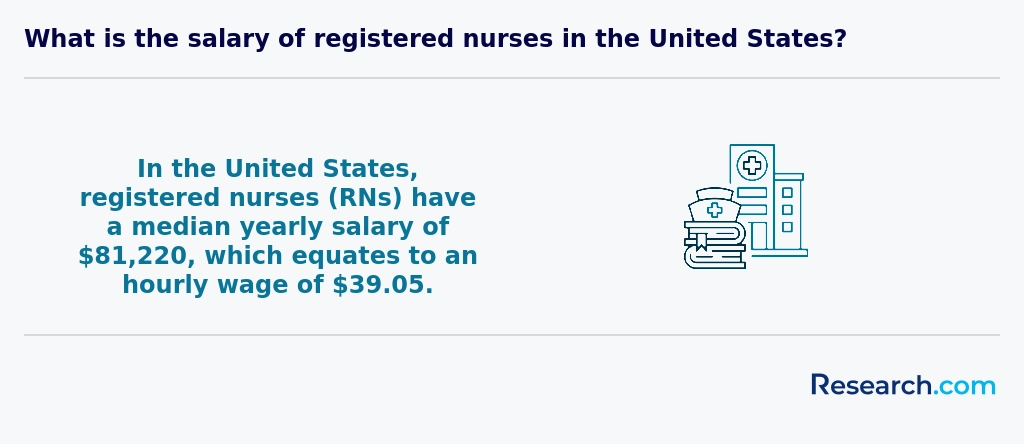
Graduates with an online nursing degree in New Hampshire have multiple career paths reflecting the state's robust healthcare demand. Registered Nurses (RNs) commonly work in hospitals or outpatient centers, earning a median salary near $74,000. Many find roles in long-term care, contributing to patient well-being across diverse settings. More advanced graduates pursue careers as Nurse Practitioners or Clinical Nurse Specialists, with median salaries above $110,000, filling vital gaps in rural and urban healthcare systems.
For those exploring nursing job opportunities in New Hampshire, options include Licensed Practical Nurse roles that require less education but still provide steady wages around $48,000. Nursing Educators from local universities often share how rewarding it is to shape future nurses amid faculty shortages. Others leverage their degree into healthcare administration or specialized fields like Nurse Anesthesia, with salaries exceeding $150,000. Many students attending New Hampshire institutions appreciate affordable tuition paired with practical career outcomes, sometimes choosing the easiest associate's degree programs to enter the field quickly.
The job market for online nursing jobs in New Hampshire demonstrates steady growth driven by increasing demand for healthcare professionals. Graduates from popular nursing programs at community colleges or universities across the state frequently report smooth transitions into roles at hospitals, outpatient centers, and elder care facilities. With a projected 12% growth in registered nurse employment from 2020 to 2030, the opportunities are expanding notably.
Many graduates find the state's preference for BSN-prepared nurses encourages career advancement beyond the Associate Degree in Nursing (ADN). This shift fosters positive experiences as graduates gain competitive salaries, with an average annual wage around $75,000, which is above the national median. Online learning flexibility combined with clinical placements in New Hampshire eases meeting licensure requirements and adapting studies to personal schedules.
Tuition costs vary, but some students highlight affordability at community colleges as a key factor in balancing education and finances. Prospective nurses interested in pursuing an easiest bachelor degree pathway often find programs accommodating their busy lifestyles.
The overall New Hampshire nursing degree employment outlook is promising for those seeking rewarding, stable careers in healthcare within the state.
2027 Most Affordable Online Nursing Degree Programs Ranking in New Hampshire
Investing in your education is a significant decision that can shape your future, and the Research.com team understands the importance of making informed choices. To assist prospective nursing students in New Hampshire, we have meticulously crafted the "2027 Most Affordable Online Nursing Degree Programs Ranking in New Hampshire." Our commitment to quality, credibility, and accuracy is reflected in the extensive research and analysis conducted to compile this ranking.
We utilized the following reputable data sources to ensure a comprehensive evaluation of online nursing programs:
By exploring this ranking, readers will gain valuable insights into the most affordable online nursing degree options in New Hampshire, empowering them to make well-informed decisions aligned with their educational goals. For more details on the methodology used, please visit our Research.com methodology page.


Frequently Asked Questions About nursing
Online nursing degree students in New Hampshire can maximize their learning by actively engaging with course materials and participating in virtual discussions. According to the New Hampshire Board of Nursing, strong foundational knowledge combined with practical skills is essential for success in the state's healthcare settings.
Utilizing simulation labs, offered virtually or in-person, helps bridge theoretical knowledge with clinical experience. Scheduling regular study sessions and seeking support from faculty or online peer groups also improves retention and understanding. Students should leverage state resources like the New Hampshire Nurses Association for networking and professional development opportunities.
Additionally, staying informed about state licensure requirements ensures coursework aligns with passing the NCLEX-RN exam, critical for practice in New Hampshire.
The nursing field is evolving, with several emerging niches gaining importance, especially for students pursuing online nursing degrees in New Hampshire. One growing area is gerontological nursing, driven by the state's aging population. According to the New Hampshire Department of Health and Human Services, residents aged 65 and older make up over 16% of the population, increasing demand for specialized elder care.
Another niche is telehealth nursing, which has expanded rapidly due to technological advances and the COVID-19 pandemic. Nurses skilled in remote patient monitoring and virtual care are highly sought after nationwide and locally.
Additionally, mental health nursing is becoming a critical specialty, addressing rising behavioral health challenges in New Hampshire communities. These niches offer promising career paths for new nursing graduates.
After completing an online nursing degree in New Hampshire, preparation for the job market involves several key steps. First, graduates must obtain licensure by passing the NCLEX-RN exam, required for all registered nurses in the state.
Next, gaining hands-on experience through clinical internships or voluntary work can boost employment prospects. Networking with local healthcare providers and joining professional organizations such as the New Hampshire Nurses Association can open doors to job opportunities.
According to the New Hampshire Department of Employment Security, demand for registered nurses is expected to grow by 9% through 2030, highlighting strong job prospects statewide.
Continuing education and obtaining certifications in specialty areas also enhance career advancement.
Employers in New Hampshire highly value several key skills in nursing degree graduates. Critical thinking and clinical decision-making stand out, enabling nurses to assess patient conditions accurately and act swiftly. Communication skills are essential for collaborating with healthcare teams and providing clear patient education. According to the New Hampshire Board of Nursing, practical experience with electronic health records (EHR) is increasingly important as healthcare facilities adopt digital systems.
Additionally, cultural competence is critical in serving New Hampshire's diverse populations, promoting respectful and effective care. Lastly, adaptability and strong time-management skills are vital in managing complex, fast-paced healthcare environments.
Finding nursing internships in New Hampshire involves researching clinical placements that align with your online nursing degree requirements. Many nursing programs in the state collaborate with local hospitals and healthcare facilities, such as Dartmouth-Hitchcock Medical Center, to secure internships.
The New Hampshire Nurses Association and the New Hampshire Board of Nursing offer resources and guidance on approved clinical sites. Internships are often required to meet state licensing standards, including a minimum of 500 clinical hours for registered nurses.
Networking through local chapters or career services at your online school can also connect you to potential internship sites. Early application is essential, as clinical spots may be limited due to demand.
Online nursing degrees in New Hampshire significantly enhance career mobility by expanding access to accredited programs without geographic constraints. Registered nurses (RNs) who earn a bachelor's or advanced degree online improve their eligibility for higher-paying roles such as nurse practitioners or nurse educators. According to the New Hampshire Board of Nursing, approximately 60% of RNs in the state hold at least a bachelor's degree, correlating with better job stability and leadership opportunities.
With healthcare facilities in New Hampshire increasingly prioritizing advanced credentials, online nursing degrees help bridge workforce shortages by enabling working nurses to upskill flexibly. Statistically, nurses with BSN or higher degree tend to earn 15-30% more, according to the U.S. Bureau of Labor Statistics data linked to New Hampshire's market.
Studying for a nursing degree in New Hampshire equips students with skills essential for interdisciplinary roles in healthcare. Programs emphasize collaboration between nursing, medicine, social work, and public health, reflecting real-world healthcare teams. The New Hampshire Board of Nursing requires curricula to include communication, leadership, and critical thinking, which are vital for working across disciplines.
Online degrees often integrate case studies and simulations that mimic interdisciplinary environments. According to the University of New Hampshire's School of Nursing, graduates report increased readiness to participate in team-based care settings.
This approach aligns with national trends promoting coordinated care to improve patient outcomes and reduce costs.
Choosing between a thesis and a non-thesis nursing degree program in New Hampshire depends largely on your career goals and learning preferences. Thesis programs emphasize research, requiring you to complete an original study, which suits those interested in advanced clinical practice or doctoral studies. Non-thesis options focus on practical skills, often offering more coursework and clinical experiences, ideal for nurses aiming to advance in leadership or specialized practice roles.
New Hampshire's nursing workforce demand underscores the value of practical skills, with the New Hampshire Center for Nursing reporting a 15% job growth through 2030.
Consider accreditation and support resources when selecting your program, as quality varies and impacts licensure and employment outcomes.
Students in New Hampshire seeking to study nursing abroad have limited direct online options due to licensing and accreditation issues. Most U.S. nursing programs, including those welcoming international students online, require clinical hours completed in approved U.S. facilities to meet state board of nursing standards.
However, New Hampshire residents can explore partnerships between local institutions and foreign universities that offer hybrid or exchange programs. These options allow students to study core theory online while completing clinical practice domestically or abroad.
The New Hampshire Board of Nursing mandates that educational programs align with the National Council Licensure Examination (NCLEX) requirements, influencing the feasibility of studying abroad.
In sum, students should carefully verify accreditation and licensure compatibility when considering international online nursing degrees.
Part-time job opportunities in New Hampshire that complement nursing degree education include working as a certified nursing assistant (CNA), home health aide, or medical scribe. These roles provide practical experience in patient care and healthcare environments, which align well with nursing studies. According to the New Hampshire Department of Labor, healthcare support occupations are expected to grow by 13% between 2020 and 2030, highlighting job availability for students.
Many hospitals and clinics near urban centers like Manchester and Nashua hire part-time CNAs, offering flexible schedules suitable for students. Additionally, telehealth roles are emerging, allowing students to gain healthcare experience remotely while completing online programs.
Online nursing students in New Hampshire have access to a variety of networking opportunities despite their distance learning format. State nursing organizations such as the New Hampshire Nurses Association (NHNA) provide virtual events, webinars, and forums that connect students with practicing professionals and peers.
Many New Hampshire nursing schools with online programs also offer alumni networks and online career services. These platforms help students find internships, clinical placements, and employment opportunities within the state's healthcare system.
Furthermore, the state's healthcare sector-one of the fastest-growing employers in New Hampshire according to the U.S. Bureau of Labor Statistics-often collaborates with educational institutions, enabling students to engage with industry leaders through virtual career fairs and mentorship programs.
Alumni networks play a crucial role for online nursing degree students in New Hampshire by providing valuable professional connections and career resources. Graduates can access mentorship opportunities from experienced nurses who understand the local healthcare environment. This network support often improves job placement rates and helps with career advancement within the state's growing nursing workforce.
New Hampshire's Department of Health and Human Services highlights a strong demand for registered nurses, increasing the need for reliable professional networks. Alumni associations often share exclusive job leads and continuing education information relevant to New Hampshire's healthcare regulations. These benefits strengthen students' transition from study to practice effectively.
Customizing an online nursing degree program in New Hampshire allows students to align their education with specific career goals. Many accredited programs offer concentrations such as nurse practitioner, nurse educator, or healthcare management, enabling students to specialize based on their interests. Clinical placement options can often be tailored to local healthcare facilities across New Hampshire, providing relevant hands-on experience. Additionally, flexible scheduling and part-time enrollment options help accommodate working professionals. According to the New Hampshire Board of Nursing, the state supports practical pathways for nurses pursuing advanced roles, making program customization crucial for career advancement in the region.
Online nursing students in New Hampshire face several common challenges during their studies. One major issue is balancing clinical placement requirements with remote learning. Many programs require hands-on practice in healthcare settings, which can be difficult to coordinate alongside online coursework.
Technical issues also present obstacles. Reliable internet and access to compatible devices are essential, yet some students encounter connectivity problems, especially in rural areas of New Hampshire.
Additionally, students often report feeling isolated from peers and instructors. This lack of direct social interaction can impact motivation and learning effectiveness. According to the New Hampshire Board of Nursing, clinical placement capacity remains limited, creating additional stress for students seeking onsite experience.
With an online nursing degree in New Hampshire, you can pursue several professional certifications to enhance your career. Common certifications include the Certified Registered Nurse Anesthetist (CRNA), Certified Nurse Midwife (CNM), and Certified Nurse Practitioner (CNP). These credentials require licensure through the New Hampshire Board of Nursing and relevant national certification exams.
Other popular options are specialty certifications such as Medical-Surgical Nursing (CMSRN) or Pediatric Nursing Certifications provided by the American Nurses Credentialing Center (ANCC).
According to the New Hampshire Center for Nursing, advanced practice nurses holding certifications often earn higher salaries and have greater job stability. Earning a certification also indicates commitment to best practices and ongoing education within the field.
Writing a winning application for an online nursing program in New Hampshire requires careful preparation. First, highlight your academic background, including any coursework in biology, chemistry, or health sciences. Many programs require at least a 3.0 GPA, so emphasize your strengths.
Next, demonstrate your commitment to nursing by detailing relevant experience, such as volunteering or working in healthcare. According to the New Hampshire Board of Nursing, hands-on experience is highly valued.
Strong letters of recommendation from instructors or healthcare supervisors add credibility to your application.
Finally, craft a clear personal statement explaining why you want to pursue nursing online, focusing on your dedication to improving healthcare in New Hampshire's communities.
The nursing profession is recognized worldwide as vital to healthcare systems, with strong demand for trained nurses in many countries. In the US, including New Hampshire, the Bureau of Labor Statistics projects a 6% growth in registered nurse employment from 2021 to 2031, reflecting steady global needs.
Internationally, nursing careers often emphasize cultural competence and adaptability, skills increasingly valued in diverse communities such as those in New Hampshire. Online nursing degrees support this by offering flexible education options accessible to residents across the state.
Global health challenges, like pandemics, highlight nurses' crucial roles, reinforcing career stability and growth. According to the New Hampshire Center for Nursing, the state faces shortages in rural areas, making online RN programs key to meeting these demands locally and globally.
Gaining practical experience is essential when pursuing an online nursing degree in New Hampshire. Students typically complete clinical hours at approved healthcare facilities in their local area, arranged through their academic programs. The New Hampshire Board of Nursing requires a minimum number of supervised clinical hours for licensure, ensuring hands-on training.
Many programs partner with hospitals, nursing homes, and community health centers across New Hampshire to provide diverse clinical placements. These experiences allow students to develop skills in real-world settings, complementing theoretical online coursework.
Students should coordinate with their program advisors early to identify suitable clinical sites that meet state regulations.
Choosing the right concentration within an online nursing degree in New Hampshire begins with understanding your career goals and local healthcare needs. According to the New Hampshire Board of Nursing, specialties like gerontology and family nurse practitioner are in high demand due to the state's aging population. Researching concentrations aligned with these trends can increase job prospects after graduation.
Consider programs that offer accredited specializations to ensure quality education and eligibility for certification exams. The American Association of Colleges of Nursing highlights that concentrations such as psychiatric-mental health and pediatric nursing provide diverse career pathways.
Finally, review clinical placement opportunities within New Hampshire healthcare facilities as practical experience is critical for nursing specialties.
- 2027 Most Affordable Online Nursing Degree Programs Ranking in Massachusetts
- 2027 Most Affordable Online Nursing Degree Programs Ranking in Maine
- 2027 Most Affordable Online Nursing Degree Programs Ranking in New York
- 2027 Most Affordable Online Nursing Degree Programs Ranking in Connecticut
- 2027 Most Affordable Online Nursing Degree Programs Ranking in New Jersey
- 2027 Most Affordable Online Nursing Degree Programs Ranking in Pennsylvania
- 2027 Most Affordable Online Nursing Degree Programs Ranking in Maryland
- 2027 Most Affordable Online Nursing Degree Programs Ranking in Virginia
- 2027 Most Affordable Online Nursing Degree Programs Ranking in Ohio
- 2027 Most Affordable Online Nursing Degree Programs Ranking in West Virginia
See What Experts Have To Say About Studying Nursing
Read our interview with Nursing experts

Lisa Grubb
Nursing Expert
Assistant Professor
Johns Hopkins School of Nursing

- Getting RN Experience After Graduation | All Nursing Schools https://www.allnursingschools.com/articles/getting-rn-experience/
- What Nursing Concentration Is Right for Me? | Maryville Nursing https://nursing.maryville.edu/blog/what-nursing-concentration-is-right-for-me
- How to Write https://esign.com/letter-of-intent/school/nursing/
- Nursing Internship and Externship Programs https://jobs.mayoclinic.org/nursinginternexternprograms
- Interdisciplinary Education and Practice https://www.aacnnursing.org/news-data/position-statements-white-papers/interdisciplinary-education-and-practice
- How Do Nurses Navigate Career Advancement? | NursingEducation https://nursingeducation.org/insights/career-advancement/
- Best Online Nursing Programs in New Hampshire https://www.onlineu.com/degrees/nursing/new-hampshire
- Online versus Face-to-Face Nursing Degrees: A Study of Recruiters’ Perceptions - OJDLA https://ojdla.com/articles/online-versus-face-to-face-nursing-degrees-a-study-of-recruiters-perceptions
- From our readers…Strengthening nursing networks https://www.myamericannurse.com/from-our-readersstrengthening-nursing-networks/
- Online Nursing Prerequisites: Complete Guide & Cost Savings | StraighterLine https://www.straighterline.com/blog/which-online-nursing-prerequisites-should-you-take-online


