2027 Fastest Online Doctorate in Nursing Degree Programs Ranking in Connecticut

Co-Founder and Chief Data Scientist
For nursing professionals in Connecticut eager to advance their careers, finding the right online doctorate program is a pivotal step. This article introduces the 2027 Fastest Online Doctorate in Nursing Degree Programs Ranking in Connecticut, developed by the Research.com team of data scientists. It's designed to guide you through trusted and efficient nursing degree options, making your decision easier and more informed.
By exploring this ranking, you'll discover programs that can accelerate your educational journey and open new opportunities. Earning a doctorate in nursing is a rewarding path that empowers you to contribute meaningfully to healthcare and personal growth.
Key benefits of getting online nursing degree in Connecticut
- Graduates with a nursing degree in Connecticut can expect competitive salaries, with Advanced Practice Registered Nurses earning a mean annual wage of $128,490, reflecting the high demand and rewarding pay in this field.
- Potential career paths include roles like Family Nurse Practitioner or Psychiatric Nurse Practitioner, offering fulfilling opportunities to impact community health, as seen with graduates from the University of Connecticut.
- Online nursing degrees offer flexibility and convenience, allowing students like those from Yale's online program to balance work and study, making education accessible without sacrificing quality or career progress.
- 2027 Fastest Online Doctorate in Nursing Degree Programs Ranking in Connecticut
- What can I expect from online nursing degree in Connecticut?
- Where can I work with online nursing degree in Connecticut?
What can I expect from online nursing degree in Connecticut?
The average cost of an online nursing degree in Connecticut varies but generally falls between $15,000 and $40,000, depending on the program level and institution. Graduates from well-regarded schools in Connecticut often share how they balanced tuition costs with financial aid and scholarships, making their dreams within reach. Many find comfort knowing that their investment supports a high-quality education accredited by respected organizations like CCNE or ACEN, essential for future licensure and career growth.
For instance, nursing students at leading Connecticut colleges describe the encouragement they received through employer tuition assistance and state grants, which made the financial commitment manageable. These programs recognize the dedication required for nursing and aim to lighten the financial load, allowing students to focus on mastering skills that transform lives. This supportive environment creates a rewarding experience, fueling passion and confidence for a future serving the state's vibrant healthcare community.
With practical clinical placements integrated locally, the cost reflects not only comprehensive online coursework but also invaluable hands-on learning, ensuring graduates are prepared and proud to contribute as nursing professionals in Connecticut.
Where can I work with online nursing degree in Connecticut?
Graduates with an online nursing degree from respected Connecticut institutions like the University of Connecticut or Sacred Heart University find themselves stepping confidently into a variety of dynamic healthcare roles. Many start their careers in bustling hospitals such as Yale New Haven Health or Hartford HealthCare, where they deliver compassionate bedside care and grow their skills in specialized units. This hands-on experience brings a true sense of purpose and fulfillment as they make a real difference in patients' lives every day.
Others embrace opportunities in outpatient clinics and home health agencies, connecting deeply with communities and offering personalized support for chronic disease management. The rewarding nature of helping seniors in nursing homes or assisted living centers creates strong bonds that keep many nurses motivated for years.
Public health nursing also opens exciting doors, allowing graduates to lead vaccination drives and health education programs that touch entire neighborhoods. Many find inspiration knowing their work improves lives at a broad level while advancing their careers.
For those pursuing advanced degrees, becoming a nurse practitioner offers independence and the ability to care holistically for families, children, and the elderly, impacting Connecticut's healthcare future firsthand.
Graduates of online nursing degree programs in Connecticut can look forward to a rewarding career with strong earning potential. Those stepping into advanced nursing roles such as Family Nurse Practitioner or Acute Care Nurse Practitioner typically earn a mean annual wage of around $128,490, according to the latest BLS data. This reflects not only the high demand for skilled healthcare professionals in the state but also the exceptional training offered by institutions like the University of Connecticut and Quinnipiac University.
Many graduates share how their advanced degrees open doors to specialized roles, where they confidently diagnose and manage patient care, earning salaries that support both their professional ambitions and personal goals. Imagine working in Hartford or New Haven, where the vibrant healthcare settings offer salaries that match the lively urban lifestyle, often exceeding $110,000 annually.
Even for those starting out, the pathway is promising. Graduates feel empowered knowing paycheck growth is substantial with experience, reinforcing the value of their education. This inspiring journey showcases how earning a nursing degree online in Connecticut is a smart investment with tangible financial rewards.
- Online nursing degrees in Connecticut cost between $5,000 and $15,000 for an Associate Degree, $20,000 to $40,000 for a Bachelor's, and over $30,000 for graduate programs.
- The average starting salary for registered nurses in Connecticut is about $60,000 per year, with experienced and specialized nurses earning over $90,000 annually.
- The employment of registered nurses in Connecticut is projected to grow by 12% over the next decade, driven by demographic changes and healthcare expansion.
- Most online nursing programs require clinical practice hours at approved local healthcare facilities with partnerships for placement.
- Nursing licensure in Connecticut requires passing the NCLEX-RN exam or equivalent certification, overseen by the state nursing board.
Completing an online nursing degree in Connecticut offers exciting flexibility tailored to your goals and lifestyle. Many graduates from well-known institutions like the University of Connecticut or Quinnipiac University have found success by choosing programs that suit their pace. Associate degrees typically take about two years full-time, allowing students to quickly enter the workforce equipped with essential skills.
Bachelor's degrees can take four years, but accelerated online options enable many to finish sooner-perfect for busy professionals balancing family and work. For those advancing their careers, RN-to-BSN pathways often take just 12 to 24 months, empowering licensed nurses to elevate their qualifications without pausing their lives.
Master's degrees in nursing (MSN) in Connecticut can be completed in 18 to 36 months, with some accelerated tracks finishing in as little as one year. Graduates often share how the practical, local clinical experiences combined with flexible online coursework transformed their confidence and readiness for leadership roles.
With numerous program options and supportive communities, Connecticut's online nursing degrees offer an inspiring journey-designed around you and your ambitions.
All online doctorate in nursing programs in Connecticut must hold national accreditation and demonstrate strong board certification outcomes to ensure graduates meet licensure requirements and achieve professional credibility. Reputable accrediting bodies such as the Commission on Collegiate Nursing Education (CCNE) and the Accreditation Commission for Education in Nursing (ACEN) evaluate curriculum rigor, faculty qualifications, clinical partnerships, and student support services. In Connecticut, programs accredited by CCNE report an average NCLEX-RN pass rate of 90–95%, while DNP graduates pursuing advanced practice roles-such as Family Nurse Practitioners or Psychiatric Mental Health Nurse Practitioners-achieve board certification pass rates exceeding 88% on first attempt. Connecticut State Board of Nursing approval further validates that clinical hours, practicum sites, and simulation experiences meet state regulations. Prospective students should verify both institutional and programmatic accreditation, review published pass-rate data, and assess preparation resources like live review sessions, question banks, and faculty-led workshops. For those planning to advance their education beyond the doctorate, explore our online master's of science nursing programs, which are designed with accelerated coursework and board exam focus to support seamless progression to doctoral studies.
Choosing between online and on-campus nursing degrees in Connecticut opens exciting possibilities tailored to your lifestyle and goals. Graduates from renowned institutions like the University of Connecticut share how online programs offer the freedom to study around work or family commitments, accessing lectures and assignments anytime. This flexibility creates a personalized learning journey, empowering you to balance nursing studies with your unique daily rhythm.
Meanwhile, those attending on-campus programs at places like Yale School of Nursing cherish the hands-on experience and face-to-face interactions that deepen their skills and confidence. These students thrive in vibrant campus settings, engaging in lively discussions and immediate feedback during clinical labs.
In both paths, Connecticut's nursing students embrace rigorous clinical hours essential for licensing, ensuring real-world readiness. Whether logging in from home or walking into a classroom, they share a common mission: to become compassionate, skilled nurses ready to make a difference in their communities.
Graduating from a Doctor of Nursing Practice program on an accelerated timeline requires strategic planning and program selection. Key strategies include:
- Choose a BSN-to-DNP or MSN-to-DNP track that minimizes prerequisite credits and streamlines clinical requirements.
- Transfer eligible graduate credits from previous master’s work or certifications.
- Leverage programs with integrated capstone projects instead of lengthy dissertations.
- Select schools offering year-round, condensed terms and multiple start dates.
- Opt for clinical practicum placements close to home or workplace to reduce travel time.
- Consider an easiest bsn program with credit-for-experience options to build foundational nursing credits quickly.
The average cost of an online nursing degree in Connecticut is approximately $36,660, a figure that reflects the quality and dedication of the state's nursing programs. Many students pursuing their Bachelor of Science in Nursing (BSN) or advanced degrees at institutions like the University of Connecticut find this investment well worth it, given the strong reputation of these schools. Graduates often share how the combination of excellent instruction and the flexibility of online courses helped them balance life and study, making their learning journey both inspiring and achievable.
For those seeking affordable online nursing doctorate programs CT offers options that emphasize rigorous education without overwhelming expenses. Programs such as MSN and DNP typically fall within reasonable ranges, aligning with Connecticut's commitment to fostering skilled professionals ready to advance healthcare. These programs equip you with the skills needed to thrive in various nursing roles, and the state's recognized standards ensure you receive respected, high-quality education.
Prospective students exploring nursing pathways in Connecticut often speak about weighing tuition against how well a program supports their goals and growth. Affordable access and outcomes matter, but so does understanding the challenges of healthcare education firsthand, which helps shape resilient and compassionate nurses. Dive deeper into these healthcare education challenges by visiting healthcare education challenges and prepare yourself to join this passionate community of professionals making a difference.
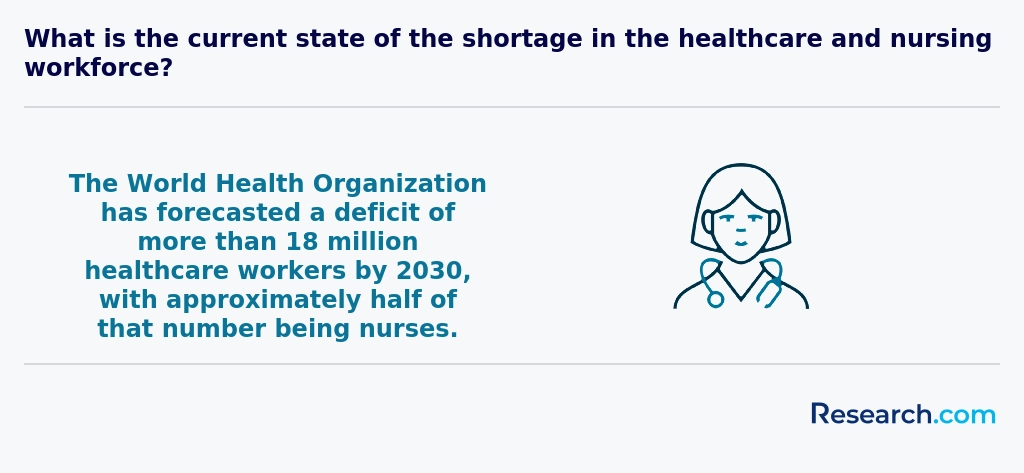
Ensuring that a Fastest Online Doctorate in Nursing Degree Program in Connecticut holds proper accreditation is critical for both academic rigor and professional licensure. Reputable accrediting bodies such as the Commission on Collegiate Nursing Education (CCNE) and the Accreditation Commission for Education in Nursing (ACEN) evaluate programs on criteria including curriculum quality, faculty credentials, clinical practicum oversight, and student outcomes. Prospective doctoral students should verify institutional accreditation status on the U.S. Department of Education’s database and confirm that the program meets Connecticut Board of Examiners for Nursing requirements-this not only safeguards eligibility for federal financial aid but also ensures seamless eligibility for national certification and state licensure. Beyond institutional accreditation, quality assurance extends to specialized doctorate-level reviews, where programs undergo periodic audits of faculty research productivity, student-to-faculty ratios, and post-graduation employment metrics. Many top-ranked online doctorates incorporate Continuous Quality Improvement (CQI) processes, leveraging alumni feedback, employer surveys, and graduate benchmarking against national nursing competencies. When comparing cost-effective, accredited options, it’s helpful to explore resources like Most Affordable Online Doctorate in Nursing Degree Programs Ranking in Columbia, MO, which highlights programs that balance affordability with rigorous accreditation standards. In addition, accredited programs often partner with local healthcare facilities to guarantee high-quality clinical placements and access to cutting-edge simulation labs. By choosing a CCNE- or ACEN-accredited doctoral program that also maintains state authorization for distance education, students can confidently pursue advanced roles-such as nurse educator, clinical nurse specialist, or healthcare policy leader-knowing their degree will be respected by employers and licensing boards alike.
Online nursing students in Connecticut can truly feel empowered by the range of financial aid options tailored to support their dreams. Many have found relief through federal aid by completing the FAFSA, unlocking opportunities like the Pell Grant, which can provide up to $7,395 annually without any repayment stress. This kind of support fuels hope and determination for students balancing work, family, and studies.
Graduates from the University of Connecticut's School of Nursing often share how state-specific scholarships and grants helped ease their financial worries. Programs such as the Nursing Faculty Loan Program offer loan forgiveness when graduates commit to serving communities in need, inspiring many to give back while progressing in their careers.
In addition, public universities in Connecticut offer in-state tuition discounts, making education more affordable for residents. Many healthcare employers also contribute through tuition reimbursement, motivating students to pursue their passion with less financial strain. These resources bring encouragement and make the journey toward becoming a nurse feel achievable and rewarding.
Pursuing a Fastest Online Doctorate in Nursing Degree can be challenging, but robust student support services ensure you stay on track and succeed. Connecticut’s leading programs offer 24/7 technical assistance, virtual writing and statistics tutoring, and dedicated academic advisors who guide you through clinical placement approvals and dissertation milestones. Many universities provide online library access to journals like the Journal of Professional Nursing, interactive learning labs, and simulated patient scenarios that mirror real-world clinical environments. Career services teams host webinars on resume development, interview preparation, and networking with healthcare organizations throughout Connecticut. Peer mentorship circles and specialty interest groups-such as those for nurse educators and healthcare policy advocates-foster camaraderie and professional growth. For students seeking to build foundational clinical skills before embarking on a doctorate, we also highlight our fast track lpn programs online, which seamlessly integrate with advanced nursing pathways and provide credit transfer opportunities. With a comprehensive support ecosystem-from enrollment through graduation-online doctoral nursing students in Connecticut benefit from personalized guidance, timely interventions, and a vibrant virtual community dedicated to their academic and career achievements.
To enroll in an online nursing degree program in Connecticut, you'll first need a high school diploma or GED, setting a strong foundation for your nursing journey. Graduates from well-known institutions like the University of Connecticut often share how completing essential science courses-biology, chemistry, and anatomy-helped them build confidence for their nursing careers.
Submitting official transcripts is a must, proving you've met these prerequisites. Imagine walking into your first virtual class, knowing you're equipped with the knowledge and preparation valued by Connecticut's nursing community.
Many programs also require background checks and immunization records, ensuring both your safety and that of others during clinical experiences. Current CPR certification is another key step, often cited by successful graduates as boosting their readiness for hands-on training.
For nurses advancing their education online, showing an active RN license and work experience reflects dedication-a quality highly respected by Connecticut's nursing schools and future employers.
These clear, achievable requirements open the door for you to join a passionate network of nursing professionals in Connecticut, ready to make a real difference.
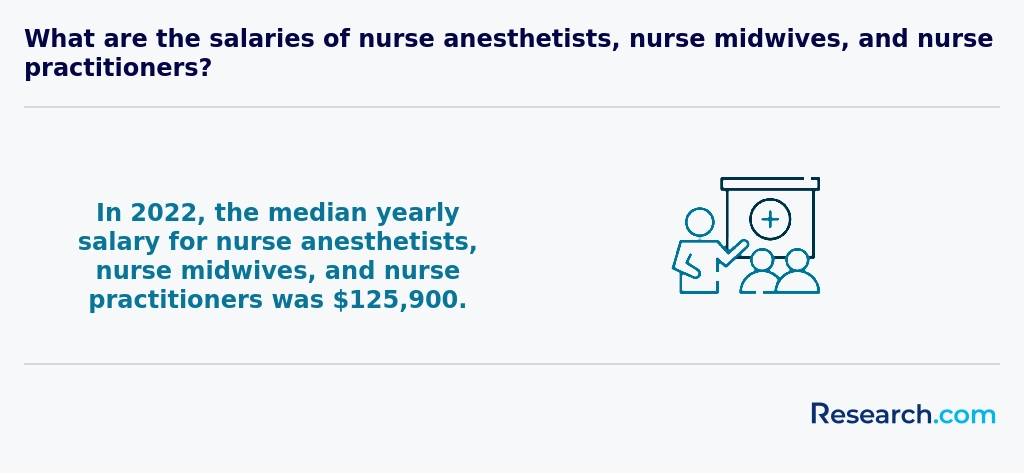
For those looking to pursue a career in nursing without breaking the bank, considering the affordability of online nursing schools in Connecticut is crucial. Many students have found that attending affordable nursing schools in Connecticut has provided them with a high-quality education at a lower cost. Some online nursing programs in Connecticut, such as those offered at the University of Connecticut and Quinnipiac University, have been recognized for their affordability and value. By exploring these options, prospective students can find a program that fits their budget and helps them achieve their career goals in nursing.
Online nursing degree programs in Connecticut offer a thoughtfully designed curriculum that truly prepares students to thrive in diverse healthcare roles. Graduates from well-known institutions like the University of Connecticut and Quinnipiac University often reflect on how foundational courses in human anatomy, physiology, microbiology, and pharmacology built their confidence in understanding the human body and medication management. These courses transform complex medical science into practical knowledge, giving students the tools to make a real difference in patient care.
Many students find that hands-on classes in health assessment and clinical nursing skills are empowering, enabling them to perform patient evaluations with competence and compassion. Leadership and healthcare management classes are especially inspiring, as they nurture the skills needed to lead teams and influence healthcare decisions within Connecticut's dynamic systems. Courses focused on nursing ethics, legal issues, public health, and community nursing deepen students' commitment to ethical practice and improving population health, echoing the state's dedication to quality care.
Graduates often speak warmly of specialized electives and advanced practice courses, which open doors to impactful careers like nurse practitioners and clinical specialists. The inclusion of clinical practicum experiences arranged locally helps students feel fully prepared, bridging theory with rewarding real-world nursing challenges right here in Connecticut.

Online nursing specializations in Connecticut offer inspiring paths tailored to individual passions and strengths. Graduates from well-regarded institutions in the state often share how choosing a focus such as Family Nurse Practitioner (FNP) or Psychiatric-Mental Health Nurse Practitioner (PMHNP) allowed them to impact communities meaningfully, whether by providing compassionate primary care or addressing critical mental health needs.
Many students find specializations like Adult-Gerontology Acute Care Nurse Practitioner (AGACNP) rewarding, as they gain skills to care for older adults facing complex health conditions in hospital settings. Others are drawn to Healthcare Leadership or Nursing Administration, where they develop the confidence to lead transformative change within healthcare organizations at Connecticut's top colleges.
Nursing education specialization also resonates deeply with graduates who are inspired to become mentors, shaping the future of nursing for generations to come. The flexibility and quality of these programs empower students to achieve their dreams while balancing life's demands. For more options beyond Connecticut, exploring nursing degrees arizona rankings can be an insightful step.
The variety and quality of Connecticut nursing degree specialization options foster hope and opportunity, enabling every nurse to thrive in dynamic and rewarding roles.
Choosing the best online nursing degree in Connecticut starts with finding a program accredited by CCNE or ACEN, ensuring your education meets the highest standards. Many graduates from the University of Connecticut praise how the program's flexibility allowed them to balance work and family while progressing toward their goals. Whether you seek an RN-to-BSN or an affordable online nursing doctorate Connecticut programs can provide tailored paths that align with your ambitions.
Cost is a key consideration; public universities in Connecticut often offer more affordable tuition for in-state students, making your dream career financially attainable. Connecting with programs that support clinical placements locally makes gaining hands-on experience accessible, an essential step in becoming a confident nurse. Graduates consistently mention the encouragement they received to pursue specialties - some even advancing to Nurse practitioner career paths.
By focusing on program reputation, NCLEX pass rates, and post-graduation employment statistics, you ensure your education leads to success. Many students have found peace of mind knowing their degree opens doors to rewarding nursing roles across Connecticut's vibrant healthcare community.

Graduates of online nursing degrees in Connecticut discover a wide range of fulfilling career paths that truly make a difference. Many begin their journeys in hospitals, outpatient clinics, or long-term care facilities, where they develop hands-on skills and compassionate patient care. Those from popular institutions in Connecticut share stories of growth as they transition into roles like Clinical Nurse Specialists, who enhance nursing practices and improve patient outcomes in both hospitals and community settings.
Others pursue advanced degrees to become Nurse Practitioners, offering specialized care and gaining the authority to prescribe treatments. Many graduates find joy in entrepreneurship or leadership, stepping into case management or public health nursing to impact entire communities. Embracing technology, some become Health Informatics Specialists, revolutionizing healthcare data systems across the state.
For students balancing work and study, especially at well-known Connecticut colleges, online nursing programs open doors to these exciting opportunities. Those interested in growing their careers can also explore rn to bsn programs rankings for affordable pathways.
Every step of this journey reflects the hope and dedication fueling successful online nursing career options Connecticut offers, inspiring new graduates to shape the future of healthcare.
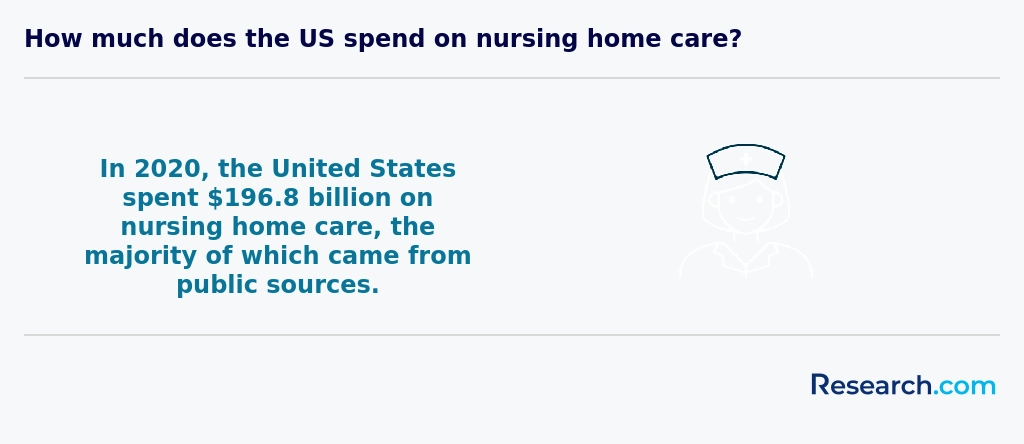
Nurses graduating from online programs at well-known Connecticut colleges often find a vibrant job market waiting for them. Employers across the state value degrees from accredited institutions, allowing graduates to confidently pursue various roles. For example, many graduates from major Connecticut nursing programs quickly secure positions in hospitals or community health centers, where their skills are in high demand.
The outlook for those seeking online nursing jobs in Connecticut is especially promising. State labor forecasts project a strong 10% growth in registered nurse employment through 2030. This growth reflects the state's commitment to expanding healthcare access and addressing the needs of an aging population. Nurses with Bachelor of Science in Nursing (BSN) degrees or higher find these roles particularly rewarding, both financially and professionally.
Connecticut nurse salary and employment outlook further inspire graduates to pursue advanced degrees. Many find success becoming nurse practitioners or specialized clinicians, supported by attractive salaries and diverse career paths. Embracing flexible education options via virtual classrooms helps many students balance life and study while preparing to join a nurturing, stable healthcare workforce.
2027 Fastest Online Doctorate in Nursing Degree Programs Ranking in Connecticut
Investing in your education is a significant decision that can shape your future, and the Research.com team understands the importance of making informed choices. To assist prospective students in Connecticut, we have meticulously crafted the "2027 Fastest Online Doctorate in Nursing Degree Programs Ranking in Connecticut." Our commitment to quality, credibility, and accuracy is reflected in the extensive research and analysis conducted to compile this ranking.
We utilized the following reputable data sources to ensure a comprehensive evaluation of nursing programs:
By exploring this ranking, readers will gain valuable insights into the fastest online doctorate in nursing programs available in Connecticut, helping them make informed decisions about their educational paths. For more details on our methodology, please visit our Research.com methodology page.


Frequently Asked Questions About nursing
Online nursing degree students in Connecticut can maximize their learning experience by actively engaging with course materials and leveraging state-specific resources. Connecticut ranks among the top states for nursing employment, with over 27,000 registered nurses as of 2023, according to the Connecticut Department of Labor. This strong job market emphasizes the value of specialized skills and practical knowledge.
Students should participate in virtual simulations and clinical practicums often provided by accredited programs, ensuring hands-on experience despite online study formats. Joining local nursing associations like the Connecticut Nurses Association can foster networking and professional growth.
Additionally, utilizing state-funded support services and staying informed about Connecticut's nursing regulations helps students align their education with licensure requirements.
The nursing field in Connecticut is evolving with several emerging niches that reflect broader healthcare trends. One growing area is geriatric nursing, as Connecticut has one of the highest percentages of residents aged 65 and older in the U.S., according to the U.S. Census Bureau. Nurses specializing in elder care are in high demand to address chronic illnesses and improve quality of life.
Another expanding niche is telehealth nursing. The COVID-19 pandemic accelerated the adoption of remote healthcare, prompting Connecticut healthcare providers to invest in virtual care services. Nurses trained in telehealth technologies help manage patient care remotely, providing convenient and timely support.
Oncology nursing is also a key emerging field. Connecticut's advanced cancer research centers and high demand for specialized cancer care create opportunities for nurses with advanced training in oncology.
Lastly, informatics nursing is growing due to increased reliance on electronic health records. This niche combines nursing expertise with IT skills to improve healthcare data management and patient outcomes. The Connecticut Hospital Association highlights the increasing need for nurses versed in health informatics.
After completing an online nursing degree in Connecticut, it is important to prepare strategically for the job market. Start by obtaining your Registered Nurse (RN) licensure through the Connecticut Board of Examiners for Nursing. Passing the NCLEX-RN exam is a mandatory step to practice professionally.
Networking plays a vital role; connect with local healthcare organizations such as Yale New Haven Health or Hartford HealthCare, which are among the top employers in the state. Use professional platforms and attend nursing conferences to build connections.
Additionally, consider certifications in specialized fields like gerontology or critical care to improve employability. According to the Connecticut Department of Labor, registered nursing roles are projected to grow by 15% between 2020 and 2030, which is higher than the national average.
Staying updated on clinical practices and gaining experience through internships or volunteer positions can further enhance job prospects in Connecticut's competitive healthcare market.
Employers in Connecticut prioritize several key skills when hiring nursing degree graduates. Strong clinical competence is essential, as nurses must provide safe and effective patient care in diverse healthcare settings. According to the Connecticut Nurses Association, critical thinking and decision-making skills are highly valued due to the complexity of patient cases.
Communication skills are also crucial. Nurses must clearly convey information to patients, families, and healthcare teams to ensure coordinated care. Additionally, cultural competence is important in Connecticut's diverse population.
Technical proficiency with electronic health records (EHR) is increasingly required, as 90% of hospitals in the state have adopted EHR systems. Lastly, a commitment to lifelong learning and adaptability helps graduates stay current with evolving medical standards and technologies.
Finding nursing internships in Connecticut involves leveraging several key resources. Students should begin by exploring partnerships between online nursing programs and local healthcare facilities, including hospitals and clinics. Many institutions like Yale New Haven Health and Hartford Healthcare offer clinical placements specifically for nursing students. Additionally, the Connecticut Nurses Association provides listings and guidance on internship opportunities that meet state licensing requirements.
It is also beneficial to contact school career services or faculty advisors, who often have established networks to help secure internships. According to the Connecticut Department of Labor, healthcare roles are among the state's fastest-growing sectors, making internship competition moderate but promising for nursing students.
An online nursing degree significantly enhances career mobility and advancement opportunities for nurses in Connecticut. The state's healthcare sector is growing rapidly, with a projected 15% increase in registered nurse employment through 2030, according to the U.S. Bureau of Labor Statistics. Earning an online nursing degree allows nurses to meet increasing educational requirements for advanced practice roles, such as nurse practitioner or clinical nurse specialist.
Many Connecticut employers prioritize candidates holding at least a Bachelor of Science in Nursing (BSN), which is commonly available through accredited online programs. Advanced degrees obtained online, like a Doctor of Nursing Practice (DNP), open doors to leadership, administrative, and teaching positions within the state's healthcare organizations.
Flexibility in online learning helps professionals balance work and study, promoting continuous career development. Additionally, Connecticut's Board of Nursing recognizes degrees earned through accredited online programs, ensuring that graduates meet state licensure requirements seamlessly.
Studying for a nursing degree in Connecticut equips students with skills essential for interdisciplinary roles in healthcare. Connecticut's nursing programs emphasize collaboration among nurses, physicians, social workers, and other health professionals. This approach reflects the state's integrated healthcare system, designed to improve patient outcomes through teamwork.
Curricula typically include courses in communication, healthcare policy, and leadership. These courses help nursing students understand the roles of various health disciplines. According to the Connecticut Center for Nursing Workforce, the demand for nurses skilled in teamwork is growing, given increasing chronic disease and aging populations.
Clinical experiences often involve working alongside different healthcare professionals. Such practical exposure fosters adaptability and broadens understanding of patient care beyond nursing alone. This interdisciplinary focus prepares graduates for various settings, including hospitals, community health, and long-term care facilities in Connecticut.
Choosing between a thesis and a non-thesis nursing degree program in Connecticut depends on your career goals and learning preferences. Thesis programs typically focus on original research, suited for students interested in academic or research roles. Non-thesis programs emphasize coursework and practical skills, ideal for those aiming at clinical practice or leadership positions.
According to the Connecticut Board of Regents, many online nursing programs in the state offer both options to accommodate diverse student needs. Students should also consider faculty expertise, available resources, and program flexibility.
Since nursing jobs in Connecticut are projected to grow 12% by 2028 (BLS), selecting the right program aligns with your professional outlook.
Students based in Connecticut seeking to study nursing abroad have several pathways to consider. While nursing programs abroad may offer diverse clinical experiences, U.S. students often pursue online degrees from accredited American institutions with international clinical opportunities. This approach ensures adherence to U.S. licensing requirements, crucial for securing Registered Nurse licensure in Connecticut. According to the Connecticut Board of Examiners for Nursing, foreign-educated nurses must meet specific credential evaluations to practice locally. Connecticut students interested in global exposure can explore study abroad or clinical rotation partnerships through U.S. schools offering online nursing degrees, blending flexibility with international experience.
Students pursuing an online nursing degree in Connecticut have several part-time job options that complement their education while providing practical experience. Common roles include Certified Nursing Assistant (CNA), medical scribe, and patient care technician positions, which allow hands-on patient interaction.
Connecticut's Department of Labor reports that healthcare support occupations are projected to grow 15% through 2030, indicating ample opportunities. Working as a CNA or medical assistant also helps fulfill clinical hour requirements for licensure, a vital step for nursing students.
Additionally, part-time roles in pharmacies and outpatient clinics enable students to develop communication and administrative skills applicable to nursing careers. These jobs often offer flexible schedules to accommodate academic commitments.
Online nursing students in Connecticut have several networking opportunities to connect with peers and professionals. Many programs collaborate with regional healthcare facilities, allowing virtual access to clinical networks across the state. Organizations such as the Connecticut Nurses Association (CNA) offer memberships to online students, providing webinars, conferences, and local chapter meetings that foster professional growth.
Additionally, online programs often include discussion forums and group projects that enhance peer interaction. According to the Connecticut Department of Public Health, the state employs over 60,000 licensed nurses, which creates a broad network for mentorship and employment connections. Students can also attend statewide nursing conferences, many of which offer virtual participation options.
Alumni networks offer significant benefits to online nursing degree students in Connecticut by providing valuable professional connections. These networks often include graduates working in local hospitals, clinics, and healthcare organizations, which can open doors to job opportunities and internships.
Networking through alumni groups helps students gain insights into the Connecticut nursing job market, which is expected to grow by 12% through 2030, according to the U.S. Bureau of Labor Statistics. Members also share advice on licensure and continuing education specific to Connecticut's healthcare regulations.
Additionally, alumni frequently organize workshops and mentorship programs, giving current students personalized guidance and support throughout their online studies and early careers.
Customizing an online nursing degree program in Connecticut allows students to align their education with specific career goals. Many programs offer concentrations such as family nurse practitioner, nurse educator, or healthcare leadership, providing specialized knowledge relevant to distinct roles.
Connecticut students can often select electives or clinical placements that reflect their interests, enhancing practical experience in desired fields. Accredited programs follow requirements from the Connecticut Board of Nursing, ensuring graduates meet state licensure standards.
Online formats offer flexible scheduling, allowing working nurses to balance study with professional duties. According to the Connecticut Department of Labor, nurse practitioners in the state earn a median annual wage above the national average, showing the value of advanced, tailored education options.
Online nursing students in Connecticut often face challenges related to clinical placement availability. Despite the convenience of remote coursework, hands-on clinical practice must be completed in person, and finding suitable sites can be competitive due to high demand. According to the Connecticut Center for Nursing Workforce, clinical site shortages have affected hundreds of students in recent years.
Additionally, students must navigate balancing work, family, and studies, which can be demanding when course schedules are asynchronous but deadlines remain strict. Reliable internet access remains a concern for some learners, particularly in rural areas of the state, impacting participation in live sessions.
Lastly, students must ensure their online program is properly accredited by the Connecticut Board of Examiners for Nursing to meet licensure requirements, adding an extra layer of complexity when selecting a school.
With an online nursing degree in Connecticut, graduates can pursue several professional certifications that enhance their career opportunities. The most common is the Registered Nurse (RN) license issued by the Connecticut Department of Public Health, which is required for entry-level nursing practice.
Beyond RN licensure, nurses may seek advanced certifications such as Certified Nurse Practitioner (CNP), Certified Nurse Educator (CNE), or Certified Clinical Nurse Specialist (CCNS). These credentials require passing national exams from organizations like the American Nurses Credentialing Center.
Specialty areas in Connecticut include certification in gerontology, pediatrics, and critical care, reflecting the state's aging population and healthcare needs. According to the U.S. Bureau of Labor Statistics, Connecticut's nursing employment is projected to grow by 6% by 2031, increasing demand for certified nurses.
To write a winning application for an online nursing program in Connecticut, start by clearly demonstrating your commitment to the nursing profession. Highlight relevant clinical experience and academic achievements, especially in health sciences or related fields. Connecticut's Board of Nursing emphasizes practical skills, so be sure to detail any hands-on patient care or volunteer work.
Include a well-crafted personal statement that explains your motivation and career goals. Mention specific reasons for choosing online learning and how it fits your lifestyle, especially given Connecticut's nursing workforce demands projected by the Connecticut Department of Labor.
Strong letters of recommendation from healthcare professionals or instructors can also boost your application. Additionally, meet all prerequisite course requirements and maintain a competitive GPA, typically at least 3.0, for reputable Connecticut programs.
Globally, nursing is recognized as a vital and respected profession with growing demand. In the United States, including Connecticut, the Bureau of Labor Statistics projects a 9% growth in registered nurse employment from 2022 to 2032. This reflects a worldwide need for skilled nurses due to aging populations and expanding healthcare access.
Internationally, nursing roles often require adherence to rigorous education and credentialing standards similar to US requirements. Many countries emphasize advanced degrees for specialized nursing positions, aligning with trends in Connecticut's online nursing programs offering flexible access to higher education.
Connecticut's nursing workforce contributes to this global picture by preparing professionals who meet both state and national licensure standards while benefiting from technological advances in online education.
Students pursuing online nursing degrees in Connecticut can gain practical experience through clinical placements arranged by their academic programs. Most accredited programs require clinical hours in healthcare settings to meet state licensing requirements. These experiences often occur in local hospitals, clinics, or long-term care facilities near the student's residence.
Connecticut healthcare institutions like Yale New Haven Hospital and Hartford HealthCare commonly partner with schools to provide these hands-on opportunities. The Connecticut Board of Examiners for Nursing mandates a minimum number of clinical hours to ensure competency.
Additionally, some programs facilitate virtual simulations that complement in-person practice, helping students build critical skills safely. Prospective students should check individual program requirements and local clinical options to plan accordingly.
Choosing the right concentration within an online nursing degree program in Connecticut starts with identifying your career goals. Consider areas with strong demand in the state, such as Family Nurse Practitioner, Nurse Anesthesia, or Psychiatric-Mental Health Nursing. Connecticut's Department of Labor reports a consistent growth rate for advanced practice nurses, especially in primary care and mental health fields.
Research each concentration's curriculum and how it aligns with your interests and strengths. Look for programs that offer clinical placements nearby to gain practical experience. Also, verify that the program is accredited by organizations like CCNE or ACEN, ensuring quality education recognized in Connecticut.
- 2027 Fastest Online Doctorate in Nursing Degree Programs Ranking in Massachusetts
- 2027 Fastest Online Doctorate in Nursing Degree Programs Ranking in New Jersey
- 2027 Fastest Online Doctorate in Nursing Degree Programs Ranking in Pennsylvania
- 2027 Fastest Online Doctorate in Nursing Degree Programs Ranking in Virginia
- 2027 Fastest Online Doctorate in Nursing Degree Programs Ranking in Ohio
- 2027 Fastest Online Doctorate in Nursing Degree Programs Ranking in Kentucky
- 2027 Fastest Online Doctorate in Nursing Degree Programs Ranking in South Carolina
- 2027 Fastest Online Doctorate in Nursing Degree Programs Ranking in Tennessee
- 2027 Fastest Online Doctorate in Nursing Degree Programs Ranking in Indiana
- 2027 Fastest Online Doctorate in Nursing Degree Programs Ranking in Michigan
See What Experts Have To Say About Studying Nursing
Read our interview with Nursing experts


- Online Education https://www.ctcenterfornursingworkforce.com/online-education.html
- What Nursing Concentration Is Right for Me? | Maryville Nursing https://nursing.maryville.edu/blog/what-nursing-concentration-is-right-for-me
- 7 Things to Consider When Getting a Nursing Degree Online https://onlinedegrees.elmhurst.edu/blog/seven-things-consider-when-picking-online-nursing-program
- Your Questions About Online Nursing School, Answered https://www.allnursingschools.com/how-to-get-into-nursing-school/online-programs/
- Exploring Diverse Nursing Career Horizons - N2S Healthcare Blog https://n2shealthcare.com/blog/exploring-diverse-nursing-career-horizons-n2s-healthcare-blog
- How to Choose the Right Nursing Program for Your Career Goals - Maria College https://mariacollege.edu/blog/how-to-choose-the-right-nursing-program-for-your-career-goals
- Pros And Cons Of Online Nursing In 2025 | Davis & Elkins https://www.dewv.edu/the-pros-and-cons-of-online-nusing-in-2025-is-it-right-for-you/
- How to Choose a Nursing Program: A Comprehensive Guide - Madonna ABSN https://absn.madonna.edu/blog/how-to-choose-a-nursing-program/
- Online Nursing Prerequisites: Complete Guide & Cost Savings | StraighterLine https://www.straighterline.com/blog/which-online-nursing-prerequisites-should-you-take-online
- Guide to Making a Career Change to Nursing https://teach.com/online-ed/healthcare-degrees/online-msn-programs/career-change-to-nursing/