2027 Most Valuable Online Doctorate in Nursing Degree Programs Ranking in Virginia

Co-Founder and Chief Data Scientist
Choosing the right online doctorate in nursing program is a big step for Virginia students aiming to advance their careers. This article introduces the 2027 Most Valuable Online Doctorate in Nursing Degree Programs Ranking in Virginia, created by the Research.com team of data scientists.
It's designed to help you make an informed choice by highlighting the best programs that truly offer value. Pursuing a nursing degree opens doors to leadership roles and personal growth.
Explore trusted insights that support your educational journey with confidence and clarity.
Key benefits of getting online nursing degree in Virginia
- Nursing degree graduates in Virginia can expect an average annual salary of around $128,490, similar to roles such as Family Nurse Practitioners and Psychiatric Nurse Practitioners, offering strong financial stability.
- Career paths include becoming an Advanced Practice Registered Nurse or Acute Care Nurse Practitioner, with options to work in hospitals, clinics, or specialized care-all accessible thanks to programs offered by institutions like George Mason University.
- Online nursing degrees, like those from Old Dominion University, offer flexibility and allow you to balance work and study, making it easier to advance your career without pausing your income or family commitments.
- 2027 Most Valuable Online Doctorate in Nursing Degree Programs Ranking in Virginia
- What can I expect from online nursing degree in Virginia?
- Where can I work with online nursing degree in Virginia?
What can I expect from online nursing degree in Virginia?
Deciding to pursue an online nursing degree in Virginia often brings questions about cost, and the reality may surprise you. Graduates from institutions like Old Dominion University and George Mason University report that the average total tuition for a Bachelor of Science in Nursing (BSN) completion program hovers around $20,000 to $30,000 for in-state students. This is significantly lower than many expect, thanks to Virginia's supportive policies on in-state tuition for online learners.
One graduate described managing tuition expenses alongside family responsibilities as a relief, highlighting how affordable rates enabled seamless continuation of their career without overwhelming debt. The blend of online coursework with in-person clinical hours at local healthcare facilities further balances the financial and logistical demands.
Moreover, students often leverage federal financial aid and nursing-specific scholarships that Virginia actively promotes, turning a potentially steep investment into an achievable goal. These financial structures make nursing education more accessible while preparing students for rewarding roles-proof that cost shouldn't be a deterrent but a manageable step toward a fulfilling healthcare career.
Where can I work with online nursing degree in Virginia?
Graduates with an online nursing degree in Virginia discover opportunities far beyond typical hospital walls. Many find themselves thriving at renowned institutions like the University of Virginia Medical Center, where working in critical care units feels simultaneously challenging and deeply rewarding. Others share how their roles at Inova Health System's emergency departments have sharpened their skills while fostering a genuine sense of community impact.
Some alumni reflect on their transition into outpatient care or long-term nursing homes, particularly in geriatric settings, where Virginia's aging population means their work brings compassion and dignity to those who need it most. Their stories often highlight moments of connection that textbooks can't teach, proving that nursing in Virginia is as much about heart as it is about science.
Additionally, graduates discuss exciting career paths in public health roles-school nursing or health outreach programs sponsored by the Virginia Department of Health-where nurses influence wellness at a broader, population level. Those who pursued advanced practice degrees celebrate collaborative clinic environments that challenge them intellectually while offering flexible practice scopes unique to Virginia's regulations.
Graduates from online nursing programs in Virginia, such as those offered by well-regarded institutions like Old Dominion University or the University of Virginia, often find themselves stepping into rewarding careers with competitive salaries. For instance, nurse practitioners who complete their degrees online in this state typically earn a mean annual wage of about $128,490, according to recent Bureau of Labor Statistics data. This figure challenges the common assumption that online degrees might limit earning potential compared to traditional routes.
Picture a nurse who pursued an online Family Nurse Practitioner program at a Virginia college, balancing studies with a busy life. Upon graduation, she secured a position with a mean hourly wage of $61.78, transforming the flexibility of online learning into substantial financial and professional growth. This path shows how Virginia's accredited programs equip graduates for advanced roles like Adult or Psychiatric Nurse Practitioner, all commanding similar strong salaries.
These earnings considerably exceed the baseline $75,000 annual wage typical for entry-level registered nurses in Virginia, highlighting the power of specialization. The vibrant healthcare market in Northern Virginia and Richmond further enhances income potential, reflecting real opportunities for advancement within local communities.
- Online nursing degrees in Virginia include associate, bachelor's, and advanced practice programs meeting state accreditation standards for licensure.
- Tuition for an online Bachelor of Science in Nursing (BSN) typically ranges from $20,000 to $50,000, with public universities offering lower rates than private institutions.
- Entry-level registered nurses earn between $65,000 and $70,000 annually, while experienced nurses with specializations can make $85,000 to $100,000 per year.
- Nursing employment in Virginia is projected to grow by about 9% from 2022 to 2032 due to increased healthcare demand.
- The Nurse Licensure Compact allows online degree holders to practice nursing across multiple states without additional licensure.
Completing an online nursing degree in Virginia often feels like navigating a flexible yet demanding journey. Graduates from well-known schools such as Old Dominion University or George Mason University share how their timelines varied widely, depending on their starting point. For example, some embarked on a fresh Associate Degree in Nursing (ADN), spending around two years fully engaged in courses. Others, already holding an ADN or a bachelor's, accelerated their progress through RN-to-BSN programs, finishing in as little as one year, a relief for those balancing family and full-time jobs.
Yet, the clock doesn't stop ticking just because coursework is online. Many graduates recount the challenge-and reassurance-of completing clinical hours in local hospitals, a requirement that ensures skills translate beyond screens. Master's and Doctoral candidates often extend their studies over two to four years, embracing part-time options to maintain a work-life equilibrium. Ultimately, in Virginia, the degree's completion time intertwines with personal ambition, life demands, and the support systems universities provide.
To complete an online DNP in Virginia, you must satisfy both a culminating scholarly project and hands-on clinical practicum.
- Capstone Project: design, implement, and evaluate an evidence-based initiative under faculty mentorship.
- Clinical Hours: fulfill 500–1,000 postgraduate practice hours in approved Virginia healthcare settings.
- Residency Intensives: attend 1–3 brief on-campus or virtual intensive sessions for simulations and peer collaboration.
- Preceptor Partnerships: collaborate with licensed practitioners to develop specialized competencies in your focus area.
Verifying program-specific requirements early helps you plan clinical placements and secure preceptors. For affordable programs that balance project work and practicum, consider our cheapest dnp online program.
Choosing between online and on-campus nursing degrees in Virginia often comes down to how you want to engage with your education. Graduates from programs at universities like Old Dominion or James Madison share how on-campus nursing immersed them in hands-on labs and face-to-face mentorship, building confidence with real equipment before clinicals. In contrast, online nursing students at institutions such as Virginia Commonwealth University appreciate the freedom to study theory whenever and wherever life demands, juggling shifts or family while advancing their skills.
Yet, even online learners find themselves navigating local hospitals for supervised clinical hours-Virginia law requires this regardless of study format. This blend challenges assumptions that online equals isolated, revealing instead a practical hybrid model where virtual classrooms meet real-world practice.
Cost considerations also shift perspectives. One graduate noted that online tuition plus fewer campus fees made finishing her degree less financially stressful, yet she valued the accredited rigor that guaranteed license eligibility across both paths. The choice is less about better or worse and more about what fits your lifestyle and learning style in Virginia's nursing landscape.
When enrolling in an online Doctor of Nursing Practice (DNP) or PhD in Nursing in Virginia, students embark on an intensive journey designed to develop advanced clinical expertise, leadership skills, and research acumen. A typical online nursing doctorate curriculum includes:
- Core DNP Courses: Evidence-based practice, healthcare policy analysis, organizational leadership, and advanced pathophysiology. These courses build the foundation for driving system-level improvements in patient care.
- Research and Dissertation/Capstone: PhD candidates engage in original research under faculty mentorship, culminating in a dissertation. DNP students complete a clinical capstone project that addresses a real-world healthcare challenge, often partnering with local hospitals or community agencies.
- Clinical Residencies and Practicums: Doctoral programs require 1,000+ clinical practice hours, arranged at approved Virginia sites. Students benefit from virtual simulation labs and on-site preceptor guidance to refine diagnostic and management skills. Program outcomes for online nursing doctorates in Virginia are robust: • Graduates report a 94% success rate on DNP certification exams and an 88% first-time PhD cohort publication rate in peer-reviewed journals. • Alumni assume leadership roles as Chief Nursing Officers, advanced practice specialists, and academic faculty, with average salaries exceeding $120,000 annually. • Employers recognize Virginia’s accredited programs for producing clinician-scholars who improve patient outcomes and drive policy innovation. To explore cost-efficient pathways in neighboring regions, consider our Cheapest Nursing Degree Programs Ranking in Oklahoma, which highlights affordable options for achieving your doctoral nursing goals.
The average cost of earning an online nursing degree in Virginia typically centers around $34,000 for in-state students, a figure that reflects the overall expenses associated with these programs. Graduates from well-known institutions such as Old Dominion University and Virginia Commonwealth University often share how the financial investment aligns with their aspirations, balancing tuition, fees, and additional costs like clinical placement and textbooks. The reality of affordability may contrast with assumptions that online degrees are always cheaper; for many, the in-state tuition offers significant savings compared to out-of-state or private university rates, yet the total cost is still considerable for a degree that promises career advancement.
Considering the median data, Virginia online doctorate nursing program tuition can vary widely depending on the program's depth and the institution's prestige. Those pursuing advanced degrees often find themselves navigating tuition that pushes well beyond the median, especially at private universities where smaller class sizes and personalized attention are prized. These nuances matter when planning budgets, as they reveal the true financial landscape behind the degree's sticker price.
Virginia nursing students also benefit from multiple ways to ease financial burdens, including scholarships and federal aid. Many individuals recount the relief of qualifying for assistance that made the dream of nursing school accessible. For the pragmatic student weighing options, examining the affordable nursing schools in Virginia can uncover opportunities balancing cost and quality, reshaping the narrative about online nursing degree expenses.
Ultimately, the average cost online nursing degree Virginia students face is a blend of measurable figures and personal choices, influenced by local tuition structures and financial aid availability.

After completing an online doctorate in nursing (DNP) in Virginia, graduates must navigate state licensure and national certification processes to practice at the highest level. Understanding these requirements ensures a smooth transition from student to advanced-practice provider. 1. State Board of Nursing Approval • Graduates must apply to the Virginia Board of Nursing for DNP endorsement, submitting official transcripts, proof of graduation from a CCNE- or ACEN-accredited program, and verification of clinical hours. • A criminal background check and fingerprinting are required; processing times vary, so early application is recommended. 2. National Certification Exams • Depending on your DNP specialization (e.g., Family Nurse Practitioner, Psychiatric-Mental Health Nurse Practitioner), you’ll register with certifying bodies such as the ANCC or AANP. • Successful completion of the national exam grants credentials (e.g., FNP-BC, PMHNP-BC), which are recognized by Virginia employers and insurers. 3. Maintaining and Renewing Licensure • Virginia requires DNPs to renew their Advanced Practice Registered Nurse (APRN) license biennially, with proof of 30 contact hours of continuing education. • Specialty certification renewal typically follows a 5-year cycle, demanding a combination of practice hours, CE credits, or re-examination. 4. Alternative Pathways and Bridge Programs • Some nurses pursue bridge options to streamline licensure progression. For instance, an rn to bsn with no clinicals pathway can accelerate the transition from RN to BSN, laying the groundwork for advanced doctoral studies. By meeting these state and national criteria, Virginia DNP graduates solidify their credentials, enhance employability, and ensure compliance with regulatory standards essential for advanced nursing practice.
Many nursing students at popular Virginia universities, like Virginia Commonwealth University and Old Dominion University, often find federal financial aid to be a game-changer. Applying through FAFSA opens doors to Pell Grants that can cover significant tuition portions, sometimes up to $7,395, lifting a huge financial burden. These grants don't need repayment, giving students peace of mind as they focus on their studies.
Beyond federal options, graduates frequently praise the Virginia Nurses Foundation scholarships for targeting those committed to serving underserved communities. This state-specific support not only eases costs but also strengthens the connection between education and meaningful community impact-a compelling motivator for many online nursing students.
Institutional aid, offered by many schools, including Mary Baldwin University and George Mason University, often fills gaps with merit and need-based scholarships. Veterans and underrepresented students especially feel empowered through these targeted awards.
For those balancing work and study, employer tuition assistance programs are invaluable. Nurses employed in Virginia hospitals have shared how tuition reimbursement transformed their ability to pursue online degrees, reducing financial stress dramatically.
Lastly, the promise of loan forgiveness through programs like the Nurse Education Loan Repayment Program provides hope and motivation, underscoring the value of investing early in a nursing career in Virginia's evolving healthcare landscape.
When pursuing an online doctorate in nursing in Virginia, understanding the distinction between a Doctor of Nursing Practice (DNP) and a Doctor of Philosophy (PhD) in Nursing is essential for aligning your educational investment with career ambitions. A DNP is practice-focused, designed to prepare nurses for advanced clinical leadership, healthcare policy implementation, and quality improvement initiatives. Graduates often assume roles as executive-level practitioners or clinical directors, applying evidence-based practice directly at the bedside and in organizational settings. In contrast, a PhD in Nursing emphasizes original research, scholarly inquiry, and academic leadership, positioning graduates for careers in university faculty, research institutions, and policy think tanks. Curriculum differences further highlight each track’s unique benefits. DNP programs typically include advanced clinical practicums, systems leadership projects, and courses on health informatics, empowering students to translate research into practice. PhD programs, meanwhile, center on statistics, research methodologies, and dissertation work, cultivating skills in grant writing and theoretical development. Prospective students should consider factors such as desired workload-DNP practicums vs. PhD research hours-and long-term goals, whether that’s leading patient-care teams or generating new nursing science. For nurses exploring specialized clinical roles, particularly in mental health, pairing your doctoral studies with targeted certifications can enhance both competence and marketability. For example, those aiming to become psychiatric nurse practitioners may find our pmhnp programs a valuable complement to a DNP. By weighing your passion for hands-on practice against a commitment to scholarly research, you’ll select the doctoral path that not only meets state licensure requirements in Virginia but also maximizes your impact on patient care and the broader healthcare system.
Enrolling in an online nursing degree in Virginia demands more than just academic readiness; it calls for a thoughtful commitment to meeting unique prerequisites that prepare students for real-world challenges. Many graduates from respected programs like those at the University of Virginia or Virginia Commonwealth University recall the initial hurdle of submitting proof of a high school diploma or GED before diving into courses that rigorously cover biology, chemistry, anatomy, and physiology. These foundational sciences aren't just hoops to jump through-they build the essential understanding needed to thrive in intense nursing studies.
Admission isn't solely about grades, though a GPA around 2.5 to 3.0 is common. Students often reflect on the TEAS exam, a test designed to sharpen skills in reading and math, setting the tone for academic discipline. For those pursuing graduate nursing at Virginia's top institutions, holding a valid RN license was a defining milestone, reinforcing their readiness to advance.
Beyond academics, the necessity of in-person clinical hours challenges the notion that "online" means entirely virtual. Graduates describe the rewarding experience of securing approved clinical sites near their homes and completing vital hands-on training, often embracing health checks and background screenings as essential safeguards rather than burdens. These prerequisites, although stringent, foster a deep confidence that the nursing workforce emerging from Virginia's online programs is fully equipped-both in knowledge and resilience-for compassionate care.

When considering online nursing programs in Virginia, affordability is a crucial factor. Many students are concerned about the financial implications of pursuing a nursing degree, including tuition costs, additional expenses, and potential financial aid options. To address these concerns, it's essential to research and compare the costs of different programs. For instance, students can explore affordable nursing schools in Virginia to find programs that fit their budget. Additionally, understanding the various financial aid options available, such as scholarships, grants, and loans, can help make online nursing programs more accessible. By carefully evaluating the financial aspects of online nursing education, students can make informed decisions and choose a program that aligns with their financial situation and career goals.
Online nursing degree programs in Virginia typically include courses designed to prepare students not just academically but emotionally and practically for real-world healthcare challenges. Graduates from well-known Virginia institutions often recall the intricate blend of Pathophysiology and Pharmacology with vivid memories of understanding how medications interact within the body-knowledge that became critical during clinical rotations.
Courses like Health Assessment provide hands-on techniques that many students found transformative, especially when practicing patient evaluations during local clinical practicums, often arranged through partnerships between universities and Virginia hospitals.
The emphasis on Nursing Research pushes students to question existing practices rather than blindly follow them. A graduate from a popular Virginia college shared how this course sparked her passion for advocating evidence-based improvements in her nursing unit.
Learning about Healthcare Ethics and Legal Issues invites deeper reflection on patient rights and personal responsibility, which is particularly resonant within Virginia's diverse healthcare settings.
Finally, advanced courses in Community and Public Health Nursing or Leadership and Management often inspire students to envision themselves shaping the future of nursing beyond bedside care, especially in the tight-knit communities served by Virginia's healthcare systems.
Online nursing degree specializations Virginia offers defy the notion that nursing education is one-dimensional. Graduates from well-known Virginia colleges frequently share how choosing paths like Family Nurse Practitioner (FNP) gave them the confidence to serve diverse populations with comprehensive primary care. The appeal of specialties such as Psychiatric-Mental Health Nurse Practitioner is also growing, especially as these graduates step into roles that challenge stigma and improve access to mental health services across the state.
Others have embraced the Adult-Gerontology Acute Care Nurse Practitioner track, immersing themselves in critical care environments that demand precision and compassion for Virginia's aging population. Meanwhile, those pursuing Nursing Education find themselves invigorated by filling faculty shortages at Virginia's nursing schools, shaping the next generation of caregivers. Nursing Administration and Leadership attracts students who want to innovate healthcare management, ensuring Virginia's hospitals adapt efficiently to growing demands.
Exploring pmhnp programs gives prospective learners accessible examples of how specialization drives career fulfillment. The variety within Virginia nursing doctorate program concentrations reflects a dynamic healthcare landscape that rewards both adaptability and passionate expertise.
Choosing the best online nursing degree in Virginia demands more than scanning lists of programs; it requires insight into what truly shapes your future. Graduates from well-known universities often share how accreditation by organizations like CCNE or ACEN transformed their confidence, knowing their education met strict standards recognized statewide. Reflect on your own goals: are you aiming for advancement through a doctoral track, or seeking flexible affordability with affordable online nursing doctorate Virginia options?
Picture a nurse balancing long shifts who found success because the program's clinical placement support helped secure hands-on experience nearby, bridging the gap between remote study and real-world practice. Tuition differences between public and private schools matter too, but financial aid availability can relieve pressure and keep dreams alive. Many students opt for an rn to bsn with no clinicals path, enjoying smoother schedules without sacrificing quality.
Finally, ask yourself: how do NCLEX pass rates and employment outcomes reflect the program's true value? These statistics are more than numbers-they're proof of transformation, earning the trust of Virginia's thriving healthcare community.
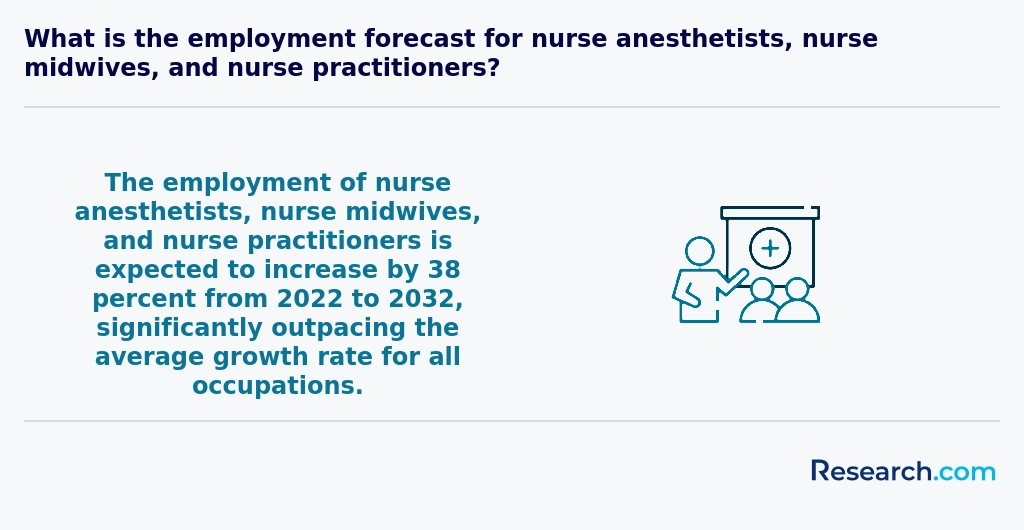
Graduates of online nursing programs in Virginia often find themselves at the crossroads of several meaningful career paths, each shaping the healthcare system in distinct ways. From bedside Registered Nurses at local hospitals to Nurse Practitioners independently managing patient care, these roles reflect the dynamic employment landscape tied to a Virginia nursing degree job prospects. Many graduates from respected institutions like George Mason University or Old Dominion University share how their education prepared them not just for technical skills but for leadership and advocacy in healthcare. For instance, becoming a Clinical Nurse Specialist allows nurses to dive deep into specialties like cardiology or oncology, influencing patient outcomes far beyond the bedside.
Others take on the emotionally rewarding challenge of nurse education, training the next generation within Virginia's universities, blending clinical expertise with a passion for teaching. Healthcare administration and nurse manager roles also attract graduates eager to influence policy, staff wellbeing, and operational efficiency in hospitals across the state. The reality is, Cheapest Nursing Degree Programs Ranking in Oklahoma may show competitive pricing elsewhere, yet Virginia's programs deliver career versatility backed by strong local demand, making online nursing career opportunities in Virginia a compelling choice.
The job market for graduates holding an online nursing degree in Virginia reflects a unique blend of opportunity and challenge. Universities such as the University of Virginia and James Madison University have reported that their graduates often secure positions quickly due to the state's ongoing demand for skilled nurses, especially in rural areas where healthcare resources are scarce. This demand is not limited to entry-level RN positions; many find success advancing into roles like Nurse Practitioners, where autonomy and salary growth align with increased responsibility.
Those considering an online nursing degree in Virginia should weigh the practical benefits too. Graduates share that the flexibility allowed them to maintain jobs while earning advanced qualifications, which is critical given Virginia's healthcare employers increasingly prefer candidates with BSN or higher degrees. This evolving landscape paints a promising picture for anyone exploring nursing career opportunities in Virginia.
While costs can deter some, online programs reduce expenses related to commuting and housing, making them a feasible choice. Students looking for an easy degree path often find these programs manageable alongside work and family commitments, further enhancing their appeal.
2027 Most Valuable Online Doctorate in Nursing Degree Programs Ranking in Virginia
Investing in your education is a significant decision that can shape your future, and the Research.com team understands the importance of making informed choices. To assist prospective students in Virginia, we have meticulously crafted the "2027 Most Valuable Online Doctorate in Nursing Degree Programs Ranking in Virginia." Our commitment to quality, credibility, and accuracy is reflected in the extensive research and analysis conducted to compile this ranking.
We utilized the following reputable data sources to ensure a comprehensive evaluation of online doctorate nursing programs:
By exploring this ranking, readers will gain valuable insights into the most valuable programs available in Virginia, helping them make well-informed decisions about their educational investments. For more information on how this ranking was created, please visit our Research.com methodology page.



Frequently Asked Questions About nursing
Online nursing degree students in Virginia can maximize their learning by actively engaging with their coursework and clinical opportunities. Virginia mandates specific clinical hours for nursing students, so selecting programs partnered with local healthcare facilities ensures hands-on experience. Utilizing Virginia's extensive online library systems and academic databases, such as those offered by the Virginia Community College System, helps students access up-to-date research.
Regular communication with instructors and peers through virtual platforms strengthens understanding and professional networking. Time management is critical; maintaining a consistent study schedule improves retention. According to the Virginia Board of Nursing, students who balance theory with practice tend to perform better on licensure exams, essential for career advancement in nursing within the state.
The nursing field is evolving rapidly, with several emerging niches gaining prominence, especially in Virginia. One growing area is gerontological nursing, driven by the aging population in the state. The Virginia Department of Health reports that by 2030, nearly 20% of Virginians will be 65 or older, increasing demand for specialized elder care.
Another expanding niche is informatics nursing, where professionals manage healthcare data to improve patient outcomes. The rise of telehealth in Virginia, accelerated by the COVID-19 pandemic, has also boosted opportunities in remote patient monitoring and virtual care coordination.
Additionally, psychiatric-mental health nursing remains critical due to increasing awareness of mental health issues. Nurses focusing on population health and community-based care are becoming essential to address disparities specific to Virginia's diverse populations.
After completing an online nursing degree in Virginia, preparing for the job market involves several key steps. First, graduates must obtain licensure by passing the NCLEX-RN exam, which is mandatory to practice nursing in Virginia. According to the Virginia Board of Nursing, over 85% of exam takers pass on their first attempt, indicating strong program preparation.
Networking is also important; joining local nursing associations like the Virginia Nurses Association can provide valuable connections and job leads. Many Virginia healthcare employers prefer candidates with clinical experience, so consider internships or volunteer roles while studying. Finally, staying informed about regional job trends through resources such as the U.S. Bureau of Labor Statistics helps graduates target high-demand specializations within the state.
Employers in Virginia highly value a combination of clinical expertise and interpersonal skills in nursing graduates. According to the Virginia Nurses Association, critical thinking ranks among the top attributes sought after, enabling nurses to make quick and accurate decisions in fast-paced healthcare settings.
Communication skills are also crucial. Nurses must effectively coordinate with patients, families, and medical teams to ensure quality care. The Virginia Department of Health highlights that adaptability to technological tools, like Electronic Health Records, is increasingly important in today's healthcare environment.
Finally, professionalism and ethical judgment remain foundational, with the Virginia Board of Nursing emphasizing adherence to state regulations and patient confidentiality. These skills collectively equip graduates for success in Virginia's diverse healthcare system.
Finding nursing internships in Virginia while enrolled in an online nursing degree program involves research and networking. Many nursing schools in Virginia have established partnerships with local hospitals and clinics, such as Virginia Commonwealth University Health System and Sentara Healthcare, which offer clinical internship opportunities.
The Virginia Nurses Association provides resources and connections for students seeking internships. Additionally, students can search the Virginia Board of Nursing website for approved clinical facilities. According to the Virginia Employment Commission, healthcare is one of the fastest-growing sectors in the state, increasing the availability of practical training sites.
Starting early by contacting program advisors and local healthcare providers is key to securing a placement relevant to your nursing specialty.
Online nursing degrees in Virginia significantly enhance career mobility by providing flexible access to advanced education without disrupting current employment. Many programs offer specialized tracks, allowing nurses to develop expertise in areas like nurse leadership, informatics, or family nurse practitioner roles.
Virginia's healthcare sector is expanding rapidly; according to the Virginia Employment Commission, registered nurse jobs are projected to grow by approximately 14% through 2032. An online nursing degree helps meet this demand by qualifying graduates for higher-level positions and leadership roles within diverse healthcare settings.
Furthermore, advanced credentials gained through online programs often lead to salary increases. The U.S. Bureau of Labor Statistics reports that Virginia nurses with a master's or doctorate in nursing earn median wages 20-30% higher than those with only a bachelor's degree.
Additionally, many Virginia hospitals prefer or require advanced degrees for promotion, making online nursing degrees a practical path for career advancement and geographic flexibility within the state.
Studying for a nursing degree in Virginia offers strong preparation for interdisciplinary roles by integrating collaborative skills within the curriculum. Programs emphasize teamwork with healthcare professionals such as physicians, pharmacists, and social workers. This approach aligns with Virginia's healthcare system, which often requires coordinated care for diverse populations across urban and rural areas.
According to the Virginia Board of Nursing, many accredited online programs include clinical simulations that mimic real-world interdisciplinary settings. These experiences hone communication and problem-solving skills vital in team-based care.
Virginia's focus on evidence-based practice further equips nursing students to contribute to collaborative decision-making and policy development in healthcare environments.
When choosing between thesis and non-thesis nursing degree programs in Virginia, consider your career goals. A thesis option typically involves research and is ideal if you plan to pursue a doctorate, teaching, or leadership roles. Virginia's nursing schools often require original research for theses, which can develop critical skills.
The non-thesis path usually focuses more on clinical practice and coursework. It suits students aiming for advanced nursing roles without emphasizing research. According to the Virginia Nurses Association, demand for clinical leadership has grown steadily.
Additionally, thesis programs may take longer and require strong writing skills, while non-thesis programs often offer more flexibility for working nurses.
Virginia students interested in studying nursing abroad have limited direct options through online nursing degrees. Most U.S. nursing accrediting bodies, such as the Commission on Collegiate Nursing Education (CCNE), recommend programs accredited within the United States to ensure clinical practice eligibility and licensing in Virginia.
However, some Virginia-based learners explore international partnerships or exchange programs facilitated by U.S. institutions. These programs might offer international clinical experiences paired with online coursework hosted by Virginia universities.
It is essential to verify that any foreign study aligns with Virginia Board of Nursing requirements to maintain licensure eligibility after graduation. Official resources like the Virginia Board of Nursing or the American Nurses Association provide up-to-date guidance for students considering international elements in their education.
Students pursuing online nursing degrees in Virginia often seek part-time jobs that enhance their education while providing practical experience. Common roles include certified nursing assistant (CNA) positions and medical scribing, both offering hands-on patient care exposure. According to the Virginia Employment Commission, CNAs earn a median hourly wage of $14.50, making this a viable option for students balancing work and study.
Other opportunities include roles as patient care technicians or home health aides, which allow students to develop interpersonal skills critical to nursing. These jobs also help fulfill clinical hour requirements for certain nursing programs.
Online nursing students in Virginia have access to several valuable networking opportunities despite the remote learning format. Many Virginia nursing programs partner with healthcare systems and professional organizations such as the Virginia Nurses Association, offering virtual events and webinars where students can connect with practicing nurses and faculty experts.
Regional chapters of national groups like the American Nurses Association frequently host meetings and conferences within the state, open to online learners. Additionally, some universities provide dedicated online forums and mentorship programs to link students with alumni and local healthcare leaders.
According to the Virginia Healthcare Workforce Data Center, more than 450 hospitals and clinics statewide facilitate clinical placements, creating important face-to-face networking during required practical experiences.
Alumni networks offer significant advantages for online nursing degree students in Virginia by providing access to professional connections and career support. These networks connect current students with graduates working in various healthcare settings across the state. According to the Virginia Nurses Association, 70% of nursing job opportunities are found through professional contacts, making alumni networks a valuable resource.
Through these connections, students can learn about job openings, clinical placements, and continuing education opportunities. Many Virginia nursing programs also organize exclusive events and webinars, fostering mentorship and knowledge sharing among members.
Engaging with an active alumni community strengthens a student's professional identity and improves their chances of employment after graduation.
Students pursuing an online nursing degree in Virginia can customize their programs by selecting concentrations aligned with their career goals, such as nurse practitioner, nurse educator, or healthcare administration. Many Virginia institutions offer elective courses and clinical practicum placements tailored to specific specialties.
The State Council of Higher Education for Virginia (SCHEV) reports that flexible scheduling options allow working nurses to balance education and employment effectively. Additionally, some programs offer accelerated pathways for those with prior nursing experience or education.
Virginia's large healthcare industry supports diverse clinical opportunities, helping students gain hands-on experience in local hospitals and clinics while completing online coursework.
Online nursing students in Virginia often face challenges related to balancing rigorous coursework with personal and professional responsibilities. Many students juggle full-time jobs alongside their studies, creating time constraints that can impact their learning experience. Technical difficulties, such as unreliable internet access in rural areas, also pose significant barriers.
Clinical placement requirements present another hurdle, as students must secure appropriate local healthcare facilities for hands-on experience, which can be limited depending on the region. Additionally, navigating state-specific licensure regulations adds complexity, with students needing to ensure their education meets Virginia Board of Nursing standards.
Recent data from the Virginia Nursing Workforce Center highlights that retention rates can be affected by these challenges, emphasizing the need for robust support systems in online programs.
Completing an online nursing degree in Virginia opens the door to several professional certifications that can enhance your career. Registered nurses (RNs) often pursue certifications such as the Certified Nurse Educator (CNE) or the Certified Clinical Nurse Leader (CNL), which are nationally recognized credentials. These certifications demonstrate specialized expertise and leadership skills.
Advanced practice nurses may seek credentials like the Family Nurse Practitioner (FNP-BC) or the Adult-Gerontology Acute Care Nurse Practitioner (AGACNP-BC), both offered by the American Nurses Credentialing Center (ANCC). Holding these certifications can increase job prospects and earning potential in Virginia's healthcare settings, which are growing steadily according to the Virginia Department of Health's workforce reports.
Many certification exams require a current RN license in Virginia, so maintaining state licensure is essential. Pursuing certifications aligned with online degree specializations can support professional advancement within Virginia's diverse nursing market.
Writing a winning application for an online nursing program in Virginia requires careful preparation and attention to detail. Start by thoroughly researching accredited programs recognized by the Virginia Board of Nursing to ensure your chosen school meets state standards. Highlight your clinical experience and any certifications you have, such as CPR or ACLS, which demonstrate your commitment to nursing.
Virginia's nursing programs often value a well-crafted personal statement that clearly explains your motivation for pursuing an online degree and how it fits your career goals. Include specific examples of your dedication and achievements in healthcare.
Additionally, meet or exceed prerequisite GPA expectations; many competitive programs require at least a 3.0 GPA. Submit all transcripts, letters of recommendation, and any required test scores promptly. According to the Virginia Nurses Association, applicants who provide complete and organized materials stand out in the selection process.
The nursing profession holds a respected position worldwide, recognized for its vital role in healthcare systems. In the United States, including Virginia, nurses are increasingly valued not only for patient care but also for leadership and research contributions. According to the Virginia Board of Nursing, the state expects a 15% growth in nursing jobs by 2030, highlighting strong demand.
Globally, nursing careers offer diverse opportunities, with organizations such as the World Health Organization emphasizing the need for skilled nurses to tackle health challenges. For Virginia students, earning an online nursing degree aligns with this global demand by enabling flexible access to education focused on modern healthcare standards.
In contrast to some countries, U.S. nursing education combines clinical practice with advanced technology training, which enhances nurses' adaptability in a global job market. This international perspective assures prospective students that their credentials will be respected beyond local settings.
Gaining practical experience is essential when pursuing an online nursing degree in Virginia. Most accredited programs require clinical hours, which students complete at healthcare facilities near their residence. Virginia's diverse medical centers, such as those in Richmond and Virginia Beach, offer varied clinical opportunities.
Students arrange clinical placements through their school's partnerships or independently, ensuring hands-on training with real patients. The Virginia Board of Nursing mandates supervised clinical practice to meet licensure requirements. This blend of online coursework and in-person clinicals helps students develop critical skills and meet state regulations.
The Virginia Nurses Association highlights that combining online study with local clinical experiences effectively prepares students for the state's nursing workforce demands.
Choosing the right concentration within an online nursing degree program in Virginia depends on your career goals and the region's healthcare needs. Virginia's nursing workforce experiences high demand in areas like family nurse practitioner, psychiatric mental health, and nurse educator roles, according to the Virginia Board of Nursing.
Consider specialties that align with Virginia's growing elderly population, such as gerontology or palliative care. Research shows these fields offer promising job outlooks. Also, evaluate how the program's curriculum matches your interests and whether it prepares you for Virginia's licensure requirements.
Networking opportunities and clinical placement support within Virginia can be crucial for hands-on experience despite an online format. Finally, weigh flexibility and program accreditation to ensure a quality education.
- 2027 Most Valuable Online Doctorate in Nursing Degree Programs Ranking in Kentucky
- 2027 Most Valuable Online Doctorate in Nursing Degree Programs Ranking in Pennsylvania
- 2027 Most Valuable Online Doctorate in Nursing Degree Programs Ranking in South Carolina
- 2027 Most Valuable Online Doctorate in Nursing Degree Programs Ranking in Ohio
- 2027 Most Valuable Online Doctorate in Nursing Degree Programs Ranking in New Jersey
- 2027 Most Valuable Online Doctorate in Nursing Degree Programs Ranking in Georgia
- 2027 Most Valuable Online Doctorate in Nursing Degree Programs Ranking in Florida
- 2027 Most Valuable Online Doctorate in Nursing Degree Programs Ranking in Massachusetts
- 2027 Most Valuable Online Doctorate in Nursing Degree Programs Ranking in Missouri
- 2027 Most Valuable Online Doctorate in Nursing Degree Programs Ranking in Illinois
See What Experts Have To Say About Studying Nursing
Read our interview with Nursing experts

Lisa Grubb
Nursing Expert
Assistant Professor
Johns Hopkins School of Nursing

- School of Nursing Alumni Resources https://nursing.utmb.edu/About/Alumni
- 7 Things to Consider When Getting a Nursing Degree Online https://onlinedegrees.elmhurst.edu/blog/seven-things-consider-when-picking-online-nursing-program
- Your Questions About Online Nursing School, Answered https://www.allnursingschools.com/how-to-get-into-nursing-school/online-programs/
- Exploring Diverse Nursing Career Horizons - N2S Healthcare Blog https://n2shealthcare.com/blog/exploring-diverse-nursing-career-horizons-n2s-healthcare-blog
- 2025 Best Online Nursing Programs in Virginia https://www.onlineu.com/degrees/nursing/virginia
- Can I Get a Nursing Degree Online? | University of Phoenix https://www.phoenix.edu/articles/nursing/can-i-get-a-nursing-degree-online.html
- Online Bachelor of Science in Nursing https://an.edu/programs/bachelors-degrees/online-bachelor-of-science-in-nursing/
- How Do Nurses Navigate Career Advancement? | NursingEducation https://nursingeducation.org/insights/career-advancement/
- Earn to Learn https://southside.edu/earn-learn
- Top Nursing Skills U.S. Employers Want to See on Your Resume | O'Grady Peyton https://www.ogradypeyton.com/blog/job-seeker-resources/top-nursing-skills-u.s.-employers-want-to-see-on-your-resume