
2027 Easiest Online Master's in Nursing Degree Programs Ranking in the Midwest

Co-Founder and Chief Data Scientist
Thinking about advancing your nursing career with a master's degree but unsure where to start? This article presents the 2027 Easiest Online Master's in Nursing Degree Programs Ranking in the Midwest, thoughtfully created by the Research.com team of data scientists. It's designed to help you discover programs that offer a smooth, flexible path toward your goals.
By reading, you'll find valuable insights to make an informed choice, save time, and focus on what truly matters-your growth and future in nursing. Earning your degree can open doors to new opportunities and personal fulfillment.
Key benefits of getting online nursing degree in the Midwest
- Nursing degree graduates in the Midwest, like Nurse Practitioners, can earn a mean annual wage of $128,490, offering strong financial stability in rewarding healthcare roles.
- Graduates from popular Midwest schools often find diverse career paths such as Clinical Nurse Specialist, Nurse Administrator, or Nurse Educator, with mean salaries around $94,480, allowing flexible options to match personal interests.
- Completing a nursing degree online from a well-known Midwest university offers the benefit of flexible schedules and reduced commuting, enabling students to balance work and study more easily while achieving the same respected credentials as traditional programs.
- 2027 Easiest Online Master's in Nursing Degree Programs Ranking in the Midwest
- What can I expect from online nursing degree in the Midwest?
- Where can I work with online nursing degree in the Midwest?
What can I expect from online nursing degree in the Midwest?
The average cost of an online nursing degree in the Midwest can feel like a thrilling investment in your future, typically ranging between $15,000 and $40,000 depending on the program and degree level. Graduates from schools like the University of Illinois Chicago or Ohio State University often share how affordable tuition paired with flexible payment options made their journey feel less daunting and more exciting. Imagine balancing night shifts with coursework, all while knowing your tuition fits within your budget-that's the reality for many in the region.
Some students recount diving into advanced practice courses at Ohio State, appreciating that their financial commitment aligned with the exceptional reputation of the program. Others highlight how completing clinical hours locally in Michigan offered hands-on experience without costly travel expenses, which kept overall costs manageable and their motivation high. This balance of cost, flexibility, and quality makes an online nursing degree in the Midwest a surprisingly reachable goal for those eager to grow their careers.
Where can I work with online nursing degree in the Midwest?
Picture yourself stepping into a bustling hospital like Northwestern Memorial in Illinois or the renowned clinics connected to Ohio's universities after earning your online BSN or MSN. Many graduates find themselves thriving in large urban health systems, where the fast pace and advanced technology fuel their passion for patient care and specialized nursing roles.
Others venture into the heart of rural Midwestern communities, working in federally qualified health centers where their skills directly impact underserved families. Imagine the fulfillment of improving healthcare access in these close-knit towns, a real-world difference shaped by your online nursing education.
Graduates from popular Midwest schools often share stories about joining nursing faculties at colleges, embracing roles as educators who inspire future nurses through hands-on learning. Thanks to programs like the Enhanced Nurse Licensure Compact, adventurous nurses expand their horizons by practicing across multiple states, making career flexibility an exciting reality.
Graduates from Midwestern nursing programs, like those offered at the University of Illinois or Ohio State University, often find exciting financial opportunities awaiting them. For instance, stepping into roles as nurse practitioners can bring a rewarding paycheck, with mean annual wages around $128,490, showcasing the value of advanced online degrees. Many alumni describe the thrill of advancing from classroom theory into clinical practice while enjoying salaries that allow them to embrace city life or suburban comfort across the Midwest.
Those who pursue specialties such as critical care nursing also see similar earnings near $128,490 annually, reflecting the high responsibility and expertise these positions demand. Meanwhile, roles like clinical nurse specialists, nurse administrators, or nurse educators present strong median wages near $94,480, inviting graduates who appreciate leadership or teaching pathways.
Imagine a nurse moving from a small town near Minnesota to a bustling Chicago hospital while watching their salary grow alongside their skills and experience. These numbers aren't just stats-they're reflections of real journeys shaped by quality education and dedication in the heart of the Midwest.
- The average total cost for an online BSN program in the Midwest ranges from $20,000 to $40,000, typically lower than the national average.
- Healthcare employment in Midwestern states like Illinois, Ohio, and Minnesota is projected to grow by about 12% over the next decade.
- Newly graduated nurses with an online BSN in the Midwest earn around $58,000 to $65,000 annually as a starting salary.
- Experienced Midwestern nurses can earn over $80,000 annually after about five years, depending on specialization and location.
- Most online nursing programs in the Midwest are accredited by CCNE or ACEN and qualify graduates to take the NCLEX-RN licensing exam.
- Clinical hours are required and usually completed locally at healthcare facilities, combining online coursework with hands-on experience.
Imagine diving into an online nursing degree in the Midwest and discovering just how flexible and rewarding the journey can be. Graduates from well-known institutions like the University of Illinois at Chicago or Ohio State University often share how their Licensed Practical Nurse (LPN) to Registered Nurse (RN) bridge took about 1 to 2 years, a swift pathway that felt like a true stepping stone toward their dreams.
Others exploring a traditional Bachelor of Science in Nursing (BSN) found themselves embracing a 3 to 4-year adventure, balancing coursework with real-life experiences. Meanwhile, working RNs tell inspiring stories of completing online RN-to-BSN programs within 12 to 24 months, highlighting how Midwest schools adapt each step to fit busy lifestyles with flexible pacing.
Masters students embark on a broader journey, sometimes stretching 1.5 to 3 years depending on whether they study full- or part-time. The blend of online learning with hands-on clinical hours in familiar Midwest communities makes the experience both challenging and rewarding, fueling excitement with every milestone reached.
All reputable online Master’s in Nursing programs in the Midwest are accredited by bodies such as the Commission on Collegiate Nursing Education (CCNE) or the Accreditation Commission for Education in Nursing (ACEN), ensuring curriculum quality and eligibility for federal financial aid. Accreditation verifies adherence to rigorous standards in clinical practice, faculty qualifications, and student outcomes. Prospective students should confirm state board approvals, especially if they plan to practice across state lines. Key accreditation and licensure metrics to consider:
- CCNE or ACEN accreditation status for both MSN and RN-to-BSN pathways
- State Board of Nursing approvals, which guarantee graduates are eligible for licensure exams in their home state
- NCLEX-RN pass rates, with top Midwest programs reporting first-time pass rates above 90%
- Support services such as live NCLEX review workshops, virtual skills labs, and dedicated licensure advisors Many online MSN tracks also integrate bridge options for practicing RNs. If you’re exploring these pathways, it’s useful to understand how hard are online registered nurse to bachelor of science in nursing programs, as these bridge programs often mirror the same accreditation and licensure rigor found at the master’s level. Programs that excel in accreditation transparency typically publish annual outcomes reports, including graduation rates, employment placement within six months, and specialty certification pass rates. Verifying these success metrics helps ensure you invest in a program that not only meets academic standards but also prepares you effectively for licensure and advanced practice.
Imagine juggling family life in Chicago while earning your nursing degree through a flexible online program at a reputable Midwest university. Many graduates from such programs appreciate the freedom to study lectures and complete assignments whenever their schedule allows, unlike their counterparts attending on-campus programs at schools like the University of Michigan or Ohio State University, where fixed class times and lab sessions demand a stricter routine.
Yet, both paths converge on an essential truth: hands-on clinical experience. Midwest online students often arrange local clinical placements-whether in Detroit hospitals or Kansas City clinics-making real-world practice part of their learning adventure close to home. Meanwhile, on-campus students dive into labs and face-to-face mentoring, relishing the bustling campus energy and spontaneous study groups.
Cost-wise, many find online study reduces expenses linked to commuting and housing, an appealing perk for working adults. Still, reputable programs keep tuition competitive due to expert faculty and clinical coordination. The choice often boils down to whether you crave flexible independence or the vibrant, structured campus life that fuels your professional network and motivation.
Online nursing master’s programs require a set number of supervised clinical hours, typically 500–700, arranged at approved local healthcare sites. Here’s what you need to know:
- Clinical Hour Minimum: Most MSN tracks mandate 500–700 hours in direct patient care.
- Local Placement: Programs partner with regional hospitals, clinics or long-term care facilities to find nearby sites.
- Preceptor Supervision: Licensed RNs or APRNs guide you through hands-on skills, case management, and patient rounds.
- Scheduling Flexibility: Coordinate hours around work shifts, with many programs accepting evening/weekend placements.
- Documentation & Evaluation: Electronic logs track competencies; faculty reviews progress and provides feedback.
These practicums fulfill state board requirements for licensure and prepare you for certification exams or advanced roles. For nurses considering a doctoral path, explore online dnp programs without dissertation for next-level clinical leadership training.
The average cost of an online nursing degree in the Midwest normally falls around $28,756, making this region a sweet spot for many aspiring nurses. Graduates from well-known universities and colleges in the Midwest often share how this affordability gave them peace of mind to focus on their studies without overwhelming debt. For example, a graduate from a popular Midwestern university mentioned feeling empowered by accessing in-state tuition rates, which typically reduce the total cost to about $20,892, even when studying fully online from another state.
Many find the balance between quality education and cost to be a refreshing change, especially compared to pricier programs elsewhere. Public institutions usually offer these competitive rates, whereas private colleges can push costs closer to $32,604 for out-of-state students. Despite the financial differences, students appreciate that the Midwest's offerings often include robust clinical practicum options that add real-world experience to their nursing degree journey.
When exploring affordable online nursing programs Midwest students can relate to stories of perseverance and success, discovering how they managed not only tuition but also additional expenses like exam fees and study materials. If you wonder how hard are online registered nurse to bachelor of science in nursing programs, many graduates emphasize that the cost savings paired with strong support systems make the challenge worthwhile and rewarding.

Accreditation is a crucial aspect of any online nursing program, as it ensures that the program meets high standards of quality and prepares students for licensure and certification. The Commission on Collegiate Nursing Education (CCNE) and the Accreditation Commission for Education in Nursing (ACEN) are two of the most recognized accrediting agencies for nursing programs. When choosing an online nursing program, it's essential to verify that the program is accredited by one of these agencies. Additionally, students should also check if the program is approved by the state's board of nursing, as this can impact their ability to obtain licensure after graduation. Licensure requirements vary by state, but most states require nurses to pass the NCLEX-RN exam to become licensed. Some online nursing programs may also prepare students for certification in specialized areas, such as pediatric nursing or gerontology. By choosing an accredited and licensed online nursing program, students can ensure that they receive a high-quality education and are well-prepared for their nursing career.
Imagine starting an online nursing degree in the Midwest and discovering a treasure trove of financial aid waiting to lighten your journey. Federal aid, unlocked by simply filling out the FAFSA, offers powerful support like the Pell Grant, which can provide up to $7,395 annually for those who qualify. Picture a nursing student at Ohio State University who taps into this grant, feeling relief as tuition costs shrink.
Midwestern states such as Illinois and Michigan add another layer of opportunity through workforce development grants, rewarding students ready to serve underserved communities after graduation. Graduates from the University of Minnesota often share how these grants transformed their educational path from daunting to doable.
On top of that, numerous private scholarships target students like you-online learners with dedication and diverse backgrounds. Many Midwestern universities sweeten the deal with institutional scholarships, easing the strain with merit-based awards or discounted tuition.
Finally, envision working in a local hospital that reimburses part of your tuition as you advance your nursing career, making every late-night study session feel worthwhile and supported. This blend of federal, state, private, and employer aid creates an adventure where financial hurdles feel conquerable.
Accreditation is a critical measure of an online Master’s in Nursing program’s credibility and ensures graduates are eligible for licensure and certification exams. In the Midwest, leading accrediting bodies include the Commission on Collegiate Nursing Education (CCNE) and the Accreditation Commission for Education in Nursing (ACEN). Prospective students should verify that their chosen institution holds regional accreditation as well as CCNE or ACEN approval, since these endorsements confirm that curricula meet rigorous standards for faculty qualifications, clinical training, and student outcomes. Accredited programs also streamline the path to advanced practice roles. For example, graduates of CCNE-accredited online MSN programs often qualify to sit for national certification in nurse practitioner specialties. Completing an accredited curriculum boosts employability and supports transitions into high-demand roles-ranging from nurse educator to clinical nurse leader-and even roles in the highest paid nurse practitioner specialty. Moreover, accreditation bodies conduct regular reviews of student success metrics such as graduation rates, certification pass rates, and job placement statistics. When evaluating online nursing programs in the Midwest, applicants should request recent accreditation self-study reports or outcome data. These documents highlight faculty credentials, simulation lab resources, and established hospital partnerships that underpin quality clinical placements. By choosing an accredited program, nursing professionals ensure both immediate eligibility for licensure and long-term career advancement in a dynamic healthcare environment.
Holding an active registered nurse (RN) license is a must, grounding your journey in real-world readiness. Graduates often share that completing foundational courses-think anatomy, physiology, and chemistry-provided clarity and confidence when stepping into advanced classes, especially with many programs allowing these prerequisites to be completed online.
Keeping a strong GPA, usually around 3.0, unlocks further opportunities. Plus, for those chasing specialties like nurse practitioner roles, hands-on clinical experience becomes a thrilling proof of skill. Many Midwest programs rely on students' tech-savviness and stable internet to thrive in their online environments, making every login an exciting step closer to a vibrant nursing career.
Before enrolling in an online Master’s in Nursing program, verify that the institution holds Commission on Collegiate Nursing Education (CCNE) or Accreditation Commission for Education in Nursing (ACEN) approval. Accredited programs ensure your coursework meets the standards required for National Council Licensure Examination (NCLEX-RN) eligibility and state board endorsement. Graduates from non-accredited programs may face obstacles when applying for licensure or transferring credits for advanced degrees. Most Midwest programs maintain CCNE accreditation and partner with regional healthcare facilities for supervised clinical hours. To sit for the NCLEX-RN, confirm your program’s curriculum covers core competencies-such as pharmacology, health assessment, and evidence-based practice-and offers exam preparation resources like practice tests and dedicated review workshops. Upon graduation, you must apply for licensure through your state board of nursing; requirements vary by state, so review deadlines, application fees, and background check policies well in advance. If you’re comparing program quality and cost across different regions, consider our Affordable Nursing Degree Programs Ranking in Oregon to see how accreditation standards align with tuition rates and student outcomes. This perspective can help you choose a program that not only fits your budget but also secures your professional future.
Diving into online nursing specializations Midwest programs reveals exciting paths tailored to real-world healthcare needs. Graduates from schools like the University of Iowa or University of Minnesota often share how the Family Nurse Practitioner (FNP) track empowered them to serve diverse communities, from bustling cities to quiet rural towns. This specialization's versatility means you could be a trusted primary care provider for patients of all ages, right where they need you most.
Other students have found their passion through Psychiatric-Mental Health Nurse Practitioner (PMHNP) programs, responding to the region's growing mental health care demand-a vital, fulfilling role. Meanwhile, Adult-Gerontology Nurse Practitioner (AGNP) grads talk about the meaningful connections they build supporting the Midwest's aging population, managing chronic conditions close to home. Exploring Midwest nursing degree specialization options also opens doors to Acute Care Nurse Practitioner (ACNP) roles in big urban hospitals or to Nursing Education, preparing future caregivers.
Curious learners often compare specialties, weighing factors like career impact and salary. For insights on the highest paid nurse practitioner specialty, many turn to trusted sources as they map their adventurous nursing journeys.
To choose the best online nursing degree in the Midwest, start by seeking programs with solid accreditation like CCNE or ACEN. Graduates from popular Midwestern colleges often share how this assurance shaped their confidence in pursuing licensure and finding jobs nearby. Picture a working nurse juggling shifts-finding a program with asynchronous classes and locally accessible clinical placements can feel like discovering a secret shortcut tailored just for you.
Affordability is key when exploring affordable nursing degrees Midwest, with many public universities offering rates that keep budgets in check. Graduates appreciate when scholarships or employer tuition assistance soften the financial load, making the journey more attainable and less daunting. For those curious about detailed options, check out the Affordable Nursing Degree Programs Ranking in Oregon to compare and envision pathways.
Consider the program's curriculum and specializations, such as Family Nurse Practitioner or Nursing Administration, aligning with your ambitions. Graduates often highlight how strong academic advising and vibrant student services in Midwestern universities made their transition smoother and their goals clearer, creating a fulfilling educational adventure in the best online nursing programs Midwest.
Graduates of an online nursing degree in the Midwest often find themselves stepping into rewarding roles that shape healthcare across the region's bustling hospitals and community clinics. Many begin as registered nurses (RNs), gaining hands-on experience while serving diverse patient populations in states like Ohio and Michigan. These roles, commonly available at popular universities' programs, set the foundation for further growth in this thriving field. Those eager to explore online nursing careers in the Midwest can advance to specialized positions like Nurse Practitioner or Clinical Nurse Specialist, where they enjoy the excitement of providing expert care and influencing healthcare practices firsthand.
Others take on leadership as Nurse Educators or Nurse Administrators, guiding future nurses or managing teams with a real sense of purpose. Midwest graduates often share stories of balancing study, family, and clinical placements, appreciating flexible schedules offered by several online programs. For students seeking affordable options, finding accredited colleges online with no application payment can be a key step toward a fulfilling nursing career rich with variety and impact.
Nursing graduates with online degrees in the Midwest step into a vibrant and growing job market where opportunities bloom across cities and small towns alike. In states like Illinois and Ohio, graduates from popular nursing schools enjoy a diverse range of roles in bustling hospitals and close-knit community clinics. Many share stories of landing positions quickly, thanks to the region's strong demand fueled by an aging population and healthcare expansions. This exciting job landscape makes Midwestern nursing degree employment outlook particularly bright for those venturing into roles from registered nurses to advanced practitioners.
Graduates often highlight the flexibility of accredited online programs balancing work and study, which local healthcare employers value highly. This is especially true in rural areas where nursing shortages create openings that match the skills sharpened through online study. Students discovering options for accelerated learning also benefit from exploring best online associate degrees in 6 months, opening doors to quicker employment and career growth.
For anyone curious about online nursing job opportunities Midwest, the scene is alive with chances to build fulfilling careers supported by welcoming communities and competitive salaries, making the journey both rewarding and adventurous.
2027 Easiest Online Master's in Nursing Degree Programs Ranking in the Midwest
Investing in your education is a significant decision that can shape your future, and the Research.com team understands the importance of making informed choices. To assist prospective students in the Midwest, we have meticulously created the "2027 Easiest Online Master's in Nursing Degree Programs Ranking in the Midwest." Our dedication to quality, credibility, and accuracy is demonstrated through detailed research and analysis that informed this ranking.
We utilized the following reputable data sources to ensure a comprehensive evaluation of nursing programs:
By exploring this ranking, readers will gain valuable insights into the most accessible and credible online nursing master's programs in the Midwest, helping them navigate their educational journey with confidence. For more information on how this ranking was developed, please visit our Research.com methodology page.


# 13 position
Walden University
Master of Nursing

# 14 position
Bethel University, Minnesota
Master of Nurse-Midwifery


Frequently Asked Questions About nursing
Online nursing degree students in the Midwest can boost their learning by actively engaging with course materials and instructors. Many accredited programs require clinical hours, so securing local healthcare facilities for hands-on experience is crucial. According to the American Association of Colleges of Nursing (AACN), over 70% of Midwest nursing schools integrate simulation labs that complement online theory. Students should take advantage of these resources when available.
Joining study groups and nursing associations, such as the Midwest Nursing Research Society, helps build professional networks. Accessibility to state boards ensures timely updates on licensing requirements unique to Midwestern states. Balancing online study with practical exposure is vital to success in this region's nursing job market.
The nursing field is rapidly evolving, with several emerging niches gaining importance in the Midwest. One growing area is gerontological nursing, driven by the region's aging population; according to AARP, nearly 20% of Midwestern residents are over 65, increasing demand for specialized elder care. Another expanding niche is telehealth nursing, which grew by 35% nationwide during the COVID-19 pandemic and continues to offer remote patient monitoring and virtual care services. Additionally, nurse informatics is becoming vital as healthcare systems invest in data management and electronic records. These niches provide promising opportunities for those pursuing online nursing degrees in the Midwest.
After completing an online nursing degree in the Midwest, preparing for the job market involves several key steps. First, obtaining licensure is essential. Graduates must pass the NCLEX-RN exam to become registered nurses, a requirement across all Midwest states. According to the National Council of State Boards of Nursing, pass rates in this region remain strong, reflecting robust program quality.
Next, gaining clinical experience, even post-graduation, improves employability. Many hospitals and healthcare providers in the Midwest prefer candidates with hands-on skills. Networking through professional organizations like the Midwest Nursing Research Society can also open doors.
Finally, consider pursuing certifications in specialty areas like geriatric or pediatric nursing, which are in high demand in the region. Staying informed about local healthcare trends ensures graduates align their skills with market needs.
Employers in the Midwest value several core skills when hiring nursing degree graduates. Strong clinical competence is essential, with a focus on patient assessment, care planning, and administering treatments safely. Communication skills rank highly, as nurses must effectively interact with patients, families, and healthcare teams.
Critical thinking and problem-solving abilities are also key, especially in fast-paced or emergency settings. A 2023 report from the Midwest Healthcare Workforce Institute highlights that 67% of employers emphasize adaptability due to evolving healthcare technologies and protocols.
Additionally, proficiency in electronic health records (EHR) is increasingly important, reflecting the broader digitalization of healthcare services in the region.
Finding internships in the Midwest relevant to a nursing degree involves several strategic steps. First, students should consult their online nursing program's career services, as many Midwest schools partner with local hospitals and clinics to provide placement opportunities. The region has a growing healthcare industry, with Illinois, Ohio, and Michigan among top employers of nurses according to the U.S. Bureau of Labor Statistics.
Networking is essential; joining professional organizations like the Midwest Nursing Research Society can connect students with local practitioners and internship openings. Additionally, contacting hospitals directly, such as the Cleveland Clinic or Mayo Clinic locations, can yield internship leads.
State nursing boards also offer resources on approved clinical sites, ensuring internships meet educational requirements. Early application and maintaining a strong academic record increase chances of securing competitive positions.
Online nursing degrees significantly enhance career mobility and advancement for professionals in the Midwest. These programs offer flexible scheduling, allowing working nurses to pursue advanced education without leaving their jobs. According to the American Association of Colleges of Nursing, nurses with a master's degree often qualify for higher-level roles like nurse practitioners or clinical nurse specialists.
In the Midwest, states such as Illinois and Ohio emphasize higher education for advancing nursing roles, reflecting a growing demand for advanced practice nurses. The U.S. Bureau of Labor Statistics projects a 7% employment growth for registered nurses through 2032, driven partly by advanced qualifications.
Furthermore, online degrees from regionally accredited institutions meet licensure requirements in most Midwest states, facilitating relocation and regional job prospects. This flexibility benefits nurses aiming to move between urban and rural areas where healthcare needs vary widely.
Studying for a nursing degree in the Midwest equips students for interdisciplinary roles by emphasizing collaborative healthcare practices. Many programs integrate coursework in communication, healthcare management, and teamwork skills tailored for diverse clinical environments. According to the American Association of Colleges of Nursing (2023), Midwestern nursing programs often partner with local hospitals and community health organizations to provide real-world interdisciplinary experience.
Students learn to work alongside physicians, social workers, and therapists, which is vital in today's complex healthcare systems. The region's focus on rural and urban health challenges also enhances nurses' adaptability across multiple disciplines.
When choosing between a thesis and a non-thesis online nursing degree program in the Midwest, consider your career goals carefully. A thesis program typically suits students interested in research or doctoral studies, requiring original research and a formal paper. Non-thesis programs focus on practical skills and coursework, ideal for those aiming to advance clinical careers or leadership roles without conducting research.
Midwestern schools often offer flexible options, with about 60% of online nursing master's degrees providing non-thesis tracks, according to the American Association of Colleges of Nursing.
Financial aid and program length may also vary; thesis programs can take longer due to research requirements. Carefully review curriculum details and speak with admissions advisors to align your choice with professional objectives and time commitments.
Students based in the Midwest who want to study nursing abroad face limited direct options due to the U.S. higher education system's structure. Most online nursing programs in the Midwest, such as those from the University of Illinois or Ohio State University, focus on domestic accreditation and clinical placements within the U.S.
However, some Midwestern universities offer study abroad or international clinical experiences as part of their nursing curricula, typically through partnerships with universities or healthcare facilities in countries like Ireland or Australia. These opportunities are usually short-term and supplementary rather than full degrees earned abroad.
For full online nursing degrees, students are advised to prioritize programs accredited by bodies recognized in the U.S., especially the CCNE or ACEN. As a result, obtaining a degree entirely abroad online is rare for Midwest students due to licensing and transferability challenges.
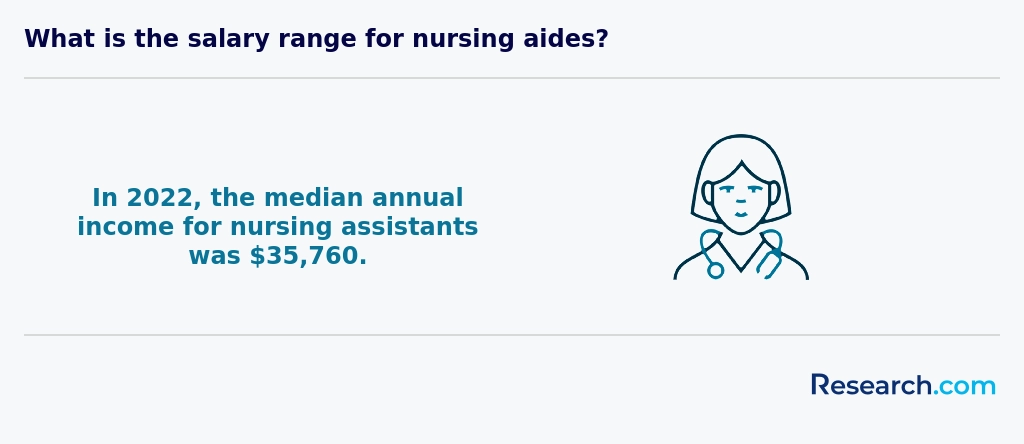
Part-time job opportunities in the Midwest can greatly complement online nursing degree education by providing practical experience and financial support. Common roles include certified nursing assistant (CNA), medical assistant, and patient care technician positions. According to the U.S. Bureau of Labor Statistics, the Midwest region employs over 350,000 nursing assistants, reflecting strong demand and accessible openings for students.
Working in these roles helps students apply theoretical knowledge while developing essential clinical skills. Additionally, part-time positions in local hospitals or long-term care facilities offer flexible hours to accommodate class schedules.
Many employers in the Midwest prioritize hiring nursing students, making these jobs valuable for career advancement and networking opportunities.
Online nursing students in the Midwest have access to various networking opportunities crucial for career growth. Many universities offer virtual events, webinars, and online student organizations that connect students with peers, faculty, and healthcare professionals. Additionally, the Midwest Nursing Research Society provides regional conferences and workshops, which often welcome online learners.
State nursing associations in Illinois, Ohio, and Michigan also facilitate networking through mentorship programs and job fairs tailored for online students. According to the Midwest Nursing Research Society 2023 report, over 60% of nursing students engaged in these activities find valuable professional connections before graduation.
Alumni networks offer significant benefits to online nursing degree students in the Midwest by providing valuable professional connections and mentorship opportunities. Many nursing programs in this region maintain strong alumni associations that facilitate networking events and online forums. These platforms allow students to engage with experienced nurses who can offer career guidance and advice.
According to the Midwest Nursing Research Society, approximately 70% of nursing graduates find new job opportunities through alumni contacts. Being part of a well-connected community can also improve access to specialized clinical placements and continuing education resources.
This support system helps students navigate job markets in states like Illinois, Ohio, and Michigan, where demand for qualified nurses continues to grow.
Midwest online nursing degree programs often offer flexible curriculum paths that allow students to tailor their studies to specific career goals. Many schools provide elective courses and specialty tracks, such as family nurse practitioner, nurse educator, or healthcare administration, enabling targeted skill development.
Some programs incorporate clinical practicum options near a student's residence, adapting hands-on experience to local healthcare needs. According to the American Association of Colleges of Nursing (2023), over 70% of Midwest nursing programs include these customizable components.
Furthermore, learners can accelerate coursework or choose part-time pacing based on professional commitments. This flexibility helps nurses enhance expertise without pausing their careers.
Resources like state nursing boards and online advisors also guide students in aligning education with licensure and employment requirements in the Midwest.
Online nursing students in the Midwest often face several challenges unique to their region and study format. Limited access to high-speed internet in rural areas can disrupt coursework and virtual interactions, impacting about 22% of Midwestern households according to the FCC. Clinical placement is another hurdle, as hospitals and healthcare facilities may have limited slots for online students, requiring travel to distant locations. Additionally, balancing work, family, and study commitments remains a significant pressure, especially for adult learners who make up a large portion of online nursing programs. These factors contribute to higher stress levels and may affect program completion rates in the region.
With an online nursing degree, graduates in the Midwest can pursue several professional certifications that enhance their career opportunities. Common certifications include the Registered Nurse (RN) license, which is essential for practicing nursing in any state.
Advanced certifications such as the Certified Nurse Practitioner (CNP) or Clinical Nurse Specialist (CNS) are available for those completing master's-level programs. The Midwest region supports various specialty certifications through bodies like the American Nurses Credentialing Center (ANCC).
Other sought-after credentials include Certified Nurse Midwife (CNM) and Certified Registered Nurse Anesthetist (CRNA), both requiring graduate education plus certification exams.
According to the National Council of State Boards of Nursing, over 40% of Midwest nurses hold at least one specialty certification, reflecting regional commitment to professional advancement.
To write a winning application for an online nursing program in the Midwest, start by thoroughly researching each school's requirements, as they can vary widely. Highlight your clinical experience, as many programs value hands-on practice. Be sure to emphasize any leadership roles or community service, which demonstrate commitment beyond academics. According to the American Association of Colleges of Nursing, programs often require a minimum GPA of 3.0, so make your transcripts clear and complete. Additionally, strong letters of recommendation from nursing professionals or educators can significantly boost your application. Tailor your personal statement to reflect your goals aligned with Midwestern healthcare needs.
The nursing profession holds a vital role worldwide, with increasing demand due to global aging populations and healthcare challenges. In the United States, particularly in the Midwest, nursing careers are seen as stable and rewarding, supported by strong educational infrastructure. According to the American Association of Colleges of Nursing, nearly 60% of nursing graduates in the Midwest pursue advanced degrees to meet growing healthcare needs. Globally, nursing is respected for its patient-centered care, but career opportunities, salaries, and education pathways vary widely by country.
Midwestern states like Illinois and Ohio emphasize accessibility to quality nursing programs, including online master's degrees, reflecting broader international trends of embracing flexible education. The global nursing workforce shortage underscores the importance of advanced education to address complex health issues, a factor influencing U.S. students. Students interested in online nursing degrees benefit from understanding these global and regional dynamics to position themselves competitively in healthcare markets.
Gaining practical experience while pursuing an online nursing degree in the Midwest is essential for licensure and skill development. Most accredited programs require clinical hours, which students can complete at local hospitals, clinics, or healthcare facilities near their residence. These partnerships often allow students to access diverse patient populations, providing real-world experience.
Additionally, some Midwestern schools offer simulation labs or hybrid models combining online coursework with on-site training sessions. According to the American Association of Colleges of Nursing, clinical placements in the Midwest are growing, with over 70% of programs facilitating hands-on training through established community relationships.
Networking with local healthcare providers and joining nursing associations can also help students find externships or volunteer opportunities relevant to their studies.
Choosing the right concentration within an online nursing degree in the Midwest depends on your career goals and local healthcare demands. For example, the region faces a growing need for gerontological nurses due to an aging population, according to the Midwest Nursing Workforce Center. Specializing in geriatrics can open job opportunities in hospitals and long-term care facilities.
Consider also specialties like family nurse practitioner or psychiatric nursing, which address critical shortages in rural Midwestern areas. Reviewing state licensure requirements and program accreditation ensures your degree meets professional standards.
Research program curricula and clinical practicum options to find concentrations that match your interests and schedule flexibility.
See What Experts Have To Say About Studying Nursing
Read our interview with Nursing experts


- Elmhurst University: Online Degree Programs For Healthcare ... https://onlinedegrees.elmhurst.edu/
- 7 Nursing School Tips for Studying https://www.denvercollegeofnursing.edu/blog/nursing/7-Nursing-School-Tips-for-Studying.html
- Nursing Scholarships & Financial Aid Resources | AACN https://www.aacnnursing.org/students/scholarships-financial-aid
- LPN Program Chicago – NCLEX-PN Prep & IDFPR Approved https://mccollege.edu/licensed-practical-nursing/
- College of Nursing - Chicago Nursing School https://www.rushu.rush.edu/college-nursing
- Financial Aid for Nursing Students https://researchcollege.edu/admission/financial-aid/
- 2026 Most Affordable Online Nursing Programs https://www.onlineu.com/most-affordable-colleges/nursing-degrees
- Graduate Nursing Programs https://apply.midwestern.edu/portal/graduate-nursing%20programs
- Best Nursing Schools in the Midwest for High-Quality ... https://findnursingschools.com/blog/nursing-schools-in-the-midwest/
- Academic Programs | Nursing - Online https://www.nmc.edu/programs/academic-programs/nursing-online/


