
2027 Most Affordable Nursing Degree Programs Ranking in Winona

Co-Founder and Chief Data Scientist
Choosing the right nursing degree program is an important step toward a rewarding healthcare career. For students in Winona, finding affordable options without compromising quality can be challenging.
This article introduces the 2027 Most Affordable Nursing Degree Programs Ranking in Winona, created by the Research.com team of data scientists. It offers clear insights to help you make an informed decision that fits your budget and goals.
Exploring these programs can open doors to a fulfilling profession where you make a difference every day.
Key benefits of getting nursing degree in Winona
- Graduates with a nursing degree in Winona can expect strong salaries, such as $94,480 annually for Registered Nurses and Public Health Nurses, while Operating Room Nurses earn up to $128,490, offering financial stability and rewarding career growth.
- Nursing degree holders from local colleges in Winona often find varied career paths including clinical nursing, education, and emergency care, allowing flexibility to pursue what inspires them most.
- Completing a nursing degree online through Winona institutions provides convenient scheduling and the ability to balance work and life, offering a positive, flexible learning experience compared to traditional programs.
- 2027 Most Affordable Nursing Degree Programs Ranking in Winona
- What can I expect from nursing degree in Winona?
- Where can I work with nursing degree in Winona?
What can I expect from nursing degree in Winona?
When it comes to cost, getting a nursing degree in Winona is pretty affordable compared to many places. For example, students attending Winona State University often find tuition much kinder on the wallet than private nursing schools. Many grads mention feeling relieved that they could focus on their studies without stressing too much about debt piling up. Plus, local financial aid and scholarships aimed at nursing students really help ease the burden.
Think about it like this: a lot of Winona nursing students balance clinical rotations and study time without the extra weight of sky-high tuition, which makes the whole nursing journey feel more doable and less overwhelming. It's one of the reasons these programs attract so many passionate folks eager to jump into nursing careers without big financial fears holding them back.
So, if you're planning to study nursing in Winona, expect a solid education that won't break the bank, with plenty of support along the way.
Where can I work with nursing degree in Winona?
If you're studying nursing in Winona, you're in luck because there are plenty of places where you can work once you graduate. Many grads from Winona State University, for example, find great jobs at the Mayo Clinic Health System in Winona. It's a top spot that offers everything from emergency room roles to surgical nursing, so you pretty much get to pick a path that fits what you love.
Others love working in long-term care, finding fulfilling roles at places like Prairie Meadows Nursing & Rehabilitation Center. Here, you'll help seniors with daily tasks and chronic conditions, really building those deep, meaningful connections.
Community health nursing is another cool option. Nurses in Winona County Public Health get to educate moms and kids and help keep everyone healthy with immunization programs. It's more about teaching and making a real difference beyond the hospital walls.
Some grads even move into teaching, becoming clinical instructors at local colleges. This lets them share their passion for nursing with the next generation, which feels pretty rewarding after years of hard work.
If you're dreaming about a nursing degree in Winona, you're probably wondering, "How much can I actually make?" Well, here's the scoop. Registered Nurses in Minnesota, including Winona grads, earn a mean annual wage around $94,480, according to the latest BLS data. That's a solid paycheck, especially when you're just starting out.
Graduates from popular schools around Winona like Winona State University often find entry-level nursing jobs paying anywhere from $55,000 to $65,000, which helps you get your foot in the door. As you gain experience, those numbers climb pretty quickly.
Nursing graduates who go into specialized roles have even more exciting prospects. For example, becoming an Operating Room Nurse can boost your salary up to about $128,490 a year. Imagine the pride and relief of hitting those numbers after a tough clinical rotation!
Plus, jobs like Clinical Nurse Educator, Public Health Nurse, or Emergency Room Nurse also bring in the same solid average paycheck of around $94,480, making your nursing degree a versatile ticket to a rewarding career in Winona.
- Nursing programs in Winona are accredited and allow graduates to take the NCLEX-RN licensing exam to become registered nurses.
- Tuition for an Associate Degree in Nursing (ADN) ranges from $8,000 to $12,000 per year, while Bachelor of Science in Nursing (BSN) programs cost between $15,000 and $25,000 annually for in-state students.
- Financial aid options include scholarships, federal student aid, and loan repayment programs to help reduce education costs.
- Registered nurses in Winona earn a median salary of about $70,000 after graduation, with experienced nurses making between $75,000 and $90,000 annually.
- Local employers include hospitals, long-term care facilities, and clinics, offering steady job opportunities with projected growth in nursing positions.
- Many nursing programs provide clinical placements in local healthcare settings to give students practical experience required for licensure and employment.
If you're thinking about nursing school in Winona, the time it takes really depends on the type of degree you pick. For example, many grads from local community colleges finish an Associate Degree in Nursing (ADN) in about two years. It's a solid choice if you want to start working as an RN quickly! One student I heard about balanced classes and a part-time job, and still made it through the ADN program in just two years, which felt like a huge win.
Want something more in-depth? A Bachelor of Science in Nursing (BSN) from Winona State University or similar schools usually takes around four years if you're full-time. Some grads mention how the clinical experience really boosted their confidence before stepping into hospitals. And if you already have some college credits, you could even speed things up by doing an accelerated BSN in about 12 to 18 months.
For those aiming higher, a Master of Science in Nursing generally adds another two to three years beyond the BSN-but it unlocks specialized roles that make all the effort worth it!
To find the most affordable nursing programs in Winona, MN, prospective students should consider factors such as tuition costs, program length, and available financial aid. Researching these aspects can help individuals make informed decisions about their educational investments. For those looking for affordable options, exploring affordable nursing programs in Minnesota can provide valuable insights into cost-effective educational pathways. By weighing the costs and benefits of different programs, students can identify the most affordable nursing degree that aligns with their career aspirations and financial situation, ultimately leading to a rewarding career in healthcare without incurring undue financial burden.
If you're thinking about nursing degrees in Winona, the big difference between online and on-campus programs comes down to how you learn and where you do it. Online nursing courses give you lots of flexibility - you can watch lectures and do assignments whenever it fits your schedule. This is perfect if you're juggling work, family, or other stuff. Many graduates from Winona State University's online program say they loved being able to study from home without losing progress in their careers.
On the other hand, the on-campus nursing degree lets you soak in that classroom vibe, chatting face-to-face with professors and classmates. At places like Winona State, students often say the hands-on clinicals at local hospitals really helped them build confidence and solid skills. Plus, they enjoy being part of the campus community, which makes learning feel more real and connected.
Both paths require in-person clinical hours, so even online students will find healthcare sites nearby in Winona to get that essential experience. Tuition costs can vary, but many find online programs save money on commuting and housing, though you'll still want to budget for tech fees and clinical placement costs.
One of the most critical indicators of a nursing program’s quality is its NCLEX-RN pass rate. In Winona, MN, leading institutions report first-time pass rates ranging from 85% to 95%, surpassing the national average of 88%. High pass rates demonstrate rigorous academic preparation and effective clinical training, ensuring graduates are well-equipped for licensure and safe patient care. Key factors influencing NCLEX success:
- Comprehensive review courses integrated into the curriculum.
- Access to state-of-the-art simulation labs for hands-on practice.
- Dedicated faculty mentoring and peer study groups.
- Early exposure to diverse clinical rotations in hospitals and community settings. Graduates from Winona State University and Saint Mary’s University of Minnesota consistently report confidence entering the exam, attributing their success to structured study plans and faculty-led NCLEX prep workshops. For students exploring alternative pathways, consider our Low Cost Online Nursing Degree Programs Ranking in Illinois to compare online NCLEX outcomes and find a program that matches your learning style. Beyond pass rates, graduate outcomes highlight the real-world impact of nursing education:
- Job Placement: 92% of Winona nursing graduates secure full-time positions within three months of licensure.
- Employer Satisfaction: Local hospitals rate Winona-trained nurses highly for clinical competence and professional communication.
- Continuing Education: 70% of alumni pursue advanced certifications or graduate degrees, reflecting strong academic foundations. By prioritizing NCLEX-RN pass rates and post-graduation success metrics, prospective students can confidently choose an affordable nursing degree in Winona, MN, that delivers both excellent value and long-term career benefits.
When it comes to the average cost of a nursing degree in Winona, students typically face a total tuition bill around $27,800 if they're in-state. That's a pretty reasonable amount when you consider the quality of education you get, especially at places like Winona State University. Graduates often share how these affordable nursing programs Winona MN offer let them focus more on learning and less on stressing about mounting fees.
Out-of-state students can expect the cost to be higher, often around $42,800 total, which lines up with national trends for nursing degrees. But many students find this price worth it because of the hands-on experiences, supportive faculty, and the great clinical opportunities available locally, which really prepare them for real-world nursing careers.
Keep in mind, besides tuition, there are extra charges like lab fees, uniforms, and clinical placement costs - these can add a few thousand dollars yearly. Some nursing students, especially those pursuing an Associate Degree at community colleges, enjoy cheaper options usually below $8,000 per year, making it easier to start their path without a big financial burden.
For those exploring flexible pathways, checking out pediatric nursing online programs can also be a smart move, often offering competitive pricing too.
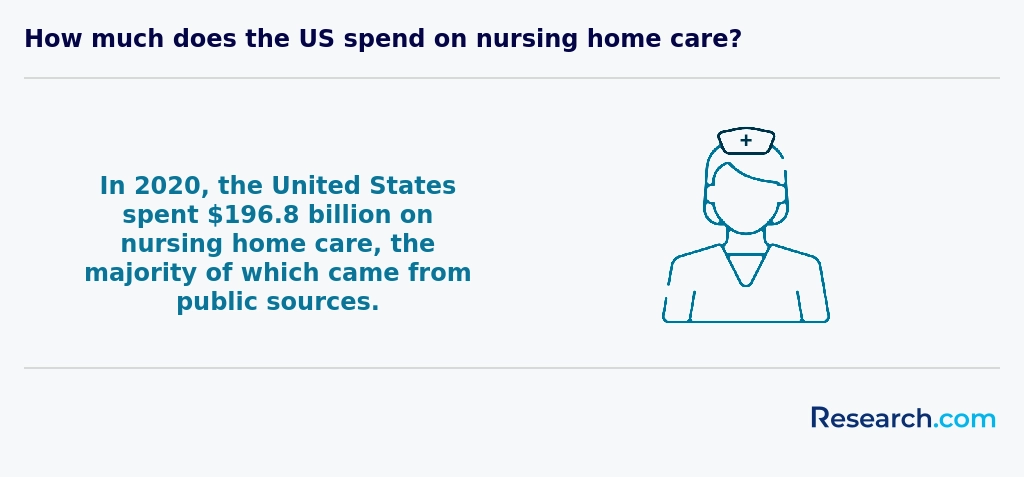
Many nursing graduates in Winona, MN, look beyond entry-level RN roles to expand their scope of practice and earning potential through advanced practice pathways. One of the most in-demand routes is becoming a Nurse Practitioner (NP), which typically requires a Master of Science in Nursing (MSN) or Doctor of Nursing Practice (DNP). Advanced practice nurses enjoy greater clinical autonomy, the ability to diagnose and prescribe, and higher average salaries-often exceeding $110,000 annually. Key considerations for pursuing NP education include:
- Prerequisites and Program Length: Most MSN programs require a BSN with clinical experience and take 2–3 years full-time, while post-BSN DNP programs span 3–4 years.
- Specialization Tracks: Choose from Family Nurse Practitioner, Adult-Gerontology, Psychiatric-Mental Health, and more to align with your career goals and community needs.
- Clinical Hour Requirements: Accredited NP programs mandate 500–1,000 supervised clinical hours, ensuring you develop hands-on expertise in your chosen specialty.
- Tuition and Financial Aid: Explore federal loan forgiveness programs and employer-sponsored tuition reimbursement to offset costs. For those open to out-of-state or online options, Texas hosts several highly regarded, affordable NP programs. You can review a comprehensive list of the best nurse practitioner in texas programs to compare admission requirements, tuition rates, and graduation outcomes. By mapping out your advanced practice pathway early-balancing program length, specialization, and financial investment-you’ll be better positioned to maximize both your clinical impact and return on investment in today’s competitive healthcare landscape.
When you're diving into a nursing degree in Winona, there's a good mix of financial aid options to help keep costs down. For starters, federal aid like Pell Grants can cover up to $7,395 a year, which is a huge help for many students at Winona State University or Minnesota State College Southeast. Plus, Direct Loans with low fixed interest rates give you some breathing room, especially if you choose subsidized ones where the government covers the interest while you're in school.
Many students also tap into Minnesota's State Grant Program, which can chip in a few hundred to a few thousand dollars depending on your financial situation. Scholarships pop up too, often through local healthcare groups or organizations like the Winona Community Health Foundation. Graduates often talk about how those scholarships really eased their stress.
Work-study gigs, especially at places like Gundersen Health System, let you earn some cash while gaining real nursing experience. And if tuition feels overwhelming, some programs even offer payment plans or discounts for part-timers, making it all feel a lot more doable.
Many students choose programs based on their graduates’ success on the NCLEX-RN, the licensing exam required to practice in Minnesota. Winona nursing programs typically report first-time pass rates between 90% and 96%, above the state average of 88%.
Key steps to licensure:
- Graduate from a CCNE- or ACEN-accredited nursing program and submit official transcripts.
- Complete a criminal background check and meet Minnesota Board of Nursing health requirements.
- Register for the NCLEX-RN within 45 days of graduation and prepare with official review materials and practice tests.
- Retake the exam if needed-candidates may attempt the NCLEX-RN multiple times within a year.
Strong pass rates reflect rigorous curricula and dedicated exam prep support. To compare outcomes with other top programs, see data for nursing schools in texas.
If you're thinking about jumping into a nursing degree in Winona, the first thing you'll need is your high school diploma or GED. It sounds basic, but trust me, having solid grades in biology, chemistry, and algebra really gives you a leg up. Lots of grads from Winona State University say those subjects helped them breeze through the tougher classes later on.
Before you dive into the core nursing courses, you'll typically need to knock out some prerequisites like anatomy, physiology, microbiology, nutrition, and even developmental psychology. These classes set the stage and make the real nursing stuff way easier to handle. Students often mention that once they nailed those, the clinical parts felt less intimidating because they already knew the basics well.
Don't forget, you'll likely have to take the TEAS exam, which checks your reading, science, math, and English skills. Plus, expect background checks and having your immunizations up to date - it's all about keeping patients safe when you hit the hospital floors.
Some programs also want a quick chat or letters of recommendation to see your personal drive, which is actually a cool way to show your passion before starting.
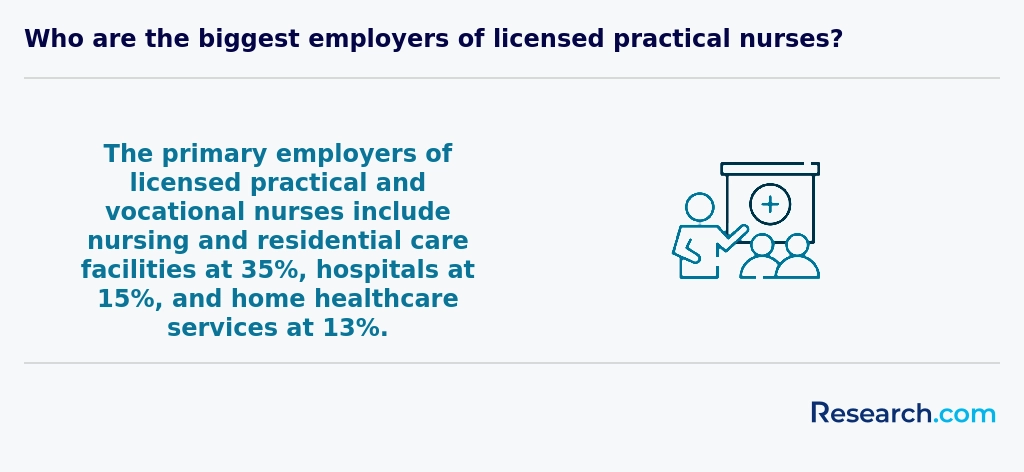
Understanding graduation and licensure exam success is essential when evaluating affordable nursing programs in Winona, MN. These metrics reflect both the rigor of the curriculum and the quality of student support services. Many local programs boast impressive NCLEX‐RN first‐time pass rates: Winona State University reports a 92% pass rate over the past three years, while Minnesota State College Southeast maintains an 89% average. Graduation rates similarly underscore program effectiveness, with community college ADN tracks graduating over 85% of enrolled cohorts on time. High retention and pass rates not only enhance your prospects for immediate employment but also indicate strong faculty engagement and comprehensive exam preparation. For students looking to transition smoothly from an ADN to a BSN and further elevate these outcomes, considering easy online rn to bsn programs can be a strategic step. These bridge programs often integrate NCLEX review modules, flexible scheduling, and dedicated academic advising-features proven to boost both graduation and licensure success. When comparing nursing degrees, always request the latest cohort data on graduation percentages and NCLEX pass rates. Programs that transparently share these figures demonstrate a commitment to student achievement and workforce readiness, helping you make an informed decision that aligns with your career goals.
If you're diving into a nursing degree in Winona, expect to get your hands dirty with some core courses that really prepare you for real-world nursing. At popular spots like Winona State University, grads talk about starting with human anatomy and physiology to really understand how the body works-this foundation makes clinical care way clearer later on.
You'll also hit microbiology, which is super useful for knowing what microbes are all about and how infections happen. Nurses in Winona rave about courses like fundamentals of nursing practice that teach hands-on skills, from taking vitals to patient care basics.
Other favorites include pharmacology, where students learn safe medication handling, and medical-surgical nursing, prepping you for adult patient care in busy hospital settings.
Plus, mental health, maternity, and pediatric nursing courses help you connect with different patient needs-many grads say these classes brought the most rewarding moments, like comforting a new mom or supporting mental well-being.
Nursing ethics and nutrition tie it all together, so you're ready to treat each patient with respect and whole-body care. Winona's programs mix solid theory with real clinical time, giving you confidence before stepping into the healthcare world.
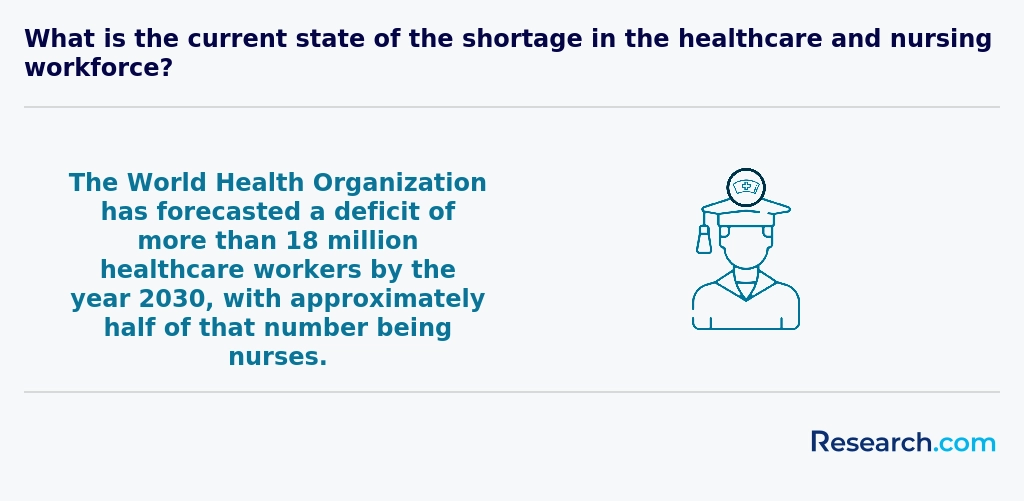
If you're thinking about nursing specializations in Winona, you've got a solid variety to choose from that really match different career goals and passions. For example, many students start with the Registered Nurse (RN) to Bachelor of Science in Nursing (BSN) completion, which is great if you want to step up into leadership or advanced roles. Others dive into Family Nurse Practitioner (FNP) programs, focusing on primary care for all ages-perfect if you love being a go-to health resource for families.
There's also Gerontological Nursing, which is huge around Winona because of the growing elderly community, and Pediatric Nursing if you're passionate about working with kids. Mental Health Nursing is increasingly popular too, responding to a real need in the state.
Students from popular nursing degree program options in Winona often share how their clinical hours with local hospitals like Winona Health let them practice what they learn firsthand. Plus, some schools include unique paths like nursing informatics or public health nursing, keeping up with national trends. If you're interested, you can also check out online msn programs Texas for flexible study options.
Choosing the best nursing degree in Winona really comes down to what fits your life and goals. Many graduates from Minnesota State College Southeast started with an ADN because it's affordable and gets you into nursing fast-around $8,000 a year for in-state students. They loved the hands-on clinical rotations in local hospitals, which made the learning real and exciting. But if you're aiming for leadership roles or specialized nursing, checking out the best nursing schools near Winona MN that offer BSN programs might be the way to go. Those grads often feel more prepared for a wider range of jobs, even if it takes a bit longer and costs more.
Don't forget to look up NCLEX pass rates and program accreditation to make sure you're getting quality education. Plus, if you need to juggle work or family, ask about flexible schedules. For those wondering about future earnings and job growth, many find it helpful to explore medical assistant job opportunities nearby. Finding an affordable nursing degree programs in Winona that fits your lifestyle can really boost your confidence for day one on the job!
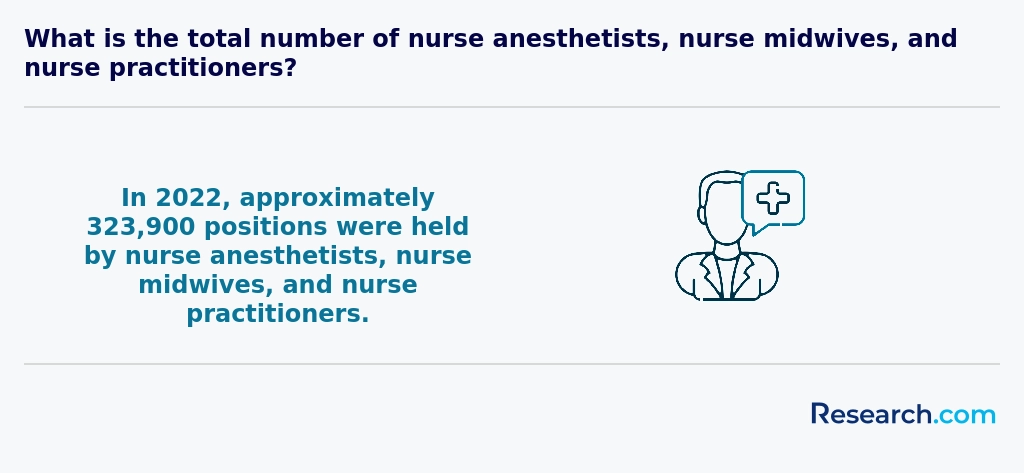
If you're diving into a nursing degree in Winona, you've got plenty of career paths waiting for you. Many grads step into roles as registered nurses (RNs), working closely with patients in places like Winona Health or local clinics. It's rewarding to be right there, helping folks every day. Others find their passion in specialties like emergency care or pediatrics, which can boost both skills and pay. Some alumni from popular colleges in Winona talk about moving into advanced roles like nurse anesthetists, which require more schooling but come with impressive salaries.
Besides hands-on nursing, there's a bunch of options behind the scenes too. Nurse managers and healthcare admins, often former grads, really enjoy shaping how care gets delivered. And if teaching's your thing, nursing education offers a fulfilling way to give back, training the next generation right here. When weighing these options, many consider local schools' affordability and strong clinical placements, since that's a big part of nursing career opportunities in Winona.
For those curious about broadening their horizons, check out this list of career paths with BSN degree-it really helps put things in perspective.

If you're eyeing nursing job opportunities in Winona, you're looking at a pretty solid market. Graduates from popular local colleges often find themselves slipping right into roles at Winona Health or nearby clinics without much hassle. Nurses here start with salaries around $60,000, which feels comfortable enough for those fresh out of school. Many grads mention how the local aging population makes the demand for healthcare rock steady, meaning there are plenty of chances to build a career without moving far from home.
Students studying nursing in Winona appreciate that in-state tuition prices make their education a smart investment, especially compared to pricier out-of-state programs. This affordability, paired with the strong Winona nursing degree employment outlook, means graduates aren't left stressing about landing jobs or repaying huge debts. Plus, those with a Bachelor of Science in Nursing often get their foot in the door quicker or snag specialized roles.
For anyone considering further options, checking out the best online sonography programs can be a great way to expand healthcare skills while staying connected to the Winona community.
2027 Most Affordable Nursing Degree Programs Ranking in Winona
Investing in your education is a significant decision that can shape your future, and the Research.com team understands the importance of making informed choices. To assist prospective students in Winona, we have meticulously crafted the "2027 Most Affordable Nursing Degree Programs Ranking in Winona." Our commitment to quality, credibility, and accuracy is reflected in the extensive research and analysis conducted to compile this ranking.
We utilized the following reputable data sources to ensure a comprehensive evaluation of nursing programs:
By exploring this ranking, readers will gain valuable insights into the most affordable nursing degree programs available in Winona, helping them make informed and confident decisions about their educational and financial future. For more information on how this ranking was created, please visit our Research.com methodology page.


Frequently Asked Questions About nursing
Nursing degree students in Winona can maximize their learning experience by combining classroom knowledge with hands-on clinical practice. Local healthcare facilities, such as Winona Health, offer valuable clinical internship opportunities that enhance practical skills. According to the Minnesota Board of Nursing, clinical experience is crucial for licensure and job readiness.
Students should also take advantage of faculty mentorship programs that provide personalized guidance, improving both academic performance and professional growth. Participating in simulation labs, available at local colleges, further develops critical thinking and decision-making skills in a controlled, risk-free environment.
Engagement in nursing student organizations and attending workshops or seminars hosted by the Minnesota Nurses Association can expand professional networks and expose students to current healthcare trends.
The nursing field in Winona has seen growth in several emerging niches reflecting broader national healthcare trends. One key area is geriatric nursing, driven by Minnesota's aging population, with a projected 20% increase in demand for specialized elder care nurses by 2030, according to the Minnesota Department of Health. Additionally, psychiatric-mental health nursing is expanding to address rising mental health concerns in the region.
Another notable niche is nurse informatics, which merges nursing with data analysis and technology to improve patient outcomes.
Finally, community health nursing is gaining emphasis as public health initiatives grow locally.
After completing a nursing degree in Winona, preparing for the job market involves several key steps. First, obtaining licensure is essential; graduates must pass the NCLEX-RN exam to become registered nurses in Minnesota. According to the Minnesota Board of Nursing, Winona graduates have an average first-time pass rate above the state's average of 87%.
Networking with local healthcare providers, such as Gundersen Health System in nearby La Crosse and Winona Health, can open job opportunities.
Additionally, gaining clinical experience through internships or volunteer work improves employability. Continuous skill development through certifications like BLS and ACLS is also valued in the competitive Winona nursing job market.
Nursing employers in Winona seek graduates with strong clinical skills and the ability to provide quality patient care. Critical thinking is essential to handle complex medical situations efficiently. Communication skills, both with patients and healthcare teams, are also highly valued.
According to the Minnesota Department of Employment and Economic Development, nurses who demonstrate adaptability and technological proficiency in electronic health records tend to have better job prospects in the region. Employers also look for graduates with solid knowledge of safety protocols and infection control practices, especially after recent healthcare challenges.
Leadership and teamwork capabilities remain important as many nursing roles require collaboration within multidisciplinary teams. Overall, a combination of technical expertise and interpersonal skills strongly influences hiring decisions in Winona's healthcare sector.
Finding nursing internships in Winona involves connecting with local healthcare facilities and educational institutions that support clinical experience. Winona State University, a key institution in the area, often collaborates with regional hospitals such as Winona Health and Gundersen Health System to offer nursing students practical internships.
Additionally, students should leverage resources like the Minnesota Center for Nursing to explore statewide clinical placement opportunities. Networking through nursing faculty and attending local healthcare job fairs can also facilitate internship placements. The Minnesota Department of Health reports a steady demand for nursing professionals, making internships more accessible to motivated students. Early application and maintaining good academic standing significantly improve chances of securing quality nursing internships in Winona.
Obtaining a nursing degree in Winona significantly enhances career mobility and advancement opportunities within the local healthcare sector. According to the Minnesota Department of Employment and Economic Development (DEED), registered nurses in Winona County experience steady job growth, with projections of 6% growth through 2030. A nursing degree qualifies graduates for licensure as Registered Nurses (RNs), unlocking a variety of positions in hospitals, clinics, and long-term care facilities.
Higher degrees, such as a Bachelor of Science in Nursing (BSN), are increasingly preferred by employers in Winona, facilitating access to leadership roles and specialized nursing fields. Additionally, degree holders often report higher salaries and faster promotion prospects compared to those with associate degrees. This educational foundation supports ongoing professional development, including eligibility for advanced certifications and graduate nursing education.
Studying for a nursing degree in Winona equips students with essential skills for interdisciplinary roles in healthcare. Programs emphasize teamwork, communication, and collaboration with professionals from various fields such as social work, pharmacy, and physical therapy. Clinical placements in Winona's diverse medical settings provide hands-on experience working alongside multiple healthcare disciplines.
The Minnesota Center for Nursing estimates that 70% of nurses in Winona participate in interdisciplinary care teams, highlighting the importance of these competencies locally. Additionally, nursing curricula in the region integrate case studies and simulations focusing on coordinated patient care, preparing graduates to contribute effectively.
Such interdisciplinary training reflects national trends encouraged by the American Association of Colleges of Nursing, promoting holistic, team-based care approaches crucial to modern healthcare environments.
Choosing between a thesis and a non-thesis nursing degree program in Winona depends on your career goals and learning preferences. A thesis program focuses on research, requiring you to conduct original studies and write a detailed paper, ideal for students aiming for advanced clinical roles or doctoral studies. Non-thesis options emphasize coursework and practical training, suited for those seeking to enter or advance in nursing practice quickly.
The University of Minnesota Rochester and Winona State University offer both paths, with graduates benefiting from strong local healthcare partnerships. According to the Minnesota Board of Nursing, hands-on experience remains highly valued in Winona's healthcare sector.
Students based in Winona interested in studying nursing abroad can explore several options within the US higher education system. Many nursing programs partner with international institutions for exchange or study abroad opportunities, allowing students to gain global healthcare perspectives while earning credit toward their degree.
Winona State University, the main local institution, offers study abroad programs that include nursing-related experiences, though these are usually short-term placements. To pursue a full nursing degree abroad, students often consider accredited programs in countries like Canada or the UK, ensuring their credentials align with US nursing licensure requirements, such as the NCLEX exam.
Exploring partnerships and credit transfer policies early is essential since the Commission on Collegiate Nursing Education (CCNE) accreditation remains critical. According to the National Council of State Boards of Nursing, international nursing education must meet strict criteria for US practice eligibility.
Part-time job opportunities in Winona that complement nursing degree education often include roles such as certified nursing assistant (CNA), medical assistant, and home health aide. These positions provide practical patient care experience, which is critical for nursing students. According to the Minnesota Department of Employment and Economic Development, healthcare support jobs in the Winona area grow steadily, reflecting strong local demand.
Working in clinics, long-term care facilities, or hospitals allows students to apply classroom knowledge in real-world settings. Many employers in Winona offer flexible schedules suited to students. Additionally, roles in pharmacies or community health outreach programs help develop communication and organizational skills essential for nursing professionals.
Nursing students in Winona have access to a variety of valuable networking opportunities that enhance their education and future career prospects. Local institutions, such as Winona State University and Minnesota State College Southeast, often host events and seminars where students can connect with practicing nurses and healthcare professionals.
The Winona Area Healthcare Coalition is another key resource, facilitating partnerships between nursing programs and local hospitals, clinics, and long-term care facilities. This network supports clinical placements and professional mentorships.
Students may also join regional chapters of national organizations like the Minnesota Nurses Association, which offers workshops, conferences, and volunteer opportunities. These connections are vital for gaining insights into the nursing profession and establishing contacts in the Winona healthcare community.
Alumni networks are valuable resources for nursing degree students in Winona, offering both professional and social support. These networks facilitate connections with experienced graduates who often provide mentorship, career advice, and job leads within the local healthcare community.
Winona's healthcare sector benefits from strong ties between universities and regional employers, such as Mayo Clinic Health System, enhancing employment opportunities for nursing graduates. According to the Minnesota Board of Nursing, approximately 80% of new nurses in the region find jobs through recommendations and referrals.
Participation in alumni events and workshops also helps students stay updated on industry trends and licensing requirements in Minnesota, fostering ongoing professional development.
Customizing a nursing degree program in Winona allows students to align their education with specific career goals. Many institutions in the area offer flexible options such as elective courses, clinical specializations, and accelerated tracks. For example, selecting electives in geriatrics or pediatrics can prepare students for work in specialized fields. Some programs also provide practical experiences through local healthcare facilities, enabling personalized skill development.
The Minnesota Board of Nursing supports varied pathways for licensure, including BSN to MSN transitions, which can be tailored to leadership or advanced practice roles. Students are encouraged to work closely with academic advisors to choose courses that match evolving healthcare demands in Winona and nationwide.
Nursing students in Winona often face several common challenges throughout their education. One significant difficulty is balancing clinical hours with coursework. Local hospitals partner with colleges to provide hands-on training, but scheduling can be rigorous and time-consuming. Additionally, students frequently encounter financial stress due to tuition and living expenses, despite some availability of scholarships and federal aid.
Academic demands also present a challenge; nursing programs require mastery of complex subjects like anatomy, pharmacology, and patient care. According to the Minnesota Board of Nursing, retention rates in the region's programs average around 75%, indicating the intensity of these studies.
With a nursing degree in Winona, graduates can pursue several professional certifications to advance their careers and improve patient care. Common certifications include the Certified Nurse Assistant (CNA), Licensed Practical Nurse (LPN), and the Registered Nurse (RN) credentials. Many Winona-based nurses also pursue specialty certifications, such as Critical Care Registered Nurse (CCRN) or Emergency Nursing Certification (CEN), recognized nationally.
These certifications often require passing exams administered by organizations like the American Nurses Credentialing Center. According to the Minnesota Board of Nursing, certifications can improve job prospects, with certified nurses earning 10-20% higher salaries. Additionally, advanced degrees may lead to certifications as Nurse Practitioners or Clinical Nurse Specialists.
To write a winning application for a nursing program in Winona, start by clearly demonstrating your commitment to the nursing profession. Nursing programs in Minnesota, including those in Winona, often require a strong academic record in science and math courses along with satisfactory standardized test scores.
Highlight relevant experience, such as volunteer work or healthcare-related jobs, to show practical knowledge and dedication. Many local programs value applicants who understand community health needs in Winona and Southeastern Minnesota.
Prepare a compelling personal statement that explains your motivation for nursing and how you plan to contribute to the local healthcare environment. Be sure to follow each school's application instructions precisely, including deadlines and required documents.
According to the Minnesota Board of Nursing, average acceptance rates vary, so submitting a complete, thoughtful, and well-organized application improves your chances significantly.
The nursing profession is recognized worldwide as vital to healthcare, with a strong demand for qualified nurses in nearly every country. In the United States, and specifically in Winona, Minnesota, nursing careers offer stability and growth amid evolving healthcare needs. The U.S. Bureau of Labor Statistics projects a 9% increase in registered nurse employment nationally from 2020 to 2030, reflecting steady demand.
Globally, nursing education standards vary, but U.S. nursing degrees remain highly respected. Programs in Winona adhere to rigorous accreditation by bodies like the Commission on Collegiate Nursing Education (CCNE), ensuring graduates meet high competency standards. This strong educational foundation supports international mobility for nurses and global healthcare collaboration.
In addition, nurses trained in Winona benefit from state initiatives addressing rural and community health, reflecting a global trend toward community-focused care. According to the Minnesota Department of Health, rural nursing roles are expanding, offering graduates diverse career paths.
Gaining practical experience while studying for a nursing degree in Winona is essential for building hands-on skills. Most nursing programs in the area include clinical rotations at local hospitals, such as Winona Health, where students work under supervision to apply classroom knowledge.
Students can also seek externships and internships offered through colleges or health care facilities. These opportunities provide direct patient care experience in real-world settings.
Additionally, some programs in Winona partner with community clinics and long-term care centers to offer diverse clinical placements. The Minnesota Board of Nursing requires a minimum number of clinical hours, ensuring students gain adequate practice before graduation.
Choosing the right concentration within a nursing degree program in Winona requires careful consideration of your career goals and local healthcare demands. Common concentrations include pediatric, geriatric, and critical care nursing. In Winona, where the population is aging, geriatric nursing may offer growing job opportunities. According to the U.S. Bureau of Labor Statistics, Minnesota's healthcare sector is projected to grow faster than average, especially in specialized nursing roles.
Evaluate the curriculum and clinical experiences offered by Winona colleges to ensure they align with your interests. Consult local healthcare employers to understand which specialties are most in demand. Also, consider your personal strengths and preferred patient populations when selecting a focus. This research-backed approach helps you make an informed decision.
- 2027 Most Affordable Nursing Degree Programs Ranking in Saint Paul
- 2027 Most Affordable Nursing Degree Programs Ranking in Minneapolis
- 2027 Most Affordable Nursing Degree Programs Ranking in Madison
- 2027 Most Affordable Nursing Degree Programs Ranking in Milwaukee
- 2027 Most Affordable Nursing Degree Programs Ranking in Peoria
- 2027 Most Affordable Nursing Degree Programs Ranking in Sioux City
- 2027 Most Affordable Nursing Degree Programs Ranking in Chicago
- 2027 Most Affordable Nursing Degree Programs Ranking in Omaha
- 2027 Most Affordable Nursing Degree Programs Ranking in Lincoln
- 2027 Most Affordable Nursing Degree Programs Ranking in Kansas City
See What Experts Have To Say About Studying Nursing
Read our interview with Nursing experts


- Why Winona Health? - Winona Health https://www.winonahealth.org/careers/why-winona-health/
- Nurse Salary https://nursinglicensemap.com/resources/nurse-salary/
- Colleges for Studying Abroad as a Nursing/IR Major - College Search & Lists - College Confidential Forums https://talk.collegeconfidential.com/t/colleges-for-studying-abroad-as-a-nursing-ir-major/3599385
- What Are Emerging Trends in Nursing? | NursingEducation https://nursingeducation.org/insights/emerging-trends/
- | NRR | Dove Medical Press https://www.dovepress.com/internship-challenges-encountered-by-nursing-students-a-qualitative-st-peer-reviewed-fulltext-article-NRR
- Client Challenge https://www.springerpflege.de/nursing-graduates-perceived-future-career-pathway-and-career-shi/50653658
- How Much Can I Earn With a BSN? https://www.allnursingschools.com/bsn/salary/
- What Are the Best RN Certifications for Your Career? https://credenzahealth.com/career-advice/what-are-the-best-rn-certifications-for-your-career
- Winona Masonic Lodge #18 Nursing Scholarship https://winona.academicworks.com/opportunities/15870
- Work-life balance | Careers Crossroads | RCN Careers Resources | Royal College of Nursing https://www.rcn.org.uk/Professional-Development/Your-career/Nurse/Career-Crossroads/Career-Ideas-and-Inspiration/work-life-balance


