
2027 Best Online Bachelor's in Nursing Degree Programs Ranking in Connecticut

Co-Founder and Chief Data Scientist
Choosing the right nursing degree program is an important step for students in Connecticut aiming to build a rewarding healthcare career. This article presents the 2027 Best Online Bachelor's in Nursing Degree Programs Ranking in Connecticut, thoughtfully developed by the Research.com team of data scientists. It provides valuable insights to help you find programs that truly stand out in quality and support.
Reading this guide can make your decision easier and more confident. Pursuing a nursing degree opens doors to meaningful work and personal growth, making it a great choice for those passionate about care and healing.
Key benefits of getting online nursing degree in Connecticut
- Nursing graduates in Connecticut can earn competitive salaries, with Registered Nurses and Public Health Nurses earning around $94,480 annually, while Operating Room Nurses can make approximately $128,490 per year.
- Career paths for nursing degree holders are diverse, including roles as Clinical Nurse Educators or Emergency Room Nurses, offering growth and fulfilling opportunities in healthcare.
- Online nursing degrees provide flexibility and convenience, allowing students to balance work and study effectively, as seen in graduates from recognized Connecticut programs embracing modern learning methods.
- 2027 Best Online Bachelor's in Nursing Degree Programs Ranking in Connecticut
- What can I expect from online nursing degree in Connecticut?
- Where can I work with online nursing degree in Connecticut?
What can I expect from online nursing degree in Connecticut?
The average cost of an online nursing degree in Connecticut typically ranges between $20,000 and $45,000, depending on the institution and program length. Graduates from well-known schools such as the University of Connecticut or Central Connecticut State University often share how manageable the expense felt when balanced with financial aid and scholarships tailored for nursing students in the state.
One graduate recalls juggling asynchronous coursework from home while working part-time, appreciating how the tuition investment matched the flexible structure and quality education offered. Such students emphasize that the value lies not just in price but in the program's ability to blend rigorous academics with local clinical experiences, a necessity in Connecticut's nursing landscape.
Considering the higher-than-average salaries for RNs in Connecticut, investing in an accredited online nursing degree feels less like a cost and more like a gateway to career fulfillment and financial stability. This perspective challenges the usual hesitation around tuition fees and highlights the rewarding outcomes uniquely accessible through these programs.
Where can I work with online nursing degree in Connecticut?
Graduates with an online nursing degree in Connecticut find themselves stepping into a dynamic job market fueled by a growing demand for skilled nurses. Many who studied through programs at well-known institutions like the University of Connecticut or Fairfield University share how they smoothly transitioned into roles at Yale New Haven Hospital or Hartford Hospital, where their BSN prepared them for complex patient care and leadership responsibilities.
Beyond hospitals, these nurses often discover rewarding positions in outpatient centers and long-term care facilities, environments rich with opportunities to impact aging populations compassionately. Picture a graduate managing patient rehabilitation plans in a Connecticut nursing home, finding deep satisfaction in fostering recovery and comfort.
Others embrace public health roles within state or local health departments, using their communication skills to educate communities and drive disease prevention programs. The chance to work in home healthcare also appeals, offering flexibility and personal connection by supporting patients aging in place across Connecticut's neighborhoods.
Such career paths underscore that online nursing degrees open doors not just to jobs, but to meaningful, evolving roles where graduates feel both valued and inspired daily.
Graduates from online nursing programs in Connecticut often find their efforts rewarded with competitive salaries that reflect the state's high standards and demand for skilled nurses. For example, registered nurses commonly earn a mean annual wage of $94,480, according to recent BLS data, which surpasses many neighboring states. This income level helps many graduates from well-regarded institutions like the University of Connecticut or Quinnipiac University feel confident in their investment.
Clinical Nurse Educators and Public Health Nurses in Connecticut share similar earning potential, with mean annual wages also around $94,480. These roles often allow alumni to leverage their online BSN degrees toward impactful careers in education or community health, bringing both satisfaction and financial security.
More specialized nursing roles, such as Emergency Room Nurses, also command the same median salary, but Operating Room Nurses stand out with significantly higher earnings, averaging $128,490 annually. Graduates who have pursued additional certifications or practical experience in surgical settings frequently express excitement about how these opportunities exceeded their initial salary expectations.
These figures make it clear that an online nursing degree from Connecticut's notable programs can translate into tangible financial progress and career satisfaction in diverse, real-world healthcare environments.
- Online BSN programs in Connecticut are accredited and allow remote coursework with local clinical practice.
- Tuition costs range from $8,000 to $15,000 per year at public in-state schools and $20,000 to $30,000 at private institutions.
- Connecticut employed about 36,000 registered nurses in 2023, with job growth expected to rise 12% through 2030.
- Starting salaries for nursing graduates average between $65,000 and $75,000 annually, increasing to $85,000 to $95,000 with experience.
- Hospital nurses generally earn more than those working in outpatient or long-term care settings.
- Many employers provide benefits like health insurance, retirement plans, and continuing education opportunities.
Completing an online nursing degree in Connecticut often surprises students with its flexibility and speed, especially compared to traditional expectations. Graduates from well-known institutions like the University of Connecticut or Southern Connecticut State University report completing their Bachelor of Science in Nursing (BSN) online in as little as 16 to 18 months through accelerated programs. This contrasts sharply with the typical four-year timeline many initially anticipate.
For those who already hold a nursing associate degree or a non-nursing bachelor's, RN-to-BSN programs offer pathways that can take just 12 to 24 months, depending on part-time or full-time enrollment. Many graduates appreciate balancing their local clinical placements with online coursework, which fits effortlessly into life's busy demands.
Clinical hour requirements, set by Connecticut's Board of Examiners for Nursing, ensure hands-on experience while online components provide much-needed scheduling freedom. This blend empowers students to maintain employment, family, and self-care without sacrificing educational quality or pace.
One of the most reliable indicators of an online BSN program’s quality is its NCLEX-RN pass rate and subsequent job placement rate. In Connecticut, top-ranked online bachelor’s in nursing programs consistently report first-time NCLEX-RN pass rates between 92% and 98%, significantly above the national average of 88%. For example, graduates from the University of Connecticut’s online BSN program achieved a 96% pass rate in 2024, while Southern Connecticut State University reported 94%. These outcomes reflect rigorous curricula, robust simulation labs, and comprehensive review sessions designed to mirror real-world clinical scenarios. Beyond licensure success, job placement rates within six months of graduation often exceed 90% for high-performing programs, with many alumni securing positions in acute care hospitals, community health centers, and specialty clinics. Partnerships with local healthcare providers ensure that clinical placements evolve into employment opportunities, allowing students to seamlessly transition from classroom to career. Prospective students should inquire about each school’s historical pass and placement data, as this transparency demonstrates a program’s commitment to graduate success. For those considering alternative entry points into the nursing profession, many online BSN programs recognize prior LPN experience. Exploring foundational pathways can be a strategic first step; for instance, you may wish to review the easiest lpn program to get into before advancing to a bachelor’s track. By assessing both NCLEX-RN performance and bridge pathways, applicants can choose a program that aligns with their career timeline and maximizes their licensure prospects.
The core difference between online and on-campus nursing degree programs in Connecticut lies in how students experience their education. Graduates from the University of Connecticut's online program often describe the freedom to balance family, work, and study as a game changer. They access lectures and complete assignments on their own schedule, a flexibility that traditional campuses rarely offer.
Meanwhile, those who attend on-campus programs like at Yale School of Nursing highlight the vibrant energy of in-person classes and immediate interaction with professors and peers. They value the hands-on simulation labs and spontaneous study groups that create a tightly knit learning community.
Yet both paths meet the same rigorous state licensing requirements. Online students coordinate local clinical placements in Connecticut health facilities, ensuring practical experience matches that of on-campus peers. This blend of remote learning with real-life clinical exposure challenges the assumption that online degrees lack depth or connection.
Ultimately, choosing between these routes means considering not just how you learn but how you live daily. Many find that flexibility in scheduling transforms their ability to succeed without sacrificing quality or community.
Ensuring your online BSN is recognized and meets Connecticut’s standards is key to becoming a licensed nurse.
- Regional accreditation: Look for schools accredited by bodies like NECHE or MSCHE.
- Nursing accreditation: Verify CCNE or ACEN approval, which ensures clinical and curriculum standards.
- State board approval: Programs must be recognized by the Connecticut Department of Public Health for licensure eligibility.
- NCLEX-RN preparation and pass rates: Aim for programs reporting first-time pass rates of 85% or higher.
If you’re already an RN, consider an rn to bsn online no clinicals pathway to advance your credentials without additional clinical requirements.
Determining the average cost of an online nursing degree in Connecticut reveals a nuanced landscape shaped by several factors. Many graduates recall the challenge of balancing expenses, where tuition alone at public universities can range from about $10,000 to $20,000 annually. For instance, students in the University of Connecticut's online RN to BSN program have shared how the tuition, approximately $375 per credit, accumulates to roughly $11,000 to $15,000 depending on credits needed.
This average cost of online nursing degree Connecticut is influenced not only by tuition but also by additional fees such as textbooks, technology, and clinical placement expenses. Private institutions often push these costs higher, with some students investing over $25,000 to complete their degrees. Yet, these commitments frequently come with rewarding professional growth and fulfillment, as many reflect on how financial investment was a stepping stone toward advancing their healthcare careers.
Another aspect to consider is the process to become a nurse, which extends beyond tuition and includes travel for on-site clinical experiences and potential financial aid opportunities. These nuances underscore that while tuition figures anchor budgeting plans, real-life costs and supports both shape the overall experience for Connecticut's nursing students.
Ultimately, engaging deeply with program specifics and financial options empowers students in Connecticut to prepare effectively for an educational journey valued between approximately $12,000 and $25,000-highlighting not just the price but the meaningful investment in their future.
When choosing an online nursing program in Connecticut, accreditation and state licensing approval are non-negotiable factors that determine whether you can sit for the NCLEX and practice as a registered nurse. Accredited programs meet rigorous educational standards set by recognized bodies such as the Commission on Collegiate Nursing Education (CCNE) or the Accreditation Commission for Education in Nursing (ACEN), and are approved by the Connecticut Board of Examiners for Nursing. Without these endorsements, credits may not transfer, federal financial aid could be unavailable, and your eligibility for licensure may be jeopardized. Key considerations for accreditation and licensing: • Regional versus national accreditation: Ensure your institution carries regional accreditation, which is often preferred by graduate programs and employers. • Specialized nursing accreditation: Confirm that the nursing curriculum itself is CCNE- or ACEN-accredited, not just the parent university. • State authorization reciprocity: Online programs must be authorized to enroll students in Connecticut; check the institution’s listing on the National Council for State Authorization Reciprocity Agreements (NC-SARA) portal. • Ongoing compliance: Accredited programs undergo periodic reviews-look for evidence of recent reaccreditation and transparent reporting of NCLEX pass rates and job placement statistics. Additionally, for those considering an advanced nursing degree down the line, compare cost-effective terminal programs in Research.com’s Most Affordable Online Doctorate in Nursing Degree Programs Ranking in Pittsburgh, PA to understand long-term return on investment. By prioritizing accredited, state-approved pathways, you’ll safeguard your professional standing and ensure a seamless transition from graduation to clinical practice.
Federal aid often becomes the financial lifeline for many pursuing online nursing degrees in Connecticut. Graduates from renowned institutions like the University of Connecticut School of Nursing frequently recount how submitting the FAFSA unlocked access to Pell Grants, covering up to $7,395 without repayment stress. This grant alone lifted a significant financial weight during their studies.
Beyond federal support, the Nurse Corps Scholarship Program offers a unique opportunity-full tuition plus a stipend-in exchange for committing to work in Connecticut's underserved regions. Graduates embracing this path find themselves making tangible impacts while alleviating debt, blending service with reward.
State-specific programs, such as the Connecticut Nursing Education Initiative, resonate deeply with nursing students connected to places like Yale School of Nursing. These initiatives not only ease debt but foster long-term ties within state healthcare, creating a sense of belonging and purpose.
Employers in Connecticut's healthcare systems actively invest in their workforce's education, meaning many working students celebrate the relief of tuition reimbursement as a real, lived advantage.
Scholarships from national bodies like the AACN or local university funds further fuel dreams, turning aspirations into achievable realities for countless online learners.
Most online BSN programs in Connecticut blend foundational science with nursing theory and hands-on practice. Core courses you can expect include:
- Anatomy & Physiology I & II: Detailed study of human body systems and functions
- Microbiology & Pathophysiology: Exploration of disease processes and infectious agents
- Pharmacology for Nursing Practice: Principles of medication administration and drug interactions
- Nursing Research & Evidence-Based Practice: Methods for evaluating clinical studies and improving patient care
- Community & Public Health Nursing: Strategies for population health, prevention, and education
- Leadership, Management & Healthcare Ethics: Development of supervisory skills and professional standards
- Clinical Practicum & Capstone: Supervised clinical rotations culminating in a real-world project
To explore programs that align with your academic profile, see our list of easiest nursing schools to get into.
To enroll in an online nursing degree program in Connecticut, candidates face more than just academic checkboxes; they enter a rigorous gateway that tests both preparation and commitment. Graduates from esteemed institutions like the University of Connecticut recall that a high school diploma or GED was merely the start-true readiness meant proving strength in prerequisite courses such as biology, chemistry, and anatomy. It's no casual endeavor; these classes lay the groundwork for life-saving knowledge.
Academic performance matters deeply. Many programs expect a GPA between 2.5 and 3.0, signaling not only intellectual capability but perseverance through challenging material. Students often share how meeting this standard transformed their self-confidence heading into demanding coursework.
Consider also the layers beyond books: health screenings, background checks, and up-to-date immunizations-each safeguarding patient and student alike during clinical experiences. Even online learners must balance virtual classes with occasional in-person clinical visits across Connecticut, blending convenience with real-world responsibility.
For licensed RNs upgrading their skills through Connecticut's online options, official licensure is a passport to advancing education-proof that commitment to nursing runs deep. These prerequisites build a foundation not only for academic success but a future rooted in trust and care.

Earning your online nursing degree is only the first step-obtaining licensure through the Connecticut Board of Examiners for Nursing (CBEN) is essential to practice. Prospective RNs must submit an application via the Connecticut eLicense portal, complete a criminal background check, and register for the NCLEX-RN exam through Pearson VUE. It’s important to note the current average NCLEX pass rate for Connecticut graduates hovers around 85%, slightly above the national mean, reflecting the state’s high academic standards. Key steps to licensure: • Application Submission: Create an account on eLicense, pay the fee, and upload transcripts from your accredited online program. • Background Check: Follow CBEN guidelines for fingerprinting through IdentoGO, ensuring all criminal history is disclosed. • NCLEX-RN Registration: After approval, schedule your exam with Pearson VUE and prepare using state-recommended resources. To boost your NCLEX performance, consider: • Virtual Simulation Labs: Many Connecticut programs offer immersive simulations replicating hospital scenarios, reinforcing clinical judgment and time management under pressure. • Comprehensive Review Courses: Providers like Kaplan and UWorld deliver tailored question banks, practice exams, and video tutorials. Graduates often credit structured review schedules for higher pass rates. • Study Groups and Mentorship: Joining online forums or peer cohorts can clarify challenging concepts and provide moral support during intensive study periods. After licensure, some nurses pursue advanced practice roles. For insights on where psychiatric nurse practitioners can maximize earnings, see what state pays pmhnp the most. Understanding both initial licensure and future specialization pathways ensures a strategic, successful transition from student to practicing nurse in Connecticut.
Online nursing degree programs in Connecticut go beyond basics; they immerse students in a rigorous curriculum essential for real-world healthcare. Graduates from renowned institutions like the University of Connecticut often recall how courses like Human Anatomy and Physiology and Pharmacology provided a solid scientific foundation, making complex concepts clear through detailed virtual labs and interactive discussions.
But these programs don't stop at science. Specialized courses such as Adult and Pediatric Nursing and Mental Health Nursing challenge students to apply knowledge to diverse patient scenarios, creating confident future nurses ready for Connecticut's varied healthcare settings. One graduate reflects on how learning Community and Public Health Nursing shaped their understanding of local health issues, blending theory with a passion for community care.
Courses in Nursing Ethics and Leadership cultivate critical decision-making skills that graduates find invaluable when facing daily challenges on clinical rotations. This blend of foundational science and specialized practice, coupled with clinical practicums in local hospitals, ensures Connecticut's online nursing students emerge not just educated but deeply prepared and motivated.
Online nursing specializations in Connecticut often reflect the state's unique healthcare needs, challenging students to think beyond general practice. Graduates from popular institutions report that choosing between Family Nurse Practitioner (FNP) and Psychiatric-Mental Health Nurse Practitioner (PMHNP) specializations often feels like deciding between two vital paths in serving diverse populations-from rural families to mental health patients in urban centers.
Many students pursuing Connecticut nursing degree specialization options find themselves drawn not only to clinical roles but also to leadership tracks that prepare them for management roles in busy hospitals. These choices mirror real-world demands, where an aging population highlights the importance of Adult-Gerontology Primary Care. One graduate shared how focusing on public health nursing transformed their approach to community care, making a tangible impact on prevention and education programs.
Affordability remains a major consideration, and some programs offer financial aid options that ease costs. Students weighing their options may often find useful insights by reviewing cost accounting for production evaluation methods used in program budgeting, helping them make smarter financial decisions.
Choosing the best online nursing degree in Connecticut is not just about finding the lowest price or the quickest path to a license. Graduates from well-known state schools often reflect that accreditation by respected bodies like CCNE or ACEN was key to their success-not just for licensure but for feeling confident entering clinical settings. Such programs ensure you meet Connecticut's strict standards, especially when balancing online theory with necessary hands-on clinical hours at local hospitals.
Affordability, of course, matters. Many students exploring affordable nursing degrees Connecticut online realized that beyond tuition, support services and NCLEX pass rates influenced their ultimate satisfaction. One graduate shared how flexible scheduling allowed them to maintain their job while completing clinical placements near Hartford. This practical flexibility made education manageable and deeply rewarding.
Don't overlook program reputation and state connections. Schools boasting above-average NCLEX pass rates foster not only academic growth but also community ties and employment within Connecticut's healthcare systems. For those interested in advancing careers beyond nursing, understanding the Counseling Compact agreement might also open unique interdisciplinary opportunities alongside nursing studies.
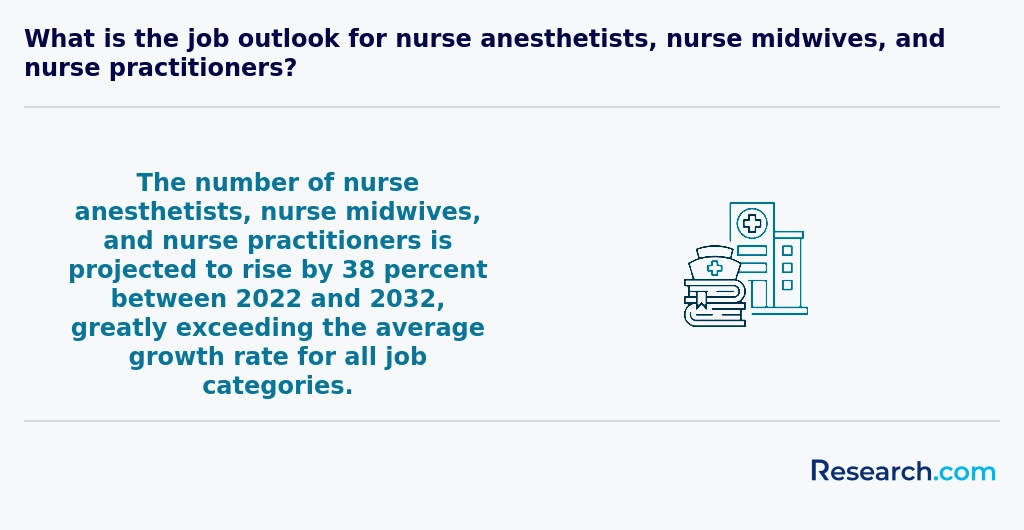
Graduates of online nursing degree programs in Connecticut quickly discover a multitude of career paths that challenge the notion nursing is limited to hospital bedside care. Many graduates from well-known Connecticut universities find themselves thriving in diverse settings such as outpatient clinics, long-term care facilities, and community health organizations, where their skills directly impact patient lives daily. The nursing job outlook Connecticut graduates face is particularly promising in specialties like pediatric and neonatal nursing or emergency room care, fields where demand is rising sharply due to the state's aging population and expanding healthcare system.
For those seeking advancement, exploring roles like nurse practitioner or nurse anesthetist can transform a nursing career. Success stories from online learners at popular institutions show how continuing education opens doors to roles demanding higher responsibility and critical thinking. Some graduates even leverage flexible online study options to shift careers midlife, reflecting the evolving healthcare landscape in Connecticut.
Many students also explore RN to BSN programs that enable further growth and certification. These pathways illustrate how an online nursing degree significantly broadens career options beyond traditional expectations, offering rewarding opportunities at every stage.
The job market for online nursing degrees in Connecticut remains notably strong, fueled by the state's growing healthcare needs and aging population. Graduates from programs at well-known institutions like the University of Connecticut and Quinnipiac University often share their relief and excitement when quickly securing roles within renowned systems such as Yale New Haven Health or Hartford HealthCare. These employers prioritize BSN-prepared nurses, linking higher education to improved patient care and leadership opportunities.
Employment opportunities for nursing graduates in Connecticut are diverse, spanning hospitals, rehabilitation centers, outpatient clinics, and home healthcare, allowing new nurses to find roles that suit their career goals and lifestyles. Many graduates describe this variety as empowering, offering flexibility rarely found in other professions.
Some often underestimate the accessibility of nursing education, but financial aid options make pursuing degrees feasible for many. Students juggling work and study discover that an online path offers a valuable balance. For those exploring practical alternatives, checking out the easiest lpn program to get into can open doors quickly.
2027 Best Online Bachelor's in Nursing Degree Programs Ranking in Connecticut
Investing in your education is a significant decision that can shape your future, and the Research.com team understands the importance of making informed choices. To assist prospective students in Connecticut, we have meticulously crafted the "2027 Best Online Bachelor's in Nursing Degree Programs Ranking in Connecticut." Our commitment to quality, credibility, and accuracy is reflected in the extensive research and analysis conducted to compile this ranking.
We utilized the following reputable data sources to ensure a comprehensive evaluation of nursing programs:
By exploring this ranking, readers will gain valuable insights into the best online nursing degree programs available in Connecticut, empowering them to make well-informed decisions about their educational and professional futures. For more details on our methodology, please visit our Research.com methodology page.

# 2 position
Charter Oak State College
RN/ADN to BSN


Frequently Asked Questions About nursing
Online nursing degree students in Connecticut can maximize their learning experience by actively engaging with course materials and participating in virtual discussions. Research shows that interactive learning improves retention, so taking advantage of video lectures and simulations is crucial. Students should also establish a consistent study schedule to balance coursework with clinical requirements, which often take place at approved local healthcare facilities. According to the Connecticut Board of Nursing, clinical experiences are mandatory for licensure, so selecting programs with strong local partnerships benefits students. Additionally, connecting with peers and faculty through online forums fosters networking and professional growth in Connecticut's healthcare community.
Emerging niches within the nursing field reflect evolving healthcare needs, creating new opportunities for nurses in Connecticut. One rapidly growing area is gerontological nursing, driven by Connecticut's aging population-20% of residents are age 65 or older, according to the U.S. Census Bureau. Nurses specializing in elderly care support chronic disease management and improve quality of life.
Another niche is telehealth nursing, which has expanded due to increased demand for remote patient monitoring and virtual care. This sector requires proficiency in digital communication and health technologies.
Additionally, psychiatric-mental health nursing is gaining importance amid rising awareness of mental health challenges across the state. Certified psychiatric nurses work in diverse settings, including schools and community centers.
After completing an online nursing degree in Connecticut, preparing for the job market involves several strategic steps. First, it is essential to pass the NCLEX-RN exam to become a licensed registered nurse in the state. According to the Connecticut Board of Examiners for Nursing, licensure is mandatory before applying for nursing positions.
Networking within local healthcare facilities and joining professional organizations, such as the Connecticut Nurses Association, can improve job prospects. Clinical experience gained during the program is valuable for resumes, and graduates should highlight this practical background when applying.
Finally, understanding Connecticut's growing healthcare needs-projected by the U.S. Bureau of Labor Statistics to increase RN employment by 9% through 2032-can guide graduates in choosing relevant specialties.
Employers in Connecticut highly value nursing graduates who demonstrate strong clinical skills and critical thinking. The ability to perform accurate assessments and provide evidence-based care is essential, given the state's diverse healthcare environments.
Communication skills are also vital, as nurses need to collaborate effectively with patients, families, and interdisciplinary teams. According to the Connecticut Nurses Association, teamwork and interpersonal abilities rank among the top qualities sought by healthcare employers.
Additionally, proficiency in electronic health records (EHR) is increasingly important. Most Connecticut hospitals use advanced digital systems, so familiarity with EHR supports efficient patient care and documentation.
Finally, adaptability and a commitment to lifelong learning stand out, as the nursing profession continues evolving with new technologies and practices.
To find nursing internships in Connecticut, start by exploring partnerships between online nursing programs and local healthcare facilities. Many Connecticut hospitals and clinics offer clinical placements that complement online coursework. According to the Connecticut Department of Public Health, healthcare employers in the state prioritize students with hands-on experience in clinical settings.
Students should check nursing program websites for internship listings and contact their school's career services for connections to local hospitals such as Yale New Haven Health and Hartford HealthCare.
Additionally, joining professional nursing organizations like the Connecticut Nurses Association can provide networking opportunities and resources for securing internships.
Online nursing degrees in Connecticut are increasingly recognized for enhancing career mobility and advancement opportunities. Graduates often find that earning a Bachelor of Science in Nursing (BSN) online meets the state's growing demand for qualified nurses, especially as Connecticut's healthcare industry expands.
According to the Connecticut Department of Public Health, nurses with a BSN are more competitive for leadership roles and specialized positions. Many employers now prefer or require a BSN for promotions, reflecting a nationwide push for higher nursing qualifications.
Completing a nursing degree online allows working professionals in Connecticut to gain credentials without interrupting their employment, which supports continuous career growth. This flexibility helps nurses advance into management, education, and advanced practice roles more efficiently.
Data from the U.S. Bureau of Labor Statistics projects a 12% growth in nursing jobs in Connecticut through 2030, making an online BSN a valuable investment for future career stability and advancement.
Studying for a nursing degree in Connecticut offers strong preparation for interdisciplinary roles by integrating diverse healthcare perspectives. Many online nursing programs in the state emphasize collaboration with professionals from medicine, social work, and public health. This approach reflects the state's focus on team-based care models, which improve patient outcomes.
Students develop communication and leadership skills vital for working effectively in healthcare teams. Connecticut's nursing curricula often include courses on healthcare policy and informatics, aligning with current interdisciplinary practices statewide. According to the Connecticut Center for Nursing Workforce, 72% of healthcare employers prioritize nurses skilled in cross-disciplinary collaboration, highlighting the growing demand for such competencies.
When choosing between a thesis and a non-thesis nursing degree program in Connecticut, consider your career goals carefully. Thesis programs emphasize research skills, often appealing to students interested in advanced studies or academic roles. Non-thesis programs focus more on practical nursing skills and clinical applications, suitable for those aiming for leadership or direct patient care.
Connecticut's nursing workforce, as reported by the Connecticut Department of Public Health, shows a growing demand for advanced practice nurses and nurse educators, which may favor thesis options. Meanwhile, many healthcare providers value non-thesis graduates for their readiness to enter clinical settings quickly.
Consider time and workload: thesis programs typically require additional research and writing, possibly extending the degree duration. Non-thesis tracks usually have more coursework and clinical hours but less independent research.
Students based in Connecticut who want to pursue nursing degrees abroad have several options, but these are often limited by licensing and accreditation requirements. Many international programs do not align directly with Connecticut's Board of Examiners for Nursing standards, making licensure transfer challenging. However, some U.S.-accredited institutions with global campuses offer hybrid or online nursing degrees accessible worldwide.
Connecticut ranks high in nursing education, with over 10,000 licensed nurses in the state as of 2023, according to the Connecticut Department of Public Health. For students exploring international study, it is crucial to verify that the foreign program's curriculum meets U.S. educational equivalency standards for seamless licensure.
Additionally, students may consider exchange programs or partnerships through Connecticut universities that have affiliations abroad, ensuring academic credits and clinical hours are recognized locally.
Part-time job opportunities in Connecticut that complement nursing degree education include roles such as certified nursing assistant (CNA), medical assistant, and home health aide. These positions provide practical experience in patient care and healthcare settings, enhancing skills relevant to nursing programs.
According to the Connecticut Department of Labor, healthcare support roles are among the fastest-growing occupations in the state, projected to increase by over 15% through 2030. Working part-time in such roles also helps nursing students build professional networks and improves their resumes for future employment.
Hospitals, clinics, and long-term care facilities across Connecticut frequently offer flexible hours to accommodate students pursuing online nursing degrees.
Online nursing students in Connecticut have access to numerous networking opportunities despite the remote nature of their studies. Many accredited online programs encourage participation in virtual study groups, discussion boards, and webinars that connect students with peers and faculty. Additionally, local nursing organizations, such as the Connecticut Nurses Association (CNA), offer memberships that provide access to conferences, workshops, and professional events.
Connecticut's healthcare industry is well-developed, with hospitals and clinics often collaborating with universities to offer clinical placements and networking forums. Students can leverage these connections to engage with practicing nurses and healthcare leaders.
According to the U.S. Bureau of Labor Statistics, Connecticut employs over 41,000 registered nurses, emphasizing a strong professional community to join after graduation.
Alumni networks play a crucial role for students pursuing online nursing degrees in Connecticut. These networks connect current students with graduates who have experience in the local healthcare system, enhancing career opportunities.
Often, alumni provide mentorship, job leads, and advice on licensing and certifications specific to Connecticut's nursing requirements. According to the Connecticut Nurses Association, professional connections can increase employment chances by up to 30% in the state's competitive nursing job market.
Moreover, alumni events and online forums offer students access to continuing education resources and updates on state healthcare policies, fostering professional growth even after graduation.
Customizing an online nursing degree program in Connecticut allows students to align their education with specific career goals. Many programs offer flexible course options, including specialties such as pediatric, geriatric, or psychiatric nursing, enabling students to focus on their areas of interest. Some schools provide pathways for Registered Nurses (RNs) seeking a Bachelor of Science in Nursing (BSN), accelerating career advancement.
Clinical practice requirements are often arranged locally, making hands-on experience convenient. According to the Connecticut Board of Nursing, partnerships with regional healthcare facilities support diverse clinical placements. Additionally, choosing programs accredited by the Commission on Collegiate Nursing Education ensures quality education that meets state licensure standards.
Online nursing students in Connecticut face several challenges unique to their state and program format. One significant obstacle is securing clinical placements. Connecticut requires nursing students to complete hands-on clinical hours, which can be difficult to arrange locally due to high demand at healthcare facilities.
Another challenge is balancing coursework with personal and professional responsibilities. Many students in online programs work full-time or care for families, making time management critical.
Connectivity and technology issues also affect students, especially those in rural areas with limited internet access.
Finally, students must navigate state-specific licensure requirements, ensuring their education meets Connecticut Board of Nursing standards.
With an online nursing degree in Connecticut, graduates can pursue a variety of professional certifications to advance their careers. Common options include the Certified Nursing Assistant (CNA), Registered Nurse (RN), and Licensed Practical Nurse (LPN) credentials, depending on the program and prior experience.
Beyond licensure, nurses may aim for specialty certifications such as the Certified Nurse Educator (CNE) or Medical-Surgical Nursing Certification (CMSRN), which demonstrate advanced skills and enhance job prospects.
According to the Connecticut Board of Nursing, maintaining licensure requires passing the NCLEX exam, which is accessible to graduates of accredited online programs approved for clinical training.
These certifications help nurses qualify for higher-paying roles and leadership positions in the state's healthcare facilities, which reported over 25,000 employed RNs in 2023 (Bureau of Labor Statistics).
To write a winning application for an online nursing program in Connecticut, start by thoroughly researching schools accredited by the Commission on Collegiate Nursing Education (CCNE) or the Accreditation Commission for Education in Nursing (ACEN). Emphasize your commitment to nursing through a clear, concise personal statement that highlights relevant experiences and motivation. Include any Healthcare-related certifications or volunteer work, as Connecticut values applicants with firsthand patient care exposure.
Provide strong letters of recommendation, ideally from healthcare professionals familiar with your skills. Ensure your academic transcripts demonstrate solid performance in science and math. Remember to meet all application deadlines and submit all required documents to increase your chances of acceptance. According to the Connecticut Board of Nursing, nursing enrollment is competitive due to high demand in the state's healthcare sector.
The nursing profession holds significant value worldwide, with a consistently high demand in many countries including the United States. Globally, nurses play a critical role in healthcare delivery, contributing to patient care, education, and public health. In Connecticut, for example, the employment of registered nurses is projected to grow by 12% from 2020 to 2030, according to the U.S. Bureau of Labor Statistics. This growth mirrors a global trend emphasizing the essential role of nursing in aging populations and complex healthcare systems. Nursing careers offer diverse opportunities for international work and collaboration, reflecting a broad and sustained need across healthcare environments.
Students pursuing an online nursing degree in Connecticut must complete clinical practice hours to meet state licensing requirements. Most accredited programs partner with local hospitals, clinics, and healthcare facilities to offer supervised, hands-on experience. This collaboration allows students to apply theoretical knowledge in real-life settings.
Connecticut requires nursing students to complete at least 500 clinical hours, as specified by the Connecticut Board of Examiners for Nursing. Many programs arrange these practicums within the student's community to reduce travel challenges.
Additionally, some universities provide simulation labs or virtual clinical experiences as supplements. These tools enhance learning when in-person hours are limited but cannot fully replace direct patient care.
Choosing the right concentration within an online nursing degree in Connecticut begins by assessing your career goals and interests. Nursing specialties can range from pediatrics and geriatrics to public health and acute care. According to the Connecticut Nurses Association, demand is growing particularly in geriatric and primary care nursing due to the state's aging population.
Reviewing program accreditation and curriculum is essential. Ensure the concentration aligns with state licensing requirements set by the Connecticut Board of Nursing. Some programs also offer clinical placement support locally, which can impact your hands-on training opportunities.
Consider future job markets and salary data. The U.S. Bureau of Labor Statistics notes Connecticut's registered nurses earn a median annual wage of about $82,000, with specialized roles often commanding higher pay. Exploring these factors helps select a concentration that fits your professional ambitions.
- 2027 Best Online Bachelor's in Nursing Degree Programs Ranking in New York
- 2027 Best Online Bachelor's in Nursing Degree Programs Ranking in Pennsylvania
- 2027 Best Online Bachelor's in Nursing Degree Programs Ranking in Virginia
- 2027 Best Online Bachelor's in Nursing Degree Programs Ranking in Ohio
- 2027 Best Online Bachelor's in Nursing Degree Programs Ranking in Kentucky
- 2027 Best Online Bachelor's in Nursing Degree Programs Ranking in North Carolina
- 2027 Best Online Bachelor's in Nursing Degree Programs Ranking in South Carolina
- 2027 Best Online Bachelor's in Nursing Degree Programs Ranking in Tennessee
- 2027 Best Online Bachelor's in Nursing Degree Programs Ranking in Indiana
- 2027 Best Online Bachelor's in Nursing Degree Programs Ranking in Michigan
See What Experts Have To Say About Studying Nursing
Read our interview with Nursing experts

Lisa Grubb
Nursing Expert
Assistant Professor
Johns Hopkins School of Nursing

- How Do Nurses Navigate Career Advancement? | NursingEducation https://nursingeducation.org/insights/career-advancement/
- Career Advancement Pathways for Nurses : Expert RN shares 10+ Professional growth opportunities - MuminMed https://blog.muminmed.com/career-advancement-pathways-for-nurses/
- Scholarships and Award http://ctnursesfoundation.org/scholarships/
- What Are the Best Jobs to Work While in Nursing School? https://www.dewv.edu/what-are-the-best-jobs-to-work-while-in-nursing-school/
- Working While in Nursing School: 25 Ways to Make Money as a Nursing Student https://credenzahealth.com/career-advice/working-while-in-nursing-school-25-ways-to-make-money-as-a-nursing-student
- How Much Can I Earn With a BSN? https://www.allnursingschools.com/bsn/salary/
- Online Education https://www.ctcenterfornursingworkforce.com/online-education.html
- Guide to Making a Career Change to Nursing https://teach.com/online-ed/healthcare-degrees/online-msn-programs/career-change-to-nursing/
- Online versus Face-to-Face Nursing Degrees: A Study of Recruiters’ Perceptions - OJDLA https://ojdla.com/articles/online-versus-face-to-face-nursing-degrees-a-study-of-recruiters-perceptions
- 2025 Best Online Nursing Programs in Connecticut https://www.onlineu.com/degrees/nursing/connecticut


