2027 Most Valuable Nursing Degree Programs Ranking in Jersey City

Co-Founder and Chief Data Scientist
Choosing the right nursing degree program in Jersey City can shape your future career and personal growth. This article presents the 2027 Most Valuable Nursing Degree Programs Ranking in Jersey City, carefully created by the Research.com team of data scientists.
Designed to help you make an informed decision, the ranking highlights programs that offer strong opportunities and support. Whether you're just starting or advancing your studies, a nursing degree opens doors to rewarding jobs and meaningful experiences.
Explore these top programs and find the path that fits your goals and passions.
Key benefits of getting nursing degree in Jersey City
- Salary benefits: Graduates with a nursing degree in Jersey City can expect competitive salaries, with roles like Registered Nurse, Clinical Nurse Educator, and Public Health Nurse earning a mean annual wage of $94,480, while specialized positions such as Operating Room Nurse earn up to $128,490 annually.
- Career paths: Nursing graduates from local universities can pursue diverse roles, including emergency care, public health, and education, offering flexibility and exciting opportunities to impact patient lives in various healthcare settings.
- Online degree advantages: Earning a nursing degree online from Jersey City institutions provides convenience and flexibility, enabling students to balance work and study while gaining the same valuable credentials as traditional programs.
- 2027 Most Valuable Nursing Degree Programs Ranking in Jersey City
- What can I expect from nursing degree in Jersey City?
- Where can I work with nursing degree in Jersey City?
What can I expect from nursing degree in Jersey City?
The average cost of earning a nursing degree in Jersey City varies depending on the program you choose. For example, an Associate of Science in Nursing (ASN) at a local community college might cost significantly less than a Bachelor of Science in Nursing (BSN) offered by universities popular among Jersey City students. Graduates often share how ASN programs can be completed in about two years with a lower tuition bill, making them a practical choice for those eager to start working sooner.
On the other hand, BSN programs, which typically span four years, naturally involve higher overall costs but open doors to more advanced career opportunities and higher salaries. Many nursing students have found flexible, part-time classes and evening courses at local colleges helpful in managing expenses while balancing work and family life. Financial aid options, along with scholarships offered by these institutions, have also played a crucial role in easing the financial burden for many.
Regardless of the path, investing in nursing education in Jersey City is seen by graduates as a rewarding step, offering invaluable clinical experiences through collaborations with nearby New York City hospitals, which enrich the learning process beyond the classroom and help justify the costs involved.
Where can I work with nursing degree in Jersey City?
Graduates with a nursing degree in Jersey City find themselves stepping into a vibrant healthcare community filled with diverse job opportunities. Many start their careers in hospitals like Jersey City Medical Center, gaining hands-on experience in emergency or pediatric care, where every shift brings a rewarding sense of making a difference. Others discover fulfilling roles in long-term care facilities, responding to the real and growing need to support the city's aging population with compassion and skilled nursing.
Students from Hudson County Community College and New Jersey City University often share how rewarding it is to work in outpatient clinics or community health centers, where they help manage chronic illnesses and support underserved neighborhoods. For those drawn to more flexible and personalized care, home healthcare offers the chance to build strong, meaningful patient relationships in their homes, a growing sector full of opportunity.
Advanced practice nurses or educators find career growth in academic settings or public health departments, turning their knowledge into leadership and lasting community impact. Nursing in Jersey City truly means entering a profession where your education opens many doors to serve and thrive.
Graduates from nursing programs in Jersey City, such as those at New Jersey City University, often find themselves stepping into roles with rewarding salaries right from the start. Registered Nurses typically earn an average annual wage of about $94,480 in this area, which reflects strong demand in local hospitals like Jersey City Medical Center. Many graduates share how this income provides a solid foundation as they begin their careers.
For those who specialize or advance, opportunities expand further. Operating Room Nurses, for example, can expect earnings around $128,490 per year, making additional certifications and experience highly valuable investments. This higher pay often comes with hands-on, dynamic work environments that graduates find both challenging and fulfilling.
Students frequently tell stories of balancing clinical rotations with study, motivated by the knowledge that their future salary-and the chance to truly impact patient care-is within reach. Whether starting as a Clinical Nurse Educator or Public Health Nurse, with median wages matching Registered Nurses, the financial outlook in Jersey City nursing careers is strong and inspiring.
- Nursing degrees in Jersey City include the Associate Degree in Nursing (ADN) and Bachelor of Science in Nursing (BSN), both required for RN licensure.
- ADN programs cost between $5,000 and $10,000 for in-district students, while BSN programs range from $20,000 to $40,000 for residents, excluding extra fees.
- The RN job market in Jersey City is projected to grow over 15% in the next decade due to increased healthcare demand.
- Starting salaries for new nursing graduates average about $65,000 annually, with experienced RNs earning between $85,000 and $100,000.
- Many nursing programs include clinical hours in local healthcare facilities, which are essential for hands-on training and licensure requirements.
In Jersey City, completing a nursing degree typically takes between two to four years, depending on the path you choose and your schedule. Many students start with an Associate Degree in Nursing at institutions like Hudson County Community College, finishing in about two years. Graduates often share how this route gave them quick, hands-on experience and early entry into the nursing workforce, balancing studies and part-time jobs.
If you're aiming higher, a Bachelor of Science in Nursing through New Jersey City University usually requires four years. Graduates describe the BSN as a rich journey, where deeper knowledge in nursing theory and leadership prepares them for diverse roles. Some accelerated programs let students with prior credits finish in 12 to 18 months, making it ideal for career changers.
For advanced specialties, an MSN from schools like Rutgers University-Newark adds around two extra years after the BSN. Flexible schedules in Jersey City help many working students adapt, showing that dedication and careful planning make nursing dreams achievable here.
Jersey City nursing programs prioritize licensure preparation, ensuring graduates are ready for the NCLEX-RN exam and their careers. High pass rates not only reflect curriculum quality but also signal strong student support and effective exam prep resources. In 2023, local institutions reported the following first-time NCLEX-RN pass rates: • New Jersey City University: 92% • Hudson County Community College: 89% • Saint Peter’s University: 94% Beyond initial exam performance, licensure success extends into the job market. On average, 96% of Bachelor of Science in Nursing (BSN) graduates secure RN licensure within six months of graduation, while 88% of Associate Degree in Nursing (ADN) completers obtain their credentials in the same timeframe. These outcomes underscore the effectiveness of clinical partnerships with Jersey City Medical Center and community health settings, where hands-on practice solidifies critical thinking and patient-care skills. Prospective students seeking additional affordable pathways with strong licensure outcomes may also explore programs beyond New Jersey. For those interested in low-cost options that maintain high NCLEX pass rates, consider our Cheapest Online Nursing Degree Programs Ranking in Kansas, which highlights online degrees balancing affordability with proven exam success.
Choosing between online and on-campus nursing degrees in Jersey City comes down to your lifestyle and learning style. On-campus programs at local institutions like Saint Peter's University offer immersive experiences-imagine attending live lectures, partnering with classmates during hands-on labs, and completing clinical rotations in nearby hospitals. Graduates often share how face-to-face interactions with professors and peers gave them confidence and immediate feedback essential for mastering nursing skills.
On the other hand, online degrees provide flexibility perfect for busy adults balancing work or family. For instance, many students at New Jersey City University appreciate studying coursework on their own schedule, while still completing required clinical hours in local healthcare centers. This hybrid approach helps you gain theoretical knowledge remotely without missing out on vital practical experience.
Ultimately, both paths prepare you for nursing licensure through ACEN or CCNE-accredited programs. Reflect on what fits your personal rhythm-whether it's the vibrant community of a campus or the convenience of learning from home in Jersey City.
Embarking on a direct-entry Master of Science in Nursing (MSN) program offers a fast-track route for career changers and non-nursing graduates eager to assume advanced practice roles. These accelerated pathways condense both undergraduate and graduate nursing curriculum into a streamlined sequence, typically completed in 2 to 3 years, and culminate in MSN credentials and eligibility for RN and APRN licensure. Key Benefits: • Rapid Progression: Direct-entry MSN programs eliminate the need for a separate BSN, saving time and tuition. • Advanced Scope: Graduates gain clinical expertise and leadership skills, qualifying for roles such as Nurse Practitioner, Clinical Nurse Specialist, or Nurse Educator upon graduation. • Competitive Edge: Holding an MSN from an accredited institution enhances competitiveness in a market where 70% of employers now prefer or require graduate-prepared nurses. Admissions Requirements: Most programs require a bachelor’s degree in a non-nursing field, a minimum GPA (often 3.0 or higher), GRE scores (where applicable), prerequisite courses in anatomy, physiology, microbiology, and a personal statement illustrating commitment to advanced practice. Clinical observation hours may bolster your application, showcasing your understanding of healthcare environments. How to Identify the Right Program: Look for CCNE or ACEN accreditation, robust clinical partnerships with Jersey City hospitals, and strong NCLEX-RN pass rates. If you’re evaluating entry barriers and seeking an easy direct entry msn program to get into, prioritize institutions with high acceptance rates, clear prerequisite guidance, and dedicated career services for graduate-level nursing students. Funding and ROI: While tuition for direct-entry MSN tracks ranges from $30,000 to $60,000 annually, graduates often secure advanced practice positions with starting salaries between $90,000 and $110,000. Explore institutional scholarships, federal grants, and employer tuition reimbursement programs to mitigate costs and maximize your return on investment. By charting your path through a direct-entry MSN program, you accelerate your transition into specialized nursing roles, meet the growing demand for advanced practice nurses in Jersey City, and position yourself for leadership in tomorrow’s healthcare landscape.
The average cost of nursing degree programs in Jersey City varies depending on the type of institution and residency status, but many students find it manageable with proper planning. In-state students attending public colleges like Hudson County Community College typically pay around $14,460 total, which reflects a more affordable path toward becoming a registered nurse. Graduates from these programs often share how the balance of quality education and reasonable tuition helped them focus on clinical skills without overwhelming financial stress.
When considering tuition and fees for nursing degrees Jersey City offers at four-year public universities, such as Rutgers University-Newark, costs rise notably. In-state students generally face higher annual rates, while out-of-state attendees might pay more than double. Private nursing schools near Jersey City charge median total costs around $34,460, reflecting intensive programs with specialized faculty and valuable resources. Alumni from these schools often describe the rewarding experience of personalized attention and smaller class sizes, enhancing their readiness for nursing careers despite the higher expense.
It's essential to remember that tuition is only part of the financial picture. Expenses for textbooks, uniforms, licensing exams, and clinical supplies add to the overall budget. Many students benefit from scholarships and financial aid, such as the New Jersey Nursing Incentive Program. Exploring opportunities through the nursing colleges fort worth alumni network can also offer unexpected support and connections during your journey.

After graduation, nurses in New Jersey must navigate the state licensure process and obtain core certifications to begin practice.
- State Licensure: Submit an application to the New Jersey Board of Nursing, complete a background check and fingerprinting, and register for the NCLEX-RN exam.
- NCLEX-RN Exam: Prepare with review courses or study groups; most programs report pass rates above 85%.
- Continuing Education: Renew your license every two years with at least 30 approved contact hours, including pain management and cultural competence.
- Core Certifications: Maintain BLS (Basic Life Support) and consider ACLS (Advanced Cardiovascular Life Support) or PALS (Pediatric Advanced Life Support) for specialized units.
- Specialty Credentials: Pursue certifications like CCRN (Critical Care) or OCN (Oncology) after meeting clinical experience requirements.
For additional program options, compare accredited nursing programs in california.
Many nursing students in Jersey City find financial aid to be a lifeline in managing the costs of their education, especially at institutions like New Jersey City University and Hudson County Community College. Completing the FAFSA early is essential-this opens doors to federal aid such as Pell Grants, which can provide up to $7,395 annually, easing the burden for students juggling tuition and living expenses.
Graduates often share how the Nurse Corps Loan Repayment Program transformed their ability to focus on studies without drowning in debt. By committing to work at eligible healthcare facilities, they received up to 85% of their loans forgiven, a powerful incentive for those driven to serve their communities.
State programs like NJ STARS also offer incredible support, allowing students starting at community colleges in Jersey City to transfer seamlessly to four-year nursing programs with tuition assistance. Local scholarships from hospitals and nursing associations further lighten financial pressure, often awarding $1,000 to $5,000 based on merit or need.
Exploring these options early and connecting with financial aid offices at your chosen school can open unexpected pathways to funding your nursing degree here.
Graduates of nursing programs in Jersey City consistently demonstrate strong outcomes on licensure and in the job market. Recent data shows that accredited ADN and BSN programs in the area report first-time NCLEX-RN pass rates ranging from 88% to 95%, outperforming the national average of 85%. These pass rates reflect rigorous academic preparation and extensive clinical training at partner sites such as Jersey City Medical Center and Hoboken University Medical Center. Employment statistics further underscore the value of these programs. Within six months of graduation, approximately 92% of ADN holders and 96% of BSN holders secure full-time nursing positions, with many employers actively recruiting directly from clinical rotations. The average time to job placement is just eight weeks, thanks to robust career services, alumni networking events, and on-campus recruitment fairs. Key outcome highlights:
- ADN First-Time NCLEX Pass Rate: 88%–90%
- BSN First-Time NCLEX Pass Rate: 92%–95%
- Six-Month Graduate Employment Rate: 92% (ADN), 96% (BSN)
- Average Time to Employment: 8 weeks For students eager to expedite their career advancement, exploring the best accelerated nurse practitioner online programs can offer high NCLEX pass rates and streamlined pathways to advanced practice roles. Continuous alumni support and employer partnerships ensure that Jersey City nursing graduates transition confidently from the classroom to the bedside.
To enroll in a nursing degree program in Jersey City, you'll first need a high school diploma or GED. This foundational step opens the door to programs like the ADN or BSN offered at notable local institutions. Graduates often recall how mastering prerequisite courses-biology, chemistry, anatomy, and physiology-gave them the confidence to tackle nursing's science-heavy curriculum.
Maintaining a solid GPA, typically between 2.5 and 3.0, is crucial and reflects your dedication. Many students at Jersey City colleges found that preparing for the TEAS exam sharpened their skills in reading, math, and science, easing their transition into coursework.
Letters of recommendation and personal statements can personalize your application, showcasing your passion for nursing. For those moving toward advanced degrees, having an active RN license and prior nursing transcripts is essential. And remember, background checks and immunization compliance are part of the journey, preparing you for the real-world clinical experiences that define nursing education here.

Nursing students and professionals in Jersey City, NJ, have access to a wealth of resources that can enhance their educational journey and career prospects. For those looking to further their education or stay updated on the best practices in nursing, visiting valuable nursing schools in New Jersey can provide insights into top-ranked programs and institutions. Additionally, numerous organizations offer workshops, conferences, and online courses that focus on specialized areas of nursing, such as pediatrics, gerontology, or nursing informatics. These resources not only contribute to professional development but also foster a sense of community among nursing professionals in Jersey City, facilitating networking and collaboration. By leveraging these resources, individuals can navigate the complexities of the healthcare system more effectively, ultimately leading to better patient outcomes and career satisfaction.
When you enroll in a nursing degree program in Jersey City, expect a well-rounded curriculum designed to build both your knowledge and confidence. Courses like Anatomy and Physiology help you understand the complexities of the human body, essential when you're caring for patients at busy hospitals like Jersey City Medical Center. Graduates often recall how Microbiology and Pharmacology classes gave them the foundation to safely manage medications and understand infections.
Hands-on learning is a highlight. Clinical Practice courses put you right in the heart of healthcare settings, where you apply Health Assessment skills and nursing fundamentals under expert supervision. Many students from local colleges find that courses in Mental Health Nursing and Community Health Nursing prepare them for the diverse needs of Jersey City's vibrant population.
Courses in Nursing Ethics and Law guide you to act professionally, an important mindset upheld by the New Jersey Board of Nursing. The well-structured programs in Jersey City ensure you graduate feeling ready and inspired to make a real difference in patient care.
When choosing a nursing degree in Jersey City, you'll find specializations designed to align perfectly with your passion and career goals. Popular tracks include the RN to BSN program, which helps graduates sharpen clinical skills and step confidently into leadership roles. Many students appreciate Family Nurse Practitioner (FNP), a vital path as primary care demands grow. Graduates often feel proud knowing their skills serve entire families across all ages. Others focus on Psychiatric-Mental Health Nursing, which addresses critical mental wellness needs in communities like ours.
In Jersey City's diverse healthcare landscape, specializations like Pediatric Nursing and Geriatric Nursing are especially rewarding for those drawn to caring for vulnerable populations. Clinical Nurse Specialist and Nursing Education tracks offer paths to advanced practice and teaching, inspiring the next generation. Students from popular colleges here often share how choosing nursing degree specializations in Jersey City opened doors to exciting roles near major hubs.
For example, with nurse practitioners gaining prominence nationally, graduates benefit from strong demand and competitive salaries. If you want to explore this further, check out why nurse practitioners are gaining prominence.
Choosing the best nursing degree programs in Jersey City means first verifying accreditation by recognized bodies like CCNE or ACEN, which guarantees a quality education that graduates appreciate deeply. Many past graduates from popular colleges in Jersey City recall how these accreditations opened doors for them across New Jersey's healthcare system, boosting both confidence and career prospects.
Tuition affordability is another key factor. Local community colleges offer some of the most affordable nursing schools Jersey City students rely on, with ADN programs costing significantly less than four-year BSN degrees at larger universities. Graduates often mention how this accessibility eased their financial stress while still preparing them for rewarding careers.
Look for programs with strong clinical affiliations within Jersey City's hospitals. Hands-on practice in real healthcare settings not only sharpens skills but also increases NCLEX pass rates, a critical step toward licensure. Flexibility matters too-options like part-time schedules or online courses can empower those balancing work or family.
For more details on excellent nursing programs, check here to explore options similar to those enriching students' lives in Jersey City.

Graduates with a nursing degree in Jersey City find diverse nursing career opportunities in Jersey City that reflect the city's vibrant healthcare scene. Many start as registered nurses in renowned local hospitals or community clinics, gaining experience that prepares them for specialized roles like critical care or pediatric nursing. I've seen graduates from Jersey City's top colleges thrive by applying their skills in fast-paced emergency rooms or supporting elderly patients in nearby nursing homes, where empathy truly makes a difference.
For those aiming higher, advanced practice roles such as nurse practitioners become attainable with further education. These professionals often serve underserved neighborhoods in Jersey City, embodying the city's commitment to healthcare access. Nursing students from popular nursing programs here often share how rewarding it is to manage care plans or prescribe treatments, feeling empowered to impact patient lives directly.
Many also pursue nursing education or administration, helping shape future nurses or lead healthcare teams with confidence. Considering the local cost of living and education expenses, it's wise to explore resources like Nevada's cost of living comparisons to balance your investment wisely. These paths all offer fulfilling options for those passionate about making a tangible difference in Jersey City's healthcare landscape.
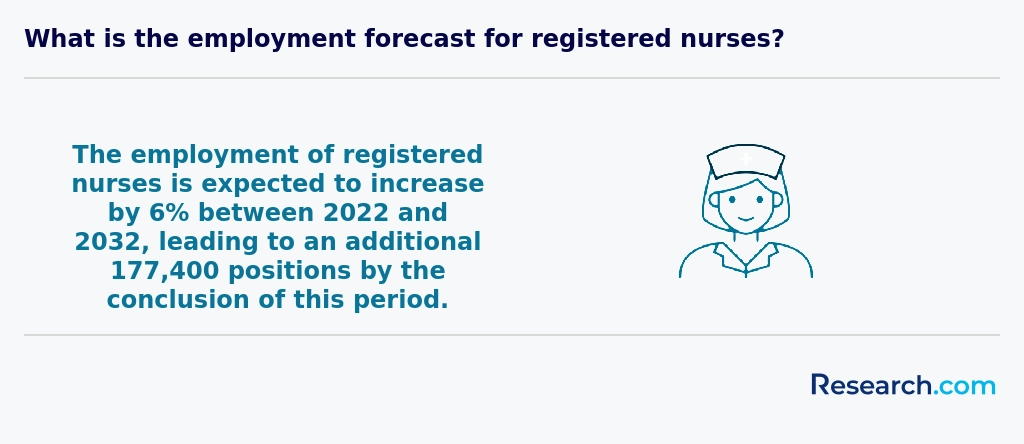
The job market for nursing degree graduates in Jersey City is vibrant and full of promise. Many who have studied nursing at local institutions find opportunities across diverse healthcare settings, from the bustling Jersey City Medical Center to outpatient clinics and home health services. These environments offer a dynamic range of hands-on experiences that prepare nurses well and foster confidence. Graduates often express feeling motivated by the community impact they can make, which strengthens their commitment to the profession.
For those curious about nurse employment opportunities Jersey City offers, the region benefits from competitive salaries, with wages around $82,000 annually in New Jersey, and steady growth projected in healthcare jobs. The accessibility of scholarships at popular colleges in the area helps ease financial concerns and positively influences many students' journey through nursing degrees. Alongside this, nursing students frequently explore related fields, sometimes pursuing advanced education or specialized paths like radiology fellowships to enhance career flexibility and growth.
2027 Most Valuable Nursing Degree Programs Ranking in Jersey City
Investing in your education is a significant decision that can profoundly impact your career and life, and the Research.com team is committed to supporting you in making well-informed choices. To guide those considering nursing degrees in Jersey City, we have carefully developed the "2027 Most Valuable Nursing Degree Programs Ranking in Jersey City." Our dedication to quality, credibility, and accuracy is reflected through rigorous research and analysis.
We utilized the following reputable data sources to ensure a thorough and reliable evaluation of nursing programs:
By consulting this ranking, readers will obtain valuable insights into the most promising nursing degree programs in Jersey City, empowering them to choose the best educational path. For more information on how this ranking was created, please visit our Research.com methodology page.


Frequently Asked Questions About nursing
Nursing degree students in Jersey City can maximize their learning by engaging deeply with both theoretical and clinical components of their programs. Participating actively in clinical rotations at local hospitals such as Jersey City Medical Center provides invaluable hands-on experience, critical for skill development. According to the New Jersey State Nurses Association, students who complete diverse clinical placements demonstrate higher competency levels on licensure exams.
Complementing clinical practice with study groups and simulation labs enhances critical thinking and patient care skills. Utilizing resources from Jersey City colleges' learning centers can improve academic performance, as data from the National League for Nursing shows that supplemental instruction boosts student retention by up to 20%.
Networking through local nursing organizations and attending health workshops also broadens knowledge of community health needs in the Jersey City area.
The nursing field is rapidly evolving, with several emerging niches gaining importance in Jersey City and across the US. One key area is geriatric nursing, driven by the aging population requiring specialized care. According to the US Bureau of Labor Statistics, employment for registered nurses specializing in elder care is expected to grow 12% by 2030.
Telehealth nursing is another expanding niche, especially relevant in Jersey City's urban setting, where technology facilitates remote patient monitoring and consultations.
Additionally, nurse informatics combines nursing with IT, helping improve patient data management. This specialty aligns with healthcare digitization trends in New Jersey's hospitals.
These niches represent promising paths for students seeking nursing degrees in Jersey City's competitive healthcare market.
After completing a nursing degree in Jersey City, preparing for the job market involves several key steps. First, passing the NCLEX-RN exam is essential to obtain licensure as a registered nurse in New Jersey. Prospective nurses should also seek clinical experience through internships or volunteer opportunities at local hospitals, such as Jersey City Medical Center, to enhance practical skills.
Networking plays a crucial role; joining professional organizations like the New Jersey State Nurses Association can provide valuable contacts and job leads. According to the U.S. Bureau of Labor Statistics, nursing roles in New Jersey are projected to grow by 12% through 2031, reflecting strong employment opportunities.
Continuing education and certifications in specialties like gerontology or pediatrics can further improve employability and salary prospects.
Employers in Jersey City highly value nursing graduates who demonstrate strong clinical skills, effective communication, and critical thinking. According to the New Jersey Board of Nursing, practical experience with patient care and proficiency in electronic health records are essential.
Interpersonal skills also rank high, as nurses frequently collaborate with diverse healthcare teams. Adaptability is crucial due to the fast-paced hospital environments typical in Jersey City.
Data from the U.S. Bureau of Labor Statistics shows that attention to detail helps reduce medical errors, which is a key employer expectation. Familiarity with local healthcare protocols and cultural competence benefits patient outcomes in this diverse urban area.
Finding internships in Jersey City for nursing students typically involves connecting with local hospitals, clinics, and healthcare organizations. Major healthcare employers like Jersey City Medical Center often offer structured internship programs for nursing students. Networking through nursing schools and career services offices can be particularly helpful, as they maintain relationships with local healthcare providers.
Students should also explore opportunities with community health centers and public health agencies in Hudson County. Registering with online internship platforms like Handshake or local job boards may reveal openings specific to nursing.
The New Jersey Board of Nursing recommends verifying that internships provide supervised clinical experience relevant to licensure requirements.
A nursing degree significantly enhances career mobility and advancement opportunities in Jersey City. Holding a degree such as an Associate Degree in Nursing (ADN) or a Bachelor of Science in Nursing (BSN) is often required for licensure and employment in local healthcare facilities. According to the New Jersey Department of Labor, demand for registered nurses in Jersey City is projected to grow by 15% through 2030, reflecting strong job security and growth potential.
Higher nursing degrees provide access to specialized roles, leadership positions, and increased salaries. For example, BSN-prepared nurses earn approximately 10-15% more than those with an ADN, according to the American Nurses Association. Pursuing advanced education also facilitates eligibility for certifications and advanced practice roles, such as nurse practitioners, which are increasingly needed in Jersey City's expanding healthcare system.
Studying for a nursing degree in Jersey City offers unique preparation for interdisciplinary roles within healthcare. Local nursing programs emphasize collaboration between nurses, physicians, social workers, and other healthcare professionals to ensure comprehensive patient care. According to the New Jersey Nursing Education Consortium, over 70% of nursing graduates engage in interdisciplinary teams during clinical rotations in nearby hospitals like Jersey City Medical Center.
Additionally, nursing curricula in Jersey City integrate coursework in communication, ethics, and care coordination, fostering skills necessary for teamwork. The diverse patient population in the city provides students with experience in culturally competent care, an essential aspect of interdisciplinary practice.
These programs also incorporate technology training and evidence-based practice, which are critical when working across disciplines. Overall, Jersey City nursing degrees promote a broad understanding of healthcare systems, preparing students effectively for collaborative roles in dynamic medical environments.
Choosing between a thesis and a non-thesis nursing degree program in Jersey City depends on your career goals and learning preferences. Thesis programs emphasize research, requiring students to conduct original studies and write a detailed dissertation. This path suits those considering advanced clinical roles or doctoral studies. Non-thesis programs focus more on practical skills, offering additional coursework or clinical hours instead of a research project.
In Jersey City, nursing employers often value hands-on experience, which non-thesis students may gain more of. However, thesis graduates may have an edge in academic or leadership positions. According to the New Jersey Board of Nursing, research skills remain important for evolving healthcare demands.
Students in Jersey City interested in studying nursing abroad have several pathways to consider. Many U.S. universities, including those in New Jersey, offer exchange programs or partner with international institutions, allowing students to gain global nursing experience while earning credits toward their degrees. Jersey City's proximity to major universities enhances access to such programs. According to the National Center for Education Statistics, nearly 12% of U.S. nursing students participated in study abroad programs as of recent years. These opportunities often focus on clinical practice in diverse healthcare settings, enriching students' cultural competence and practical skills.
Additionally, accredited online nursing programs with international clinical placements provide flexible options. Students should ensure any international program meets the U.S. nursing licensure requirements, such as NCLEX eligibility. Resources like the Commission on Graduates of Foreign Nursing Schools (CGFNS) help evaluate foreign credentials for U.S. standards, benefiting those considering full study abroad options or dual degrees combining U.S. and foreign coursework.
Overall, Jersey City students have access to diverse, reputable pathways for studying nursing abroad, supported by robust local and national educational frameworks that emphasize both academic quality and practical international experience.
Students pursuing nursing degrees in Jersey City can enhance their education by engaging in part-time jobs that build practical skills. Common roles include certified nursing assistant (CNA) positions, which offer hands-on patient care experience and are often available at local hospitals like Jersey City Medical Center. These jobs provide valuable exposure to clinical environments while balancing school.
Other opportunities include medical scribe work or positions as pharmacy technicians, both helping students understand medical terminology and healthcare workflows. According to the Bureau of Labor Statistics, health support jobs in New Jersey are expected to grow by 14% through 2032, reflecting strong demand.
Part-time roles in outpatient clinics and community health centers also allow exposure to diverse patient populations, enhancing cultural competence important for nurses in Jersey City's diverse demographic.
Nursing students in Jersey City benefit from strong networking opportunities through local healthcare institutions, educational programs, and professional organizations. Hudson County Community College and other nearby schools often host career fairs and guest lectures with healthcare employers. Several major hospitals in the area, including Jersey City Medical Center, offer clinical placements that connect students with practicing nurses and administrators.
Local chapters of national organizations like the American Nurses Association provide workshops and events tailored to nursing students. These gatherings facilitate mentorship and peer networking, essential for career growth.
Additionally, Jersey City's proximity to New York City expands access to conferences and seminars, broadening professional contacts across the metropolitan healthcare sector.
Alumni networks offer nursing degree students in Jersey City valuable advantages by connecting them with experienced professionals in the local healthcare field. These networks help students access job opportunities across top hospitals such as Jersey City Medical Center, improving chances for internships and employment. According to the New Jersey Center for Nursing, mentorship through alumni connections enhances clinical skills and career readiness. Networking events and online platforms foster peer support and knowledge sharing, which is vital in a demanding profession like nursing. Active alumni networks also provide guidance on licensure exam preparation and continuing education, boosting students' long-term professional success in Jersey City's health sector.
Customizing a nursing degree program in Jersey City allows students to align their education with specific career goals. Many local institutions offer flexible course options, such as specialties in gerontology, pediatrics, or community health, which prepare students for targeted nursing roles.
Students can often choose between part-time, full-time, and online courses to fit their schedules, which is crucial for working professionals. Clinical rotations within Jersey City's diverse healthcare facilities provide hands-on experience in different medical settings.
Licensing preparation and certification tracks, such as for RN to BSN advancement, are commonly available to enhance career prospects. According to the New Jersey Board of Nursing, tailored programs can improve employment opportunities in the state's growing healthcare sector.
Nursing students in Jersey City face multiple challenges that impact their academic and clinical success. One notable issue is the intense competition for clinical placement sites due to the high density of healthcare facilities in the area. This can delay hands-on learning essential for skill development. According to the New Jersey Board of Nursing, clinical site availability remains a widespread concern statewide, including Jersey City.
Another challenge is balancing rigorous coursework with part-time jobs, as many students must work to cover living and tuition costs in this urban area where the cost of living is higher than the national average.
Additionally, students often report stress related to the demanding nursing curriculum, which requires both theoretical knowledge and practical competence. Mental health resources are available but remain underutilized due to stigma and time constraints.
With a nursing degree in Jersey City, graduates can pursue various professional certifications to advance their careers. Popular options include becoming a Certified Registered Nurse Anesthetist (CRNA), a Family Nurse Practitioner (FNP), or a Clinical Nurse Specialist (CNS). These certifications require additional education and passing national exams administered by organizations such as the American Nurses Credentialing Center (ANCC) or the American Association of Nurse Practitioners (AANP).
Local healthcare facilities in Jersey City often value certifications like Basic Life Support (BLS) and Advanced Cardiovascular Life Support (ACLS), which are essential for many nursing roles. According to New Jersey's Board of Nursing, specialized certifications can increase job opportunities and salary potential in this competitive market.
To write a winning application for a nursing program in Jersey City, start by carefully researching local schools such as Hudson County Community College and New Jersey City University, which offer accredited nursing degrees. Emphasize your academic achievements, especially in science and math courses, as programs typically require strong foundational skills.
Demonstrate genuine motivation for nursing by including a personal statement that reflects your commitment to patient care and community health. Highlight any relevant volunteer work or healthcare experience, as these strengthen your application.
Additionally, ensure your letters of recommendation come from educators or employers who can attest to your professionalism and dedication. According to the New Jersey Board of Nursing, competitive applicants often have GPAs above 3.0 and clear background checks. Meeting application deadlines and preparing for possible entrance tests will also improve your chances of admission.
Nursing careers are increasingly viewed as global professions due to rising demand for healthcare workers worldwide. In the United States, including Jersey City, registered nurses (RNs) are among the fastest-growing occupations, with the U.S. Bureau of Labor Statistics projecting a 9% growth from 2020 to 2030. This reflects a global trend as aging populations and chronic diseases increase. Jersey City's diverse community often requires culturally competent care, preparing nurses to work effectively in various international contexts.
Many U.S. nursing programs emphasize skills like communication and adaptability, valued internationally. Some degrees offer pathways for nurses to work abroad, supported by mutual recognition agreements between countries. According to the New Jersey State Board of Nursing, local licensure aligns with standards seen in countries with developed healthcare systems, facilitating international mobility for licensed nurses.
Gaining practical experience while studying for a nursing degree in Jersey City is essential for developing hands-on skills. Many local nursing programs incorporate clinical rotations at nearby hospitals such as Jersey City Medical Center, providing students direct patient care experience.
Students typically complete between 500 and 1,000 clinical hours during their studies, as recommended by the New Jersey Board of Nursing. These hours expose them to various healthcare settings, including acute care, long-term care, and community health.
Additionally, Jersey City offers opportunities for internships and externships in healthcare facilities, enhancing real-world learning. Volunteering at local clinics can also build valuable practical skills.
Choosing the right concentration within a nursing degree program in Jersey City involves evaluating your career goals and interests. Local healthcare facilities often seek nurses specialized in areas such as gerontology, pediatrics, or critical care, reflecting the city's diverse patient population. According to NJ Department of Labor, registered nurses in Jersey City earn a median annual wage of about $81,000, with specialties like nurse anesthetists earning more. Consider accredited programs recognized by the Commission on Collegiate Nursing Education (CCNE) or the Accreditation Commission for Education in Nursing (ACEN) to ensure quality education. Internships and clinical placement options in Jersey City hospitals can also guide your decision.
- 2027 Most Valuable Nursing Degree Programs Ranking in New York
- 2027 Most Valuable Nursing Degree Programs Ranking in Brooklyn
- 2027 Most Valuable Nursing Degree Programs Ranking in Bronx
- 2027 Most Valuable Nursing Degree Programs Ranking in Baltimore
- 2027 Most Valuable Nursing Degree Programs Ranking in Boston
- 2027 Most Valuable Nursing Degree Programs Ranking in Washington
- 2027 Most Valuable Nursing Degree Programs Ranking in Rochester
- 2027 Most Valuable Nursing Degree Programs Ranking in Virginia Beach
- 2027 Most Valuable Nursing Degree Programs Ranking in Columbus
- 2027 Most Valuable Nursing Degree Programs Ranking in Detroit
See What Experts Have To Say About Studying Nursing
Read our interview with Nursing experts

Lisa Grubb
Nursing Expert
Assistant Professor
Johns Hopkins School of Nursing

- From our readers…Strengthening nursing networks https://www.myamericannurse.com/from-our-readersstrengthening-nursing-networks/
- Guide to Making a Career Change to Nursing https://teach.com/online-ed/healthcare-degrees/online-msn-programs/career-change-to-nursing/
- Your Questions About Online Nursing School, Answered https://www.allnursingschools.com/how-to-get-into-nursing-school/online-programs/
- Client Challenge https://www.springerpflege.de/nursing-graduates-perceived-future-career-pathway-and-career-shi/50653658
- What Nursing Concentration Is Right for Me? | Maryville Nursing https://nursing.maryville.edu/blog/what-nursing-concentration-is-right-for-me
- What Are the Best Jobs to Work While in Nursing School? https://www.dewv.edu/what-are-the-best-jobs-to-work-while-in-nursing-school/
- Nursing https://catalog.njcu.edu/undergraduate/professional-studies/nursing/
- How to Choose the Right Nursing School for Your Career Goals | Archer Review https://www.archerreview.com/blog/how-to-choose-the-right-nursing-school-for-your-career-goals
- Local Contract Registered Nurse Jobs in Jersey City, NJ - Up To $98/hr https://www.vivian.com/nursing/local-contract/jersey-city-nj/
- Nurse Salary https://nursinglicensemap.com/resources/nurse-salary/