
2027 Most Valuable Nursing Degree Programs Ranking in Alabama

Co-Founder and Chief Data Scientist
If you're thinking about starting or advancing your nursing career in Alabama, choosing the right degree program is a big decision. This article introduces the 2027 Most Valuable Nursing Degree Programs Ranking in Alabama, created by the Research.com team of data scientists to guide you toward the best options available.
By exploring this ranking, you'll gain insights that can help you find a program matching your goals and ambitions. Earning a nursing degree opens doors to meaningful work and personal growth, and this article aims to support your journey every step of the way.
Key benefits of getting nursing degree in Alabama
- Nursing graduates in Alabama can expect competitive salaries, with Registered Nurses earning around $94,480 annually and Operating Room Nurses making up to $128,490 per year, offering strong financial stability.
- Career paths are diverse, allowing graduates from schools like the University of Alabama to work in roles such as Clinical Nurse Educator, Public Health Nurse, or Emergency Room Nurse, each offering rewarding experiences and growth.
- Online nursing degrees from institutions such as Auburn University provide flexibility and convenience, helping students balance studies with personal life while gaining the same respected qualifications as traditional programs.
- 2027 Most Valuable Nursing Degree Programs Ranking in Alabama
- What can I expect from nursing degree in Alabama?
- Where can I work with nursing degree in Alabama?
What can I expect from nursing degree in Alabama?
The average cost of earning a nursing degree in Alabama often surprises students in the best way-affordability meets quality education. Graduates from popular schools like the University of Alabama and Auburn University recall balancing tuition fees that typically range between $8,000 to $12,000 per year for in-state students seeking a Bachelor of Science in Nursing (BSN). This cost feels manageable when compared to the rich hands-on experiences and extensive clinical rotations offered, making every dollar invested feel worthwhile.
Many students find that scholarships and financial aid from these institutions ease the journey, turning potential worries about expenses into motivation and excitement for the future. Picture a student walking through the halls of UAB School of Nursing, already immersed in dynamic clinical placements, knowing the investment is paving the way for a rewarding nursing career in Alabama's growing healthcare landscape.
This blend of practical learning and reasonable costs inspires confidence, helping future nurses embrace their path with genuine optimism and readiness for the NCLEX-RN and beyond.
Where can I work with nursing degree in Alabama?
Graduates from nursing programs at universities like the University of Alabama or Auburn often find themselves stepping into bustling hospital corridors, where the energy of surgical units and emergency rooms offers both challenge and excitement. Imagine starting your shift in a large medical center, collaborating with specialists in pediatrics or oncology-many Alabama nurses thrive in these dynamic environments.
Other graduates share stories of rewarding days spent in outpatient clinics or physician offices, where the pace is a bit calmer but the impact just as crucial. Here, nurses educate patients about managing chronic illnesses or perform routine health screenings, knowing they're making a direct difference in community wellness.
Some adventurous nursing alumni choose long-term care facilities, embracing the meaningful bond formed while supporting elderly patients with daily routines. Meanwhile, those passionate about public health may work in rural outreach programs or school health services, reflecting Alabama's commitment to improved healthcare access.
Each path offers a unique horizon, filled with opportunities to grow, connect, and experience the true heart of nursing in Alabama.
Graduates from nursing programs at institutions like the University of Alabama at Birmingham often discover exciting earning potential right after they finish their degrees. For instance, many find themselves stepping into roles as Registered Nurses where the average annual salary in Alabama can be around $94,480, matching national trends for this profession. This solid starting point sparks a sense of accomplishment and reassurance for new nurses eager to put their skills to work.
Some adventurous graduates branch into specialized areas like Emergency Room or Public Health Nursing, where salaries hover around the same $94,480 mark-certainly enough to fuel their curiosity for diverse healthcare environments. Climbing the ladder to roles such as Operating Room Nurse can feel like reaching a new peak, with salaries jumping to about $128,490 annually. This jump feels tangible when imagined alongside real experiences from alumni of colleges like Auburn University, who describe the thrill of mastering critical procedures and seeing their efforts reflected in their paychecks.
Such financial outcomes encourage many nursing grads across Alabama to dream bigger, knowing advanced roles and specialties are achievable and rewarding, both personally and professionally.
- Nursing programs in Alabama range from ADN degrees at community colleges to BSN and MSN degrees at universities.
- ADN programs cost between $6,000 and $12,000, while BSN degrees at public universities range from $20,000 to $40,000 for in-state students.
- Nursing job growth in Alabama is strong, with employment expected to increase faster than the average for all occupations.
- Starting salaries for new nurses typically range from $52,000 to $60,000, with experienced nurses earning $65,000 to $75,000 annually.
- Advanced nursing roles and APRNs can earn over $90,000 per year.
- Licensure requires completing an accredited program and passing the NCLEX-RN exam regulated by the Alabama Board of Nursing.
In Alabama, completing a nursing degree is a journey uniquely shaped by the program you choose. Many graduates from community colleges find themselves immersed in about two years of full-time study through Associate Degree in Nursing (ADN) programs, preparing eagerly for the NCLEX-RN exam that unlocks their future as registered nurses. The hands-on experience at these schools often leaves students feeling ready and confident to enter the workforce swiftly.
For those dreaming bigger, universities across Alabama offer traditional Bachelor of Science in Nursing (BSN) degrees that typically span four years. Alumni often reflect on the vibrant campus life combined with comprehensive clinical training that prepares them for a vast array of nursing roles. Imagine walking through the halls of such a university, growing with peers equally passionate about healthcare.
If you already hold a bachelor's degree in another field, accelerated BSN programs can be an exhilarating fast track-wrapped up in 12 to 18 months. Graduates share how these intensive programs fueled their ambition, blending deep nursing knowledge with the energy of a whirlwind academic adventure.
Additionally, RN-to-BSN bridge programs offer a flexible 1 to 2-year route, allowing registered nurses to elevate their careers without hitting pause on life. These pathways embody the spirit of lifelong learning that many Alabama nurses embrace, turning educational challenges into milestones of achievement.
When considering a nursing degree in Alabama, one of the crucial factors to think about is the cost and how to finance your education. Understanding the expenses associated with nursing programs, from tuition fees to living costs, is essential for making informed decisions. For instance, prospective students often look for the cheapest nursing school in Alabama to minimize their financial burden. Additionally, exploring financial aid options such as scholarships, grants, and loans can help alleviate the cost. It's also important to consider the potential return on investment, given that nursing graduates in Alabama can earn competitive salaries, with Registered Nurses making a mean annual wage of approximately $89,010. By carefully planning and considering these financial aspects, aspiring nurses can set themselves up for success both during their studies and in their future careers.
Choosing between online and on-campus nursing degrees in Alabama opens up a fascinating journey of discovery. Imagine a student from the University of Alabama who thrives on the vibrant campus life-attending labs, joining study groups, and enjoying face-to-face mentorship. This immersive environment sparks a deep connection to the nursing community and provides immediate access to campus resources like libraries and clinical simulation centers.
Now picture a nurse at Auburn University who balances a full-time job and family while pursuing an online degree. The flexibility to study nights or weekends offers freedom and relief, making education fit smoothly into a busy life. Though online, clinical hours must still be completed locally, blending virtual learning with hands-on practice in nearby hospitals.
Both paths weave together rigorous coursework and mandatory clinical experiences-whether inside Alabama's classrooms or through arranged placements at local healthcare facilities. Graduates from both routes share excitement at passing the NCLEX-RN exam and stepping confidently into their nursing careers, each fueled by their unique educational experience.
Accreditation is the cornerstone of any reputable nursing degree program in Alabama, ensuring that institutions meet rigorous standards set by recognized bodies such as the Commission on Collegiate Nursing Education (CCNE) and the Accreditation Commission for Education in Nursing (ACEN). Prospective students should confirm that both the institution and its specific nursing programs hold current accreditation status, which not only validates educational quality but is also a prerequisite for federal financial aid and state licensure eligibility. In Alabama, the Board of Nursing must approve all pre-licensure nursing programs. Graduates from Board-approved, accredited programs are eligible to sit for the National Council Licensure Examination for Registered Nurses (NCLEX-RN), a mandatory step for obtaining state licensure. Programs often publish their NCLEX-RN pass rates-look for schools with rates consistently above the national average (typically 85%–90%) as an indicator of strong curriculum and exam preparation. For students who begin with an Associate Degree in Nursing (ADN), many accredited institutions offer seamless pathways to advanced practice. An adn to msn bridge program allows ADN-prepared nurses to leverage existing credits and clinical experience toward a Master of Science in Nursing (MSN), accelerating career advancement while maintaining accreditation integrity. Finally, maintaining licensure in Alabama requires ongoing compliance with the Alabama Board of Nursing’s continuing education and renewal mandates. Nurses should verify that their chosen program’s curriculum aligns with state requirements for clinical hours and professional development credits to ensure a smooth transition from student to licensed practitioner.
Exploring the average nursing degree cost in Alabama reveals a fascinating range influenced by in-state status and the choice between public and private institutions. Graduates from well-known universities like the University of Alabama at Birmingham often reflect on paying around $12,000 annually as in-state students, making their educational journey feel attainable and filled with promise. This median in-state total cost beautifully balances quality and expense, allowing students to pursue their nursing dreams without overwhelming financial stress.
On the other hand, venturing beyond state borders can lead to a significantly higher financial adventure. Out-of-state students attending similar nursing programs can expect to encounter costs pushing past $37,000, a number that invites careful planning but also signifies the value and comprehensive training provided by these institutions. Some graduates from private colleges recall their experience as intense but worthwhile, citing tuition fees that fall on the higher end, which supports advanced resources and smaller class sizes.
Community college nursing programs, popular for their affordability and hands-on approach, often attract those keen on entering the nursing field with less financial burden. Aspiring nurses curious about lower tuition options might want to explore choices like the cheapest nursing school in Alabama, where costs are more manageable and the path to certification remains robust.
Deciding on an Alabama nursing program involves considering both the financial investment and the rich learning experiences awaiting students, making it an exciting chapter in anyone's educational adventures.
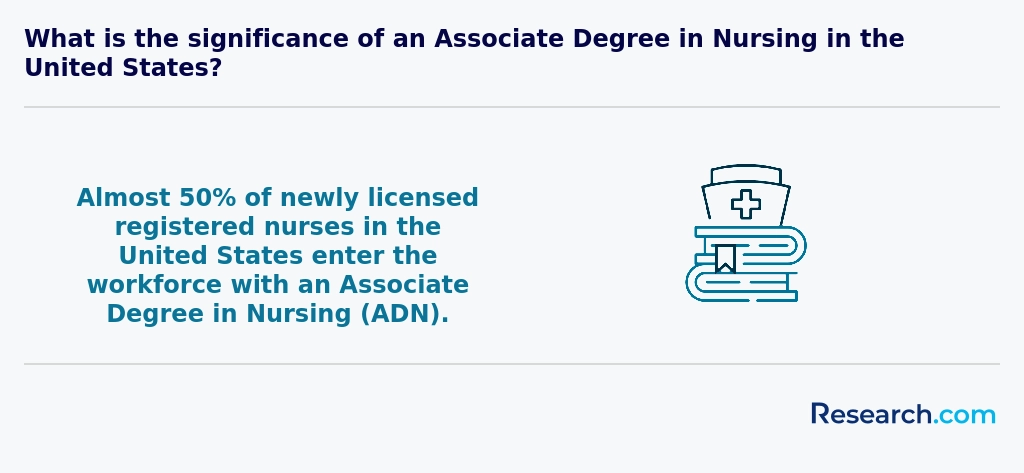
Choosing an accredited nursing program is essential for licensure eligibility, seamless credit transfer, and access to federal financial aid. In Alabama, look for regional and specialized accreditation from:
- Accreditation Commission for Education in Nursing (ACEN)
- Commission on Collegiate Nursing Education (CCNE)
NCLEX-RN pass rates reflect program quality and student preparedness. Leading Alabama nursing schools report first-time pass rates above 90%, compared to the state average of 85%. When evaluating programs, check each school’s published NCLEX outcomes and inquire about support resources like dedicated review courses and high-fidelity simulation labs.
For nurses planning advanced practice pathways on a budget, exploring cheapest dnp programs can help map out future financial and career goals.
Navigating the financial side of nursing programs in Alabama feels like uncovering hidden treasures. Imagine starting your journey at the University of Alabama at Birmingham, where a nursing graduate's excitement grew as she discovered the Federal Pell Grant-a gift that didn't require repayment-opening doors that once seemed locked tight. Many students across Alabama tap into this, applying through FAFSA to ease tuition worries ranging from $8,000 to $15,000 annually.
State-specific gems include the Alabama Student Assistance Program (ASAP), providing need-based grants that have helped aspiring nurses at Auburn University make steady progress without drowning in debt. Scholarships from local foundations, such as the Alabama Nurses Foundation, spark joy for those excelling academically or contributing to their communities, creating pathways toward success.
Picture a nursing student balancing studies and work with a work-study position at Birmingham-Southern College, earning while gaining hands-on experience. Loan programs with flexible repayment plans and state-backed commitments to serve underserved areas add layers of support, turning financial challenges into conquering opportunities.
To maximize your chances of acceptance into a top Alabama nursing program, begin the application cycle at least six months before your preferred start term. Most institutions offer two main admission windows: Fall (August start) with deadlines between January and April, and Spring (January start) with deadlines between August and November. Key steps include: 1. Gathering Transcripts and Test Scores: Request official high school or college transcripts and submit TEAS or HESI scores. Aim for a 2.5–3.0 GPA on prerequisite coursework to meet competitive thresholds. 2. Preparing Your Personal Statement: Craft a 500–700-word narrative showcasing clinical volunteer work, leadership roles, and community service. Highlight instances that illustrate empathy, critical thinking, and teamwork under pressure. 3. Securing Letters of Recommendation: Obtain at least two academic or clinical references from instructors, supervisors, or mentors who can attest to your work ethic and patient-care passion. Submit letters at least one month before the deadline. 4. Completing Background Checks and Immunizations: Many programs require a criminal background check, drug screening, and proof of immunizations. Schedule these early to avoid last-minute delays. 5. Interview Preparation: Some BSN and MSN tracks include panel interviews. Practice common questions-such as ethical scenarios and conflict resolution-and research each school’s mission statement to align your responses. 6. Tracking Deadlines: Use a calendar or tracking app to note each school’s specific dates for application submission, supplemental materials, and interviews. Missing any component can result in deferred admission. If you plan to balance work and study, compare traditional on-campus options with our affordable online rn to bsn program, which offers rolling admissions and flexible start dates to accommodate busy schedules. By following a structured timeline and delivering polished application materials, you’ll present a compelling candidacy for Alabama’s most valuable nursing degree programs.
Diving into nursing programs in Alabama means gearing up for exciting academic adventures, but first, you need to meet a set of key prerequisites. Imagine a recent graduate from a well-known Alabama university who recalls their journey-starting with a high school diploma or GED as the essential launchpad. They quickly realized that having strong foundations in biology, chemistry, and math were crucial, as these subjects are often required to prepare for the challenges ahead.
Beyond high school, many programs ask for standardized test scores like the ACT, SAT, or even nursing-specific exams such as the TEAS, helping schools track your readiness. For example, students at popular colleges often describe how submitting immunization records, passing background checks, and completing prerequisite courses like anatomy and physiology made them confident and ready to thrive.
Those aiming for a Bachelor of Science in Nursing (BSN) might echo stories of juggling at least 30 college credit hours with a GPA around 2.75 to 3.0, alongside interviews and recommendations. These steps, though demanding, create a rewarding path toward a vibrant nursing career in Alabama's supportive educational community.
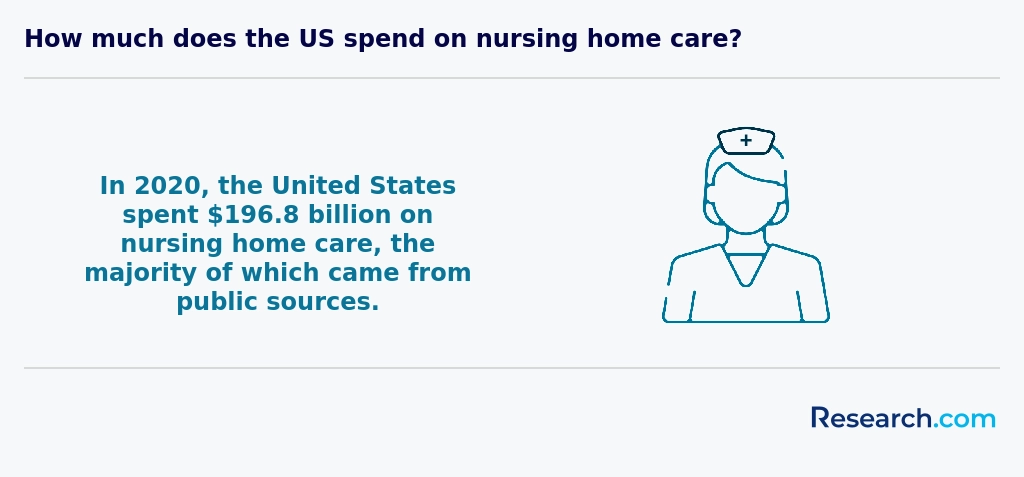
Investing in a nursing degree in Alabama often yields strong returns, balancing tuition costs against competitive salaries and job security. On average, an ADN graduate incurs total tuition of $23,900 to $66,320 and secures an entry-level RN salary of $89,010 per year. Assuming a midpoint debt of $45,000 and an annual after-tax salary of $65,000, the estimated payback period is just under one year, making nursing one of the fastest paths to recoup educational expenses. Key factors influencing ROI include: • Program Length and Cost: ADN programs (2 years) offer lower upfront costs but slightly lower starting salaries than BSN programs (4 years, $89,556–$211,392 total cost). • Salary Growth: Specializations like Operating Room Nurse average $124,680 annually, shortening the break-even point. • Financial Aid Impact: Scholarships and state loans can reduce debt, improving ROI; for example, the Alabama Nursing Scholarship Program covers significant tuition portions. For students seeking even more affordable options, explore our Low Cost Online Nursing Degree Programs Ranking in Colorado, which highlights programs with minimal debt and strong career outcomes. By comparing program costs, average salaries, and financial aid opportunities, prospective nurses can maximize their return on investment in Alabama’s thriving healthcare market.
Science courses such as microbiology and chemistry paint vivid pictures of microscopic battles inside our bodies. But it's the nursing-specific courses that truly ignite passion. Imagine navigating through fundamentals of nursing, where graduates learned hands-on patient care with a focus on safety, or exploring pharmacology, where the mysteries of medications and their effects come alive.
- Medical-surgical nursing offers immersive experiences in hospital settings, caring for adults with diverse conditions
- Mental health nursing opens doors to understanding psychological care, an eye-opener for many passionate caregivers
- Pediatric and maternal health courses bring warmth, focusing on infants, children, and mothers
- Community and public health classes teach outreach, inspiring graduates with a sense of purpose
- Leadership and management prepare students to confidently take charge in clinical settings
- Ethics and legal aspects provide a grounding in the responsibilities that come with being a nurse
Many graduates treasure how these courses didn't just teach facts but created vivid, relatable scenarios, preparing them to face real-life healthcare challenges across Alabama's diverse communities with curiosity and confidence.
Alabama's nursing degree programs invite students to dive into a variety of thrilling specializations that match both passion and purpose. Imagine advancing your career through the Registered Nurse (RN) to Bachelor of Science in Nursing (BSN) track-a popular path among graduates from top schools like the University of Alabama at Birmingham who cherish broadening their scope and skills. Others find themselves drawn to Family Nurse Practitioner roles, eagerly serving communities across Alabama, especially in underserved rural areas where compassionate healthcare is urgently needed.
For those intrigued by the human mind and mental wellness, Psychiatric-Mental Health Nursing offers an adventurous path to impact lives profoundly, reflecting growing healthcare needs statewide. From caring for Alabama's aging population through Geriatric Nursing to supporting young lives in Pediatric Nursing, graduates from Auburn University often speak of the rewarding hands-on experiences these specializations provide, making theoretical lessons come alive.
Exploring further, Acute Care and Critical Care Nursing appeal to those ready to handle intense, life-saving environments, while Obstetric and Women's Health Nursing offers vibrant opportunities centered on childbirth and female health. Many students start their journey by seeking an affordable online rn to bsn program to balance study with real life, embracing Alabama's diverse healthcare needs and advancing confidently into their nursing careers.
Choosing the best nursing degree in Alabama feels like setting off on a thrilling journey, where your destination is shaped by your dreams and practical needs. Imagine a graduate from the University of Alabama at Birmingham describing their two-year ADN program as an intense, rewarding dive into hands-on nursing, perfect for those eager to start working quickly. On the other hand, students at Auburn University often find the four-year BSN path exciting, appreciating the deeper clinical experiences that make them confident professionals in hospital wings. Many explore affordable nursing schools Alabama 2027 to balance cost without sacrificing quality, discovering programs with financial aid and scholarships that fuel their ambitions.
Location matters too-some cherish the vibrant campus life, while others embrace the flexibility of online classes or part-time study. Accreditation is a trusted compass; graduates celebrate knowing their degrees from CCNE or ACEN accredited schools unlock doors nationwide. For those ready to leap further, exploring an adn to msn bridge program might feel like the perfect next adventure, blending growth with opportunity.

Exploring nursing career options in Alabama opens a world where graduates from esteemed programs like those at the University of Alabama or Auburn University dive into roles that truly make a difference. Many alumni start as Registered Nurses (RNs), working closely with patients in hospitals or community clinics, feeling the rewarding pulse of saving lives firsthand. The state's strong job market and competitive salaries fuel a sense of security and excitement as they embark on these paths.
For those ready to venture further, advanced roles such as Nurse Practitioners or Nurse Anesthetists beckon with greater responsibilities and even higher rewards. Graduates often share how pursuing a Master of Science in Nursing can unlock opportunities to serve underserved rural areas, feeling deeply connected to their communities. These specialized paths reflect the expanding landscape of Alabama nursing degree job opportunities.
Others find joy in shaping the future through education or administration, bringing their frontline experience into classrooms or hospital leadership. Nursing students often discover affordable routes to these careers; many utilize resources like the Low Cost Online Nursing Degree Programs Ranking in Colorado for flexible study options while balancing life and work.
Specialized care areas thriving in Alabama, such as geriatric or pediatric nursing, offer heartfelt experiences especially fueled by the state's demographic needs. Graduates describe these roles as deeply fulfilling, combining professional growth with personal connection.
The nursing job opportunities in Alabama are vibrant and welcoming for new graduates, especially from well-known institutions such as the University of Alabama at Birmingham and Auburn University. Graduates often share stories of quickly landing positions in hospitals or community health centers, where their skills are in constant demand. The state's mix of bustling urban areas and vast rural communities creates diverse chances to make a meaningful impact while enjoying a competitive average salary near $63,000.
Exploring the Alabama nursing degree employment outlook reveals growth fueled by expanding healthcare access in suburbs like Birmingham and Huntsville. Nurses here benefit from initiatives supporting advanced practice registered nurses, opening exciting pathways beyond traditional roles. Many students find affordability encouraging, with undergraduate nursing tuition averaging $7,000 to $12,000 at public colleges, making education both accessible and rewarding.
Those curious about accelerating their careers might consider a 6-month online certification program that pays well, blending speed and opportunity seamlessly. Alabama's nursing landscape invites eager learners to step confidently into promising futures.
2027 Most Valuable Nursing Degree Programs Ranking in Alabama
Investing in your education is a significant decision that can shape your future, and the Research.com team understands the importance of making informed choices. To assist prospective students in Alabama, we have meticulously developed the "2027 Most Valuable Nursing Degree Programs Ranking in Alabama." Our commitment to quality, credibility, and accuracy is reflected in the extensive research and analysis conducted to compile this ranking.
We utilized the following reputable data sources to ensure a comprehensive evaluation of nursing degree programs:
By exploring this ranking, readers will gain valuable insights into the most valuable nursing degree programs available in Alabama, helping them make well-informed decisions about their educational and professional futures. For more details on our methodology, please visit our Research.com methodology page.


# 15 position
South University-Montgomery
Bachelor of Science in Nursing


Frequently Asked Questions About nursing
Nursing degree students in Alabama can maximize their learning by combining classroom education with hands-on clinical experiences. Alabama requires a minimum of 500 clinical hours for nursing programs, aligning with national standards set by the American Association of Colleges of Nursing (AACN). Engaging with local hospitals and community health centers enriches practical skills and exposes students to diverse patient populations.
Students should take advantage of Alabama's nursing simulation labs, which use advanced technology to replicate real-world medical scenarios. Participating in study groups and joining nursing organizations, such as the Alabama Nurses Association, fosters networking and professional development.
Additionally, students can benefit from scholarship programs funded by the Alabama Board of Nursing, which support education and encourage retention in state healthcare facilities. Utilizing these resources supports both academic success and future career opportunities.
The nursing field in Alabama is evolving with several emerging niches offering new career pathways. One rapidly growing area is geriatric nursing, driven by Alabama's aging population, which is expected to increase demand for skilled professionals in elder care (Alabama Department of Public Health, 2023).
Another important niche is telehealth nursing. The expansion of telemedicine technology has created opportunities for nurses to provide remote patient care, particularly valuable in rural Alabama communities where healthcare access is limited.
Additionally, psychiatric-mental health nursing is gaining prominence due to heightened focus on mental health services across the state.
Lastly, informatics nursing, which integrates data and technology, is expanding as hospitals and clinics enhance digital health systems.
After earning a nursing degree in Alabama, preparing for the job market involves several key steps. First, graduates must pass the NCLEX-RN exam to become licensed Registered Nurses (RNs) in Alabama. The Alabama Board of Nursing provides clear guidelines and resources for this process. According to the Alabama Department of Labor, healthcare is a growing sector, with RN employment projected to grow faster than average through 2030. Networking through clinical placements and joining local organizations such as the Alabama Nurses Association can improve job prospects. Additionally, gaining experience in high-demand areas like geriatrics or critical care enhances employability.
Continuing education is also crucial, as many employers value nurses with specialty certifications. Employers in Alabama often look for candidates with strong communication skills and cultural competence to serve diverse populations effectively. Job seekers should use Alabama's state job boards and hospital career centers to find openings and tailor resumes to emphasize clinical rotations and skills. Staying aware of regional healthcare trends can give new nurses an edge in this competitive market.
Employers in Alabama highly value nursing graduates who demonstrate strong clinical skills and critical thinking. According to the Alabama Board of Nursing, proficiency in patient care, medication administration, and infection control ranks among the top required competencies. Communication skills are equally important, as nurses must effectively collaborate with healthcare teams and interact compassionately with patients.
In addition, employers seek graduates with adaptability and problem-solving abilities, especially given Alabama's diverse healthcare settings, from urban hospitals to rural clinics. Knowledge of electronic health records (EHR) systems is increasingly essential due to widespread digitalization. Leadership potential and cultural competence also enhance job prospects, reflecting Alabama's growing need for inclusive patient care practices.
Finding nursing internships in Alabama involves researching partnerships between nursing programs and local healthcare facilities. Many Alabama schools, like the University of Alabama at Birmingham, have established clinical sites where students gain hands-on experience. The Alabama Board of Nursing recommends that students seek internships in hospitals, long-term care centers, and community clinics to meet state licensure requirements.
Students can also explore opportunities through the Alabama Hospital Association, which connects nursing students with member institutions. According to the U.S. Bureau of Labor Statistics, Alabama's healthcare sector is growing, creating more internship possibilities. Contacting career services at nursing schools and checking local job boards regularly helps identify these openings.
In Alabama, earning a nursing degree significantly enhances career mobility and advancement opportunities. According to the Alabama Board of Nursing, registered nurses holding at least a Bachelor of Science in Nursing (BSN) often have better access to higher-paying positions compared to those with only an associate degree. Hospitals and healthcare facilities increasingly prefer BSN-prepared nurses, as the state aligns with the national recommendation for 80% BSN degree holders by 2025 from the American Association of Colleges of Nursing.
Advanced degrees, such as a Master of Science in Nursing (MSN), open doors to leadership roles, nurse practitioner positions, and specialties. Data from the Alabama Department of Labor highlights faster job growth rates for nurses with graduate degrees, with advanced practice registered nurses (APRNs) seeing a 15% growth forecast through 2030.
Overall, a nursing degree in Alabama sets a strong foundation for career progression, offering broader opportunities across clinical, administrative, and educational fields in healthcare.
Nursing degree programs in Alabama emphasize interdisciplinary collaboration to prepare students for diverse healthcare environments. Students learn to work alongside physicians, pharmacists, social workers, and other professionals, fostering teamwork essential for patient-centered care. Alabama's nursing curricula include courses on communication, healthcare policy, and technical skills, equipping students with competencies beyond traditional nursing.
Programs often incorporate clinical rotations in varied settings such as hospitals, community clinics, and long-term care facilities, which expose students to multiple healthcare roles. According to the Alabama Board of Nursing, graduates demonstrate increased readiness to function in integrated care teams, a vital skill in the evolving healthcare system.
Alabama educational institutions also emphasize cultural competence and ethical decision-making, key components in interdisciplinary roles that require collaboration across diverse populations. Such training aligns with national standards set by the American Association of Colleges of Nursing (AACN) for holistic, team-based care delivery.
When choosing between a thesis and a non-thesis nursing degree program in Alabama, students should consider their career goals. A thesis option typically involves conducting original research, which prepares graduates for roles in academia, research, or advanced clinical practice.
Non-thesis programs emphasize coursework and practical skills, making them suitable for those aiming to enter the workforce quickly or pursue leadership roles in nursing administration.
According to the Alabama Board of Nursing, approximately 25% of nursing graduates pursue advanced education; knowing whether research aligns with your interests is key.
Additionally, consider program length: thesis tracks often require more time to complete due to research demands.
Students in Alabama who wish to study nursing abroad have several pathways to consider. Many universities in Alabama, such as the University of Alabama at Birmingham, offer study abroad programs or international clinical experiences connected with partner institutions. These programs allow students to earn credits toward their nursing degree while gaining exposure to global healthcare systems.
Additionally, students can explore nursing programs abroad that meet accreditation standards recognized in the United States. The Commission on Collegiate Nursing Education (CCNE) and the Accreditation Commission for Education in Nursing (ACEN) provide guidance on accredited international programs. However, it is critical for Alabama students to verify that foreign degrees will meet state licensure requirements through the Alabama Board of Nursing.
Data from the Alabama Board of Nursing indicates that internationally educated nurses must pass the NCLEX-RN exam and provide proof of equivalency to practice in Alabama. Therefore, students studying abroad should carefully evaluate curriculum compatibility and clinical training quality to ensure smooth licensure processes upon returning.
Students pursuing nursing degrees in Alabama have several part-time job opportunities that complement their education while building relevant experience. Positions such as certified nursing assistants (CNAs), medical scribes, and home health aides provide hands-on patient care exposure and enhance practical skills.
According to the Alabama Department of Labor, healthcare support roles in the state are projected to grow by 15% through 2030, reflecting strong demand. Working in local hospitals or clinics allows nursing students to observe clinical workflows and patient interactions directly related to their studies.
Additionally, jobs in pharmacy technician roles or medical billing can improve students' understanding of healthcare systems and patient management. These part-time roles not only support education but may also offer flexible hours suited to academic schedules.
Nursing students in Alabama benefit from numerous networking opportunities critical for career advancement. Many nursing programs collaborate with local hospitals and health systems, such as the University of Alabama at Birmingham (UAB) Hospital, providing students clinical experiences and professional connections. According to the Alabama Board of Nursing, organized events and job fairs help students meet practicing nurses and potential employers. Professional groups like the Alabama Nurses Association actively engage students through chapters at universities, promoting mentorship and leadership development. Additionally, statewide conferences and workshops offer platforms for nursing students to connect with peers and experts, enhancing their knowledge and professional network before graduation.
Alumni networks play a crucial role for nursing degree students in Alabama by providing valuable professional connections and mentorship opportunities. Graduates from nursing programs often join these networks, creating a community that supports current students with career advice and job referrals. According to the Alabama Board of Nursing, strong alumni engagement helps graduates navigate the state's competitive healthcare job market, where demand for registered nurses grew by 12% from 2019 to 2023.
These networks also offer access to continuing education events and workshops, enhancing skills vital for licensure renewal in Alabama. Through alumni connections, students gain insights into regional healthcare employers and clinical placements, improving their employment prospects.
In Alabama, nursing students can customize their degree programs by selecting specializations that align with their career goals. Many universities offer tracks in areas like pediatric, geriatric, or psychiatric nursing, allowing students to focus their clinical training accordingly.
Students may also choose degree types such as Associate Degree in Nursing (ADN), Bachelor of Science in Nursing (BSN), or advanced degrees like MSN, each opening different career pathways. Alabama's Board of Nursing supports flexible clinical placements and part-time study options to accommodate working professionals.
According to the Alabama Board of Nursing, over 30% of nurses hold BSN degrees, highlighting the value of advanced education. Customizing your program through electives, clinical sites, and certifications can improve employability in Alabama's growing healthcare industry.
Nursing students in Alabama face several challenges that can impact their success. One major difficulty is managing the rigorous coursework alongside clinical training, which demands significant time and emotional resilience. The Alabama Board of Nursing reports that the state has a nursing shortage, intensifying competition for clinical placements.
Financial strain is another common issue. Although tuition at public institutions tends to be lower than the national average, many students still struggle with the costs of books, supplies, and living expenses during unpaid clinical hours.
An additional hurdle is passing the National Council Licensure Examination (NCLEX). Alabama's pass rates for first-time test takers vary, emphasizing the need for strong academic preparation and support.
With a nursing degree in Alabama, numerous professional certifications are available to enhance your career opportunities and earning potential. Common certifications include the Certified Nurse Assistant (CNA), Licensed Practical Nurse (LPN), and Registered Nurse (RN) credentials, the latter requiring passing the NCLEX-RN exam. Advanced certifications, such as Nurse Practitioner (NP) or Clinical Nurse Specialist (CNS), require additional education but provide specialized practice authority.
Other nationally recognized certifications accessible to Alabama nurses include the Certified Pediatric Nurse (CPN), Certified Critical Care Nurse (CCRN), and Certified Emergency Nurse (CEN). These can be earned through organizations like the American Nurses Credentialing Center.
Certification often leads to higher salaries; for example, Alabama RNs earn a median annual wage of approximately $63,000, according to the U.S. Bureau of Labor Statistics (2023).
When applying to nursing programs in Alabama, it is important to present a clear and organized application. Start by highlighting your academic achievements, particularly in science and math, as these are critical for nursing studies. Many Alabama nursing programs require a minimum GPA of around 3.0 for consideration.
Include a thoughtful personal statement that explains your motivation for pursuing nursing. Focus on experiences that demonstrate compassion, responsibility, and commitment to healthcare. Strong letters of recommendation from teachers or healthcare professionals familiar with your skills can greatly enhance your application.
Make sure to meet all deadlines and submit required documents such as transcripts, entrance exam scores (like the TEAS), and proof of immunizations. According to the Alabama Board of Nursing, pre-licensure programs have competitive admissions, so attention to detail and early preparation are crucial.
The nursing profession holds significant global importance, with increasing demand driven by aging populations and healthcare advancements. In the U.S., including Alabama, nursing careers are highly valued for their stability and diverse opportunities. The Bureau of Labor Statistics projects a 9% growth in registered nurse jobs nationwide from 2022 to 2032, reflecting strong global demand.
Internationally, nurses often engage in cross-cultural care and global health initiatives, enhancing their skill sets and broadening career possibilities. Alabama's nursing programs emphasize preparing students for these global perspectives through culturally competent care and evidence-based practice.
Moreover, Alabama is part of U.S. efforts to standardize nursing education and licensing, facilitating professional mobility worldwide. Organizations like the Alabama Board of Nursing support standards aligned with global nursing competencies, benefiting graduates who may pursue international opportunities.
Gaining practical experience is essential when pursuing a nursing degree in Alabama. Most nursing programs in the state include clinical rotations as part of their curriculum. These rotations allow students to work directly with patients under professional supervision in hospitals, clinics, and long-term care facilities. According to the Alabama Board of Nursing, students typically complete between 500 to 800 clinical hours depending on their program level.
Additionally, many institutions offer simulation labs where students practice nursing skills in controlled, real-life scenarios. These labs complement clinical experiences and increase hands-on learning. Some students also seek internships or volunteer opportunities in healthcare settings to build further skills and professional connections.
Choosing the right concentration within a nursing degree program in Alabama begins with understanding your career goals. The state offers various tracks such as Registered Nurse (RN), Nurse Practitioner (NP), and specialty areas like pediatrics or geriatrics. According to the Alabama Board of Nursing, the demand for nurse practitioners is growing by over 20% annually, driven by increasing healthcare needs in rural areas.
Consider the setting where you want to work, whether hospitals, clinics, or community health. Research programs accredited by the Alabama Board of Nursing as these ensure quality education and licensure eligibility. Pay attention to clinical hours required and the availability of local internships, which are vital for gaining experience.
Finally, examine program outcomes such as NCLEX-RN pass rates and employment statistics; for instance, the average NCLEX pass rate in Alabama hovers around 85%, indicating successful preparation across many schools.
- 2027 Most Valuable Online Nursing Degree Programs Ranking in Mississippi
- 2027 Most Valuable Online Nursing Degree Programs Ranking in Tennessee
- 2027 Most Valuable Online Nursing Degree Programs Ranking in Georgia
- 2027 Most Valuable Online Nursing Degree Programs Ranking in Florida
- 2027 Most Valuable Online Nursing Degree Programs Ranking in Louisiana
- 2027 Most Valuable Online Nursing Degree Programs Ranking in Arkansas
- 2027 Most Valuable Online Nursing Degree Programs Ranking in Kentucky
- 2027 Most Valuable Online Nursing Degree Programs Ranking in South Carolina
- 2027 Most Valuable Online Nursing Degree Programs Ranking in North Carolina
- 2027 Most Valuable Online Nursing Degree Programs Ranking in Missouri
See What Experts Have To Say About Studying Nursing
Read our interview with Nursing experts


- Nurse Salary (RN, APRN) - Average Pay by State [2026 ... https://nursinglicensemap.com/resources/nurse-salary/
- Nursing - SUM Admission https://admission.sum.edu.pl/nursing/
- Nursing Internship and Externship Programs https://jobs.mayoclinic.org/nursinginternexternprograms
- Study Nursing Abroad | Boomerang International Educational Services https://boomerangedu.com/study-nursing-abroad/
- Roles in Nursing https://www.abn.alabama.gov/abn-nursing-excellence/nursing-ce/roles-in-nursing/
- Top Skills Employers Want in Practical Nursing Graduates https://vervecollege.edu/what-employers-look-for-in-practical-nursing-graduates/
- Do I Have to Write a Thesis to Complete a Master’s Degree in Nursing? https://www.bestmasterofscienceinnursing.com/faq/write-thesis-complete-masters-degree-nursing/
- How to Choose the Right Nursing School for Your Career Goals | Archer Review https://www.archerreview.com/blog/how-to-choose-the-right-nursing-school-for-your-career-goals
- School of Nursing Alumni Resources https://nursing.utmb.edu/About/Alumni
- The Importance of Clinical Experience for Nursing Students https://bealuniversity.ca/clinical-experience-for-nursing-students/


![2027 Best Advanced Standing Online MSW Programs [CSWE Accredited] thumbnail](/uploads/Online_Advanced_Standing_MSW_301dbd5368.jpg)


