
2027 Most Valuable Nursing Degree Programs Ranking in Detroit

Co-Founder and Chief Data Scientist
Choosing the right nursing degree program is a crucial step for students in Detroit aiming to build a rewarding healthcare career. This article introduces the 2027 Most Valuable Nursing Degree Programs Ranking in Detroit, developed by the Research.com team of data scientists. It offers clear insights to help you make an informed decision about which programs provide the best value and opportunities.
Exploring these rankings can give you confidence in your choices and highlight paths that lead to meaningful work. Pursuing a nursing degree opens doors to personal growth and making a real difference in people's lives.
Key benefits of getting nursing degree in Detroit
- Salary for nursing degree graduates: Graduates can earn competitive salaries, such as $94,480 annually for roles like Registered Nurse or Public Health Nurse, while specialized positions like Operating Room Nurse can reach $128,490 yearly.
- Career paths: Nursing graduates from Detroit's popular Wayne State University have diverse options including clinical nursing, emergency care, and public health, ensuring exciting and fulfilling roles.
- Online degree benefits: Earning a nursing degree online from schools like University of Detroit Mercy offers flexible schedules, letting you balance work and study without sacrificing quality education.
- 2027 Most Valuable Nursing Degree Programs Ranking in Detroit
- What can I expect from nursing degree in Detroit?
- Where can I work with nursing degree in Detroit?
What can I expect from nursing degree in Detroit?
The average cost of pursuing a nursing degree in Detroit varies widely, but many students find the investment well worth it for the rewarding careers that follow. Public universities like Wayne State University offer more affordable tuition rates, especially for in-state residents, making quality nursing education accessible without overwhelming debt. Graduates often share how this balance between cost and quality helped them focus on mastering nursing skills rather than financial stress.
Private institutions such as University of Detroit Mercy typically have higher tuition, but many students benefit from scholarships, financial aid, and employer tuition assistance that significantly ease these expenses. Imagine starting your studies confident not only in receiving top-tier clinical experience from local hospital partnerships but also in having financial support that encourages you to excel.
These financial dynamics empower Detroit nursing students to embrace their education fully, knowing they're investing in a stable future within a growing healthcare community. The combination of strong clinical training and affordable options creates a positive environment for success and fulfillment in nursing careers.
Where can I work with nursing degree in Detroit?
Graduates from nursing programs at institutions like Wayne State University and the University of Detroit Mercy find themselves welcomed into Detroit's vibrant healthcare workforce. Armed with their degrees, they step confidently into roles at renowned hospitals such as Henry Ford Health System or Beaumont Health, thriving in intensive care units, emergency rooms, and maternity wards. Many recall the excitement of their first shifts, applying cutting-edge skills learned during clinical rotations to make a real difference.
Beyond hospitals, nursing graduates embrace rewarding careers in outpatient clinics and community health centers across Detroit. Here, they engage in preventive care and patient education, often collaborating with the Detroit Health Department to uplift neighborhoods through public health programs. The deep connections they build with patients bring a genuine sense of fulfillment.
Others pursue long-term care and home health roles, meeting the needs of Detroit's aging population with compassion and cultural sensitivity. Whether managing care in nursing homes or delivering personalized treatment in patients' homes, these nurses experience the joy of improving lives daily, all within the dynamic and diverse environment their Detroit education prepared them for.
Graduates from nursing programs at well-known Detroit institutions often begin their careers with optimism, knowing that their education opens doors to rewarding jobs. With a nursing degree, you can step into roles like registered nurse, clinical nurse educator, or public health nurse, each averaging an annual wage around $94,480 in Detroit. This level of compensation provides financial stability while allowing you to make a real difference in your community's health.
Many graduates share how working in high-intensity areas like emergency rooms can be both exhilarating and well-paid, with annual earnings averaging $94,480. For those aiming even higher, specializing as an operating room nurse brings exceptional rewards, reflected in a substantial mean salary of about $128,490 per year.
Detroit nursing graduates often express pride in their careers, knowing their dedication pays off with competitive wages and meaningful impact. Whether joining bustling city hospitals or community clinics, the financial and personal fulfillment is inspiring and within reach for those passionate about nursing.
- Detroit offers nursing degrees from associate to advanced levels at accredited schools like Wayne State University and University of Detroit Mercy.
- The tuition for a Bachelor of Science in Nursing (BSN) ranges from $20,000 to $40,000, while Associate Degree in Nursing (ADN) programs cost between $10,000 and $20,000 for in-state students.
- The average starting salary for newly licensed registered nurses (RNs) in Detroit is about $60,000 per year, with potential growth to $85,000 or more over time.
- Employment for registered nurses in Detroit is projected to grow by about 10% over the next decade, faster than the average for all jobs.
- Graduates must pass the NCLEX-RN exam to obtain a nursing license in Michigan and maintain licensure through continuing education.
Completing a nursing degree in Detroit can be an exciting journey tailored to your goals and lifestyle. Many graduates from Wayne County Community College District celebrate finishing their Associate Degree in Nursing (ADN) within just 2 to 3 years, quickly stepping into rewarding nursing careers. For those dreaming bigger, students at the University of Detroit Mercy often embrace a full 4-year Bachelor of Science in Nursing (BSN) program, gaining deep knowledge and confidence in clinical practice and leadership.
Some graduates with previous degrees find accelerated BSN programs in Detroit inspiring, completing their studies in as little as 12 to 18 months. This fast-track option energizes those eager to impact healthcare rapidly. Beyond this, passionate nurses aiming for advanced roles enjoy pursuing a Master of Science in Nursing (MSN), typically adding about 2 years to their education, unlocking opportunities in specialized care and administration.
Students find that flexible, part-time, or online programs in Detroit offer the balance needed to thrive personally while progressing academically. Each step in Detroit's vibrant nursing community is a milestone filled with growth and promise.
Accreditation ensures your nursing degree in Detroit meets rigorous quality standards and qualifies you to sit for Michigan’s NCLEX-RN exam. Most programs achieve accreditation through:
- Commission on Collegiate Nursing Education (CCNE)
- Accreditation Commission for Education in Nursing (ACEN)
- Approval from the Michigan Board of Nursing
Completing an accredited program not only allows licensure but also supports credit transfers and graduate study. For working RNs upgrading to a BSN, consider accredited pathways like cheap rn to bsn online programs to maintain quality and meet licensure requirements.
On-campus nursing programs in Detroit, like those at Wayne State University or University of Detroit Mercy, offer a vibrant, hands-on learning experience. Graduates often recall the energy of face-to-face classes, where immediate feedback during lab sessions and close interaction with faculty fuel their confidence. Being on campus means tapping into a network of peers and mentors, creating lasting connections that inspire personal and professional growth. The structured schedule helps many thrive through direct supervision, making skills more tangible.
In contrast, online nursing degrees provide incredible flexibility for busy Detroit students balancing work or family. Graduates appreciate completing lectures on their own time, using digital platforms that adapt to their lifestyle. Yet, real-world clinical placements remain essential, ensuring students gain the hands-on experience necessary for success. This blend of self-paced study and practical work empowers students to pursue nursing in a way that fits their unique journey, opening doors without sacrificing quality.
Maintaining your Michigan R.N. license requires completing 30 contact hours of continuing education every two years through the Michigan Board of Nursing. These CE credits keep you up to date on evidence-based patient care, evolving healthcare technologies, and ethical standards. Accredited providers such as the Michigan Nurses Association and local hospital systems offer online and in-person courses that satisfy state requirements and enhance your clinical competencies. To elevate your practice and qualify for leadership roles, consider these specialty certifications:
- Advanced Cardiac Life Support (ACLS) and Pediatric Advanced Life Support (PALS) for critical‐care proficiency
- Certified Nurse Educator (CNE) for academic or training positions
- Family Nurse Practitioner (FNP), Clinical Nurse Specialist (CNS), or Certified Nurse Midwife (CNM) to expand scope of practice Active engagement in professional organizations can accelerate growth and networking:
- Join the Michigan State Nurses Association (MSNA) and attend annual Detroit conferences for workshops, peer support, and advocacy updates
- Participate in local study groups, webinars, and online forums to exchange best practices and career advice For those seeking the pinnacle of clinical leadership and healthcare innovation, advanced degrees are key. Accelerated paths and fast doctor of nursing practice programs allow you to earn a DNP in as little as 12–24 months, preparing you to influence policy, spearhead quality-improvement projects, and mentor the next generation of nurses.
The average cost of a nursing degree in Detroit typically balances at around $24,068 for in-state students, making it an accessible goal for many aspiring nurses in the area. Graduates from well-known Detroit institutions often share how this investment was manageable thanks to the reasonable tuition combined with supportive financial aid options. For those coming from out of state, the cost rises, with average total expenses reaching about $47,309, reflecting the difference in residency tuition rates. This range gives students clear expectations as they plan their education journey.
Many students who pursued nursing degrees at prominent public universities in Detroit appreciated how the local tuition aligns favorably compared to national averages, fostering confidence that their education prepares them for a vibrant healthcare career without overwhelming debt. Community colleges also provide a popular and budget-friendly option, offering associate degrees that represent a more affordable launchpad into nursing.
When considering Detroit nursing degree total expenses, it's crucial to also factor in costs beyond tuition-such as books, clinical supplies, and living expenses-that graduates often cite as part of their budget planning. Still, the city's commitment to supporting nursing education ensures that many students find valuable resources and financial aid accessible throughout their studies.
Detroit's expanding healthcare sector combined with the reasonable cost of education makes pursuing one of the valuable nursing programs in Michigan an inspiring and achievable ambition for local students eager to contribute to their community.

Pursuing a nursing degree in Detroit, MI, is a promising career move, given the city's thriving healthcare sector and the demand for skilled nursing professionals. With numerous nursing programs available, prospective students can choose from a variety of options that cater to their interests, skills, and career aspirations. To make an informed decision, it's essential to consider factors such as program accreditation, curriculum, clinical training, and graduate outcomes. For those interested in learning more about the best nursing programs in Michigan, exploring resources like valuable nursing programs in Michigan can provide valuable insights into the top-ranked institutions and their offerings. By carefully evaluating these factors and considering the benefits of each program, aspiring nurses can position themselves for success in a rewarding and challenging career. The journey to becoming a nurse in Detroit is not just about earning a degree; it's about stepping into a fulfilling career that makes a real difference in people's lives.
Nursing students in Detroit enjoy a wealth of financial aid opportunities that make pursuing their dreams both possible and inspiring. Many graduates from institutions like the University of Detroit Mercy and Wayne State University recall how federal Pell Grants and FSEOG awards significantly lightened their tuition burden, allowing them to focus on clinical practice and studies rather than finances. These grants are based on financial need and require no repayment, offering genuine relief for hardworking students.
Additionally, Detroit nursing students often access federal Direct Subsidized and Unsubsidized Loans, which come with manageable interest rates and flexible repayment plans. This support empowers many to invest confidently in their futures knowing they have a clear path forward.
State and local scholarships, such as the Michigan Nursing Scholarship, help connect students to rewarding career opportunities in underserved communities, turning financial aid into a powerful stepping stone for making a real impact in Detroit's healthcare landscape.
Institutional scholarships and work-study programs at local universities reward dedication and community involvement, fueling students' passion while easing costs. Many nursing students cherish the chance to gain hands-on experience and contribute meaningfully to their neighborhoods.
Finally, Detroit's healthcare employers often offer tuition reimbursement and grants, ensuring that committed students can afford education while preparing for future service. These programs inspire confidence, showing that the city believes deeply in nurturing its next generation of nursing professionals.
Achieving a high NCLEX-RN pass rate is a critical measure of a nursing program’s quality and your readiness for licensure. In Detroit, leading institutions like Wayne State University and the University of Detroit Mercy report first-time NCLEX-RN pass rates above 90%, reflecting rigorous curricula and robust student support. To maximize your chances of success: 1. Understand the Exam Blueprint: The NCLEX-RN tests four major client needs categories-Safe and Effective Care Environment, Health Promotion and Maintenance, Psychosocial Integrity, and Physiological Integrity. Review the official NCLEX Test Plan and align your study schedule with these domains, dedicating extra time to areas where Detroit graduates historically score lower, such as Management of Care and Pharmacological Therapies. 2. Leverage Practice Questions and Simulations: Consistent practice with high-quality question banks builds critical thinking under pressure. Many Detroit programs integrate simulation labs and digital case studies into their clinical training, but you can further supplement your preparation by exploring additional online resources. For example, students have found value in the Affordable Online Nursing Degree Programs Ranking in New Jersey for cost-effective access to timed practice exams and live review sessions. 3. Join Study Groups and Tutoring Services: Peer learning promotes retention of complex concepts. Seek out NCLEX-focused study groups offered by campus nursing associations or local chapters of the Michigan Nurses Association. Additionally, take advantage of academic tutoring centers that provide personalized feedback on your performance, helping you identify and close knowledge gaps. 4. Schedule a Pre-Exam Readiness Assessment: Many Detroit nursing schools offer mock exams modeled after the NCLEX, complete with computerized testing formats and time constraints. Request a formal readiness assessment at least four weeks before your scheduled exam date. This simulation will help you gauge whether you need to intensify your review or adjust your test-taking strategies. By integrating these evidence-based preparation tactics and leveraging both on-campus resources and reputable online programs, you’ll enter the NCLEX-RN exam with confidence-positioning yourself to join Detroit’s workforce as a highly competent, licensed nurse.
To pursue a nursing degree in Detroit, aspiring students need to meet key prerequisites that build a strong foundation for success. Graduates from well-known programs at local institutions like Wayne State University often recall beginning their journey by earning a high school diploma or GED, which prepared them for the challenging sciences ahead.
Detroit nursing schools emphasize completing college-level courses such as biology with labs, chemistry, anatomy, microbiology, English composition, and math. These classes equip students with essential knowledge to thrive in clinical settings. Many students share how mastering these subjects early on boosted their confidence when tackling complex patient care scenarios later.
Standardized tests like the TEAS or HESI are common requirements, helping applicants demonstrate readiness. Real stories from graduates reveal how preparing for these exams sharpened their skills and motivated them to excel.
Additional steps include providing immunization records, background checks, and sometimes drug screenings. These ensure safety and trust in Detroit's healthcare community. Some students find prior experience as CNAs or volunteers enriching, helping them feel confident and connected when starting their nursing practice.

Before beginning practice, all nursing graduates in Detroit must secure licensure from the Michigan Board of Nursing by successfully passing the NCLEX-RN (for Registered Nurses) or NCLEX-PN (for Practical Nurses). The process typically involves: 1. Submitting official transcripts and completing a state application at http://www.michigan.gov/lara. 2. Registering with Pearson VUE and scheduling your NCLEX exam, ideally within three months of graduation. 3. Undergoing a criminal background check and fingerprinting as part of Michigan’s compliance requirements. Michigan requires renewal of licenses every two years, with a minimum of 30 contact hours of continuing education (CE) completed before each renewal cycle. Topics such as pain management, dementia care, and opioid stewardship are common CE focuses in Michigan, ensuring practitioners maintain up-to-date competencies. Many local institutions offer CE modules online or through on-campus workshops-check with Wayne State University’s CE department or Henry Ford Health System’s professional development center for approved programs. For those exploring the LPN pathway, flexible and accredited options abound; aspiring Licensed Practical Nurses can expand their options through 100 online lpn programs, which often align with Michigan’s curriculum standards and allow completion of clinical hours in Detroit healthcare settings. Finally, maintaining certification in specialty areas-such as Medical-Surgical Nursing (CMSRN) or Psychiatric-Mental Health Nursing (PMH-BC)-can elevate your career prospects. Certification bodies like the American Nurses Credentialing Center (ANCC) provide detailed eligibility criteria, exam breakdowns, and renewal guidelines designed to uphold the highest standards of patient care across Michigan’s healthcare system.
Nursing students in Detroit embark on an inspiring journey filled with dynamic courses that truly prepare them for the heart of patient care. At renowned institutions like Wayne State University or University of Detroit Mercy, graduates often recount how anatomy and physiology courses gave them a vivid understanding of the human body, turning complex concepts into clear, real-world knowledge. Microbiology classes highlight the importance of infection control, helping students envision protecting patients in bustling Detroit hospitals.
Pharmacology and pathophysiology open doors to mastering medication and disease processes, fueling students' confidence as they imagine themselves making critical decisions in clinical settings. Hands-on nursing fundamentals and clinical rotations introduce learners to diverse healthcare environments-whether providing maternal-child care or supporting mental health services-grounding theory in compassionate action.
Detroit nursing programs also inspire growth beyond clinical skills. Ethics, leadership, and healthcare policy courses empower students to become advocates and leaders in our city's evolving health landscape. Graduates cherish how research methods nurture their ability to improve patient outcomes, fostering a profound sense of purpose and readiness for the healthcare challenges ahead.
Nursing degree specializations in Detroit offer a dynamic pathway for students eager to make a meaningful impact in healthcare. Graduates from institutions like Wayne State University and the University of Detroit Mercy often highlight specializations such as Adult-Gerontology Acute Care Nursing, which addresses Detroit's aging population with compassionate, expert care. Others find their passion in Pediatric Nursing, where they support and uplift the youngest patients in the metro area's hospitals and clinics. Detroit nursing program specialty options also include Family Nurse Practitioner roles, ideal for those who want to serve all ages while fostering strong community health.
Many students engaged in Psychiatric-Mental Health Nursing feel motivated by the chance to make a difference addressing mental health challenges, a vital need in urban environments like Detroit. Others embrace Critical Care Nursing, where quick thinking and advanced skills save lives daily. Public Health Nursing inspires graduates to improve wellness on a city-wide scale, embracing Detroit's community spirit. For those considering a flexible start, exploring 100 online lpn programs can complement their specialized career ambitions.
Choosing the best nursing degree in Detroit means focusing on programs that combine strong accreditation with real-world experience. Graduates from popular colleges in Detroit often highlight how clinical placements at well-known hospitals like Henry Ford Health System enriched their learning and boosted their confidence in patient care. Seeking out nursing schools that offer flexible schedules helps busy students balance life, work, and study effectively. Many have found joy in programs that provide evening or online options, making it easier to pursue their passion for nursing without compromising other commitments.
Affordability is also a key consideration. Students who explored affordable nursing schools in Detroit discovered that scholarships and employer tuition assistance can make a significant difference, turning dreams into achievable goals. Looking at program success stories, especially those boasting high NCLEX pass rates, encourages a sense of optimism and determination. Also, those aiming to advance their career quickly can benefit from exploring fast doctor of nursing practice programs designed for ambitious Detroit learners seeking excellence.
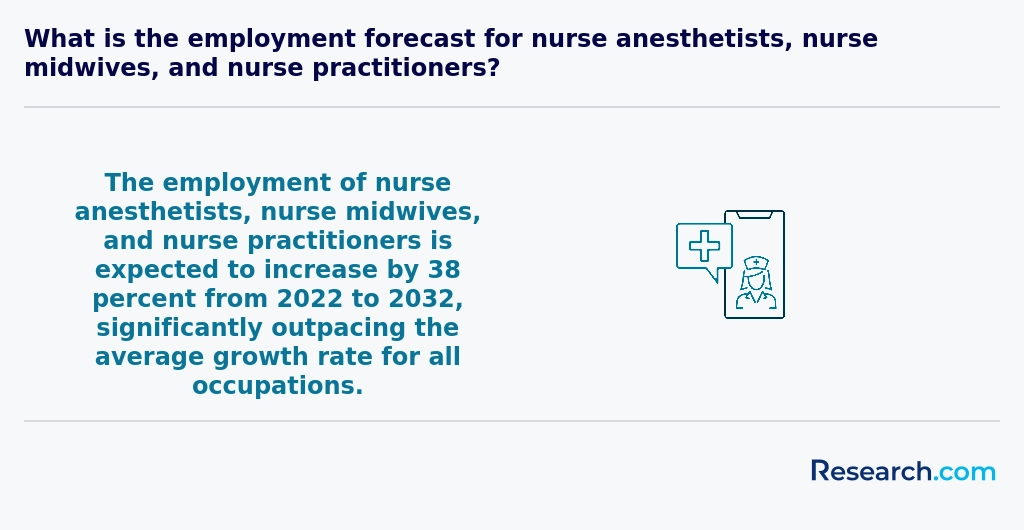
Graduates with a nursing degree in Detroit find a wealth of career paths that truly make a difference in their communities. Many start as Registered Nurses (RNs) working in leading local institutions like the Detroit Medical Center or Henry Ford Health System, delivering compassionate care in hospitals or outpatient clinics. Others pursue specialized roles such as pediatric or geriatric nursing, tailoring their skills to Detroit's diverse populations. With determination, some advance to become Nurse Practitioners or embrace public health nursing, focusing on wellness and prevention in urban settings. Alumni from popular Detroit colleges often speak about how their clinical experiences in these vibrant healthcare environments helped them build confidence and a sense of purpose early in their careers.
For those weighing career decisions, jobs with nursing degree Detroit graduates often reveal exciting opportunities beyond bedside care, including health informatics, case management, or nursing leadership. Many Detroit nursing programs also offer structured residencies that bridge classroom learning with real-world experience, fueling both career growth and financial rewards. Students seeking affordable options can explore resources like the Affordable Online Nursing Degree Programs Ranking in New Jersey for guidance on cost-effective pathways.
The nursing job market in Detroit is vibrant and full of promise for graduates, reflecting a strong local demand boosted by major medical centers and community health programs. Graduates from renowned Detroit colleges often find rewarding roles in busy urban hospitals and outpatient clinics, where their skills directly impact patient care in dynamic environments. Nursing job opportunities in Detroit are plentiful, with a growing need for healthcare professionals driven by an aging population and expanding hospital services.
Many nursing graduates share uplifting stories of quickly securing competitive positions, earning salaries that range from $65,000 to $80,000 annually, with advanced roles offering even greater rewards. Programs at Detroit's universities equip students not only with clinical expertise but also the ability to serve diverse communities, fostering deep connections and career satisfaction. For those balancing work and study, options like a fast online bachelor's degree for working adults make pursuing a nursing degree in Detroit both accessible and practical.
The Detroit nursing degree employment outlook remains bright as the city's healthcare landscape evolves, creating diverse career paths that bring both security and the joy of making a tangible difference locally.
2027 Most Valuable Nursing Degree Programs Ranking in Detroit
Investing in your education is a significant decision that can shape your future, and the Research.com team understands the importance of making informed choices. To assist prospective students in Detroit, we have meticulously crafted the "2027 Most Valuable Nursing Degree Programs Ranking in Detroit." Our commitment to quality, credibility, and accuracy is reflected in the extensive research and analysis conducted to compile this ranking.
We utilized the following reputable data sources to ensure a comprehensive evaluation of nursing degree programs:
By exploring this ranking, readers will gain valuable insights into the most valuable nursing degree programs available in Detroit, helping them make informed decisions about their educational paths. For more details on our methodology, please visit our Research.com methodology page.


Frequently Asked Questions About nursing
Nursing degree students in Detroit can enhance their learning by engaging deeply in clinical experiences offered by local hospitals such as Henry Ford Health System and Detroit Medical Center. These institutions provide hands-on training vital for skill development. Students should also take advantage of Detroit's growing simulation labs, which use advanced technology to mimic real-world medical scenarios.
Balancing classroom instruction with community health initiatives in Detroit can broaden understanding of diverse patient populations. According to the Michigan Center for Nursing, collaborative learning and networking with healthcare professionals in Detroit's urban setting improve critical thinking.
Lastly, utilizing tutoring services and joining nursing student organizations can aid academic success and offer support throughout the program.
Emerging niches within the nursing field are expanding rapidly, reflecting changes in healthcare needs and technology. In Detroit, specialties like geriatric nursing are growing due to the city's aging population. According to the Detroit Health Department, nurses trained in elder care are increasingly essential.
Another rising area is informatics nursing, where professionals use data and technology to improve patient outcomes. The Michigan Center for Nursing highlights significant demand for nurses skilled in digital health tools.
Additionally, psychiatric nursing is gaining attention, supported by Detroit's focus on mental health services. Community health nursing also remains vital, addressing urban health disparities.
Preparing for the job market after completing a nursing degree in Detroit involves several strategic steps. First, graduates should obtain licensure by passing the NCLEX-RN exam, which is required to practice as a registered nurse in Michigan. According to the Michigan Board of Nursing, over 85% of nursing graduates in the state pass the exam on their first attempt.
Building clinical experience through internships or residencies in Detroit-area hospitals can increase employability. Large healthcare employers like Henry Ford Health System and Detroit Medical Center often seek new graduates familiar with local protocols.
Networking through professional organizations such as the Michigan Nurses Association also helps connect graduates to job opportunities and mentorship.
Finally, continuing education and specialization, especially in high-demand areas like geriatric or critical care nursing, can improve long-term career prospects in Detroit's growing healthcare market.
Employers in Detroit prioritize several key skills when hiring nursing degree graduates. Strong clinical competence is essential, as Detroit's healthcare facilities require nurses adept at patient care and medical procedures. Communication skills are highly valued, particularly the ability to clearly interact with patients and interdisciplinary teams. Critical thinking and problem-solving skills are necessary due to the fast-paced nature of Detroit's hospitals, where nurses must quickly assess and respond to changing health conditions.
According to the Michigan Center for Nursing, cultural competence is also crucial, reflecting Detroit's diverse population. Time management and adaptability further enhance employability in this competitive market.
Finding internships in Detroit for nursing students involves connecting with local hospitals, clinics, and healthcare organizations that offer clinical training aligned with nursing degrees. Detroit's major healthcare providers like Detroit Medical Center and Henry Ford Health System frequently provide internship opportunities for nursing students. These institutions partner with local colleges to support hands-on experience as part of program requirements.
Students should also check with nursing schools directly, as many have established affiliations with healthcare facilities in Detroit to facilitate placements. Additionally, the Michigan Department of Health and Human Services and the Michigan Nurses Association provide resources and listings of clinical internships statewide.
Networking with nursing faculty and attending local healthcare career fairs can further increase chances of securing competitive internships. According to the Bureau of Labor Statistics, Detroit has a strong demand for nurses, making practical experience through internships essential for future employment.
Obtaining a nursing degree in Detroit significantly enhances career mobility and advancement opportunities. The Detroit metropolitan area has a growing healthcare industry, with a demand for skilled nurses projected to increase by 15% through 2030 according to the U.S. Bureau of Labor Statistics. Nurses with Bachelor of Science in Nursing (BSN) degrees often have access to higher-paying roles and leadership positions compared to those with only an Associate Degree in Nursing (ADN).
Detroit hospitals and healthcare systems prefer BSN-prepared nurses, as they are linked to better patient outcomes and qualify for specialized certifications. This preference supports career growth into roles such as nurse managers, clinical educators, and advanced practice nurses. Registered nurses in Detroit earn a median annual wage of about $68,000, with BSN holders typically earning more due to increased responsibilities.
Moreover, a nursing degree facilitates easier transitions into advanced degrees, such as Nurse Practitioner programs, which further expand job options and compensation. Local universities like Wayne State University also offer pathways for career advancement through continuing education and degree completion.
Studying for a nursing degree in Detroit equips students with skills essential for interdisciplinary healthcare roles. Local nursing programs emphasize teamwork, communication, and collaboration with professionals in medicine, social work, and pharmacy. According to the Michigan Department of Health and Human Services, Detroit-area nursing curricula often include clinical rotations in diverse care settings, fostering real-world experience alongside various disciplines.
Additionally, partnerships between Detroit nursing schools and health systems, such as the Detroit Medical Center, provide opportunities for students to engage in joint case management and patient-centered care. This integrated training helps graduates work effectively within teams focused on holistic patient outcomes.
Choosing between a thesis and a non-thesis nursing degree program in Detroit depends largely on your career goals and interests. A thesis program involves conducting original research, which suits students aiming for roles in academia or advanced clinical research. According to the National League for Nursing, thesis tracks often require strong writing and critical thinking skills.
In contrast, non-thesis programs focus on practical skills and typically include more coursework and clinical experience. This path is popular among students planning to enter clinical practice or healthcare management directly.
Detroit offers multiple nursing schools accredited by the Commission on Collegiate Nursing Education (CCNE), ensuring quality education regardless of program type. Consider advising resources at institutions like Wayne State University to better understand how each option aligns with your professional plans.
Students based in Detroit who wish to study nursing abroad have several pathways through partnerships and exchange programs offered by Detroit-area institutions. While most Detroit nursing schools focus on domestic programs, some collaborate with international universities to provide study-abroad opportunities. For example, Wayne State University, a major Detroit institution, offers global nursing experiences through short-term clinical placements in countries such as Canada and the United Kingdom, enabling students to gain international exposure while earning credits.
Given that Michigan has one of the highest demands for registered nurses, studying abroad can enhance a student's competitiveness by broadening clinical perspectives. According to the Michigan Center for Nursing, over 30% of Detroit's nursing workforce holds a bachelor's degree or higher, indicating a strong foundation for advanced study. However, students must ensure foreign programs meet U.S. licensing requirements, as international nursing education varies widely.
Additionally, students may seek third-party study abroad programs specializing in nursing, which often combine classroom instruction with clinical practice in diverse healthcare settings. These options provide valuable cultural competence and global health knowledge, critical in today's interconnected healthcare environment. It is essential to coordinate closely with Detroit-area nursing advisors to verify credit transferability and program accreditation before committing.
Part-time job opportunities in Detroit can greatly complement nursing degree education by providing practical experience and financial support. Many students find roles as certified nursing assistants (CNAs) or patient care technicians, both of which offer hands-on involvement in healthcare settings. According to the Michigan Bureau of Labor Market Information, Detroit's healthcare support roles are expected to grow by 12% through 2030, increasing job availability.
Other options include medical receptionist or administrative assistant positions at Detroit-area hospitals and clinics, which help students gain knowledge of healthcare operations and patient interactions. Volunteering in local health centers is another valuable way to build skills and networks while studying.
Flexible scheduling at institutions such as Henry Ford Health System and Detroit Medical Center supports students managing coursework alongside work commitments.
Nursing students in Detroit have access to numerous networking opportunities that can enhance their education and career prospects. Many local universities collaborate with Detroit-area hospitals such as Henry Ford Health System and Detroit Medical Center, offering clinical placements that encourage professional connections.
Students can join organizations like the Michigan Nurses Association, which hosts events and conferences in the region, allowing them to meet practicing nurses and healthcare leaders. Detroit also offers chapter meetings of the National Student Nurses' Association, fostering peer-to-peer networking and mentorship.
Additionally, career fairs sponsored by institutions like Wayne State University attract hundreds of healthcare employers annually, providing invaluable direct interaction with recruiters.
Alumni networks play a significant role in supporting nursing degree students in Detroit by offering access to professional connections and local employment opportunities. Many Detroit nursing programs boast active alumni groups that maintain relationships with healthcare employers in the area, such as Henry Ford Health System and Detroit Medical Center. According to the Michigan Nursing Workforce Center, over 85% of nursing graduates find employment through referrals or contacts gained via alumni networks.
These networks also provide mentorship, career advice, and guidance on licensing requirements specific to Michigan's Board of Nursing. Students gain insights into regional healthcare trends and job market demands, improving their chances of successful job placement after graduation.
Customizing a nursing degree program in Detroit largely depends on choosing a school with flexible options. Many local colleges, such as Wayne State University, offer specializations in areas like pediatric, geriatric, or psychiatric nursing. Students can often select electives and clinical placements that align with their intended career path.
Detroit's healthcare system, including institutions like Henry Ford Health System, provides ample clinical opportunities, allowing students to gain experience in urban healthcare settings. According to the Michigan Center for Nursing, approximately 40% of nursing students in Detroit explore advanced practice roles during their studies, helping tailor their education.
Additionally, accelerated and part-time programs are available for working professionals, offering further customization based on individual schedules and goals.
Nursing students in Detroit face several challenges that impact their academic success. A significant issue is the high tuition cost combined with living expenses, as Detroit's cost of living is rising faster than many other cities in Michigan. According to the Michigan Nurses Association, many students also struggle with balancing clinical rotations and part-time work to support themselves financially.
Access to quality clinical placements can be limited due to Detroit's healthcare system being stretched thin, leading to competition among students. Additionally, the rigorous demands of nursing programs contribute to high stress and burnout rates. Mental health support services remain insufficient for many campuses.
With a nursing degree in Detroit, graduates can pursue several professional certifications to enhance their careers. Common options include becoming a Certified Nurse Practitioner (CNP), Certified Nurse Midwife (CNM), or a Clinical Nurse Specialist (CNS). These certifications often require additional education and passing a national exam. For those interested in critical care, the American Association of Critical-Care Nurses offers the CCRN certification.
Detroit nurses also frequently obtain certifications in specialties like pediatrics, oncology, or gerontology to meet the needs of the local population. According to the Michigan Board of Nursing, certification improves job prospects and can lead to higher salaries within Detroit's healthcare system.
Applying to a nursing program in Detroit requires careful preparation and attention to detail. Start by researching accredited programs such as those at the University of Detroit Mercy and Wayne State University, both well-regarded in the region.
Strong academic records matter-a minimum GPA of 3.0 and prerequisite science courses (anatomy, physiology, microbiology) improve chances. Many programs require the TEAS exam, so prepare thoroughly to score well.
Additionally, Detroit nursing schools value relevant healthcare experience. Volunteering or working as a nursing assistant demonstrates commitment and practical skills.
Write a clear personal statement that highlights motivation for nursing and ties your goals to healthcare needs in Detroit, supported by local health data where possible.
Lastly, secure strong letters of recommendation from educators or healthcare professionals familiar with your work ethic and character.
The nursing profession is highly valued worldwide due to its critical role in healthcare systems. In the United States, including Detroit, nursing offers strong employment opportunities with a projected 9% growth in jobs from 2020 to 2030 according to the Bureau of Labor Statistics. This reflects global trends where demand for nurses is rising because of aging populations and healthcare advances.
Nurses trained in Detroit benefit from programs aligned with internationally recognized standards, facilitating career mobility across countries. The global perspective emphasizes cultural competence, technological proficiency, and leadership skills, which are increasingly incorporated into nursing curricula. Detroit's nursing schools often integrate these aspects to prepare graduates for diverse patient populations.
Internationally, nursing roles continue to expand beyond traditional care, involving research, policy, and education. According to the International Council of Nurses, the profession's versatility makes it vital in managing global health challenges, underlining its long-term career value.
To gain practical experience while studying for a nursing degree in Detroit, students typically participate in clinical rotations arranged through their colleges or universities. These internships occur in local hospitals, clinics, and community health centers, giving students hands-on training with patients under professional supervision. Detroit is home to notable healthcare facilities like Henry Ford Health System and Detroit Medical Center, which frequently collaborate with nursing programs.
Additionally, many nursing schools encourage involvement in simulation labs that use advanced mannequins and technology to mimic real-life medical scenarios. According to the Michigan Nurses Association, students who complete at least 500 clinical hours tend to be better prepared for licensure exams and employment.
Choosing the right concentration within a nursing degree program in Detroit requires understanding the local healthcare demands and your career goals. Detroit's healthcare sector is growing, with high needs in geriatric care and community health due to its aging population, according to the Detroit Health Department.
Consider concentrations like family nurse practitioner or psychiatric nursing, both in demand locally. Research the program's clinical partnerships within Detroit hospitals and clinics, which offer valuable practical experience.
Additionally, examine state licensing requirements for Michigan, as some concentrations prepare students for specific certifications. Reviewing data from the Michigan Board of Nursing can guide your decision based on job market trends.
- 2027 Most Valuable Nursing Degree Programs Ranking in Columbus
- 2027 Most Valuable Nursing Degree Programs Ranking in Cincinnati
- 2027 Most Valuable Nursing Degree Programs Ranking in Chicago
- 2027 Most Valuable Nursing Degree Programs Ranking in Indianapolis
- 2027 Most Valuable Nursing Degree Programs Ranking in Milwaukee
- 2027 Most Valuable Nursing Degree Programs Ranking in Rochester
- 2027 Most Valuable Nursing Degree Programs Ranking in Louisville
- 2027 Most Valuable Nursing Degree Programs Ranking in Peoria
- 2027 Most Valuable Nursing Degree Programs Ranking in Washington
- 2027 Most Valuable Nursing Degree Programs Ranking in Baltimore
See What Experts Have To Say About Studying Nursing
Read our interview with Nursing experts


- How to Choose a Nursing Program: A Comprehensive Guide - Madonna ABSN https://absn.madonna.edu/blog/how-to-choose-a-nursing-program/
- Work-life balance | Careers Crossroads | RCN Careers Resources | Royal College of Nursing https://www.rcn.org.uk/Professional-Development/Your-career/Nurse/Career-Crossroads/Career-Ideas-and-Inspiration/work-life-balance
- Study Nursing Abroad | Boomerang International Educational Services https://boomerangedu.com/study-nursing-abroad/
- | NRR | Dove Medical Press https://www.dovepress.com/internship-challenges-encountered-by-nursing-students-a-qualitative-st-peer-reviewed-fulltext-article-NRR
- Types of Nursing Careers & Specialties https://nursinglicensemap.com/nursing-specialties/
- Nursing Degree You Need to Become an RN https://www.allnursingschools.com/registered-nursing/degrees/
- Working While in Nursing School: 25 Ways to Make Money as a Nursing Student https://credenzahealth.com/career-advice/working-while-in-nursing-school-25-ways-to-make-money-as-a-nursing-student
- Top Skills Employers Want in Practical Nursing Graduates https://vervecollege.edu/what-employers-look-for-in-practical-nursing-graduates/
- What Are the Best Jobs to Work While in Nursing School? https://www.dewv.edu/what-are-the-best-jobs-to-work-while-in-nursing-school/
- How a BSN Prepares You for Graduate Nursing Degrees (MSN, DNP) https://blog.methodistcollege.edu/bsn-prepares-you-graduate-nursing-degrees


