2027 Most Affordable Nursing Degree Programs Ranking in San Antonio

Co-Founder and Chief Data Scientist
Choosing the right nursing degree program can feel overwhelming, especially with so many options available in San Antonio. That's why the Research.com team of data scientists created the 2027 Most Affordable Nursing Degree Programs Ranking in San Antonio to guide you toward the best choices for your future.
This article breaks down affordable programs, helping you make an informed decision that fits your budget and goals. Pursuing a nursing degree opens doors to a rewarding career where you can make a real difference in people's lives.
Read on to explore valuable insights and start your journey with confidence.
Key benefits of getting nursing degree in San Antonio
- Graduates with a nursing degree in San Antonio can earn competitive salaries, such as $94,480 annually for Registered Nurses and Public Health Nurses, while Operating Room Nurses make even more, averaging $128,490 per year.
- Nursing graduates from popular local colleges in San Antonio have diverse career paths available, including roles in clinical education, emergency rooms, and public health, offering flexibility and growth opportunities.
- Completing a nursing degree online from a respected San Antonio university allows students to balance work and study, providing convenience and the ability to earn a degree without disrupting their current lifestyle.
- 2027 Most Affordable Nursing Degree Programs Ranking in San Antonio
- What can I expect from nursing degree in San Antonio?
- Where can I work with nursing degree in San Antonio?
What can I expect from nursing degree in San Antonio?
The average cost of earning a nursing degree in San Antonio varies depending on the institution and degree level. Graduates from popular local schools, such as the University of the Incarnate Word or San Antonio College, often report tuition costs ranging from $5,000 to $15,000 per year for ADN or BSN programs. Many students find this manageable through a combination of scholarships, grants, and financial aid offered by these schools and local healthcare organizations.
Graduates frequently highlight how financial aid opportunities significantly reduced their burden, allowing them to focus on clinical rotations at well-known facilities like University Health System. One graduate shared that balancing part-time work with clinical hours was easier thanks to the low tuition and accessible support from campus advisors.
Because San Antonio has a relatively low cost of living, students can often budget effectively for housing and transport, which further eases financial stress. Planning ahead and exploring nursing-specific funding options is highly recommended to maximize affordability and success in pursuing a nursing career locally.
Where can I work with nursing degree in San Antonio?
Nursing graduates from popular San Antonio schools often find themselves quickly employed across a range of healthcare settings. Many leverage their clinical training at institutions like the University of the Incarnate Word or UT Health San Antonio to secure positions in large hospital systems such as University Health System or Methodist Healthcare. Graduates commonly express excitement about working in fast-paced environments like emergency departments or intensive care units, where hands-on skills learned during their studies are crucial.
Others choose specialized paths by joining facilities like the Cancer Therapy & Research Center or Christus Santa Rosa Health System, where additional certifications in oncology or pediatric nursing open doors to rewarding roles. Graduates highlight the value of internships and practicums offered by San Antonio colleges, which often lead directly to job offers in outpatient clinics, long-term care, or rehabilitation centers.
Military healthcare facilities also attract nursing graduates interested in serving active-duty personnel, offering unique career growth and benefits. Overall, nursing degrees from San Antonio equip students with versatile skills applicable to numerous settings, making local employment opportunities both abundant and fulfilling.
Graduates with nursing degrees in San Antonio typically start with competitive salaries reflecting local demand and opportunities. Registered Nurses (RNs) earn a mean annual wage of about $94,480, which aligns with multiple specialized roles such as Clinical Nurse Educators, Public Health Nurses, and Emergency Room Nurses. This consistency allows new graduates from popular nursing programs at local colleges to gauge realistic income expectations.
For example, a new RN graduate from a top nursing school in San Antonio might begin around $60,000-$65,000, but with experience and certifications, salaries quickly approach or surpass the $94,480 median. Those interested in highly specialized roles like Operating Room Nurses can anticipate even higher earnings, with mean annual wages of approximately $128,490, reflecting advanced skills and responsibilities.
Practical experience gained through internships and clinical rotations at San Antonio's hospitals repeatedly proves valuable, often leading to overtime pay and shift differentials that boost overall income. Graduates find that pursuing advanced degrees or certifications opens doors to growth and salary increases, creating rewarding career paths aligned with the strong healthcare community in the city.
- San Antonio offers nursing programs from LVN certificates to MSN degrees at accredited community colleges and universities.
- Tuition for associate nursing degrees ranges from $5,000 to $10,000 per year for in-district students, while bachelor's programs cost between $10,000 and $20,000 annually.
- Additional expenses include textbooks, uniforms, clinical fees, and licensing exam fees.
- Starting salaries for graduate nurses average $65,000 to $70,000 per year, with experienced RNs earning $85,000 to $95,000 annually.
- The job market in San Antonio is strong due to population growth and healthcare expansion, with thousands of new nursing jobs expected in the next decade.
- Nursing programs in the city have clinical partnerships and licensure pass rates that meet or exceed state averages.
Completing a nursing degree in San Antonio generally depends on which program you choose and how you balance your studies with life commitments. For example, an Associate Degree in Nursing (ADN) from a community college can take about two to three years. Many graduates from local community colleges share that attending full-time helped them finish in two years, while part-time study extended their timeline but allowed them to work simultaneously.
Those aiming for a Bachelor of Science in Nursing (BSN), such as through the University of Texas at San Antonio, can expect around four years of full-time study. Graduates often describe the challenge of managing coursework and clinical practice, but emphasize the strong support systems available on campus. For students entering with an ADN, the RN-to-BSN bridge usually takes 12 to 24 months depending on enrollment status, offering flexibility for working nurses.
Master's programs (MSN) typically add two years beyond the BSN. Many working professionals in San Antonio appreciate that part-time options make it possible to advance careers without pausing employment. Practical scheduling and choosing the right program setup can make your nursing degree journey both achievable and rewarding.
Accreditation is one of the first items nursing applicants should verify. It shows that a program has undergone external review and meets recognized standards for curriculum, faculty, clinical learning, and student outcomes. It can also affect licensure eligibility, credit transfer, graduate school admission, and employer recognition.
In San Antonio, reputable programs may hold recognitions such as:
- Commission on Collegiate Nursing Education (CCNE)
- Accreditation Commission for Education in Nursing (ACEN)
- Southern Association of Colleges and Schools Commission on Colleges (SACSCOC)
Graduates must pass the NCLEX-RN to become licensed nurses. Most local ADN and BSN programs report first-time pass rates between 85% and 95%, which suggests meaningful preparation in both classroom and clinical settings. Still, applicants should examine several years of outcomes, not only the most recent year.
When comparing schools, ask whether the pass rate is for first-time test takers, how many students were included, and what support is available for students at risk of failing. Strong programs typically combine simulation, clinical coaching, exam-style testing, and targeted remediation.
Students planning advanced practice preparation should also confirm accreditation at the graduate level. Those comparing doctoral pathways can review the cheapest dnp online program while checking that any option supports their licensure and career goals.
Online nursing degrees in San Antonio provide flexibility ideal for working students or those balancing family life. Graduates often share relief at managing coursework on their own schedules without daily commutes, which cuts costs and stress. For example, students enrolled remotely at local institutions can complete theory online while arranging clinical hours at nearby healthcare centers, ensuring compliance with Texas Board of Nursing requirements.
On-campus programs such as those at the University of the Incarnate Word offer immersive experiences with in-person lectures, immediate access to campus labs, and close interaction with peers and faculty. Many find this hands-on approach helpful for mastering practical skills, with clinical rotations coordinated through partnerships with University Health System and Methodist Healthcare, enriching real-world exposure.
- Both formats require clinical training but differ in delivery style and location.
- Online students appreciate eliminating commuting and housing expenses.
- Campus students benefit from a structured environment and spontaneous peer support.
Choosing between formats depends on your lifestyle and learning preferences, but both can lead to successful nursing careers in San Antonio once accredited and aligned with local licensing standards.
San Antonio is a strong place to study nursing because it combines major healthcare employers, diverse patient populations, and multiple education pathways. Students can find associate, bachelor’s, bridge, and advanced nursing options, making the city practical for first-time college students, career changers, working adults, and licensed nurses seeking advancement.
The city’s healthcare environment gives nursing students exposure to hospital care, community health, specialty units, outpatient services, rehabilitation, and underserved populations. That variety matters because clinical experience is one of the most important parts of nursing education. A program with strong local clinical partnerships can help students build confidence before entering full-time practice.
Affordability is another major reason to compare San Antonio programs carefully. Tuition can vary widely by school type, degree level, residency status, and format. Students who want to broaden their search can also review the most affordable nursing programs in Texas to compare San Antonio options with other cost-conscious programs across the state.
For many students, the main advantage of studying nursing in San Antonio is the combination of access and opportunity: several educational entry points, steady healthcare demand, and a local market where graduates can pursue hospital, clinic, community health, military healthcare, and long-term care roles.
The average nursing degree cost in San Antonio falls around a median total of $35,426, according to recent data. For in-state students attending public institutions, this can be significantly lower, often near $17,048 for the entire program. Graduates from popular universities in San Antonio frequently highlight how choosing in-district colleges helped them manage expenses while still receiving quality education and clinical experience. Many find the investment worthwhile, noting the rewarding hands-on training and supportive faculty that shaped their careers.
Students pursuing nursing degrees in San Antonio typically encounter a range of tuition costs based on the type of institution and program length. For example, Bachelor of Science in Nursing (BSN) programs at public universities usually cost less per year than private colleges, but some private programs offer additional resources and networking opportunities that some graduates feel are valuable for their long-term success. Community colleges offering Associate Degree in Nursing (ADN) programs provide a more affordable entry point with total tuition often between $6,000 and $10,000.
To find affordable nursing programs San Antonio tuition considerations suggest exploring both public and community college options. Additional expenses like uniforms, licensing exams, and certifications are common but manageable with proper budgeting. Prospective students often advise consulting official school resources and financial aid offices early in the process. For a comprehensive guide on the most accessible options locally, check the most affordable nursing programs in Texas, which includes San Antonio schools.

Accreditation and NCLEX-RN pass rates are two of the most important quality checks for nursing applicants. Accreditation by organizations such as the Accreditation Commission for Education in Nursing (ACEN) or the Commission on Collegiate Nursing Education (CCNE) shows that a program has been reviewed against recognized nursing education standards. NCLEX-RN pass rates show how graduates perform on the national licensure exam required for RN practice.
Key accreditation and pass-rate benchmarks for San Antonio nursing schools include:
- University of Texas at San Antonio (UTSA): CCNE–accredited; 2023 NCLEX-RN pass rate of 91%.
- San Antonio College (SAC): ACEN–accredited; 2023 NCLEX-RN pass rate of 88%.
- Texas A&M University–San Antonio: CCNE–accredited; 2023 NCLEX-RN pass rate of 89%.
Programs with pass rates above 90% often provide comprehensive review courses, simulation labs, structured remediation, and faculty-led exam preparation. However, students should also ask how many students started the cohort, how many graduated, and how the school supports students who struggle academically.
How to verify program quality
- Confirm accreditation status on the school website and through recognized accreditation sources.
- Review recent NCLEX-RN outcomes through state board reports when available.
- Ask whether pass rates are first-time pass rates or overall pass rates.
- Look for tutoring, mentoring, clinical coaching, simulation access, and adaptive learning platforms.
- Check whether graduates are eligible for licensure in the state where they plan to work.
For nurses who want to move beyond the RN role, bridge programs can shorten the path to graduate study. Students comparing those pathways may consider online adn to np programs that build on ADN credentials and lead toward MSN-level preparation for advanced nursing roles.
Nursing students in San Antonio have several financial aid options tailored to help ease the cost of their education. Many graduates from San Antonio College and the University of Texas at San Antonio recall how the Pell Grant, providing up to $7,395 annually, significantly reduced their tuition bills. This need-based grant is ideal for those attending local public institutions with competitive pricing.
Loans, such as Federal Direct Loans, are another practical resource, offering fixed interest rates and flexible repayment plans that suit students balancing work and study. Programs like the Nursing Workforce Diversity and Scholarship Programs through HRSA have supported students committed to working in underserved San Antonio neighborhoods, providing both financial relief and career motivation.
Local scholarships from organizations like the San Antonio Area Foundation add extra help, with awards between $1,000 and $5,000 based on merit and community service. Registered nurses pursuing BSN degrees often benefit from tuition reimbursement through area healthcare employers, which helps reduce out-of-pocket expenses while advancing their careers.
State-level aid like the Texas Educational Opportunity Grant further supports low-income students across public colleges, making nursing degrees more accessible and affordable for many San Antonio residents.
San Antonio offers competitive nursing pathways, but students focused on affordability may benefit from comparing programs outside Texas as well. Arizona’s community colleges and public universities can offer lower in-state tuition, online coursework options, and strong NCLEX outcomes, depending on the institution and student residency status.
For a broader cost and quality comparison, review the Affordable Nursing Degree Programs Ranking in Arizona. Comparing both regions can help students understand whether staying in San Antonio, studying elsewhere, or choosing a hybrid path offers the best value.
| Factor | San Antonio Nursing Programs | Arizona Affordable Options |
| Clinical access | Often connected to local hospitals and healthcare systems such as UT Health | May combine local clinical partnerships with virtual simulation labs |
| Cost considerations | Can be strong for local students, especially at community colleges | May be lower for in-state Arizona students, but out-of-state costs can change the value |
| Licensure planning | Designed around Texas Board of Nursing expectations | Requires careful review if you plan to seek Texas licensure after graduation |
| Best fit | Students who want San Antonio clinical connections and local employment access | Students comparing regional tuition, online flexibility, and alternate clinical models |
The right choice depends on your residency, total cost after aid, clinical placement options, transfer policies, and the state where you plan to become licensed. A lower tuition price is valuable only if the program also supports licensure, clinical readiness, and job placement in your target market.
To enroll in a nursing degree program in San Antonio, students must have completed a high school diploma or GED, with strong coursework in biology, chemistry, and math. For example, graduates from San Antonio College emphasize how these subjects laid the foundation for their success in ADN programs. Many nursing schools in the area require applicants to pass the TEAS exam, which tests skills in reading, math, science, and English, ensuring students are prepared for demanding coursework.
In addition, maintaining a GPA around 2.5 to 3.0 is common, along with completing college prerequisites like anatomy and physiology for BSN hopefuls, as reported by recent University of Texas at San Antonio graduates. Practical steps such as securing CPR certification and clearing background checks are also essential due to clinical placement rules. Those already licensed as LPNs often find bridge programs tailored to their experience, making a smooth transition possible. Preparing strong recommendation letters and a personal statement helps highlight commitment, reflecting the positive, driven mindset seen in successful nursing candidates throughout San Antonio.
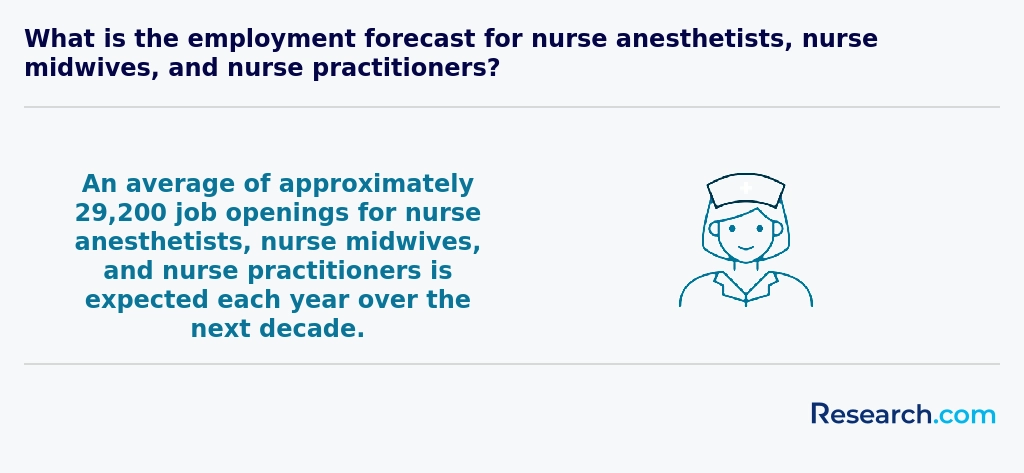
To work as a registered nurse in Texas, graduates must meet the Board of Nursing’s licensure requirements. These include completing an accredited nursing program, submitting fingerprints for a background check, and passing the NCLEX-RN exam. Because licensure is not automatic after graduation, applicants should evaluate each program’s NCLEX preparation before enrolling.
In San Antonio, top nursing schools typically report first-time NCLEX-RN pass rates between 85% and 95%. These outcomes can indicate how well a program prepares students for safe entry-level practice, although students should review multiple years of results rather than relying on a single reporting cycle.
What to look for in NCLEX-RN preparation
- NCLEX-style testing throughout the curriculum, not only during the final semester
- Simulation labs that help students practice decision-making before clinical rotations
- Faculty-led remediation for students who fall behind
- Dedicated test-prep workshops or review courses
- Clear policies on progression, repeat courses, and exam readiness requirements
Students comparing flexible or bridge pathways should pay close attention to licensure support. Some accelerated BSN tracks and bridge programs include third-party review tools, adaptive question banks, and structured exam coaching. Cost-conscious licensed nurses planning the next step can also review our ranking of most affordable online rn to bsn programs to compare tuition with academic support and completion flexibility.
Accreditation is also essential. A program accredited by bodies such as CCNE or ACEN is more likely to meet licensure, transfer, employment, and graduate school expectations. Before applying, confirm that the program’s accreditation status and Texas Board approval align with your intended licensure path.
Nursing degree programs in San Antonio typically include a mix of foundational science and specialized nursing courses. Graduates from popular institutions often highlight how courses like anatomy, physiology, microbiology, and chemistry helped them build a strong base in understanding the human body. This foundation made tackling more complex nursing topics manageable and rewarding.
Students also take practical courses such as health assessment, pharmacology, medical-surgical nursing, maternity and pediatric care, mental health, and community health nursing. A graduate from a well-known San Antonio college shared that learning health assessment techniques in clinical labs gave them confidence to evaluate patients during hospital rotations.
Many programs in San Antonio emphasize clinical rotations in local hospitals and clinics, allowing students to apply their knowledge in real-life situations. These hands-on experiences are vital, making the classroom lessons come alive and helping students feel prepared and hopeful about their future careers.
Students pursuing a nursing degree in San Antonio typically encounter a wide range of specializations designed to meet diverse career goals. Popular tracks include Adult-Gerontology Acute Care Nurse Practitioner (AG-ACNP), Pediatric Nursing, Family Nurse Practitioner (FNP), Psychiatric-Mental Health Nursing, Neonatal Nursing, and Emergency Nursing. These options reflect the practical demands of San Antonio's healthcare facilities and prepare graduates for real-world roles in hospitals, clinics, and specialized centers.
Graduates from prominent institutions such as the University of Texas Health Science Center at San Antonio often share that hands-on clinical experiences in these specializations helped them confidently transition into critical care and community health settings. Insights from these programs highlight how focusing on a specialization can open doors to specialized nursing roles that are highly valued locally.
For those weighing cost alongside career opportunities, it's helpful to review options like the ranking of most affordable online rn to bsn programs, which can supplement on-campus specializations and make education accessible as you advance in your nursing career. Choosing the right specialization tailored to San Antonio's healthcare needs ensures students align their education with growing job markets and personal passion.
Start by considering the degree level that matches your career goals and schedule. Graduates from San Antonio College often praise the value of affordable nursing degree programs San Antonio offers, especially for ADN students balancing work and study. Cost matters, but also compare total expenses like uniforms and exam fees. For many, schools like the University of Texas at San Antonio provide competitive tuition that feels manageable.
Check accreditation carefully-programs accredited by CCNE or ACEN guarantee quality education and smooth licensure pathways. Local programs usually include clinical placements at nearby hospitals, helping students gain hands-on experience and form professional connections, which graduates say greatly boosted their confidence and job prospects.
Many students appreciate programs with flexibility or bilingual training, reflecting San Antonio's diverse community needs. Those looking to advance further might explore online adn to np programs for convenient progression.
Finally, assess NCLEX-RN pass rates; successful programs in San Antonio typically report rates between 80% and 95%, which reassures graduates about their preparation and future career stability.

Nursing degree graduates in San Antonio enjoy diverse career paths tailored to their interests and skills. Many begin as registered nurses (RNs) in hospitals or community clinics, supported by San Antonio's growing healthcare infrastructure and strong nursing career opportunities in San Antonio. Graduates from local institutions like the University of Texas Health Science Center at San Antonio often share how clinical rotations there prepared them for emergency room nursing or pediatric nursing, where they provide vital care to children and families in dynamic, hands-on environments.
For those aiming higher, advancing to roles such as Nurse Practitioners or Clinical Nurse Specialists is common and rewarding, with many APRNs reporting increased autonomy and salaries exceeding $110,000. Others find fulfillment in non-clinical careers, including healthcare administration or public health nursing, where their work influences community wellness programs. Graduates engaged in teaching at colleges take pride in shaping future nurses, adding to the strong nursing degree job prospects San Antonio offers.
Students weighing costs often consult rankings like the Affordable Nursing Degree Programs Ranking in Arizona to identify accessible programs. This practical approach ensures education aligns with both career ambitions and financial planning.
The nursing job outlook in San Antonio is very promising, driven by a growing healthcare sector that includes hospitals, outpatient centers, and long-term care facilities. Graduates from local institutions like the University of Texas Health Science Center and San Antonio College often find rewarding job opportunities quickly, supported by the city's steady population growth and aging demographics.
Healthcare employment trends San Antonio show a 15% projected growth for registered nurses through 2030, which is faster than the national average. This means you can expect solid demand for your nursing skills in settings ranging from hospitals to government healthcare facilities, which graduates frequently highlight as fulfilling and stable career paths.
Many students appreciate that studying nursing here is cost-effective, with tuition rates below the national average, and salaries that align well with the local cost of living. For those seeking faster entry into the workforce, a 6 month course with high salary can be a strategic option to accelerate earning and gain practical experience shortly after graduation.
2027 Most Affordable Nursing Degree Programs Ranking in San Antonio
Investing in your education is a significant decision that can profoundly impact your future, and the Research.com team recognizes the importance of making well-informed choices. To support prospective students in San Antonio, we have carefully developed the "2027 Most Affordable Nursing Degree Programs Ranking in San Antonio." Our dedication to quality, credibility, and accuracy is demonstrated through rigorous research and meticulous analysis behind this ranking.
We utilized the following reputable data sources to ensure a comprehensive evaluation of nursing programs:
By consulting this ranking, readers will gain valuable insights into the most affordable nursing degree programs available in San Antonio, empowering them to make confident and informed education decisions. For a detailed explanation of our methodology, please visit our Research.com methodology page.
# 1 position
San Antonio College
Bachelor of Science in Nursing

# 2 position
Galen College of Nursing-San Antonio
Bachelor of Science in Nursing


# 4 position
The University of Texas Health Science Center at San Antonio
Bachelor of Science in Nursing


Frequently Asked Questions About nursing
Nursing degree students in San Antonio can maximize their learning by engaging in clinical experiences offered through local hospitals such as Methodist Healthcare and University Health System. These partnerships provide hands-on training essential for skill development. According to the Texas Board of Nursing, clinical hours are a critical component of nursing education and are linked to higher pass rates on the NCLEX exam.
Students should also take advantage of San Antonio College's tutoring and mentorship programs, which have proven to improve academic performance. Utilizing resources like simulation labs enhances practical knowledge and prepares students for real-world nursing challenges. Networking through local professional nursing organizations can further professional growth and job placement opportunities.
The nursing field in San Antonio is rapidly evolving with several emerging niches gaining importance. One key area is geriatric nursing, driven by the city's growing senior population, which recently reached over 15% of residents aged 65 and older according to the U.S. Census Bureau. Nurses specializing in elder care must manage complex health conditions and coordinate long-term care.
Another expanding niche is telehealth nursing, particularly relevant due to increased virtual care use since the COVID-19 pandemic. Telehealth nurses in San Antonio facilitate remote patient monitoring and virtual consultations, improving healthcare accessibility.
Finally, psychiatric nursing is rising as mental health awareness grows locally. These specializations offer diverse career paths and respond to critical community needs.
After completing a nursing degree in San Antonio, it is crucial to prepare effectively for the job market. First, obtaining licensure by passing the NCLEX-RN exam is mandatory to practice as a registered nurse. According to the Texas Board of Nursing, San Antonio has a high demand for RNs due to its growing healthcare sector.
Networking plays a key role in job placement. Graduates should attend local healthcare job fairs, join professional organizations like the Texas Nurses Association, and connect with clinical instructors who can provide valuable job leads.
Gaining relevant experience through internships or volunteer work in San Antonio hospitals can significantly enhance employability and practical skills.
Finally, tailoring resumes to highlight skills in patient care, electronic medical records, and teamwork improves chances of securing a nursing job in this competitive market.
Employers in San Antonio seek nursing graduates who combine strong clinical skills with effective communication. According to the Texas Board of Nursing, core competencies include patient assessment, medication administration, and critical thinking. These skills ensure safe and efficient care within diverse healthcare settings.
Additionally, local healthcare providers emphasize cultural sensitivity given San Antonio's diverse population. Nurses must be adept at working with patients from various backgrounds to provide personalized care.
Technical proficiency with electronic health records (EHR) is increasingly crucial. Many San Antonio hospitals rely heavily on digital tools to manage patient information, making this skill essential for new graduates.
Finally, teamwork and adaptability remain top priorities. The dynamic nature of healthcare requires nurses to collaborate effectively and adjust quickly to changing situations.
Finding nursing internships in San Antonio involves leveraging local healthcare facilities, educational institutions, and professional networks. Many nursing programs in San Antonio, such as those at the University of Texas Health Science Center and San Antonio College, have established partnerships with hospitals and clinics where students can apply for clinical internships.
Students should also explore opportunities at major medical centers like University Hospital and Methodist Healthcare System, which regularly offer internships for nursing students. Checking hospital websites and contacting their nursing education departments can provide up-to-date internship listings.
Additionally, San Antonio's strong healthcare sector includes veterans' hospitals and community health organizations, which frequently welcome nursing interns. Utilizing career services at nursing schools and attending local nursing association events can also help in finding internships.
Obtaining a nursing degree in San Antonio significantly enhances career mobility and advancement opportunities. Nurses with degrees, especially Bachelor of Science in Nursing (BSN) or higher, are in higher demand across the city's hospitals, clinics, and specialty care centers. According to the Texas Workforce Commission, San Antonio's healthcare sector is projected to grow 19% by 2030, with nursing roles leading this expansion.
Having a nursing degree allows professionals to pursue advanced roles such as nurse practitioner or clinical nurse specialist, which often require graduate education. Additionally, degree holders generally earn higher salaries-BSN-prepared nurses in Texas earn approximately 12-15% more than those with only an associate degree, based on data from the Bureau of Labor Statistics.
Employers in San Antonio increasingly prefer nurses with formal education due to evidence linking degrees to better patient outcomes and leadership capabilities. Thus, a nursing degree can be a critical factor for both lateral moves within healthcare settings and vertical promotions.
Studying for a nursing degree in San Antonio equips students with skills essential for interdisciplinary collaboration. Local programs often emphasize teamwork with professionals like physicians, social workers, and therapists. This focus prepares graduates to contribute effectively in complex healthcare environments.
San Antonio's healthcare industry is diverse, with over 131 hospitals and numerous clinics fostering opportunities for clinical rotations across different specialties, allowing hands-on interdisciplinary experience. According to the Texas Board of Nursing, many accredited programs incorporate simulation labs and community health projects that promote communication and leadership abilities.
These diverse learning environments help students understand the roles of various healthcare providers, essential for patient-centered care and improving outcomes.
When choosing between a thesis and a non-thesis nursing degree program in San Antonio, consider your career goals and learning preferences. Thesis programs emphasize research skills and preparation for doctoral studies or academic roles. They require completing an original research project, which can deepen your understanding of nursing science.
Non-thesis programs focus more on practical skills and clinical experience, making them ideal for those aiming to advance in clinical or administrative roles. According to the Texas Board of Nursing, San Antonio offers several accredited programs that provide both options, with tuition ranging from $8,000 to $15,000 annually.
Evaluate the program curriculum, faculty expertise, and available resources. Additionally, consider local healthcare demands in San Antonio, where nursing roles often require strong clinical competencies. Local hospitals may prefer candidates from non-thesis programs for hands-on roles, though research skills remain valuable for policy or education positions.
Students in San Antonio interested in studying nursing abroad have several pathways to consider. Most U.S. nursing programs, including those based in Texas, offer study abroad partnerships with universities in countries like the United Kingdom, Australia, and Canada. These opportunities typically involve short-term clinical placements or semester exchanges. According to the Texas Board of Nursing, more than 60% of local nursing schools encourage global experience to enhance cultural competence.
San Antonio students can also explore international programs that align with U.S. nursing licensure requirements to ensure a smooth transition back home. Additionally, scholarship programs and federal grants may support study abroad expenses. It is essential to verify accreditation and clinical equivalency before enrolling.
San Antonio offers several part-time job opportunities that complement nursing degree education effectively. Positions such as Certified Nursing Assistant (CNA), medical scribe, or patient care technician provide hands-on experience that enhances clinical knowledge. According to the Texas Workforce Commission, healthcare support roles in San Antonio are projected to grow by 15% through 2030, benefiting nursing students seeking employment.
Additionally, many local hospitals and clinics offer flexible shifts ideal for students attending nursing programs. The Christus Health system and University Hospital frequently hire part-time assistants, allowing students to develop skills in patient care and hospital operations while pursuing their degrees.
Working in community health outreach programs also exposes nursing students to public health challenges specific to San Antonio's diverse population, including a high prevalence of diabetes and cardiovascular conditions as reported by the Bexar County Public Health Department.
Nursing students in San Antonio benefit from a variety of networking opportunities that can broaden their professional connections. Many universities in the area, such as the University of Texas at San Antonio, offer access to local chapters of organizations like the Texas Nurses Association. These groups provide events, workshops, and conferences where students can meet experienced nurses and healthcare leaders.
San Antonio's healthcare sector is robust, with institutions like University Health System and Baptist Health System frequently hosting career fairs and clinical placements. These environments allow students to build relationships with potential employers early in their education. According to the Texas Center for Nursing Workforce Studies, networking in these settings increases job placement rates for graduates in the region.
Additionally, community volunteer programs and hospital internships present valuable opportunities for hands-on experience and professional interactions. Engaging in such activities helps students to expand their contacts within the local nursing community and enhances their resumes.
Alumni networks play a significant role in supporting nursing degree students in San Antonio by providing valuable professional connections. Graduates from local nursing programs often remain active in the community, helping students access job openings in major healthcare facilities such as Methodist and University Health System.
These networks offer mentorship opportunities that improve both clinical skills and career guidance. According to the Texas Center for Nursing Workforce Studies, San Antonio nursing alumni involvement has contributed to job placement rates exceeding 85% within six months of graduation.
Additionally, alumni groups frequently host workshops and networking events, giving students direct insight into evolving healthcare trends and licensure requirements.
Customizing a nursing degree program in San Antonio allows students to align their education with specific career goals. Many local institutions offer flexible options such as specializations in pediatrics, geriatrics, or community health, which reflect regional healthcare needs documented by the Texas Board of Nursing. Students can often choose between traditional, accelerated, and online coursework to fit their schedules. Clinical hours completed at San Antonio's diverse healthcare facilities provide practical experience tailored to chosen fields. Additionally, some programs incorporate leadership and informatics courses for those aiming at advanced practice or management roles. The option to pursue certifications alongside a degree enhances employability in San Antonio's competitive nursing market.
Nursing students in San Antonio often face demanding coursework combined with clinical practice requirements. Balancing these challenges with personal responsibilities can be difficult, especially for those attending part-time or working while studying. The rigorous curriculum requires strong time management and critical thinking skills.
Another significant challenge is the competitive nature of clinical placements. San Antonio's healthcare facilities have limited spots, which sometimes delays hands-on experience essential for progressing in the program.
Additionally, financial barriers remain a concern. According to the Texas Higher Education Coordinating Board, many students rely on loans or scholarships, yet rising tuition costs affect accessibility.
With a nursing degree in San Antonio, graduates can pursue several professional certifications to advance their careers. The most common certification is the Registered Nurse (RN) license, which is mandatory for practice in Texas. Beyond this, nurses may seek specialty certifications such as Certified Nurse Assistant (CNA), Certified Nurse Midwife (CNM), or Certified Registered Nurse Anesthetist (CRNA).
Other popular certifications include the Medical-Surgical Nursing Certification (CMSRN) and the Pediatric Nursing Certification (CPN). Each certification requires passing an exam and meeting experience requirements.
According to the Texas Board of Nursing, more than 50,000 nurses actively work in the San Antonio area, creating diverse opportunities for specialization.
Writing a winning application for a nursing program in San Antonio requires careful attention to several key elements. First, applicants should highlight their academic achievements, especially in science and math courses, as these form the foundation of nursing education. According to the Texas Board of Nursing, a competitive GPA often exceeds 3.0.
Next, strong letters of recommendation from healthcare professionals or educators demonstrate a candidate's commitment and potential. Including volunteer or work experience in clinical settings can further strengthen an application by showing practical interest and dedication.
Additionally, a compelling personal statement that clearly explains why nursing is a chosen career path in San Antonio's growing healthcare market can differentiate applicants. Programs often look for motivation and understanding of community health needs, reflected in local statistics from the San Antonio Metro Health Department. Preparing for and performing well on the TEAS exam also boosts admission chances, as it is a common requirement in many San Antonio nursing programs.
The nursing profession is recognized globally for its critical role in healthcare systems. In the United States, including San Antonio, nursing careers offer diverse opportunities and a stable job market. According to the U.S. Bureau of Labor Statistics, employment for registered nurses is projected to grow 9% from 2020 to 2030, faster than average for all occupations.
Globally, nurses are essential to achieving public health goals, such as those outlined by the World Health Organization. Education standards vary internationally, but U.S. nursing degrees, including those from San Antonio institutions, are highly respected.
For students in San Antonio, pursuing a nursing degree aligns with a worldwide demand for skilled healthcare professionals. The city's growing healthcare sector supports practical training and career advancement.
Gaining practical experience while studying for a nursing degree in San Antonio is essential for developing critical skills. Many nursing programs in the city include clinical rotations at local hospitals such as University Hospital and Methodist Healthcare. These placements allow students to work directly with patients under professional supervision.
Students can also participate in internships and externships offered through partnerships between colleges and healthcare facilities. These programs provide hands-on experience in real healthcare settings, often required by program accreditation bodies like the Texas Board of Nursing.
Additionally, volunteering at San Antonio clinics or community health centers provides valuable exposure to patient care and helps build professional networks.
Choosing the right concentration within a nursing degree program in San Antonio involves several important factors. First, consider your career goals and interests. Nursing offers diverse specializations such as pediatrics, gerontology, or acute care, each requiring different skill sets.
San Antonio healthcare facilities often emphasize areas like emergency and community health nursing due to the city's demographic needs, according to the Texas Workforce Commission. Reviewing labor market demands can guide your choice toward concentrations with higher job availability and growth.
Additionally, evaluate which local nursing schools provide strong clinical partnerships and certification support in your desired field. Accreditation and NCLEX pass rates also matter for future employment opportunities.
- 2027 Most Affordable Nursing Degree Programs Ranking in El Paso
- 2027 Most Affordable Nursing Degree Programs Ranking in Hattiesburg
- 2027 Most Affordable Nursing Degree Programs Ranking in Mobile
- 2027 Most Affordable Nursing Degree Programs Ranking in Memphis
- 2027 Most Affordable Nursing Degree Programs Ranking in Kansas City
- 2027 Most Affordable Nursing Degree Programs Ranking in Colorado Springs
- 2027 Most Affordable Nursing Degree Programs Ranking in Birmingham
- 2027 Most Affordable Nursing Degree Programs Ranking in Lincoln
- 2027 Most Affordable Nursing Degree Programs Ranking in Saint Louis
- 2027 Most Affordable Nursing Degree Programs Ranking in Denver
See What Experts Have To Say About Studying Nursing
Read our interview with Nursing experts

Lisa Grubb
Nursing Expert
Assistant Professor
Johns Hopkins School of Nursing

- THE FIELD OF NURSING - FIRST-DEGREE OF STUDIES https://wnoz.wum.edu.pl/pl/content/field-nursing-first-degree-studies
- How to Choose a Nursing Program | All Nursing Schools https://www.allnursingschools.com/how-to-get-into-nursing-school/choose-the-right-school/
- What Nursing Concentration Is Right for Me? | Maryville Nursing https://nursing.maryville.edu/blog/what-nursing-concentration-is-right-for-me
- Medical University of GdaÅsk https://admission.mug.edu.pl/29318.html
- Nursing Study Abroad Programs | Go Overseas https://www.gooverseas.com/study-abroad/nursing
- Nursing | Academic Program | St. Mary's University | San Antonio, Texas https://www.stmarytx.edu/academics/programs/nursing/
- Search our Job Opportunities at TENET https://jobs.tenethealth.com/employment/san-antonio-nursing-jobs/30315/1673/6252001-4736286-4674023-4726206/4
- Department of Nursing Philosophy https://www.mtsac.edu/nursing/mission.html
- Nurse Salary https://nursinglicensemap.com/resources/nurse-salary/
- How to Choose the Right Nursing School for Your Career Goals | Archer Review https://www.archerreview.com/blog/how-to-choose-the-right-nursing-school-for-your-career-goals