
2027 Most Valuable Online Bachelor's in Nursing Degree Programs Ranking in the Northeast

Co-Founder and Chief Data Scientist
Are you considering pursuing a nursing degree from an online program in the Northeast? Choosing the right program can feel overwhelming, but the 2027 Most Valuable Online Bachelor's in Nursing Degree Programs Ranking in the Northeast is here to help.
This ranking, created by the Research.com team of data scientists, offers a clear and trusted guide to nursing programs that provide real value. By reading this article, you'll gain insights to make an informed decision and take a confident step toward a rewarding nursing career.
Education in nursing opens doors to meaningful work and personal growth-let us help you find the best fit for your future.
Key benefits of getting online nursing degree in the Northeast
- The mean annual wage for Registered Nurses, Clinical Nurse Educators, Public Health Nurses, and Emergency Room Nurses in the Northeast is around $94,480, offering a reliable and rewarding income for nursing degree graduates.
- Graduates from popular Northeast universities often find diverse career paths, including roles in hospitals, community health, and education, allowing for personal growth and job satisfaction.
- Online nursing degrees from reputable Northeast schools provide flexible schedules and access to quality learning, making it easier to balance work, family, and studies without sacrificing educational standards.
- 2027 Most Valuable Online Bachelor's in Nursing Degree Programs Ranking in the Northeast
- What can I expect from online nursing degree in the Northeast?
- Where can I work with online nursing degree in the Northeast?
What can I expect from online nursing degree in the Northeast?
The average cost of an online nursing degree in the Northeast typically falls between $12,000 and $40,000 for a full BSN program. Graduates from prominent institutions, such as those in New York or Massachusetts, often describe their financial journey as challenging yet manageable, especially when factoring in in-state tuition discounts offered by some public universities. This affordability allows them to balance work and study without overwhelming debt.
Many students appreciate how affordable programs provide access to quality education while still connecting them with local hospitals for clinical rotations. Some shared experiences highlight the relief of finding programs that combine financial flexibility with strong support services like career counseling and tutoring tailored for online learners, making the investment feel worthwhile.
Looking ahead, these programs may evolve to include even more state-specific tuition options and scholarship opportunities, helping to reduce costs and widen access. As healthcare demands rise, the financial commitment might feel more like a valuable investment in a thriving career than an expense.
Where can I work with online nursing degree in the Northeast?
Graduates with an online nursing degree from institutions like the University of Pennsylvania or Northeastern University often find themselves stepping confidently into high-demand roles across the Northeast. Many secure positions in renowned hospitals such as Massachusetts General Hospital, where they thrive in emergency departments or surgical units, gaining hands-on experience that matches their study flexibility.
Others discover rewarding careers in outpatient care centers or home healthcare services, especially in states like New Jersey and Pennsylvania, where an aging population fuels steady demand. One graduate shared how transitioning to home health nursing allowed them to build meaningful relationships with patients, boosting personal fulfillment while meeting growing community needs.
Public health roles also beckon, as nurses participate in vaccination drives or health education within urban areas like Philadelphia or smaller communities across Vermont. Graduates often speak proudly about contributing to such vital programs, blending clinical skills with community impact.
Looking ahead, leadership and educational positions at local colleges are becoming accessible, creating opportunities for graduates eager to influence nursing practices and mentor new students. This evolving landscape makes pursuing an online nursing degree in the Northeast a promising and versatile career choice.
Graduates from online nursing programs in the Northeast often enter the workforce with strong earning potential. For example, Registered Nurses from well-known institutions like Northeastern University or Rutgers University typically see mean annual wages around $94,480, according to recent data. This figure reflects roles such as clinical nurse educators, public health nurses, and emergency room nurses, all demanding and rewarding career paths in the region.
Specialized nurses in high-intensity areas, such as operating room nurses, can anticipate salaries closer to $128,490 annually. This premium pay highlights the value of advanced skills gained both through rigorous online coursework and hands-on clinical experiences offered by top nursing schools in the Northeast.
Many graduates recall feeling excited and encouraged when landing their first positions in bustling hospitals in Boston or Newark, where demand for skilled nurses drives competitive pay and rapid career growth. With healthcare expanding and evolving, online nursing degree holders are poised to benefit from increasing opportunities and salaries in this vibrant region.
- Tuition for online nursing programs in the Northeast ranges from $12,000 to $45,000, with lower rates often available for in-state residents.
- Additional costs may include textbooks, technology fees, and clinical placement expenses.
- Employment for registered nurses in the Northeast is projected to grow 7% to 12% through 2030, slightly above the national average.
- Starting salaries for new RNs typically fall between $65,000 and $75,000 per year, with median salaries rising to $85,000 or more with experience.
- Advanced practice nurses, such as nurse practitioners, often earn over $110,000 annually.
- Northeast states have varying nursing licensure requirements, and not all participate in the Nurse Licensure Compact, which affects job flexibility across state lines.
Online nursing degrees in the Northeast typically take between two and four years, but this timeframe is rapidly evolving thanks to innovative program designs and flexible learning options. Graduates from renowned institutions like Boston College or the University of Pennsylvania often share how accelerated BSN tracks allowed them to complete their degrees in as little as 12 to 18 months, especially if they entered with prior nursing credits or associate degrees.
Many students appreciate the ability to balance work and study, fueled by part-time RN-to-BSN programs that stretch over 1.5 to 2 years with asynchronous coursework. This flexibility, common at schools such as New York University, helps reduce stress and create a manageable pace, making the sometimes rigorous journey feel empowering rather than overwhelming.
Looking ahead, one can imagine even shorter completion times as clinical placements become more efficiently coordinated within the densely populated Northeast area. This would let future students at institutions like Northeastern University combine hands-on experience seamlessly with online learning, further accelerating progress toward their nursing careers.
To satisfy nursing licensure and accreditation, online BSN programs in the Northeast include structured clinical components. You can expect:
- 600–800 hours of supervised practice at approved local healthcare facilities.
- Virtual simulation sessions that replicate real-world patient scenarios.
- One-on-one mentorship from experienced preceptors overseeing your hands-on skills.
A clinical coordinator typically manages placement logistics, including site agreements, background checks, and immunizations. Licensed RNs focused on leadership roles may explore rn to bsn no clinicals tracks that eliminate additional practicum hours while meeting academic requirements.
Online nursing degrees in the Northeast offer a flexibility that resonates deeply with many students balancing work and family. Graduates from programs at institutions like Northeastern University or the University of Massachusetts report the ease of attending lectures virtually, avoiding long commutes through cities such as Boston or Providence. This adaptability allows them to blend learning seamlessly into hectic daily routines without sacrificing quality.
Conversely, those enrolled in traditional on-campus programs at colleges like Boston College or the University of Pennsylvania often highlight the invaluable experience of face-to-face clinical labs and direct mentorship. The immediate feedback and camaraderie in shared study spaces build confidence and sharpen hands-on skills essential for nursing careers.
Both paths require clinical hours, yet online students sometimes navigate local healthcare partnerships for placements, reflecting a growing trend toward community-based training. This evolving approach fosters diverse experiences and may soon expand access to personalized clinical environments across the Northeast, blending convenience with practical immersion.
The average cost of an online nursing degree in the Northeast typically falls around $41,640, with in-state students often paying slightly less, approximately $35,880. Graduates from well-regarded public universities in this region frequently share positive reflections on their investment, describing the tuition as a worthwhile step toward career advancement and greater flexibility. For example, many students enrolled in online nursing programs at prominent institutions such as the University of Massachusetts Amherst find that the comprehensive curriculum justifies the expense, especially when balanced against savings on commuting and housing costs.
Residency status plays a significant role in tuition variation, with out-of-state students paying nearly twice as much in some cases. This discrepancy is often a motivator for Northeast residents to explore local accredited programs that maintain strong reputations, while also seeking financial aid and scholarship opportunities, which many nursing schools provide to ease the burden. Online learning formats have made it easier to manage course materials and clinical placement expenses, which can be particularly appealing for those juggling work and family responsibilities.
Students aiming to bridge between different nursing credentials can benefit from resources like rn to fnp bridge programs, which expand career options while potentially reducing overall education costs. Reflecting on the total tuition and fees for online nursing programs northeast, it's clear that while the upfront price may seem demanding, the future opportunities unlocked by such degrees often reinforce the decision as an empowering investment in one's professional and personal growth.
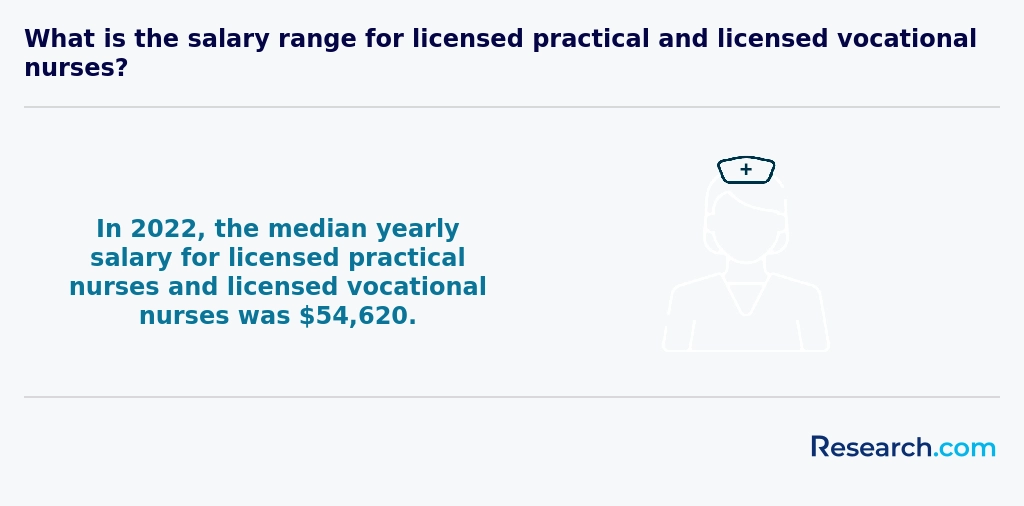
Many nursing students in the Northeast pursuing online degrees find federal financial aid to be a lifesaver. By submitting the FAFSA, they unlock access to Pell Grants that ease tuition costs significantly without the burden of repayment. Graduates from universities like Northeastern or Boston College often celebrate how Direct Subsidized Loans helped them manage expenses with low interest and flexible repayment plans, allowing them to focus on their studies rather than debt.
State programs also play a vital role. For example, nursing students attending schools in New York benefit greatly from the Tuition Assistance Program (TAP), which can cover up to $5,000 per year, a relief celebrated by many who juggle work and family. Some find extra motivation through state loan forgiveness offers when working in underserved communities post-graduation.
Institutional scholarships further brighten the path. At colleges such as the University of Pennsylvania or Rutgers, merit-based awards tailored for nursing students provide meaningful financial support, rewarding hard work and dedication. Employers, too, especially in hospitals around Philadelphia and Providence, increasingly support continuing education with tuition reimbursement, empowering working nurses to advance without financial strain.
Private foundations also inspire hope by offering competitive scholarships, ensuring aspiring nurses in the Northeast feel valued and supported throughout their education journey.
A strong indicator of an online nursing program’s quality is its graduates’ performance on the NCLEX-RN licensure examination and subsequent job placement rates. In 2023, the average NCLEX-RN first-time pass rate among accredited online BSN programs in the Northeast was approximately 88%, surpassing the national average of 84%. Top-ranked institutions such as the University of Massachusetts Amherst and Northeastern University reported pass rates of 92% and 90%, respectively, underscoring their rigorous curricula and robust exam preparation resources. Beyond licensure success, job placement metrics offer insight into a program’s real-world impact. Recent data indicate that 85% of online BSN graduates in the Northeast secure full-time nursing positions within six months of graduation, with many employers actively seeking candidates from programs recognized for high NCLEX pass rates. Career services teams play a pivotal role, offering resume workshops, interview coaching, and networking events that connect students to hospitals, clinics, and long-term care facilities. Accreditation not only ensures eligibility for the NCLEX-RN exam but also influences student access to federal financial aid and specialized scholarships. Prospective students should verify that their chosen program holds accreditation from bodies such as the Commission on Collegiate Nursing Education (CCNE) or the Accreditation Commission for Education in Nursing (ACEN). Programs with strong accreditation and transparent outcome reporting demonstrate a commitment to continuous improvement and accountability. While outcome metrics are critical, affordability remains a key consideration. For those exploring cost-effective options outside the Northeast, be sure to review our Low Cost Nursing Degree Programs Ranking in Oklahoma for additional insights into budget-friendly online nursing pathways.
Enrolling in an online nursing degree in the Northeast increasingly demands both academic preparedness and hands-on healthcare experience. Graduates from well-known institutions like Northeastern University often recall how their programs required a valid nursing license and an associate degree for RN-to-BSN tracks, ensuring they were well-grounded before advancing. This is becoming a standard expectation, reflecting the region's emphasis on producing highly qualified nurses.
Many programs also expect prior coursework or proficiency in core sciences such as anatomy and physiology, which students at the University of Massachusetts found invaluable when tackling complex clinical material later. Meeting a minimum GPA-typically between 2.5 and 3.0-alongside submitting personal essays and recommendation letters, helps applicants demonstrate their commitment and readiness.
Beyond academics, practical requirements like background checks and immunization records are becoming increasingly stringent, mirroring real-world clinical demands. These prerequisites foster confidence in students preparing to impact healthcare positively across the Northeast.
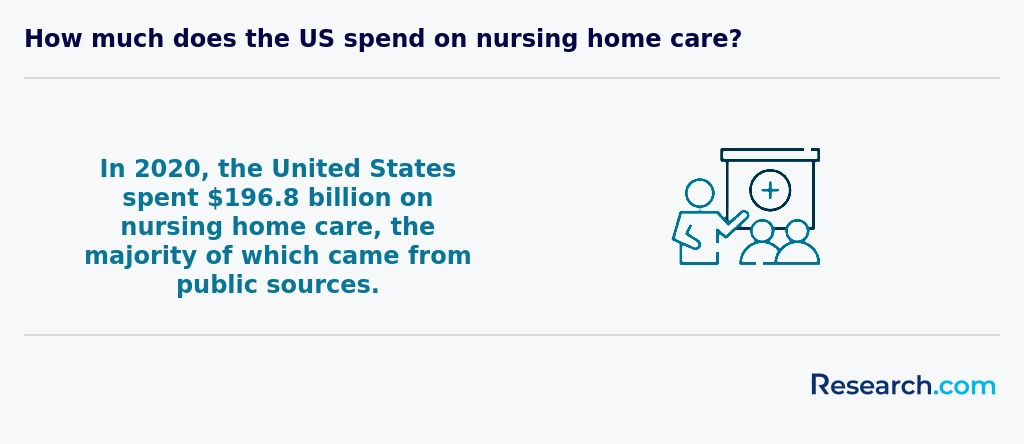
Online BSN degrees ensure you gain real-world skills through structured clinical experiences, typically ranging from 40 to 80 supervised hours in hospitals or community clinics. Programs often partner with local healthcare facilities, easing site placement and preceptor assignments.
Key features:
- Flexible scheduling options, including evenings and weekends
- Clear prerequisites: health screenings, immunizations, CPR certification, background checks
- Ongoing support: faculty advisors coordinate site visits and monitor progress
For RNs holding an active license, some RN-to-BSN pathways offer accelerated options with no additional clinical requirements, such as online rn to bsn programs without clinical requirements.
Online nursing degree programs in the Northeast typically include a rich mix of courses such as Anatomy and Physiology, Microbiology, Pharmacology, and Health Assessment-each aimed at building a strong foundation in healthcare. Graduates from well-known regional institutions often share how courses like Pathophysiology and Medical-Surgical Nursing gave them confidence managing complex patient cases during their clinical rotations, which were locally arranged to meet state licensure standards.
Mental Health Nursing and Community and Public Health Nursing stand out for their relevance in addressing the Northeast's diverse populations and evolving healthcare challenges. Students from popular colleges appreciate how Leadership and Management in Nursing courses prepared them for supervisory roles, enhancing their ability to make ethical decisions in high-pressure environments.
These programs blend theory with real-world clinical practice, often tailored for adult learners balancing work and study. Future trends suggest increasing integration of technology and telehealth modules, enabling students to adapt to growing digital healthcare needs across the region.
Online nursing degree specializations Northeast programs commonly include areas like Family Nurse Practitioner, Psychiatric-Mental Health, Pediatric, Geriatric, Acute Care, and Public Health Nursing. Graduates from popular universities in Boston and Philadelphia often share how focusing on these tracks helped them feel confident stepping into demanding roles, such as managing chronic conditions among elderly patients in suburban communities or providing urgent care in bustling urban hospitals. These specializations reflect the unique healthcare needs of the region's diverse population and the evolving nursing career focus options Northeast students must consider.
Many students describe feeling excited about the adaptability of their training, especially when programs integrate local clinical practicum placements that connect theory to real-world experiences in renowned health systems. Looking forward, emerging trends suggest even more tailored online programs will appear, emphasizing integrative and preventative care. For those concerned about affordability, exploring cheap nurse practitioner degree programs online offers practical guidance in selecting a cost-effective path.
Choosing the best online nursing degree in the Northeast means looking beyond just course content to future-proof your career. Graduates often share how programs at well-known colleges blend online learning flexibility with strong partnerships for clinical placements at nearby hospitals, creating smooth pathways to hands-on experience. Imagine balancing evening study sessions around work and family while gaining essential clinical skills just minutes from your home in cities like Boston or New York.
Affordability also plays a key role. Many students find exploring options through resources like the Low Cost Nursing Degree Programs Ranking in Oklahoma helpful, even from the Northeast, to benchmark costs and financial aid opportunities. Planning for tuition trends that tend to be higher in this region, due to living expenses, can relieve stress and ensure you finish your degree debt-conscious.
Graduates often emphasize the importance of NCLEX pass rates and graduation success as indicators of program quality. With best online nursing degree programs Northeast increasingly offering asynchronous classes, working professionals can tailor their studies to their demanding schedules while pursuing a degree that opens doors in healthcare across the region.
Future nursing students should also prioritize programs with robust academic support, given that individualized advising and tutoring substantially boost confidence and competence-crucial when entering a high-stakes healthcare environment. Choosing a program that matches your lifestyle and goals ensures a rewarding and motivating educational journey.

Graduates who pursue an online nursing degree in the Northeast find themselves at the forefront of expanding career options for online nursing degree Northeast. Many take on the role of Registered Nurses, working in bustling hospitals and community clinics across states like Massachusetts and New York, where healthcare facilities thrive. Others advance to Nurse Practitioner roles after completing a Master of Science in Nursing, stepping into primary care positions that offer greater independence and competitive salaries. A graduate from a prominent local university shared how their online program prepared them to confidently manage patient care in a busy urban clinic, enhancing their professional satisfaction. Emerging specialties such as Emergency Room Nurse or Clinical Nurse Specialist provide additional focused career pathways, appealing to those eager to deepen expertise.
Nursing job opportunities in the Northeast also extend beyond bedside care. Graduates increasingly engage in healthcare administration, informatics, and education, addressing the growing demand for nurses fluent in technology and health policy. Many students balancing jobs and study appreciate how popular colleges with flexible schedules enable this shift. Investors in their future often explore advanced degrees, including a one year online doctorate, to accelerate career growth and open leadership options.
The online nursing job opportunities Northeast reflect a dynamic and growing market, particularly for graduates from well-regarded programs at universities like those in Boston or New York City. Many recent graduates share how the flexible structure of online BSN programs allowed them to continue working while gaining skills that directly meet regional healthcare demands. Hospitals and outpatient facilities seek these nurses, especially as the aging population increases the need for skilled staff.
Graduates often find themselves quickly recruited into roles that emphasize preventive care and chronic disease management, areas growing in importance in Northeast healthcare employment for nurses. With competitive salaries surpassing national averages, many describe a strong sense of financial security and professional fulfillment. The investment in these programs, combined with the career prospects, aligns well with choosing the best major to make money, motivating many to pursue specialization and certification to further boost their employability.
2027 Most Valuable Online Bachelor's in Nursing Degree Programs Ranking in the Northeast
Investing in your education is a significant decision that can shape your future, and the Research.com team understands the importance of making informed choices. To assist prospective students, we have meticulously crafted the "2027 Most Valuable Online Bachelor's in Nursing Degree Programs Ranking in the Northeast." Our commitment to quality, credibility, and accuracy is reflected in the extensive research and analysis conducted to compile this ranking.
We utilized the following reputable data sources to ensure a comprehensive evaluation of nursing programs:
By exploring this ranking, readers will gain valuable insights into the most valuable online nursing degree programs, helping them make well-informed decisions about their educational and professional paths. For more details on our methodology, please visit our Research.com methodology page.





# 13 position
SUNY Empire State College
RN to Bachelor of Science in Nursing


# 17 position
Penn State University Park
Nursing, RN to BSN


Frequently Asked Questions About nursing
Online nursing degree students in the Northeast can maximize their learning experience by actively engaging with interactive course materials and participating in virtual simulation labs when available. According to the National Council of State Boards of Nursing (NCSBN), simulation can effectively substitute up to 50% of clinical hours, which benefits students balancing work and study.
Students should also take advantage of regional professional nursing associations like the New England Regional Black Nurses Association to build networks and find mentorship.
Additionally, accessing state-specific resources such as the New York State Education Department's nursing boards provides up-to-date regulatory information critical for licensure.
Consistent time management and communication with faculty via online platforms further enhance learning outcomes in these programs.
The nursing field is rapidly evolving, with several emerging niches gaining prominence in the Northeast. One significant area is gerontological nursing, driven by the region's aging population. According to the U.S. Census Bureau, states like New York and Massachusetts expect a 20% increase in residents over 65 by 2030, increasing demand for specialized care.
Another growing niche is informatics nursing, which merges healthcare and technology to improve patient outcomes. The adoption of electronic health records in Northeast hospitals has surged by over 35% since 2020, creating new roles for nurses skilled in data management.
Additionally, community and public health nursing is expanding, especially as the region tackles chronic illnesses and health disparities. These emerging specialties offer varied career opportunities for online nursing degree graduates in the Northeast.
After completing an online nursing degree in the Northeast, preparing for the job market involves several key steps. First, obtaining licensure through the NCLEX-RN exam is mandatory to practice as a registered nurse in states such as New York, Massachusetts, and New Jersey.
Networking is essential; joining local nursing associations like the Massachusetts Association of Registered Nurses can provide job leads and mentorship. Additionally, clinical experience gained during your program or through volunteer work strengthens your resume.
According to the U.S. Bureau of Labor Statistics, the Northeast expects a 12% growth in nursing jobs through 2031, signaling strong demand. Tailoring your resume to highlight healthcare technologies popular in the region can also improve employability.
Employers in the Northeast highly value nursing graduates who demonstrate strong clinical skills combined with critical thinking and effective communication. According to the New England Journal of Medicine, 85% of healthcare leaders emphasize adaptability and problem-solving as essential skills for new nurses. Additionally, proficiency in electronic health records (EHR) is increasingly important due to widespread digital healthcare systems in the region.
Hard skills such as patient assessment, medication administration, and infection control are fundamental. Equally, employers expect graduates to show cultural competence, given the diverse populations in cities like Boston and New York. Leadership and teamwork are frequently cited by the Massachusetts Board of Registration in Nursing as vital attributes for graduates entering the workforce.
Finding nursing internships in the Northeast involves combining online resources with local opportunities. Many accredited nursing programs require clinical hours and often help place students in internships within affiliated hospitals or clinics. According to the New England Board of Higher Education, states like Massachusetts, New York, and Pennsylvania offer over 1,200 hospitals, creating a broad network for practical experience.
Start by contacting your online nursing program's internship coordinator who can connect you with approved clinical sites. Additionally, platforms like NursingALD.com and state nursing boards provide updated listings of internships suitable for nursing students.
Networking with local healthcare providers and joining nursing associations, such as the Massachusetts Nurses Association, can also increase internship opportunities. Keep in mind that competitive positions often require early applications and proof of current immunizations and background checks.
An online nursing degree significantly enhances career mobility and advancement opportunities for professionals in the Northeast. Many hospitals and healthcare employers in this region recognize accredited online programs as equivalent to traditional degrees, enabling graduates to compete for jobs across multiple states. According to the New England Board of Higher Education, nursing jobs in the Northeast are projected to grow by 15% through 2030, highlighting expanding opportunities. Online degrees also allow working nurses to further their education without interrupting their employment, which can lead to promotions or specialized roles in management, education, or advanced clinical practice.
Additionally, the flexibility of online nursing programs supports continuous professional development, a critical factor for meeting licensure requirements in multi-state nursing compacts popular in the Northeast. By completing an online degree from a regionally accredited institution, students can more easily fulfill requirements to practice in various states, improving geographic mobility. The American Association of Colleges of Nursing (AACN) reports that higher education credentials, including online bachelor's degrees, correlate with higher salaries and leadership roles, reinforcing the degree's value in career advancement.
Studying for a nursing degree in the Northeast offers strong preparation for interdisciplinary roles through a curriculum designed to integrate various healthcare fields. Online programs often include courses in healthcare management, communication, and collaborative practice, which are essential for teamwork in modern clinical settings. According to the National League for Nursing, Northeastern nursing schools emphasize interprofessional education to enhance patient outcomes.
Many programs partner with local hospitals and healthcare organizations for practical training, giving students exposure to diverse healthcare teams. This experience equips graduates to work alongside physicians, social workers, and therapists effectively. The region's focus on community health also broadens understanding of social determinants of health, vital for interdisciplinary care.
Choosing between a thesis and a non-thesis nursing degree program in the Northeast depends largely on your career goals and learning preferences. Thesis programs typically require a significant research project, which suits students interested in advanced clinical roles or graduate studies. The non-thesis track often emphasizes practical skills and coursework, ideal for those seeking immediate entry into nursing practice or leadership positions.
According to the Northeast Regional Nursing Workforce Center, about 35% of nursing students in the region opt for thesis tracks to prepare for research or teaching roles. In contrast, 65% prefer non-thesis options for quicker workforce integration.
Cost and time commitment also vary: thesis programs may take longer and include additional fees for research resources. Review program structures carefully, and consider how each format aligns with your professional ambitions and learning style.
Students in the Northeast interested in studying nursing abroad through online programs have several options, but these are often limited by accreditation and licensure requirements.
Most U.S. nursing programs, including those in New York, Massachusetts, and Pennsylvania, require clinical hours to be completed in person, which complicates fully remote international study. However, some U.S.-based institutions offer partnerships with overseas schools allowing students to complete portions of their education abroad while maintaining U.S. accreditation. For example, schools registered with the Commission on Collegiate Nursing Education (CCNE) ensure degree recognition in the Northeast.
Additionally, students can consider study-abroad programs through universities with global campus agreements, but must verify that clinical placements meet state board of nursing regulations.
According to the National League for Nursing, approximately 60% of nursing students in the Northeast pursue hybrid or partially online programs, which may include some international study components.
Part-time job opportunities in the Northeast that complement nursing degree education include roles such as certified nursing assistants (CNAs), medical scribes, and pharmacy technicians. These positions provide practical experience and flexible hours suitable for students balancing coursework.
The U.S. Bureau of Labor Statistics notes that New England states like Massachusetts and Connecticut have some of the highest employment levels for nursing assistants, with median hourly wages ranging from $15 to $20. Working as a CNA offers hands-on patient care exposure, essential for nursing students.
Additionally, medical scribe jobs allow students to enhance clinical documentation skills, improving familiarity with electronic health records, a key nursing skill.
Online nursing students in the Northeast have several networking opportunities to support their professional growth. Many accredited programs partner with regional healthcare providers, enabling students to participate in virtual events and local clinical placements. According to the New England Board of Higher Education, online RN-to-BSN students in Massachusetts and surrounding states benefit from these connections to hospitals and clinics.
Professional nursing associations, such as the Massachusetts Nurses Association and the New Jersey State Nurses Association, offer online forums, webinars, and local chapter meetings. These platforms help students build relationships with practicing nurses and potential employers.
Additionally, career services at online institutions often host virtual job fairs tailored to Northeast healthcare markets, helping students access valuable contacts before graduation.
Alumni networks play a vital role for online nursing degree students in the Northeast by providing access to career resources and professional connections. Graduates can tap into a community of experienced nurses who often share job opportunities, mentorship, and advice specific to regional healthcare systems. According to the New England Board of Higher Education, strong alumni ties increase job placement rates by up to 20% in this sector.
Many Northeastern universities offer alumni platforms that facilitate networking with clinical partners and local hospitals, essential for nursing careers. These networks also keep members informed about continuing education and industry trends critical for licensure and advancement.
Customizing an online nursing degree in the Northeast begins with choosing programs that offer flexible curricula tailored to your career goals. Many accredited institutions provide options such as specialty tracks in geriatrics, pediatrics, or mental health nursing, allowing students to focus on areas with high regional demand.
Additionally, some schools feature elective courses and clinical placements in local healthcare settings, enabling practical experience aligned with your interests. According to the New England Board of Higher Education, nearly 60% of nursing programs in the Northeast now support such customization.
Online students should also verify that programs meet state licensure requirements to ensure smooth transition into their desired roles after graduation.
Online nursing students in the Northeast often face challenges balancing rigorous coursework with personal and professional responsibilities. Many students report difficulty managing time effectively when clinical placements require travel to healthcare facilities, especially in densely populated but geographically varied states like New York and Massachusetts. According to the American Association of Colleges of Nursing, nearly 60% of nursing students experience stress related to clinical hours logistics.
Additionally, access to reliable high-speed internet is crucial for successful online learning but remains inconsistent across rural parts of the Northeast. Technical issues and limited hands-on practice opportunities can impact skill development. Accreditation and state licensing requirements also vary, complicating enrollment decisions for students planning to work across state lines.
With an online nursing degree from a school in the Northeast, graduates can pursue various professional certifications that enhance their career prospects. Common certifications include the Registered Nurse (RN) licensure, which is necessary for most nursing jobs. Beyond that, nurses often seek specialty credentials such as the Certified Nurse Educator (CNE), Certified Pediatric Nurse (CPN), or Medical-Surgical Nursing Certification (CMSRN).
These certifications are typically awarded by national organizations like the American Nurses Credentialing Center (ANCC) or the Pediatric Nursing Certification Board (PNCB). According to the New England Board of Higher Education, nearly 30% of nurses in the region hold at least one specialty certification, reflecting the value employers place on these credentials.
Applying to an online nursing program in the Northeast requires careful preparation. First, ensure your academic records meet the minimum GPA requirements, typically around 3.0 for competitive programs. According to the New England Board of Higher Education, many schools also value healthcare experience, so include any relevant clinical or volunteer work in your application.
Craft a clear and concise personal statement that highlights your commitment to nursing and understanding of regional healthcare needs. Schools in states like Massachusetts and New York often look for evidence of leadership and community involvement.
Strong letters of recommendation from healthcare professionals or instructors can significantly boost your chances. Finally, meet all deadlines promptly and double-check that all materials follow each program's specific guidelines to avoid disqualification.
The nursing profession is highly valued worldwide, seen as essential to global health systems. In the US, especially in the Northeast, nurses play critical roles in both urban hospitals and rural clinics. According to the Bureau of Labor Statistics, the Northeast offers some of the highest median wages for registered nurses, reflecting strong demand and advanced healthcare infrastructure.
Globally, nursing careers are expanding due to aging populations and chronic disease prevalence, similar to trends in the US. The World Health Organization highlights that international cooperation is key to addressing shortages through education and training improvements. Online nursing degrees in the Northeast prepare students to meet these global challenges while offering flexibility for working adults.
Gaining practical experience while pursuing an online nursing degree in the Northeast is crucial for meeting licensure requirements and building clinical skills. Most accredited programs partner with local healthcare facilities to arrange clinical placements close to a student's home. These experiences often include hospitals, long-term care centers, and community clinics.
Students must complete a certain number of clinical hours, typically between 500 and 700 hours, depending on the state nursing board regulations. For example, New York State requires a minimum of 500 clinical hours for registered nurse licensure, according to the New York State Education Department.
Online nursing programs often offer simulation labs and virtual clinical training to supplement in-person hours, helping students gain confidence before real-world practice.
Choosing the right concentration within an online nursing degree program in the Northeast requires understanding your career goals and local healthcare demands. Common specializations include gerontology, pediatrics, and psychiatric nursing, each aligning with different patient populations and work environments.
Data from the U.S. Bureau of Labor Statistics shows that the Northeast has a growing need for registered nurses in elder care due to an aging population, especially in states like New York and Massachusetts. This makes gerontology a strong choice here.
Additionally, consider program accreditation and how concentrations prepare you for state licensure exams, which vary slightly across Northeastern states. Research programs with clinical partnerships that support your chosen specialty.
See What Experts Have To Say About Studying Nursing
Read our interview with Nursing experts

Lisa Grubb
Nursing Expert
Assistant Professor
Johns Hopkins School of Nursing

- 2025 Most Affordable Online Nursing Programs https://www.onlineu.com/most-affordable-colleges/nursing-degrees
- Online Schools with Nursing Degree Programs https://www.straighterline.com/blog/college-nursing-degree-programs
- Nursing School Requirements in [currentyear] - NEIT https://www.neit.edu/blog/nursing-school-requirements
- Career Advancement Pathways for Nurses : Expert RN shares 10+ Professional growth opportunities - MuminMed https://blog.muminmed.com/career-advancement-pathways-for-nurses/
- Getting RN Experience After Graduation | All Nursing Schools https://www.allnursingschools.com/articles/getting-rn-experience/
- What Are the Best RN Certifications for Your Career? https://credenzahealth.com/career-advice/what-are-the-best-rn-certifications-for-your-career
- What Nursing Concentration Is Right for Me? | Maryville Nursing https://nursing.maryville.edu/blog/what-nursing-concentration-is-right-for-me
- How to Set and Achieve Your Nursing Career Goals | HealthTrust https://engage.healthtrustjobs.com/how-to-set-achieve-nursing-career-goals
- Top Nursing Skills U.S. Employers Want to See on Your Resume | O'Grady Peyton https://www.ogradypeyton.com/blog/job-seeker-resources/top-nursing-skills-u.s.-employers-want-to-see-on-your-resume
- Nursing Associate Degree - NECC https://necc.edu/academics/credit-programs/health/nursing-associate-degree/


