
2027 Best Online Master's in Nursing Degree Programs Ranking in Arkansas

Co-Founder and Chief Data Scientist
The 2027 Best Online Master's in Nursing Degree Programs Ranking in Arkansas offers a helpful guide for prospective nursing students in the state. Created by the Research.com team of data scientists, this ranking highlights quality programs worth considering.
Whether you're advancing your career or entering a new field, earning a nursing degree brings valuable skills and opportunities for growth. This article makes it easier to find programs that fit your goals and lifestyle.
Explore your options confidently and take the next step toward a rewarding nursing career.
Key benefits of getting online nursing degree in Arkansas
- Nursing degree graduates in Arkansas can look forward to rewarding salaries, such as nurse practitioners earning around $128,490 annually and clinical nurse specialists about $94,480 per year, reflecting strong financial stability.
- A nursing graduate from the University of Arkansas enjoys various career paths including critical care nurse roles, nurse educators, and nurse administrators, offering diverse opportunities to grow and serve the community.
- Graduating online from a program like Arkansas State University allows flexible study schedules and saves commuting time, making it easier to balance work and family while achieving your nursing goals efficiently.
- 2027 Best Online Master's in Nursing Degree Programs Ranking in Arkansas
- What can I expect from online nursing degree in Arkansas?
- Where can I work with online nursing degree in Arkansas?
What can I expect from online nursing degree in Arkansas?
The average cost of an online nursing degree in Arkansas varies depending on the institution, but public universities like the University of Arkansas often offer competitive tuition rates for in-state students. Graduates from these programs frequently mention affordability as a key factor in their decision, highlighting how lower tuition costs made balancing work, family, and school commitments easier.
Many students pursuing RN-to-BSN or RN-to-MSN online programs report tuition typically ranges from $7,000 to $15,000 for completion. Some found additional support through employer tuition reimbursement or financial aid, which significantly eased their financial burden. For example, graduates from a popular Arkansas university shared how combining flexible payment plans with employer assistance helped them avoid student debt while advancing their careers.
Choosing a program with locally arranged clinical practice also saves costs on travel and housing. Graduates emphasize that this practical setup allows them to remain close to home, reducing expenses and stress, while gaining essential hands-on experience in familiar healthcare settings.
Where can I work with online nursing degree in Arkansas?
Graduates with an online nursing degree in Arkansas often find rewarding career opportunities in regional hospitals such as the University of Arkansas for Medical Sciences (UAMS) and Arkansas Children's Hospital. Many alumni share how working in these bustling medical centers offers diverse hands-on experiences and a chance to specialize in areas like pediatric or emergency nursing.
Outpatient clinics and physician offices also employ online nursing graduates, offering a less hectic pace while still engaging in essential patient care like health assessments and education. Nurses from Arkansas State University report that these settings provide a balanced work-life environment with meaningful patient interaction.
Long-term care facilities and assisted living centers are another key destination, given Arkansas's growing elderly population. Graduates often express pride in supporting residents' chronic health needs and continuity of care, highlighting the deep community connection this role fosters.
For those pursuing advanced degrees through online master's programs in Arkansas, roles in public health and school nursing open opportunities to drive preventive care initiatives and health policies across the state, expanding impact beyond traditional clinical environments.
Graduates with an online nursing degree in Arkansas can expect competitive salaries that improve with advanced education and experience. Registered nurses from programs at universities like the University of Arkansas or UCA often start near the state average of about $65,000 annually, a solid foundation for early career nurses.
Those who continue their education online to become Nurse Practitioners can see substantial income growth, with mean annual wages reaching $128,490 according to the latest BLS data. This leap illustrates how advanced training from Arkansas's strong MSN programs can lead to higher-paying roles, especially in metro areas such as Little Rock or Fayetteville.
Other specialized nursing roles such as Clinical Nurse Specialists, Nurse Administrators, and Nurse Educators, often pursued through Arkansas's expanding online options, average salaries around $94,480 annually. These roles offer not only increased earnings but also leadership and teaching opportunities.
Many graduates share that settling into hospital-based positions helps reach mid-career salaries close to $70,000 and beyond, while flexible online degrees allow them to balance work and study. Earning an online nursing degree in Arkansas is truly an investment in both financial stability and personal fulfillment.
- Arkansas offers accredited online nursing programs ranging from LPN certificates to MSN degrees with required clinical experiences in the state or nearby.
- Online RN-to-BSN programs cost between $12,000 and $25,000, while MSN programs range from $15,000 to $40,000, with lower costs at public universities and financial aid options available.
- Registered nurses in Arkansas earn a median annual wage of about $60,000, with entry-level salaries starting around $50,000 and experienced nurses earning over $80,000.
- The job growth rate for registered nursing in Arkansas is projected at 9% over the next decade due to an aging population and increased healthcare needs.
- Nurses educated online must pass the NCLEX exam and complete an Arkansas Board of Nursing-approved program with in-person clinical hours for licensure.
Completing an online nursing degree in Arkansas varies depending on the chosen program and prior education. For example, students pursuing an Associate Degree in Nursing (ADN) online-often offered by community colleges like Pulaski Technical College-usually finish in about 2 to 3 years. These programs require local clinical hours, making it manageable for busy students balancing work and family.
Many ADN holders choose to continue with an RN-to-BSN bridge program at universities such as the University of Arkansas for Medical Sciences. These online programs typically take 12 to 24 months and are designed for working nurses seeking advancement without sacrificing their jobs.
Graduate nursing degrees like the MSN, available online through institutions like Arkansas State University, often take around 18 months to 2 years. Flexibility in pacing lets students tailor study time around life commitments, which graduates appreciate for maintaining their motivation and workload balance.
These timeframes allow Arkansas nursing students to efficiently enter or advance in the workforce while managing personal responsibilities.
After graduation, follow these steps to obtain state licensure and national certification:
- Submit your application and fee to the Arkansas State Board of Nursing.
- Register for and pass the NCLEX-RN exam to qualify as a Registered Nurse.
- Complete a criminal background check and fingerprinting as required by the Board.
- Arrange for official transcripts to be sent directly from your institution to the Board.
- For advanced practice roles (e.g., Nurse Practitioner), earn an MSN or higher, obtain national certification through ANCC or AANP, and apply for APRN endorsement in Arkansas.
Maintain your license by completing required continuing education and renewal forms before each expiration date.
Advanced practice nurses seeking expanded clinical authority may explore doctoral pathways through our dnp programs.
Online nursing degrees in Arkansas, such as those offered by the University of Arkansas for Medical Sciences, provide flexibility that suits working nurses or those managing family commitments. Graduates often describe balancing video lectures and virtual discussions around their own schedules as empowering. However, even online students must complete in-person clinical hours locally, ensuring hands-on experience required by the Arkansas State Board of Nursing.
On-campus programs give a more structured routine and face-to-face access to professors and campus labs. Students attending on-campus appreciate immediate support and collaborative study groups, which can enhance understanding through real-time feedback. Nursing schools like Arkansas State University emphasize physical clinical simulation labs, which foster confidence in patient care skills.
Tuition costs tend to be similar between online and on-campus options in Arkansas, but online learners typically save on commuting and housing expenses. Success in online programs demands strong self-discipline, while on-campus students benefit from a clearer daily schedule and direct connections.
When considering online nursing programs in Arkansas, one crucial aspect to evaluate is the cost and its implications on one's financial situation. The cost of tuition, along with additional expenses such as textbooks, equipment, and potential travel for clinical experiences, can significantly impact a student's decision. Prospective students should research the total cost of attendance and explore financial aid options, including scholarships, grants, and loans. For instance, understanding the tuition rates and fees associated with various programs can help in making informed decisions. Furthermore, students may want to explore cheapest nursing schools in Arkansas to find affordable options that meet their educational and career goals without incurring substantial debt. By carefully considering these financial factors, aspiring nurses can make practical choices that align with their budget and ambitions.
The average total cost of pursuing an online nursing degree in Arkansas is approximately $11,388 for in-state students, making it an affordable choice compared to many other states. Graduates from well-known Arkansas universities often share how this cost-effectiveness allowed them to focus more on their studies without the heavy burden of debt. For out-of-state students, costs tend to double, with an average around $22,776, which is still competitive when factoring in the quality of education offered by regional institutions.
In Arkansas, many students enroll in programs such as online Bachelor of Science in Nursing (BSN) or Master of Science in Nursing (MSN) degrees at local public universities. These programs typically have tuition fees reflecting the lower cost of living in the state. Supplementary expenses like textbooks and clinical supplies add to the total cost, so it's wise to budget for these alongside tuition. Some graduates emphasize the importance of checking if their chosen program offers tuition discounts or scholarships to ease financial pressure.
When comparing tuition fees, it's helpful to perform an internal and external financial review to identify the best value options. This approach proved valuable for nursing students balancing expenses while gaining advanced skills. Choosing Arkansas for your online nursing degree means access to quality education combined with cost-efficient tuition fees, especially if you qualify for in-state rates.

One of the most critical factors in evaluating online nursing programs is their documented outcomes, particularly graduation rates and licensure exam success. In Arkansas, top online MSN programs boast average graduation rates of 85% to 92%, reflecting strong academic support and student engagement. For example, the University of Arkansas for Medical Sciences reports a 91% graduation rate within three years, while Arkansas State University maintains an 89% rate. These figures underscore the programs’ ability to guide students through rigorous curricula and toward degree completion. Equally important is performance on the NCLEX-RN and national certification exams. Across Arkansas online MSN programs, first-time NCLEX-RN pass rates range from 88% to 94%, consistently exceeding the national average of 87%. Such high pass rates indicate that graduates have mastered essential clinical knowledge and are well-prepared for safe, effective practice. Prospective students should verify each program’s most recent NCLEX-RN statistics-often published on institutional websites or state board of nursing reports-to ensure programs meet their professional goals. Beyond master’s level outcomes, many nurses aspire to doctoral credentials. For those exploring advanced practice or leadership roles, it’s valuable to compare MSN outcomes with doctoral programs. Students interested in expanding their expertise can review our best affordable online dnp programs to assess graduation rates, certification success, and overall return on investment at the doctoral level. When selecting an online nursing program in Arkansas, prioritize institutions that transparently report graduation and licensure success metrics. Programs with consistently high completion and exam pass rates demonstrate a commitment to quality education, robust student support, and a track record of producing competent, in-demand nursing professionals.
Students pursuing online nursing degrees in Arkansas can access multiple financial aid options to ease the cost of education. Graduates from popular schools like the University of Arkansas for Medical Sciences report how filling out the Free Application for Federal Student Aid (FAFSA) unlocked federal grants such as the Pell Grant, providing up to $7,395 annually and significantly lowering their tuition bills.
State-specific aid is another valuable resource. For example, the Arkansas Nursing Student Scholarship supports those studying nursing online and willing to work in underserved Arkansas communities after graduation, easing both financial stress and future job placement concerns. Graduates often share how this commitment felt rewarding while helping manage their debt.
Many nursing colleges in Arkansas also offer merit-based or need-based scholarships, so contacting their financial aid offices is crucial. Some employers in the state partner with schools like Arkansas State University to provide tuition assistance, enabling students to advance their careers without overwhelming expenses.
Additionally, national programs like the Health Resources and Services Administration (HRSA) nurse corps scholarships benefit Arkansas's rural students, offering loan repayment opportunities in return for service in shortage areas-turning financial aid into career fulfillment and community impact.
Many aspiring nurses begin their careers as Licensed Practical Nurses (LPNs) and seek a streamlined route to a Master of Science in Nursing (MSN). In Arkansas, several institutions now offer LPN-to-RN or LPN-to-BSN bridge pathways that integrate foundational coursework with advanced clinical training, allowing you to build upon your existing licensure rather than start from scratch. These accelerated curricula often combine online theory modules with local clinical placements, making it possible to balance work and study while progressing toward graduate-level practice. By first completing an accredited LPN program-such as those listed among the top online lpn programs-students can sit for the NCLEX-PN and enter the workforce quickly. Next, bridge programs typically award credit for LPN coursework and clinical hours, enabling candidates to finish an RN or BSN in as little as 12–18 months. Once the BSN is earned, many universities offer seamless continuation into their MSN tracks, with concentrations in family nurse practitioner, nurse educator, or leadership and management. Key benefits of LPN-to-MSN pathways include reduced overall tuition costs-thanks to transferred credits-shortened time to degree completion, and early entry into the nursing field, which not only boosts earning potential but also provides valuable hands-on experience. Prospective students should verify that each bridge program carries CCNE or ACEN accreditation and meets Arkansas State Board of Nursing requirements to ensure eligibility for both the NCLEX-RN and graduate licensure. With these bridges in place, LPNs can confidently map a career trajectory that leads from practical nursing roles to the highest levels of clinical practice and leadership.
To enroll in an online nursing degree program in Arkansas, you must have a solid educational foundation. Graduates from popular institutions like the University of Arkansas for Medical Sciences often highlight needing at least an Associate Degree in Nursing (ADN) or a Bachelor of Science in Nursing (BSN) before applying. Those with an ADN usually complete bridge courses to qualify for advanced degrees like an MSN.
An active, unencumbered Registered Nurse (RN) license valid in Arkansas or through the Nurse Licensure Compact is essential. This license allows you to participate legally in required clinical hours, a key component of nursing programs at colleges such as Arkansas State University.
Maintaining a minimum GPA around 2.5 to 3.0 ensures you're academically prepared. Many students find that reviewing prerequisite subjects like anatomy, physiology, and microbiology before enrolling really boosts their confidence and readiness.
Some universities may request GRE scores, but recent graduates say nursing experience often weighs heavier in admissions. Confirming these prerequisites helps you start your Arkansas online nursing journey with certainty and enthusiasm.

Ensuring your online nursing program is accredited and meets Arkansas licensure standards is critical for career success and eligibility for the NCLEX exam. Programs should hold accreditation from bodies like the Commission on Collegiate Nursing Education (CCNE) or the Accreditation Commission for Education in Nursing (ACEN), and be approved by the Arkansas State Board of Nursing. Accreditation guarantees that the curriculum aligns with best practices, supports eligibility for federal financial aid, and facilitates credit transfer if you pursue further education. Before enrolling, verify each school’s NCLEX pass rates-schools with pass rates above 85% demonstrate strong preparation for licensure. Graduates from accredited programs in Arkansas consistently report pass rates ranging from 90% to 95%. In addition, consider whether the program’s clinical partnerships span various healthcare settings, as hands-on experience in hospitals, clinics, and community health centers is a licensure requirement. If you plan to practice outside Arkansas or pursue advanced roles in neighboring states, check for regional reciprocity agreements. For students comparing program costs and outcomes across states, the Most Affordable Nursing Degree Programs Ranking in Oklahoma offers insights into affordable accredited options just across the border. Understanding these accreditation and licensure requirements ensures that your online nursing degree not only meets quality standards but also positions you for prompt NCLEX success and seamless entry into the nursing workforce.
Online nursing degree programs in Arkansas typically include courses designed to build strong clinical and leadership skills essential for successful practice in the state. Students at popular institutions report that core classes like Advanced Pathophysiology and Pharmacology provide a clear understanding of disease processes and safe medication management-vital for real-world patient care.
Health Assessment and Diagnostic Reasoning courses allow students to practice thorough patient evaluations both virtually and in local labs, helping graduates feel confident entering clinical settings in Arkansas. Theory and Research in Nursing introduce evidence-based methods, making it easier to apply new knowledge to improve patient outcomes.
Many nursing students appreciate the focus on Health Policy and Ethics, which clarifies the regulatory and moral frameworks within Arkansas' healthcare system. Leadership and Management classes prepare learners to take on supervisory roles, which graduates say is empowering when navigating multidisciplinary teams.
Specializations such as Family Nurse Practitioner or Nurse Educator often include hands-on clinical hours at approved Arkansas facilities, reinforcing skills with real patients. This practical approach makes students feel ready and supported to serve diverse communities throughout the state.
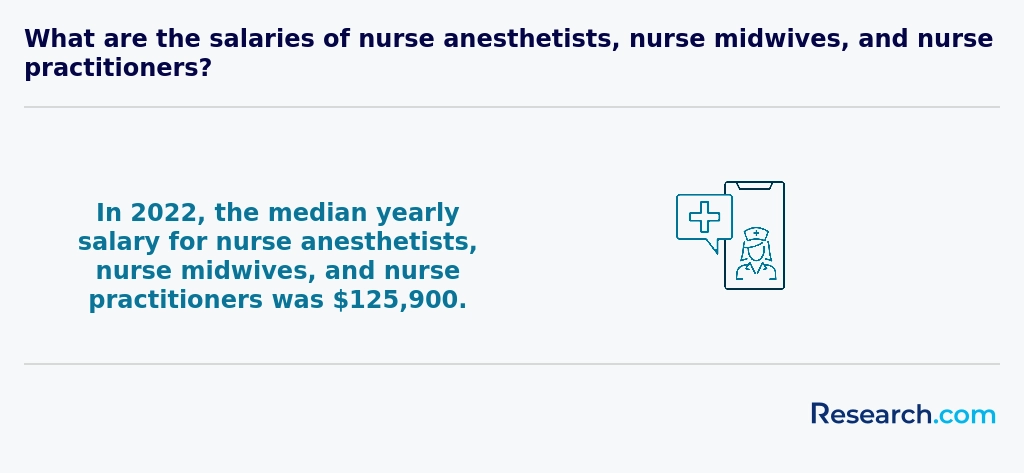
Online nursing specializations in Arkansas typically include Family Nurse Practitioner (FNP), Nurse Educator, Psychiatric-Mental Health Nurse Practitioner (PMHNP), Healthcare Leadership/Management, and Public Health Nursing. Graduates from popular Arkansas universities often share how the FNP specialization empowered them to serve rural communities, addressing the significant shortage of primary care providers in the state. Meanwhile, those pursuing the Nurse Educator path highlight the rewarding experience of preparing future nurses amid the growing faculty gap.
Many students appreciate the flexibility of Arkansas online nursing degree programs specialties, allowing them to balance work and family while studying. Others find the Healthcare Leadership track invaluable, equipping them with the skills to lead health organizations effectively. For a student seeking a program tailored to mental health, the PMHNP track offers hope by preparing nurses to fill crucial gaps in Arkansas' mental health services.
Prospective students should explore options at well-known state colleges and check online availability, as some schools also offer specialties like Clinical Nurse Specialist or Informatics Nursing. Those interested in expanding their choices might consider also reviewing nursing colleges louisiana courses for comparison and ideas.
To choose the best online nursing degree in Arkansas, start by confirming the program's accreditation by the CCNE or ACEN, as these ensure recognition by the Arkansas State Board of Nursing and eligibility for licensure. Graduates from popular Arkansas universities often highlight how this accreditation gave them confidence in their education's quality and helped them pass the NCLEX-RN exam.
Focus on programs that offer flexible schedules and a blend of online theory with local clinical placements, especially if you live in rural areas of Arkansas. Many nursing students appreciate how this balance supported their full-time jobs while completing required clinical hours. Look for courses matching certification tracks like Family Nurse Practitioner or Nurse Educator to align with your career goals.
Cost-conscious students often compare tuition rates, which typically range from $8,000 to $15,000 annually, and consider additional fees for supplies and technology. Those seeking affordable online nursing degrees Arkansas recommend evaluating financial aid options and program support services to aid success.
Finally, check graduation and NCLEX pass rates of Arkansas programs, and explore strong employer connections that boost job prospects. For comparison, you might also review programs like Nebraska RN programs to see cross-state standards and opportunities.
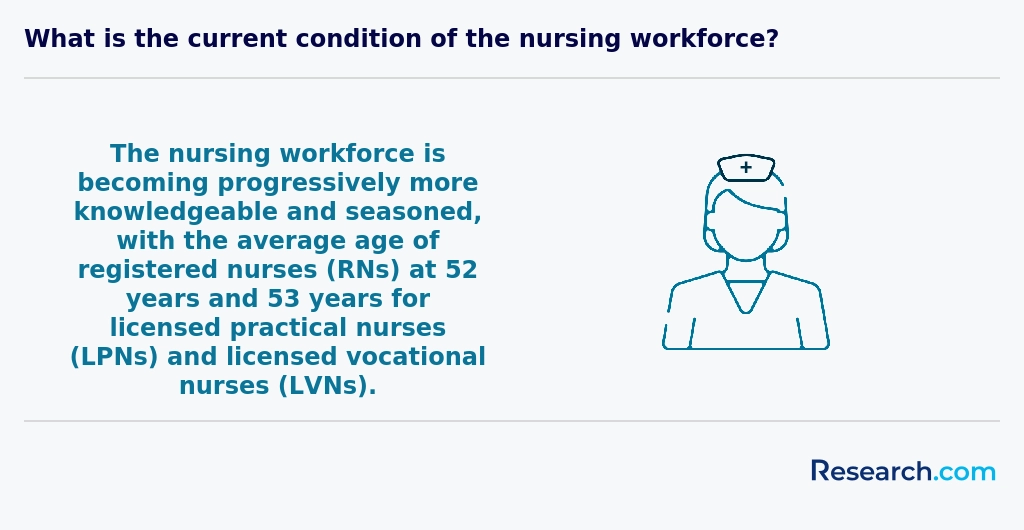
Graduates with an online nursing degree in Arkansas find diverse career paths suited to their interests and skills. Many begin as Registered Nurses (RNs), working in hospitals or outpatient clinics across the state, applying practical skills gained from programs at well-known Arkansas universities. These roles often provide a fulfilling sense of making a direct impact on patient care. Some graduates pursue advanced degrees such as a Master of Science in Nursing to become Nurse Practitioners or Clinical Nurse Specialists, gaining greater autonomy and higher salaries. Others find rewarding careers in healthcare administration or informatics, where nursing knowledge blends with leadership and technology.
Arkansas nursing career opportunities online also include public health nursing and nursing education, helping communities and training future nurses. Graduates from Arkansas colleges often share how online flexibility allowed them to balance work and study effectively. For those exploring local trends, the registered nurses employment Georgia market offers comparative insight into regional opportunities and growth.

The job market for graduates with online nursing degrees in Arkansas is promising, thanks to strong demand fueled by an aging population. Graduates from reputable institutions like the University of Arkansas for Medical Sciences and Arkansas State University report finding roles quickly in hospitals, clinics, and nursing homes statewide. The Arkansas Department of Workforce Services projects RN positions to grow faster than most occupations through 2030, especially for those with bachelor's and master's degrees.
Those pursuing online nursing jobs in Arkansas can expect competitive salaries near $63,000 annually, alongside opportunities to work in both urban centers like Little Rock and Fayetteville, where wages and specialization options are often better. Even in rural communities, the need for skilled nurses remains strong, supporting steady employment.
Graduates aiming for advanced practice roles benefit from online master's degrees, which open doors to leadership and higher pay. For career diversification, combining nursing education with skills in fields like medical coding income can enhance job security and flexibility.
Cost-effective online programs at Arkansas colleges streamline licensure and prepare students for a rewarding nursing career, aligning well with the positive Arkansas nursing degree employment outlook.
2027 Best Online Master's in Nursing Degree Programs Ranking in Arkansas
Investing in your education is a significant decision that can shape your future, and the Research.com team understands the importance of making informed choices. To assist prospective students in Arkansas, we have meticulously crafted the "2027 Best Online Master's in Nursing Degree Programs Ranking in Arkansas." Our commitment to quality, credibility, and accuracy is reflected in the extensive research and analysis conducted to compile this ranking.
We utilized the following reputable data sources to ensure a comprehensive evaluation of nursing programs:
By exploring this ranking, readers will gain valuable insights into the best online Master's in Nursing programs available in Arkansas, helping them make well-informed decisions about their educational paths. For more details on our methodology, please visit our Research.com methodology page.


Frequently Asked Questions About nursing
Students pursuing online nursing degrees in Arkansas can enhance their learning by actively engaging with both virtual coursework and local clinical opportunities. Arkansas requires clinical hours for nursing licensure, so connecting with nearby hospitals or healthcare providers for hands-on experience is essential. According to the Arkansas State Board of Nursing, completing these practicum hours locally helps bridge online studies with practical skills.
Participation in online study groups and seeking mentorship from licensed Arkansas nurses can provide valuable insights into state-specific healthcare practices. Utilizing resources like the Arkansas Nurses Association for networking and professional development is also beneficial.
Maintaining a consistent study schedule and leveraging Arkansas-based nursing forums ensures students stay informed on local regulations and job market trends.
The nursing field is evolving rapidly, creating new specialty areas that reflect changing healthcare needs. In Arkansas, emerging niches include telehealth nursing, which has grown significantly due to expanded remote care access. Telehealth nurses support patients virtually, a role that is expected to increase by 30% nationally through 2030 (Bureau of Labor Statistics).
Another developing area is geriatric nursing, addressing the state's aging population. Arkansas's Centers for Medicare & Medicaid Services report a 15% rise in residents over 65 since 2010, increasing demand for nurses skilled in elderly care. Additionally, informatics nursing is expanding as electronic health records become central to patient care.
These niches offer promising career paths for Arkansans pursuing online nursing degrees, combining technology with patient-centered practice.
After completing an online nursing degree in Arkansas, preparing for the job market involves several key steps. First, graduates must obtain licensure by passing the National Council Licensure Examination (NCLEX-RN), essential for practicing as a registered nurse in Arkansas. The Arkansas State Board of Nursing oversees this process.
Networking is critical; joining professional organizations like the Arkansas Nurses Association helps connect with local employers and attend job fairs. The Arkansas Department of Workforce Services reports strong demand for nurses, with a projected 15% growth through 2030, indicating ample job opportunities.
Additionally, gaining specialized certifications in areas such as geriatrics or critical care can enhance employability. Practical experience through internships or residencies, even during online study, builds valuable skills transferable to clinical settings.
Employers in Arkansas prioritize strong clinical skills when hiring nursing degree graduates. This includes proficiency in patient assessment, medication administration, and basic life support. According to the Arkansas Department of Health, nursing professionals with solid hands-on experience meet the most urgent healthcare demands in the state.
Communication is also critical. Nurses must effectively interact with patients, families, and multidisciplinary healthcare teams to ensure quality care. The Arkansas Nursing Board emphasizes teamwork and interpersonal skills in its licensing requirements.
Additionally, adaptability and critical thinking remain top skills. The fast-paced healthcare environment in Arkansas requires nurses who can quickly analyze situations and make informed decisions, supported by ongoing education and certification.
Finding nursing internships in Arkansas begins with utilizing resources from the Arkansas Department of Health and local healthcare facilities. The state has over 90 hospitals, many of which offer clinical rotations and internships specifically designed for nursing students. According to the Arkansas Center for Nursing, hospitals in Little Rock and Northwest Arkansas frequently partner with online nursing programs to provide hands-on experiences.
Students should also connect with university career services, which often maintain relationships with clinics and nursing homes seeking interns. Professional organizations, such as the Arkansas Nurses Association, provide networking opportunities and list internship openings. Checking the Arkansas Workforce Center website can reveal additional healthcare internship listings.
Obtaining an online nursing degree in Arkansas significantly enhances career mobility and advancement opportunities. Nurses with higher degrees, such as a Bachelor of Science in Nursing (BSN) or Master of Science in Nursing (MSN), are in greater demand across the state's healthcare facilities, including hospitals, clinics, and long-term care providers.
According to the Arkansas Department of Workforce Services, registered nurses holding advanced degrees often qualify for leadership roles and specialized positions, which typically offer higher salaries and improved job security.
Additionally, online programs accredited by agencies like the Commission on Collegiate Nursing Education (CCNE) ensure graduates meet state licensure requirements, enabling a smoother transition into diverse nursing roles within Arkansas's growing healthcare sector.
Studying for a nursing degree in Arkansas equips students with skills essential for interdisciplinary healthcare roles. Arkansas nursing programs emphasize collaboration with professionals from medicine, social work, and pharmacy, reflecting the state's growing demand for coordinated care. The Arkansas Center for Nursing highlights that effective teamwork improves patient outcomes, which is a key focus in curricula.
Students learn communication techniques, ethical decision-making, and leadership through case studies and clinical simulations. Arkansas's healthcare environment, with a mix of rural and urban settings, offers diverse opportunities to practice these skills across disciplines.
Furthermore, many Arkansas online nursing programs align with standards from the Arkansas State Board of Nursing and the American Association of Colleges of Nursing, preparing graduates to engage confidently with multidisciplinary teams in real-world settings.
When choosing between a thesis and a non-thesis nursing degree program in Arkansas, consider your career goals and learning preferences. Thesis programs emphasize research, requiring students to complete a substantial project, ideal for those interested in academic or advanced clinical roles. Non-thesis programs focus more on coursework and practical skills, which can be suitable for nurses seeking leadership or administrative positions.
Arkansas has seen growing demand for nurse educators and researchers, making thesis routes appealing for those aiming for these paths. According to the Arkansas Center for Nursing, the state expects a 15% increase in advanced nursing roles by 2030.
Also, thesis programs tend to be longer and more demanding, so assess your time and resources carefully before deciding.
Students in Arkansas interested in studying nursing abroad while pursuing an online degree have several pathways to consider. Many U.S. institutions with online nursing programs offer study abroad or international clinical placement options, although these are limited and often depend on partnerships with foreign universities.
Arkansas residents can also explore programs accredited by the Commission on Collegiate Nursing Education (CCNE) or Accreditation Commission for Education in Nursing (ACEN), ensuring transferable credits if they choose to study abroad.
Another route includes exchange programs associated with U.S. universities, allowing students to complete clinical hours internationally. However, students should verify that any international experience meets Arkansas State Board of Nursing requirements for licensure.
According to Arkansas Department of Workforce Services, in 2023, over 10,000 nurses were licensed statewide, making adherence to local licensing rules essential when studying abroad.
Part-time jobs that complement nursing degree education in Arkansas often involve healthcare-related roles that build practical skills. Positions such as certified nursing assistant (CNA), patient care technician, or medical assistant provide valuable hands-on experience alongside coursework. These roles help students apply clinical knowledge in real-world settings, enhancing their resumes.
According to the Arkansas Department of Workforce Services, healthcare support occupations are projected to grow by 12% through 2030, reflecting strong demand. Working part-time in hospital settings, nursing homes, or clinics also helps students develop communication and time-management skills important for nursing careers.
Additionally, jobs in medical transcription or health information services can benefit students interested in nursing administration or informatics. Such roles offer flexibility and exposure to healthcare systems without intensive physical demands.
Online nursing students in Arkansas benefit from numerous networking opportunities despite the virtual format. Many universities offer access to local nursing associations such as the Arkansas Nurses Association, which hosts regular events and seminars tailored to healthcare professionals within the state. These gatherings provide chances to connect with experienced nurses and potential employers. Additionally, Arkansas has a growing health sector, fostering clinical partnerships where online students can engage in in-person practicum experiences and join professional networks. According to the Arkansas Department of Health, the state employs over 40,000 registered nurses, offering a broad community for collaboration and career growth.
Students can also participate in virtual forums and alumni groups created by their universities. These platforms facilitate knowledge sharing and mentorship opportunities, which are critical for advancing in nursing careers. Furthermore, Arkansas' nursing schools often collaborate with regional hospitals and clinics, enhancing networking through internships and clinical placements. Such relationships help bridge the gap between online coursework and real-world nursing environments, enabling students to establish meaningful professional connections early on.
Alumni networks provide valuable support for online nursing degree students in Arkansas by connecting them to experienced professionals in the field. These networks often offer mentoring, job leads, and continuing education resources that enhance career development.
The Arkansas Nurses Association highlights that more than 40,000 registered nurses work statewide, so strong alumni ties can help graduates access this broad network more effectively.
Engagement in alumni groups also keeps students informed about local healthcare trends and licensing updates from the Arkansas State Board of Nursing. This guidance is crucial for navigating state-specific requirements.
Ultimately, alumni networks foster professional relationships that facilitate smoother transitions from education to employment within Arkansas's healthcare system.
To customize your online nursing degree program in Arkansas, start by selecting a specialization that aligns with your career goals, such as nurse practitioner, nurse educator, or healthcare administration. Many Arkansas universities offer flexible curricula that allow you to choose electives and clinical placements tailored to your interests.
The Arkansas State Board of Nursing requires certain clinical hours, but programs often provide options within these requirements, helping you gain relevant experience in your preferred setting. You can also pursue certifications recognized in Arkansas, enhancing job opportunities.
According to the Arkansas Department of Health, the state anticipates a growing demand for nurse practitioners, making specialization in this area particularly valuable. Research available programs that accommodate part-time study or accelerated tracks to fit your schedule and career plans.
Online nursing students in Arkansas often face several significant challenges throughout their studies. One major issue is balancing clinical requirements with online coursework. Arkansas nursing programs typically require on-site clinical hours, which can be difficult to coordinate for students living far from designated facilities.
Additionally, limited access to high-speed internet in some rural areas of Arkansas can hinder consistent participation in virtual classes and online discussions. According to the Arkansas State Nurses Association, this digital divide affects a notable portion of the student population.
Finally, students may experience reduced interaction with instructors and peers compared to traditional settings, which can impact learning and professional networking opportunities.
With an online nursing degree, graduates in Arkansas can pursue several professional certifications that enhance their career opportunities. Common certifications include the Certified Nurse Practitioner (CNP), the Certified Nurse Educator (CNE), and the Certified Nurse Manager and Leader (CNML). These credentials are nationally recognized and valued by employers.
Arkansas requires nurses to pass the NCLEX-RN exam for licensure, which is essential before seeking advanced certifications. According to the Arkansas State Board of Nursing, over 80% of licensed nurses hold at least one specialty certification, improving job prospects and salaries.
Other options include certifications in pediatric nursing, gerontology, and adult-gerontology acute care. Online programs often prepare students for these certifications by covering relevant clinical knowledge and leadership skills necessary for Arkansas healthcare settings.
Writing a winning application for an online nursing program in Arkansas begins with understanding the state's education standards. Arkansas requires applicants to meet prerequisites like a minimum GPA, usually around 3.0, and hold an active RN license for RN-to-MSN programs. You should clearly highlight your clinical experience and ability to manage patient care, as Arkansas nursing programs value practical skills highly.
Ensure your personal statement reflects your commitment to serving Arkansas communities, especially given the state's nursing shortage highlighted by the Arkansas Center for Nursing. Including specific goals related to improving healthcare locally can strengthen your application.
Lastly, submit all transcripts, letters of recommendation, and test scores on time, and verify that your materials align with each school's requirements to avoid delays.
The nursing profession is valued worldwide for its critical role in healthcare systems. Globally, demand for skilled nurses continues to rise because populations are aging and chronic diseases are more prevalent. In the United States, including Arkansas, the Bureau of Labor Statistics projects a 9% growth in nursing jobs from 2020 to 2030, reflecting this global trend.
Nurses trained in the U.S. often find their credentials respected internationally, thanks to rigorous education standards. Arkansas offers several online nursing degree options that meet these standards, preparing graduates to join a globally recognized profession. According to the Arkansas Center for Nursing, the state supports over 30,000 licensed nurses, highlighting strong local opportunities.
Online degrees enable flexibility, which appeals to students seeking to balance personal commitments while entering a career that offers varied roles worldwide. As healthcare increasingly embraces technology and telehealth, nurses with advanced education have more chances to impact patient care both locally and globally.
Gaining practical experience while pursuing an online nursing degree in Arkansas is essential for developing clinical skills required by the Arkansas State Board of Nursing. Most programs incorporate clinical rotations or practicums, which students complete at approved healthcare facilities near their residence. These sites include hospitals, clinics, and long-term care centers.
Arkansas has over 100 hospitals, providing numerous opportunities for clinical placements, especially in urban areas like Little Rock and Fayetteville (Arkansas Department of Health, 2023). Students typically work under licensed preceptors who supervise hands-on training.
Additionally, partnerships between online nursing programs and local health organizations facilitate practical experience without relocating. Some programs require a minimum of 500 clinical hours, aligning with national standards for nursing licensure.
Choosing the right concentration within an online nursing degree in Arkansas starts with understanding your career goals. Popular options include Family Nurse Practitioner (FNP), Nurse Educator, and Nursing Leadership. Each concentration aligns with different roles in healthcare settings across Arkansas.
Consider Arkansas's growing demand for advanced practice nurses; the Arkansas Center for Nursing highlights a 20% job growth for FNPs by 2030. This suggests strong opportunities in primary care.
Assess your interests and preferred work environment. If teaching appeals to you, a Nurse Educator concentration can prepare you for academic roles in Arkansas's nursing schools.
Review program accreditation and state licensure requirements to ensure your degree supports Arkansas's Nurse Practice Act regulations.
Evaluating these factors helps you select a concentration that fits your professional path and the state's healthcare needs.
- 2027 Best Online Master's in Nursing Degree Programs Ranking in Missouri
- 2027 Best Online Master's in Nursing Degree Programs Ranking in Tennessee
- 2027 Best Online Master's in Nursing Degree Programs Ranking in Mississippi
- 2027 Best Online Master's in Nursing Degree Programs Ranking in Louisiana
- 2027 Best Online Master's in Nursing Degree Programs Ranking in Texas
- 2027 Best Online Master's in Nursing Degree Programs Ranking in Kentucky
- 2027 Best Online Master's in Nursing Degree Programs Ranking in Kansas
- 2027 Best Online Master's in Nursing Degree Programs Ranking in Illinois
- 2027 Best Online Master's in Nursing Degree Programs Ranking in Indiana
- 2027 Best Online Master's in Nursing Degree Programs Ranking in Georgia
See What Experts Have To Say About Studying Nursing
Read our interview with Nursing experts


- Online Nursing Prerequisites: Complete Guide & Cost Savings | StraighterLine https://www.straighterline.com/blog/which-online-nursing-prerequisites-should-you-take-online
- | NRR | Dove Medical Press https://www.dovepress.com/internship-challenges-encountered-by-nursing-students-a-qualitative-st-peer-reviewed-fulltext-article-NRR
- The Nurses' Alumni Association https://giving.mainlinehealth.org/get-involved/auxiliaries-and-womens-boards/lankenau-medical-center-womens-board/the-nurses-alumni-association
- Know more about thesis vs non- thesis: what is the difference? https://studyfans.com/en/blogs/816
- Nurse Salary https://nursinglicensemap.com/resources/nurse-salary/
- Guide to Making a Career Change to Nursing https://teach.com/online-ed/healthcare-degrees/online-msn-programs/career-change-to-nursing/
- How a BSN Prepares You for Graduate Nursing Degrees (MSN, DNP) https://blog.methodistcollege.edu/bsn-prepares-you-graduate-nursing-degrees
- How to Set and Achieve Your Nursing Career Goals | HealthTrust https://engage.healthtrustjobs.com/how-to-set-achieve-nursing-career-goals
- Working While in Nursing School: 25 Ways to Make Money as a Nursing Student https://credenzahealth.com/career-advice/working-while-in-nursing-school-25-ways-to-make-money-as-a-nursing-student
- Tips for Creating a Perfect Nursing School Application https://www.allnursingschools.com/articles/how-to-create-the-perfect-nursing-school-application/


