2027 Most Affordable Nursing Degree Programs Ranking in Oklahoma

Co-Founder and Chief Data Scientist
Choosing the right nursing degree program can be overwhelming, especially when budget matters. This article presents the 2027 Most Affordable Nursing Degree Programs Ranking in Oklahoma, created by the Research.com team of data scientists. It's designed to help you identify quality nursing programs that won't break the bank.
By exploring this ranking, you'll gain clear insights to make a confident decision about your education and future career. Pursuing a nursing degree opens doors to meaningful work and rewarding opportunities, making your investment truly worthwhile.
Key benefits of getting nursing degree in Oklahoma
- Earning a nursing degree in Oklahoma can lead to strong salary prospects, with roles like Registered Nurse and Public Health Nurse averaging around $94,480 annually, while specialized positions such as Operating Room Nurse can earn approximately $128,490 per year.
- Graduates from Oklahoma universities often find diverse career options ranging from clinical nursing to community health positions, enabling a rewarding and flexible professional life.
- Online nursing degrees from Oklahoma schools offer convenience and the ability to balance work and study, making it easier to achieve your goals without relocating or pausing your career.
- 2027 Most Affordable Nursing Degree Programs Ranking in Oklahoma
- What can I expect from nursing degree in Oklahoma?
- Where can I work with nursing degree in Oklahoma?
What can I expect from nursing degree in Oklahoma?
On average, nursing degree programs in Oklahoma are more affordable than many other states, especially at public institutions like the University of Oklahoma and Oklahoma City Community College. Graduates often recall managing tuition fees that typically range from about $5,000 to $10,000 per year for in-state students pursuing an ADN or BSN. This lower cost eases financial pressure, allowing more focus on clinical hours and study rather than loans.
Many students take advantage of financial aid options or scholarships offered specifically for nursing students in Oklahoma, which can further cut costs. For example, some graduates from Tulsa Community College mention how nursing grants and work-study programs helped them balance expenses while gaining hands-on experience in local hospitals.
Because the programs adhere to standards by the Oklahoma Board of Nursing, students gain essential state-specific skills without unnecessary extra costs. Planning your budget around in-state tuition rates and school resources available in Oklahoma cities like Norman or Edmond can make nursing education financially manageable and rewarding.
Where can I work with nursing degree in Oklahoma?
Graduates from nursing programs at schools like the University of Oklahoma and Oklahoma State University often find themselves quickly employed across a range of healthcare settings statewide. Many step directly into hospital roles-whether in bustling Oklahoma City medical centers or rural hospitals-working as registered nurses or nurse practitioners. These graduates appreciate the chance to specialize in high-impact areas like emergency care or oncology, gaining hands-on experience that builds confidence.
Others pursue careers in outpatient clinics or community health centers, especially in underserved rural areas. They report a sense of fulfillment coordinating patient care and offering health education that directly improves neighbors' lives. Those interested in geriatrics often join long-term care facilities, where they support elderly patients through chronic illness management-a career path growing in demand due to Oklahoma's aging population.
Home health care is another expanding option for nursing grads, delivering personalized treatments to patients' homes, blending clinical skills with compassionate support. Some with advanced degrees take roles in education or public health, shaping future nurses and health policies in local universities and state agencies.
With a nursing degree in Oklahoma, graduates can expect varied earnings depending on their chosen nursing role and experience. Registered nurses typically earn a mean annual wage of around $94,480 in the state. This aligns with data for similar positions such as clinical nurse educators and public health nurses, who also make about $94,480 yearly. For specialized roles, earnings increase substantially. For example, operating room nurses in Oklahoma can make an impressive average salary of $128,490 annually, reflecting the advanced skills required.
Graduates from popular programs at universities like the University of Oklahoma Health Sciences Center or Oklahoma State University have shared how starting salaries around $55,000 give clear room for growth with experience. Over time, nurses build valuable expertise that pushes their salaries closer to or above the $94,000 mark. Those who specialize or move into high-demand areas such as emergency rooms or operating rooms see even higher pay.
Choosing a practical nursing path in Oklahoma not only offers financial rewards but also the chance for a fulfilling career in dynamic health settings across the state.
- Oklahoma offers ADN, BSN, and MSN nursing programs through multiple accredited institutions.
- Tuition for ADN programs ranges from $6,000 to $12,000, while BSN programs cost between $20,000 and $35,000, excluding books and supplies.
- Median annual salary for new nurses in Oklahoma is around $64,000, increasing to about $75,000 with experience and certifications.
- Nurse demand is growing due to an aging population, with rural areas offering strong job opportunities and incentives.
- Graduates must pass the NCLEX-RN exam to become licensed registered nurses, with pass rates near national averages.
Completing a nursing degree in Oklahoma varies mainly by the program you choose. If you're eager to start your nursing career quickly, an Associate Degree in Nursing (ADN) from a community college like Tulsa Community College usually takes about two years of full-time study. Graduates often share how this path offered a fast track to sitting for the NCLEX-RN and entering the workforce swiftly.
For those aiming for a broader nursing education, pursuing a Bachelor of Science in Nursing (BSN) at universities such as the University of Oklahoma takes around four years. Graduates often mention the value of coursework in leadership and research, which helped them prepare for more advanced roles in health care.
If you already hold an ADN and want to earn a BSN, consider RN-to-BSN programs found at schools like Oklahoma State University, which typically take one to two years depending on your schedule. Many working nurses appreciate this flexible option.
Lastly, advancing to a Master of Science in Nursing (MSN) to become a nurse practitioner usually means adding another two years after a BSN. This step allows graduates to deepen their expertise and increase their career options within Oklahoma's healthcare system.
A critical measure of a nursing program’s quality is its NCLEX-RN pass rate and student retention. Graduates and employers alike rely on these outcomes to assess readiness for safe, effective practice. Here’s an overview of recent data from top Oklahoma institutions: • University of Oklahoma Health Sciences Center – NCLEX-RN First-Time Pass Rate (2023): 92% – Retention Rate: 94% • Oklahoma City Community College – NCLEX-RN First-Time Pass Rate (2023): 88% – Retention Rate: 90% • Tulsa Community College – NCLEX-RN First-Time Pass Rate (2023): 90% – Retention Rate: 92% • University of Central Oklahoma – NCLEX-RN First-Time Pass Rate (2023): 89% – Retention Rate: 91% • Northeastern State University – NCLEX-RN First-Time Pass Rate (2023): 87% – Retention Rate: 89% High pass and retention rates are closely tied to rigorous curricula, experienced faculty, and robust student support services. When comparing programs, look for: 1. Accredited curricula with up-to-date clinical simulation labs. 2. Dedicated NCLEX prep courses and tutoring. 3. Early warning systems for at-risk students. 4. Partnerships with local hospitals for diverse clinical rotations. For those exploring alternative pathways, consider accelerated options and accelerated licensed practical nurse routes-such as a fast track medical lpn online program-to enter the workforce sooner while maintaining high standards of care.
Online nursing programs in Oklahoma offer flexibility for those balancing work or family, letting students access lectures and assignments anytime from home. Graduates from these programs at schools like Oklahoma State University share how this flexibility helped them study without quitting jobs. Clinical hours, however, must still be completed in person at approved Oklahoma healthcare facilities, ensuring hands-on skills.
On-campus programs, such as those at the University of Oklahoma, provide daily face-to-face interaction with faculty and peers. Graduates often highlight the benefit of immediate feedback during labs and simulation exercises, which builds confidence in real-world nursing tasks. Being on campus also offers stronger networking connections within the Oklahoma medical community.
Cost-wise, online degrees often reduce expenses by cutting out commuting and housing fees, though practical training costs remain. Both formats follow Oklahoma Board of Nursing rules requiring supervised clinical practice, but their main difference lies in how theory is delivered-either digitally or in person.
To find the right nursing program in Oklahoma, it's essential to consider several factors, including cost, location, and specialization options. Prospective students can start by researching the top nursing school in Oklahoma, which can provide valuable insights into the quality of education and career opportunities. Additionally, students should look into the program's accreditation, curriculum, and clinical training opportunities to ensure they align with their career goals. By carefully evaluating these factors, students can make an informed decision and choose a nursing program that sets them up for success in their future careers.
The average cost of a nursing degree in Oklahoma reflects a balance between quality education and affordability. For many students pursuing an Associate Degree in Nursing (ADN), the total program cost typically ranges near $18,700 for in-state attendees. This figure covers tuition and fees over the entire duration, often two years at community colleges known for strong nursing curricula. Graduates recall appreciating how manageable these costs were, allowing them to focus on clinical practice and hands-on experience without excessive financial stress.
When considering a Bachelor of Science in Nursing (BSN) at public universities, in-state students often face yearly tuition near $7,000 to $9,000, which accumulates to a median in-state total cost around $18,700 for the degree program as a whole. Many find that attending well-regarded institutions, including some of the top nursing school in Oklahoma, adds significant value while keeping costs reasonable. This makes these affordable nursing programs tuition Oklahoma options especially practical for students aiming for a robust academic environment without the burden of extreme debt.
Out-of-state students or those choosing private institutions may see costs substantially higher, with total expenses resembling the median out-of-state total cost of about $38,500 or more. Yet, many nursing students discover financial aid and scholarships are key resources in offsetting these expenses. For example, those applying through state-funded grants or scholarships often feel relief at how these supports practically ease the journey toward earning a nursing degree in Oklahoma.
Overall, factoring in necessary additional expenses like textbooks, clinical supplies, and certification exams rounds out the budgeting process. Many graduates emphasize that thorough planning for the average cost of nursing degree in Oklahoma, supported by available financial aid, makes achieving a nursing career both realistic and rewarding.
- Public in-state ADN tuition averages: $4,500-$6,500 total program cost
- Public in-state BSN tuition averages: $7,000-$9,000 per year
- Private or out-of-state nursing tuition: $15,000-$25,000+ per year
- Additional costs for clinicals, supplies, and exams vary but are essential to budget for
- Financial aid and scholarships are widely available in Oklahoma to offset costs
For prospective students seeking practical guidance and competitive options, exploring the top nursing school in Oklahoma can provide insights into programs that combine affordability with strong outcomes.
Accreditation is a key quality indicator for nursing degree programs in Oklahoma, ensuring that curricula meet rigorous standards set by the Commission on Collegiate Nursing Education (CCNE) or the Accreditation Commission for Education in Nursing (ACEN). Equally important are NCLEX-RN pass rates, which reflect a program’s effectiveness in preparing graduates for licensure and clinical practice. Below are recent pass rates for some of the most affordable CCNE- and ACEN-accredited programs in the state:
- University of Oklahoma (CCNE-accredited): 96% first-time NCLEX-RN pass rate
- Oklahoma City University (ACEN-accredited): 94% first-time NCLEX-RN pass rate
- Oklahoma State University (CCNE-accredited): 92% first-time NCLEX-RN pass rate
- Tulsa Community College (ACEN-accredited): 88% first-time NCLEX-RN pass rate These figures surpass the national average of 85%, highlighting the strong academic preparation and hands-on clinical training offered by Oklahoma’s affordable nursing programs. Prospective students should verify accreditation status via the CCNE or ACEN directories and review the latest NCLEX pass data published by each institution. For those planning to advance beyond the RN level and explore doctoral pathways, consider our Most Affordable Online Doctorate in Nursing Degree Programs Ranking in Missouri to identify cost-effective DNP options that uphold similar accreditation rigor and licensure success.
Students pursuing nursing degrees in Oklahoma often start by completing the FAFSA to tap into federal aid like Pell Grants and student loans with low interest rates. Graduates from institutions such as the University of Oklahoma Health Sciences Center find Pell Grants invaluable, covering significant tuition portions without adding debt.
State-specific programs like the Oklahoma Nursing Incentive Program (ONIP) offer loan repayment help for those willing to work in underserved Oklahoma communities after graduation. This practical approach not only eases loan burdens but also creates meaningful job opportunities.
Scholarships from local hospitals and organizations such as the Oklahoma Nurses Association further support students, rewarding academic and community achievements. Nursing students at Tulsa Community College often rely on these targeted scholarships to reduce their costs.
Work-study roles in hospitals also provide both income and hands-on experience, making education more affordable while enhancing resumes.
Additionally, some Oklahoma employers provide tuition reimbursement or loan forgiveness, encouraging students to advance their education without financial strain-an encouraging option for those balancing work and study.
Accreditation and NCLEX pass rates are key indicators of program quality and graduate success. When evaluating affordable nursing degrees in Oklahoma, verify:
- Program accreditation: ensure approval by CCNE (Commission on Collegiate Nursing Education) or ACEN (Accreditation Commission for Education in Nursing)
- State board eligibility: accredited programs meet Oklahoma Board of Nursing requirements for licensure
- NCLEX-RN pass rate: aim for schools reporting annual pass rates of 85% or higher
- Outcome transparency: review published pass rates on school websites or the Oklahoma Board of Nursing portal
For students seeking to advance without extra clinical hours, explore rn to bsn without clinicals options accredited for streamlined progression.
To enroll in a nursing degree program in Oklahoma, start by securing a high school diploma or GED-the foundation required by every school, including popular institutions like the University of Oklahoma and Tulsa Community College. Graduates often share how completing prerequisite courses in biology, chemistry, and English gave them confidence to tackle nursing coursework with strong scientific and communication skills.
Maintaining a GPA around 2.5 to 3.0 is crucial, as schools here expect students to demonstrate academic readiness. For example, many BSN candidates at Oklahoma City University recommend early preparation for ACT or SAT tests since some programs weigh these scores heavily.
Passing entrance exams such as the HESI or TEAS is another step that nursing hopefuls often describe as a gateway moment-proving they're ready for challenging coursework. Additionally, completing a background check and submitting immunization records, including vaccinations like Hepatitis B and MMR, are practical but essential steps ensuring safe clinical placements.
Many aspiring healthcare professionals in Oklahoma come from non-nursing backgrounds but dream of a fast-track to clinical practice. Accelerated Bachelor of Science in Nursing (ABSN) programs are designed specifically for these individuals, condensing foundational coursework and clinical rotations into 12–18 months. By leveraging previous college credits-often in sciences like anatomy, physiology, and microbiology-students can bypass general education requirements and focus solely on nursing competencies. Admissions into ABSN tracks typically require a bachelor’s degree in any field, a minimum GPA (often around 3.0), completion of prerequisite courses, and submission of letters of recommendation. Clinical placements occur in local hospitals, community centers, and simulation labs, giving career changers hands-on experience from day one. Graduates of these programs sit for the NCLEX-RN exam and often report high first-time pass rates, thanks to intensive review sessions and dedicated faculty mentoring. For those seeking flexibility, several institutions now offer hybrid or fully online ABSN options that combine virtual lectures with scheduled clinical skills intensives. To explore nationally recognized pathways tailored for non-nurses, consider our guide to best online bsn programs for non nurses. These programs balance rigorous academics with practical experience, helping career changers transition smoothly into nursing roles while accommodating work or family commitments. In Oklahoma, accelerated programs are available at both public and private universities, each offering unique partnerships with healthcare facilities across the state. Prospective students should compare tuition costs, scholarship opportunities, and clinical site availability to find the most affordable and supportive ABSN option. By choosing an accelerated pathway, non-nurses can transform their passion for patient care into a rewarding nursing career in under two years.
In nursing programs across Oklahoma, like those at the University of Oklahoma Health Sciences Center or Oklahoma State University, students start with foundational courses such as human anatomy and physiology. Graduates often recall how understanding body structures helped them connect textbook knowledge with real patient conditions during clinical rotations.
Courses in microbiology and chemistry provide practical insights into infection control and medication effects. Many students find pharmacology especially valuable, as it equips them to manage medications confidently-critical when working in busy hospital wards.
Pathophysiology classes allow students to recognize and interpret disease symptoms, an essential skill during hands-on experiences at Oklahoma City medical centers. Core nursing skills courses, including adult health, pediatrics, and maternal-child nursing, give students supervised practice, building their confidence step-by-step.
Students also engage in mental health and community nursing, reflecting the diverse needs across Oklahoma's healthcare settings. Coursework on ethics and communication prepares students to collaborate effectively, helping them feel ready for team-based care after graduation.
Nursing degrees in Oklahoma typically include specializations tailored to the state's healthcare demands. Popular focus areas encompass Family Nurse Practitioner (FNP), Pediatric Nursing, Geriatric Nursing, Psychiatric Mental Health Nursing, Adult-Gerontology Acute Care, Obstetrics and Women's Health Nursing, and Neonatal Nursing. Graduates from well-regarded programs at universities like the University of Oklahoma or Oklahoma State University often share how these specializations equipped them to confidently serve local communities, from rural clinics to urban hospitals.
Choosing a specialization aligned with workforce needs in Oklahoma maximizes job prospects and satisfaction. For example, many graduates pursuing Family Nurse Practitioner roles appreciate the state's growing demand for primary care providers, making their advanced skills highly sought after. Students focusing on Pediatric or Geriatric Nursing find their expertise welcomed due to Oklahoma's demographic trends.
If you're exploring the best online bsn programs for non nurses, consider how these specializations strengthen your profile within the Oklahoma healthcare landscape, positioning you for success in practical, hands-on roles where you can make a real difference.
Start by pinpointing your nursing career goals in Oklahoma-whether you want to become an LPN, RN, BSN, or pursue an MSN. Graduates from universities like the University of Oklahoma Health Sciences Center often highlight how choosing a BSN gave them access to better leadership roles and clinical opportunities. For many, the decision between an ADN and a BSN hinges on time and career aspirations.
Next, weigh the costs of nursing programs carefully. Oklahoma offers some of the best affordable nursing programs Oklahoma, with public in-state tuition ranging from around $3,500 to $8,000 annually. Graduates remind others to budget for books and clinical fees, which can add up, especially when comparing private schools that may exceed $15,000 yearly.
Consider program quality by checking NCLEX pass rates. Institutions like Oklahoma State University boast rates above 85%, reassuring students about their clinical preparation. Accreditation from bodies such as ACEN or CCNE is essential for licensure and financial aid, a fact many successful nursing students learn early in their journey.
Finally, match your learning style with available formats. Whether you prefer traditional classes, hybrid, or online options, ensure the program includes sufficient clinical practice, a point stressed by graduates balancing work and study. For those seeking a quicker route to nursing, explore fast track medical lpn online programs to jumpstart your career while managing your schedule effectively.
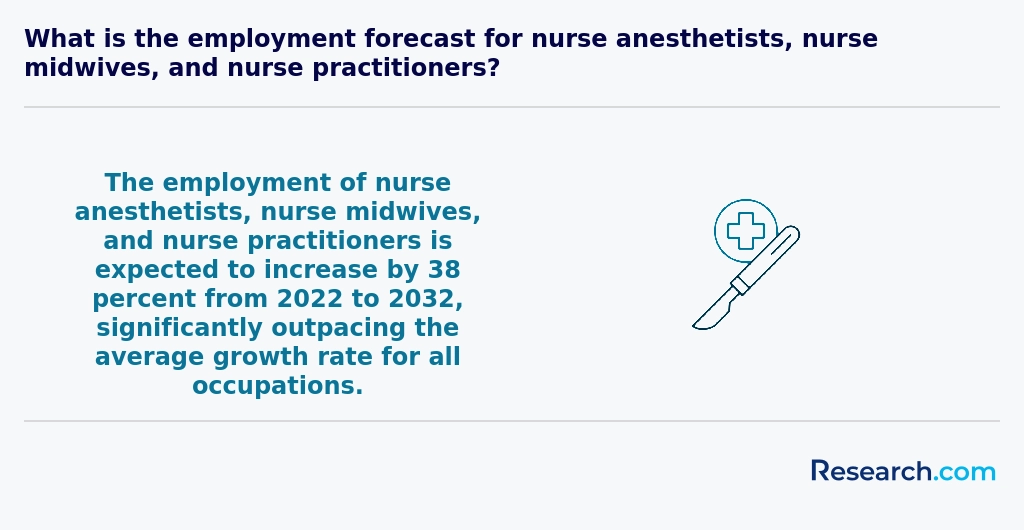
Graduates with a nursing degree in Oklahoma have practical options to launch their careers immediately or pursue advanced roles. Many start as Registered Nurses (RNs) in hospitals or community clinics, gaining valuable hands-on experience. Those studying at the University of Oklahoma or Oklahoma State University often share how access to local health networks helped them secure RN positions that fit their lifestyle and interests, making the job search less stressful. Exploring specialized roles like Nurse Practitioner or Certified Registered Nurse Anesthetist is achievable by returning to school for a Master's or Doctoral program, supported by competitive tuition costs at these local institutions.
Other career paths include public health nursing, school nursing, home health nursing, case management, and healthcare administration. Each pathway caters to different preferences, whether it's engaging with community wellness or managing healthcare teams. Practical exposure through internships in Oklahoma's healthcare settings lets graduates envision daily responsibilities and build confidence. For students balancing work and study, resources like the Most Affordable Online Doctorate in Nursing Degree Programs Ranking in Missouri can provide flexible options that fit busy schedules.
Choosing a career path after earning a nursing degree in Oklahoma means weighing your interests and using regional resources to step into roles that offer growth and satisfaction in a steadily expanding job market focused on local healthcare needs.
The nursing job outlook in Oklahoma remains strong, driven by steady growth in hospitals, outpatient centers, and long-term care facilities. Graduates from popular nursing schools like the University of Oklahoma find themselves stepping into roles with competitive starting salaries averaging around $62,000 annually. This offers a reliable income, especially when combined with the state's affordable tuition and living costs. Many recent graduates share how their programs prepare them for diverse settings-from busy Tulsa hospitals to rural clinics where nurses are in high demand.
For those weighing career opportunities, Oklahoma's participation in the Nurse Licensure Compact adds flexibility by allowing practice across multiple states, broadening employment options. The rise of telehealth and community health services has also created fresh pathways beyond traditional hospital roles. Students looking to quickly boost their credentials while earning well can explore the best 6 month online course with high salary, providing a practical route to career advancement in nursing.
Oklahoma nursing career opportunities are particularly appealing given these factors. Graduates often report feeling optimistic and prepared, knowing their degree aligns with the real demands of the healthcare market and supports a sustainable lifestyle in the state.
2027 Most Affordable Nursing Degree Programs Ranking in Oklahoma
Investing in your education is a significant decision that can shape your future, and the Research.com team understands the importance of making informed choices. To assist prospective students in Oklahoma, we have meticulously crafted the "2027 Most Affordable Nursing Degree Programs Ranking in Oklahoma." Our commitment to quality, credibility, and accuracy is reflected in the extensive research and analysis conducted to compile this ranking.
We utilized the following reputable data sources to ensure a comprehensive evaluation of nursing programs:
By exploring this ranking, readers will gain valuable insights into the most affordable nursing degree programs available in Oklahoma, enabling them to make well-informed decisions that align with their career goals. For more details on our methodology, please visit our Research.com methodology page.


# 3 position
Oklahoma Panhandle State University
Bachelor of Science in Nursing


# 10 position
Rogers State University
Bachelor of Science in Nursing


# 19 position
Southern Nazarene University
Bachelor of Science in Nursing


Frequently Asked Questions About nursing
Nursing degree students in Oklahoma can maximize their learning experience by engaging actively in clinical placements, which are a crucial part of nursing education. According to the Oklahoma Board of Nursing, the state requires supervised clinical hours to ensure practical skill development. Students should seek diverse clinical settings to gain exposure to various healthcare environments, from urban hospitals to rural clinics.
Additionally, participating in study groups and joining professional organizations such as the Oklahoma Nurses Association can enhance networking and support. Utilizing state resources like the Oklahoma Center for Nursing provides valuable labor market data and career guidance. Balancing theoretical study with hands-on practice remains key to success.
The nursing field in Oklahoma is evolving with several emerging niches gaining prominence. One significant area is gerontological nursing, as Oklahoma's population aged 65 and older is projected to increase by over 30% between 2020 and 2030, according to the Oklahoma State Department of Health. Nurses specializing in elderly care will be in high demand to address chronic diseases and long-term care needs.
Another fast-growing niche is informatics nursing. This specialization focuses on managing and analyzing healthcare data to improve patient outcomes. With Oklahoma hospitals investing more in health technology systems, this role is becoming crucial.
Additionally, psychiatric and mental health nursing is expanding due to increased awareness of mental health issues statewide. The Oklahoma Board of Nursing reports a growing need for skilled professionals in behavioral health settings.
After completing a nursing degree in Oklahoma, preparing for the job market involves several key steps. First, graduates must obtain licensure by passing the NCLEX-RN exam, administered by the Oklahoma Board of Nursing, which is required to practice as a registered nurse in the state.
Building practical experience through clinical internships or volunteer positions during studies is highly recommended, as Oklahoma healthcare employers often seek candidates with hands-on skills.
Networking in local professional nursing associations such as the Oklahoma Nurses Association can provide job leads and career guidance. According to the Bureau of Labor Statistics, Oklahoma expects a 15% growth in registered nursing jobs through 2031, signaling strong employment opportunities.
Continuing education and certifications in specialized areas, like geriatrics or critical care, can improve competitiveness in this growing market.
Employers in Oklahoma highly value a blend of clinical expertise and soft skills in nursing degree graduates. According to the Oklahoma Board of Nursing, strong critical thinking and patient assessment abilities are essential for ensuring quality care. Nurses must demonstrate effective communication skills, as they frequently coordinate with diverse healthcare teams and interact with patients from various backgrounds.
Additionally, Oklahoma healthcare facilities emphasize adaptability and time management, especially given the state's growing elderly population requiring complex care. Proficiency in electronic health records (EHR) systems is also increasingly important due to the digitization of medical data. These combined skills make graduates well-prepared for Oklahoma's dynamic nursing field.
Finding nursing internships in Oklahoma involves several key steps. Prospective students should start by contacting the career services offices of accredited Oklahoma nursing schools, as many maintain partnerships with local hospitals and clinics. The Oklahoma Board of Nursing also provides resources on clinical placements and approved training sites.
Hospitals such as OU Medical Center and Saint Francis Health System frequently offer internship and clinical rotation opportunities tailored for nursing students. Additionally, students are encouraged to explore internships through community health centers and long-term care facilities.
Utilizing platforms like the Oklahoma State Department of Health website can also help identify public health internship programs relevant to nursing. Early application and networking through nursing associations in Oklahoma improve chances of securing positions.
Holding a nursing degree in Oklahoma significantly enhances career mobility and advancement opportunities. The Oklahoma Board of Nursing requires at least an associate degree in nursing to become a registered nurse (RN), but earning a bachelor's degree (BSN) or higher increases eligibility for leadership roles and specialized positions.
According to the Oklahoma Employment Security Commission, BSN-prepared nurses have a higher employment rate and often command better salaries. Advanced degrees, such as a Master of Science in Nursing (MSN), can open paths to nurse practitioner or clinical nurse specialist roles, which are in high demand in Oklahoma's growing healthcare sector.
The state's healthcare systems increasingly prefer candidates with higher degrees for promotions, reflecting nationwide trends. Nurses with degrees tend to have greater job flexibility and access to advanced certifications, improving their career trajectory.
Studying for a nursing degree in Oklahoma equips students to excel in interdisciplinary healthcare teams. Programs emphasize collaboration with professionals such as physicians, social workers, and therapists to improve patient outcomes. The Oklahoma Board of Nursing and state universities integrate coursework on communication, ethics, and health informatics, reflecting real-world healthcare settings.
Clinical rotations often occur in diverse environments, including hospitals and community clinics, which foster teamwork skills across disciplines. According to the Oklahoma State Regents for Higher Education, nearly 80% of nursing graduates work in team-based care settings, highlighting the practical focus on interdisciplinary roles within nursing education.
Choosing between a thesis and a non-thesis nursing degree program in Oklahoma depends on your career goals and academic interests. A thesis option typically suits students planning to enter research, pursue a doctorate, or work in academia. This path involves original research and writing, which develops critical thinking and analytical skills.
On the other hand, a non-thesis track focuses more on advanced clinical practice or administrative roles, often requiring additional coursework or a capstone project instead of a thesis.
According to the Oklahoma Board of Nursing, over 60% of nursing master's graduates enter clinical practice, favoring non-thesis programs. Cost and time commitment may also influence your choice.
Students based in Oklahoma who wish to study nursing abroad have several viable options. Many U.S. universities participate in exchange programs that allow nursing students to complete part of their education overseas while earning credit toward their Oklahoma-based nursing degree. These programs often partner with universities in countries known for strong healthcare systems.
Oklahoma nursing students can also explore international clinical placements through organizations accredited by the Commission on Collegiate Nursing Education (CCNE). Such experiences provide global perspectives on patient care and nursing practices.
Before enrolling, it is important to ensure that the foreign nursing program meets Oklahoma Board of Nursing requirements, as graduates must pass the NCLEX-RN exam to practice professionally in Oklahoma. According to the Oklahoma State Department of Health, international study combined with U.S. licensure enhances employability in local healthcare facilities.
Students pursuing nursing degrees in Oklahoma can benefit from various part-time job opportunities that complement their education and build practical skills. Common roles include Certified Nursing Assistant (CNA) positions, patient care technician roles, and medical receptionist jobs. According to the Oklahoma Board of Nursing, CNAs provide basic patient care, helping students gain hands-on experience working with patients in hospitals, long-term care facilities, and clinics.
Additionally, Oklahoma's healthcare sector offers part-time jobs in home health care and medical transcription, which help develop important communication and administrative skills. These positions often accommodate students' class schedules, supporting both financial needs and professional growth.
With Oklahoma projected to see a 15% growth in nursing jobs through 2030 (U.S. Bureau of Labor Statistics), gaining relevant experience while studying enhances employability after graduation.
Nursing students in Oklahoma benefit from a variety of networking opportunities throughout their education. Many nursing programs encourage joining professional organizations such as the Oklahoma Nurses Association (ONA), which hosts local events, conferences, and workshops. These gatherings allow students to connect with practicing nurses and healthcare leaders. Clinical placements in diverse healthcare settings also provide real-world exposure and networking with professionals.
The state's nursing schools often collaborate with hospitals and clinics, fostering relationships that can lead to job opportunities after graduation. Additionally, students can participate in regional nursing conferences accredited by the Oklahoma Board of Nursing, helping them stay updated on industry trends and build valuable contacts.
Alumni networks play a significant role for nursing degree students in Oklahoma by offering valuable support and resources. Graduates often gain access to mentorship programs, which help transitioning into the workforce and navigating clinical placements. According to the Oklahoma Board of Nursing, strong professional connections can increase job placement rates among recent nursing graduates statewide.
These networks also provide opportunities for continuing education, workshops, and conferences specifically tailored to Oklahoma's healthcare environment. Many nursing schools in the state maintain active alumni associations that facilitate job leads, internships, and networking events.
Crucially, alumni networks help students stay informed about changes in nursing regulations and licensure requirements that are specific to Oklahoma, ensuring they meet professional standards efficiently.
Customizing a nursing degree program in Oklahoma to align with your career goals involves selecting the right specialization and academic path. Many Oklahoma schools offer Bachelor of Science in Nursing (BSN) programs with tracks like pediatric, geriatric, or psychiatric nursing. You can also pursue an accelerated BSN if you already hold a degree in another field.
Some programs provide elective courses or clinical placements tailored to your interests, such as community health or critical care. According to the Oklahoma Board of Nursing, gaining certifications alongside your degree boosts job prospects in specialized nursing careers. Additionally, online and hybrid formats offer flexible scheduling, helping you balance work and study.
Nursing students in Oklahoma face several common challenges during their education. One significant hurdle is managing the demanding clinical hours required for hands-on experience. Many programs mandate more than 500 clinical hours, which can be difficult to balance with personal responsibilities and part-time jobs. Additionally, students must grasp complex medical terminology and practices, which requires rigorous study and critical thinking.
Financial strain is another barrier. According to the Oklahoma Board of Nursing, many students rely on loans or scholarships, yet tuition and fees continue to rise. Moreover, rural students may experience limited access to clinical sites and educational resources. These challenges require strong time management and resilience for successful nursing degree completion.
With a nursing degree in Oklahoma, you can pursue several professional certifications that enhance your skills and career prospects. Registered Nurses (RNs) often obtain certifications such as the Certified Medical-Surgical Registered Nurse (CMSRN) or the Certified Pediatric Nurse (CPN). Advanced certifications include the Nurse Practitioner (NP) credentials, like Family Nurse Practitioner (FNP) or Psychiatric Mental Health Nurse Practitioner (PMHNP).
Oklahoma's Board of Nursing recognizes certifications through national organizations like the American Nurses Credentialing Center (ANCC). According to the Oklahoma Board of Nursing, over 25,000 RNs hold active licenses, many pursuing these specialized certifications.
Certifications often require clinical experience and passing a standardized exam, helping nurses demonstrate expertise in areas relevant to patient care and health systems.
To write a winning application for a nursing program in Oklahoma, start by carefully reviewing each school's requirements, as they often vary. Most programs require a minimum GPA around 2.5 to 3.0 and prerequisite courses in biology, chemistry, and anatomy. Highlight any healthcare experience or volunteer work to strengthen your profile. According to the Oklahoma Board of Nursing, competition is rising as the state needs more nurses to meet projected workforce demands.
Strong personal statements explaining your motivation and commitment to nursing are crucial. Also, request recommendation letters from professionals familiar with your skills. Meeting deadlines and submitting all required materials helps avoid disqualification. Following these steps increases your chance of acceptance in Oklahoma's competitive nursing programs.
The nursing profession holds significant importance worldwide, reflecting a universal need for skilled healthcare providers. In the U.S., including Oklahoma, nurses play a vital role in patient care, public health, and medical research. According to the Oklahoma Board of Nursing, the state supports over 60,000 licensed nurses, highlighting strong local demand and opportunities.
Globally, nursing is recognized as a respected and stable career with diverse roles, including clinical practice, education, and leadership. The World Health Organization emphasizes nursing as essential to achieving universal health coverage.
For Oklahoma students, pursuing a nursing degree aligns with these global trends, offering pathways to certification and advanced practice. Licensure requirements follow national standards, enabling future mobility across states and countries where similar qualifications apply.
Gaining practical experience is a crucial part of earning a nursing degree in Oklahoma. Most accredited nursing programs incorporate clinical rotations where students work in healthcare settings like hospitals, clinics, or long-term care facilities. These rotations provide hands-on training under the supervision of licensed nurses.
Additionally, many programs encourage or require students to complete internships or externships. These opportunities allow students to apply classroom knowledge in real-world environments and improve their skills.
The Oklahoma Board of Nursing emphasizes the importance of clinical hours, typically requiring hundreds of hours before graduation and eligibility for licensure. Local healthcare institutions such as the Oklahoma University Medical Center often partner with nursing schools to facilitate these experiences.
According to the Oklahoma State Regents for Higher Education, students should seek programs with strong hospital affiliations to maximize practical learning.
Choosing the right concentration within a nursing degree program in Oklahoma depends on your career goals and interests in healthcare. Popular concentrations include pediatric, geriatric, psychiatric, and family nursing. According to the Oklahoma Board of Nursing, specialties like family nursing have growing demand due to aging populations and rural healthcare needs. Many programs allow students to explore foundational nursing skills before selecting a concentration, often in their second year.
It is important to consider clinical placement opportunities, as Oklahoma offers diverse settings from urban hospitals in Tulsa to rural clinics. Research programs' connections with local healthcare providers to ensure hands-on experience in your chosen field. State workforce data shows that specialties linked to primary care may offer more job openings through 2030.
- 2027 Most Affordable Online Nursing Degree Programs Ranking in Texas
- 2027 Most Affordable Online Nursing Degree Programs Ranking in Kansas
- 2027 Most Affordable Online Nursing Degree Programs Ranking in Missouri
- 2027 Most Affordable Online Nursing Degree Programs Ranking in Louisiana
- 2027 Most Affordable Online Nursing Degree Programs Ranking in Iowa
- 2027 Most Affordable Online Nursing Degree Programs Ranking in Mississippi
- 2027 Most Affordable Online Nursing Degree Programs Ranking in Tennessee
- 2027 Most Affordable Online Nursing Degree Programs Ranking in Illinois
- 2027 Most Affordable Online Nursing Degree Programs Ranking in Kentucky
- 2027 Most Affordable Online Nursing Degree Programs Ranking in Georgia
See What Experts Have To Say About Studying Nursing
Read our interview with Nursing experts


- School of Nursing Alumni Resources https://nursing.utmb.edu/About/Alumni
- How to Become an RN in Oklahoma: 5 Steps https://credenzahealth.com/career-advice/how-to-become-an-rn-in-oklahoma-5-steps
- Nursing Financial Aid https://nursinglicensemap.com/resources/nursing-financial-aid/
- How to Choose a Nursing Program: A Comprehensive Guide - Madonna ABSN https://absn.madonna.edu/blog/how-to-choose-a-nursing-program/
- Top Nursing Skills U.S. Employers Want to See on Your Resume | O'Grady Peyton https://www.ogradypeyton.com/blog/job-seeker-resources/top-nursing-skills-u.s.-employers-want-to-see-on-your-resume
- Know more about thesis vs non- thesis: what is the difference? https://studyfans.com/en/blogs/816
- Client Challenge https://www.springerpflege.de/nursing-graduates-perceived-future-career-pathway-and-career-shi/50653658
- Education Program Types Regulated by OBN https://oklahoma.gov/nursing/education/education-program-types.html
- Nursing Degree You Need to Become an RN https://www.allnursingschools.com/registered-nursing/degrees/
- Nursing Programs - Oklahoma Center for Nursing https://okcenterfornursing.org/nursing-programs/