2027 Most Popular Nursing Degree Programs Ranking in Fresno

Co-Founder and Chief Data Scientist
If you're considering a nursing career in Fresno, selecting the right degree program is an important first step. Our article introduces the 2027 Most Popular Nursing Degree Programs Ranking in Fresno, developed by the Research.com team of data scientists. This ranking helps you identify quality programs based on comprehensive data, making your decision easier and more confident.
Exploring nursing education options can feel overwhelming, but knowing which programs are highly regarded provides peace of mind. A nursing degree offers rewarding opportunities to make a difference while building a stable and meaningful career.
Key benefits of getting nursing degree in Fresno
- Salary for nursing degree graduates: Nurses in Fresno with a degree can earn competitive wages, with Registered Nurses and Public Health Nurses making around $94,480 annually, while Operating Room Nurses enjoy higher earnings near $128,490 per year.
- Career paths available: Graduates from Fresno State University often pursue roles in hospitals, community health, or emergency care, benefiting from diverse opportunities that match their skills and passion for helping others.
- Benefits of online nursing degrees: Online nursing programs from Fresno City College offer flexible schedules, allowing students to balance work and study effectively while earning the same credentials as traditional programs.
- 2027 Most Popular Nursing Degree Programs Ranking in Fresno
- What can I expect from nursing degree in Fresno?
- Where can I work with nursing degree in Fresno?
What can I expect from nursing degree in Fresno?
The average cost of a nursing degree in Fresno depends on the program type and institution, but practical insights from recent graduates can help. For example, those attending community colleges offering ADN programs often report total tuition and fees around $7,000 to $12,000. This is a practical entry point for many, balancing quality education with affordability. Conversely, pursuing a BSN at Fresno State or other local universities typically costs between $20,000 and $35,000, including fees, books, and supplies.
Graduates frequently mention budgeting carefully for clinical supplies and transportation, as hands-on training at nearby hospitals like Community Regional Medical Center is essential. Many students appreciate flexible payment plans and scholarships offered by Fresno colleges, which reduce financial stress.
Part-time schedules or accelerated BSN programs offer further cost-efficiency by shortening the time spent in school, helping students save on living expenses while gaining valuable experience in Fresno's growing healthcare environment.
Where can I work with nursing degree in Fresno?
With a nursing degree from Fresno State or Fresno City College, graduates find a wide range of job options right here in Fresno. Many start their careers in hospitals like Community Regional Medical Center, working in fast-paced units such as emergency care or maternity wards. These roles provide hands-on experience that builds confidence and clinical skills.
Others pursue positions at outpatient clinics like Kaiser Permanente, where they focus on patient education and managing chronic conditions, allowing for meaningful connections with patients over time. Graduates often speak about the satisfaction of helping communities stay healthy in these roles.
For those interested in geriatrics, long-term care facilities and assisted living centers offer stable opportunities. Working with an aging population challenges nurses to develop patience and specialized knowledge, which many find rewarding.
Public health agencies and school districts also hire Fresno-trained nurses for roles in health screenings and promoting student wellness. Finally, home healthcare is growing, enabling graduates to deliver personalized care in patients' homes, which many describe as deeply fulfilling and flexible careers.
Graduates of nursing programs in Fresno can expect a solid starting salary. Many earn near $94,480 annually, matching the area's average for registered nurses and several specialized roles like clinical nurse educators, public health nurses, and emergency room nurses. For example, a recent graduate from a Fresno nursing college shared how starting as an RN in a local hospital offered a competitive wage that comfortably covers living expenses while gaining valuable experience.
Those who pursue advanced qualifications or specialize further-such as becoming an operating room nurse-can earn significantly more. Salaries for operating room nurses in Fresno reach around $128,490 per year, reflecting the premium for expertise and skill in high-pressure clinical settings.
Entry-level pay often ranges between $65,000 and $75,000, especially for graduates with an ADN or BSN from Fresno State or nearby community colleges. With five or more years of experience, local nurses frequently see wages climb closer to $100,000.
Choosing Fresno's nursing programs not only aligns with local employer demand but offers clear pathways to growing income and career stability. Many graduates find this blend of education and opportunity a rewarding foundation for their nursing careers.
- Nursing degrees in Fresno include ADN and BSN programs with tuition costs ranging from $6,000 to $10,000 for ADN and $30,000 to $60,000 for BSN.
- Graduates prepare to take the NCLEX-RN exam to become registered nurses (RNs).
- Starting salaries for new nurses in Fresno average around $65,000 annually, rising to about $85,000 with experience.
- The nursing job market in Fresno is growing at over 15%, which is higher than the national average.
- Fresno offers clinical training opportunities at nearby medical centers, enhancing hands-on experience for students.
- The cost of living in Fresno is lower compared to larger California cities, making education and living expenses more affordable.
Completing a nursing degree in Fresno typically depends on the program you pick. For example, students at Fresno City College often finish their ADN program in just over two years, which means you can quickly enter the workforce and start gaining hands-on experience without a long wait. This fast track is ideal if you're eager to jump into nursing with less time and lower tuition costs.
On the other hand, universities like California State University, Fresno offer BSN programs that take about four years. Graduates often mention how the comprehensive training opens doors to more advanced nursing roles and higher salaries-worth the extra time investment for many.
If you already have an ADN or nursing license, you can opt for RN-to-BSN programs that usually take 1 to 2 years. These bridge programs let you build on prior experience without starting over, which feels rewarding for busy working nurses in Fresno balancing family and jobs.
Part-time study stretches these timelines, but many appreciate the flexibility to manage work and education simultaneously. Accelerated options are also available for degree-holders in other fields to finish in 12 to 18 months, though these require full dedication and intense focus.
Before enrolling in any nursing program in Fresno, CA, it’s essential to verify that the institution holds proper accreditation and prepares graduates for state licensure. Accreditation ensures that a program meets rigorous educational standards and that your degree will be recognized by employers and licensing boards. • Regional and National Accreditation – California State University, Fresno and Fresno City College are accredited by the Commission on Colleges of the Western Association of Schools and Colleges (WASC). – Specialized nursing accreditation is granted by the Commission on Collegiate Nursing Education (CCNE) or the Accreditation Commission for Education in Nursing (ACEN). • NCLEX-RN Pass Rates – High passing rates on the National Council Licensure Examination for Registered Nurses (NCLEX-RN) reflect program quality and curriculum effectiveness. For example, California State University, Fresno consistently reports first-time NCLEX pass rates above 90%. – Prospective students should compare pass rates across local programs to gauge their readiness for professional practice. • California Board of Registered Nursing (BRN) Requirements – Complete an approved nursing curriculum and clinical practicum. – Submit official transcripts, clinical evaluation forms, and proof of citizenship or legal residency. – Pass a criminal background check and meet all health and immunization prerequisites. – Apply for licensure and scheduling of the NCLEX-RN through the BRN portal. • Online Program Considerations – If you’re interested in alternative pathways, consider exploring our Inexpensive Online Bachelor's in Nursing Degree Programs Ranking in Missouri for affordable, regionally accredited online BSN options. Ensuring proper accreditation and understanding licensing steps will streamline your journey from student to licensed nurse, ultimately safeguarding your investment and career prospects.
Online nursing programs in Fresno let you study lectures and complete assignments from home, perfect for balancing jobs or family. Graduates from Fresno State's online BSN program often share how this flexibility helped them progress without pausing life. However, online students still must attend local clinicals at nearby hospitals, making hands-on training unavoidable.
In contrast, on-campus programs at colleges like San Joaquin Valley College demand regular attendance in classrooms and simulation labs. Many students appreciate the face-to-face support and instant feedback from instructors, which boosts confidence before clinical rotations. Networking with peers and faculty in person often leads to valuable connections for future jobs.
Costs vary, with public Fresno schools charging around $7,000 to $12,000 per year, but online learners should budget for tech fees and travel to clinical sites. Personal discipline is crucial online, while on-campus students benefit from structured schedules and collaborative environments that keep motivation high.
To become a licensed Registered Nurse in California, graduates must complete a state-approved program and pass the NCLEX-RN exam administered by the California Board of Nursing.
- California Board requirements: graduate from an approved nursing program, pass a background check and fingerprinting, submit licensure application.
- 2023 average NCLEX-RN pass rates for Fresno programs:
- California State University, Fresno: 96%
- Fresno City College: 94%
- National University, Fresno: 91%
- Renewal cycle: every two years with 30 hours of continuing education and verification of clinical practice.
Nurses aiming for advanced practice roles can explore fnp programs in florida to plan their next career step.
The average cost of a nursing degree in Fresno typically falls around $22,000 for in-state students, considering tuition, fees, and other necessary expenses. Graduates from California State University, Fresno, often recall that enrolling in the Bachelor of Science in Nursing program meant budgeting carefully but feeling confident about the investment due to the affordable in-state tuition compared to other regions. This aligns with practical experiences shared by students attending Fresno City College, where Associate Degree in Nursing programs offer even lower costs, often under $2,000 annually for local residents.
To plan effectively for nursing degree tuition fees Fresno 2027, it's important to factor in supplementary expenses such as textbooks, licensing exams, uniforms, and clinical supplies. Many students report that these additional costs can add several thousand dollars over the course of their studies, reinforcing the need for a clear financial roadmap.
Financial aid is a crucial resource for many nursing students in Fresno. Grants, loans, and scholarships frequently lessen the burden, making the degree more attainable. If you are considering related career paths, exploring career options for medical assistants can also provide alternative entry points into healthcare with lower upfront costs.
With practical budgeting and support, pursuing a nursing degree in Fresno is not only feasible but can be an inspiring step toward a rewarding healthcare career.
Pursuing a nursing degree in Fresno, CA, can be a highly rewarding decision, offering a blend of personal fulfillment, career stability, and the opportunity to make a meaningful difference in the community. One of the key advantages of choosing a nursing degree in Fresno is the access to a wide range of popular nursing degree programs, each designed to equip students with the knowledge, skills, and clinical experience necessary to succeed in this demanding yet rewarding field. From associate degrees to master's and beyond, the educational pathways available in Fresno cater to various career aspirations and interests, ensuring that there is a nursing program to suit every individual's goals and circumstances. Whether one is interested in working directly with patients, advancing into leadership roles, or specializing in a particular area of healthcare, Fresno's nursing programs are positioned to provide the ideal foundation for a successful and satisfying career.
Students pursuing nursing degrees in Fresno often tap into a variety of financial aid options to ease tuition costs, which typically range from $7,000 to $20,000 per year depending on whether they attend Fresno City College or California State University, Fresno. A key first step is completing the FAFSA to access federal aid like Pell Grants, which provide up to $7,395 without requiring repayment. Many graduates recall how Pell Grants covered a significant share of their community college tuition, allowing them to focus more on studying than on finances.
State grants such as the Cal Grant also play a major role. For example, nursing students at California State University, Fresno, have used Cal Grants to substantially reduce fees, which was a huge relief during their rigorous programs. Beyond grants, scholarships from the California Nurses Association Foundation and local healthcare organizations provide targeted funding, often rewarding commitment to nursing within Fresno's healthcare system.
Employer tuition reimbursement is another practical path. Graduates who worked at Fresno medical centers found that these programs not only defrayed expenses but also connected them with jobs after graduation. Lastly, nursing-specific loan forgiveness programs like the Nurse Corps Loan Repayment Program offer substantial relief by forgiving up to 85% of loans for service in underserved Fresno areas, making this a smart route for many aiming to serve their community.
Upon earning your nursing degree in Fresno, CA, the next critical step is securing licensure by passing the NCLEX-RN examination administered by the National Council of State Boards of Nursing (NCSBN). Success on this high-stakes exam demonstrates your competency in core nursing concepts-such as safe patient care, pharmacology, and clinical decision-making-and is required to obtain your Registered Nurse (RN) license through the California Board of Registered Nursing (BRN). Prospective candidates must submit fingerprints for a background check, verify their education transcript, and pay application fees. California currently mandates license renewal every two years, including completion of a minimum of 30 hours of continuing education (CE) to keep your skills and knowledge aligned with evolving healthcare standards. Beyond initial licensure, many nurses pursue specialty certifications-such as Certified Pediatric Nurse (CPN), Critical Care Registered Nurse (CCRN), or Certified Emergency Nurse (CEN)-to validate expertise in high-demand fields. These credentials often require a combination of clinical hours, CE credits, and successful passage of additional exams offered by accredited organizations like the American Nurses Credentialing Center (ANCC). For licensed vocational nurses (LVNs) seeking to advance their careers, bridge programs and accelerated tracks offer pathways to RN status. To explore flexible options that can support your licensure goals, consider researching lvn online programs texas, which provide high-quality foundational training and seamless transitions into RN programs. Continuous professional development and maintaining active membership in state nursing associations further bolster your credentials, expand networking opportunities, and reinforce your commitment to excellence in patient care.
To enroll in a nursing degree program in Fresno, you'll need to meet several clear prerequisites that set the foundation for success. Graduates from Fresno City College and California State University, Fresno often recall how having completed high school coursework in biology, chemistry, and math gave them the confidence to tackle advanced nursing subjects.
Most programs in Fresno require you to complete college-level prerequisites like Human Anatomy and Physiology, Microbiology, Chemistry, Nutrition, and English Composition. These courses build essential skills for understanding patient care and communication. One graduate described how mastering these classes early helped ease the stress of demanding clinical work later on.
Additionally, maintaining a GPA around 2.5 to 3.0 is typically necessary to demonstrate your academic readiness. You'll likely need to pass the TEAS exam, which tests skills in science, math, reading, and English-something many successful candidates found challenging but ultimately rewarding as it prepared them for nursing's rigor.
Experience helps too. Volunteering at local hospitals or clinics in Fresno not only strengthens your application but also makes the nursing path feel more real and inspiring before you start classes.
Accreditation by the Commission on Collegiate Nursing Education (CCNE) or the Accreditation Commission for Education in Nursing (ACEN) ensures Fresno nursing programs meet the rigorous standards required by the California Board of Registered Nursing and align with NCLEX-RN exam content. In 2023, California State University, Fresno reported a first-time NCLEX-RN pass rate of 92%, while Fresno City College and National University achieved strong pass rates of 89% and 88%, respectively. These figures reflect the quality of clinical training, faculty expertise, and comprehensive academic support available across Fresno’s top nursing schools. To obtain licensure in California, graduates must apply to the Board of Registered Nursing, complete fingerprinting and a criminal background check, and pass the NCLEX-RN examination. Application and exam fees total approximately $300, and processing typically takes four to six weeks. Early submission of all documentation-transcripts, health clearances, and exam registration-is crucial to avoid delays in entering the workforce. Even students facing academic hurdles can find pathways to success. For those with modest grades, our guide to low gpa nursing schools highlights Fresno-area programs that offer bridge courses, tutoring, and personalized advising, helping every aspiring nurse achieve licensure and excel in patient care.
Nursing degrees in Fresno typically include core courses in anatomy and physiology, critical for understanding the body's functions. Graduates often recall how mastering these basics made clinical experiences less intimidating, especially during their hands-on rotations at places like Community Regional Medical Center.
Microbiology is another key class, focusing on infectious diseases-a vital subject in today's healthcare environment. Students also study nutrition to grasp how diet affects recovery, which many find immediately useful during patient care simulations at Fresno City College.
Specialized nursing courses cover pharmacology and pathophysiology, helping students understand medications and disease processes. Many graduates appreciated how these classes prepared them for real scenarios, such as administering medicine safely in hospital settings.
Courses in nursing fundamentals teach essential clinical skills like patient assessment and hygiene care. Advanced topics include maternal-child, mental health, and community health nursing, reflecting the diverse patient populations encountered locally.
Throughout the program, practical clinical practice is emphasized. Learners gain confidence by completing hands-on hours in local hospitals, which many cite as the highlight that truly solidified their readiness to work as nurses in Fresno.

In Fresno, nursing degree specializations typically begin with Registered Nurse (RN) preparation, offered through Associate Degree in Nursing (ADN) or Bachelor of Science in Nursing (BSN) programs. Graduates often share how hands-on experience in local hospitals, like those affiliated with California State University, Fresno, built their confidence and practical skills for real-world nursing.
Students can then specialize in areas tailored to local healthcare needs. Medical-Surgical Nursing is a solid starting point, preparing you to care for adult patients with diverse conditions. Pediatric Nursing reflects Fresno's family-oriented community, allowing nurses to work with children in clinics or hospitals. Geriatric Nursing meets the rising demand to serve California's aging population.
Specializations also include Psychiatric-Mental Health Nursing, crucial for supporting mental health in urban Fresno, and Community Health Nursing, preparing nurses for impactful public health roles in diverse neighborhoods. For those considering advanced roles, programs may offer tracks like Family Nurse Practitioner or Clinical Nurse Specialist at the master's level.
Those exploring mental health can also consider related fields by learning about counseling psychology specialties, which complement psychiatric nursing. Choosing from these Fresno nursing program focus areas aligns career goals with practical local opportunities.
Start by deciding which nursing degree fits your timeline and goals. Many students in Fresno choose an Associate Degree in Nursing (ADN) from places like Fresno City College for its affordability and faster completion, allowing them to quickly enter the workforce as Registered Nurses. However, graduates from Bachelor of Science in Nursing (BSN) programs at local universities often share how the comprehensive curriculum expanded their clinical skills and opened doors to advanced roles.
Check whether the program is accredited by bodies like CCNE or ACEN to ensure quality education and eligibility for the NCLEX-RN exam. Real Fresno students credit programs with high NCLEX-RN pass rates-typically above 85%-for boosting their confidence and job readiness. Tuition matters, so look into affordable nursing degrees Fresno offers, comparing public and private options and exploring scholarships or payment plans to ease costs.
Finally, consider clinical placements. Students from Fresno's top nursing schools often highlight hands-on experiences at local hospitals as crucial for gaining practical skills and professional connections. For more information on popular pathways, explore the popular nursing degree options in the area.
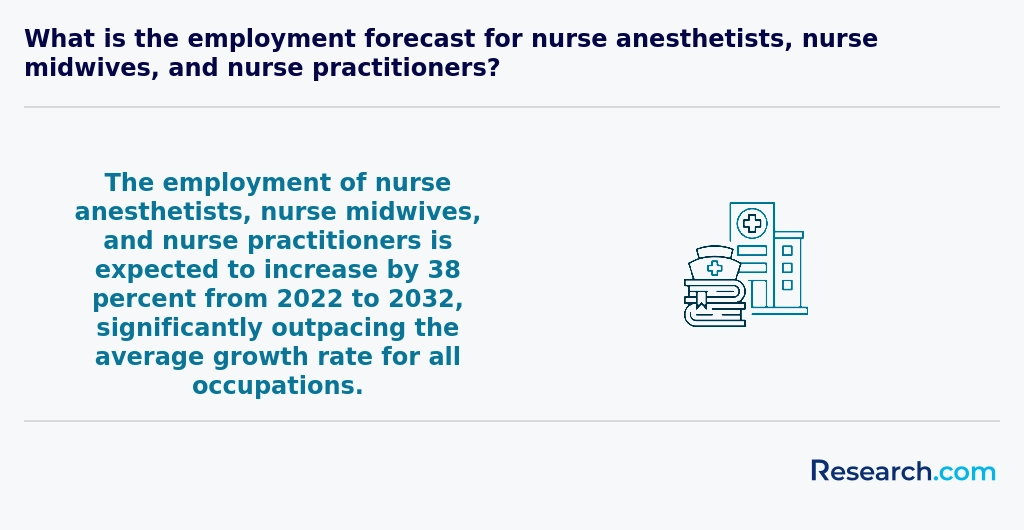
Graduates with a nursing degree in Fresno can start their careers as registered nurses (RNs) at major hospitals like Community Regional Medical Center or Saint Agnes Medical Center, where the demand for skilled nurses in emergency rooms, maternity wards, and intensive care units is high. Many nursing students from Fresno City College and California State University, Fresno report feeling confident stepping into these roles because the close ties these schools have with local healthcare providers create clear employment pathways. Exploring nursing career opportunities in Fresno often means considering further education such as a BSN or MSN, which opens doors to advanced practice roles like nurse practitioners or clinical nurse specialists who focus on specific patient needs.
Other job prospects include nurse educators training future nurses at Fresno colleges or public health nurses engaging with the community. Some graduates find fulfillment as case managers coordinating patient care, a role growing in importance with Fresno's expanding population. For those interested in flexible options, looking into lvn online programs texas might provide additional pathways or certifications complementary to nursing careers in Fresno.
Taking a pragmatic approach to nursing career planning involves recognizing the range of specialties available and choosing programs with affordable tuition at local institutions. This strategy not only manages education costs but also leverages Fresno's growing healthcare system to maximize job security and satisfaction for new nurses.
The job market for nursing degree holders in Fresno shows strong potential, with employment growth projected at around 12% through 2028. Graduates from popular local colleges often find themselves in high demand due to Fresno's growing population and shortage of healthcare workers, especially in rural areas. Many nursing graduates start in hospitals or clinics, experiencing supportive environments where their skills are immediately needed. For example, associates and bachelor's nursing graduates report quickly securing positions with salaries averaging around $85,000 annually, reflecting the region's competitive compensation.
Fresno nursing degree employment outlook is bright not only for entry-level roles but also for advanced practice nurses, such as nurse practitioners earning approximately $120,000. Graduates appreciate that local health facilities and community health centers actively recruit, offering stability and career growth opportunities. Those considering nursing programs should also explore low gpa nursing schools in the area to enhance their chances of admission and employment.
2027 Most Popular Nursing Degree Programs Ranking in Fresno
Investing in your education is a significant decision that can shape your future, and the Research.com team understands the importance of making informed choices. To assist prospective students in Fresno, we have meticulously crafted the "2027 Most Popular Nursing Degree Programs Ranking in Fresno." Our commitment to quality, credibility, and accuracy is reflected in the extensive research and analysis conducted to compile this ranking.
We utilized the following reputable data sources to ensure a comprehensive evaluation of nursing programs:
By exploring this ranking, readers will gain valuable insights into the most popular nursing degree programs available in Fresno, helping them make well-informed decisions about their educational paths. For more details on our methodology, please visit our Research.com methodology page.


Frequently Asked Questions About nursing
Nursing degree students in Fresno can maximize their learning by engaging deeply in both classroom and clinical experiences. Local hospitals like Community Regional Medical Center offer essential hands-on training critical for skill development. According to the California Board of Registered Nursing, Fresno has a growing demand for nurses, making clinical exposure vital for employment readiness.
Joining study groups and utilizing campus resources such as tutoring centers enhances understanding of complex subjects like pharmacology and anatomy. Effective time management and regular consultation with academic advisors also support academic success.
Participation in nursing associations, including the Fresno chapter of the California Nurses Association, provides networking opportunities and access to the latest industry developments.
The nursing field in Fresno is evolving with several emerging niches that reflect nationwide trends. One rapidly growing area is geriatric nursing due to California's aging population, which demands specialized care for elderly patients. Another notable niche is telehealth nursing. Telehealth services have expanded significantly, providing Fresno nurses with opportunities to deliver remote patient monitoring and virtual consultations.
Additionally, psychiatric-mental health nursing is gaining importance as awareness of mental health issues rises. Fresno State University reports increased enrollment in psychiatric nursing courses, signaling strong local demand. Lastly, nurse informatics combines healthcare and IT, helping optimize patient data management in healthcare settings. These niches offer new career paths for Fresno nursing students aiming to meet regional healthcare needs.
After completing a nursing degree in Fresno, preparing for the job market involves several important steps. First, obtaining licensure by passing the NCLEX-RN exam is essential to practice as a registered nurse in California. According to the California Board of Registered Nursing, Fresno area nursing graduates have a pass rate close to the statewide average of 85% in recent years.
Networking in local healthcare facilities, such as Community Regional Medical Center and Saint Agnes Medical Center, improves job prospects. Fresno's healthcare sector is projected to grow by 15% through 2029, according to the California Employment Development Department, creating increasing demand for nurses.
Additionally, engaging in internships or externships while studying can build practical skills sought by employers. Finally, specialized certifications and continuing education are recommended to enhance marketability and career advancement in this competitive field.
Employers in Fresno prioritize a blend of technical and interpersonal skills when hiring nursing degree graduates. Clinical competence, including proficiency in patient care, medication administration, and familiarity with electronic health records, is fundamental. According to the California Board of Registered Nursing, strong knowledge in these areas correlates with higher job performance.
Communication skills are equally crucial. Nurses must effectively interact with patients, families, and healthcare teams to ensure quality care and safety. Fresno healthcare employers also value critical thinking and adaptability, especially given the region's diverse patient population and fast-paced clinical settings.
Additionally, cultural competence and empathy are increasingly important in Fresno's multicultural communities. These skills enhance patient trust and compliance, supporting better health outcomes.
Finding nursing internships in Fresno involves exploring partnerships between local healthcare facilities and educational institutions. Many Fresno nursing programs collaborate with hospitals such as Community Regional Medical Center and Saint Agnes Medical Center to offer hands-on clinical experiences.
Students should start by contacting their school's career services or nursing department, which often maintain lists of approved internship sites. Additionally, the Central California Nursing Collaborative provides resources tailored to nursing students in the region. According to the Bureau of Labor Statistics, healthcare is a growing sector in Fresno, increasing internship availability.
Networking with local nursing associations and attending job fairs can also improve internship prospects. Online platforms like the California Board of Registered Nursing offer licensing and program information which can guide students toward qualified internship providers.
Obtaining a nursing degree in Fresno significantly enhances career mobility and advancement opportunities in the local healthcare sector. Registered Nurses (RNs) with accredited degrees qualify for diverse roles, from clinical settings to administrative positions. Fresno's growing healthcare industry, supported by institutions like Community Regional Medical Center, increases demand for qualified nurses.
Data from the California Employment Development Department highlights a projected 12% growth in nursing jobs in the Fresno area through 2028. Nurses with Bachelor of Science in Nursing (BSN) degrees often have a competitive edge for leadership roles and specialty certifications.
Advanced degrees, such as MSN, also open pathways to nurse practitioner and educator positions, supporting higher salaries and expanded responsibilities.
Studying for a nursing degree in Fresno equips students with skills crucial for interdisciplinary roles in healthcare settings. Local programs emphasize teamwork, communication, and collaboration with professionals from various fields such as medicine, social work, and pharmacy. Fresno's healthcare institutions, including community hospitals, often serve as clinical partners, providing hands-on experience in diverse teams.
According to the California Board of Registered Nursing, Fresno's nursing programs align with state standards promoting holistic care and interprofessional education. This training responds to the growing demand in the Central Valley for nurses who can navigate complex healthcare systems and contribute effectively to patient-centered teams.
When choosing between a thesis and a non-thesis nursing degree program in Fresno, consider your career goals carefully. A thesis option typically involves research and prepares students for roles in academia or advanced clinical practice. Non-thesis programs focus more on practical skills and may suit those aiming to enter the workforce quickly.
The California Board of Registered Nursing reports Fresno has a growing demand for nurse practitioners, making practical experience valuable. Thesis programs can take longer to complete, often requiring original research, which may appeal to students interested in leadership or doctoral studies.
In Fresno, many nursing schools offer both options, so prospective students should review curriculum details and speak with advisors to assess which fits their learning style and professional plans best.
Students based in Fresno who wish to study nursing abroad have several pathways, often supported by local institutions. Fresno State University, for example, participates in exchange programs and study-abroad partnerships that allow nursing students to gain international clinical experience. These opportunities are typically short-term, lasting one semester or summer sessions, and focus on global health practices.
The U.S. higher education system requires students to maintain accreditation standards, so international programs must be aligned with U.S. nursing requirements to ensure eligibility for licensure exams like the NCLEX-RN. Many students also explore programs in Canada or Europe, where nursing curriculums share similarities with U.S. standards.
Financial aid and scholarships for study abroad are available but competitive, and students should consult advisors at Fresno colleges. The National Student Exchange program may also offer affordable study options abroad within partner institutions.
Students pursuing nursing degrees in Fresno can enhance their education by taking part-time jobs closely related to healthcare. Positions such as certified nursing assistants (CNAs) or medical assistants offer hands-on experience in patient care settings. CNAs in Fresno typically earn between $14 and $18 per hour, which aligns with state averages reported by the Bureau of Labor Statistics. Working in local hospitals like Community Regional Medical Center or outpatient clinics provides exposure to clinical procedures and patient interaction. Additionally, jobs in home health care agencies support skills in patient monitoring and communication, complementing academic learning with practical experience.
Nursing students in Fresno have access to diverse networking opportunities that support their academic and professional growth. Local institutions such as California State University, Fresno, and Fresno City College frequently hold nursing-focused events and career fairs. These gatherings allow students to connect with healthcare employers and experienced nurses in the region.
The Central Valley Healthcare District also offers internships and volunteer programs that help students build practical connections. Additionally, Fresno hosts local chapters of professional organizations like the California Nursing Students Association, providing regular meetings and workshops for peer networking and mentorship.
According to the California Board of Registered Nursing, Fresno County employs over 7,000 registered nurses, indicating a strong local nurse community students can engage with.
Alumni networks provide valuable support for nursing degree students in Fresno by offering connections to experienced professionals in the field. These networks help students access job opportunities in local hospitals such as Community Medical Centers and Saint Agnes Medical Center, which employ a significant portion of Fresno's nursing workforce. According to the California Board of Registered Nursing, Fresno has seen increased demand for nurses, making these alumni connections crucial for career placement.
Additionally, alumni often participate in mentorship programs, guiding students through clinical challenges and licensure preparation. This mentorship enhances students' practical knowledge and confidence.
Networking events and workshops organized by alumni groups also keep students informed about evolving healthcare standards and technologies specific to California's nursing regulations.
Customizing a nursing degree program in Fresno involves selecting course options and clinical experiences that align with your career goals. Many local colleges, including Fresno City College and California State University, Fresno, offer specializations such as pediatric nursing, critical care, or community health. These programs allow students to focus on areas of nursing that match their interests and the regional job market.
Students can also take advantage of internships and partnerships with nearby hospitals like Community Regional Medical Center, which provides hands-on experience critical for career development. According to the California Board of Registered Nursing, Fresno's healthcare industry is growing, making customized training valuable for employment prospects.
Additionally, some institutions offer flexible class schedules and online coursework, helping working adults or those balancing family commitments tailor their education effectively.
Nursing students in Fresno often face several challenges during their education. One significant difficulty is balancing rigorous coursework with clinical practice hours, which can exceed 700 hours for some programs. This intense schedule leaves limited time for personal commitments. Additionally, the shortage of local clinical placement sites creates competition among students for hands-on experience.
The cost of nursing education in Fresno also poses a barrier, with average annual tuition for community college programs around $1,500 and private institutions significantly higher. Financial aid is available but may not cover all expenses.
Lastly, students must pass national licensing exams like the NCLEX, adding pressure to an already demanding program.
With a nursing degree obtained in Fresno, graduates can pursue several professional certifications to enhance their skills and job prospects. Common certifications include the Registered Nurse (RN) license, which is required to practice nursing legally in California. Beyond the RN, nurses often seek specialty certifications such as the Certified Medical-Surgical Registered Nurse (CMSRN) or the Certified Pediatric Nurse (CPN).
The Fresno healthcare job market values advanced certifications, with a 2023 report from the California Board of Registered Nursing showing increased employment rates for certified nurses. Furthermore, certifications in areas like critical care (CCRN) or oncology nursing (OCN) are recognized nationally and open more specialized career paths.
These credentials require passing national exams and meeting continuing education requirements, reflecting a nurse's commitment to professional growth. Pursuing these certifications can improve earning potential and access to Fresno's expanding medical facilities.
Writing a winning application for a nursing program in Fresno requires attention to both academic and personal factors. Most nursing schools in Fresno, such as Fresno City College and San Joaquin Valley College, expect applicants to have completed prerequisite courses like anatomy, physiology, and microbiology with strong grades. According to the California Board of Registered Nursing, a competitive GPA is typically above 3.0.
Applicants should also provide a clear personal statement explaining their motivation to pursue nursing and how they plan to contribute to the local healthcare community. Including relevant volunteer or healthcare experience strengthens the application.
Letters of recommendation, preferably from healthcare professionals or instructors, add credibility.
Meeting application deadlines and accurately submitting all documents is essential for consideration.
A nursing career offers significant opportunities worldwide, shaped by diverse healthcare needs and education systems. In the US, including Fresno, nursing education typically requires an Associate Degree in Nursing (ADN) or a Bachelor of Science in Nursing (BSN). According to the Bureau of Labor Statistics, nursing is among the fastest-growing professions, with a 9% projected growth from 2020 to 2030.
Globally, many countries recognize US nursing credentials, but requirements vary. In Fresno, local nursing programs emphasize evidence-based practice and cultural competence to prepare nurses for a diverse patient population. The World Health Organization highlights a global nursing shortage, making the profession a stable, in-demand career option internationally and locally.
Gaining practical experience while studying for a nursing degree in Fresno is essential for building clinical skills and improving job readiness. Most accredited nursing programs in the region incorporate clinical rotations in local hospitals, clinics, and community health centers. These hands-on placements allow students to work directly with patients under the supervision of licensed nurses and instructors.
The Fresno County workforce development reports that partnerships between nursing schools and healthcare providers have increased, offering more opportunities for student internships and externships. Additionally, some schools encourage volunteering at health facilities to gain extra exposure.
Simulation labs are also widely used in Fresno's nursing programs to safely practice clinical procedures.
Choosing the right concentration within a nursing degree program in Fresno involves understanding your career goals and local healthcare needs. Fresno's healthcare sector is growing rapidly, with a demand for specialties like geriatrics, pediatric nursing, and critical care. According to the California Employment Development Department, registered nurses in Fresno County earn a median annual wage of around $95,000.
Consider your strengths and interests; for example, if you enjoy working with elders, a focus on geriatric nursing may be ideal. Look into programs offered by Fresno City College or Fresno Pacific University, which provide specialized tracks. Research local job market trends and speak to advisors to make an informed decision.
- 2027 Most Popular Nursing Degree Programs Ranking in San Francisco
- 2027 Most Popular Nursing Degree Programs Ranking in Los Angeles
- 2027 Most Popular Nursing Degree Programs Ranking in Las Vegas
- 2027 Most Popular Nursing Degree Programs Ranking in San Diego
- 2027 Most Popular Nursing Degree Programs Ranking in Phoenix
- 2027 Most Popular Nursing Degree Programs Ranking in Tempe
- 2027 Most Popular Nursing Degree Programs Ranking in Portland
- 2027 Most Popular Nursing Degree Programs Ranking in Denver
- 2027 Most Popular Nursing Degree Programs Ranking in Colorado Springs
- 2027 Most Popular Nursing Degree Programs Ranking in Lubbock
See What Experts Have To Say About Studying Nursing
Read our interview with Nursing experts


- Client Challenge https://www.springerpflege.de/nursing-graduates-perceived-future-career-pathway-and-career-shi/50653658
- How Do Nurses Prepare to Work in a Multidisciplinary Team? | NursingEducation https://nursingeducation.org/insights/multidisciplinary-team/
- Nursing Internship and Externship Programs https://jobs.mayoclinic.org/nursinginternexternprograms
- Top Nursing Skills U.S. Employers Want to See on Your Resume | O'Grady Peyton https://www.ogradypeyton.com/blog/job-seeker-resources/top-nursing-skills-u.s.-employers-want-to-see-on-your-resume
- Public Health Nursing https://www.fresnocountyca.gov/Departments/Public-Health/Public-Health-Nursing
- Nursing - WSEI University https://www.wsei.pl/en/admission/bachelors-degree/nursing-bachelor-degree/
- Types of Nursing Degrees-Which One Is Yours? https://www.allnursingschools.com/how-to-get-into-nursing-school/degree-options/
- Working While in Nursing School: 25 Ways to Make Money as a Nursing Student https://credenzahealth.com/career-advice/working-while-in-nursing-school-25-ways-to-make-money-as-a-nursing-student
- Nursing https://www.fresnocitycollege.edu/academics/guided-pathways/healthcare-wellness/programs/nursing.html
- Nursing, B.S.N. https://www.fresno.edu/undergraduate/program/nursing-bsn