
2027 Most Popular Nursing Degree Programs Ranking in Phoenix

Co-Founder and Chief Data Scientist
Are you considering a nursing degree in Phoenix? Choosing the right program can feel overwhelming, but you're not alone. This article introduces the 2027 Most Popular Nursing Degree Programs Ranking in Phoenix, developed by the Research.com team of data scientists to help you make an informed decision.
By exploring this ranking, you'll discover valuable insights into which programs stand out locally. A nursing degree opens doors to a meaningful career where you can make a difference every day. Keep reading to find the path that suits you best.
Key benefits of getting nursing degree in Phoenix
Graduates with a nursing degree in Phoenix can expect competitive salaries, such as $94,480 annually for Registered Nurses and Public Health Nurses, while Operating Room Nurses earn up to $128,490 per year.
- Career paths for nursing graduates in Phoenix include roles like Clinical Nurse Educator and Emergency Room Nurse, offering diverse opportunities to grow and specialize within healthcare.
- Completing a nursing degree online from a local Phoenix university provides flexibility and convenience, allowing students to balance work and study while gaining valuable skills that meet industry standards.
- Online programs often feature interactive learning and support from experienced faculty, making it easier to stay motivated and succeed in a rewarding nursing career.
- 2027 Most Popular Nursing Degree Programs Ranking in Phoenix
- What can I expect from nursing degree in Phoenix?
- Where can I work with nursing degree in Phoenix?
What can I expect from nursing degree in Phoenix?
If you're thinking about the cost of earning a nursing degree right here in Phoenix, one thing to know is that prices can really vary depending on where you study. Graduates from community colleges usually smile about paying less, with Associate Degree in Nursing (ADN) programs often costing way less than going the traditional university route. For example, some popular community colleges here offer ADN programs for a fraction of what private universities charge for their BSN or graduate nursing degrees.
That said, many students who went to well-known Phoenix universities say the higher tuition felt worth it because of the hands-on experiences and connections they made with local hospitals like Banner Health or Dignity Health. Plus, plenty of schools offer scholarships or financial aid that can ease the burden, so it's a good idea to check those out early on.
At the end of the day, you can expect to spend less than a typical out-of-state program but still get great access to clinical placements and valuable real-life nursing training right in the Valley. It's a sweet spot for quality education without breaking the bank.
Where can I work with nursing degree in Phoenix?
With a nursing degree in Phoenix, you're stepping into a city buzzing with healthcare opportunities. Graduates from schools like Arizona State University or Grand Canyon University often find themselves working in big hospitals such as Banner Health or Dignity Health. Picture starting your day in a busy emergency room or helping out in specialized units like cardiology or intensive care-there's never a dull moment.
Many grads also land jobs in outpatient clinics or long-term care places, getting hands-on with patient care in settings that feel more personal and community-focused. Others enjoy working with home healthcare agencies, visiting patients and making a real difference right in their own homes-a perfect fit if you like variety and making personal connections.
Plus, some grads dive into research or join community health programs, which means you can be part of exciting healthcare innovations happening right in Phoenix. Whether you're into clinical work, education, or administration, the city's growing healthcare scene makes it a great place to shape your nursing career.
If you're thinking about getting a nursing degree in Phoenix, you'll be glad to know the pay can be pretty solid. Graduates from local programs often start earning around $60,000 to $70,000 a year, especially if they jump right into hospital roles in the area-those tend to pay on the higher side due to the fast-paced environment.
Now, as you gain experience or earn advanced degrees, things really open up. Typical registered nurses in Phoenix pull in an average annual wage close to $94,480, which matches what clinical nurse educators, public health nurses, and emergency room nurses make too. For those who specialize, like operating room nurses, the paycheck can go up to about $128,490 per year.
Many grads from Phoenix's top nursing schools share stories about how these salaries helped them feel confident stepping into their careers, juggling shifts, and even planning for continuing education. Plus, these roles often come with extra perks like health benefits and tuition reimbursement, making the whole package feel even better.
- Phoenix offers accredited nursing programs including ADN, BSN, and MSN through community colleges, universities, and specialized schools.
- ADN programs generally cost between $6,000 and $15,000, while BSN programs at public universities range from $30,000 to $50,000.
- Early-career nurses in Phoenix earn an average salary of $65,000 to $70,000, with experienced nurses making over $90,000 annually.
- Nursing job growth in Phoenix exceeds the national average, with employment opportunities in hospitals, outpatient centers, and long-term care facilities.
- Graduates must pass the NCLEX-RN exam to get licensed, and Arizona's Nurse Licensure Compact allows practice in multiple states without extra licenses.
If you're planning to get your nursing degree in Phoenix, the time it takes really depends on which path you choose. For example, many students start with an LPN or LVN program, which usually lasts about 12 to 18 months at local community colleges or vocational schools. It's a great way to jump into nursing quickly with hands-on skills.
Most folks aiming to be Registered Nurses go for an Associate Degree in Nursing (ADN), which takes about two years at places like Phoenix College or Rio Salado College. Graduates rave about how the program's structured but still manageable, letting them balance school and life.
If you want more options and leadership roles, a Bachelor of Science in Nursing (BSN) from Arizona State University is common and takes about four years. But for those who already have an ADN or another degree, there are faster RN-to-BSN programs that can wrap up in just 12 to 24 months, which plenty of grads find super motivating.
Keep in mind, if you're going part-time or juggling work, it might stretch out a bit, but full-timers often finish right on schedule, ready to hit the nursing floor feeling confident and prepared.
To find the most suitable nursing program in Phoenix, AZ, it's essential to research and compare different options, considering factors such as program length, cost, and available specializations. Prospective students can visit https://research.com/rankings/nursing/most-popular-nursing-az to learn more about the most popular nursing degree programs in the area, helping them make informed decisions about their educational paths. By understanding the curriculum, clinical experiences, and career opportunities offered by each program, students can choose the one that best aligns with their interests, skills, and career goals, setting them up for success in the nursing field.
If you're thinking about nursing degrees in Phoenix, the biggest thing to know is how online and on-campus programs really shake out day-to-day. Imagine you're a busy adult juggling work or family-you might love the flexibility that online programs from schools like Arizona State University offer. You can watch lectures at midnight if you want, but heads-up: you still have to do in-person clinical hours at local hospitals or clinics to get licensed. That hands-on part is non-negotiable, no matter what.
On the flip side, going on-campus at places like Grand Canyon University means you get that lively college vibe-chatting with classmates face-to-face, hitting up labs, and diving into group projects and simulations. Many grads say that real-time interaction helped them understand stuff quicker and made them feel part of a community.
Plus, scheduling is pretty different. Online nursing courses usually let you learn whenever, while on-campus follows a set timetable-so if you thrive on routine, campus might feel better. Either way, Phoenix students get the clinical experience required by the Arizona Board of Nursing, just delivered in different ways that fit your lifestyle.
Accreditation ensures your nursing degree meets national standards and qualifies you for licensure. In Phoenix, look for programs accredited by the Commission on Collegiate Nursing Education (CCNE) or the Accreditation Commission for Education in Nursing (ACEN).
Key NCLEX-RN first-time pass rates (2023):
- Arizona State University (CCNE): 95%
- Grand Canyon University (CCNE): 92%
- Maricopa Community Colleges (ACEN): 89%
Choosing an accredited program with strong pass rates boosts your confidence and licensure success. For students seeking straightforward admissions, review our guide to easy nursing programs to get into.
If you're wondering about the average cost of a nursing degree in Phoenix, it usually lands around $18,428 in total tuition and fees. For locals, the in-state total cost is much friendlier, averaging about $9,552, which makes a big difference if you're planning to study at public options like Arizona State University or Maricopa Community Colleges. Graduates often share how that in-state tuition helped them manage expenses better while focusing on their studies.
Many nursing students describe their journey as affordable enough to feel worth the effort, especially when balancing costs with financial aid and scholarships available at most schools. Nursing degrees in Phoenix can have varying costs-from more budget-friendly Associate Degree in Nursing (ADN) programs to pricier Bachelor of Science in Nursing (BSN) options. The total tuition and fees for nursing programs Phoenix-wide generally reflect a balance between quality education and cost, so you can invest in your future without being overwhelmed by debt.
Students who choose public schools appreciate the lower cost and wide support networks, while those attending private colleges might pay more but often enjoy smaller classes and specialized programs. Regardless of your choice, plenty of grads say the investment pays off, especially given the strong demand for nurses in the area. If you want to see what programs suit you best, check out this list of most popular nursing degree options in Arizona to get a feel for what's out there.
Before enrolling in a nursing program in Phoenix, AZ, it’s crucial to verify that the school holds accreditation from recognized bodies such as the Accreditation Commission for Education in Nursing (ACEN) or the Commission on Collegiate Nursing Education (CCNE). Graduating from an accredited program not only ensures your education meets national quality standards but is also a mandatory step to qualify for the NCLEX-RN licensing exam administered by the Arizona State Board of Nursing. Programs lacking proper accreditation may leave graduates ineligible for licensure, limiting career prospects. Once you complete an ACEN- or CCNE-accredited curriculum, the next milestone is obtaining your RN license through the Arizona State Board of Nursing. This process typically involves submitting official transcripts, completing a background check, and paying required fees. After approval, you’ll register for the NCLEX-RN, which tests competency in areas like patient care, pharmacology, and clinical judgment. Many Phoenix institutions offer NCLEX prep workshops and simulation labs to boost first-time pass rates-an essential factor to consider when comparing schools. For students exploring flexible learning paths, it’s worth noting that online and hybrid nursing programs must also carry regional or national accreditation and be approved by the Arizona Board of Nursing. If you’re curious about affordable online options beyond the state, check our Cheapest Online Nursing Degree Programs Ranking in Mississippi for insight into cost-effective pathways that maintain rigorous accreditation standards. Staying informed about accreditation renewals, continuing education requirements, and license renewal deadlines will safeguard your eligibility to practice. By prioritizing accredited programs and understanding state licensing procedures, you’ll take confident steps toward a successful nursing career in Arizona.
If you're planning to get your nursing degree in Phoenix, you'll be glad to know there are lots of ways to make the cost a bit easier to handle. Many students start by filling out the FAFSA to tap into federal aid like the Pell Grant, which can cover a big chunk without needing to pay it back. Graduates from local colleges like Phoenix College have often shared how this help made a huge difference in managing their tuition.
On top of that, Arizona offers specific programs like AzLEAP and the Nursing Student Loan, which are designed to support nursing students right here in Phoenix. One graduate talked about how the Nursing Student Loan helped cover expenses because it offers loan forgiveness if you work in underserved neighborhoods, which is a great bonus if you want to give back to the community.
Plus, don't overlook scholarships from universities themselves or local hospitals, which sometimes offer employer tuition assistance. Many nursing students at Arizona State University have found these programs invaluable, especially when juggling work and studies. And organizations like the Arizona State Nurses Association offer awards too, making the whole journey feel more achievable and rewarding.
Ensuring your nursing program is properly accredited is the first step toward a successful career in Phoenix. All pre-licensure programs must hold accreditation from recognized bodies such as the Commission on Collegiate Nursing Education (CCNE) or the Accreditation Commission for Education in Nursing (ACEN). Graduates from these programs are eligible to sit for the NCLEX-RN exam, administered by the National Council of State Boards of Nursing (NCSBN). Passing the NCLEX-RN is mandatory to obtain your Registered Nurse license through the Arizona State Board of Nursing, which also requires a background check, fingerprinting, and verification of your educational credentials. Once you’ve earned your RN license, Arizona mandates renewal every two years, along with documentation of at least 30 contact hours of continuing education. For those looking to advance into specialized roles-such as Nurse Practitioners or Clinical Nurse Specialists-additional graduate-level accreditation and national certification are required. For instance, psychiatric mental health nurse practitioners must complete a Master’s or Doctoral program accredited by CCNE or ACEN, and then pass the ANCC’s Psychiatric-Mental Health NP exam. If cost is a concern, prospective advanced practice nurses can compare tuition and outcomes among the most cost-effective options; explore the cheapest psychiatric nurse practitioner programs to find accredited pathways that fit your budget. Finally, maintaining license in Arizona means adhering to scope-of-practice regulations and staying current with any changes the Board issues-such as new immunization requirements or telehealth guidelines. Joining professional organizations like the Arizona Nurses Association (AzNA) can help you track regulatory updates, access low-cost CE workshops, and build a network of peers who support lifelong learning and compliance. By choosing an accredited program, fulfilling NCLEX-RN requirements, and committing to ongoing education, you’ll ensure your nursing license remains in good standing and your career continues to advance.
If you're thinking about starting a nursing degree in Phoenix, there are a few key things you'll need before you can jump in. First off, most programs expect you to have finished high school or have your GED. It's pretty common for students at places like Arizona State University or Phoenix College to have taken basic science classes like human anatomy, microbiology, nutrition, and a bit of psychology beforehand. These classes really help build the foundation you need for nursing.
Many grads share how taking these prerequisite courses at community colleges made the transition easier-they felt more confident going into tougher nursing classes because they already had the basics down. You'll also want to keep your GPA in check, usually somewhere between 2.5 and 3.0, since some programs get pretty competitive here in Phoenix.
Another thing to keep in mind is the TEAS test, which checks your reading, math, and science skills. Plus, some schools ask for background checks and vaccine records before you start clinicals, so it's good to have those ready. Overall, if you get these pieces lined up early, you'll feel a lot more ready-and excited-to take that first step toward your nursing career.

Before you can begin practicing as a registered nurse in Phoenix, you must meet Arizona’s licensure requirements, overseen by the Arizona State Board of Nursing (AZBN). First, ensure you graduate from an ACEN- or CCNE-accredited nursing program, which is a prerequisite for eligibility. Next, submit your application through the AZBN eLicensing portal, including official transcripts, proof of program completion, and fingerprints for a criminal background check. Be prepared to pay the non-refundable application fee (currently $155) and the fingerprint processing fee. Once your application is approved, you must register for and pass the NCLEX-RN examination. The AZBN provides a candidate handbook outlining exam content, scheduling procedures, and passing standards. After successfully passing the NCLEX-RN, you’ll receive your Arizona RN license and may begin applying for positions across the state. Keep in mind that if you’re an LPN seeking to transition quickly to an RN role, exploring the top 6-month lpn to rn programs online can accelerate your path and fulfill educational prerequisites. Arizona requires RNs to complete 30 contact hours of continuing education every two years to renew their license. These hours must include at least one in pain and symptom management, one in patient safety systems, and one in child abuse reporting. Failing to meet renewal deadlines may result in late fees or license expiration, so mark your calendar well in advance. By understanding and adhering to these steps-accredited education, successful NCLEX completion, timely renewal, and ongoing education-you’ll ensure a seamless transition from student to practicing nurse in Phoenix.
If you're looking at nursing programs in Phoenix, you'll find a solid mix of courses that really prepare you for the real world. Students at popular schools like Arizona State University often talk about how foundational classes like anatomy, physiology, microbiology, and chemistry help them understand what's happening inside the body, making everything else make sense.
On top of that, you'll dive into nursing-specific classes like Fundamentals of Nursing, where you learn how to care for patients hands-on, and Pharmacology, which is all about medication safety. Many grads mention how Health Assessment classes gave them the confidence to perform thorough physical exams and really connect with patients.
Courses in Adult and Pediatric Nursing show you how to approach care for all ages, while Mental Health Nursing opens your eyes to psychiatric care. Plus, Community and Public Health Nursing is super relevant here in Phoenix, helping students understand the diverse populations they'll serve.
Hands-on clinical experiences through local hospitals seal the deal, turning textbook knowledge into skills you'll rely on every day. Those real-life patient interactions? They're what most grads say made all the difference.
When you dive into nursing degree specializations in Phoenix, there's a solid mix to choose from that really matches your vibe and goals. Graduates from places like Arizona State University and Grand Canyon University often mention how their BSN programs let them focus on areas like community health or nursing leadership-skills that totally set you up for real-world challenges and leadership roles. Others find hands-on excitement in tracks like Emergency and Trauma Nursing, which is perfect if you love fast-paced hospital settings.
For those looking at more foundational skills, Licensed Practical Nurse programs and specialties like pediatric or geriatric care are super popular choices. Mental Health Nursing is also catching attention given the growing need for psychological care, and some students even explore certified paths through the cheapest psychiatric nurse practitioner programs to sharpen that expertise.
Overall, the best nursing programs with specializations Phoenix offers make it easy to tailor your education to what really fires you up, whether that's critical care in intensive units or women's health. Lots of grads say it feels amazing to jump into a career that fits who they are and what they're passionate about.
Picking the best nursing degree programs Phoenix offers means thinking about what fits your lifestyle and career goals the most. Some grads from well-known Phoenix colleges rave about the flexibility of online or hybrid classes, perfect if you're juggling work or family. Others highlight how smaller class sizes helped them connect better with instructors, making tough subjects easier to handle. If you want hands-on experience, check that your program has strong ties with local hospitals and clinics - many students say this real-world training gave them the confidence they needed before graduation.
affordability matters too. Many students find affordable nursing schools Phoenix AZ offer associate or bachelor's degrees without breaking the bank. For example, community colleges often have ADN programs that cost less than $6,000 a year, which can be a real lifesaver if you're budgeting. Also, don't forget to plan for extras like books and uniforms.
Lastly, if you're looking for a quick start, some students recommend checking out the top 6-month lpn to rn programs online that help you step up your nursing career faster.
If you're thinking about nursing career opportunities in Phoenix, there's a ton to get excited about. Graduates from local colleges like Phoenix College often start out as registered nurses, working hands-on in hospitals or clinics right here in the city. Many share stories of jumping into busy hospital floors, collaborating with doctors, and really making a difference for patients day-to-day.
But the options don't stop there. Some grads choose to become Licensed Practical Nurses or Licensed Vocational Nurses, which can be great if you want to enter the field quickly and work in places like rehab centers or nursing homes. Others go for advanced roles like Nurse Practitioners or Clinical Nurse Specialists, which let you diagnose, prescribe, or lead healthcare improvement projects. In fact, nursing degree job prospects Phoenix-wide are booming, with plenty of openings for these specialties.
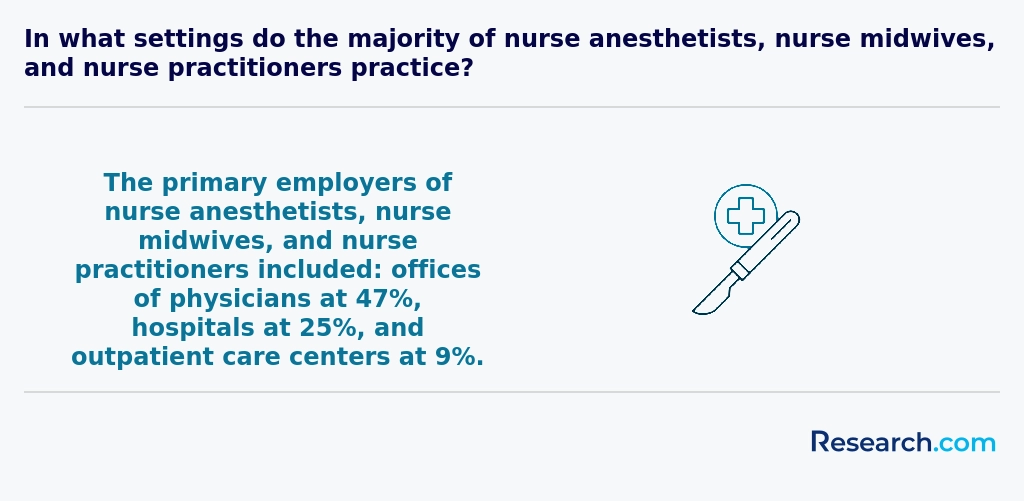
For those drawn to teaching, becoming a Nurse Educator at local universities can be super rewarding, while others pursue niche roles like Nurse Anesthetist or Nurse Midwife, working in surgical or birthing centers with higher pay. If you want to explore how affordable nursing studies can be here, check out the Cheapest Online Nursing Degree Programs Ranking in Mississippi for some perspective!
The job market for nursing degree holders in Phoenix is pretty solid right now, with lots of opportunities popping up thanks to the city's growing healthcare scene. Graduates from local colleges, like those finishing up at top nursing programs in Phoenix, often find it easier to land jobs because hospitals and clinics are expanding rapidly. This strong demand makes nursing job opportunities in Phoenix exciting for new grads who want to jump straight into rewarding roles.
Many nurses we've heard from say that the starting salaries here are competitive, and the chance to grow in specialties like critical care is definitely real. Plus, with the city's aging population, there's a steady need for skilled nurses, which means more jobs keep opening up at places like Banner Health or Mayo Clinic. It's encouraging to know your hard work pays off, especially with a mix of good pay and career growth.
If you're worried about costs, many students appreciate that nursing programs in Arizona offer affordable tuition, which makes getting your degree less stressful. For those looking to speed up their education while balancing life commitments, checking out options like the online accelerated associate's degree might be a smart move. This flexibility helps keep the focus on what matters: starting a meaningful career in a thriving city's healthcare system.
2027 Most Popular Nursing Degree Programs Ranking in Phoenix
Investing in your education is a significant decision that can shape your future, and the Research.com team understands the importance of making informed choices. To assist prospective students in Phoenix, we have meticulously developed the "2027 Most Popular Nursing Degree Programs Ranking in Phoenix." Our commitment to quality, credibility, and accuracy is demonstrated through thorough research and analysis performed to create this reliable ranking.
We utilized the following reputable data sources to ensure a comprehensive evaluation of nursing programs:
By consulting this ranking, readers will gain valuable insights into the most popular nursing degree programs in Phoenix, empowering them to make well-informed decisions about their educational journeys. For more details on our methodology, please visit our Research.com methodology page.

# 4 position
Arizona College of Nursing-Phoenix
Bachelor of Science in Nursing

# 5 position
Chamberlain University-Arizona
Bachelor of Science in Nursing

# 6 position
Aspen University
Bachelor of Science in Nursing

# 7 position
University of Phoenix-Arizona
Bachelor of Science in Nursing

# 8 position
Aspen University
Master of Science in Nursing
# 9 position
University of Phoenix-Arizona
Master of Science in Nursing
# 10 position
Aspen University
Doctor of Nursing Practice
Frequently Asked Questions About nursing
Nursing degree students in Phoenix can maximize their learning experience by combining academic study with hands-on clinical practice. Local institutions often partner with hospitals like Banner Health and Phoenix Children's Hospital, providing students valuable real-world exposure. According to the Arizona Board of Nursing, clinical experience is essential to developing practical skills and enhancing patient care knowledge.
Students should also take advantage of Phoenix's diverse healthcare environment, including urban and rural settings, to understand various patient needs. Joining campus nursing organizations and attending local health workshops can improve networking and professional development.
Utilizing resources such as the Arizona Nurses Association offers additional learning and certification opportunities tailored to state requirements.
The nursing profession in Phoenix is evolving, with several emerging niches gaining prominence due to changes in healthcare needs. One growing area is geriatric nursing, driven by Arizona's rapidly aging population-over 16% of Phoenix residents are 65 or older, according to the U.S. Census Bureau. Nurses specializing in elder care are increasingly in demand to address chronic conditions and improve quality of life.
Another expanding niche is oncology nursing, reflecting rising cancer rates and advancements in treatments. Additionally, informatics nursing, which involves managing healthcare data and technology, is becoming essential as Phoenix hospitals adopt more digital systems.
Community health nursing also plays a critical role, particularly in underserved urban and rural areas. These emerging roles offer diverse opportunities for new nursing graduates in Phoenix.
After completing a nursing degree in Phoenix, preparation for the job market is crucial to secure desirable positions. Graduates should first obtain licensure by passing the NCLEX-RN exam, which is mandatory across Arizona. According to the Arizona Board of Nursing, timely application and thorough exam preparation increase success rates. Networking with local healthcare providers in Phoenix, including Banner Health and Dignity Health systems, improves employment prospects.
Gaining hands-on experience through internships or volunteer work in Phoenix hospitals can enhance resumes. Additionally, developing skills in electronic health records, increasingly used in Arizona facilities, is valuable. Job seekers should regularly review the Arizona Department of Economic Security data, which reported a 15% projected growth in nursing jobs through 2030, indicating strong career opportunities.
Employers in Phoenix highly value strong clinical skills in nursing degree graduates. According to the Arizona Center for Nursing Excellence, competence in patient assessment, medication administration, and care planning are essential. Communication skills are also crucial, as nurses must effectively interact with patients and healthcare teams.
Critical thinking and problem-solving abilities are increasingly important, especially in busy hospitals like Banner Health facilities in Phoenix. Familiarity with electronic health records (EHR) and digital tools is now a required skill due to widespread technology use in local hospitals.
Leadership qualities and cultural competence are additional assets in Phoenix's diverse healthcare environment.
Finding nursing internships in Phoenix involves researching local hospitals, clinics, and community health centers that partner with nursing programs. Major institutions like Banner Health and Phoenix Children's Hospital often offer structured internships for nursing students. These opportunities provide hands-on experience required by most nursing degree programs approved by the Arizona Board of Nursing.
Students should also connect with their school's career services or nursing department, which typically maintain lists of approved clinical sites. Websites like the Arizona Nurses Association may also list internship openings.
Internships often require compliance with immunization and background checks. Starting early, ideally a semester before clinicals, increases chances of placement.
In Phoenix, earning a nursing degree significantly enhances career mobility and advancement opportunities. The city's growing healthcare sector, fueled by a rising population, demands qualified nurses, making formal education essential. According to the Arizona Center for Nursing Workforce, registered nurses with bachelor's degrees tend to receive higher salaries and more leadership roles than those with diplomas or associate degrees.
Advanced degrees, such as a Bachelor of Science in Nursing (BSN) or a Master of Science in Nursing (MSN), open pathways to specialties like nurse practitioner or nurse educator roles. Employers in Phoenix's prominent hospital systems increasingly prefer or require BSN-prepared nurses for clinical advancement. This trend aligns with national standards promoting higher education for better patient outcomes.
Therefore, investing in a nursing degree in Phoenix not only improves initial employment prospects but also supports long-term career growth within the competitive healthcare environment.
Studying for a nursing degree in Phoenix equips students with skills to work effectively in interdisciplinary healthcare teams. Programs emphasize collaboration with physicians, therapists, social workers, and pharmacists to improve patient outcomes. This approach aligns with Arizona's growing demand for coordinated care, as outlined by the Arizona Center for Nursing Excellence.
Curricula often include courses on communication, healthcare ethics, and team-based problem solving. Clinical rotations typically occur in diverse settings, such as Phoenix-area hospitals and community clinics, where students engage with multiple healthcare professionals.
Graduates are prepared to navigate complex care environments, a necessity recognized by the Arizona Board of Nursing, which promotes interdisciplinary competence to meet the state's expanding healthcare needs.
When choosing between a thesis and a non-thesis nursing degree program in Phoenix, consider your career goals. Thesis programs typically emphasize research, preparing students for roles in academia or advanced clinical research. Non-thesis options focus more on practical skills and clinical practice, suitable for immediate nursing employment.
In Phoenix, institutions like Arizona State University offer both formats, allowing students to select based on preferences. The Arizona Nursing Education Task Force notes that thesis-based graduates often pursue doctoral studies, while non-thesis graduates join the workforce faster. Additionally, a thesis program may take longer, about 2-3 years, whereas non-thesis programs can be completed in 1.5-2 years.
Assess your interest in research versus applied nursing to make an informed choice.
Students based in Phoenix who wish to study nursing abroad have several pathways to consider. Many American nursing programs, including those in Arizona, have established exchange agreements with international universities. This allows students to complete part of their coursework overseas while earning credit toward their degree. According to the Arizona Board of Nursing, over 20% of Phoenix nursing students express interest in global health experiences, highlighting the growing demand for international education.
Popular destinations for study abroad nursing include Canada, the United Kingdom, and Australia, all recognized for their strong healthcare systems and compatibility with U.S. curricula. However, students must ensure that any foreign education is accredited by the Commission on Collegiate Nursing Education (CCNE) or the Accreditation Commission for Education in Nursing (ACEN) to meet Arizona licensing requirements.
Part-time job opportunities in Phoenix that complement nursing degree education are diverse and practical. Students often find roles as certified nursing assistants (CNAs) or home health aides, positions that provide hands-on patient care experience. According to the Arizona Department of Health Services, these jobs offer valuable skills in clinical settings, reinforcing classroom knowledge.
Other popular roles include medical scribing and pharmacy technician positions. These jobs improve familiarity with medical terminology and healthcare workflows, which can enhance nursing studies. Additionally, hospitals such as Banner Health and Phoenix Children's Hospital frequently offer part-time internships or volunteer roles tailored for nursing students.
Engaging in these jobs not only strengthens resumes but also expands local professional networks in Arizona's rapidly growing healthcare market.
Nursing students in Phoenix benefit from a variety of networking opportunities that support their career growth. Local organizations such as the Arizona Nurses Association host regular events and conferences, connecting students with practicing nurses and healthcare leaders. Nursing programs at institutions like Arizona State University and Grand Canyon University often collaborate with nearby hospitals, providing students with clinical placements and professional contacts.
Additionally, Phoenix's growing healthcare industry offers numerous job fairs and workshops tailored to nursing students. According to the Arizona Department of Health Services, the Valley's healthcare employment is expected to increase by 17% over the next decade, amplifying networking potential for students pursuing a nursing career.
Local mentoring programs and student nursing associations also facilitate peer support and professional guidance, enhancing connections within the community.
Alumni networks play a crucial role for nursing degree students in Phoenix by providing professional support and expanding career opportunities. Graduates can access local job openings more easily through connections established in these networks. According to the Arizona Nurses Association, networking increases employment chances by up to 30% in the state's competitive healthcare market.
These networks often host workshops, mentorship programs, and job fairs tailored to Phoenix's healthcare needs. Students benefit from guidance on licensing and continuing education specific to Arizona regulations. Furthermore, alumni groups foster a sense of community, helping new nurses adjust to clinical environments and local healthcare standards.
Customizing a nursing degree program in Phoenix allows students to align their education with specific career goals. Many local institutions offer flexible pathways such as ADN, BSN, and MSN programs with options to specialize in areas like pediatric, geriatric, or psychiatric nursing. Students can select clinical placements that match their interests, gaining hands-on experience in relevant healthcare settings.
The Arizona Board of Nursing supports diverse program formats, including online and hybrid courses, which cater to working professionals seeking advancement. Additionally, Phoenix's growing healthcare industry provides numerous internship and mentorship opportunities, enhancing specialized skills and employability.
Nursing students in Phoenix face several common challenges during their education. One major hurdle is managing the rigorous coursework alongside clinical rotations, which demand both academic knowledge and hands-on skills. Time management becomes crucial as students often juggle part-time jobs or family responsibilities. According to the Arizona Board of Nursing, clinical placement availability can sometimes limit students' opportunities, leading to competition among peers.
Another challenge is adapting to the fast-paced healthcare environment in Phoenix's diverse medical facilities. Students must develop cultural competence to effectively serve its varied population. Financial strain is also significant; the average tuition for nursing programs in Phoenix ranges from $8,000 to $15,000 per year, excluding additional costs for books and uniforms (National Center for Education Statistics, 2023).
With a nursing degree in Phoenix, graduates can pursue a variety of professional certifications to advance their careers. Common options include becoming a Certified Registered Nurse Anesthetist (CRNA), a Family Nurse Practitioner (FNP), or a Clinical Nurse Specialist (CNS). These certifications require passing national exams and meeting clinical practice hours.
Arizona has a growing healthcare sector, with Phoenix offering numerous clinical training opportunities and support for advanced practice certification. According to the Arizona Board of Nursing, thousands of nurses in the state hold specialty certifications, enhancing job prospects and earning potential.
Other popular credentials include Certified Nurse Midwife (CNM) and Certified Nurse Educator (CNE), both respected across the US.
Writing a winning application for a nursing program in Phoenix requires careful preparation and attention to detail. Start by ensuring you meet all prerequisites, such as completed coursework in biology and chemistry, which are standard for nursing programs accredited by the Arizona Board of Nursing.
Highlight your academic achievements and relevant certifications, such as CPR training or CNA licensure. Phoenix nursing schools often look for applicants with practical experience, so include volunteer work or employment related to healthcare.
Strong personal statements and letters of recommendation can differentiate your application. Tailor your essay to reflect your passion for nursing and commitment to serving diverse communities in Phoenix, where demand for skilled nurses continues to grow.
Remember to prepare for entrance exams like the TEAS, commonly required by Arizona nursing schools, aiming for scores above the state average to improve your chances.
The nursing profession is recognized globally as essential to healthcare systems. In the United States, including Phoenix, nursing offers strong job security with a projected 9% growth in employment from 2021 to 2031, according to the Bureau of Labor Statistics. This reflects a worldwide trend emphasizing the importance of trained nurses in improving public health outcomes.
Internationally, nursing roles vary but share common standards enforced by organizations like the World Health Organization. For students in Phoenix, obtaining a nursing degree aligns with these global standards, ensuring skills are transferable and respected across borders. The emphasis on education quality and clinical experience remains high.
Phoenix, with its diverse population, offers unique learning opportunities. Understanding global health challenges helps local nurses provide culturally competent care. This is increasingly important as healthcare becomes more interconnected worldwide.
Gaining practical experience while studying for a nursing degree in Phoenix is essential for building clinical skills and improving job prospects. Many nursing programs in the area, such as those at Arizona State University and Phoenix College, include clinical rotations as part of their curriculum. These rotations place students in local hospitals, clinics, and long-term care facilities to work under professional supervision.
Additionally, students can seek internships or volunteer opportunities at healthcare organizations like Banner Health or the Mayo Clinic in Phoenix. According to the Arizona Nursing Workforce Report (2023), over 60% of nursing students in Phoenix participate in hands-on clinical experiences before graduation, which strengthens their readiness for licensure exams and employment.
Choosing the right concentration within a nursing degree program in Phoenix depends on your career goals and interests. Nursing fields like family health, pediatrics, or geriatrics offer different specializations. For instance, the Arizona Center for Nursing estimates a growing demand for geriatric nurses due to the aging population in Phoenix.
Consider workforce trends; the Bureau of Labor Statistics reports that Phoenix's healthcare sector is expanding faster than many other metro areas, particularly in outpatient care. Concentrations such as emergency nursing or community health may offer more job opportunities locally.
Finally, assess program options at Phoenix-area schools, as some provide unique clinical placements or partnerships with local hospitals to help specialize effectively.
- 2027 Most Popular Nursing Degree Programs Ranking in Tempe
- 2027 Most Popular Nursing Degree Programs Ranking in Las Vegas
- 2027 Most Popular Nursing Degree Programs Ranking in San Diego
- 2027 Most Popular Nursing Degree Programs Ranking in Los Angeles
- 2027 Most Popular Nursing Degree Programs Ranking in Colorado Springs
- 2027 Most Popular Nursing Degree Programs Ranking in Denver
- 2027 Most Popular Nursing Degree Programs Ranking in Lubbock
- 2027 Most Popular Nursing Degree Programs Ranking in San Francisco
- 2027 Most Popular Nursing Degree Programs Ranking in Lincoln
- 2027 Most Popular Nursing Degree Programs Ranking in Portland
See What Experts Have To Say About Studying Nursing
Read our interview with Nursing experts


- How Much Can I Earn With a BSN? https://www.allnursingschools.com/bsn/salary/
- Challenges of nursing students during clinical training: A nursing perspective https://www.aimspress.com/article/doi/10.3934/publichealth.2024019
- How to pursue nursing as a second career https://www.creighton.edu/blog/how-pursue-nursing-second-career
- School of Nursing Alumni Resources https://nursing.utmb.edu/About/Alumni
- Nursing - SUM Admission https://admission.sum.edu.pl/nursing/
- Essential Tips for Nursing Students to Advance Their Careers https://almanaltraining.com/essential-tips-for-nursing-students-to-advance-their-careers/
- Top Skills Employers Want in Practical Nursing Graduates https://vervecollege.edu/what-employers-look-for-in-practical-nursing-graduates/
- What Are the Best Jobs to Work While in Nursing School? https://www.dewv.edu/what-are-the-best-jobs-to-work-while-in-nursing-school/
- THE FIELD OF NURSING - FIRST-DEGREE OF STUDIES https://wnoz.wum.edu.pl/pl/content/field-nursing-first-degree-studies
- How to Write https://esign.com/letter-of-intent/school/nursing/


