2027 Nursing Degree Value by Institution Type: Public, Private, Nonprofit, and Online Models Compared

Co-Founder and Chief Data Scientist
Choosing where to earn a nursing degree can change the total cost, clinical experience, schedule flexibility, and career return you get from the credential. The stakes are high: the U. S. Bureau of Labor Statistics reports a May 2024 median annual wage of $93,600 for registered nurses, with steady demand projected.
This guide is for prospective nursing students comparing public, private nonprofit, for-profit, and online options. You will learn how institution type affects value so you can choose a program that fits your budget, licensure goals, and long-term career plan.
Key Things You Should Know
- Public in-state programs often have the lowest sticker price; College Board's 2024 data lists average 2024-25 tuition and fees at $11,610 for public in-state four-year colleges versus $43,350 for private nonprofit four-year colleges.
- Online nursing degrees can be credible when they are regionally accredited, programmatically accredited by ACEN or CCNE where applicable, and approved for required clinical and licensure pathways in the student's state.
- Institution type alone does not determine ROI; net price, transfer credits, NCLEX eligibility, completion likelihood, debt, clinical placement quality, and local employer relationships usually matter more.
- Is a Public University Nursing Degree More Cost-Effective Than a Private One?
- How Do Employers View the Credibility of an Online Nursing Degree?
Is a Public University Nursing Degree More Cost-Effective Than a Private One?
A public university nursing degree is often more cost-effective for in-state students, but "often" is not the same as "always." The best value depends on net price after grants, whether you can transfer credits, how quickly you can finish, and whether the program has enough clinical placements to help you progress on time.
Published tuition is only the starting point. College Board's 2024 Trends in College Pricing and Student Aid shows a large sticker-price gap between public and private nonprofit four-year institutions, but nursing students should compare the full cost of attendance rather than tuition alone.
| Institution or delivery model | Typical value advantage | Main cost risk | Best fit |
| Public in-state university | Lower published tuition for state residents | Competitive admissions, waitlists, or limited clinical seats can extend time to completion | Students who qualify for in-state rates and can attend on the program's schedule |
| Public out-of-state university | Strong regional hospital connections in some markets | Out-of-state tuition can erase the public-college price advantage | Students targeting a specific state or clinical network |
| Private nonprofit university | Potentially stronger aid packages, smaller cohorts, and established alumni networks | High sticker price if grants and scholarships are limited | Students who receive meaningful institutional aid or value close advising |
| Private for-profit college | Flexible starts and career-focused scheduling may help working adults | Higher borrowing risk if transferability, completion outcomes, or employer reputation are weak | Students who carefully verify accreditation, licensure eligibility, and total cost |
| Online or hybrid nursing program | Lower relocation and commuting costs; more schedule flexibility | Technology, proctoring, travel, and clinical-placement fees may add up | Working adults, licensed nurses advancing from LPN/LVN or ADN to BSN, and students with local clinical access |
The practical answer is to calculate total program cost, not just annual tuition. A private nonprofit program with a large scholarship and guaranteed clinical progression may cost less in real terms than a cheaper public program that delays graduation by a year.
Before assuming a public program is the best deal, compare these cost drivers side by side:
- Net price after grants, scholarships, employer tuition assistance, and state aid
- Nursing-specific fees for simulation labs, uniforms, background checks, drug testing, insurance, exams, and clinical compliance
- Transfer-credit acceptance, especially for anatomy, physiology, microbiology, statistics, and general education courses
- Time to completion, including whether prerequisites and clinical rotations are offered often enough
- Borrowing required for living expenses, not only tuition and fees
How Do Employers View the Credibility of an Online Nursing Degree?
Employers generally care less about whether didactic coursework was online and more about whether the nursing program is legitimate, accredited, clinically rigorous, and aligned with licensure requirements. For many RN-to-BSN and graduate nursing pathways, online learning is now common because students are already licensed and working in healthcare settings.
The credibility question is different for pre-licensure nursing programs. If a program leads to initial RN or LPN/LVN licensure, students must confirm that the school can provide approved clinical experiences and that the curriculum meets state board requirements. Students considering an entry-level route such as a 6 month LPN program should be especially careful to verify state approval, clinical hours, and exam eligibility before enrolling.
Use this checklist to judge whether an online nursing degree will be taken seriously:
- The institution has recognized regional or national institutional accreditation accepted by employers, graduate schools, and licensing boards.
- The nursing program has ACEN or CCNE accreditation where relevant to the degree level and career goal.
- The state board of nursing confirms that the program meets licensure requirements for the state where you plan to practice.
- Clinical placements are clearly explained, including who secures sites and what happens if placements are unavailable.
- The transcript and diploma do not create confusion about whether the credential is equivalent to the campus version.
Current employer expectations also reflect changes in healthcare technology. Online programs that teach electronic health records, telehealth workflows, clinical judgment, and safe use of decision-support tools may align well with modern practice, but those features cannot replace supervised clinical training.
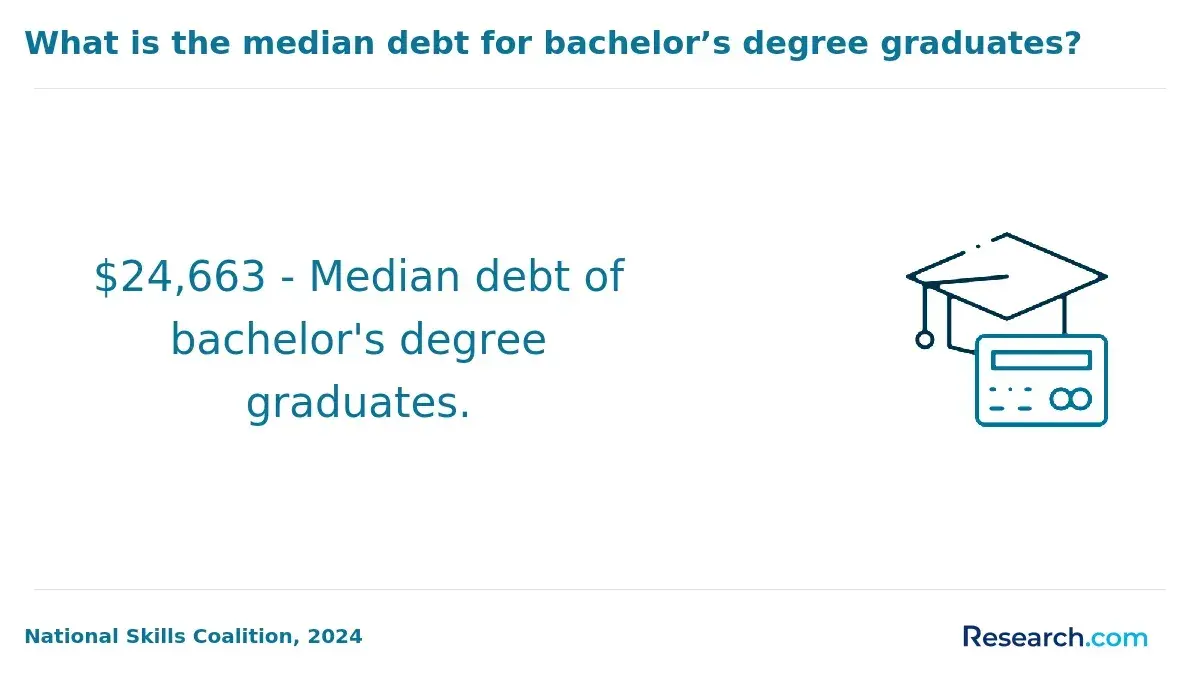
Private nonprofit universities can offer strong nursing networks, especially when they have long-standing clinical partnerships, active alumni groups, and dedicated career services. However, nonprofit status does not automatically mean better networking; a public university connected to a major academic medical center may offer equal or stronger employer access.
Networking value is most important when it gives students practical career access: clinical rotations that double as job pipelines, faculty recommendations, nurse residency connections, and alumni mentors in specialty areas. Students comparing nursing with adjacent health fields, such as an online bachelor's in kinesiology, should look beyond the major name and ask whether the school has real employer relationships in the exact setting they want.
The table below compares how networking tends to differ by school model. These are patterns to investigate, not rules that apply to every institution.
| Model | Networking strengths | Networking limitations | What to verify |
| Public university | Large alumni base, local hospital partnerships, public health connections | Advising may be less individualized in large cohorts | Clinical sites, job placement support, and nurse residency partnerships |
| Private nonprofit university | Smaller cohorts, alumni mentoring, donor-funded career events | Higher cost may not be justified if clinical partnerships are limited | Employer attendance at career fairs and specialty placement history |
| Private for-profit college | Career-focused support and adult-student scheduling | Employer perceptions vary widely by region and program reputation | Local employer hiring history and graduate outcomes |
| Online or hybrid program | Access to remote advising and national peer networks | Local networking may depend heavily on the student's own workplace and clinical site | Whether the program provides local preceptor support and alumni access |
The strongest networking return usually comes from programs that combine credible academics with repeated exposure to employers. A high-priced private nonprofit program may be worth it if it reliably places students in competitive clinical sites, but it is not worth paying extra for vague promises about prestige.
Yes, online nursing programs can include fees that are easy to miss if you only compare tuition per credit. These costs are not necessarily unfair, but they can change the value calculation for students choosing online study to save money.
Online and hybrid nursing students should request a written estimate of all program-specific charges. The most common added costs include:
- Technology, learning platform, remote proctoring, and online course fees
- Simulation lab intensives, campus residency sessions, or required travel to skills weekends
- Clinical compliance expenses, including background checks, immunizations, drug screening, CPR certification, malpractice insurance, and health forms
- Uniforms, equipment, stethoscope, nursing kits, lab supplies, and exam software
- Standardized testing, NCLEX preparation, graduation fees, transcript fees, and state board application costs
- Travel, parking, lodging, and unpaid time away from work for clinical placements
The largest hidden cost is often time. If an online program does not secure clinical placements or requires students to find their own preceptors without strong support, delayed completion can reduce the financial benefit of flexible learning.
A good admissions office should be able to explain the total cost of the entire degree, not just the first term. If the school cannot provide that estimate, treat the program as financially uncertain until you can confirm the numbers.
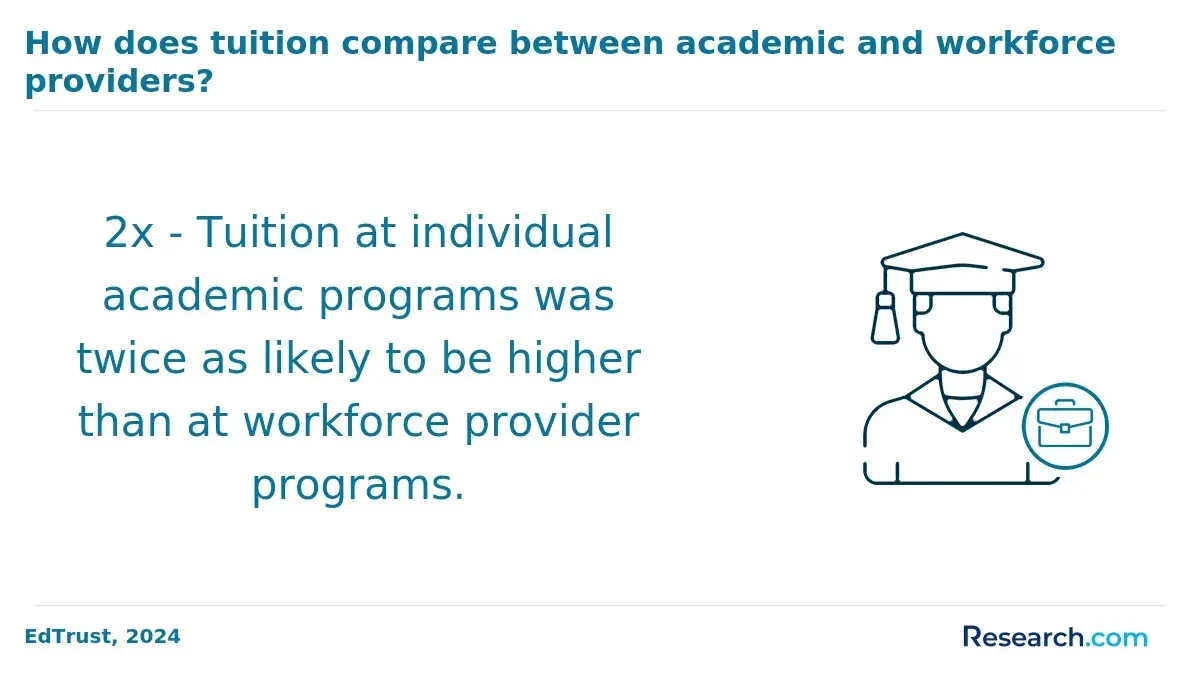
Some recruiters recognize prestigious private nonprofit universities, especially in competitive urban hospitals, academic medical centers, and specialty nurse residency programs. Still, most nursing hiring decisions focus on licensure eligibility, clinical competence, communication, professionalism, references, and fit with the unit's staffing needs.
Prestige can help at the margin, but it rarely compensates for weak clinical preparation or lack of required credentials. If your broader goal is healthcare administration, data, or operations rather than bedside nursing, it may be worth comparing nursing with alternatives such as roles described in a health information management job description and salary guide before paying for a higher-cost nursing program.
Recruiters are more likely to value a nursing program when it shows evidence of quality in areas they can observe:
- Graduates are eligible for the appropriate licensure exam in the state.
- Clinical rotations expose students to real patient-care environments and interprofessional teams.
- Faculty and clinical instructors are familiar to local employers.
- Students have practice with medication safety, documentation, patient education, and escalation of care.
- The school has a reputation for producing graduates who are prepared for nurse residency or orientation.
The best way to test prestige claims is to ask hospitals in your target region which schools they commonly recruit from. A lesser-known public or nonprofit program with strong local clinical relationships may outperform a more expensive name-brand school in the job market you actually plan to enter.
Graduation rates matter because a low-cost program is not a good value if many students do not finish or if progression barriers delay completion. In nursing, completion is especially important because students may pay for prerequisites, lab fees, and clinical requirements long before they become eligible for licensure.
Institution-level graduation rates can be useful, but nursing applicants should also ask for program-specific outcomes. A university may have a strong overall graduation rate while a particular nursing track has bottlenecks in clinical placement, course sequencing, or competitive progression from pre-nursing into the major.
Use graduation data as a risk signal, not as a standalone ranking. A strong comparison should include:
- Program completion rate for the exact nursing pathway you are considering, such as ADN, BSN, accelerated BSN, RN-to-BSN, MSN, or DNP
- NCLEX pass-rate trends for pre-licensure programs, reviewed across multiple years rather than one unusually high or low year
- Attrition policies, including whether students who fail one nursing course can repeat it and remain in sequence
- Average time to completion for students with similar transfer credits or work schedules
- Clinical-placement capacity, because placement shortages can delay graduation even when students are academically successful
Graduation rates also affect perceived employer value. Recruiters may trust programs that consistently move students through a rigorous curriculum and into licensure, while students should view low completion as a potential financial warning sign.
A private university nursing degree does not automatically produce better long-term salary growth. In nursing, salary growth is usually driven by license level, experience, specialty, location, shift differentials, union contracts, graduate education, leadership responsibilities, and certifications more than by institutional type alone.
The U.S. Bureau of Labor Statistics reported the following May 2024 median wages for selected nursing roles. These figures describe occupational medians, not guaranteed earnings for any graduate or school type.
| Role | Common education or credential pathway | May 2024 median annual wage | Value takeaway |
| Licensed practical or licensed vocational nurse | Approved practical nursing program and state licensure | $62,340 | A lower-cost entry pathway can make sense for students who want to start working sooner, then bridge upward. |
| Registered nurse | ADN or BSN plus RN licensure | $93,600 | BSN value depends heavily on employer preference, advancement goals, and tuition cost. |
| Nurse practitioner | Graduate nursing degree and advanced practice licensure | $132,050 | Long-term salary growth may come more from graduate credentials and specialty choice than from undergraduate institution type. |
A private nonprofit BSN may support long-term growth if it helps you enter a strong first job, qualify for a nurse residency, build faculty references, or prepare for graduate study. But if the same licensure and employment pathway is available through a lower-cost public or online program, the higher debt may reduce overall ROI.
The most financially sound nursing pathway is often the one that gets you to the required license with the lowest manageable debt while preserving options for advancement. For some students, that means public ADN to employer-funded BSN; for others, it means a direct-entry BSN with strong clinical placement and scholarship support.
Private nonprofit universities often have formal alumni offices, donor networks, and long-standing identity-based communities that can support graduates over decades. Online nursing programs may offer broader geographic reach and working-professional networks, but the strength of support depends on how actively the school connects students after graduation.
Alumni support becomes more important as nurses move into specialties, leadership, graduate education, teaching, informatics, or cross-disciplinary healthcare roles. Nurses who later explore graduate pathways outside nursing, including PharmD online programs, may benefit from institutions that maintain strong advising and alumni connections across healthcare fields.
When comparing alumni networks, look for practical services rather than broad claims about community. Strong long-term support may include:
- Active alumni chapters in the region where you plan to work
- Mentorship programs that match students with nurses in specific specialties
- Continuing education, certification preparation, or graduate-school advising
- Job boards or employer events limited to students and alumni
- Faculty relationships that continue after graduation for references and career advice
Online programs can be especially useful for nurses who already work in healthcare because classmates may come from many hospitals, states, and specialties. The trade-off is that students may need to be more intentional about building relationships through discussion boards, virtual events, clinical sites, and professional organizations.
The right nursing degree pathway is the one that meets licensure requirements, fits your life, keeps debt proportional to likely career benefits, and gives you a realistic path to completion. Start by separating institution type from delivery format: public, private nonprofit, and for-profit describe the institution, while online, hybrid, and campus-based describe how courses are delivered.
Use this step-by-step process before you submit deposits or borrow for a nursing program:
- Define the credential you actually need: LPN/LVN, ADN, BSN, accelerated BSN, RN-to-BSN, MSN, DNP, or certificate.
- Confirm state board approval and licensure eligibility for the state where you plan to practice.
- Verify institutional accreditation and nursing program accreditation, especially ACEN or CCNE where relevant.
- Calculate total cost through graduation, including tuition, fees, clinical expenses, commuting, lost work time, and loan interest exposure.
- Compare net price after grants, scholarships, employer tuition benefits, military benefits, and transfer credits.
- Ask for nursing-specific completion, NCLEX pass, clinical placement, and job-placement data for your exact program track.
- Evaluate schedule fit honestly, including clinical hours, simulation labs, weekend requirements, and whether online coursework still requires in-person attendance.
- Speak with current students, recent graduates, and local healthcare recruiters before accepting marketing claims.
- Choose the lowest-debt program that still provides credible clinical training, licensure alignment, and support for your target role.
Avoid the common mistake of choosing based on prestige, speed, or tuition alone. The better question is whether the program gives you a credible and affordable route to the nursing role you want. If you are unsure whether nursing is the right healthcare path, compare the daily work, salary patterns, and education requirements of nursing with nearby fields before committing.
Here is a practical decision guide:
- Choose a public in-state program if you want the strongest cost control and can meet competitive admission and scheduling requirements.
- Choose a private nonprofit program if scholarships, clinical partnerships, mentorship, or graduate-school pathways justify the higher sticker price.
- Consider a private for-profit program only after verifying accreditation, licensure eligibility, transferability, debt levels, and employer reputation in your region.
- Choose an online or hybrid program if you need flexibility and the school provides clear clinical-placement support in your state.
- Consider a different healthcare degree if you want patient-adjacent work without the physical, emotional, and licensure demands of nursing.
Private colleges may offer more personalized faculty mentorship when they maintain smaller cohorts, lower student-to-faculty ratios, and structured advising. That can matter in nursing because students often need help with clinical readiness, study strategy, stress management, specialty exploration, and preparation for licensure exams.
Mentorship is valuable when it changes student outcomes, not when it is only described in marketing language. Ask whether faculty meet with students regularly, whether tutoring is built into difficult science and nursing courses, and whether at-risk students receive early intervention before failing a course.
Strong mentorship is especially useful for students who fit one or more of these situations:
- You are returning to school after several years away and need support with science prerequisites or academic writing.
- You are balancing work, caregiving, and clinical requirements and need proactive schedule planning.
- You want guidance toward a specialty such as pediatrics, critical care, community health, informatics, or advanced practice nursing.
- You have transfer credits and need help avoiding duplicate courses or delayed progression.
Public universities with good majors in college can also provide excellent mentoring through honors programs, nursing cohorts, peer tutoring, and faculty-led research. The key is to compare the actual advising model: how often students meet advisors, who teaches core nursing courses, how clinical faculty are assigned, and what support is available when a student struggles.
Other Things You Should Know About Nursing
It can be respected if the program is properly accredited, approved for licensure where required, and includes appropriate supervised clinical experience. Employers usually focus on licensure, clinical readiness, and program reputation rather than online delivery alone.
It may be worth it if scholarships reduce the net price or if the program offers stronger clinical placements, mentoring, completion support, or graduate-school pathways. It is harder to justify if the same licensure and job path is available through a lower-cost accredited program.
The biggest mistake is comparing tuition only. Students should compare total cost through graduation, including fees, supplies, clinical travel, lost work time, transfer-credit limits, and the cost of any delay in finishing.
Institution type alone does not determine licensure. State board approval, required clinical hours, curriculum alignment, and exam eligibility matter most, and requirements can vary by state and program level.
See What Experts Have To Say About Studying Nursing
Read our interview with Nursing experts


- Labor Market | ELA https://ela.nauka.gov.pl/en/labor-market/who_earns_more_after_studies
- Sign Up for the Journal of Nursing. https://www.asrn.org/journal-nursing/2974-whats-the-matter-with-for-profit-nursing-programs.html
- Career earnings by college major - The Hamilton Project https://www.hamiltonproject.org/data/career-earnings-by-college-major/
- States with the highest pass rates on the nursing licensure exam | NursingEducation https://nursingeducation.org/blog/states-with-the-highest-pass-rates-on-the-nursing-licensure-exam/
- Why Nursing School Accreditation Matters | All Nursing Schools https://www.allnursingschools.com/how-to-get-into-nursing-school/school-accreditation/
- Accreditation of nursing programs https://nursekey.com/accreditation-of-nursing-programs/
- CCNE Accreditation https://www.aacnnursing.org/ccne-accreditation
- Is College Worth It? - Public Policy Institute of California https://www.ppic.org/publication/is-college-worth-it/
- What’s the Deal with Accreditation? https://nursingcas.org/resources-for-current-schools/whats-the-deal-with-accreditation
- Nursing School Accreditation https://nursinglicensemap.com/nursing-degrees/nursing-accreditation/