
2027 Most Valuable Online Master's in Nursing Degree Programs Ranking in Minnesota

Co-Founder and Chief Data Scientist
Choosing the right online master's in nursing program can be overwhelming, especially in Minnesota where options vary widely. This article introduces the 2027 Most Valuable Online Master's in Nursing Degree Programs Ranking in Minnesota created by the Research.com team of data scientists.
Designed to help you make an informed decision, the ranking highlights programs that offer the best value and quality education. Whether you're advancing your career or pursuing a passion for healthcare, exploring these programs can open new opportunities and provide lasting rewards.
Key benefits of getting online nursing degree in Minnesota
- Nursing degree graduates in Minnesota can earn competitive salaries; for example, Nurse Practitioners and Critical Care Nurses make a mean annual wage of $128,490, while Clinical Nurse Specialists, Nurse Administrators, and Nurse Educators earn about $94,480 annually.
- Many nursing graduates from the University of Minnesota find diverse career paths, including advanced practice, management, and education roles, offering opportunities to grow and specialize.
- Online nursing degrees from institutions like Minnesota State University provide flexibility for working students, allowing them to balance learning with life commitments while earning respected credentials.
- 2027 Most Valuable Online Master's in Nursing Degree Programs Ranking in Minnesota
- What can I expect from online nursing degree in Minnesota?
- Where can I work with online nursing degree in Minnesota?
What can I expect from online nursing degree in Minnesota?
When considering an online nursing degree in Minnesota, expect to invest approximately $500 to $800 per credit hour if you're a resident. For many students at well-known institutions like the University of Minnesota or Metropolitan State University, this cost is a meaningful commitment that opens doors to a fulfilling nursing career. Graduates often recall balancing financial investment with flexible payment options such as scholarships or employer tuition reimbursements, which provided crucial support during their studies.
One graduate shared how the affordable per-credit cost aligned perfectly with their busy schedule and family commitments, making it easier to manage coursework alongside job responsibilities. Minnesota's nursing programs are designed to offer such flexibility without sacrificing quality, blending online lectures with essential in-person clinical experiences at nearby healthcare facilities.
Investing in these programs isn't just about tuition; it's about gaining expertise recognized by the Minnesota Board of Nursing and preparing for roles that truly impact community health. This balance of cost, quality, and convenience is why many find Minnesota an inspiring place to advance their nursing journey.
Where can I work with online nursing degree in Minnesota?
With an online nursing degree from a respected Minnesota institution like the University of Minnesota or St. Catherine University, graduates find themselves welcomed into diverse and rewarding healthcare settings. Many begin their careers in bustling hospitals across Minneapolis or St. Paul, joining teams at prominent centers such as the Mayo Clinic or Allina Health, where their skills directly impact patient care in emergency rooms and surgical units.
Others embrace the unique challenges of rural health by working in community clinics or mobile health programs, bringing essential preventive care and health education to underserved populations. The satisfaction of making a real difference in these communities often motivates graduates to deepen their commitment to nursing.
Long-term care facilities and nursing homes also present valuable opportunities, especially for those who enjoy building close bonds with elderly patients through daily care, medication management, and health monitoring.
Graduates with advanced degrees often pursue roles as nurse practitioners or educators, stepping into leadership and specialized clinical positions that reflect their dedication and expertise. Choosing accredited Minnesota programs ensures you're prepared to meet licensure requirements and thrive in these dynamic career paths.
If you earn an online nursing degree in Minnesota, your earning potential can be quite impressive, especially as you advance in your career. Graduates from well-known programs at institutions such as the University of Minnesota or Minnesota State University often start with a solid foundation, securing entry-level roles where annual salaries range roughly from $65,000 to $75,000. These initial wages provide a strong foothold in the healthcare industry.
With experience and further education, especially at the master's level, many nursing graduates pursue roles like Nurse Practitioners or Clinical Nurse Specialists. According to the U.S. Bureau of Labor Statistics, Nurse Practitioners nationwide earn an average of about $128,490 annually, while Clinical Nurse Specialists and Nurse Administrators earn approximately $94,480. These figures reflect the advanced skills and leadership responsibilities nurses take on.
Consider the story of a recent graduate from a Minnesota nursing college who transitioned from bedside nursing to a nurse practitioner role, nearly doubling their income and gaining the professional independence they dreamed of. This pathway shows how an online nursing degree can unlock rewarding career trajectories both financially and personally, right here in Minnesota's vibrant healthcare community.
- Online nursing degrees in Minnesota range from Bachelor of Science in Nursing (BSN) to Master of Science in Nursing (MSN) and are available through several accredited programs.
- Undergraduate tuition for online nursing programs typically costs between $30,000 and $50,000, while master's programs range from $20,000 to $40,000.
- Registered nurses in Minnesota earn a median wage of about $35 per hour, with starting salaries around $60,000 to $65,000 and experienced nurses earning over $80,000 annually.
- Employment for nurses in Minnesota is expected to grow by approximately 12% over the next decade due to an aging population and expanding healthcare services.
- Graduates must complete programs that meet Minnesota's nursing board requirements to qualify for licensure and the NCLEX-RN exam.
- Online nursing degrees include digital coursework combined with required in-person clinical practice hours coordinated with local healthcare providers.
Completing an online nursing degree in Minnesota varies depending on your background and goals. Many graduates from institutions like the University of Minnesota and Augsburg University share that a traditional Bachelor of Science in Nursing (BSN) typically takes about two to four years when pursued online, especially if you're starting fresh. For those who already hold a bachelor's degree in another field, accelerated BSN programs can be a powerful shortcut-many find success finishing in as little as 12 to 18 months through these flexible online options.
Graduates with an associate degree often choose RN-to-BSN pathways, finishing within one to two years while balancing work and family, a reality many nurses in Minnesota face. If you aim higher, a Master of Science in Nursing (MSN) usually takes two to three years full-time, with part-time options extending that timeline. These flexible programs at schools like St. Catherine University allow working nurses to gain leadership skills without pausing their careers. Your timeline also depends on transfer credits, clinical hours required by Minnesota's regulations, and whether you study full- or part-time.
Choosing between an online and on-campus nursing degree in Minnesota often comes down to how you want to balance life and study. Graduates from programs at universities like the University of Minnesota share how online degrees gave them the freedom to learn around busy work schedules or family care. The digital format allows access to lectures and assignments anytime, making it easier to manage responsibilities without missing crucial coursework.
On the other hand, those from colleges such as Augsburg University often highlight the energizing environment of on-campus learning-with face-to-face interactions during labs and clinicals that deepen skills through hands-on practice. Yet, both paths require real-world clinical hours at nearby hospitals, ensuring all students gain essential nursing experience demanded by Minnesota's Board of Nursing.
Tuition costs can be similar, but online students appreciate savings on commuting and housing, as many report. Whether embracing a flexible online schedule or the traditional campus vibe, your program will prepare you for the NCLEX-RN exam through accredited, quality education tailored for Minnesota's healthcare system.
The average cost of an online nursing degree in Minnesota varies depending on whether you are an in-state or out-of-state student. On average, in-state students pursuing an online nursing program can expect total tuition and fees around $17,200, while out-of-state students may face costs near $34,400. Graduates from well-known Minnesota institutions share how this investment felt manageable, especially when balancing work and life, thanks to the flexibility online programs provide. This real-world adaptability makes pursuing your nursing goals feel less daunting.
Public universities in Minnesota, such as those popular for nursing studies, typically offer more affordable tuition than private schools, allowing students to save significantly. Many nursing students note that completing their degrees online helped them reduce additional expenses like commuting and housing, vital when budgeting for total tuition and fees for MN nursing programs. These savings can reinforce your confidence as you advance through your studies without financial strain.
It's also important to consider resources like scholarships, employer tuition assistance, and financial aid, which many current nursing students use to ease the cost burden. Exploring options through cheapest online universities for job holders can reveal opportunities tailored to working adults aiming to advance in nursing. By tapping into these supports early, you'll feel empowered to focus on learning and building your future in healthcare.

Students pursuing an online nursing degree in Minnesota can rely on several financial aid options to make their education affordable and achievable. Many graduates from institutions like the University of Minnesota and Minnesota State Colleges recall how federal aid, especially Pell Grants providing up to $7,895 for the academic year, played a vital role in covering tuition costs. Completing the FAFSA early opens the door to these opportunities and federal loans with manageable repayment terms.
Beyond federal support, state resources such as the Minnesota State Grant Program offer valuable assistance to eligible residents attending approved online nursing programs. Graduates often share how receiving these grants, combined with scholarships from groups like the Minnesota Nurses Association, helped lighten their financial load while they focused on studies.
Working nurses advancing their education frequently benefit from tuition reimbursement through healthcare employers in Minnesota, making it more feasible to balance work, life, and school. Additionally, loan forgiveness programs for those serving underserved areas can dramatically reduce student debt, turning a challenging journey into an inspiring story of success.
To enroll in an online nursing degree in Minnesota, you'll need to meet key prerequisites that many successful graduates from institutions like the University of Minnesota and Mayo Clinic College of Medicine have navigated. First and foremost, holding a current, unrestricted Minnesota RN license is essential-it confirms that you're already a trusted nurse in the state, ready to advance your skills.
Most programs expect a Bachelor of Science in Nursing (BSN) from an accredited school. Some students coming from an associate degree path embraced bridge options, enriching their knowledge while progressing through their master's degree. Imagine balancing work and studies but knowing each course builds a stronger clinical foundation-that's common among Minnesota's nursing learners.
Admissions often require transcripts proving your academic background, including foundational science courses like anatomy and microbiology, plus at least one to two years of clinical experience. Test scores like the GRE might be needed, but some programs waive this when your experience or grades shine. Grad students also prepare personal statements and recommendations, painting a clear picture of their nursing journey.
Online nursing degrees in Minnesota are thoughtfully designed to prepare you for real-world nursing challenges. Graduates from respected programs at institutions like the University of Minnesota and St. Catherine University often share how courses like Advanced Physiology and Pathophysiology gave them a deep understanding of the human body, crucial for patient care.
The curriculum also includes Pharmacology and Therapeutics for Nurses, which equips students to safely manage medications-a skill that boosted confidence during clinical rotations at local hospitals. Many find Health Assessment and Clinical Reasoning especially valuable, as it trains you to quickly interpret patient symptoms and make informed decisions on the spot.
Programs commonly cover Evidence-Based Nursing Practice and Healthcare Ethics and Legal Issues, blending science with compassion while helping students navigate the complex healthcare system in Minnesota. Specialized courses in areas like geriatric care or community health nursing adapt learning to the evolving needs of Minnesota's diverse communities, ensuring your education is both meaningful and practical.
When exploring an online nursing degree specializations Minnesota offers, you'll find a range of focused paths designed to elevate your career. Graduates from popular institutions like the University of Minnesota or Augsburg University often share how specializing as a Nurse Practitioner, especially in Family Nurse Practitioner or Psychiatric-Mental Health, prepared them to make a meaningful impact in underserved rural locations.
Other exciting options include Clinical Nurse Leader roles, where students develop leadership skills to transform patient care in busy hospital settings near the Twin Cities. Healthcare Leadership and Administration tracks empower nurses ready to influence policy and operations within Minnesota's growing healthcare infrastructure. For those passionate about teaching, Nursing Education specializations help address the critical shortage of faculty in both academic and clinical environments.
Many find Pediatric or Adult-Gerontology Nursing rewarding, tailoring their expertise to the unique demographic needs of Minnesota's population. If cost is a concern, exploring the cheapest online bachelor's degree options can also guide your financial planning as you pursue the best nursing master's programs Minnesota online.
Choosing the best online nursing degree in Minnesota means focusing on accreditation and flexibility. Graduates from well-known Minnesota colleges often mention how crucial regional and nursing-specific accreditation were for their NCLEX-RN success and job placements within the state. Many programs blend asynchronous online classes with essential in-person clinicals near where you live, helping working nurses balance life and study.
Affordability is another real concern. For those searching for affordable online nursing degrees Minnesota offers options where tuition fits within a practical range, with financial aid or employer support easing the burden. Alumni frequently share stories about overcoming financial worries and feeling empowered by their degree's value.
Look beyond just the classes-student support and specializations matter. Graduates who chose programs with leadership or nurse practitioner tracks found their career paths opened wider. When exploring options, do check out programs with proven NCLEX-RN pass rates and solid student feedback. You can also explore dual degree programs to broaden your expertise by visiting dual degree programs.

Graduates of an online nursing degree in Minnesota find themselves warmly welcomed into a variety of fulfilling career paths. Many start as Registered Nurses, working in vibrant hospitals or community clinics around the Twin Cities, where hands-on patient care feels deeply rewarding after completing programs at well-known schools like the University of Minnesota or St. Catherine University. Others elevate their careers by becoming Advanced Practice Registered Nurses, gaining specialized skills and authority to prescribe treatments-roles highly respected and well-compensated in Minnesota's healthcare landscape.
Nurses with Master's degrees often step into educator roles, sharing their passionate expertise with the next generation of caregivers, or transition to leadership positions that shape clinical operations and improve patient outcomes. Graduates describe the excitement of impacting community health directly through public health nursing, supporting wellness across diverse Minnesota populations. For those exploring growth and stability, this variety of options reflects the real strength behind online nursing degree jobs in Minnesota, blending flexibility with purpose.
For students curious about broader opportunities, it's wise to consult a trade school careers list and salaries to better understand lucrative pathways tailored to nursing and allied health fields.
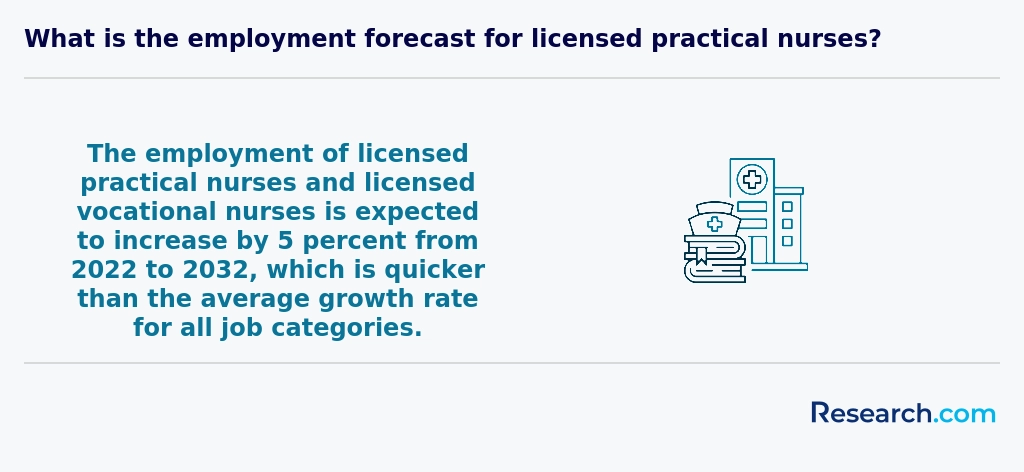
The job market for online nursing degree graduates in Minnesota is particularly promising. Many graduates from popular institutions like the University of Minnesota and St. Catherine University report smooth transitions into roles across hospitals and clinics statewide. With a steady 10% projected growth in registered nurse employment from 2020 to 2030, there's a clear demand for skilled nurses in both urban centers and rural communities facing shortages. This robust market allows graduates to find fulfilling careers that genuinely impact healthcare access and quality.
Those who earn advanced degrees, such as nurse practitioner certifications, often find themselves in even higher demand, especially given Minnesota's appreciation for accredited online nursing programs. Graduates frequently highlight how their credentials open doors to competitive salaries, with median wages for nurses exceeding national averages. If you're exploring online nursing jobs Minnesota has many rewarding options, particularly if you consider roles requiring master's level qualifications.
Considering nursing costs and potential earnings is essential. Many graduates weigh tuition expenses against competitive salaries and long-term job stability. For those exploring options, investigating trade school jobs that pay well complements understanding the nursing career landscape regionally and nationally.
2027 Most Valuable Online Master's in Nursing Degree Programs Ranking in Minnesota
Investing in your education is a significant decision that can shape your future, and the Research.com team understands the importance of making informed choices. To assist prospective students interested in nursing, we have meticulously crafted the "2027 Most Valuable Online Master's in Nursing Degree Programs Ranking in Minnesota." Our commitment to quality, credibility, and accuracy is reflected in the extensive research and analysis conducted to compile this ranking.
We utilized the following reputable data sources to ensure a comprehensive evaluation of nursing programs:
By exploring this ranking, readers will gain valuable insights into the most valuable online master's nursing programs in Minnesota, empowering them to make informed decisions about their education and career. For more details on our methodology, please visit our Research.com methodology page.
# 1 position
Walden University
Master of Nursing

# 2 position
Bethel University, Minnesota
Master of Nurse-Midwifery
Frequently Asked Questions About nursing
Online nursing degree students in Minnesota can maximize their learning experience by actively engaging with coursework and clinical opportunities. Minnesota offers many accredited online programs, but success depends on students balancing study time with practical experience. Utilizing local healthcare facilities for clinical placements helps students apply theoretical knowledge in real-world settings.
Students should also take advantage of resources provided by their institutions, such as tutoring, virtual study groups, and access to online libraries. According to the Minnesota Board of Nursing, hands-on clinical hours are essential to licensure, making partnerships with nearby hospitals crucial.
Finally, staying informed about state nursing regulations and continuing education requirements ensures compliance and professional growth.
The nursing field in Minnesota is rapidly evolving, with several emerging niches attracting increased attention from students pursuing online nursing degrees. One prominent area is gerontological nursing, driven by Minnesota's growing older adult population; the state is expected to see a 40% increase in residents aged 65 and older by 2030, according to the Minnesota Department of Health.
Another expanding niche is pediatric nursing, where specialized skills are needed to care for children with complex medical conditions. Additionally, psychiatric and mental health nursing is gaining importance due to rising awareness of mental health issues statewide.
Finally, informatics nursing is an emerging field combining healthcare and technology, crucial as Minnesota hospitals adopt more advanced electronic health records systems.
After completing an online nursing degree in Minnesota, preparing for the job market involves several critical steps. First, ensure you pass the NCLEX-RN exam, as this licensure is mandatory to practice as a registered nurse in the state. Minnesota's Board of Nursing provides detailed guidelines for licensure application, which should be followed carefully.
Next, gaining clinical experience through internships or volunteer work aids in building practical skills. Networking with Minnesota healthcare employers is essential, especially as the state's nursing employment growth is projected to increase by 7% through 2030, according to the Minnesota Department of Employment and Economic Development.
Additionally, crafting a strong resume that highlights both your online education and any hands-on experience boosts your hiring potential. Joining local chapters of nursing associations, such as the Minnesota Nurses Association, can also provide valuable career resources and connections.
Employers in Minnesota highly value critical thinking and clinical reasoning skills in nursing graduates. These abilities enable nurses to assess patient needs accurately and make informed decisions quickly. Communication skills are also essential, as nurses must effectively interact with patients, families, and healthcare teams.
According to the Minnesota Department of Employment and Economic Development, adaptability and technological proficiency rank among top employer priorities due to the increasing use of electronic health records and telehealth services.
In addition, strong leadership skills and a commitment to patient safety are crucial for career advancement and meeting regulatory standards in Minnesota healthcare facilities.
Finding nursing internships in Minnesota as part of an online degree program involves several strategic steps. Many Minnesota health systems, such as Mayo Clinic and M Health Fairview, offer clinical placement opportunities specifically designed for nursing students. It is important to connect with your school's internship or career services early, as they often have established partnerships with local hospitals and clinics.
The Minnesota Board of Nursing requires clinical hours for licensure, so securing internships is essential for hands-on learning. According to the Minnesota Department of Employment and Economic Development, nursing internships can often lead to job offers given the state's demand for nurses, which is expected to grow by 15% through 2030.
Additionally, students can explore Minnesota's Nursing Education Centers, which provide resources and guidance for securing quality clinical experiences in diverse care settings.
Obtaining an online nursing degree in Minnesota can significantly enhance career mobility and advancement opportunities. With Minnesota's healthcare sector projected to grow by 13% through 2030, nurses with advanced qualifications are in high demand, according to the Minnesota Department of Employment and Economic Development.
Online nursing programs offer flexibility, allowing working professionals to upgrade their credentials without pausing their careers. This can lead to roles in specialized clinical practice, administration, or education, which often require a master's degree or higher.
Graduates with an online nursing degree may qualify for leadership positions, such as nurse managers or clinical nurse specialists, roles that command higher salaries. The Minnesota Nurses Association emphasizes that higher education correlates with increased job stability and professional respect.
Studying for a nursing degree in Minnesota offers strong preparation for interdisciplinary roles by emphasizing collaboration across healthcare fields. Minnesota's nursing programs, including prominent online options, incorporate coursework in communication, leadership, and healthcare systems. These skills are vital for working effectively with doctors, social workers, and therapists.
According to the Minnesota Board of Nursing, many programs require clinical training in diverse settings that foster teamwork and integrated patient care. Additionally, Minnesota's healthcare environment supports interdisciplinary practice, reflected in the state's high rankings for healthcare quality by sources like U.S. News & World Report.
When choosing between a thesis and a non-thesis nursing degree program in Minnesota, consider your career goals and learning preferences. Thesis programs typically require original research and are ideal for those interested in academic or research roles. Non-thesis programs focus more on practical skills, clinical expertise, and coursework, suiting nurses aiming for leadership or advanced clinical positions.
The Minnesota Board of Nursing highlights that graduate programs must align with licensure and certification requirements, so ensure your choice meets these standards. According to recent state data, Minnesota has a 94% NCLEX pass rate for graduate nurses, reflecting strong program quality.
Additionally, thesis programs often take longer to complete and demand strong writing and research skills. Non-thesis options offer more flexibility for working professionals. Reviewing specific program curricula and speaking with advisors can help clarify the best fit.
Students based in Minnesota seeking to study nursing abroad often consider options aligned with U.S. educational standards. While fully online nursing programs allow remote study, international opportunities typically involve exchange programs or partnerships with foreign institutions.
Minnesota schools sometimes collaborate with universities overseas, enabling students to complete part of their coursework abroad while earning credits toward U.S. nursing degrees. According to the Minnesota Board of Nursing, any international education must meet U.S. accreditation requirements to qualify for licensing.
Additionally, students may pursue study abroad or clinical rotations in approved countries, enhancing practical experience. However, strict licensing laws necessitate verifying foreign credentials carefully, especially for RN or advanced practice roles.
In Minnesota, part-time jobs that complement nursing degree education often provide practical experience critical for career development. Positions such as Certified Nursing Assistant (CNA) or Patient Care Technician allow students to work directly with patients, developing essential clinical skills alongside their studies. According to the Minnesota Department of Employment and Economic Development (DEED), CNAs earn a median hourly wage of around $16.50, making these roles financially beneficial as well.
Other valuable opportunities include medical scribing and health coaching, which enhance documentation skills and patient communication. Hospitals and clinics in Minnesota frequently seek part-time workers, supporting flexible schedules for students pursuing online nursing degrees.
Online nursing students in Minnesota benefit from numerous networking opportunities designed to connect them with peers and professionals statewide. Institutions often offer virtual events, discussion boards, and study groups, fostering collaboration despite physical distance. The Minnesota Nurses Association (MNA) provides membership benefits that include access to conferences, seminars, and mentorship programs, helping students build relationships within the local nursing community.
Additionally, clinical placements required for online degrees connect students with healthcare facilities in Minnesota, facilitating face-to-face interactions with experienced nurses and supervisors. According to the Minnesota Board of Nursing, these experiences are crucial for professional networking and licensure preparation.
Alumni networks offer significant benefits to students pursuing online nursing degrees in Minnesota. These networks connect graduates with experienced professionals who provide mentorship and career advice tailored to the local healthcare environment. According to the Minnesota Nurses Association, networking is crucial for job placement, especially in rural and underserved areas.
Students can access job openings and internships exclusive to alumni, increasing employment opportunities after graduation. Additionally, alumni groups often host workshops and continuing education sessions, helping nurses stay current with Minnesota's evolving healthcare regulations and practices.
Engaging with a strong alumni network also fosters professional support and collaboration that can enhance career growth in a competitive nursing job market.
Students pursuing an online nursing degree in Minnesota can tailor their education to match specific career goals by selecting programs offering diverse specialization options. Many Minnesota institutions provide tracks such as family nurse practitioner, psychiatric mental health, and nursing education. This flexibility allows learners to focus on areas of highest demand, as Minnesota projects a 15% growth in registered nurse employment through 2028, according to the U.S. Bureau of Labor Statistics.
Additionally, students can often choose elective courses or clinical placements aligned with their interests. Some programs allow part-time study or accelerated formats, accommodating professionals balancing work and education. Checking accreditation and state licensing requirements ensures the degree supports intended career paths within Minnesota's healthcare system.
Online nursing students in Minnesota face several common challenges that can impact their learning experience. One major issue is balancing clinical practice requirements with remote coursework. Minnesota's Board of Nursing mandates hands-on clinical hours, which often require in-person attendance despite online class flexibility.
Additionally, students frequently report difficulties accessing local clinical placements due to high demand and limited availability across healthcare facilities in Minnesota. This can delay program completion and increase stress.
Technical issues and limited face-to-face interaction also pose barriers. Students must be self-disciplined and comfortable with digital platforms to succeed, which some find challenging.
According to the Minnesota Center for Nursing, retention rates for online nursing students are slightly lower than traditional programs, partly due to these obstacles.
With an online nursing degree in Minnesota, graduates can pursue several professional certifications to advance their careers. Common options include the Certified Nurse Practitioner (CNP), Certified Nurse Midwife (CNM), and Clinical Nurse Specialist (CNS) certifications, all governed by national bodies such as the American Nurses Credentialing Center (ANCC).
Additionally, Registered Nurses (RNs) who earn a master's degree may pursue the Certified Registered Nurse Anesthetist (CRNA) credential. Minnesota's demand for advanced practice nurses is growing, with the Minnesota Department of Employment and Economic Development projecting a 15% increase in nursing jobs through 2030.
Many programs also prepare students for certification in specialized fields like oncology, pediatrics, and gerontology, reflecting the state's diverse healthcare needs.
Writing a winning application for an online nursing program in Minnesota requires careful preparation and attention to detail. Begin by clearly demonstrating your passion for nursing and commitment to serving Minnesota's diverse communities, where demand for registered nurses is expected to grow by 12% over the next decade, according to the Minnesota Department of Employment and Economic Development.
Highlight your academic achievements and clinical experience, emphasizing relevant skills such as critical thinking, communication, and patient care. Many programs also value strong letters of recommendation from healthcare professionals familiar with your work.
Be sure to tailor your personal statement to the specific program, aligning your goals with Minnesota's healthcare needs and workforce trends. Lastly, ensure all documents meet the program's requirements, and submit your application before deadlines to improve your chances of acceptance.
Globally, nursing is recognized as a vital and respected profession, with demand steadily increasing due to aging populations and healthcare needs. In the United States, including Minnesota, the nursing workforce is expected to grow by 9% from 2020 to 2030, according to the U.S. Bureau of Labor Statistics. This growth reflects similar trends around the world where nurses play critical roles in patient care and public health.
Nurses in Minnesota earn a median annual wage of approximately $77,000, higher than the national average, which highlights the state's strong support for advanced nursing roles. Globally, opportunities for nurses vary but often include pathways for specialization, leadership, and education.
As healthcare becomes more interconnected, nurses with degrees-such as online master's programs-are increasingly valued for their ability to adapt to diverse medical systems. This global perspective emphasizes the importance of advanced education to maintain competitive skills and meet evolving healthcare demands.
Students pursuing online nursing degrees in Minnesota must complete practical experience through clinical placements to meet licensure requirements. Many programs partner with local hospitals, clinics, and healthcare facilities across the state to arrange these hands-on experiences.
Clinical hours typically range from 500 to 700, depending on the program and nursing specialty. The Minnesota Board of Nursing mandates these hours for licensure examinations such as the NCLEX-RN.
Online students often coordinate their clinical rotations near their residence, allowing them to gain experience in diverse healthcare settings across Minnesota, including urban centers like Minneapolis and rural areas.
This blended approach ensures students build essential skills while benefiting from the flexibility of online coursework.
Choosing the right concentration within an online nursing degree program in Minnesota depends on your career goals and the local healthcare demands. Minnesota's nursing workforce is growing, with demand for advanced practice nurses projected to increase by 15% through 2030, according to the Minnesota Department of Employment and Economic Development.
Key concentrations include family nurse practitioner, nurse educator, and nurse administrator. Consider your interests and where job growth is strongest. For example, rural Minnesota has a strong need for primary care providers, making family nurse practitioner programs highly valuable. Reviewing Minnesota Board of Nursing licensure requirements can also guide your choice.
Research programs accredited by bodies such as CCNE or ACEN, ensuring quality education recognized by employers and licensing boards.
- 2027 Most Valuable Online Master's in Nursing Degree Programs Ranking in Wisconsin
- 2027 Most Valuable Online Master's in Nursing Degree Programs Ranking in Iowa
- 2027 Most Valuable Online Master's in Nursing Degree Programs Ranking in Illinois
- 2027 Most Valuable Online Master's in Nursing Degree Programs Ranking in Missouri
- 2027 Most Valuable Online Master's in Nursing Degree Programs Ranking in Michigan
- 2027 Most Valuable Online Master's in Nursing Degree Programs Ranking in Kansas
- 2027 Most Valuable Online Master's in Nursing Degree Programs Ranking in Indiana
- 2027 Most Valuable Online Master's in Nursing Degree Programs Ranking in Ohio
- 2027 Most Valuable Online Master's in Nursing Degree Programs Ranking in Colorado
- 2027 Most Valuable Online Master's in Nursing Degree Programs Ranking in Kentucky
See What Experts Have To Say About Studying Nursing
Read our interview with Nursing experts

Lisa Grubb
Nursing Expert
Assistant Professor
Johns Hopkins School of Nursing

- Nursing Study Abroad Programs | Go Overseas https://www.gooverseas.com/study-abroad/nursing
- Online Nursing Prerequisites: Complete Guide & Cost Savings | StraighterLine https://www.straighterline.com/blog/which-online-nursing-prerequisites-should-you-take-online
- Online Nursing Programs in MN: Find Top Schools https://www.edumed.org/online-schools/nursing-rn-programs/minnesota/
- Best Minnesota Nursing Schools and Programs | NursingEducation https://nursingeducation.org/state/minnesota/
- 3 Ways to Get Your Nursing Degree Paid for in Minnesota - Caring Careers Start Here https://www.caringcareersstarthere.com/blog/career-guidance/3-ways-to-get-your-nursing-degree-paid-for-in-minnesota/
- Top Nursing Skills U.S. Employers Want to See on Your Resume | O'Grady Peyton https://www.ogradypeyton.com/blog/job-seeker-resources/top-nursing-skills-u.s.-employers-want-to-see-on-your-resume
- Know more about thesis vs non- thesis: what is the difference? https://studyfans.com/en/blogs/816
- How to Choose a Nursing Program: A Comprehensive Guide - Madonna ABSN https://absn.madonna.edu/blog/how-to-choose-a-nursing-program/
- Best Online Nursing Programs in Minnesota https://www.onlineu.com/degrees/nursing/minnesota
- Scholarships & Financial Aid https://www.aacnnursing.org/students/scholarships-financial-aid


