
2027 Best Nursing Degree Programs Ranking in Lincoln

Co-Founder and Chief Data Scientist
Choosing the right nursing degree program is an important step for your future career, especially if you're in Lincoln. This article presents the 2027 Best Nursing Degree Programs Ranking in Lincoln, carefully developed by the Research.com team of data scientists.
Understanding which programs stand out helps you make informed decisions and focus on quality education that matches your goals. Nursing is a rewarding field, offering meaningful work and strong job prospects.
Explore the ranking to find programs that inspire confidence and support your journey toward a fulfilling nursing career.
Key benefits of getting nursing degree in Lincoln
- Salary for nursing degree graduates: Graduates can expect competitive salaries, with Registered Nurses earning a mean annual wage of $94,480 and Operating Room Nurses earning up to $128,490, offering strong financial stability in Lincoln.
- Career paths: A nursing degree from a popular Lincoln college opens doors to diverse roles like Clinical Nurse Educator or Emergency Room Nurse, giving graduates flexibility to find a fulfilling and impactful career.
- Online degree benefits: Obtaining a nursing degree online from Lincoln's reputable institutions offers convenience and flexibility, allowing graduates to balance work and study while gaining the same credentials as traditional programs.
- 2027 Best Nursing Degree Programs Ranking in Lincoln
- What can I expect from nursing degree in Lincoln?
- Where can I work with nursing degree in Lincoln?
What can I expect from nursing degree in Lincoln?
The average cost of pursuing a nursing degree in Lincoln varies depending on the institution and the degree level. For example, many students begin with an Associate Degree in Nursing (ADN) at Southeast Community College, where tuition tends to be more affordable, often ranging from $5,000 to $8,000 per year. Graduates frequently share how this path offers a manageable financial commitment while still providing solid clinical experience through partnerships with local health providers.
Those aiming for a Bachelor of Science in Nursing (BSN) at the University of Nebraska Medical Center (UNMC) or transferring after their ADN can expect higher tuition costs, typically between $10,000 and $15,000 annually for in-state students. Alumni emphasize the value of this investment, citing access to extensive clinical rotations at places like Bryan Medical Center, which builds confidence and real-world skills.
Financial aid and scholarships available locally help ease the financial burden, making nursing degrees in Lincoln achievable. Many graduates express relief and motivation, knowing that support systems are in place to help them succeed without overwhelming debt.
Where can I work with nursing degree in Lincoln?
Graduates from nursing programs at institutions like the University of Nebraska at Lincoln find diverse job opportunities across the city's healthcare landscape. Many secure rewarding positions at major employers such as Bryan Health and CHI Health St. Elizabeth, working in busy hospital departments like emergency rooms, surgical units, and maternity wards. These roles offer hands-on experience and a fast-paced environment that many recent grads describe as fulfilling and dynamic.
Others choose outpatient clinics or physician offices, where they build strong patient relationships through chronic illness management and community health coordination. Nursing students often share how these settings allow them to apply communication skills learned in class while making a visible difference in local neighborhoods.
Long-term care facilities and home healthcare providers also hire local nursing graduates, meeting the rising demand driven by Nebraska's aging population. Many graduates appreciate the personalized nature of home care nursing, feeling a deep sense of purpose supporting patients directly in their homes.
Additionally, some graduates pursue roles in healthcare administration or nursing education within Lincoln's colleges and hospitals, finding satisfaction in shaping the next generation of nurses or improving care systems.
Graduates from nursing programs in Lincoln can expect competitive earning potential in various nursing roles. For example, registered nurses typically earn around $94,480 annually in line with national data. This figure reflects jobs commonly filled by nursing degree holders from local institutions, who often share how their education prepared them well for these roles.
Specialized positions like clinical nurse educators or public health nurses also earn about $94,480 per year, matching the registered nurse salary. Many graduates find this rewarding as these roles allow them to impact patient care education and community health directly.
Emergency room nurses in Lincoln see similar earnings, around $94,480, with the fast-paced environment matching the energy and dedication recent grads express after completing rigorous clinical training in Lincoln's nursing schools.
Operating room nurses represent a higher salary tier, averaging $128,490 per year. Graduates aiming for this path often highlight the specialized skills gained through advanced courses and hands-on practice offered at Nebraska colleges, making this a lucrative and satisfying career choice.
- Nursing programs in Lincoln include ADN and BSN degrees, with BSN preferred for many advanced roles.
- ADN programs at community colleges cost around $9,000 to $12,000 for in-state students.
- BSN tuition at public universities ranges from $15,000 to over $25,000 annually for in-state students.
- Newly graduated registered nurses earn about $58,000 per year on average in Lincoln.
- Experienced nurses with a BSN and certifications can make between $70,000 and $80,000 or more annually.
- Job growth for registered nurses in Nebraska is at or above the national average, with many hospitals and clinics hiring.
Completing a nursing degree in Lincoln typically depends on the program and your personal schedule. For example, graduates from Southeast Community College often finish the Associate Degree in Nursing (ADN) in about two years when studying full-time. This path is ideal for those eager to enter the workforce quickly and start their nursing careers.
At the University of Nebraska-Lincoln, students pursuing a traditional Bachelor of Science in Nursing (BSN) usually spend four years completing their degree. Graduates describe this experience as rewarding, providing deep clinical knowledge and broader career options in nursing leadership and specialized roles.
If you already hold a bachelor's degree, accelerated BSN programs in Lincoln can fast-track you to RN licensure in as little as 11 to 18 months. Graduates often share that these intensive programs require strong commitment but offer a sense of accomplishment and readiness for the nursing profession.
Choosing part-time study is a practical option to balance work or family but expect the duration to approximately double. Planning your course load around your life commitments ensures steady progress toward graduation in Lincoln's supportive educational environment.
Accreditation ensures your nursing education meets national quality standards, and NCLEX pass rates reflect how well programs prepare students for licensure. Most Lincoln schools hold accreditation from the Commission on Collegiate Nursing Education (CCNE) or the Accreditation Commission for Education in Nursing (ACEN).
Recent NCLEX-RN pass rates illustrate program effectiveness:
- University of Nebraska Medical Center (UNMC): 95% first-attempt pass rate
- Southeast Community College: 92% first-attempt pass rate
- Lincoln Technical College: 88% first-attempt pass rate
Choosing accredited programs with strong NCLEX outcomes enhances your prospects for licensure and employment. Graduates interested in advanced practice can explore dnp programs online that build on strong BSN foundations.
Online nursing degrees in Lincoln offer flexibility ideal for students balancing work or family, allowing them to access coursework anytime. For example, graduates from the University of Nebraska Medical Center's online program often highlight how this adaptability helped them maintain jobs while progressing toward licensure. However, all online students still complete hands-on clinical practicums in local hospitals, ensuring practical skills meet state requirements.
In contrast, on-campus programs at institutions like Nebraska Wesleyan University provide structured learning with face-to-face interaction, benefiting those who thrive in classroom settings. Graduates frequently praise the immediate feedback from professors and the collaborative environment fostered by on-campus cohorts, which enhances motivation and connection.
Cost-wise, online programs may save commuting and housing expenses but could include extra technology fees. Both paths prepare students to take the NCLEX-RN exam, with employers in Lincoln focusing more on program accreditation and clinical experience than delivery method.
Ensuring a program is accredited and meets licensure requirements is critical for your nursing career in Nebraska.
- Programs should hold accreditation from the Commission on Collegiate Nursing Education (CCNE) or Accreditation Commission for Education in Nursing (ACEN).
- First-time NCLEX-RN pass rates are key quality indicators; top Lincoln schools report 85%–95% success.
- Nebraska Board of Nursing licensure requires passing NCLEX-RN, background check, fingerprinting, and proof of clinical hours.
- Consider CCNE-accredited online pathways like affordable rn to bsn online programs if you need flexible scheduling.
The average cost of a nursing degree in Lincoln typically ranges around $29,334 for in-state students, while out-of-state students may expect to pay close to $43,634 total. These amounts cover tuition and fees across popular nursing programs at institutions like the University of Nebraska-Lincoln and local community colleges. Graduates often reflect on how these investments feel worthwhile when considering the rewarding careers they've built after completing their degrees.
Many nursing students in Lincoln find that breaking down the total expenses into manageable parts helps them plan better. Aside from tuition, additional costs such as books, uniforms, clinical fees, and licensing exams usually add between $1,000 and $3,000 annually. Students pursuing an Associate Degree in Nursing at community colleges notice tuition varies but generally stays affordable compared to private schools.
Financial aid plays a crucial role for students wanting to reduce their Lincoln nursing degree total expenses. Scholarships and grants, specifically designated for nursing students, have supported many to pursue their goals without overwhelming debt. Graduates often share how these opportunities made the difference between hesitation and success in starting their programs.
Prospective students should research and reach out to schools directly for precise tuition figures and financial aid packages. To explore options for an affordable nursing school in NE that fits your needs, looking into local offerings is strongly recommended.
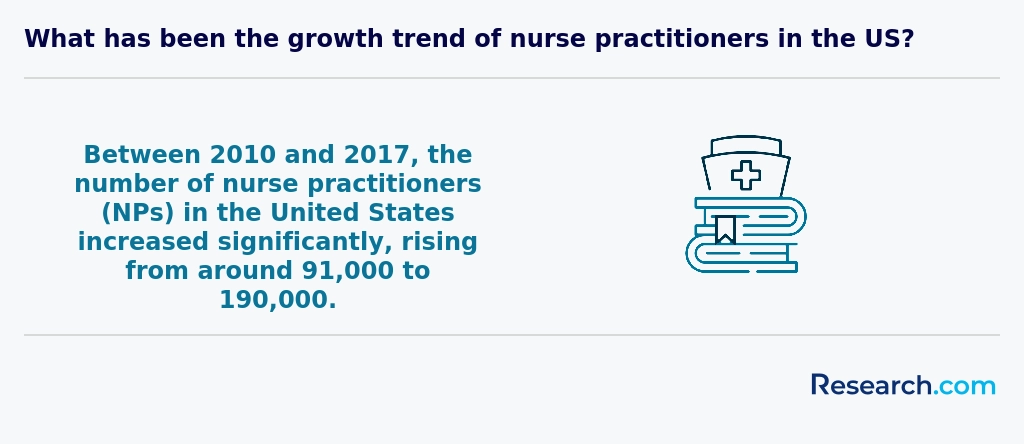
Investing in a nursing degree in Lincoln, NE, can yield significant financial and professional returns over time. With average annual salaries for Registered Nurses at $89,010 and Operating Room Nurses at $124,680, graduates often recoup their educational expenses within five to seven years of full-time practice. Factoring in average program costs-$23,900–$66,320 for an ADN and $89,556–$211,392 for a BSN-students can model potential earnings against tuition and living expenses to project break-even points and long-term gains. Beyond traditional pathways, accelerated bridge options further enhance ROI by reducing time to licensure. Licensed Practical Nurses seeking to advance can consider an intensive 6-month lpn to rn program online texas, which compresses clinical and didactic requirements into half a year, enabling earlier entry into higher-paying RN roles. This streamlined approach can save thousands in tuition and living costs while accelerating cumulative income growth. Longer-term returns include higher earning potential in specialized fields-such as Nurse Practitioner or Clinical Nurse Specialist roles, where median salaries exceed $110,000 annually-and enhanced job stability in a sector projecting 7% employment growth through 2032. When assessing ROI, consider scholarship opportunities, employer tuition reimbursement, and loan forgiveness programs in Nebraska that can offset upfront costs. By comparing financing options, expected salaries, and career timelines, prospective nursing students can make data-driven decisions that maximize both educational value and future earnings.
Students pursuing nursing degrees in Lincoln often rely on a combination of financial aid options to ease the cost of education. Graduates from the University of Nebraska Medical Center or Southeast Community College frequently share how Pell Grants significantly lowered their tuition expenses, with awards up to $7,395 based on financial need. Many recommend applying early for these grants to maximize benefits.
Federal Direct Loans also offer vital support, especially subsidized loans that don't accumulate interest while you're in school. This helps students focus on studies without immediate financial pressure. Several nursing graduates credit these loans for their manageable repayment plans post-graduation.
In addition, scholarships from organizations like the Nebraska Nurses Foundation provide substantial aid to Lincoln residents pursuing nursing. Work-study programs attached to colleges allow students to earn income while gaining hands-on experience in healthcare settings-something former students found rewarding and confidence-building.
- Lincoln colleges also offer institutional scholarships based on merit or need, which many students tap into to cover extra expenses.
- The Nebraska State Loan Repayment Program incentivizes graduates to work in underserved areas through loan forgiveness, easing debt worries after school.
- Local healthcare employers sometimes provide tuition reimbursement programs, helping nurses continue advanced education without halting their careers.
Many students seeking a faster entry into the nursing profession opt for an accelerated practical nursing route, completing a one-year Licensed Practical Nursing (LPN) curriculum before bridging to registered nurse credentials. Local community colleges and online providers offer a fast paced lpn program that prepares graduates for the NCLEX-PN exam in as little as 12 months. Upon passing, LPNs can immediately begin working in long-term care, outpatient clinics, or hospital settings, earning competitive salaries while gaining hands-on experience. After obtaining LPN licensure, many professionals enroll in LPN-to-RN bridge programs-typically 12 to 18 months in length-to pursue an Associate of Applied Science in Nursing (AASN) or directly enter Bachelor of Science in Nursing (BSN) courses. These bridge tracks leverage prior clinical skills, shorten overall education time, and often grant advanced placement in key nursing courses such as Pharmacology and Adult Health. Graduates who complete an LPN-to-RN bridge benefit from accelerated NCLEX-RN preparation, higher job placement rates, and improved earning potential, with median RN salaries in Lincoln exceeding $89,000 annually. Admissions into these accelerated and bridge pathways generally require a high school diploma (or equivalent), prerequisite coursework in anatomy, physiology, and microbiology, and satisfactory TEAS or HESI exam scores. Many programs also offer flexible scheduling-day, evening, and online modules-to accommodate working students. Robust support services, including dedicated NCLEX review workshops and clinical mentorships, help ensure that bridge students achieve high licensure pass rates and seamless transitions into RN roles. For those looking to maximize both speed and career growth in Lincoln, NE, exploring accelerated LPN options followed by an LPN-to-RN bridge presents a cost-effective, time-efficient strategy that aligns with the region’s strong demand for qualified nursing professionals.
To enroll in a nursing degree program in Lincoln, you must hold a high school diploma or GED with strong performance in science and math courses, such as biology, chemistry, anatomy, and algebra. Graduates from popular colleges in Lincoln often highlight how mastering these prerequisites built their confidence for tougher nursing concepts.
Many Lincoln nursing programs require passing the TEAS exam, which tests reading, math, science, and English skills. Preparing thoroughly for this can make a big difference in your admission chances, as it shows readiness beyond grades alone.
Applicants should maintain a GPA around 2.5 to 3.0, depending on the institution's competitiveness. Letters of recommendation and healthcare volunteer experience are essential too - these demonstrate your dedication and suitability for nursing's compassionate role, a common expectation at Lincoln community colleges and universities.
Finally, be ready for background checks and up-to-date immunizations, as these protect both students and patients during clinical training.
Following these steps just like successful Lincoln nursing graduates increases your chances of a smooth start in nursing education.
When considering a nursing program in Lincoln, NE, one crucial aspect to evaluate is the cost. Prospective students should research not only the tuition fees but also additional expenses such as textbooks, equipment, and living costs. Understanding the total cost of attendance can help students make informed decisions about their educational investment. For instance, those looking for an affordable nursing school in NE may want to compare the costs of different programs, including community colleges and universities. Many institutions in Lincoln offer financial aid, scholarships, and payment plans to help make nursing education more accessible. By carefully considering these cost factors and exploring available financial assistance, aspiring nurses can set themselves up for success in their educational and professional pursuits.
In Lincoln, nursing degree programs like the one at the University of Nebraska Medical Center (UNMC) offer a comprehensive mix of courses designed to build both knowledge and confidence. Graduates often share how classes in Human Anatomy and Physiology helped them understand the human body's intricate workings, making clinical practice feel more intuitive.
Pathophysiology and Pharmacology courses prepare students to recognize disease effects and medication impacts, which translates directly to safer patient care in real hospital settings. Nursing Fundamentals and specialized courses in Adult, Pediatric, and Mental Health Nursing help students feel ready to address various patient needs they encounter during their clinical rotations.
Community Health Nursing and Nutrition classes open students' eyes to prevention and wellness, useful when working with diverse local populations. Rigorous Research Methods training also equips Lincoln nursing students to critically evaluate medical studies, crucial for evidence-based decision-making. Hands-on Clinical Practicum experiences in Lincoln hospitals tie theory to real-life care, boosting students' assurance and readiness to excel as registered nurses.
Nursing degree specializations in Lincoln offer focused pathways to help students align their careers with specific healthcare needs. Popular options at Lincoln's community colleges and universities include Registered Nurse (RN) to Bachelor of Science in Nursing (BSN) programs, which often feature clinical tracks such as pediatrics or adult-gerontology. Graduates frequently share how these programs combine hands-on clinical experience with academic rigor, preparing them to excel in diverse medical settings.
Other sought-after choices include Family Nurse Practitioner (FNP), enabling advanced primary care roles, and Critical Care Nursing, which equips students for high-pressure environments like intensive care units. Community Health Nursing is ideal for those passionate about public health in Lincoln's urban and rural areas. Neonatal and Geriatric Nursing specializations respond to growing patient populations, offering rewarding roles for focused care.
Students often mention that exploring Lincoln nursing program specialization options early, and considering programs such as the 6-month lpn to rn program online texas, helps them plan their clinical rotations and career path effectively.
To choose the best nursing degree in Lincoln, start by identifying the type of degree that fits your goals, such as an ADN or BSN. Graduates from the University of Nebraska Medical Center often share how the BSN program's strong curriculum and clinical partnerships with local hospitals built their confidence and prepared them for leadership roles. Cost is another major factor; public nursing schools here offer more affordable tuition compared to private institutions, making affordable nursing schools in Lincoln an important consideration for many students balancing finances.
Also, examine the program's NCLEX-RN pass rates and accreditation status-graduates report feeling more secure entering the workforce when their program prides itself on these metrics. Hands-on clinical experience, available through partnerships in Lincoln's healthcare community, is crucial. Those seeking flexibility might explore a fast paced lpn program online to jumpstart their careers while managing personal commitments.
Graduates with a nursing degree in Lincoln can pursue a range of rewarding career paths, reflecting the city's robust healthcare sector. Many begin as registered nurses (RNs) in major hospitals like Bryan Medical Center, gaining hands-on experience in emergency care, pediatrics, or geriatrics. These roles offer steady employment and opportunities to develop specialized skills.
Others choose community health roles, working with underserved populations through local nonprofits or the public health department. This path is fulfilling for those who want to focus on preventive care and health education. For graduates from popular nursing programs in Lincoln's universities, this has often meant meaningful work that connects directly with community needs-showing the real impact of their degree on public wellbeing and offering strong Lincoln nursing degree job prospects.
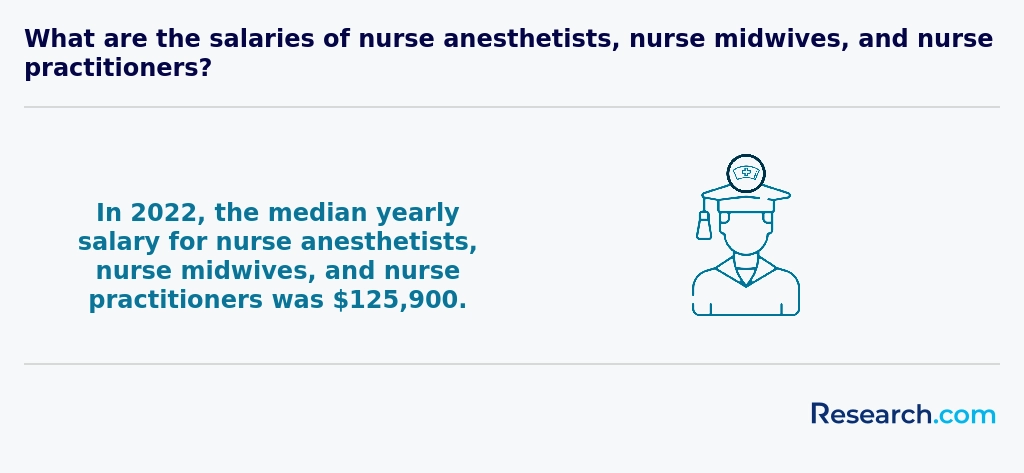
Advanced practice opportunities include nurse practitioners and clinical nurse specialists, roles that require further education but offer higher earning potential and leadership responsibilities. Nursing graduates interested in leadership or education frequently enter administration or teaching positions, responding to the increasing demand for nurse educators at colleges across Lincoln. For those weighing their education options, exploring financial aid and scholarships is essential-and some find it helpful to consider online programs like the best 6 month associate degree to accelerate their path.
Other niche roles available locally include oncology, psychiatric nursing, and critical care, each reflecting specific interests and strengths. These diverse options highlight the flexibility of nursing career opportunities in Lincoln and encourage graduates to align their education with personal passion and community impact.
Nursing graduates in Lincoln enjoy a strong job market supported by local hospitals like Bryan Health and Lincoln Medical Center, which consistently offer employment opportunities. Many graduates from popular nursing programs at colleges in Lincoln successfully secure positions in hospitals, outpatient care centers, and public health organizations. These roles often provide competitive salaries that align with or surpass the national average when adjusted for local living costs. For students researching the nursing job outlook in Lincoln, understanding the state's aging population and expanding healthcare facilities is key, as these factors drive steady growth in nursing demand.
Graduates often share positive experiences about transitioning from their studies to full-time nursing careers, especially those who utilized scholarships or employer tuition assistance during their education. The average tuition costs in Nebraska public schools, ranging from $9,000 to $12,000 annually for in-state students, make nursing degrees accessible. For those considering further education, learning more about what is the easiest doctorate to get can open additional career paths. Overall, Lincoln nursing degree employment opportunities remain robust and promising for new nurses entering the workforce.
2027 Best Nursing Degree Programs Ranking in Lincoln
Investing in your education is a significant decision that can shape your future, and the Research.com team recognizes the importance of making informed choices. To support prospective students in Lincoln, we have carefully developed the "2027 Best Nursing Degree Programs Ranking in Lincoln." Our dedication to quality, credibility, and accuracy is demonstrated through thorough research and rigorous analysis conducted to create this ranking.
We utilized the following reputable data sources to ensure a comprehensive evaluation of nursing degree programs:
By consulting this ranking, readers will gain valuable insights into the top nursing degree programs in Lincoln, enabling them to make well-informed decisions about their educational future. For further information on our methodology, please visit our Research.com methodology page.


Frequently Asked Questions About nursing
Nursing degree students in Lincoln can maximize their learning by combining classroom knowledge with practical experience. Engaging actively in clinical placements at local hospitals like Bryan Health or Lincoln Medical Center provides essential hands-on skills. According to the Nebraska Center for Nursing, clinical practice improves readiness for real-world healthcare settings. Students should also participate in study groups and utilize campus resources such as tutoring centers and simulation labs, which are available in institutions like the University of Nebraska Medical Center (UNMC).
Networking with healthcare professionals through internships and nursing associations enhances learning and career opportunities. Staying updated on the latest nursing research and best practices further supports academic success.
Emerging niches within the nursing field reflect growing healthcare demands and advances in technology. In Lincoln, Nebraska, specialized areas such as geriatric nursing and telehealth are expanding rapidly. According to the Nebraska Center for Nursing, the local population aged 65 and older is expected to increase by 20% over the next decade, driving demand for geriatric care experts.
Telehealth nursing is gaining importance, allowing nurses to provide remote patient care, which is vital in rural areas surrounding Lincoln. Additionally, informatics nursing, which combines nursing skills with data management and technology, is becoming essential as healthcare systems adopt electronic health records.
These emerging niches offer nursing students diverse career paths aligned with evolving healthcare trends.
After completing a nursing degree in Lincoln, preparing for the job market involves several key steps. First, graduates should pass the NCLEX-RN exam to obtain licensure, which is required to practice as a registered nurse in Nebraska.
Networking is also important. Lincoln's healthcare facilities, including Bryan Health and CHI Health St. Elizabeth, often hire locally, so attending job fairs and connecting with staff can improve employment chances.
Gaining clinical experience through internships or volunteer work in Lincoln-area hospitals helps build practical skills employers seek. According to Nebraska Department of Labor, registered nurses in Lincoln earn a median salary of about $65,000 annually, reflecting steady local demand.
Continuing education and certifications in specialties like gerontology or pediatric nursing can further enhance competitiveness in the region's healthcare job market.
Employers in Lincoln highly value nursing graduates who demonstrate strong clinical skills and critical thinking abilities. According to the Nebraska Department of Health and Human Services, effective patient assessment and care planning are essential competencies expected from new nurses.
Communication skills are also crucial, as nurses must interact clearly with patients, families, and healthcare teams. Attention to detail and the ability to manage time efficiently impact patient safety and workflow in busy hospital settings.
Additionally, Lincoln's healthcare employers prefer candidates who show adaptability to evolving medical technologies and commitment to continuing education. These skills help nurses remain proficient and responsive to changing healthcare standards.
Finding nursing internships in Lincoln involves utilizing local healthcare networks and educational resources. Many universities with nursing programs, such as the University of Nebraska Medical Center, partner with nearby hospitals for clinical placements. Internships often take place at Lincoln's major healthcare facilities, including Bryan Medical Center and CHI Health St. Elizabeth. Students should contact their school's nursing department early to learn about application timelines and prerequisites.
Additionally, websites like Nebraska Workforce Development provide listings of internship opportunities and job fairs specific to healthcare. Networking through professional nursing organizations in Nebraska can also help locate unpaid or paid internships, which are essential for gaining practical experience and meeting licensure requirements.
In Lincoln, earning a nursing degree significantly enhances career mobility and advancement opportunities. Registered Nurses (RNs) with a Bachelor of Science in Nursing (BSN) are often preferred by employers in hospitals, clinics, and specialized care facilities. Data from the Nebraska Department of Labor shows that BSN-prepared nurses in Lincoln have access to a broader range of positions, including leadership and specialized clinical roles.
Advanced degrees such as a Master of Science in Nursing (MSN) or Doctor of Nursing Practice (DNP) further increase prospects for career growth into management, education, or nurse practitioner roles. According to the U.S. Bureau of Labor Statistics, nurses with higher education levels in Nebraska experience faster wage growth and lower unemployment.
Overall, obtaining a nursing degree in Lincoln is a strategic investment for those seeking career flexibility and long-term advancement within the healthcare sector.
Studying for a nursing degree in Lincoln offers strong preparation for interdisciplinary roles in healthcare. Many Lincoln programs emphasize teamwork by incorporating courses in communication, ethics, and healthcare management alongside clinical training. According to the Nebraska Center for Nursing, 65% of graduates engage in collaborative practice settings within one year of completing their degree.
Local clinical placements in hospitals like Bryan Health expose students to interdisciplinary teams including physicians, social workers, and therapists. This hands-on experience fosters skills needed for coordinated patient care. Additionally, Lincoln's nursing curricula often align with national standards from the American Association of Colleges of Nursing, emphasizing collaboration across disciplines to improve outcomes.
When choosing between a thesis and a non-thesis nursing degree program in Lincoln, students should consider their career goals and learning preferences. A thesis program requires conducting original research and writing a detailed paper, which is ideal for those interested in clinical research or pursuing a doctoral degree later.
Non-thesis programs focus more on coursework and practical skills, appealing to nurses aiming to advance directly in clinical practice or management roles. According to the Nebraska Department of Education, over 60% of nursing graduates in Lincoln opt for non-thesis tracks due to workforce demands.
Understanding program requirements and time commitments can guide students in making an informed decision.
Students based in Lincoln who wish to study nursing abroad have several pathways, primarily through exchange programs or international partnerships offered by US institutions. Many universities in the US, including those around Lincoln, collaborate with global nursing schools to provide opportunities for semesters abroad.
The American Association of Colleges of Nursing (AACN) notes that such programs enhance clinical experience and cultural competence, which are crucial in nursing careers.
While Nebraska itself has limited direct overseas nursing programs, Lincoln students can access study abroad options via larger university systems or private organizations specializing in healthcare education abroad.
It is essential for students to ensure that any international coursework aligns with US nursing accreditation standards to maintain eligibility for the NCLEX exam.
Students pursuing nursing degrees in Lincoln have several part-time job options that complement their education. Many find positions as certified nursing assistants (CNAs) or patient care technicians, gaining practical experience while earning income. According to the Nebraska Department of Labor, healthcare support roles in Lincoln are projected to grow by 12% over the next decade, suggesting increasing opportunities.
Additionally, working in local clinics or hospitals as administrative assistants allows students to familiarize themselves with healthcare workflows and patient interaction. Volunteering or working at community health centers in Lincoln can also enrich understanding of public health challenges.
These roles help develop clinical and communication skills vital for nursing careers, providing real-world learning that complements academic studies.
Nursing students in Lincoln have access to various networking opportunities that support their education and career growth. Local universities often host nursing association chapters, such as the Student Nurses Association, providing regular meetings, workshops, and events for peer and professional interaction.
Healthcare facilities in Lincoln, including Bryan Health and Madonna Rehabilitation Hospital, frequently offer clinical placements and internships, giving students the chance to connect with practicing nurses and healthcare leaders. These experiences are vital for building professional contacts.
Additionally, Lincoln's proximity to the Nebraska Nurses Association events allows students to attend conferences and seminars focused on nursing trends and policies. According to the Nebraska Center for Nursing, actively participating in these groups improves job prospects for nursing graduates in the region.
Alumni networks play a vital role in supporting nursing degree students in Lincoln by providing valuable connections to experienced professionals. These networks often facilitate mentorship opportunities, helping students navigate clinical placements and career planning. According to the Nebraska Department of Health and Human Services, Lincoln-area nursing graduates have a 92% employment rate within six months, partly due to strong local professional ties that alumni networks maintain.
Additionally, alumni events promote continuing education and job referrals within healthcare institutions such as Bryan Health and CHI Health St. Elizabeth. Students benefit from access to job openings and insider advice through these established networks, enhancing their professional prospects in Lincoln's competitive nursing field.
Customizing a nursing degree program in Lincoln involves selecting courses, clinical experiences, and specialties that align with your career goals. Many local colleges and universities offer options to focus on areas such as pediatric nursing, gerontology, or community health. Pursuing certifications alongside your degree, like CPR or Advanced Cardiac Life Support (ACLS), can also enhance your qualifications.
Clinical placements available in Lincoln's diverse healthcare facilities provide real-world experience tailored to your interests. Additionally, some programs allow part-time study or online courses to accommodate working professionals. The Nebraska Nurses Association offers resources on specialty certifications and career pathways specific to the state.
Nursing students in Lincoln often encounter several challenges during their education. One major difficulty is balancing rigorous coursework with clinical rotations. Many programs require 40 to 60 hours per week in class and labs, plus additional hours in healthcare settings, which can be physically and mentally exhausting.
Financial strain is another common issue. According to the Nebraska Center for Nursing, rising tuition and limited scholarships make it hard for some students to afford their studies without incurring debt. This financial pressure adds to their stress levels.
Additionally, students face emotional challenges working with patients in real-life situations early in their training. This exposure demands strong coping skills and resilience, which some find hard to develop quickly.
With a nursing degree in Lincoln, graduates can pursue several professional certifications to advance their careers. Popular certifications include the Certified Nurse Assistant (CNA), Licensed Practical Nurse (LPN), and the Registered Nurse (RN) licensure, which is essential for clinical practice in Nebraska.
Further specialization is possible through credentials like the Certified Medical-Surgical Registered Nurse (CMSRN) or the Certified Pediatric Nurse (CPN). These certifications often require passing an exam and meeting clinical experience criteria.
According to Nebraska's Department of Health and Human Services, obtaining certification increases job prospects and salary potential for nursing professionals in Lincoln.
Writing a winning application for a nursing program in Lincoln requires clear focus and preparation. Begin by highlighting your academic achievements, especially coursework in biology, chemistry, and health sciences. Many Lincoln nursing programs expect at least a 3.0 GPA for competitive applicants, according to Nebraska Department of Education data.
Strong clinical or volunteer experience in healthcare settings within Lincoln or nearby hospitals can significantly improve your chances. Be specific about your roles and what you learned. Also, craft a compelling personal statement that explains your motivation for nursing and connection to the local community. This statement should be clear, focused, and free of errors.
Additionally, obtain strong letters of recommendation from instructors or supervisors familiar with your dedication and skills. Lastly, prepare thoroughly for any required entrance exams like the TEAS, as Lincoln nursing schools often use these scores to assess readiness.
Nursing is a globally respected profession with diverse opportunities. In the United States, including Lincoln, Nebraska, nurses are essential to healthcare delivery, and demand continues to grow. According to the U.S. Bureau of Labor Statistics, registered nursing jobs are projected to increase by 9% from 2020 to 2030, faster than average for all occupations.
Internationally, nursing roles vary widely, but core skills like patient care, communication, and critical thinking remain universal. Many U.S. nursing programs emphasize global health perspectives to prepare students for diverse work environments.
Lincoln offers accredited nursing degrees that align with nationwide standards, helping graduates meet licensing requirements and work locally or abroad.
Gaining practical experience while studying for a nursing degree in Lincoln is essential to prepare for a successful career. Most accredited nursing programs in the area include clinical rotations or internships as part of the curriculum, allowing students to work directly with patients under supervision. For example, the University of Nebraska Medical Center offers clinical placements in local hospitals, providing exposure to different specialties.
Students can also volunteer at healthcare facilities like the Lincoln Regional Health System, gaining additional hands-on experience. According to the Bureau of Labor Statistics, practical experience significantly improves job prospects in nursing. Many programs also encourage joining student nursing associations for networking and workshops.
Choosing the right concentration within a nursing degree program in Lincoln involves careful consideration of your career goals and local healthcare demands. Lincoln's healthcare sector is expanding, with significant growth in specialties like gerontology and community health, driven by an aging population (Nebraska Department of Health, 2023).
Evaluate your interests in clinical settings such as acute care, pediatrics, or mental health. Research programs at Lincoln institutions to see which concentrations they offer and how they align with regional job opportunities. Accreditation by bodies like the Commission on Collegiate Nursing Education (CCNE) is important to ensure quality education.
Consider the availability of practicum sites in Lincoln's hospitals and clinics, as hands-on experience is essential. Connecting with local nursing professionals or advisors can provide insight into trends and growth areas within the city's nursing workforce.
- 2027 Best Nursing Degree Programs Ranking in Omaha
- 2027 Best Nursing Degree Programs Ranking in Sioux City
- 2027 Best Nursing Degree Programs Ranking in Kansas City
- 2027 Best Nursing Degree Programs Ranking in Minneapolis
- 2027 Best Nursing Degree Programs Ranking in Saint Paul
- 2027 Best Nursing Degree Programs Ranking in Peoria
- 2027 Best Nursing Degree Programs Ranking in Saint Louis
- 2027 Best Nursing Degree Programs Ranking in Madison
- 2027 Best Nursing Degree Programs Ranking in Denver
- 2027 Best Nursing Degree Programs Ranking in Colorado Springs
See What Experts Have To Say About Studying Nursing
Read our interview with Nursing experts

Lisa Grubb
Nursing Expert
Assistant Professor
Johns Hopkins School of Nursing

- Bachelor of Science in Nursing https://www.lmunet.edu/academics/programs/undergraduate/bachelor-of-science-in-nursing
- How Do Nurses Navigate Career Advancement? | NursingEducation https://nursingeducation.org/insights/career-advancement/
- Nurse Salary https://nursinglicensemap.com/resources/nurse-salary/
- Bachelor of Nursing Sciences (Hons.) (ODL) https://www.easyuni.my/malaysia/lincoln-university-college-9503/bachelor-of-nursing-sciences-hons-odl-293764/
- School of Nursing Mission https://www.lincolnu.edu/school-of-nursing/mission.html
- Your Questions About Online Nursing School, Answered https://www.allnursingschools.com/how-to-get-into-nursing-school/online-programs/
- Bachelor of Nursing Science (Honours) https://www.lincoln.edu.my/bachelor-of-nursing-science-honours/
- Your Guide to Practical Nursing Pre-Reqs https://www.lincolntech.edu/news/health-sciences/nursing-practical/your-guide-practical-nursing-pre-reqs
- Nursing - SUM Admission https://admission.sum.edu.pl/nursing/
- | NRR | Dove Medical Press https://www.dovepress.com/internship-challenges-encountered-by-nursing-students-a-qualitative-st-peer-reviewed-fulltext-article-NRR


