
2027 Most Valuable Nursing Degree Programs Ranking in Lynchburg

Co-Founder and Chief Data Scientist
Choosing the right nursing degree program is an exciting step toward a rewarding career. For students in Lynchburg, understanding which programs offer the best value can make all the difference in achieving professional goals.
This article presents the 2027 Most Valuable Nursing Degree Programs Ranking in Lynchburg, developed by Research.com's team of data scientists. It is designed to guide you through dependable information, helping you make a well-informed decision on nursing programs that truly matter.
Discover options that align with your ambitions and start building a future in healthcare with confidence.
Key benefits of getting nursing degree in Lynchburg
- Graduates with a nursing degree in Lynchburg can expect competitive salaries, such as $94,480 annually for Registered Nurses and $128,490 for Operating Room Nurses, providing financial stability and rewarding career prospects.
- Nursing degree holders from Lynchburg colleges often pursue diverse roles including clinical nurse educator, public health nurse, emergency room nurse, or specialized fields, allowing for exciting and varied career opportunities.
- Online nursing degrees offer flexibility and convenience, enabling students in Lynchburg to balance studies with work or family while still accessing quality education and advancing their nursing careers efficiently.
- 2027 Most Valuable Nursing Degree Programs Ranking in Lynchburg
- What can I expect from nursing degree in Lynchburg?
- Where can I work with nursing degree in Lynchburg?
What can I expect from nursing degree in Lynchburg?
When it comes to the cost of getting a nursing degree in Lynchburg, students often find it pretty reasonable compared to other places. For example, those studying at Liberty University or Lynchburg College mention that tuition usually falls somewhere in the mid-range for private universities. Graduates often share how they managed to balance tuition costs with scholarships and financial aid, which local schools in Lynchburg are pretty good about offering.
A typical Bachelor of Science in Nursing (BSN) program might run you around $20,000 to $30,000 per year, but that can vary depending on the school and whether you qualify for aid. For Associate Degree in Nursing (ADN) options, the price tends to be lower, making it a budget-friendly option for many. Graduates recall feeling grateful for clinical placements at places like Centra Health, where hands-on experience didn't just enrich their skills but also made the cost feel well worth it.
Plus, the overall investment feels manageable when students think about the strong job outlook and support networks available right here in Lynchburg.
Where can I work with nursing degree in Lynchburg?
With a nursing degree in Lynchburg, you've got plenty of places to jump into your career. Many grads from local schools, like Liberty University or Randolph College, head straight to Centra Health, the big healthcare system here. They often land jobs at Lynchburg General Hospital, working in busy spots like the ER or maternity wards. It's a great way to get hands-on experience and feel like you're really making a difference every day.
Other grads find rewarding roles in nursing homes around town, like The Evergreens, where they care for elderly patients and help with rehab. It's a more personal setting that many nurses love because you build strong relationships with residents.
Community health centers and public health agencies also hire local nurses for cool jobs in health education and immunization programs, so you're out there supporting the whole community. And if you prefer a faster pace, outpatient clinics offer chances to work closely with patients navigating chronic illnesses or follow-up care.
Some grads even take a turn at teaching future nurses in Lynchburg's colleges-sharing their passion while leveling up their careers. So, wherever you want to go, Lynchburg's nursing scene has spots that really fit your vibe.
If you're earning a nursing degree in Lynchburg, you can look forward to solid pay right out of the gate. Graduates from schools like Liberty University often land jobs as registered nurses making about $94,480 a year-that's around $45 an hour! It's a nice bump compared to the entry-level salaries you might hear about locally, thanks to the steady demand for nurses here.
Some grads dive into specialized roles, like emergency room or clinical nurse educator positions, and those pay similarly well-around $94,480 annually. For those who want to level up, becoming an operating room nurse brings even higher paychecks, averaging $128,490 a year, which is pretty impressive and reflects the advanced skills needed.
Many students share how the hands-on experience they gained at Lynchburg colleges truly prepped them for these roles, boosting confidence and career opportunities. Knowing you'll earn a great wage while making a real difference in your community definitely makes the hard work worth it!
- Lynchburg offers accredited nursing programs including associate, bachelor's, and master's degrees.
- An associate degree in nursing costs between $10,000 and $20,000, while a bachelor's degree ranges from $20,000 to $40,000.
- Starting salaries for newly licensed registered nurses average about $58,000 annually in Lynchburg.
- Experienced nurses can earn between $75,000 and $85,000 depending on specialty and qualifications.
- The job market is growing with opportunities in hospitals, clinics, nursing homes, and community health settings.
- Clinical placements are available and required for hands-on experience and licensing.
If you're wondering how long it takes to finish a nursing degree in Lynchburg, it really depends on which path you choose. Many local students head to community colleges or technical schools for an Associate Degree in Nursing (ADN), which usually wraps up in about two years. Graduates often share how satisfying it is to jump into the workforce quickly and start gaining real-world experience.
On the flip side, if you're aiming for a Bachelor of Science in Nursing (BSN), expect around four years at places like Liberty University or Lynchburg College. Students there enjoy a deeper dive into leadership and community health, which opens up more job possibilities later. Some folks who start with an ADN even come back for an RN-to-BSN bridge program, cutting the time down to 1 or 2 years.
And if you're thinking big with a Master of Science in Nursing (MSN), that adds another 1.5 to 3 years after your BSN. Many find this path rewarding, especially for advanced roles.
Choosing a valuable nursing school is crucial for aspiring nurses, as it lays the foundation for their future careers and directly impacts their employability and job satisfaction. When selecting a nursing program, it's essential to consider factors such as accreditation, program types, flexibility, cost, and clinical experience. Prospective students can benefit from researching and comparing different programs, such as the valuable nursing school in Virginia, to find the best fit for their needs and goals. By investing in a reputable nursing education, individuals can position themselves for success in this rewarding and in-demand profession.
If you're looking at nursing degrees in Lynchburg, the biggest difference between online and on-campus programs really comes down to how you'll experience school day-to-day. Online programs let you study on your own schedule, which is great if you're juggling work or family. For example, many graduates from Lynchburg's popular online nursing routes say they loved being able to watch lectures after their kids went to bed. But don't worry, you still get hands-on practice-you'd complete your clinical hours locally at hospitals or healthcare centers, just like on-campus students.
On the flip side, on-campus nursing programs, like those at Lynchburg College, offer the buzz of face-to-face classes and labs. Graduates often mention how much they valued the in-person support from instructors and study groups right on campus. Those simulation labs there? A real game-changer for building confidence before the real deal in hospitals.
Cost-wise, Lynchburg public schools usually keep tuition reasonable, whether online or in-person. Plus, online learners save on commuting and housing, which is a nice bonus. It really boils down to what fits your lifestyle and learning vibe.
Understanding NCLEX pass rates and post-graduation outcomes is essential for evaluating the true value of nursing programs in Lynchburg, VA. Recent data shows that Liberty University’s BSN graduates achieved a 95% first-time NCLEX-RN pass rate, while Central Virginia Community College reports an 89% pass rate for its ADN students. The University of Lynchburg maintains a 93% pass rate, reflecting rigorous academic standards and effective clinical preparation. These figures align closely with national averages, underscoring the competitive quality of Lynchburg’s nursing education. Beyond licensure exam success, graduate outcomes further demonstrate program effectiveness. On average, 88% of graduates from Lynchburg nursing programs secure employment within six months of graduation, with many accepting positions in local hospitals such as Centra Health and LifePoint Health. Employer surveys highlight the strong critical-thinking and patient-care skills of Lynchburg alumni, reinforcing student preparedness for real-world challenges. Additionally, retention rates exceed 85%, indicating robust academic support and student satisfaction throughout the curriculum. For students exploring alternative or accelerated pathways-such as those interested in building foundational experience before pursuing an RN-we recommend comparing local offerings with renowned online lpn programs in philadelphia. These programs often feature similar outcomes metrics, enabling prospective nursing professionals to make informed decisions about their educational trajectory and licensure preparation.
The average nursing degree cost in Lynchburg typically sits around $22,465 for in-state students completing their degree. Many students find this quite manageable compared to other regions, especially when considering popular schools like Liberty University, where tuition for the traditional Bachelor of Science in Nursing (BSN) program is about $16,000 a year. Graduates often share how this makes pursuing a nursing path feel more attainable without overwhelming debt.
Lynchburg nursing program tuition fees vary depending on the program type. For instance, Associate Degree in Nursing (ADN) programs usually range from $5,000 to $12,000 annually, which is perfect for students looking for a quicker entry into nursing careers. Then there are private university options where tuition can be a bit higher but often come with extensive resources and support. Many local students appreciate how these costs reflect both quality education and the chance to start their nursing careers prepared and confident.
Beyond tuition, students also budget for things like textbooks, uniforms, and exam fees. These extras can add about $1,000 to $3,000 overall, but many nursing students find these are worthwhile investments for their future success. Plus, financial aid and scholarships often ease the load, making it easier to handle the total cost.
For anyone serious about nursing in Lynchburg, checking out a valuable nursing school in Virginia is a smart move to find options that fit both budget and career goals.
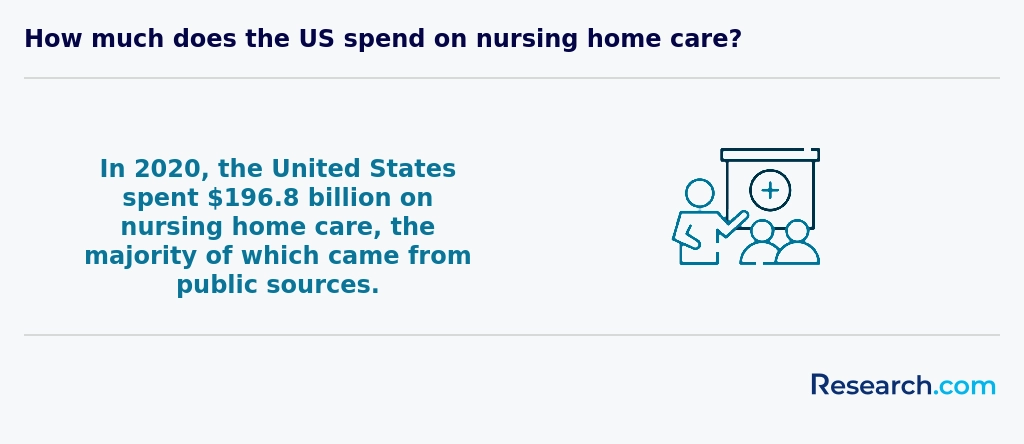
Advancing beyond a BSN equips nurses for specialized clinical roles, leadership positions, and higher earning potential. Many Lynchburg graduates build on foundational training through graduate certificates and practice-focused doctorates.
- Master of Science in Nursing (MSN) supports careers as clinical nurse leaders, nurse educators, or specialty practitioners
- Nurse Practitioner tracks (e.g., Family NP, Psychiatric-Mental Health NP) expand independent practice authority
- Post-master’s certificates in areas like critical care, informatics, or oncology enhance niche expertise
- Doctor of Nursing Practice (DNP) programs focus on advanced clinical leadership and evidence-based care, available through dnp programs online
If you're diving into a nursing degree in Lynchburg, there are plenty of ways to lighten the financial load. Many students attending schools like Liberty University or Lynchburg College lean on federal aid-FAFSA opens doors to Pell Grants, with awards up to $7,395, which can seriously cut down yearly tuition for ADN programs.
Lots of graduates from these schools have also used federal student loans, but they're smart about it, knowing they might qualify for loan forgiveness programs like Public Service Loan Forgiveness if they end up working in local hospitals or government health agencies.
State-based help from Virginia, like the Virginia Commonwealth Nursing Scholarship, is popular too-especially since it supports students committed to staying and working in Virginia's healthcare field after they graduate.
Plus, scholarships from groups like the Virginia Nurses Foundation and hospital systems around Lynchburg can feel like a lifesaver. And don't forget work-study gigs, often tied to healthcare, that help you earn while gaining experience.
Many nursing students say the campus financial aid offices at their Lynchburg schools make navigating all these options a breeze, which is a huge relief when juggling classes and clinical hours.
Ensuring your nursing program in Lynchburg, VA, meets rigorous accreditation standards and prepares you for licensure is essential for a successful career. All reputable programs in Lynchburg hold accreditation from the Commission on Collegiate Nursing Education (CCNE) or the Accreditation Commission for Education in Nursing (ACEN), which guarantees compliance with national educational benchmarks. Graduates of these programs are eligible to sit for the National Council Licensure Examination for Registered Nurses (NCLEX-RN), the critical step to becoming a practicing nurse in Virginia. Key accreditation and licensing considerations:
- State Board Approval: Lynchburg programs must be approved by the Virginia Board of Nursing, confirming alignment with state legal requirements for clinical hours, faculty qualifications, and curriculum.
- NCLEX Pass Rates: High-performing schools often publish annual NCLEX-RN first-time pass rates. For example, Liberty University consistently reports pass rates above 90%, reflecting strong preparation in therapeutic nursing, patient assessment, and pharmacology.
- Clinical Hour Requirements: Virginia mandates a minimum of 500 supervised clinical hours. Programs partner with local facilities-Centra Health, local outpatient clinics, and long-term care centers-to fulfill these requirements, ensuring diverse hands-on experience.
- Continuing Education and Renewal: After initial licensure, RNs in Virginia must complete 30 contact hours of continuing nursing education every two years for license renewal, reinforcing lifelong learning and professional development.
- Interstate Compact Considerations: Virginia is not yet part of the Nurse Licensure Compact (NLC), so graduates relocating to compact states should verify licensure transfer requirements. By selecting an accredited, Board-approved program with strong NCLEX outcomes, you safeguard your eligibility for licensure and position yourself for licensure reciprocity. For prospective students comparing program costs and accreditation status, also explore the Low Cost Online Nursing Degree Programs Ranking in New York to understand how affordability and accreditation intersect across states.
If you're thinking about starting a nursing degree in Lynchburg, you'll want to know upfront what it takes to get in. Most programs here, whether at Lynchburg Community College or a local university, expect you to have a high school diploma or GED first. It's the basic pass you need before diving into nursing.
Graduates often say having a strong background in science and math really helped them hit the ground running. Classes like biology, chemistry, algebra, and anatomy aren't just suggestions - they're key building blocks. Imagine sitting in your first nursing class and actually understanding how the body works because you nailed those prerequisites!
Another biggie is the TEAS test, which covers reading, math, science, and English. Passing it shows you're ready for the challenge. Plus, schools usually want you to have a clean background check and CPR certification before you start clinical work-things that keep patients safe and show you're serious about this career.
If you're aiming for a BSN instead of an ADN, expect to take some college-level gen ed courses and keep your GPA around 2.5 to 3.0. Many students say this extra prep gave them confidence and set them up to succeed at Lynchburg's nursing programs.
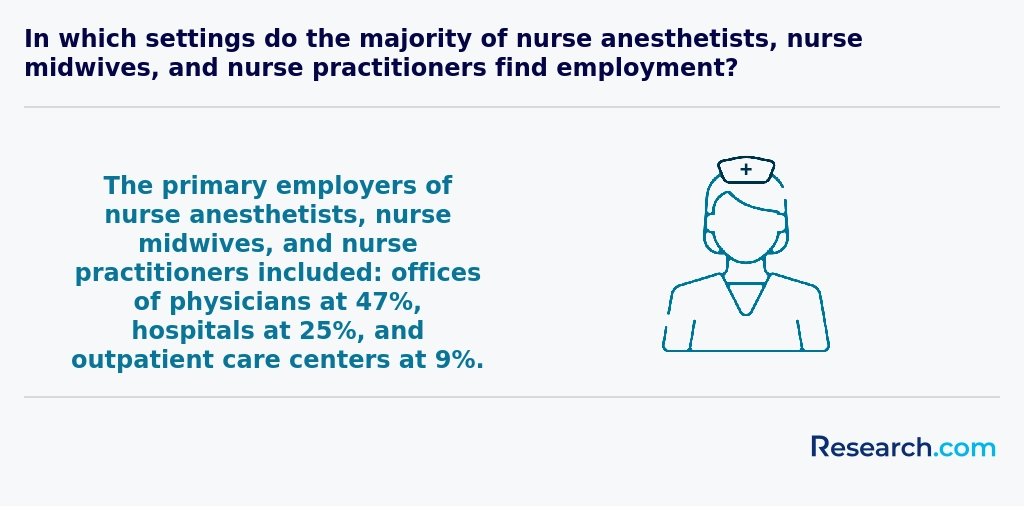
Investing in a nursing degree in Lynchburg, VA, requires careful consideration of both upfront costs and long-term financial benefits. On average, an ADN program can cost between $23,900 and $66,320, while a BSN ranges from $89,556 to $211,392. When compared with median starting salaries-approximately $58,000 for new RNs and up to $89,010 for experienced Registered Nurses-the payback period for an ADN is often under three years, and for a BSN under five years. Specialized roles such as Operating Room Nurses, earning around $124,680, can shorten this horizon even further. Beyond salary, the true ROI of a nursing degree includes the value of career advancement and job stability. With a national 6% projected growth rate for registered nursing and local employers in Lynchburg increasingly preferring BSN-prepared candidates, graduates can expect both higher starting wages and faster promotion tracks. The combination of accelerated coursework-such as bridge programs-and the option to pursue advanced practice degrees online can amplify returns. For instance, students looking to fast-track their doctoral credentials might explore some of the best online dnp programs 12 months, which allow graduates to qualify for high-earning roles in leadership or clinical specialties within a year. When calculating ROI, prospective students should also account for indirect benefits: employer-sponsored tuition reimbursement, robust clinical partnerships that often lead to guaranteed job offers, and the intrinsic value of career satisfaction in a profession with a 99% employment rate post-graduation. Factoring in these elements, a nursing degree in Lynchburg not only pays for itself but also opens doors to lifelong financial and personal fulfillment.
If you're diving into a nursing degree in Lynchburg, expect a solid mix of science and hands-on courses that really prepare you for the real world. Graduates from local schools often talk about how courses like human anatomy, physiology, and microbiology helped them understand the body from the ground up-kind of like learning the language of healthcare before jumping into patient care.
Pharmacology is another big one, where you learn all about medications and how they affect patients, crucial for those moments when you're responsible for giving shots or monitoring reactions during clinicals.
Many students find nursing fundamentals super helpful because that's where you build your core skills-think vital signs, infection control, and patient care techniques-often practiced in labs and clinical settings around Lynchburg's hospitals.
Courses on maternity, pediatric, and mental health nursing prepare you for working with diverse patients, from newborns to adults facing mental health challenges. Plus, leadership classes give you a taste of supervising a team, which many grads say boosted their confidence right before stepping into their first jobs.
Clinical rotations are where everything clicks. Spending time in real healthcare settings around Lynchburg gives students a chance to put theory into practice, build relationships, and feel the rewarding vibes of helping people firsthand.
If you're diving into nursing degrees in Lynchburg, you'll find a bunch of specializations to choose from that match the local healthcare needs perfectly. Graduates from popular colleges around here often mention how options like Family Nurse Practitioner (FNP) are super handy-this one prepares you to care for people of all ages, which is in high demand thanks to Lynchburg's growing community and focus on primary care.
Other cool paths include Pediatric Nursing, great for those who love working with kids, and Geriatric Nursing, which is essential as the city's older population keeps increasing. Some students even pursue Mental Health Nursing, because mental health awareness is really expanding here. If you're into more intense settings, Critical Care Nursing prepares you for emergency rooms and ICUs.
Many Lynchburg nursing programs with specialization options also offer tracks in Women's Health or Oncology. If you want flexibility with your studies, check out online lpn programs in philadelphia as a comparison for other accessible paths.
Picking the best nursing degree in Lynchburg mostly comes down to what fits your lifestyle and goals. Many graduates who took programs at Liberty University found that getting a Bachelor of Science in Nursing gave them more job options and better pay around town. If money's tight, searching for affordable nursing schools Lynchburg VA can really help narrow down choices without sacrificing quality. Students often mention that programs with flexible schedules or part-time options make juggling work and study way easier.
It's also smart to check if the program is accredited by groups like CCNE or ACEN-this really matters when you're preparing for licensing exams and future jobs. Plus, having strong clinical placements with local facilities like Centra Health means hands-on experience that most grads say made a big difference in their confidence and skills. Those looking to move quickly might explore online dnp programs 12 months, which some Lynchburg students have found convenient and efficient for advancing their careers.

If you're thinking about a nursing degree in Lynchburg, you've got lots of exciting career paths ahead. Many graduates from popular schools around here jump right into roles as Registered Nurses, where they get hands-on experience and a solid salary of about $68,000 a year. It's a great way to start, especially since Lynchburg is seeing steady demand for nurses.
Some graduates decide to go further, earning their MSN to become Nurse Practitioners or Clinical Nurse Specialists. These roles pay well and let you provide specialized care, often with more independence. Others love teaching and end up as Nurse Educators at local colleges, helping new students find their footing in nursing.
There are also options like public health nursing or moving into nursing administration, where you help manage healthcare teams. If affordability is a concern, you might check out the Low Cost Online Nursing Degree Programs Ranking in New York for ideas while planning your education.
Whatever path you choose, nursing career opportunities in Lynchburg are strong and varied, so you're set up for a rewarding future.
The nursing job opportunities in Lynchburg are pretty promising right now. Graduates from local schools often find it easier to land a job because hospitals and clinics here prefer hiring people they've trained nearby. Many alumni from Lynchburg's popular nursing programs share how quickly they got hired, thanks to strong community connections and a real need for nurses in all sorts of roles-from bedside care to specialized areas like pediatrics. The growing older population in the area also means steady demand, which adds a nice layer of job security.
If you're planning to study nursing here, you'll want to keep in mind that the Lynchburg nursing degree employment outlook is bright, especially if you aim for advanced certifications or specialties. Plus, graduates often appreciate the competitive salaries that make the effort worthwhile. When considering what to study, it's smart to check out which fields are most rewarding financially and personally-there's even a helpful guide on the most valuable college majors that can give you extra insight.
2027 Most Valuable Nursing Degree Programs Ranking in Lynchburg
Investing in your education is a significant decision that can shape your future, and the Research.com team understands the importance of making informed choices. To assist prospective students in Lynchburg, we have meticulously crafted the "2027 Most Valuable Nursing Degree Programs Ranking in Lynchburg." Our commitment to quality, credibility, and accuracy is reflected in the extensive research and analysis conducted to compile this ranking.
We utilized the following reputable data sources to ensure a comprehensive evaluation of nursing programs:
By exploring this ranking, readers will gain valuable insights into the most valuable nursing degree programs available in Lynchburg, helping them make well-informed decisions about their educational and professional futures. For more details on our methodology, please visit our Research.com methodology page.


Frequently Asked Questions About nursing
Nursing degree students in Lynchburg can maximize their learning experience by engaging actively in clinical rotations offered through local healthcare facilities. Lynchburg's hospitals, such as Centra Health, provide varied practical environments that enhance hands-on skills crucial for nursing careers. Incorporating evidence-based practice in studies helps students apply the latest research to patient care effectively.
Students should also take advantage of support services like tutoring and mentoring programs found at institutions like Liberty University and Central Virginia Community College, which collectively contribute to higher NCLEX pass rates. Networking with local nursing professionals through organizations such as the Lynchburg-Roanoke Nurses Association broadens insights and career opportunities.
Emerging niches within the nursing field reflect changes in healthcare demand and advancing technology. In Lynchburg and across the U.S., specialties like telehealth nursing are growing rapidly, driven by increased remote patient monitoring and virtual care options. According to the U.S. Bureau of Labor Statistics, telehealth nursing jobs are expected to rise by over 15% by 2029.
Another expanding area is gerontological nursing, addressing the needs of an aging population. Lynchburg's demographic trends show a growing elderly community, making this niche particularly relevant locally.
Additionally, nurse informatics combines nursing science with data management, improving patient outcomes through technology. These fields create diverse career paths for new nursing graduates aiming to work in Lynchburg's evolving healthcare system.
After completing a nursing degree in Lynchburg, preparing for the job market involves several strategic steps. First, obtaining licensure by passing the National Council Licensure Examination (NCLEX-RN) is mandatory to practice as a registered nurse in Virginia. According to the Virginia Board of Nursing, the state's NCLEX-RN pass rate exceeds 85%, reflecting strong program outcomes.
Networking is essential in Lynchburg's healthcare community. Graduates should attend local job fairs and connect with employers such as Centra Health, one of the largest hospital systems in the area. Experience gained through clinical rotations and internships also bolsters employability.
Maintaining updated certification in specialized fields or advanced skills, such as CPR or ACLS, increases competitiveness. Additionally, joining professional organizations like the Virginia Nurses Association offers access to job listings and continuing education opportunities.
Employers in Lynchburg highly value nursing graduates who demonstrate strong clinical competence and critical thinking skills. According to the Virginia Board of Nursing, practical skills such as patient assessment, medication administration, and care planning are essential for new nurses entering the workforce.
Effective communication is another key skill, enabling nurses to collaborate with healthcare teams and provide compassionate patient care. A 2023 local survey by the Lynchburg Regional Health Alliance emphasized teamwork and adaptability as top qualities sought by employers.
Additionally, familiarity with electronic health record (EHR) systems is increasingly important due to the digitalization of healthcare in Lynchburg hospitals and clinics. Time management and ethical decision-making also rank highly in employer expectations.
Finding nursing internships in Lynchburg involves tapping into local healthcare networks and educational institutions. Many nursing programs in Lynchburg, such as those affiliated with Liberty University and Central Virginia Community College, offer structured internship opportunities as part of their curriculum. These internships typically take place at local hospitals, clinics, and long-term care facilities, including Centra Health, which employs many nursing interns each year.
Students should also connect with the Virginia Board of Nursing and local workforce development centers, which provide listings of approved clinical sites. Additionally, reaching out directly to Lynchburg-area hospitals can uncover internship openings. Networking through local nursing associations can further increase placement chances.
Obtaining a nursing degree in Lynchburg significantly enhances career mobility and advancement opportunities. Registered nurses (RNs) with a bachelor's degree often earn higher salaries and qualify for specialized roles in hospitals and clinics across Lynchburg. According to the Bureau of Labor Statistics (BLS), nursing jobs in the Lynchburg metropolitan area are projected to grow by 12% through 2030, faster than the national average.
Higher education levels, such as a BSN or MSN, open doors to leadership, education, and advanced practice roles within Lynchburg's healthcare system. Many local employers prefer or require degrees for management or clinical specialist positions.
Also, nursing degrees provide eligibility for licensure exams like the NCLEX-RN, essential for clinical practice in Virginia. Overall, a degree enhances a nurse's flexibility to move between departments, facilities, or specialties in Lynchburg's expanding healthcare market.
Studying for a nursing degree in Lynchburg prepares students for interdisciplinary roles by emphasizing collaboration across healthcare professions. Many local programs incorporate clinical experiences in diverse settings, allowing nursing students to work alongside physicians, therapists, and social workers. This practical approach helps build communication and teamwork skills essential for patient-centered care.
According to data from the Virginia Department of Health, Lynchburg-area nursing graduates see strong employment in hospitals, outpatient clinics, and community health organizations where interdisciplinary teamwork is standard practice. Schools also include coursework focusing on health informatics and leadership, supporting nurses in coordinating care efficiently within healthcare teams.
When choosing between a thesis and a non-thesis nursing degree program in Lynchburg, consider your career goals carefully. Thesis programs typically emphasize research skills and are ideal if you plan to pursue doctoral studies or roles in academic nursing. Non-thesis options focus more on practical training and clinical experience, which suits students aiming for advanced nursing practice or leadership roles.
In Lynchburg, many nursing schools align their programs with Virginia Board of Nursing requirements and national standards, ensuring quality education either way. According to the U.S. Bureau of Labor Statistics, registered nurse employment in Virginia is expected to grow 7% by 2031, making advanced credentials valuable.
Additionally, thesis students must dedicate significant time to research projects, while non-thesis students might take additional coursework or clinical hours instead. Assess your learning style and future plans before deciding.
Students based in Lynchburg seeking to study nursing abroad have several pathways through partnerships between local institutions and international programs. Lynchburg's nursing programs often coordinate exchange opportunities or study abroad components with universities in countries like the United Kingdom, Canada, or Australia, known for strong nursing education systems. Such programs provide clinical experience in diverse healthcare environments and broaden cultural competence, which is highly valued in nursing careers.
According to data from the National Student Clearinghouse, approximately 1.5% of nursing students from Virginia participate in study abroad programs. While Lynchburg is not a major hub for direct international nursing campuses, local universities encourage global experiences through semester-long exchanges and summer clinical placements overseas, allowing students to earn credits applicable to their degree.
These options help students gain a global perspective on healthcare, which is increasingly important given the interconnected nature of medical practices.
Students pursuing nursing degrees in Lynchburg can find various part-time job opportunities that provide valuable experience alongside their education. Local healthcare facilities, such as Centra Health, often hire nursing assistants and medical aides, roles that offer hands-on patient care experience relevant to nursing studies. According to the U.S. Bureau of Labor Statistics, nursing assistants earn a median hourly wage of about $15.50, making these jobs both practical and financially beneficial.
Additionally, Lynchburg's numerous senior living communities and rehabilitation centers hire part-time caregivers and home health aides. These positions enhance skills in patient interaction and basic medical support.
Volunteer work in clinics and public health organizations also complements nursing education, helping students build resumes and professional networks critical for future nursing careers.
Nursing students in Lynchburg have several valuable networking opportunities through local colleges and healthcare institutions. Liberty University, one of the largest education providers in the area, offers nursing students access to professional nursing organizations, internships, and clinical placements within nearby hospitals. These experiences help students build connections with practicing nurses and healthcare administrators.
The Lynchburg Regional Health System collaborates with education programs, providing students chances to attend workshops and career fairs focusing on nursing advancement. Joining state nursing associations, such as the Virginia Nurses Association, also benefits students by expanding their professional network beyond campus.
Alumni networks play a significant role for nursing degree students in Lynchburg by providing valuable career support and connections. Graduates often stay connected through local healthcare facilities, increasing access to job opportunities in hospitals and clinics within the region. According to the Virginia Nurses Association, Lynchburg's nursing community benefits from strong peer networks that assist with mentorship and professional development.
These networks help students navigate licensing requirements and continuing education, which are essential for maintaining nursing credentials in Virginia. Additionally, alumni events and workshops foster collaboration and knowledge sharing, boosting students' confidence and preparedness. This local support system enhances students' ability to secure employment in Lynchburg's competitive healthcare market.
Students pursuing a nursing degree in Lynchburg can tailor their programs by selecting specialized tracks such as pediatrics, gerontology, or family nursing. Many local schools offer clinical rotations at Lynchburg-area hospitals, allowing practical experience aligned with specific career interests. Elective courses, including leadership or community health, enable further customization. Additionally, accelerated BSN programs and part-time study options can accommodate working professionals looking to advance their qualifications. According to the Virginia Board of Nursing, Lynchburg's growing healthcare sector increases demand for specialized nurses, making program customization crucial to meeting career goals in this evolving job market.
Nursing students in Lynchburg face several common challenges during their education. One major difficulty is balancing demanding clinical hours with academic coursework. Local nursing programs require students to complete extensive hands-on training in nearby hospitals such as Centra Lynchburg General Hospital. This can be time-consuming and physically exhausting.
Another issue involves the rising cost of nursing education. According to the National Center for Education Statistics, nursing program tuition in Virginia has increased steadily, creating financial stress for many students.
Additionally, students often report difficulty mastering complex clinical skills early in their studies, which can impact confidence and performance on licensure exams.
Support services and peer networks play a crucial role in helping students overcome these obstacles.
With a nursing degree in Lynchburg, you can pursue several professional certifications that enhance your career. The most common certification is the Registered Nurse (RN) license, required to practice nursing in Virginia. Beyond that, many nurses advance by earning certifications such as Certified Nurse Practitioner (CNP), Certified Nurse Anesthetist (CRNA), or Certified Nurse Midwife (CNM).
Specialty certifications, recognized by organizations like the American Nurses Credentialing Center (ANCC), include areas like gerontology, pediatrics, and critical care. These certifications demonstrate advanced knowledge and skills, often leading to higher salaries and more job opportunities in Lynchburg's healthcare sector.
According to the Virginia Board of Nursing, Lynchburg's healthcare employers value certifications highly for career growth and leadership roles.
Writing a winning application for a nursing program in Lynchburg begins with understanding the specific requirements of local schools. For example, Liberty University and Central Virginia Community College emphasize strong academic records, including a minimum GPA of around 3.0 in prerequisite science courses. Applicants should highlight any healthcare-related experience, whether through volunteer work, internships, or employment, as practical exposure can distinguish candidates.
Clear, well-articulated personal statements are essential. Focus on demonstrating commitment to nursing values such as empathy, resilience, and teamwork. Schools in Lynchburg often require letters of recommendation, ideally from healthcare professionals or educators familiar with your skills.
Finally, prepare thoroughly for entrance exams like the TEAS, widely used in Virginia nursing admissions, aiming for scores in the 70th percentile or higher to improve your chances.
The nursing profession is recognized worldwide for its critical role in healthcare delivery and community wellbeing. In the United States, including Lynchburg, nursing offers various educational pathways, such as Associate, Bachelor of Science in Nursing (BSN), and advanced degrees, reflecting a global trend toward higher qualifications.
Globally, nurses face similar challenges, including workforce shortages and aging populations, driving demand for well-trained professionals. According to the U.S. Bureau of Labor Statistics, nursing jobs are projected to grow 9% from 2022 to 2032, faster than average for all occupations, which aligns with trends seen internationally.
Lynchburg benefits from a range of nursing programs designed to prepare students for these demands. Institutions like Liberty University and Central Virginia Community College offer programs that meet national accreditation standards, ensuring graduates are competitive both domestically and abroad.
Gaining practical experience while studying for a nursing degree in Lynchburg is essential for building clinical skills and improving job prospects. Many nursing programs in the area include clinical rotations at local hospitals such as Centra Health and Lynchburg General Hospital. These partnerships allow students to work alongside experienced nurses in real healthcare settings.
Additionally, students can seek internships or volunteer opportunities in community clinics to deepen their hands-on knowledge. The Virginia Board of Nursing requires students to complete a minimum number of supervised clinical hours, typically between 500 and 700, depending on the program.
Simulation labs offered by schools also provide controlled environments for skill practice without direct patient contact. Together, these opportunities prepare students for licensure exams and future nursing roles.
Choosing the right concentration within a nursing degree program in Lynchburg depends on your career goals and interests. Nursing specialties may include family health, pediatrics, geriatrics, or acute care. Research the available concentrations at local institutions such as Liberty University and the University of Lynchburg.
Consider job demand in Lynchburg's healthcare sector, where registered nurse positions are projected to grow by 9% by 2030 according to the Bureau of Labor Statistics. Concentrations aligned with high-demand areas, like geriatric nursing, may offer better employment opportunities.
Evaluate curriculum focus and clinical placement options to gain relevant hands-on experience in your chosen field.
- 2027 Most Valuable Nursing Degree Programs Ranking in Washington
- 2027 Most Valuable Nursing Degree Programs Ranking in Charlotte
- 2027 Most Valuable Nursing Degree Programs Ranking in Virginia Beach
- 2027 Most Valuable Nursing Degree Programs Ranking in Baltimore
- 2027 Most Valuable Nursing Degree Programs Ranking in Columbia
- 2027 Most Valuable Nursing Degree Programs Ranking in Columbus
- 2027 Most Valuable Nursing Degree Programs Ranking in Cincinnati
- 2027 Most Valuable Nursing Degree Programs Ranking in Brooklyn
- 2027 Most Valuable Nursing Degree Programs Ranking in New York
- 2027 Most Valuable Nursing Degree Programs Ranking in Louisville
See What Experts Have To Say About Studying Nursing
Read our interview with Nursing experts

Lisa Grubb
Nursing Expert
Assistant Professor
Johns Hopkins School of Nursing

- Do I Have to Write a Thesis to Complete a Master’s Degree in Nursing? https://www.bestmasterofscienceinnursing.com/faq/write-thesis-complete-masters-degree-nursing/
- Your Questions About Online Nursing School, Answered https://www.allnursingschools.com/how-to-get-into-nursing-school/online-programs/
- Medical University of GdaÅsk https://admission.mug.edu.pl/29318.html
- THE FIELD OF NURSING - FIRST-DEGREE OF STUDIES https://wnoz.wum.edu.pl/pl/content/field-nursing-first-degree-studies
- What Nursing Concentration Is Right for Me? | Maryville Nursing https://nursing.maryville.edu/blog/what-nursing-concentration-is-right-for-me
- School of Nursing Alumni Resources https://nursing.utmb.edu/About/Alumni
- Complete Guide to Mastering Virginia Nursing Prerequisites https://www.prereqcourses.com/mastering-virginia-nursing-prerequisites/
- Guide to Making a Career Change to Nursing https://teach.com/online-ed/healthcare-degrees/online-msn-programs/career-change-to-nursing/
- Sign Up for the Journal of Nursing. https://www.asrn.org/journal-advanced-practice-nursing/3399-10-business-ideas-for-nurses-in-2026.html
- From our readers…Strengthening nursing networks https://www.myamericannurse.com/from-our-readersstrengthening-nursing-networks/


