
2027 Most Popular Nursing Degree Programs Ranking in Laredo

Co-Founder and Chief Data Scientist
Choosing the right nursing degree program is a big step toward a rewarding career in healthcare. For students in Laredo, making an informed decision can be challenging with so many options available.
The 2027 Most Popular Nursing Degree Programs Ranking in Laredo was created by the Research.com team of data scientists to provide clear, trustworthy insights. This ranking helps you discover nursing programs that stand out for their quality and popularity.
By exploring this article, you'll gain valuable information to guide your education journey and feel confident about your future in nursing.
Key benefits of getting nursing degree in Laredo
- Nursing degree graduates in Laredo can enjoy strong earning potential, with roles like Registered Nurse, Public Health Nurse, and Emergency Room Nurse averaging about $94,480 annually, offering financial stability and rewarding work.
- Career paths for nursing graduates are diverse, including clinical nurse educator and public health nurse, allowing you to choose a specialty that fits your passion and lifestyle, as shown by students from popular local colleges.
- Getting a nursing degree online offers flexibility and convenience, making it easier for working adults in Laredo to balance studies and life, just like many successful graduates from well-known online nursing programs.
- 2027 Most Popular Nursing Degree Programs Ranking in Laredo
- What can I expect from nursing degree in Laredo?
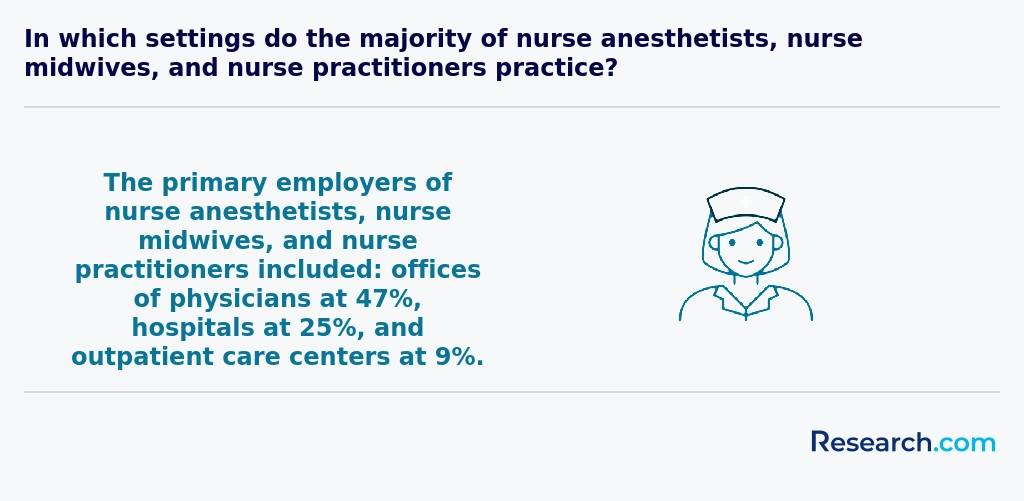
- Where can I work with nursing degree in Laredo?
What can I expect from nursing degree in Laredo?
The average cost of obtaining a nursing degree in Laredo varies depending on the program and institution, with ADN programs at Laredo Community College generally being more affordable than BSN programs at Texas A&M International University. Graduates commonly report that ADN tuition ranges between $5,000 and $8,000 for the entire program, reflecting the community college's focus on accessible education without sacrificing quality. Meanwhile, BSN students at Texas A&M International University often encounter tuition fees approximately between $15,000 and $25,000, which aligns with the comprehensive curriculum and resources offered.
Many students describe balancing costs with financial aid support, including scholarships and state grants, which often reduce out-of-pocket expenses significantly. One graduate recalled how clinical partnerships with local hospitals provided invaluable hands-on experience at no extra cost, enhancing real-world readiness without increasing tuition. These opportunities, combined with flexible scheduling options, foster a positive learning environment where students feel empowered to advance their careers while managing financial commitments effectively.
Where can I work with nursing degree in Laredo?
Nursing graduates in Laredo find strong employment prospects across multiple healthcare environments. Many begin their careers at large hospitals like Laredo Medical Center or Doctors Hospital of Laredo, working in critical care units or maternity wards. These settings provide hands-on experience with diverse patient needs, which recent graduates from institutions such as Laredo Community College often describe as "both challenging and rewarding."
Other common career paths include outpatient clinics and community health centers focusing on preventive care and chronic disease management. Graduates appreciate roles in the Laredo Health Department, where they engage directly with underserved populations through immunization drives and maternal-child health programs. This community-oriented work fosters a deep sense of fulfillment.
Long-term care facilities and home healthcare agencies represent expanding fields due to the region's aging population. Many graduates report that home healthcare offers valuable flexibility and meaningful patient interactions, especially when managing wound care or rehabilitation in patients' homes.
Additional opportunities exist in school nursing and occupational health, where nurses support student wellness and workplace safety programs. Data from the Texas Workforce Commission confirms registered nursing as one of the fastest-growing occupations in Laredo, indicating sustained demand for skilled professionals in these varied settings.
Graduates holding nursing degrees in Laredo generally find that their earnings align with regional salary trends, though enhanced by the strong credentials earned at local institutions such as Texas A&M International University or Laredo Community College. Registered Nurses (RNs) with nursing degrees typically start with median annual salaries between $65,000 and $72,000 locally, which is somewhat below the Texas mean RN salary of $94,480 reported by the U.S. Bureau of Labor Statistics.
Advanced roles like Operating Room Nurses command significantly higher pay, with mean annual wages around $128,490 nationwide. This reflects the specialized, high-pressure environments these nurses thrive in soon after graduation.
New nursing graduates, often feeling proud and optimistic, share how the practical experience gained during their education translates directly to these competitive pay scales. Many describe relief and confidence when securing positions that offer both stability and pathways for financial growth in Laredo's healthcare facilities.
These salaries do not include additional benefits like health insurance or shift differentials, which frequently enhance total compensation packages in local hospitals and clinics.
- Nursing programs in Laredo offer associate and bachelor's degrees, with tuition costs ranging from $3,500 to $8,000 per year for in-district or state residents.
- Associate degree programs typically take two years to complete, while bachelor's degree programs take about four years.
- Programs include clinical experience through partnerships with local hospitals and healthcare facilities to prepare students for practical work.
- Registered nurses in Laredo earn between $60,000 soon after graduation and up to $75,000 with experience, aligning with Texas state salary averages.
- Employment options for nursing graduates include hospitals, outpatient clinics, and public health organizations, with preference given to graduates from accredited programs.
Completing a nursing degree in Laredo typically varies based on the program type and prior education. For example, graduates from Laredo College's Associate Degree in Nursing (ADN) program usually finish in about two years. Many appreciate this shorter timeline, allowing them to enter the workforce quickly as registered nurses after passing the NCLEX-RN exam.
In contrast, Bachelor of Science in Nursing (BSN) degrees offered at local universities often take around four years. Graduates frequently express satisfaction with the broader training they receive, which opens doors to advanced roles and leadership positions within hospitals across Laredo.
Some students with previous bachelor's degrees choose accelerated BSN programs that complete within 12 to 18 months. While not always available locally, these programs provide a faster path and are valued by students eager to transition swiftly into nursing careers.
Other options, such as Licensed Vocational Nurse (LVN) certifications, take approximately 12 months but do not qualify graduates as registered nurses, limiting immediate advancement opportunities.
Accreditation by recognized bodies such as the Accreditation Commission for Education in Nursing (ACEN) or the Commission on Collegiate Nursing Education (CCNE) is essential for ensuring a nursing program meets rigorous academic, clinical, and ethical standards. In Laredo, TX, prospective students should verify not only institutional accreditation but also programmatic approval from the Texas Board of Nursing. This dual validation guarantees that coursework, clinical experiences, and faculty qualifications align with state and national requirements, ultimately impacting eligibility for the NCLEX exam and future licensure. Beyond initial accreditation, ongoing quality assurance measures-such as periodic site visits, student outcome reviews, and stakeholder feedback-help programs continuously improve their curriculum and support services. For licensed practical nurses or RNs seeking to elevate their credentials, many institutions also offer accelerated tracks. For example, a 6-month online rn to bsn degree can be both CCNE-accredited and Texas Board-approved, providing a fast yet quality-assured pathway to a Bachelor of Science in Nursing. By prioritizing accredited programs with transparent quality processes, students can trust that their investment of time and money will prepare them for safe, competent practice and open doors to advanced career opportunities.
Online and on-campus nursing degrees in Laredo differ mainly in delivery, flexibility, and hands-on experience. Graduates from Texas A&M International University rave about the immersive, face-to-face learning and access to campus labs, which build confidence through real-time feedback and supervised clinical skills. These on-campus programs require in-person attendance, a crucial component to meet Texas licensure standards, with direct interaction fostering strong peer networks.
Conversely, online programs offer Laredo students greater flexibility to balance work and family commitments, enabling coursework to be completed remotely. However, even online students must arrange local clinical hours at approved facilities, ensuring practical experience aligns with state requirements. Graduates often highlight the need for self-discipline and proactive communication in this format.
Cost considerations also vary; in-state tuition for nursing in Texas ranges from $7,000 to $10,000 annually. Online programs sometimes reduce facility fees but add expenses like clinical placement coordination or technology. Both formats prepare students effectively for the NCLEX-RN exam, ensuring graduates meet professional nursing standards in Texas.
The variety of nursing degree programs available in Laredo, TX, is designed to cater to the diverse needs and aspirations of prospective nursing students. For those interested in exploring the most popular nursing degree options, understanding the local healthcare landscape and the role of nurses within it is crucial. For instance, while some students may be drawn to the fast-paced environment of emergency nursing, others may find their passion in pediatric or geriatric care, highlighting the importance of choosing a nursing program that aligns with one's interests and career goals. Moreover, the availability of online and on-campus programs offers flexibility, allowing students to balance their studies with other commitments, a factor that has become increasingly important in modern nursing education. Ultimately, the key to a successful and fulfilling nursing career lies in selecting a program that not only provides a comprehensive education but also offers the right specialization and learning environment to support individual aspirations and the evolving needs of the healthcare sector.
The average cost of a nursing degree in Laredo varies significantly depending on whether a student pursues an associate or bachelor-level program and their residency status. For in-district students attending institutions like South Texas College, a two-year ADN program typically costs around $7,894 in tuition and fees, making it a financially accessible option locally. Graduates often describe their investment as manageable, allowing them to focus on learning essential skills without overwhelming debt.
For those aiming for a Bachelor of Science in Nursing (BSN), often offered through public Texas universities serving the Laredo area, the total cost tends to be higher, approaching $31,362 on average for a complete degree. This reflects tuition, additional fees, and supplies needed throughout the program. Non-resident students face similar or higher expenses. Nursing students recall how these costs, though substantial, pay off later by opening more advanced career opportunities.
Additional expenses, such as books, clinical supplies, and licensing exams, add to the financial picture, with typical yearly costs between $1,000 and $2,000. Prospective students should factor these into their plans alongside tuition and fees. Many find relief by leveraging financial aid and scholarships aimed at easing the nursing degree tuition and fees Laredo students face.
Those considering advanced qualifications may explore options such as a Master's of Science in Nursing, expanding their expertise and potential earning power while investing strategically in their careers.
Hands-on clinical experience is the cornerstone of any reputable nursing program in Laredo, TX, equipping students with real-world skills and confidence before they enter the workforce. Local institutions invest heavily in state-of-the-art simulation labs and forge partnerships with leading healthcare providers to ensure a seamless transition from classroom to clinical practice. • Simulation Labs and Technology: Universities like Texas A&M International University feature high-fidelity manikins, virtual reality patient scenarios, and skills suites that replicate hospital wards, operating rooms, and community health settings. These immersive environments allow students to practice critical procedures-such as IV insertion, wound care, and emergency response-in a controlled, low-risk setting under expert supervision. • Hospital and Clinic Partnerships: Laredo College and UT Health Laredo maintain formal agreements with local hospitals (e.g., Doctors Hospital of Laredo) and outpatient centers, securing dedicated clinical rotation slots for nursing students. These partnerships span diverse specialties-pediatrics, critical care, obstetrics, and community health-ensuring each student completes at least 500 clinical hours, as mandated by the Texas Board of Nursing. • Community Health and Outreach: To foster cultural competence and public health awareness, many programs include rotations in local community health organizations and mobile clinics. Here, students engage in health screenings, patient education, and preventive care initiatives for underserved populations, reinforcing the importance of empathy and communication in nursing practice. • Mentorship and Feedback: Clinical instructors-each holding advanced degrees and active licenses-provide ongoing mentorship through debrief sessions, performance evaluations, and simulation feedback tools. This structured guidance helps students identify strengths, address skill gaps, and build professional portfolios that impress potential employers. For those weighing program costs and clinical robustness, you can also explore our guide to affordable nursing schools that deliver comprehensive training without compromising on quality.
Nursing students in Laredo benefit from several financial aid options that reduce the typical annual costs, which range from $10,000 to $25,000 for ADN and BSN programs, according to the Texas Higher Education Coordinating Board. Many students at Texas A&M International University successfully secure federal Pell Grants, which can cover up to $7,395 without repayment. This grant, along with Federal Supplemental Educational Opportunity Grants (FSEOG) and Federal Work-Study programs, often makes a significant difference in managing expenses.
Graduates recall relying on Direct Subsidized and Unsubsidized Loans, which offer lower interest rates compared to private loans, enabling them to focus on studies rather than debt anxiety. The Health Resources and Services Administration (HRSA) also provides scholarships and loan repayment programs tied to service commitments in underserved areas, an appealing option for students eager to make an impact in Laredo's healthcare system.
State aid like the Texas Nursing Incentive Loan Program offers forgivable loans for those who remain in Texas healthcare settings after graduation. Local scholarships and employer-sponsored tuition reimbursements or sign-on bonuses further support students' finances, creating a positive, achievable pathway toward a nursing career in Laredo.
Local nursing programs in Laredo maintain strong NCLEX first-time pass rates, a key indicator of educational quality and student preparedness.
- Laredo College (ADN): 92% first-time NCLEX-PN pass rate
- Texas A&M International University (BSN): 95% first-time NCLEX-RN pass rate
- University of Texas at Rio Grande Valley (BSN): 97% first-time NCLEX-RN pass rate
High pass rates reflect rigorous curricula, experienced faculty, and comprehensive clinical training, leading to rapid employment for graduates. If you’re aiming for advanced practice roles, explore online np programs california for flexible nurse practitioner pathways.
To enroll in a nursing degree program in Laredo, prospective students must meet specific academic and practical prerequisites aligned with Texas standards. Most programs, such as those offered at local colleges, require a high school diploma or GED, with recommended coursework in biology, chemistry, and algebra, laying the foundation for nursing studies.
Graduates from popular Laredo nursing programs recall the importance of completing essential college-level prerequisites like Human Anatomy and Physiology, Microbiology, General Chemistry, English Composition, and either Psychology or Sociology with a grade of "C" or better. These courses ensure readiness for the rigorous academic and clinical demands ahead.
Successful applicants often describe the TEAS exam as a key hurdle, assessing math, reading, science, and English proficiency. Many also emphasize how volunteer work or clinical experience in healthcare settings strengthened their applications and deepened their commitment to patient care.
Additionally, students must pass a criminal background check and submit immunization records to meet clinical placement requirements, which safeguard both patients and students during hands-on training in Laredo's healthcare facilities.

A strong clinical training component is essential for preparing nursing students to excel in real-world healthcare environments. In Laredo, TX, nursing programs partner with leading medical centers-such as Laredo Medical Center, Doctor’s Hospital of Laredo, and local community clinics-to offer a range of hands-on clinical rotations. These partnerships ensure students gain exposure to diverse patient populations and specialties, including emergency care, pediatrics, and gerontology. Typical clinical requirements range from 200 to 500 practicum hours, giving students ample opportunity to apply theoretical knowledge under the supervision of experienced preceptors. Simulation labs at institutions like Texas A&M International University and Laredo College feature high-fidelity manikins, telehealth equipment, and mock hospital units. Students repeatedly practice critical skills-such as IV insertion, cardiac monitoring, and patient assessment-in a controlled environment, boosting confidence before entering clinical settings. Faculty-led debriefing sessions reinforce best practices and foster reflective learning. Internship placements extend beyond hospital walls to community health organizations and long-term care facilities, where students participate in health education outreach, chronic disease management, and preventive screenings. These internships not only enhance clinical competence but also strengthen professional networks, leading to higher job placement rates upon graduation. For those planning to continue their nursing education with a graduate degree, exploring affordable options is crucial. Consider reviewing the Cheapest Online Master's in Nursing Degree Programs Ranking in the West to find cost-effective pathways for advanced practice roles. By combining rigorous clinical training with strategic internship experiences, nursing students in Laredo are well-equipped to meet the demands of today’s dynamic healthcare landscape.
Nursing degree programs in Laredo, such as those at local universities and community colleges, typically include a comprehensive set of core courses essential for practical nursing careers. These courses cover Human Anatomy and Physiology, providing students with an in-depth understanding of the human body-knowledge graduates describe as vital when working with patients facing complex health issues.
Students also engage with Microbiology and Pharmacology, learning about infection control and safe medication administration, which many find directly applicable during clinical rotations in Laredo hospitals. Nutrition and Nursing Fundamentals courses prepare learners to assess patient needs holistically, addressing diet and basic care skills.
Advanced topics like Pathophysiology and Medical-Surgical Nursing equip students to manage acute health conditions encountered during hands-on training at local healthcare facilities. Furthermore, courses in Maternal and Child Health Nursing, Mental Health Nursing, and Community Health Nursing reflect the diverse patient populations served in Laredo, enhancing graduates' confidence in addressing community-specific health challenges.

Nursing degree specializations in Laredo encompass several targeted pathways designed to meet local healthcare demands. Popular programs include Registered Nurse (RN) to Bachelor of Science in Nursing (BSN), which equips graduates with expanded clinical and leadership competencies suited for hospital and community settings. Licensed Vocational Nurse (LVN) to RN tracks enable current LVNs to progress toward full RN licensure, increasing their scope of practice.
Specializations such as Pediatric Nursing address the city's significant child population, preparing nurses for roles in pediatric wards and clinics. Geriatric Nursing is another option, reflecting Laredo's growing elderly demographic and focusing on chronic and age-related care. Critical Care Nursing trains students for intensive care environments, a critical aspect of hospital services in the region.
Community Health Nursing also receives emphasis, with graduates often working in public health initiatives across underserved neighborhoods around Laredo. Those studying at well-known local institutions frequently highlight how hands-on training integrates real patient interactions, fostering confidence and a sense of fulfillment. To explore more on nurse career prospects, consider resources like nurse career prospects.
Choosing the best nursing degree in Laredo requires assessing program types, costs, and outcomes relevant to the local healthcare market. ADN programs at community colleges offer affordable nursing degrees Laredo Texas students appreciate, costing between $3,500 and $8,000 annually. These programs generally take two years and prepare graduates for entry-level nursing roles. Alternatively, four-year BSN programs at universities provide in-depth education and align with higher employment rates and salaries, favored by many healthcare employers in Laredo's growing sector.
Graduates from top regional institutions often highlight the value of accredited programs recognized by ACEN or CCNE. They report that strong clinical rotations within local hospitals deepen practical skills, boosting confidence when facing the NCLEX-RN exam. Such programs also provide hybrid learning options, benefiting students balancing work and study.
When evaluating the best nursing degree programs in Laredo, consider reviewing tuition against graduation and licensure success rates, plus the availability of clinical placements. For a detailed perspective on curriculum and early experiences, exploring nursing degree programs can clarify key expectations and guide informed decisions.

Graduates earning a nursing degree in Laredo find diverse career paths across both clinical and administrative settings. Many pursue roles as Registered Nurses (RNs), delivering direct patient care at major local institutions like Doctors Hospital of Laredo and Laredo Medical Center. These positions not only provide hands-on healthcare experiences but also offer competitive median wages near the national average of $77,600 annually as reported by the U.S. Bureau of Labor Statistics. Nursing career opportunities in Laredo also include advanced practice roles such as Nurse Practitioners and Clinical Nurse Specialists, which command higher salaries often exceeding $120,000 and involve greater responsibility.
Other common routes for graduates from popular nursing programs in Laredo, such as Laredo Community College, involve Licensed Vocational Nurse roles and public health nursing focused on community wellness initiatives in this border region. Students benefit from affordable education options, preparing them to address local health challenges effectively. Some graduates venture into healthcare administration or education to impact nursing practice and training. Those interested may also explore related fields, integrating expertise with complementary disciplines like online kinesiology degree programs to expand their skillset and career prospects.

The nursing job market in Laredo is notably strong, supported by steady growth driven by regional healthcare needs and demographic trends. Graduates from popular programs at local institutions like Laredo Community College regularly find diverse nursing job opportunities in Laredo Texas, with hospitals such as Laredo Medical Center actively recruiting skilled nurses in specialties like critical care and emergency medicine.
The average annual wage for registered nurses in Laredo hovers around $66,000, which aligns well with the area's lower cost of living compared to other Texas regions. Nursing graduates often share positive experiences about the affordability and practicality of pursuing degrees locally, noting that community colleges offer competitive tuition with options such as Associate Degree in Nursing programs priced between $8,000 and $15,000. Many also explore further certifications without excessive financial burden.
Students eager to start their careers can explore various pathways, including LPN programs in Connecticut, to expand their qualifications. The state's nursing licensure policies, including participation in the Nurse Licensure Compact, add flexibility, letting nurses practice across states with ease.
2027 Most Popular Nursing Degree Programs Ranking in Laredo
Investing in your education is a significant decision that can shape your future, and the Research.com team understands the importance of making informed choices. To assist prospective students in Laredo, we have meticulously crafted the "2027 Most Popular Nursing Degree Programs Ranking in Laredo." Our commitment to quality, credibility, and accuracy is reflected in the extensive research and analysis conducted to compile this ranking.
We utilized the following reputable data sources to ensure a comprehensive evaluation of nursing programs:
By exploring this ranking, readers will gain valuable insights into the most popular nursing degree programs available in Laredo, helping them make informed decisions about their educational paths. For more details on our methodology, please visit our Research.com methodology page.

# 3 position
Laredo College
Bachelor of Science in Nursing

Frequently Asked Questions About nursing
Nursing students in Laredo can maximize their learning experience by actively engaging in both classroom instruction and hands-on clinical practice. Local healthcare facilities such as Laredo Medical Center provide valuable clinical rotation opportunities that help students apply theoretical knowledge in real-world settings.
Additionally, students benefit from joining study groups and nursing organizations like the Texas Nursing Students Association to build networking skills and peer support. Utilizing resources at institutions like Texas A&M International University, which offers accredited nursing programs, is also key to academic success.
According to the Texas Board of Nursing, consistent study habits and early preparation for the NCLEX exam greatly enhance pass rates for graduates.
The nursing field continues to evolve with several emerging niches gaining traction across the United States, including in Laredo. One significant area is geriatric nursing, driven by an aging population requiring specialized care. According to the Bureau of Labor Statistics, registered nurses focusing on elderly care are expected to grow faster than average through 2030.
Another growing specialty is telehealth nursing, which has expanded rapidly due to technological advances and the COVID-19 pandemic's impact on healthcare delivery. Nurses skilled in virtual patient monitoring and remote consultation are increasingly in demand in Laredo's healthcare facilities.
Additionally, psychiatric-mental health nursing is gaining prominence as mental health awareness rises nationally. Laredo's health organizations report an uptick in demand for professionals trained to address behavioral health needs.
These niches represent promising pathways for nursing students aiming to meet future healthcare challenges locally and nationwide.
Preparing for the job market after completing a nursing degree in Laredo involves several key steps. First, graduates must pass the NCLEX-RN exam, which grants licensure to practice as a registered nurse in Texas. According to the Texas Board of Nursing, the pass rate for first-time test takers in the region averages around 85%, reflecting strong program quality.
Networking locally is vital. Laredo's healthcare sector, including major employers like Laredo Medical Center, often prefers candidates with local clinical experience. Internships and volunteering during studies improve employability.
Additionally, developing skills in electronic health records (EHR) systems is increasingly important, as digital proficiency is commonly required. Joining professional organizations such as the Texas Nurses Association can provide job leads and resources.
Employers in Laredo seek nursing graduates with a solid foundation in clinical skills, critical thinking, and effective communication. According to the Texas Board of Nursing, proficiency in patient care procedures and the ability to make quick, informed decisions are essential. Nurses must also demonstrate cultural competence, especially in Laredo's diverse community, to provide personalized care.
Technical skills, including familiarity with electronic health records (EHR), are increasingly important as healthcare technology advances. Additionally, teamwork and adaptability are valued, given the fast-paced and often unpredictable healthcare environment. Studies by the Bureau of Labor Statistics emphasize these as key employability factors for registered nurses nationwide, including Texas.
Finding nursing internships in Laredo involves leveraging local healthcare facilities and educational institutions. The city hosts several prominent hospitals, such as Doctors Hospital of Laredo and Laredo Medical Center, which often collaborate with nursing programs to offer clinical placements. Networking through nursing schools like Texas A&M International University can also be effective, as schools frequently have established relationships with healthcare providers.
Internship opportunities in Laredo typically focus on hands-on patient care, essential for meeting licensure requirements set by the Texas Board of Nursing. According to the Texas Center for Nursing Workforce Studies, internships improve job placement rates for nursing graduates in the region.
Prospective students should contact the career services or nursing department of local colleges early to explore available placements and application deadlines.
Obtaining a nursing degree in Laredo significantly enhances career mobility and advancement opportunities within the local healthcare sector. According to the U.S. Bureau of Labor Statistics, the demand for registered nurses in Texas is projected to grow by 15% from 2021 to 2031, reflecting strong job prospects. A degree allows graduates to qualify for positions beyond entry-level roles, such as nurse practitioners or clinical nurse specialists, which typically offer higher salaries and leadership responsibilities. In Laredo, nurses with degrees often benefit from employer support for continuing education and certification, critical for career advancement in this competitive market.
Nursing degrees also enable specialization in areas like pediatrics or geriatrics, increasing employability in diverse healthcare settings. Local healthcare facilities, including hospitals and clinics in Webb County, prefer hiring degree-holding nurses to meet accreditation standards and enhance patient care quality.
Studying for a nursing degree in Laredo equips students with skills essential for interdisciplinary healthcare roles. Programs emphasize collaboration with various professionals, including physicians, social workers, and therapists. This approach aligns with national standards promoted by the American Association of Colleges of Nursing, which advocates teamwork to improve patient outcomes.
Laredo's healthcare setting, serving a diverse population, offers nursing students exposure to complex social and medical needs. This environment encourages culturally sensitive communication and problem-solving across disciplines. According to the Texas Board of Nursing, graduates from Laredo-based programs demonstrate strong competencies in care coordination.
Local institutions integrate simulation labs and community partnerships, promoting practical teamwork skills. These experiences prepare students to function confidently within interdisciplinary teams in hospitals and clinics throughout the region.
Choosing between a thesis and a non-thesis nursing degree program in Laredo depends on your career goals and learning preferences. Thesis programs typically require original research and are suited for students interested in advanced clinical roles or academic careers. Non-thesis options often emphasize practical skills and allow faster completion, appealing to those aiming for immediate employment in healthcare settings.
In Laredo, nursing programs at institutions like Texas A&M International University offer both paths. According to the Texas Board of Nursing, demand for nurse educators and researchers is growing, making a thesis program valuable for some. However, non-thesis graduates also have strong job placement rates in local hospitals.
Consider your long-term plans and consult with advisors to choose the best fit for your nursing career development.
Students based in Laredo interested in studying nursing abroad have several pathways to consider within the U.S. higher education system. Many choose to enroll in exchange or study abroad programs offered by universities with international partnerships. For example, institutions in Texas often collaborate with medical schools in Mexico, providing culturally relevant clinical experiences that complement nursing curricula.
Another option includes pursuing nursing degrees at accredited U.S. campuses located near the border that emphasize bilingual training, which can be advantageous when practicing internationally. The Texas Board of Nursing reports that over 10% of nurses in border counties like Webb County hold degrees with international components, reflecting growing cross-border educational ties.
While direct overseas nursing programs are less common for Laredo students, affiliated study abroad opportunities and bilingual curricula mainly shape their options. Access to federal financial aid also supports students opting for approved programs abroad.
Students pursuing nursing degrees in Laredo have several part-time job opportunities that complement their education. Working as a certified nursing assistant (CNA) is a common choice, offering practical patient care experience while earning around $12 to $15 per hour, according to the Bureau of Labor Statistics. Local hospitals and clinics, including Laredo Medical Center, often seek part-time CNAs and medical assistants.
Pharmacies and home health agencies provide additional employment avenues, where students can learn about medication management and patient support. Volunteering with community health programs in Webb County also enhances skills and networking.
Nursing students in Laredo have access to various networking opportunities that help them connect with healthcare professionals and peers. Local institutions, such as Texas A&M International University, often hold career fairs and nursing forums where students can meet potential employers. The Laredo District Nurses Association provides a platform for students to join events and seminars focused on professional development. Additionally, practical training in nearby hospitals like Doctors Hospital of Laredo allows students to build relationships with experienced nurses and clinical mentors. Networking is essential for job placement and gaining real-world insights in the competitive nursing field.
Alumni networks offer significant advantages to nursing degree students in Laredo by providing valuable connections within the local healthcare community. Many hospitals and clinics in Laredo, including Laredo Medical Center, often tap into these networks for job placements and internships. A strong alumni base increases mentorship opportunities, helping students navigate career paths and licensure requirements specific to Texas.
Additionally, alumni networks facilitate access to continuing education and professional development workshops, which are essential for maintaining nursing credentials. According to the Texas Board of Nursing, graduates involved in alumni activities demonstrate higher employment rates within six months post-graduation. These networks also promote collaboration among peers, enhancing learning and support during clinical rotations.
Customizing a nursing degree program in Laredo to match your career goals involves selecting electives, clinical placements, and specialization options that align with your interests. Many nursing schools in Laredo offer tracks such as pediatric, geriatric, or emergency nursing, enabling students to focus on specific populations or settings.
Local institutions often collaborate with nearby hospitals like Laredo Medical Center for clinical rotations, providing hands-on experience suited to your desired field. According to the Texas Board of Nursing, tailoring clinical hours can impact your readiness for specialized certifications.
Additionally, consider programs that offer flexible scheduling or online courses if balancing work and study is necessary. This approach helps adapt education pathways to fit professional and personal needs while meeting state licensure requirements.
Nursing students in Laredo face several challenges typical to healthcare education but influenced by local factors. One significant issue is balancing rigorous coursework with clinical rotations, which often require travel to healthcare facilities in nearby regions due to limited local placement options. This can cause time management difficulties for students.
Additionally, financial constraints affect many students since the cost of nursing programs combined with living expenses in Laredo can be substantial. According to the Texas Board of Nursing, fee structures for nursing schools in border cities tend to be moderately lower than statewide averages but still significant for low-income families.
Language barriers also impact some students, as Laredo's large Hispanic population means bilingual skills are beneficial but also add an extra layer of academic demand. Students often need support adapting to technical medical terminology in English. Finally, there is a growing need for mental health resources to help students cope with the stress inherent to nursing education.
With a nursing degree in Laredo, graduates can pursue several professional certifications to enhance their career opportunities. Common certifications include the Certified Nurse Assistant (CNA), Licensed Vocational Nurse (LVN), and Registered Nurse (RN) licenses, which are essential for entry-level nursing roles. Beyond these, advanced certifications like the Certified Medical-Surgical Registered Nurse (CMSRN) or certifications in specialties such as pediatrics, geriatrics, and critical care can be obtained.
The Texas Board of Nursing regulates licensure and certification processes for nurses in Laredo. According to the Texas Center for Nursing Workforce Studies, the demand for certified nursing professionals in Laredo is growing steadily due to its expanding healthcare sector.
Writing a winning application for a nursing program in Laredo requires careful preparation and attention to detail. Start by ensuring you meet all academic prerequisites, such as a minimum GPA typically around 3.0, and completing required courses like biology and chemistry. Many local programs, including those at Laredo Community College, emphasize healthcare exposure; therefore, documenting volunteer or work experience in healthcare settings strengthens your application.
Strong letters of recommendation from healthcare professionals or educators can set you apart. Additionally, prepare for entrance exams such as the TEAS, which many Laredo nursing programs require, aiming for scores above the state average for competitive programs.
Lastly, write a clear, genuine personal statement explaining your motivation for nursing and commitment to serving Laredo's diverse population. The Texas Board of Nursing highlights cultural competence as vital in local nursing education, so reflect this in your application.
The nursing profession is recognized globally as essential to healthcare systems, offering diverse career opportunities. In the United States, including Laredo, nursing is among the fastest-growing fields, with the Bureau of Labor Statistics projecting a 9% employment growth from 2022 to 2032. This rise is driven by an aging population and increased demand for healthcare services.
Internationally, the U.S. education system, especially programs in Texas, is valued for high standards and clinical training. Many nursing graduates from Laredo find their credentials respected abroad, facilitating mobility. Additionally, global health organizations often seek nurses with U.S.-based education due to its rigorous curriculum and practical experience.
Local data from the Texas Center for Nursing Workforce shows Laredo supports numerous nursing programs preparing students for roles that meet both state and international needs. This makes nursing degrees in Laredo particularly relevant for students considering a global career.
Gaining practical experience while studying for a nursing degree in Laredo is essential to developing clinical skills and preparing for licensure. Local nursing programs typically include supervised clinical rotations at nearby hospitals such as Laredo Medical Center and Doctor's Hospital of Laredo. These placements expose students to direct patient care in various specialties.
Many schools also partner with community health centers where students participate in health promotion and preventive care activities. In addition, nursing students can seek internships or volunteer opportunities with outpatient clinics to broaden hands-on experience.
The Texas Board of Nursing requires documented clinical hours as part of degree completion, ensuring students gain real-world practice before they graduate.
Choosing the right concentration within a nursing degree program in Laredo involves assessing your career goals and local healthcare needs. Laredo's healthcare system offers diverse opportunities in areas like pediatric nursing, gerontology, and community health due to its growing population and proximity to the U.S.-Mexico border.
Research local job market trends; for example, the Texas Workforce Commission indicates increasing demand for nurses specializing in geriatrics and chronic disease management in Webb County. Consider programs that offer clinical rotations in Laredo's hospitals and clinics, enhancing hands-on experience.
Also, explore concentrations aligned with licensing requirements and certification options recognized by the Texas Board of Nursing. Connecting with local nursing professionals or advisors can provide valuable insights specific to Laredo's healthcare environment.
- 2027 Most Popular Nursing Degree Programs Ranking in Lubbock
- 2027 Most Popular Nursing Degree Programs Ranking in Hattiesburg
- 2027 Most Popular Nursing Degree Programs Ranking in Mobile
- 2027 Most Popular Nursing Degree Programs Ranking in Colorado Springs
- 2027 Most Popular Nursing Degree Programs Ranking in Tempe
- 2027 Most Popular Nursing Degree Programs Ranking in Kansas City
- 2027 Most Popular Nursing Degree Programs Ranking in Phoenix
- 2027 Most Popular Nursing Degree Programs Ranking in Birmingham
- 2027 Most Popular Nursing Degree Programs Ranking in Denver
- 2027 Most Popular Nursing Degree Programs Ranking in Lincoln
See What Experts Have To Say About Studying Nursing
Read our interview with Nursing experts


- How to Choose the Right Nursing Program for Your Career Goals - Maria College https://mariacollege.edu/blog/how-to-choose-the-right-nursing-program-for-your-career-goals
- How Much Can I Earn With a BSN? https://www.allnursingschools.com/bsn/salary/
- Nursing Recruitment | Doctors Hospital of Laredo https://doctorshosplaredo.com/careers/nursing-recruitment/
- Top Nursing Skills U.S. Employers Want to See on Your Resume | O'Grady Peyton https://www.ogradypeyton.com/blog/job-seeker-resources/top-nursing-skills-u.s.-employers-want-to-see-on-your-resume
- Sign Up for the Journal of Nursing. https://www.asrn.org/journal-advanced-practice-nursing/3399-10-business-ideas-for-nurses-in-2026.html
- Nursing Schools In Laredo, TX https://www.nursingschools.com/schools/texas/laredo/
- Nursing - SUM Admission https://admission.sum.edu.pl/nursing/
- How to Choose the Right Nursing School for Your Career Goals | Archer Review https://www.archerreview.com/blog/how-to-choose-the-right-nursing-school-for-your-career-goals
- Factors that influence the clinical learning experience of ... https://www.sciedupress.com/journal/index.php/jnep/article/viewFile/7350/5104
- How Do Nurses Prepare to Work in a Multidisciplinary Team? | NursingEducation https://nursingeducation.org/insights/multidisciplinary-team/


