2027 Most Affordable Nursing Degree Programs Ranking in Fort Worth

Co-Founder and Chief Data Scientist
Choosing the right nursing degree program in Fort Worth can feel overwhelming, but finding an affordable option is key to starting your career without excessive debt. This article features the 2027 Most Affordable Nursing Degree Programs Ranking in Fort Worth, carefully developed by the Research.com team of data scientists to help you make an informed decision.
Here, you'll discover programs that offer quality education at reasonable costs, empowering you to pursue your passion with confidence. Earning a nursing degree opens doors to a fulfilling career dedicated to making a real difference in people's lives.
Key benefits of getting nursing degree in Fort Worth
- Nursing degree graduates in Fort Worth can expect rewarding salaries, with Registered Nurses earning a mean annual wage of $94,480 and Operating Room Nurses reaching $128,490, reflecting strong financial stability.
- Career paths are diverse; a nursing graduate from a local university might work as a Public Health Nurse, Emergency Room Nurse, or Clinical Nurse Educator, offering flexibility and growth opportunities.
- Completing a nursing degree online from a Fort Worth college allows students to balance work and study comfortably, providing convenience without sacrificing quality education.
- 2027 Most Affordable Nursing Degree Programs Ranking in Fort Worth
- What can I expect from nursing degree in Fort Worth?
- Where can I work with nursing degree in Fort Worth?
What can I expect from nursing degree in Fort Worth?
The average cost of earning a nursing degree in Fort Worth varies depending on the program and institution but generally ranges from affordable community college tuition to moderate expenses at private universities. Graduates from programs like those at Texas Christian University often reflect on the value they received, noting that their investment included not just classroom learning but meaningful clinical rotations at Fort Worth hospitals, which enriched their practical skills deeply. Many students pursuing an Associate Degree in Nursing at local community colleges find costs more manageable, often supplemented by scholarships or financial aid tailored for nursing students.
Those pursuing a Bachelor of Science in Nursing at institutions such as Texas Woman's University recognize that while tuition may be higher, the comprehensive education and access to advanced clinical experiences justify the expense. Flexible course scheduling and financial support options create a pathway where working students feel supported, lessening the stress of balancing costs with life responsibilities. Overall, the financial commitment feels worthy when graduates step into Fort Worth's growing healthcare field, confident and prepared.
Where can I work with nursing degree in Fort Worth?
Nursing graduates in Fort Worth find themselves welcomed by a thriving healthcare community eager to embrace new talent. Many who studied at well-known institutions like Texas Christian University or the University of North Texas Health Science Center share how their education directly opened doors to diverse roles. Hospitals such as Texas Health Harris Methodist and John Peter Smith are frequent employers, offering opportunities in fast-paced emergency rooms, surgery units, and maternity wards where nurses feel proud to make an immediate impact.
Others have discovered fulfilling careers in outpatient clinics or specialty practices-pediatrics, oncology, and cardiology-where nursing expertise shapes patient journeys over time. The rewarding challenge of long-term care or home healthcare also draws graduates, especially as they connect deeply with elderly patients or those recovering, providing comfort beyond the clinical setting.
Many alumni recall their transition into community health roles or teaching positions in local colleges, finding joy in educating others and influencing public health. These paths reflect Fort Worth's nurturing environment, where earning a nursing degree feels like a promise of meaningful, varied work that truly touches lives.
Graduates with nursing degrees from institutions like Texas Christian University and University of North Texas Health Science Center report rewarding career prospects in Fort Worth, often reflecting the region's competitive wages. Registered Nurses typically earn a mean annual salary of around $94,480, which aligns well with local demand and the cost of living. This figure offers a strong return on the effort invested in obtaining an ADN or BSN degree.
Many graduates who specialize after their initial degree find themselves in roles such as Clinical Nurse Educators or Public Health Nurses, also earning about $94,480 annually. These positions provide more responsibility and fulfillment, translating into both professional growth and financial stability.
For those advancing into specialized areas like Operating Room Nursing, earnings can rise impressively to an average of $128,490 per year. Such roles require additional training but reward the dedication with higher compensation and the satisfaction of working in critical, skilled environments.
Hearing from local alumni, it's clear that perseverance in gaining certifications and experience helps not only in job security but in achieving these attractive salary levels in Fort Worth's vibrant healthcare sector.
- Nursing programs in Fort Worth range from associate degrees (ADN) costing $5,000 to $10,000 to bachelor's degrees (BSN) costing $15,000 to $35,000 for in-state students.
- Additional costs such as textbooks, uniforms, and NCLEX-RN licensing exams are not typically included in tuition fees.
- Entry-level registered nurses earn around $58,000 annually, with experienced nurses making between $75,000 and $85,000 per year.
- Fort Worth's nursing job market is strong, offering positions in hospitals, clinics, and specialty care areas like pediatrics and emergency care.
- Graduates must complete an accredited program and pass the NCLEX-RN exam to become licensed registered nurses in Texas.
Completing a nursing degree in Fort Worth varies mainly by the path you choose. Many graduates from Texas Christian University recall the four-year journey of the BSN program, appreciating its balance of rigorous academics and hands-on clinical experiences. This timeframe allows students to build a strong foundation in leadership and community health, preparing them well for diverse nursing roles.
On the other hand, those who pursued an Associate Degree in Nursing at local community colleges often share how the two-year program offered them a quicker entry into the workforce. This pathway, filled with focused clinical training, aligns perfectly with students eager to start their careers without delay.
For career changers or those with previous degrees, accelerated BSN programs at institutions like the University of Texas at Arlington's Fort Worth campus stand out. Graduates describe these 11 to 18 months as intense but rewarding, with flexible scheduling that fits real-life commitments.
Ultimately, your choice influences not only the time invested but the experiences that shape your nursing career in Fort Worth.
Embarking on a nursing degree in Fort Worth, TX requires careful planning to meet application deadlines and ensure a smooth start. Follow these key steps to stay on track: 1. Research Programs Early (6–12 months before start) • Identify accredited nursing schools in Fort Worth, comparing NCLEX pass rates, clinical partnerships, and tuition costs. • Review specific program requirements on each school’s admissions page. 2. Complete Prerequisites (4–6 months before start) • Enroll in required courses-biology, chemistry, human anatomy-and maintain a competitive GPA (2.5–3.0+). • Prepare for and schedule the TEAS exam; aim for a minimum score of 65% to strengthen your application. 3. Gather Documentation (3–4 months before start) • Request official transcripts from high school and any colleges attended. • Obtain immunization records and complete a criminal background check. • Draft a compelling personal statement that highlights your passion for nursing. 4. Submit Applications (2–3 months before start) • Apply through each school’s online portal; note rolling vs. fixed deadlines-most Fort Worth programs close applications in late spring for fall admission. • Pay attention to supplemental fees and optional interviews or writing assessments. 5. Interview and Decision (1–2 months before start) • Prepare for possible interviews by reviewing common nursing scenarios and discussing your career goals. • Monitor your application status and accept admission offers promptly to secure your seat. 6. Enrollment and Orientation (0–1 month before start) • Confirm enrollment by paying the tuition deposit and completing any required health screenings. • Attend mandatory orientation sessions to meet faculty, register for classes, and tour simulation labs. By following this timeline, you’ll position yourself for success in Fort Worth’s competitive nursing landscape. If you’re considering accelerated routes or alternative credentials before a BSN, you can also explore fast track lpn programs ohio to build clinical experience quickly.
Graduates from nursing programs at prominent Fort Worth institutions often reflect on how the choice between online and on-campus formats shaped their journey. On-campus students treasure the tangible energy of classrooms and labs at colleges like Texas Christian University, where hands-on learning and immediate face-to-face support enriched their understanding. They recall how practicing clinical skills on-site, surrounded by peers and instructors, fostered confidence and camaraderie, vital for a demanding profession.
Conversely, those who pursued online nursing degrees appreciated the freedom to balance studies with work or family commitments. At universities offering online options, students found digital lectures and flexible schedules a blessing, especially when juggling busy lives. Yet, even online learners value the in-person clinical placements in local Fort Worth hospitals, moments that grounded their theoretical knowledge in real-world care.
Both paths require commitment, but the difference often comes down to personal rhythm and preferred interaction style - whether thriving amid campus buzz or focusing independently in a home setting.
When weighing the true value of a nursing degree, it’s essential to consider how quickly tuition costs are recouped through early-career earnings and long-term salary growth. On average, an Associate Degree in Nursing (ADN) in Fort Worth costs between $23,900 and $66,320, while a Bachelor of Science in Nursing (BSN) ranges from $89,556 to $211,392. With entry-level Registered Nurses earning roughly $60,000–$70,000 per year locally, ADN graduates can expect to break even on tuition in as little as 6–12 months, and BSN graduates in approximately 2–3 years. Over a 10-year span, cumulative earnings often exceed $600,000 for ADN holders and $700,000 for BSN holders, translating to a net return of over $500,000 and $550,000 respectively after tuition is paid. Those pursuing advanced degrees see even higher returns: Master’s in Nursing graduates, investing around $28,060–$78,820, typically start at $80,000–$95,000, yielding a payback period under two years. To maximize affordability without sacrificing quality, many students explore hybrid and fully online pathways. For example, our sister ranking highlights programs that cut total tuition by up to 30%, ensuring fast payback and strong accreditation. In fact, the Cheapest Online Nursing Degree Programs Ranking in South Carolina demonstrates how strategic program selection can reduce debt burdens and accelerate ROI even further. Key strategies to boost your return include securing merit-based scholarships, leveraging employer tuition assistance, and targeting high-demand specialties-such as Operating Room Nursing or Family Nurse Practitioner roles-with starting salaries north of $85,000. By factoring in grants, loan forgiveness programs, and projected salary growth, prospective students can make data-driven decisions that align educational investment with long-term financial success.
The average nursing degree cost in Fort Worth typically reflects a median total expense of around $69,000, though this amount can vary based on residency status and the type of institution. For example, graduates from public universities in the area, such as the University of Texas at Arlington, often face a median in-state total cost near $50,000, while out-of-state students may experience nearly a 40% increase. These figures encompass not only tuition but also related fees and essential educational materials.
Many nursing students recalling their time at Tarrant County College, known for its affordable ADN programs, appreciate the balance between cost and quality, which is crucial for those budgeting carefully. The total cost of nursing programs Fort Worth offers often includes other unavoidable expenses like licensure test fees and clinical supplies, which can approach an additional $1,000. Despite these extra costs, graduates frequently express a sense of accomplishment, knowing their investment paves the way to a rewarding career.
Importantly, financial aid options and scholarships available locally can significantly ease the financial burden. Students pursuing a Bachelor of Science in Nursing at popular institutions often plan ahead to leverage such opportunities, smoothing their path. Those aiming for advanced nursing education also find ways to manage costs efficiently, ensuring that the journey from Fort Worth classrooms to professional practice remains accessible and fulfilling.

To navigate the financial aspects of pursuing a nursing degree in Fort Worth, TX, it's essential to create a budget that accounts for all expenses associated with your education. Understanding the costs involved, from tuition and fees to living expenses, is crucial for making informed decisions about your financial aid options and managing your debt effectively. When considering nursing programs, exploring affordable nursing programs in Texas can significantly impact your financial situation, allowing you to allocate resources more efficiently and focus on your academic and professional goals. By prioritizing your expenses and seeking out cost-effective solutions, such as scholarships, grants, and part-time employment, you can ensure that your nursing education is both affordable and rewarding. Additionally, factoring in potential earnings after graduation, based on the average salary for nursing degree graduates in Fort Worth, can help you project your financial stability and security in the long term.
Many nursing students in Fort Worth quickly discover that financial aid is an essential part of making their education manageable, especially at institutions like Texas Christian University or Texas Wesleyan University. Federal aid, accessed through FAFSA, often becomes their first stop-grants like Pell Grants can cover thousands annually without needing repayment, offering peace of mind amid tuition costs that can exceed $20,000 per year.
State grants specific to Texas also play a crucial role. Graduates frequently share how the Texas Public Educational Grant eased their budget at local public colleges, allowing them to focus more on clinical practice than financial stress.
Scholarships tied to Fort Worth's healthcare community provide another lifeline. Nursing students often find encouragement and support from scholarships funded by local hospitals or nursing associations, rewarding a commitment to serve in regional settings after graduation. This local connection not only funds education but also inspires a sense of belonging and purpose.
Employer tuition assistance has also transformed the journey for those already working in healthcare roles, making the road to becoming a registered nurse feel achievable and rewarding. With so many options, students feel supported rather than overwhelmed.
Calculating ROI gives a clear picture of how quickly you can recoup your educational investment through nursing salaries.
- Total Program Cost: Sum tuition, fees, textbooks, uniforms, and living expenses.
- Early-Career Salary: Fort Worth RNs average $89,010 annually (about $42.80/hr).
- Payback Period: Divide total program cost by annual net income. For example, a 2-year ADN at $50,000 and a $40,000 net salary yields a ~1.25-year payback; a 4-year BSN at $120,000 suggests around 3 years.
- Specialty Earnings: Roles like Operating Room Nurse ($124,680 avg.) can shorten the payback timeline.
For comparative state metrics, see the best nursing school in florida.
Enrolling in a nursing degree program in Fort Worth means meeting a set of clear and practical prerequisites designed to prepare you for the challenging yet rewarding path ahead. Many graduates from well-known institutions here, like Texas Christian University or local community colleges, remember how crucial it was to have a solid foundation in high school courses such as biology, chemistry, and math. This groundwork makes the complex nursing sciences much more approachable.
The TEAS exam often plays a pivotal role in admissions. Students recall the confidence they gained by preparing thoroughly for this test, which assesses essential academic skills in reading, math, science, and English-areas fundamental to nursing success.
Before diving deep into nursing courses, students usually complete prerequisite college classes like human anatomy, microbiology, and psychology, which help bridge theory to real-life patient care. Sharing experiences about providing volunteer healthcare or CPR certifications also enriches applications, underscoring a genuine commitment to the profession.
Fort Worth nursing programs emphasize health safeguards too, requiring updated immunizations and sometimes background checks to ensure safety for all. Recognizing these prerequisites early gives you a clear, encouraging roadmap toward joining this vital community of caregivers.

Ensuring a nursing program’s accreditation and strong licensure outcomes is crucial for students aiming to build a reputable career in Fort Worth, TX. Accredited programs meet rigorous standards set by bodies like the Commission on Collegiate Nursing Education (CCNE) and the Accreditation Commission for Education in Nursing (ACEN), which directly impacts eligibility for federal financial aid and employer recognition. Prospective students should verify each school’s accreditation status on the institution’s website or through the Texas Board of Nursing to confirm program quality and compliance. Another key metric of program effectiveness is the NCLEX-RN pass rate, which indicates how well a curriculum prepares graduates for professional practice. Fort Worth nursing programs average NCLEX pass rates above the national benchmark of 88%, with some institutions achieving rates as high as 95%. A higher pass rate not only reflects comprehensive instruction but also enhances graduates’ competitiveness in the job market. Many programs offer targeted NCLEX review courses and simulation labs to boost student readiness, so inquire about these resources during campus visits or virtual information sessions. For students considering practical nursing as a stepping stone, low barriers to entry and flexible scheduling often make licensed vocational nursing (LVN) pathways appealing. To explore additional affordable options, investigate low cost online lvn programs that combine theory and clinical practice in convenient online formats. Whether pursuing an LVN credential or a full RN track, prioritizing accredited programs with proven licensure outcomes ensures that your investment translates into a reliable nursing license and a solid return on your educational journey.
Nursing students in Fort Worth quickly learn that their curriculum is thoughtfully designed to build both knowledge and confidence. Graduates from well-known institutions here often reflect on how courses like Human Anatomy and Physiology grounded them in understanding the human body's complexity-essential when encountering patients at Texas Christian University or Texas Woman's University.
Microbiology and Pharmacology challenge students to grasp microorganisms and medications, making clinical decisions feel less overwhelming. One graduate shared how Pathophysiology connected classroom theory to real patient symptoms during rotations at local hospitals. Core nursing courses, such as Nursing Fundamentals and Health Assessment, are pivotal starting points that shape essential bedside skills.
Specialized subjects like Adult and Pediatric Nursing, Mental Health Nursing, and Community Health Nursing prepare students to empathize across diverse populations, often sparking a deep sense of purpose in their work. Finally, courses in Nursing Research and Leadership inspire students to think critically and prepare for meaningful careers beyond the bedside-an inspiring journey many Fort Worth graduates recall with pride and gratitude.

Nursing degree specializations Fort Worth students often find align closely with the city's evolving healthcare needs. Graduates from Texas Christian University or the University of North Texas Health Science Center frequently share that advancing from Registered Nurse (RN) to Bachelor of Science in Nursing (BSN) is a common path, enhancing both skills and employability. Many emphasize the practical focus of these programs, which balance classroom knowledge with hands-on clinical experience.
Fort Worth nursing programs concentrations go beyond the standard BSN, offering pathways like Family Nurse Practitioner (FNP), which prepares nurses to serve diverse age groups in primary care-a field with notably high demand in local clinics. Other popular specializations include Psychiatric-Mental Health Nursing, critical for supporting patients in mental health crises, and Critical Care Nursing, essential for intensive care units in the region's trauma centers. Pediatric Nursing also draws students passionate about child healthcare, reflecting the city's growing young population.
Graduates often remark on the rewarding challenge of specializing and how it enhances their career satisfaction. Choosing a specialization can feel like finding one's true professional calling, with real-life impact visible in everyday patient interactions. For more insight into related trends, explore the nursing job outlook in Louisiana to understand comparable regional demands.
Choosing the best nursing degree in Fort Worth starts with understanding your career goals and the practical aspects of the programs available. Many graduates from Tarrant County College recall how their affordable nursing programs in Fort Worth provided hands-on clinical experience at nearby hospitals, making the transition to the workforce smoother and more confident. ADN programs often appeal to those looking for a quicker path to becoming a Registered Nurse, while universities like Texas Christian University attract students aiming for a Bachelor of Science in Nursing for broader opportunities and higher earnings. Graduates emphasize the importance of selecting programs accredited by recognized bodies, which ensures quality education and better job prospects.
Flexibility is just as crucial. Students juggling work and studies benefit from hybrid formats, which are common here. Considering long-term goals is wise; for example, those who envision advanced practice roles appreciate programs with clear graduate pathways. Additionally, if you're seeking complementary skills, exploring a medical billing and coding certificate can enhance your career options.
Ultimately, aligning your choice with local opportunities, accreditation, and your personal growth creates a rewarding nursing education journey in Fort Worth.

Graduates of nursing programs in Fort Worth often find themselves drawn to diverse nursing career options in Fort Worth, from bedside care roles as registered nurses in hospitals or clinics to specialized fields like pediatric and geriatric nursing. Many students from popular local colleges describe the rewarding challenge of providing care in community health settings, where they can directly impact public wellness through education and prevention. The hands-on experiences gained in Fort Worth's medical centers help solidify their passion for nursing, making the transition into roles such as licensed practical nurses or advanced practice registered nurses feel both natural and fulfilling.
Others who pursued further studies, such as obtaining a Master of Science in Nursing, highlight how their education opened doors to leadership and autonomy in clinical decision-making. These pathways align well with Fort Worth's growing healthcare sector and offer strong job opportunities, especially for APRNs who manage treatment plans and prescribe medications.
For those interested in broader contributions, Fort Worth's universities provide options to engage in nursing education or research, supporting the workforce and advancing healthcare knowledge. Exploring diversity in nursing also helps graduates appreciate how their roles adapt across different communities, enriching their careers beyond direct patient care.
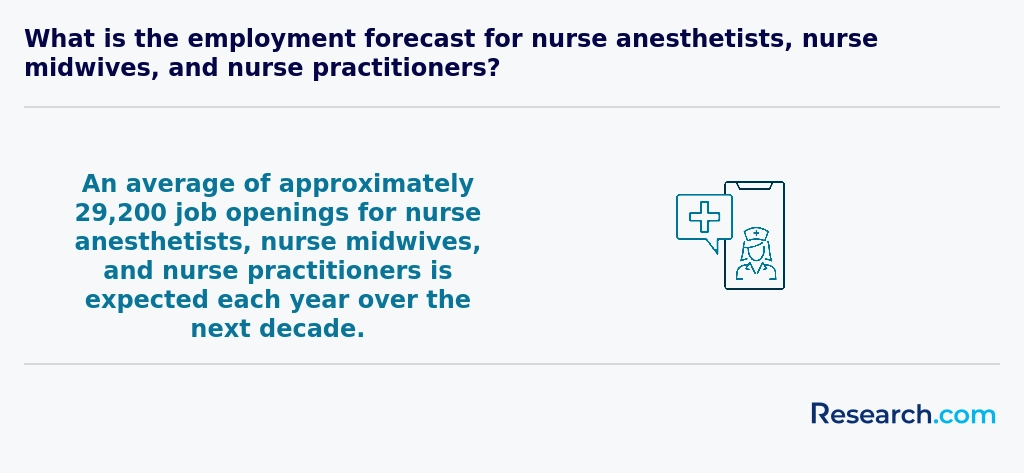
The job market for nursing degree graduates in Fort Worth is notably robust, fueled by a growing healthcare sector and diverse employment opportunities. Many graduates from respected local institutions find rewarding roles quickly, whether in hospitals or community clinics. Their experiences often highlight the advantage of studying in Fort Worth, where employers actively seek nurses at various levels, reflecting a positive nursing job outlook Fort Worth.
Graduates commonly share stories of securing positions in urgent care or rehabilitation centers shortly after completing programs at community colleges or universities. This strong connection between education and employment is supported by local healthcare providers who value hands-on training offered by Fort Worth schools. Such alignment makes it easier for students to transition from classroom learning to practical roles.
Considering the competitive yet accessible cost of nursing degrees here, it becomes clear why many pursue this path locally. The steady increase in healthcare employment opportunities Fort Worth-wide means recent graduates often feel confident stepping into jobs that support both personal growth and community health. For details on navigating these nursing career opportunities, students find guidance invaluable.
2027 Most Affordable Nursing Degree Programs Ranking in Fort Worth
Investing in your education is a significant decision that can shape your future, and the Research.com team understands the importance of making informed choices. To assist prospective students in Fort Worth, we have meticulously crafted the "2027 Most Affordable Nursing Degree Programs Ranking in Fort Worth." Our commitment to quality, credibility, and accuracy is reflected in the extensive research and analysis conducted to compile this ranking.
We utilized the following reputable data sources to ensure a comprehensive evaluation of nursing programs:
By exploring this ranking, readers will gain valuable insights into the most affordable nursing degree programs available in Fort Worth, assisting them in making informed and confident decisions about their educational paths. For more details on our methodology, please visit our Research.com methodology page.


Frequently Asked Questions About nursing
Students pursuing nursing degrees in Fort Worth can enhance their learning by combining classroom education with hands-on clinical practice. Local hospitals like Texas Health Harris Methodist and John Peter Smith Health Network offer valuable clinical placement opportunities, which are essential to gaining real-world experience.
Engaging in study groups and leveraging campus resources such as simulation labs also help reinforce nursing skills. According to the Texas Board of Nursing, practical experience paired with academic study significantly improves NCLEX pass rates, currently around 87% statewide.
Additionally, students should stay informed about Fort Worth's healthcare trends and certification requirements to align their education with regional demand.
The nursing field is rapidly evolving, with several emerging niches offering new career opportunities for students in Fort Worth. One significant area is gerontological nursing, which focuses on elder care due to the aging U.S. population. Texas ranks among states with a high percentage of residents aged 65 and older, increasing the demand for nurses skilled in managing chronic conditions common among seniors.
Another growing specialty is telehealth nursing. This niche uses technology to provide remote patient care, which has expanded greatly since the COVID-19 pandemic. Telehealth allows nurses in Fort Worth to support rural or underserved communities effectively.
Finally, informatics nursing combines healthcare and IT, helping improve patient records and data management. According to the Texas Board of Nursing, demand for nurses with informatics expertise continues to rise statewide.
After completing a nursing degree in Fort Worth, preparing for the job market involves several key steps. First, obtaining licensure through the NCLEX-RN exam is essential to practice as a registered nurse in Texas. Fort Worth's healthcare sector is growing, with Texas Workforce Commission projections showing a 15% rise in nursing jobs from 2020 to 2030, signaling strong demand.
Networking is important; joining local organizations like the Texas Nurses Association can provide valuable connections. Additionally, gaining experience through internships or clinical rotations within Fort Worth-area hospitals helps build practical skills.
Continuing education and certifications, such as in critical care or geriatrics, improve employability. Staying informed about local job trends via platforms like the Texas Health and Human Services website can guide job hunting strategies effectively.
Employers in Fort Worth seek nursing graduates who demonstrate strong clinical skills and critical thinking abilities. According to the Texas Board of Nursing, proficiency in patient care procedures and the ability to adapt to fast-paced medical environments are essential for new nurses in the region.
Communication skills are highly valued, enabling nurses to collaborate effectively with healthcare teams and patients. Additionally, knowledge of electronic health records (EHR) is increasingly important due to widespread digital documentation in Fort Worth hospitals.
Fort Worth's healthcare sector, including major facilities like Texas Health Harris Methodist Hospital, emphasizes cultural competence and empathy, reflecting the city's diverse population. Time management and stress resilience also rank among top employer expectations.
Finding internships relevant to a nursing degree in Fort Worth involves exploring opportunities at local hospitals, clinics, and public health organizations. Leading providers such as Texas Health Resources and JPS Health Network frequently offer clinical internships and externships for nursing students. These institutions are known for partnering with universities like Texas Christian University and Texas Wesleyan University to provide practical experiences.
Students should also leverage their school's career services and nursing departments, which often maintain updated lists of approved internship programs. Websites like the Texas Board of Nursing provide resources to verify clinical placement standards and approved facilities.
Networking through local chapters of nursing associations, such as the Texas Nurses Association, can also uncover additional internship openings. Combining these resources increases chances of securing an internship that meets academic and licensure requirements.
Obtaining a nursing degree in Fort Worth significantly enhances career mobility and advancement opportunities within the local healthcare sector. According to the Texas Workforce Commission, Fort Worth's healthcare industry has grown steadily, creating demand for qualified nurses at various levels. A degree, whether an Associate's, Bachelor's, or higher, is often required for competitive positions and leadership roles.
Employers in Fort Worth increasingly prefer nurses with Bachelor of Science in Nursing (BSN) degrees, which correlate with higher salaries and promotional potential. The Texas Board of Nursing reports that nurses holding BSNs typically access expanded roles, including management, specialized care, and education. Additionally, certifications and advanced degrees further improve job prospects and salary scale.
Fort Worth's diverse healthcare facilities, including major hospitals such as Texas Health Harris Methodist and Baylor Scott & White, value degree-qualified professionals. This environment encourages continuous education, enabling nurses to shift easily between specialties or advance to nurse practitioner roles through graduate studies.
Studying for a nursing degree in Fort Worth equips students with skills essential for interdisciplinary collaboration. Nursing programs in the region emphasize teamwork with healthcare professionals such as physicians, social workers, and therapists. This prepares graduates to effectively contribute to diverse care teams.
Fort Worth's nursing curricula often incorporate simulation labs and clinical rotations in local hospitals like Texas Health Harris Methodist, allowing students to experience real-world interdisciplinary settings. According to the Texas Board of Nursing, nearly 70% of programs here include interprofessional education components, fostering communication and critical thinking.
Such training enhances adaptability, a key skill needed when managing complex patient needs alongside varied healthcare experts.
Choosing between a thesis and a non-thesis nursing degree program in Fort Worth depends on your career goals and learning preferences. Thesis programs typically require original research, ideal for students aiming for doctoral studies or research-focused roles. Non-thesis options focus on coursework and clinical practice, suitable for those seeking direct entry into nursing practice or leadership positions.
Fort Worth offers several accredited nursing programs through institutions like Texas Christian University and the University of North Texas Health Science Center, where program structures may differ. According to the Texas Board of Nursing, demand for nurse practitioners in the Dallas-Fort Worth area is growing by over 20% annually, favoring practical skills.
Assess factors such as time commitment and financing, as thesis programs may take longer and require additional resources. Speak with academic advisors to understand faculty expertise and research opportunities available locally.
Students based in Fort Worth who wish to study nursing abroad have several pathways available through partnering universities and exchange programs. Many nursing schools in the Fort Worth area, including institutions like Texas Christian University and University of North Texas Health Science Center, offer medical and nursing exchange opportunities in countries such as Ireland, Australia, and Canada. These programs allow students to complete clinical rotations internationally while earning credit toward their degrees.
Additionally, students can consider study-abroad programs accredited by the Commission on Collegiate Nursing Education (CCNE) or the Accreditation Commission for Education in Nursing (ACEN) to ensure quality and recognition in the U.S. workforce.
Fort Worth nursing students are encouraged to consult academic advisors and career services for information on required licensing exams upon return, like the NCLEX-RN, which remains mandatory regardless of international education.
Students pursuing nursing degrees in Fort Worth have access to several part-time job opportunities that complement their education. Positions such as certified nursing assistants (CNAs) or patient care technicians offer direct patient care experience, which is valuable for nursing practice. Fort Worth's healthcare sector, including Texas Health Harris Methodist Hospital, often hires part-time staff in these roles.
Other popular areas include medical scribing or pharmacy technician roles, which help students learn medical terminology and healthcare processes while maintaining flexible hours. According to the Texas Workforce Commission, healthcare support jobs in Fort Worth grew by 8% between 2021 and 2023, highlighting increasing opportunities for nursing students.
Nursing students in Fort Worth benefit from various networking opportunities that connect them with healthcare professionals and peers. Local hospitals such as Texas Health Harris Methodist Fort Worth and JPS Health Network often collaborate with nursing programs, offering clinical placements and events. These connections enable students to engage directly with experienced nurses and administrators.
Professional organizations like the Tarrant County Nurses Association host regular meetings and workshops, providing valuable platforms for students to build relationships and learn about job openings. Additionally, universities in Fort Worth frequently organize career fairs focused on nursing, attended by top regional healthcare recruiters.
Such access enhances both practical knowledge and employment prospects for nursing students, making Fort Worth a supportive environment for networking.
Alumni networks play a vital role in supporting nursing degree students in Fort Worth by offering valuable professional connections. Graduates from local programs often share job opportunities, internship recommendations, and clinical placement advice, which can be especially helpful in a competitive healthcare market.
Many Fort Worth nursing schools maintain active alumni groups that host events and mentoring programs. These enable current students to gain insights into workplace realities and build relationships with experienced nurses in the region.
According to the Texas Board of Nursing, networking through alumni associations contributes to higher job placement rates among graduates, as personal referrals remain influential in hiring decisions.
This ongoing support framework strengthens students' confidence and access to Fort Worth's healthcare institutions, including prominent systems like Texas Health Resources and JPS Health Network.
Customizing a nursing degree program in Fort Worth allows students to align their education with specific career goals. Many local colleges and universities offer electives and specialized tracks, such as gerontology, pediatrics, or emergency nursing. This flexibility helps students gain expertise in areas with high demand in Texas healthcare.
Students can also choose between traditional in-person classes or hybrid formats that combine online and face-to-face learning, accommodating work or family commitments. Additionally, clinical placements in Fort Worth hospitals provide hands-on experience in diverse medical settings, crucial for career preparation.
Consulting academic advisors helps tailor course choices toward desired certifications or advanced practice roles, ensuring education matches evolving nursing careers.
Nursing students in Fort Worth often face a variety of challenges specific to the demanding nature of the profession and local educational resources. Many balance rigorous clinical hours alongside academic coursework, which can exceed 40 hours per week. According to data from the Texas Board of Nursing, Fort Worth students must complete extensive hands-on training in diverse healthcare settings, adding to time pressures.
Financial stress remains significant, with average nursing program tuition in the area ranging from $7,000 to $15,000 per year. Additionally, competition for clinical placements in Fort Worth hospitals can limit practical experience opportunities, delaying graduation for some students.
Students also report the emotional toll of exposing themselves early to patient care environments, including dealing with illness and human suffering. Support services vary by institution, which may affect student success and well-being.
With a nursing degree in Fort Worth, graduates can pursue various professional certifications to enhance their careers and specialties. Common certifications include the Registered Nurse (RN) licensure, which is mandatory to practice and requires passing the NCLEX-RN exam. Beyond that, nurses can seek certifications like Certified Nurse Practitioner (CNP), Certified Nurse Educator (CNE), or specialty certifications in areas such as pediatrics, oncology, or critical care.
These credentials often require additional exams and clinical experience. According to the Texas Board of Nursing, Fort Worth nurses benefit from easy access to credentialing resources and continuing education providers locally. Pursuing certifications can increase job opportunities and salaries, supporting career growth within the region.
Writing a winning application for a nursing program in Fort Worth requires careful preparation and attention to detail. Begin by thoroughly researching local schools such as Texas Christian University and Texas Wesleyan University, noting their specific admission requirements. Fort Worth nursing programs often seek applicants with strong academic records, especially in biology and chemistry.
Include a clear and personal statement explaining your motivation for nursing, demonstrating an understanding of the profession's demands in the Fort Worth healthcare market. The city's growing medical sector underscores the importance of compassionate, skilled nurses.
Ensure you submit all required documents, such as transcripts, letters of recommendation, and standardized test scores like TEAS, where applicable. Meeting deadlines is critical, as programs are competitive due to rising local demand.
Nursing is recognized worldwide as a vital healthcare profession, offering diverse career opportunities. In the United States, including Fort Worth, nursing degrees are structured to meet rigorous standards set by bodies such as the American Association of Colleges of Nursing (AACN). Globally, the demand for nurses is increasing due to aging populations and chronic diseases, driving international interest in nursing education.
Fort Worth reflects this trend, with local hospitals experiencing steady nurse employment growth, projected at 12% through 2030 according to the U.S. Bureau of Labor Statistics. This highlights the strong global and local relevance of nursing as a career.
Many U.S. nursing programs, including those in Texas, emphasize cultural competence to prepare graduates for diverse patient populations. This global approach ensures nurses can work effectively in varied healthcare settings worldwide.
Gaining practical experience is essential when pursuing a nursing degree in Fort Worth. Most nursing programs in the area require clinical rotations, which allow students to work directly with patients in local hospitals, clinics, and healthcare facilities. Fort Worth's prominent healthcare institutions like Texas Health Harris Methodist Hospital and JPS Health Network frequently partner with nursing schools to offer these opportunities.
Nursing students can also participate in internships or externships arranged through their schools. These experiences provide hands-on skills in real healthcare settings. According to the Texas Board of Nursing, clinical hours are mandatory for state licensure, ensuring students gain sufficient practical training before graduation.
Choosing the right concentration within a nursing degree program in Fort Worth starts with understanding your career goals and interests. Nursing specialties such as pediatrics, geriatrics, or acute care each require different skills and training. Fort Worth offers diverse clinical settings, from large hospitals like Texas Health Harris Methodist to smaller community clinics, influencing practical experience opportunities.
Researching local job market trends is essential. The Texas Workforce Commission reports a steady demand for registered nurses, especially in specialized areas like critical care and mental health. Aligning your concentration with these growth areas can improve employment prospects.
Additionally, consider program accreditation and faculty expertise to ensure quality education that meets Texas Board of Nursing standards.
- 2027 Most Affordable Nursing Degree Programs Ranking in San Antonio
- 2027 Most Affordable Nursing Degree Programs Ranking in Memphis
- 2027 Most Affordable Nursing Degree Programs Ranking in Kansas City
- 2027 Most Affordable Nursing Degree Programs Ranking in Hattiesburg
- 2027 Most Affordable Nursing Degree Programs Ranking in El Paso
- 2027 Most Affordable Nursing Degree Programs Ranking in Lincoln
- 2027 Most Affordable Nursing Degree Programs Ranking in Mobile
- 2027 Most Affordable Nursing Degree Programs Ranking in Saint Louis
- 2027 Most Affordable Nursing Degree Programs Ranking in Omaha
- 2027 Most Affordable Nursing Degree Programs Ranking in Colorado Springs
See What Experts Have To Say About Studying Nursing
Read our interview with Nursing experts

Lisa Grubb
Nursing Expert
Assistant Professor
Johns Hopkins School of Nursing

- What Are the Best RN Certifications for Your Career? https://credenzahealth.com/career-advice/what-are-the-best-rn-certifications-for-your-career
- Nursing - WSEI University https://www.wsei.pl/en/admission/bachelors-degree/nursing-bachelor-degree/
- Top Nursing Skills U.S. Employers Want to See on Your Resume | O'Grady Peyton https://www.ogradypeyton.com/blog/job-seeker-resources/top-nursing-skills-u.s.-employers-want-to-see-on-your-resume
- Medical University of GdaÅsk https://admission.mug.edu.pl/29318.html
- How a BSN Prepares You for Graduate Nursing Degrees (MSN, DNP) https://blog.methodistcollege.edu/bsn-prepares-you-graduate-nursing-degrees
- Nursing School Near Fort Worth | WCU https://westcoastuniversity.edu/nursing-school-near-fort-worth
- THE FIELD OF NURSING - FIRST-DEGREE OF STUDIES https://wnoz.wum.edu.pl/pl/content/field-nursing-first-degree-studies
- How Much Can I Earn With a BSN? https://www.allnursingschools.com/bsn/salary/
- Client Challenge https://www.springerpflege.de/nursing-graduates-perceived-future-career-pathway-and-career-shi/50653658
- How to Choose the Right Nursing School for Your Career Goals | Archer Review https://www.archerreview.com/blog/how-to-choose-the-right-nursing-school-for-your-career-goals