
2027 Best Nursing Degree Programs Ranking in Louisville

Co-Founder and Chief Data Scientist
Exploring nursing programs in Louisville can feel overwhelming, but you're not alone. This article presents the 2027 Best Nursing Degree Programs Ranking in Louisville, thoughtfully created by the Research.com team of data scientists.
It's designed to help you navigate your options with clear, reliable information so you can find a program that fits your goals and lifestyle.
Getting a nursing degree opens doors to a fulfilling career focused on making a real difference. Whether you're starting fresh or advancing your skills, this guide supports your journey every step of the way.
Key benefits of getting nursing degree in Louisville
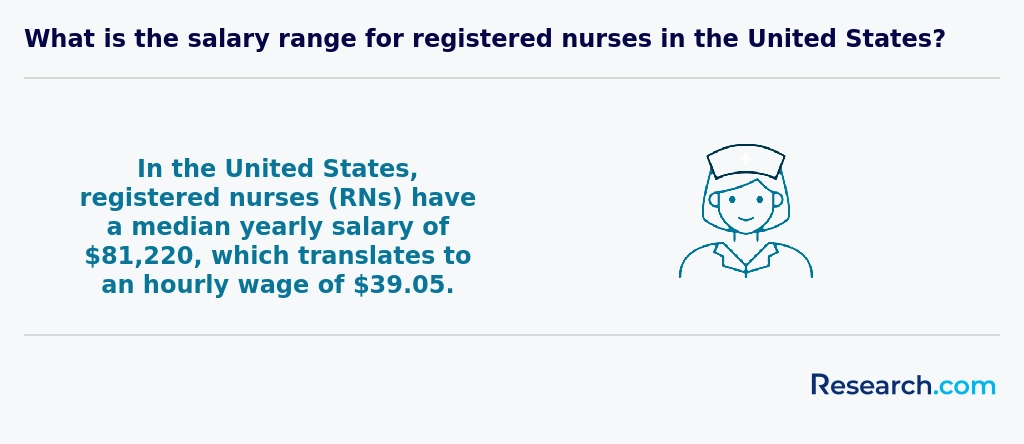
- Salary for nursing degree graduates: Graduates in Louisville can expect strong earnings, with Registered Nurses, Clinical Nurse Educators, Public Health Nurses, and Emergency Room Nurses earning a mean annual wage around $94,480, while Operating Room Nurses earn about $128,490.
- Potential career paths: Nursing graduates from local schools in Louisville often find diverse opportunities in hospitals, community health, or specialized units like emergency rooms, offering rewarding roles that impact patient care daily.
- Benefits of an online nursing degree: Earning a nursing degree online from a recognized Louisville university allows for flexible scheduling and learning at your own pace, perfect for balancing work and study while advancing your nursing career.
- 2027 Best Nursing Degree Programs Ranking in Louisville
- What can I expect from nursing degree in Louisville?
- Where can I work with nursing degree in Louisville?
What can I expect from nursing degree in Louisville?
The average tuition for a Bachelor of Science in Nursing (BSN) degree in Louisville hovers around $10,000 per year for in-state students, making it a financially feasible option for many local learners. Graduates from programs at the University of Louisville or Bellarmine University often reflect on how this investment opened doors to fulfilling careers in healthcare without overwhelming debt. Out-of-state students should anticipate higher tuition fees, yet financial aid options and scholarships offered by these institutions frequently help ease this burden.
Many nursing students appreciate how affordable tuition combines with strong clinical partnerships, like those with Norton Healthcare, to create valuable hands-on experiences. One graduate describes the reassurance felt knowing their tuition not only supported classroom learning but also access to real hospital environments that built their confidence for licensing exams and future job success.
Looking ahead, expanding financial support and evolving program offerings may further enhance accessibility and affordability for nursing hopefuls in Louisville, helping more students embrace the rewarding nursing profession with less financial stress.
Where can I work with nursing degree in Louisville?
Graduates with a nursing degree from well-known Louisville institutions often find themselves stepping confidently into diverse healthcare roles right after graduation. Many quickly secure positions at Norton Healthcare, where the fast-paced environment of emergency departments and intensive care units tests and hones their clinical skills daily. Others choose the University of Louisville Hospital for its unique blend of specialty care and research opportunities, enabling nurses to contribute to advancing medical knowledge while delivering patient care.
Recent graduates share how working in outpatient clinics or primary care centers has allowed them to build meaningful relationships through chronic disease management and patient education. These roles offer a rewarding balance of clinical practice and community impact that resonates deeply with new nurses.
With Louisville's growing senior population, many emerging nurses discover fulfilling careers in long-term care or in-home health services, providing compassionate support that transforms patients' lives. The city's expanding behavioral health programs also open doors to mental health nursing careers, encouraging nurses to address substance abuse and community wellness with innovative approaches.
Graduates with a nursing degree in Louisville can anticipate strong earning potential supported by robust local demand and competitive pay scales. Registered Nurses in Louisville typically earn a mean annual wage around $94,480, closely matching data for roles such as Clinical Nurse Educator and Public Health Nurse. This salary level reflects experiences shared by graduates from popular institutions like the University of Louisville, where many new nurses find rewarding positions in both hospitals and community health settings.
Specializing can further elevate earnings. For example, Operating Room Nurses command an average salary of $128,490 annually in the region, demonstrating a clear financial advantage for those pursuing advanced practice areas. Graduates often describe their transitions from coursework into clinical roles as empowering, with opportunities to grow into leadership or specialized functions that noticeably boost paychecks.
Moreover, nurses working shifts with premiums or overtime in Louisville report enhanced income, sometimes exceeding initial expectations. With healthcare expanding and an aging population, these roles promise continued growth and stability - making nursing not just a calling but a financially savvy career choice in Louisville's evolving medical landscape.
- Louisville offers nursing programs ranging from LPN certificates to BSN and MSN degrees at both public and private colleges.
- Tuition varies by program, with ADN programs costing $8,000 to $15,000 and BSN programs ranging from $20,000 to $40,000.
- New nursing graduates in Louisville earn an average starting salary of $58,000 to $62,000 annually, with experienced RNs averaging about $75,000.
- Nurses can find jobs in hospitals, outpatient clinics, and long-term care facilities, benefiting from steady employment growth in the area.
- Passing the NCLEX-RN exam is required for licensure in Kentucky, and local schools offer exam preparation and clinical rotations with major medical centers.
Completing a nursing degree in Louisville varies but often fits well into busy lifestyles thanks to diverse program lengths. Graduates from Jefferson Community & Technical College typically spend about 2 to 3 years finishing their Associate Degree in Nursing, balancing hands-on clinical work with classroom learning. Many describe this as an achievable timeline that quickly launches them into the rewarding roles of registered nurses.
Meanwhile, those enrolled at the University of Louisville pursuing a Bachelor of Science in Nursing usually anticipate committing around 4 years. Graduates speak enthusiastically about the depth of education, emphasizing how the extended timeframe enriches their leadership and research skills, making the investment worthwhile for long-term career growth.
Accelerated BSN programs in Louisville are increasingly popular among students eager for speed without sacrificing quality, completing their degrees in roughly 12 to 18 months. These graduates often highlight the intense but exhilarating pace, appreciating how it swiftly transforms their previous bachelor's degrees into nursing careers.
Looking ahead, with evolving online and hybrid learning options, future students in Louisville might experience even more flexible timelines, blending part-time study with clinical placements to suit individual schedules and professional goals.
To make an informed decision about pursuing a nursing degree, it's essential to consider the affordability of programs. Prospective students can explore affordable nursing programs in kentucky to find options that fit their budget. Many institutions in Louisville, such as the University of Louisville and Jefferson Community and Technical College, offer competitive pricing for their nursing programs. By researching and comparing the costs of different programs, students can make a more informed decision about their educational investment. Additionally, factors such as financial aid, scholarships, and job placement rates should also be taken into account when evaluating the affordability of a nursing program.
Graduates from the University of Louisville School of Nursing often describe on-campus programs as immersive experiences where direct interaction with professors and hands-on clinical training at places like Norton Healthcare make learning tangible and immediate. The ability to walk into a hospital for clinical hours creates a sense of confidence and community that many find inspiring.
In contrast, those who pursued online RN-to-BSN programs highlight the flexibility these courses offer, fitting study sessions around shifting work hours or family life. Though they balance digital lectures with remote assignments, the real challenge-and reward-comes from arranging clinical placements in Louisville's healthcare facilities, fostering independence and self-drive that shape proactive nurses.
Looking ahead, hybrid models might blend these strengths, letting students enjoy in-person mentorship alongside accessible online content, all while maintaining strong local clinical connections. This could revolutionize nursing education in Louisville, marrying convenience and experiential learning to better prepare future nurses.
As the healthcare landscape evolves, many nursing graduates in Louisville, KY, seek pathways to advance their careers through flexible, high‐quality online programs. Continuing education not only deepens clinical expertise but also opens doors to leadership roles, specialized practice, and teaching positions. Working professionals appreciate the convenience of asynchronous coursework, virtual simulations, and interactive discussion boards that accommodate shift work and family commitments. Popular online advanced offerings include Master of Science in Nursing (MSN) tracks in nurse leadership, family nurse practitioner (FNP) concentrations, and post‐licensure bridge programs such as RN-to-BSN. These programs often feature cohort models that foster peer collaboration, regular faculty mentorship via video conferences, and access to digital libraries for evidence-based practice research. Graduates report that earning an online MSN or DNP enhances their competitiveness for roles in clinical management, policy development, and academic instruction. Cost considerations are paramount for continuing‐education candidates. Those exploring affordable, accredited online options outside Kentucky may review the Cheapest Online Nursing Degree Programs Ranking in Illinois, which highlights programs with the lowest tuition rates and highest return on investment. By comparing program outcomes-such as graduation rates, NCLEX pass rates, and alumni satisfaction-nurses can identify online pathways that balance affordability with academic rigor. In addition to degree programs, online certificate courses in areas like geriatric care, oncology nursing, and nurse informatics support targeted upskilling. These short‐term credentials, often completed in 6–12 months, enable nurses to respond swiftly to emerging patient‐care demands. Ultimately, leveraging online advancement opportunities empowers Louisville’s nursing workforce to meet future healthcare challenges with specialized knowledge and leadership acumen.
The average cost of a nursing degree in Louisville typically ranges based on the type of program and the institution attended. For in-state students, an associate degree at community colleges often costs around $5,000 per year, as seen with programs like those at Jefferson Community and Technical College. Meanwhile, pursuing a Bachelor of Science in Nursing (BSN) at public universities, such as the University of Louisville, may have a yearly tuition near $11,000. These figures contribute to a median in-state total cost around $29,200, reflecting the cumulative expense over the program length.
Graduates often share how this financial investment feels manageable and worthwhile given the professional opportunities that follow. Many appreciate the affordability combined with quality education, which motivates them through the demanding clinical hours and coursework. However, beyond tuition, it's important to consider additional costs like textbooks, uniforms, and clinical fees, which can add up quickly.
Given rising costs nationwide, Louisville's nursing programs remain competitive, closely aligning with average expenses seen in other states. Prospective students should explore scholarships and financial aid, helping to ease the total expenses for nursing programs in Louisville. Those seeking guidance might benefit from reviewing lists of affordable nursing programs in kentucky to find options tailored to their financial and educational goals.

Nursing programs in Louisville stand out for their distinguished faculty, many of whom hold advanced degrees and board certifications in specialties such as critical care, pediatrics, and gerontology. At the University of Louisville, instructors with years of bedside experience lead simulation lab sessions, while Spalding University professors publish peer-reviewed research on patient safety and community health. Small student-to-faculty ratios-often 10:1-ensure personalized feedback, both in classroom case studies and during clinical rotations at Norton Healthcare and Baptist Health. Mentorship extends beyond scheduled labs. Faculty advisors host weekly office hours to review NCLEX preparation strategies, ethical dilemmas, and evidence-based practice assignments. Peer-reviewed teaching methods, such as problem-based learning and team-teaching with nurse practitioners, foster critical thinking and professional confidence. Students frequently praise the Academic Success Center at Bellarmine University for providing dedicated tutoring in pharmacology and pathophysiology, led by graduate assistants who once served as frontline RNs. Accelerated pathways also benefit from expert instruction. For licensed practical nurses advancing their careers, options like the 9-month lpn to rn program online pair participants with faculty mentors who guide clinical skill refinement and portfolio development. This hands-on coaching model has been shown to boost first-time NCLEX pass rates by up to 15%. Ultimately, the commitment of Louisville’s nursing educators-to both research excellence and student success-creates a supportive learning environment. Their combined roles as clinicians, scholars, and advisors ensure that graduates are well-prepared for the complexities of modern healthcare.
Students pursuing nursing degrees at Louisville's well-known institutions often find financial aid options both accessible and encouraging. For instance, many graduates recall how the Federal Pell Grant, offering up to $7,395 annually, eased their tuition burdens significantly, allowing them to focus more on clinical practice and less on finances. The availability of Federal Direct Loans with subsidized interest while in school also provides critical breathing room, especially for those balancing coursework with part-time jobs.
State grants from the Kentucky Higher Education Assistance Authority are another valuable resource, frequently highlighted by students who appreciated local support tailored for Kentucky residents. Some graduates share stories of scholarships from Louisville-area hospitals that not only helped with tuition but also connected them to meaningful job placements after graduation.
Looking ahead, nursing students may soon benefit from expanding employer-sponsored loan repayment programs and scholarships from professional associations, increasingly designed to attract talent into local healthcare. These evolving financial aid avenues reflect a thriving community investment in nurturing Louisville's next generation of nurses.
For students seeking a quicker entry into the nursing profession, Licensed Practical Nurse (LPN) programs provide a streamlined pathway that balances foundational coursework with hands-on clinical experience. In Louisville, many community colleges and technical schools offer LPN certificates that can be completed in as little as 12–18 months, allowing graduates to enter the workforce rapidly. To explore accelerated practical nurse pathways, visit what is the fastest you can get your lpn? Licensed Practical Nurse programs typically cover core subjects such as anatomy, pharmacology, and patient care techniques, with clinical rotations in long-term care facilities and hospitals. Upon licensure, LPNs can pursue LPN-to-RN bridge programs-often available in part-time or hybrid formats-to earn an Associate Degree in Nursing (ADN) in an additional 12–24 months. These bridge tracks capitalize on LPN clinical credits, reducing overall time and cost compared to traditional RN programs. Key advantages of starting as an LPN include immediate employment opportunities, competitive wages, and a strengthened clinical skill set that enhances readiness for RN coursework. Institutions like Jefferson Community & Technical College and Sullivan University have formal articulation agreements with four-year universities, ensuring seamless transfer of credits into BSN programs. Students should verify NCLEX-PN pass rates, tuition fees, and clinical site partnerships when selecting a program. By leveraging fast-track LPN options and bridge programs, prospective nurses in Louisville can tailor their educational journey to personal schedules and career goals, ultimately achieving RN status more efficiently while gaining valuable patient-care expertise.
Enrolling in a nursing degree program in Louisville often starts with having a high school diploma coupled with strong grades in biology, chemistry, and math-subjects that graduates from the University of Louisville and Bellarmine University frequently highlight as crucial for their success. Many students recall that excelling in these courses gave them confidence when diving into challenging nursing concepts later on.
Beyond academics, standardized tests like the SAT or ACT remain essential, with competitive scores improving admission prospects. Graduates often describe how meeting these benchmarks opened doors to Louisville's selective nursing programs, where roughly 60-65% of applicants gain acceptance.
Health clearances, including immunizations and background checks, are also prerequisites, reflecting the real-world responsibility students face when caring for patients in clinical environments. Many recall the reassurance they felt once cleared, knowing they were prepared to contribute safely to healthcare teams.
Finally, future students can expect to take college-level prerequisites such as anatomy and microbiology before fully launching into their nursing studies. These courses, noted by many graduates, provide a welcoming challenge that lays the groundwork for a rewarding nursing career in Louisville's vibrant medical community.
- Fast-track clinical training at Louisville’s top Magnet-status hospitals for real-world experience
- Competitive tuition rates balanced with high graduate ROI and strong licensure prep
- Diverse pathways from ADN to BSN and MSN, including flexible RN-BSN options like the cheapest online rn to bsn programs
- Robust local healthcare network offering residency programs and job placement support
- High demand for skilled nurses in Louisville’s growing hospitals, clinics, and community health centers
Nursing degree programs in Louisville typically include courses like Human Anatomy and Physiology, Microbiology, and Pharmacology, which build a strong foundation in understanding the human body and medications. Graduates from popular local colleges often recall the excitement of learning these subjects through hands-on labs and interactive simulations that bring textbook concepts to life.
Core classes in Pathophysiology deepen students' insight into disease impacts, helping them predict patient needs in real clinical settings, such as those in Louisville's prominent hospitals where students complete rotations. Many find courses like Nursing Fundamentals particularly rewarding, where they practice essential skills like patient assessments and communication, fostering confidence for their first patient care experiences.
More specialized courses-such as Medical-Surgical Nursing, Pediatric Nursing, and Mental Health Nursing-reflect the evolving demands of healthcare in Louisville's diverse communities. With clinical rotations integrated at well-known local healthcare facilities, students feel prepared and inspired by witnessing the direct impact of their studies on patient recovery.
Students pursuing a nursing degree in Louisville often choose from a variety of specializations that reflect the city's healthcare demands and evolving industry trends. Many Louisville nursing programs with specialties focus on areas like Adult-Gerontology and Family Nurse Practitioner tracks, which graduates describe as deeply rewarding because they enable care for diverse patient populations, from elderly patients to entire families. These specializations prepare students for hands-on roles in hospitals and community clinics, fostering real-world skills that reflect Louisville's healthcare environment.
Other exciting specializations, such as Pediatric Nursing and Psychiatric-Mental Health Nursing, attract students passionate about making a difference in children's and mental health care. Local programs also emphasize Emergency and Critical Care Nursing, enabling graduates to thrive in Louisville's busy trauma centers, where teamwork and calm under pressure are vital. Aspiring nurses can explore these fields through degree offerings tailored to both undergraduate and advanced levels, reinforcing Louisville's strong reputation for nursing education.
Choosing a specialization often sparks enthusiasm, as students witness firsthand the impact of their skills. For those looking for accelerated paths, Louisville offers opportunities like the 9-month lpn to rn program online, blending flexibility with strong clinical training. Overall, pursuing nursing degree specializations in Louisville opens doors to dynamic careers deeply connected to community health needs and innovative care practices.
Choosing the best nursing degree programs in Louisville involves envisioning how your education will shape your future in healthcare. Graduates from local institutions often highlight how pursuing a BSN at the University of Louisville opened doors to leadership roles and advanced specialties, reflecting a growing trend where employers seek nurses with higher credentials. Many appreciate how affordable nursing schools in Louisville KY, like Louisville Community College, offer accessible entry points without sacrificing quality, making nursing education both practical and hopeful for career progression.
Look beyond tuition costs to program accreditation and hands-on experiences. Students who engaged with clinical rotations through partnerships with Norton Healthcare often describe feeling confident and ready for the workforce, emphasizing how vital these immersive opportunities are. As nursing education evolves, flexible scheduling becomes key; several graduates balance part-time or online courses with work and family, a future-friendly approach that Louisville schools increasingly support.
For those curious about accelerated paths, it's worth exploring what is the fastest you can get your lpn?, which reflects emerging trends in rapid certification while maintaining standards. Choosing the right nursing degree in Louisville means imagining your growth, supported by localized resources and programs designed to foster success in a dynamic healthcare environment.
Graduates with a nursing degree in Louisville find a dynamic range of career paths reflecting the city's expanding healthcare landscape. Many nursing students from popular institutions like the University of Louisville share how their hands-on experiences at local hospitals prepare them for roles as Registered Nurses (RNs), specializing in high-demand fields such as pediatrics and critical care. The nursing career opportunities in Louisville extend beyond bedside care, with pathways into advanced practice roles like Nurse Practitioners and Nurse Anesthetists, requiring further education but offering rewarding challenges and increased salaries.
Others explore opportunities as Licensed Practical Nurses (LPNs), providing essential support in nursing homes and rehabilitation centers. The collaborative environments nurtured in Louisville's colleges foster confidence among graduates ready to address community health needs. Additionally, many graduates pursue careers in healthcare administration and public health nursing, contributing to the city's evolving wellness initiatives, while some find fulfillment in medical research and education.
For those balancing work and study, exploring resources such as the Cheapest Online Nursing Degree Programs Ranking in Illinois offers affordable educational options that bolster the Louisville nursing degree job outlook.
The job market for nursing degree graduates in Louisville is projected to grow steadily, fueled by the city's expanding healthcare needs and population demographics. Graduates from universities known for their nursing programs often find rewarding roles within Norton Healthcare or Baptist Health Louisville, where the demand for skilled nurses continues to rise. These opportunities create a dynamic environment for new nurses eager to make a difference in areas like outpatient care and specialized treatments.
Many recent graduates share positive experiences about the supportive learning environment in Louisville's colleges, which prepare them well for diverse nursing career paths. Practical exposure combined with competitive salaries around $62,000 for registered nurses aligns well with Louisville's moderate living costs. Nursing students often explore pathways through licensed practical nurse positions or nursing assistant roles before advancing.
For those concerned about education costs, local community colleges offer affordable routes, and financial aid helps reduce barriers. Students seeking flexibility find attractive options in best online associate degrees in 6 months, making Louisville an inviting landscape for nursing degree job outlook Louisville and career growth.
2027 Best Nursing Degree Programs Ranking in Louisville
Investing in your education is a significant decision that can shape your future, and the Research.com team understands the importance of making informed choices. To assist prospective students in Louisville, we have meticulously crafted the "2027 Best Nursing Degree Programs Ranking in Louisville." Our commitment to quality, credibility, and accuracy is reflected in the extensive research and analysis conducted to compile this ranking.
We utilized the following reputable data sources to ensure a comprehensive evaluation of nursing programs:
By exploring this ranking, readers will gain valuable insights into the best nursing degree programs available in Louisville, helping them make informed decisions about their educational paths. For more details on our methodology, please visit our Research.com methodology page.


Frequently Asked Questions About nursing
Students pursuing nursing degrees in Louisville can enhance their learning by engaging with clinical experiences offered by local hospitals like Norton Healthcare and KentuckyOne Health. These partnerships provide hands-on skills critical for nursing competence. Supplementing coursework with simulation labs available at institutions such as the University of Louisville helps bridge theory and practice effectively.
Joining student nursing organizations and attending workshops fosters professional networking and leadership development. Louisville also hosts continuing education seminars through the Kentucky Board of Nursing, which keeps students informed about evolving industry standards.
Additionally, accessing resources at the Louisville Free Public Library and utilizing online databases supported by local universities can deepen understanding of nursing topics and evidence-based practices.
Emerging niches within the nursing field are expanding rapidly, reflecting shifts in healthcare needs across the US, including Louisville. One prominent area is gerontological nursing, focusing on elder care due to Louisville's growing senior population. According to the Louisville Metro Health Department, the region's 65+ demographic is expected to rise significantly by 2030, increasing demand for specialized care.
Another fast-growing niche is telehealth nursing. The COVID-19 pandemic accelerated remote healthcare delivery, and nurses skilled in virtual patient monitoring and digital communication are now in high demand. This offers flexibility and broadens access to care in Kentucky's urban and rural areas.
Finally, nurse informaticists combine clinical knowledge and data analytics to improve patient outcomes. Louisville's expanding health technology sector supports this role, making it an attractive specialization for new nursing professionals.
Graduates with a nursing degree in Louisville should begin job market preparation by obtaining licensure through the NCLEX-RN exam, a requirement for all registered nurses in Kentucky. According to the Kentucky Board of Nursing, passing this exam is essential for employment in local healthcare facilities. Additionally, gaining clinical experience via internships or externships offered by Louisville hospitals like Norton Healthcare can enhance employability.
Building a strong professional network is vital. Joining local chapters of national organizations such as the Kentucky Nurses Association provides access to job leads and continuing education. Louisville's healthcare sector is growing, with a projected nursing job increase of 9% through 2030 according to the U.S. Bureau of Labor Statistics, making timely job market entry advantageous.
Employers in Louisville highly value nursing graduates who demonstrate strong clinical skills and critical thinking abilities. According to the Kentucky Board of Nursing, proficiency in patient assessment, medication administration, and infection control are essential competencies. Communication skills also rank prominently, as nurses must effectively interact with patients, families, and healthcare teams.
Additionally, adaptability and cultural competence are crucial given Louisville's diverse population and evolving healthcare environment. Data from the Louisville Healthcare Workforce Report (2023) highlights that 78% of local employers prioritize candidates with experience in electronic health records (EHR) systems. Time management and ethical decision-making further enhance a graduate's employability.
Finding nursing internships in Louisville involves a few strategic steps. Start by contacting local hospitals like Norton Healthcare and University of Louisville Hospital, as they frequently offer clinical internship opportunities for nursing students. These major health systems collaborate closely with nursing schools to provide hands-on experience.
Next, explore partnerships between Louisville-based nursing programs and healthcare facilities; for example, the University of Louisville's School of Nursing maintains internship placements with various community clinics. Networking through faculty members and attending local nursing career fairs can also uncover available internships.
Additionally, use the Kentucky Board of Nursing's website for internship rules and approved clinical sites in Louisville. Research from the Kentucky Center for Nursing reports a steady increase in internship offerings, reflecting the region's demand for skilled nurses.
A nursing degree in Louisville significantly enhances career mobility and advancement opportunities. The region's growing healthcare sector, including renowned hospitals like Norton Healthcare, creates high demand for qualified nurses. According to the Kentucky Board of Nursing, licensed nurses with advanced degrees have better chances of moving into specialized roles or leadership positions.
Obtaining a Bachelor of Science in Nursing (BSN) or higher often leads to higher salaries and eligibility for roles like nurse practitioner or nurse manager. Local healthcare employers frequently prefer candidates with degrees due to their comprehensive training in evidence-based practices and patient care.
Additionally, Louisville's proximity to multiple academic institutions allows nurses to pursue continuing education, further supporting career growth.
Studying for a nursing degree in Louisville equips students with skills essential for interdisciplinary healthcare teams. Local nursing programs emphasize collaboration with professionals in medicine, pharmacy, social work, and therapy. This approach reflects Louisville's integrated healthcare systems, where nurses engage in joint decision-making and care planning.
Courses often include case studies and clinical rotations in diverse settings, promoting understanding of different roles. The University of Louisville School of Nursing reports that over 80% of its graduates feel confident working in team environments after completing their programs. Additionally, exposure to community health organizations in Louisville fosters communication skills with various healthcare providers and patients.
Choosing between a thesis and a non-thesis nursing degree program in Louisville depends on your career goals and learning preferences. Thesis programs emphasize original research and may suit students aiming for advanced clinical roles or doctoral studies. Non-thesis options focus more on practical skills and coursework, ideal for those seeking immediate employment in nursing roles.
In Louisville, nursing programs often align with national trends, where about 30% of graduate nursing students pursue thesis tracks, according to the American Association of Colleges of Nursing (AACN). Local employers value both paths but prioritize clinical experience.
Consider your interest in research, the time commitment for thesis work, and your professional objectives when deciding.
Students based in Louisville interested in studying nursing abroad have several pathways to consider. Many universities in Louisville, such as the University of Louisville School of Nursing, offer study abroad programs or international clinical placements through partnerships with institutions worldwide. These opportunities allow students to gain diverse clinical experience while earning credits toward their nursing degrees.
Additionally, some Louisville nursing programs participate in exchange agreements with schools in countries like Ireland and Australia. These partnerships typically last a semester and focus on global health practices. According to the American Association of Colleges of Nursing, international clinical experience is increasingly valued in nursing education.
Prospective students should also explore accredited online nursing programs with international components or summer abroad sessions to further enhance their global nursing perspective.
Part-time job opportunities in Louisville that complement nursing degree education often include roles such as certified nursing assistant (CNA), medical scribe, and patient care technician. These positions provide hands-on experience essential for nursing students, allowing them to apply classroom knowledge to real healthcare settings.
According to the Kentucky Board of Nursing, certification as a CNA can be achieved relatively quickly, making it an accessible option for students seeking clinical experience while studying. Louisville's healthcare sector includes major employers like Norton Healthcare and KentuckyOne Health, which frequently offer part-time roles aligned with nursing education.
Additionally, jobs as medical scribes help students improve their clinical documentation skills, a critical component of nursing care. These roles often require flexible schedules, ideal for students balancing coursework.
Working in community health organizations or local clinics can also enrich students' understanding of public health issues in Louisville, enhancing their education with insights into the region's specific healthcare needs.
Nursing students in Louisville benefit from various networking opportunities that enhance their professional growth. Local universities like the University of Louisville offer student nursing organizations such as the Student Nurses Association, which regularly hosts events and workshops. These groups provide valuable connections with peers and faculty.
The Louisville Metro Area also boasts access to healthcare facilities where students can complete clinical placements, fostering relationships with practicing nurses and healthcare leaders. Organizations such as the Kentucky Nurses Association host local chapters that conduct meetings, conferences, and career fairs specifically for nursing students and professionals in the region.
According to the Kentucky Board of Nursing, Louisville's growing healthcare sector supports these networking efforts by providing numerous job-shadowing and internship opportunities. Students can leverage these experiences to build professional contacts early in their careers.
Alumni networks offer significant advantages to nursing degree students in Louisville by providing valuable professional connections and mentorship opportunities. Graduates from local nursing programs often remain active within these networks, sharing job openings and clinical insights tailored to the Louisville healthcare environment.
According to the Kentucky Board of Nursing, Louisville's healthcare sector is rapidly growing, increasing the demand for skilled nurses. Alumni networks help students navigate this competitive market by facilitating introductions to employers such as Norton Healthcare and Baptist Health.
Moreover, these networks provide access to continuing education resources and workshops, supporting lifelong learning essential for nursing licensure renewal in Kentucky.
Customizing a nursing degree program in Louisville allows students to align their education with specific career goals. Many local institutions offer flexible options such as choosing between Associate, Bachelor's, or advanced degrees in Nursing. Students can select electives focused on specialties like pediatric, geriatric, or psychiatric nursing to tailor their expertise.
Clinical placements are often available within Louisville's diverse healthcare settings, providing hands-on experience that matches career interests. Some schools also offer part-time and online courses, accommodating working professionals. According to the Kentucky Board of Nursing, Louisville expects a 15% growth in RN positions through 2030, highlighting the value of specialized training.
Nursing students in Louisville commonly face several challenges throughout their education. One significant hurdle is balancing demanding clinical rotations with academic coursework. Louisville's hospitals, such as Norton Healthcare and UofL Health, offer diverse clinical experiences, but these often come with irregular hours and high stress levels, which can impact students' time management.
Another challenge is the competitive nature of nursing programs. Admission rates at local universities like the University of Louisville's School of Nursing are selective, reflecting growing demand and high academic standards. Students must maintain strong GPAs to progress successfully.
Additionally, financial constraints affect many students. The cost of nursing programs in Louisville varies, but expenses for tuition, textbooks, and licensing exams can be considerable. According to the Kentucky Board of Nursing, retention rates show some students struggle to complete programs due to these pressures.
With a nursing degree in Louisville, graduates can pursue several professional certifications to advance their careers. Common certifications include the Certified Nurse Assistant (CNA), Registered Nurse (RN) licensure, and the Advanced Practice Registered Nurse (APRN) credentials such as Nurse Practitioner or Clinical Nurse Specialist. The American Nurses Credentialing Center (ANCC) offers specialty certifications recognized nationwide.
Louisville's healthcare sector favors certifications that demonstrate expertise in areas like geriatrics, pediatrics, and critical care. According to the Kentucky Board of Nursing, about 75% of nurses in Louisville hold at least one specialty certification, underscoring its value in the local job market.
Certification requirements vary but often include clinical experience and passing a national exam. These credentials not only improve job prospects but can lead to higher salaries and advanced responsibilities within Louisville's healthcare facilities.
Writing a winning application for a nursing program in Louisville requires careful preparation and attention to detail. Start by researching programs accredited by the Commission on Collegiate Nursing Education (CCNE) or the Accreditation Commission for Education in Nursing (ACEN), both recognized nationwide.
Highlight your academic achievements, especially in science and math courses. Many Louisville nursing programs look for a minimum GPA of 3.0. Include any healthcare experience or volunteer work, which strengthens your application by demonstrating commitment.
Craft a clear, concise personal statement explaining why you want to be a nurse and how you plan to contribute to Louisville's healthcare community. Letters of recommendation from professionals familiar with your work can support your application.
Nursing is a globally respected profession, with consistent demand driven by aging populations and healthcare advancements. In the United States, including Louisville, nurses are vital to the healthcare system, benefiting from structured education and licensure processes. According to the Bureau of Labor Statistics, registered nursing jobs are expected to grow 6% nationally from 2021 to 2031, reflecting strong career stability.
Globally, the nursing profession varies in scope, but the emphasis on advanced degrees and specialized training is increasing. Louisville's nursing programs align with these trends by offering Bachelor of Science in Nursing (BSN) degrees, which meet international standards for quality care.
For Louisville students, nursing opens doors domestically and abroad due to agreements recognizing US nursing credentials, enhancing career mobility. Local data from the Kentucky Board of Nursing highlights a rise in BSN-prepared nurses, supporting this global competitiveness.
Gaining practical experience while studying for a nursing degree in Louisville is essential for building skills and confidence. Most accredited nursing programs in the area incorporate clinical rotations as part of their curriculum. These rotations typically take place in local hospitals and healthcare facilities, such as Norton Healthcare and KentuckyOne Health, providing students with hands-on patient care experience.
Additionally, nursing students can explore internships and volunteer opportunities available through Louisville's medical centers and community clinics. These experiences supplement classroom learning and help students understand real-world healthcare challenges. According to the Kentucky Board of Nursing, clinical hours are required for licensure, so gaining practical experience during studies is both a regulatory and educational requirement.
Choosing the right concentration within a nursing degree program in Louisville involves evaluating your career goals and the local healthcare demand. Louisville has a growing need for registered nurses in specialties like geriatrics and mental health, reflecting the city's aging population and expanding behavioral health services, according to data from the Kentucky Board of Nursing.
Consider concentrations such as family nurse practitioner or pediatric nursing if you prefer outpatient or child-focused care. Research the licensing requirements for each specialty with the Kentucky Board of Nursing to ensure alignment with your long-term plans.
Also, review program offerings from local schools like the University of Louisville, which provides diverse clinical placement opportunities in nearby hospitals, enhancing practical experience in chosen fields.
- 2027 Best Nursing Degree Programs Ranking in Indianapolis
- 2027 Best Nursing Degree Programs Ranking in Saint Louis
- 2027 Best Nursing Degree Programs Ranking in Peoria
- 2027 Best Nursing Degree Programs Ranking in Chicago
- 2027 Best Nursing Degree Programs Ranking in Cleveland
- 2027 Best Nursing Degree Programs Ranking in Detroit
- 2027 Best Nursing Degree Programs Ranking in Atlanta
- 2027 Best Nursing Degree Programs Ranking in Birmingham
- 2027 Best Nursing Degree Programs Ranking in Pittsburgh
- 2027 Best Nursing Degree Programs Ranking in Milwaukee
See What Experts Have To Say About Studying Nursing
Read our interview with Nursing experts


- Louisville: Tuition & Admission | Galen College of Nursing https://galencollege.edu/campuses/louisville/tuition-admission
- THE FIELD OF NURSING - FIRST-DEGREE OF STUDIES https://wnoz.wum.edu.pl/pl/content/field-nursing-first-degree-studies
- How Do Nurses Prepare to Work in a Multidisciplinary Team? | NursingEducation https://nursingeducation.org/insights/multidisciplinary-team/
- Registered Nursing - ATA College https://www.ata.edu/campus/louisville-ky/registered-nursing/
- Nursing Internships Abroad: An Introduction - RealStep https://www.real-step.com/en/articles/nursing-internships-abroad/
- Career Advancement Pathways for Nurses : Expert RN shares 10+ Professional growth opportunities - MuminMed https://blog.muminmed.com/career-advancement-pathways-for-nurses/
- Nursing Careers at Baptist Health Louisville - Baptist Health https://www.baptisthealth.com/careers/our-locations/louisville/nursing-careers
- How to Choose the Right Nursing Program for Your Career Goals - Maria College https://mariacollege.edu/blog/how-to-choose-the-right-nursing-program-for-your-career-goals
- How to Write https://esign.com/letter-of-intent/school/nursing/
- Top Skills Employers Want in Practical Nursing Graduates https://vervecollege.edu/what-employers-look-for-in-practical-nursing-graduates/


