
2027 Best Nursing Degree Programs Ranking in New Haven

Co-Founder and Chief Data Scientist
Choosing the right nursing degree program in New Haven is an important step toward a rewarding career in healthcare. This article features the 2027 Best Nursing Degree Programs Ranking in New Haven, carefully created by the Research.com team of data scientists to guide you in making an informed decision.
By exploring this ranking, you'll discover programs that offer strong education and growth opportunities. Whether you're starting your nursing journey or advancing your career, a quality nursing degree can open doors to fulfilling work helping others.
Key benefits of getting nursing degree in New Haven
- Salary for nursing degree graduates: Graduates can expect competitive wages, with Registered Nurses and Emergency Room Nurses earning around $94,480 annually, while Operating Room Nurses can earn even higher salaries, averaging $128,490 per year.
- Career paths: For example, a nursing graduate from Quinnipiac University in New Haven can pursue roles like Clinical Nurse Educator or Public Health Nurse, offering diverse opportunities in both hospital and community settings.
- Online nursing degrees: Earning a nursing degree online from a school such as Southern Connecticut State University offers flexibility, allowing students to balance studies with personal commitments while preparing for rewarding careers.
- 2027 Best Nursing Degree Programs Ranking in New Haven
- What can I expect from nursing degree in New Haven?
- Where can I work with nursing degree in New Haven?
What can I expect from nursing degree in New Haven?
When it comes to the cost of a nursing degree in New Haven, it really depends on where you choose to study. Graduates from Yale's School of Nursing often mention that tuition can be on the higher side, reflecting the advanced nature of their MSN or DNP programs. On the flip side, students attending local community colleges or state universities for their BSN programs usually find tuition more affordable, which makes a big difference if you're managing other expenses.
Many nursing students share that while the sticker price might look steep initially, there are scholarships and financial aid options out there-especially ones tied to Connecticut nursing organizations-that can ease the burden. One student recalled feeling worried about costs but managed to secure aid that made it feel a lot more doable. So, a big part of the experience is really researching and tapping into those local resources.
Overall, nursing degree costs in New Haven range widely, but with smart planning, many find a path that fits their budget without sacrificing quality or hands-on experience.
Where can I work with nursing degree in New Haven?
If you've got a nursing degree from a school like Yale School of Nursing here in New Haven, you're stepping into a world full of awesome job opportunities. Many grads land roles at Yale New Haven Hospital, which is huge and offers everything from emergency nursing to pediatric care-so you get to dive right into real, impactful work.
Other grads find great spots in community health centers like Cornell Scott-Hill, where they provide care to neighborhoods that really need it. Imagine making a difference in people's lives by helping prevent illness and providing primary care close to home.
Lots of grads also choose home healthcare gigs, helping elderly or disabled folks live independently. It's rewarding knowing you're easing someone's daily life and keeping them out of the hospital.
And if you're into teaching or research, Yale's academic world is perfect. Many grads become nurse educators or work on cutting-edge studies that push nursing forward. So, whether you want hands-on care or a role shaping future healthcare, New Haven's nursing scene has your back.
If you've earned a nursing degree in New Haven, you're looking at some solid earning potential right off the bat. Graduates from local programs, like those at Yale School of Nursing, often find jobs as registered nurses making around $94,480 a year. That's pretty good compared to many other places! Plus, specialized roles like operating room nurses can push that number up to about $128,490 annually, which is a nice boost if you love a fast-paced hospital environment.
Many grads who choose clinical educator or public health nurse paths also pull in about $94,480 yearly, so there's not just one way to succeed here. It's encouraging to hear from recent grads who say that working in New Haven's big hospitals and clinics gives them great hands-on experience-and the pay reflects that.
The hourly wages, approximately $45.42 for most nursing roles and $61.78 for operating room nurses, help if you're picking up overtime shifts or flexible hours. When you combine the strong salaries with New Haven's moderate cost of living, it's easy to see why many nursing grads feel pretty confident about starting their careers here.
- The average total cost for a Bachelor of Science in Nursing (BSN) in New Haven ranges from $25,000 to $45,000 for in-state students, including public and private schools.
- The New Haven metro area has a nurse employment concentration slightly above the national average, with demand in hospitals, outpatient centers, and long-term care facilities.
- Entry-level registered nurses (RNs) earn about $65,000 annually, increasing to $85,000-$95,000 with experience and specialization.
- Nursing programs in New Haven offer clinical experiences within the city's hospitals and community health organizations, boosting job readiness.
- NCLEX-RN pass rates for New Haven nursing schools range between 85% and 95%, at or above the national average.
Finishing a nursing degree in New Haven usually depends on which program you pick. If you're going for an ADN, expect about two years of hands-on training at a community college or technical school. Many local grads say it's a fast track with lots of real-world practice, perfect if you want to jump into nursing quickly and start helping patients right away.
Choosing a BSN, like at Southern Connecticut State University or Yale, means about four years of study. Graduates often talk about how those extra years gave them a solid mix of leadership skills and clinical know-how, preparing them for tougher roles and better pay down the line. Plus, getting to work at nearby hospitals during clinical rotations really makes the whole experience click.
If you're eyeing an MSN, add around two more years beyond the BSN. Those grads mention feeling ready to lead teams or specialize in areas like nurse practitioner work. Some folks even try accelerated BSN programs nearby, finishing in just 12 to 18 months, which is a great option if you've already got a degree and want to get into nursing fast.
- Typical ADN completion time: 2 years
- Typical BSN completion time: 4 years
- Typical MSN completion time: 2 years beyond BSN
Ensuring your nursing degree is fully accredited and meets state licensure requirements is crucial for career success. In New Haven, CT, top programs hold accreditation from recognized bodies such as the Commission on Collegiate Nursing Education (CCNE) and the Accreditation Commission for Education in Nursing (ACEN). These endorsements confirm that the curriculum, faculty credentials, and clinical partnerships adhere to national standards. Additionally, all programs must be approved by the Connecticut Board of Examiners for Nursing, which guarantees eligibility for the NCLEX-RN or NCLEX-PN licensure exams upon graduation. Graduates should review each school’s published NCLEX pass rates-schools with consistently high pass rates demonstrate strong preparation for real-world practice. For example, students in New Haven’s accredited BSN programs report NCLEX-RN success rates above 90%, reflecting rigorous coursework and immersive clinical rotations at facilities like Yale New Haven Hospital. Licensure steps typically include: 1. Completing an accredited nursing program approved by the Connecticut Board of Examiners for Nursing. 2. Submitting an application and fees to the Connecticut Board of Examiners for Nursing. 3. Registering for and passing the NCLEX exam through Pearson VUE. 4. Applying for state licensure endorsement if you plan to practice outside Connecticut. For students entering the healthcare field from alternative backgrounds, transitioning through a ma to lpn program can provide a streamlined pathway to licensure and expanded clinical responsibilities. Verifying accreditation and understanding licensure timelines will empower you to graduate with the credentials needed to excel in New Haven’s competitive nursing workforce.
Choosing between an online or on-campus nursing degree in New Haven really comes down to your lifestyle and how you like to learn. Online programs are great if you're juggling work, family, or just don't want to deal with a daily commute. You get to watch lectures and take tests from your own space, which many graduates from local schools like the University of New Haven found super convenient. But remember, you'll still need to complete hands-on clinical hours in person at nearby healthcare sites to gain real-world skills.
On the flip side, if you thrive on face-to-face interaction and steady schedules, on-campus programs offer that classic college vibe with labs, simulations, and immediate support. Many New Haven students say this setup helped them build tight-knit friendships and boosted their confidence in clinical settings. It's a bit more structured, but for those who want that in-person rhythm, it works really well.
Plus, whether online or on-campus, both paths prepare you for your nursing license. So it's really about what fits your routine and feels right for you.
Registered Nurses with an ADN or diploma can elevate their careers and clinical expertise by completing a Bachelor of Science in Nursing (BSN).
- Admissions: Active CT RN license, minimum 2.5 GPA, official transcripts from prior nursing program
- Formats: Online, hybrid, and part-time tracks designed for working professionals
- Timeline: Most programs award a BSN in 12–18 months, depending on transferable credits
- Career Benefits: Higher earning potential, leadership roles, Magnet hospital eligibility, and stronger patient-outcome outcomes
- Cost-Saving Strategy: Compare program fees and find the cheapest rn to bsn options to reduce tuition expenses
If you're wondering about the average nursing degree cost in New Haven, it usually falls around $38,700 to $40,300 for the entire program. This number might feel a bit intimidating at first, but many nursing students find the investment worthwhile given the quality of education and career opportunities available here.
Take, for instance, graduates from Yale School of Nursing; they often talk about the intense but rewarding experience of their master's programs, even with the higher tuition. On the flip side, Southern Connecticut State University offers a more budget-friendly option with in-state students paying significantly less per year. Many undergrads share how the affordable tuition helped them stay focused without stressing too much about finances.
Of course, the total cost of nursing programs New Haven includes extras like books, licensing exam fees, and clinical supplies, which can add up. It's also important to consider that some schools charge by credit hour, so the total cost might shift depending on your specific course load and program path.
Many students find that exploring financial aid options pays off, and some even move on to advanced nursing education opportunities that can further boost earning potential and career growth.
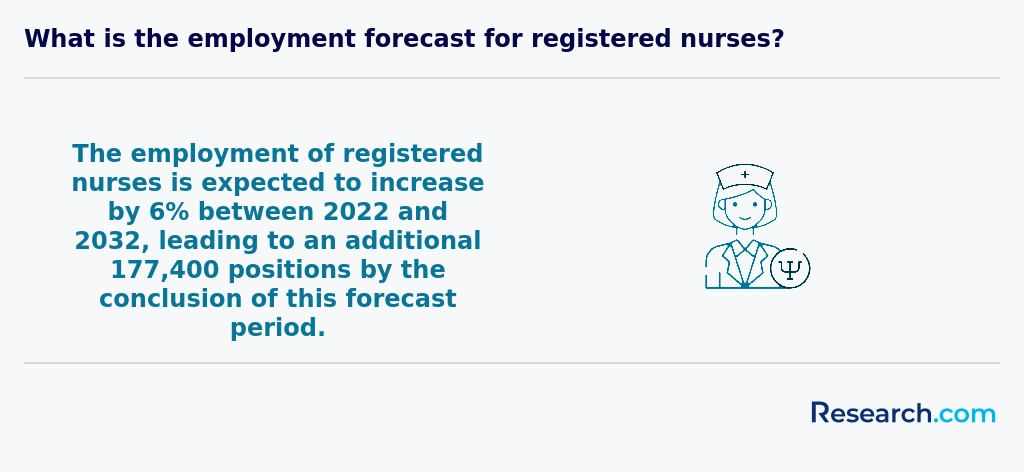
Ensuring a nursing program’s accreditation and strong licensure outcomes is critical for both educational quality and career readiness. All nursing degrees in New Haven, CT must be approved by the Connecticut Board of Nursing and accredited by recognized bodies such as the Commission on Collegiate Nursing Education (CCNE) or the Accreditation Commission for Education in Nursing (ACEN). Accreditation guarantees that curricula meet rigorous standards, prepares graduates for the NCLEX-RN exam, and opens eligibility for federal financial aid. Key accreditation and licensure metrics for New Haven nursing programs:
- CT Board of Nursing Approval: Mandatory state authorization for all clinical and classroom components.
- CCNE/ACEN Accreditation: Yale University and the University of New Haven maintain CCNE accreditation, while Southern Connecticut State University holds ACEN status.
- NCLEX-RN Pass Rates (2023): • Yale University BSN: 95% first-time pass rate • University of New Haven BSN: 92% first-time pass rate • Southern Connecticut State University ADN/BSN: 90% combined pass rate High NCLEX pass rates reflect comprehensive exam preparation-including simulation labs, dedicated review courses, and faculty-led workshops. Prospective students should verify both state approval and accreditor status before enrolling. For those considering advanced degrees, it’s also wise to explore cost-effective MSN options, such as the Cheapest Online Master's in Nursing Degree Programs Ranking in Texas, to compare accreditation, affordability, and flexibility across programs.
When you're studying nursing in New Haven, figuring out how to pay for it doesn't have to be stressful. Many students at local schools like Yale and Albertus Magnus find federal financial aid a real lifesaver. Applying for FAFSA opens the door to Pell Grants, which can cover up to $7,395 a year without any need to pay it back-imagine cutting your tuition bill almost in half just like many grads have experienced.
On top of that, state scholarships specifically for Connecticut residents help ease the burden even more. The Connecticut Office of Higher Education offers some solid options for nursing students here, which grads say made a huge difference for their budgets.
Plus, local hospitals often team up with nursing students, offering scholarships or tuition reimbursement if you commit to working there after graduation. That kind of support added some real peace of mind for many New Haven students, balancing school and money worries.
And don't forget private foundations like the American Nurses Association-their scholarships rewarded hardworking students focusing on specialties, helping with extra costs beyond tuition. Many find that combining these resources with part-time jobs or clinical stipends brought both cash and hands-on experience.
To further assist prospective nursing students in making informed decisions about their education, considering the financial aspect is crucial. When exploring nursing programs in New Haven, CT, it's essential to look into the affordability of these programs. For those seeking budget-friendly options, researching the cheapest nursing programs in Connecticut can provide valuable insights. Many institutions in New Haven offer competitive pricing without compromising on the quality of education, ensuring that students receive a comprehensive nursing education that prepares them for their future careers. By weighing the costs and benefits of different nursing programs, prospective students can find the best fit for their financial situation and career goals, ultimately leading to a successful and fulfilling nursing career.
If you're thinking about diving into a nursing degree in New Haven, there are a few must-haves before you get started. Most folks aiming for programs at popular schools like Southern Connecticut State University or Yale School of Nursing share something in common: they've wrapped up key science classes like biology, chemistry, and anatomy with pretty solid grades, usually at least a C or B.
Many grads remember the stress of gathering CPR certification before their clinical rotations-it's a required step to keep you and your future patients safe. You'll also likely need a background check and proof of immunizations since you'll spend tons of time in hospitals and clinics.
- Some programs ask for SAT or ACT scores, especially if you're going straight into a bachelor's degree.
- Expect to show a GPA around 2.5 or higher, though top programs might want even more.
- Writing a personal statement and snagging a couple of recommendation letters are pretty common, too.
Students often say these requirements helped them feel ready and confident once classes and clinicals really kicked off, making the effort totally worth it in the end.

Ensuring a nursing program’s accreditation is the first step toward meeting Connecticut’s stringent licensure requirements. Institutions in New Haven must hold regional accreditation from bodies like the New England Commission of Higher Education (NECHE), while their nursing curricula require programmatic approval from organizations such as the Commission on Collegiate Nursing Education (CCNE) or the Accreditation Commission for Education in Nursing (ACEN). Graduating from an accredited program not only guarantees a high standard of education but also establishes eligibility to sit for the National Council Licensure Examination (NCLEX-RN or NCLEX-PN). To obtain state licensure, candidates must successfully pass the appropriate NCLEX exam and apply through the Connecticut Board of Examiners for Nursing website, where they submit official transcripts, proof of citizenship or authorized residency, and pay the licensure fee. Graduates from out-of-state programs should confirm that their coursework aligns with Connecticut’s clinical hour requirements and competency standards; many institutions offer endorsement services to streamline this process. Continuing education units (CEUs) are required every renewal period-typically every five years-to maintain active licensure and keep pace with evolving best practices. For students interested in beginning their nursing journey via a Licensed Practical Nurse (LPN) pathway, exploring lpn online classes can provide foundational training and often allow seamless articulation into ADN or BSN tracks. These flexible online options meet ACEN standards and help future LPNs complete clinical competencies under faculty supervision at affiliated Connecticut healthcare facilities. Understanding accreditation and licensure early in your program search will save you time and expense, ensuring that every lecture hour, nursing lab, and clinical rotation counts toward your professional goals. Always verify program accreditation status on the U.S. Department of Education’s database and consult the Connecticut Board of Nursing for the most up-to-date licensure information before applying.
If you're diving into a nursing degree in New Haven, expect a mix of science and hands-on care that really gets you ready for the job. Students at local schools like Yale or Southern Connecticut State University often start with courses in anatomy, microbiology, and chemistry. These classes help you understand how the body works and what happens when someone gets sick - kinda like figuring out the science behind being a nurse.
On top of that, you'll take practical nursing classes covering essentials like health assessments, pharmacology, and medical-surgical nursing. Graduates often say these courses gave them the confidence to handle real patients during clinical rotations at spots like Yale New Haven Health, where they got to apply everything they learned.
Other courses you'll find include mental health nursing, maternal and child health, community health, and even leadership classes that prep you to take charge in a healthcare setting. Many students also enjoy research methods classes, which help them understand how to use evidence to improve patient care - a big deal in today's nursing world.
If you're looking into nursing degree specializations in New Haven, you'll find plenty of options to choose from. Graduates from places like Southern Connecticut State University and Yale School of Nursing often mention how these programs let them focus on areas they're really passionate about. Popular specializations include Adult-Gerontology Nursing, perfect for those interested in working with the older population around Connecticut, and Pediatric Nursing, which is great if you enjoy caring for kids and teens.
Other common paths are Psychiatric-Mental Health Nursing, which addresses the growing need for mental health support, and Family Nurse Practitioner programs that prepare you to care for people of all ages. Community Health Nursing and Emergency Nursing are also big hits among students, offering hands-on experience in public health and fast-paced hospital settings. Choosing one of these specialties can really help you target your career goals while studying right here in New Haven.
For students aiming to pass their licensing exams, it's helpful to check out resources like NCLEX-PN exam review materials to stay on track with your prep.
Many grads say these programs make the whole experience exciting and fulfilling because you get to dive deep into what truly interests you, all while training at some of the best nursing programs New Haven specialties have to offer.
When picking the best nursing degree in New Haven, think about what fits your life and goals. Some grads from popular colleges here say starting with an ADN is a quick way to jump into nursing, but if you want more job options and leadership roles, a BSN from a top nursing school in New Haven really pays off. Plus, local employers love seeing that degree on your resume.
Costs can be all over the place, so looking into affordable nursing degree programs New Haven has is key. ADN programs at community colleges can be budget-friendly, but if you want a full BSN experience, you might pay more for the extras like clinicals at Yale New Haven Health. One graduate shared how access to real hospital work gave them confidence before graduating, which you want for sure.
Also, keep an eye out for flexibility-some schools offer night classes or online options that let you work while studying. If that sounds good, check out programs like the online nursing degrees massachusetts jobplacement guide for ideas beyond just New Haven.
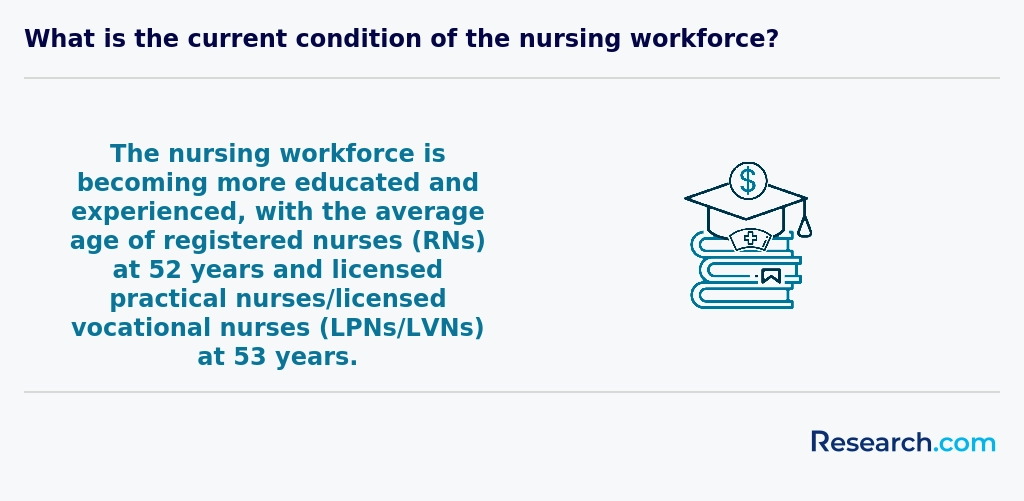
If you're diving into nursing career opportunities in New Haven, expect a bunch of exciting paths after graduation. Many grads from popular local colleges find themselves thriving as Registered Nurses, thanks to top healthcare providers like Yale New Haven Health System nearby. Imagine working in busy city hospitals or cozy community clinics, making a real difference every day.
Some grads specialize in areas like pediatric nursing, caring for kids in local hospitals, or geriatric nursing, supporting the city's older adults. Others jump into emergency or oncology nursing, handling fast-paced or critical cases that keep things challenging and rewarding. New Haven nursing degree job prospects also stretch into advanced roles-Nurse Practitioners and Nurse Anesthetists earn great salaries and enjoy more independence in their work.
Plus, if teaching sounds cool, plenty become nursing instructors at local colleges with accelerated programs. And if you're curious about switching gears, check out psychologist career opportunities in WV for a different kind of healthcare path.
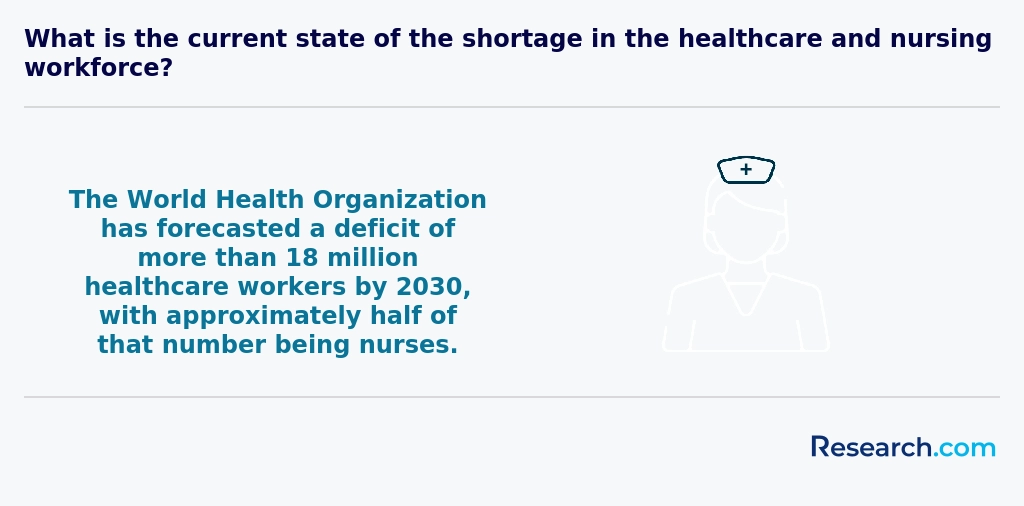
If you're looking at nursing job opportunities in New Haven, you'll find the scene pretty solid. Graduates from local programs at places like Yale New Haven or community colleges often land jobs quickly thanks to the strong healthcare network here. Hospitals and clinics are always on the lookout for skilled nurses, especially with an aging population boosting the need for care.
New Haven nursing degree employment outlook is bright, too. Many grads share how clinical rotations at top local facilities helped connect them with employers before even finishing their programs. This means less stress about job hunting and more chance to focus on gaining experience. The average RN wage here is higher than the national average, which feels like a well-deserved bonus after all the hard work.
For those comparing costs and options, you might also be interested in programs that balance tuition and quality training. Some students even look beyond Connecticut, checking out nursing education in Honolulu to see how different places stack up. But staying local definitely has its upsides, especially when employers are ready to welcome graduates straight from their New Haven nursing programs.
2027 Best Nursing Degree Programs Ranking in New Haven
Investing in your education is a significant decision that can shape your future, and the Research.com team understands the importance of making informed choices. To assist prospective students in New Haven, we have meticulously crafted the "2027 Best Nursing Degree Programs Ranking in New Haven." Our commitment to quality, credibility, and accuracy is reflected in the extensive research and analysis conducted to compile this ranking.
We utilized the following reputable data sources to ensure a comprehensive evaluation of nursing degree programs:
By exploring this ranking, readers will gain valuable insights into the best nursing degree programs available in New Haven, enabling them to make well-informed decisions about their educational futures. For more details on our methodology, please visit our Research.com methodology page.


Frequently Asked Questions About nursing
Nursing degree students in New Haven can maximize their learning experience by engaging in clinical placements across local healthcare facilities such as Yale New Haven Hospital, one of the largest hospitals in the region. Hands-on clinical experience is crucial for developing practical skills and understanding patient care in real-world settings.
Students should also take advantage of simulation labs available through area nursing programs, which provide controlled environments for practicing procedures safely. Additionally, joining nursing student organizations can enhance networking opportunities and exposure to professional development resources.
According to the Connecticut Department of Public Health, registered nurses in New Haven have a steady job outlook, making practical experience and certification preparation essential for career success.
Emerging niches within the nursing field reflect evolving healthcare needs, offering new career paths for nursing graduates in New Haven. One growing area is gerontological nursing, as the city's aging population increases demand for specialized elder care, supported by data from Connecticut's Department of Public Health.
Another promising niche is informatics nursing, where nurses integrate data technology to improve patient care. This field aligns with New Haven's expanding health tech sector. Additionally, nurse practitioners specializing in mental health are increasingly vital, addressing rising community needs, as reported by the New Haven Mental Health Association.
These specialties highlight shifts toward holistic, tech-driven, and community-focused care in nursing education and practice.
After completing a nursing degree in New Haven, preparing for the job market involves several important steps. First, obtaining licensure through the National Council Licensure Examination (NCLEX-RN) is essential to practice as a registered nurse in Connecticut. According to the Connecticut Board of Examiners for Nursing, New Haven graduates have a NCLEX pass rate close to the state average of 85%.
Networking locally can significantly improve job prospects. New Haven hosts multiple healthcare facilities including Yale New Haven Hospital, a major employer of nursing graduates. Building relationships through internships or clinical placements can provide valuable connections.
Additionally, stay informed about continuing education opportunities and certifications, such as specialty areas in gerontology or pediatrics, which are in demand statewide. Labor market data from the Bureau of Labor Statistics forecasts a 9% growth rate in nursing jobs in Connecticut through 2030, emphasizing strong employment potential.
Employers seeking nursing degree graduates in New Haven prioritize a combination of technical and interpersonal skills. Critical thinking and clinical competence rank highly, as nurses must provide accurate patient assessments and implement care plans efficiently. According to the Connecticut Department of Public Health, proficiency in electronic health records (EHR) systems is increasingly essential due to technological integration in local hospitals.
Communication skills are also vital; nurses often act as liaisons between patients, families, and multidisciplinary teams. Employers favor graduates with strong teamwork abilities and emotional resilience given the demanding healthcare environment in New Haven's urban medical centers.
Additionally, knowledge of infection control and patient safety protocols is fundamental, reflecting national nursing standards upheld by institutions in the region.
Finding nursing internships in New Haven involves connecting with local hospitals, clinics, and community health centers where nursing students gain practical experience. Yale New Haven Hospital, one of the largest teaching hospitals in the area, offers structured internship and clinical placement programs for nursing students. Additionally, the Connecticut Nurses Association provides resources and job boards specific to nursing internships. Networking through academic advisors at institutions like Gateway Community College and Southern Connecticut State University can also facilitate placement opportunities. Internships typically align with state nursing board requirements, emphasizing hands-on patient care, which is vital for license eligibility in Connecticut.
Obtaining a nursing degree in New Haven significantly enhances career mobility and advancement opportunities within the local healthcare sector. According to the Connecticut Department of Public Health, the nursing workforce in New Haven has grown steadily, with a projected 15% increase in registered nurse demand by 2030. A formal degree, such as a Bachelor of Science in Nursing (BSN), is increasingly preferred by employers, especially larger hospitals like Yale New Haven Hospital.
The degree not only qualifies graduates for entry-level roles but also opens pathways to management, specialized nursing, and advanced practice roles. Research shows that nurses with a BSN or higher often earn salaries up to 20% above those without degrees in Connecticut. The New Haven area's focus on healthcare innovation also supports professional growth for degree-holding nurses through leadership and continuing education opportunities.
Studying for a nursing degree in New Haven offers strong preparation for interdisciplinary healthcare roles by emphasizing collaboration across medical fields. Local universities incorporate teamwork-centric curricula, linking nursing students with peers in medicine, social work, and public health. This approach aligns with nationwide trends promoting integrated care models.
Clinical placements in New Haven's diverse healthcare settings, including Yale New Haven Hospital, expose students to real-world interdisciplinary environments. According to the Connecticut Department of Public Health, such experiences enhance communication skills and understanding of varied professional perspectives.
Graduates are thereby equipped to contribute effectively in teams managing complex patient needs, reflecting the evolving demands of healthcare in the U.S.
Choosing between a thesis and a non-thesis nursing degree program in New Haven depends on your career goals and learning preferences. Thesis programs emphasize original research, ideal for students aiming for a PhD or roles in nursing education and research. Non-thesis programs focus on practical skills and clinical experience, preparing students directly for advanced nursing positions.
New Haven has several accredited institutions offering both options, including Yale School of Nursing, known for its strong research focus. According to the Connecticut Center for Nursing Workforce, 45% of nurses in New Haven hold advanced degrees, highlighting the local demand for higher qualifications.
Consider your long-term plans; a thesis may take additional time but opens academic doors, while a non-thesis path generally offers faster entry into the workforce.
Students based in New Haven interested in studying nursing abroad have several options facilitated by local universities and exchange programs. Yale University, a major institution in New Haven, offers partnerships with international nursing schools, enabling students to participate in clinical rotations or research projects overseas. These experiences enhance cultural competence and practical skills essential for modern nursing. According to the National Student Exchange, about 10% of nursing students at U.S. institutions engage in study-abroad programs, a trend reflected in New Haven's academic initiatives. However, students must ensure foreign programs align with U.S. nursing accreditation standards for licensure upon return.
Part-time job opportunities in New Haven that align well with nursing degree education include roles such as Certified Nursing Assistant (CNA), medical scribe, and phlebotomy technician. CNAs provide essential support in hospitals and long-term care facilities, offering hands-on patient care experience relevant to nursing studies. According to the Connecticut Department of Labor, CNAs in New Haven earn around $15 to $18 per hour, granting students flexible income and workplace exposure.
Medical scribes are in demand at Yale New Haven Health, where students can improve their medical terminology and documentation skills while supporting physicians directly. Phlebotomy positions also offer practical clinical experience in drawing blood and handling lab specimens.
Nursing students in New Haven benefit from multiple networking opportunities that support their professional growth. Local universities, such as Yale School of Nursing, provide access to student organizations, professional workshops, and health fairs that connect students with practicing nurses and faculty experts. Clinical placements at nearby hospitals like Yale New Haven Hospital also offer valuable networking settings where students can build relationships with healthcare professionals.
Additionally, New Haven hosts events by the Connecticut Nurses Association, fostering connections through conferences and seminars. According to the Connecticut Department of Public Health, such engagement enhances job placement rates by over 20% among nursing graduates statewide.
Alumni networks provide valuable support to nursing degree students in New Haven by connecting them with experienced professionals in the healthcare field. These networks often offer mentorship programs, which help students navigate clinical placements and job searches.
In New Haven, where nursing programs are closely linked with major hospitals, alumni connections can lead to internships and job opportunities. According to the Connecticut Center for Nursing Workforce, 70% of nursing graduates find employment within six months, often aided by alumni referrals.
Additionally, alumni events and online communities facilitate knowledge sharing, keeping students informed about industry trends and continuing education options.
Customizing a nursing degree program in New Haven allows students to align education with specific career goals. Many local institutions offer flexible course options, including electives focused on specialties like pediatrics, geriatrics, or community health. This customization helps students gain targeted expertise.
Additionally, clinical placements within New Haven's diverse healthcare facilities provide practical experience in various settings, from hospitals to outpatient clinics. Some programs also offer accelerated tracks or bridge programs for licensed practical nurses (LPNs) seeking registered nurse (RN) status.
Academic advisors in New Haven schools assist students in selecting courses and experiences that support certifications or graduate studies, tailoring curricula to professional ambitions.
Nursing students in New Haven commonly face several challenges during their education. One major issue is balancing rigorous academic coursework with clinical practice requirements. According to the Connecticut Center for Nursing Workforce, 45% of nursing students report difficulty managing time between study and hands-on training.
Limited clinical placement opportunities are also a concern, as local hospitals can only accommodate a set number of students at a time. This limits exposure to diverse patient care settings. Additionally, financial pressures are significant, with many students relying on scholarships or federal loans to cover tuition and living costs.
Emotional stress is another important factor. Nursing programs demand resilience, and students often face high levels of anxiety related to patient outcomes and exam performances. Support systems like counseling services and peer groups are crucial but not always readily available.
A nursing degree earned in New Haven provides a strong foundation for obtaining various professional certifications. Graduates commonly pursue the Registered Nurse (RN) license by passing the NCLEX-RN exam, which is required nationwide. Beyond licensure, specialized certifications enhance career opportunities.
Popular certifications include the Certified Pediatric Nurse (CPN) and the Adult-Gerontology Acute Care Nurse Practitioner (AGACNP), both recognized nationally. According to the Connecticut Nurses Association, about 30% of New Haven nurses hold at least one specialty certification, reflecting the region's commitment to advanced practice.
Additional options are certifications in areas such as critical care, oncology, and wound care. These credentials can improve job prospects and salary potential, benefiting students of New Haven nursing programs seeking to advance their careers.
To write a winning application for a nursing program in New Haven, start by carefully reviewing the specific requirements of programs such as those at Southern Connecticut State University or Yale School of Nursing. These programs often require a strong GPA, usually above 3.0, and completion of prerequisite courses including anatomy, physiology, and microbiology.
Strong personal statements are crucial. Emphasize your motivation for nursing, community involvement in New Haven, and any healthcare experience. Programs in the region value applicants who demonstrate commitment to local healthcare challenges.
Letters of recommendation from healthcare professionals or instructors who know your work ethic enhance credibility. Additionally, highlight any volunteer or clinical experience within New Haven healthcare settings, which can make your application stand out.
Finally, ensure your application is complete and error-free, submitting it before deadlines, which vary by institution but typically fall between December and February for fall admission.
The nursing profession is recognized worldwide as a vital component of healthcare systems. In the United States, including New Haven, nursing careers offer diverse opportunities from patient care to leadership roles. Globally, nurses are essential in addressing public health challenges, with the World Health Organization highlighting a projected 9 million nurse shortage by 2030. This demand underscores the value of nursing degrees.
In New Haven, the nursing workforce reflects national trends emphasizing advanced education, such as Bachelor of Science in Nursing (BSN) degrees, which have been shown to improve patient outcomes. Local hospitals and health organizations actively seek BSN-prepared nurses, aligning with the Institute of Medicine's recommendation for 80% BSN nurses by 2025.
Internationally, nurses often engage in cross-cultural collaboration, emergency response, and global health initiatives, mirroring career paths accessible to graduates in New Haven. Such perspectives emphasize ongoing education, adaptability, and ethical responsibility-qualities cultivated by nursing programs within the US higher education framework.
Students pursuing nursing degrees in New Haven can gain practical experience through clinical rotations, which are an essential part of accredited nursing programs. These rotations typically occur in local hospitals such as Yale New Haven Hospital, one of the largest teaching hospitals in the region. Clinical placements offer hands-on experience in patient care under supervision.
Many nursing programs also provide simulation labs, where students practice skills using advanced mannequins and medical equipment. Additionally, some schools partner with community health centers, allowing students to engage in public health nursing and gain diverse clinical perspectives.
According to the Connecticut Department of Public Health, practical clinical experience is mandatory for licensure and helps students meet the requirements set by the National Council of State Boards of Nursing (NCSBN).
Choosing the right concentration within a nursing degree program in New Haven requires careful consideration of your career goals and local healthcare needs. Specialty areas like gerontology, pediatrics, or psychiatric nursing are popular due to New Haven's diverse population and the presence of major hospitals such as Yale New Haven Health. According to the Connecticut Department of Public Health, there is a growing demand for nurses specializing in elder care and chronic illness management. Researching job placement rates and clinical training opportunities offered by local schools can help you align your concentration with workforce demands. Exploring certifications and licensing requirements in Connecticut is also essential.
- 2027 Best Nursing Degree Programs Ranking in Bronx
- 2027 Best Nursing Degree Programs Ranking in New York
- 2027 Best Nursing Degree Programs Ranking in Brooklyn
- 2027 Best Nursing Degree Programs Ranking in Boston
- 2027 Best Nursing Degree Programs Ranking in Baltimore
- 2027 Best Nursing Degree Programs Ranking in Rochester
- 2027 Best Nursing Degree Programs Ranking in Washington
- 2027 Best Nursing Degree Programs Ranking in Virginia Beach
- 2027 Best Nursing Degree Programs Ranking in Harrisonburg
- 2027 Best Nursing Degree Programs Ranking in Pittsburgh
See What Experts Have To Say About Studying Nursing
Read our interview with Nursing experts


- Public Health Nurse #2501-6385-01 https://www.jobapscloud.com/oec/NewHaven/Jobs/Bulletin
- Nursing Degree You Need to Become an RN https://www.allnursingschools.com/registered-nursing/degrees/
- The Nurses' Alumni Association https://giving.mainlinehealth.org/get-involved/auxiliaries-and-womens-boards/lankenau-medical-center-womens-board/the-nurses-alumni-association
- Exploring Diverse Nursing Career Horizons - N2S Healthcare Blog https://n2shealthcare.com/blog/exploring-diverse-nursing-career-horizons-n2s-healthcare-blog
- | NRR | Dove Medical Press https://www.dovepress.com/internship-challenges-encountered-by-nursing-students-a-qualitative-st-peer-reviewed-fulltext-article-NRR
- Know more about thesis vs non- thesis: what is the difference? https://studyfans.com/en/blogs/816
- What Are the Best RN Certifications for Your Career? https://credenzahealth.com/career-advice/what-are-the-best-rn-certifications-for-your-career
- Guide to Making a Career Change to Nursing https://teach.com/online-ed/healthcare-degrees/online-msn-programs/career-change-to-nursing/
- Client Challenge https://www.nhregister.com/news/education/article/new-haven-schools-expand-career-programs-20219966.php
- Nursing Study Abroad Programs | Go Overseas https://www.gooverseas.com/study-abroad/nursing


