2027 Most Affordable Nursing Degree Programs Ranking in New York

Co-Founder and Chief Data Scientist
Choosing the right nursing degree program in New York can feel overwhelming, especially when affordability matters. To make this easier, the Research.com team of data scientists created the 2027 Most Affordable Nursing Degree Programs Ranking in New York. This ranking helps you identify quality programs that fit your budget without sacrificing education.
Exploring this article will give you confidence in your decision and show you options that can lead to a rewarding nursing career. A nursing degree opens doors to meaningful work and personal growth-this guide supports you every step of the way.
Key benefits of getting nursing degree in New York
- Nursing degree graduates in New York can earn competitive salaries, with roles like Registered Nurse, Clinical Nurse Educator, Public Health Nurse, and Emergency Room Nurse offering a mean annual wage of $94,480. Operating Room Nurses can earn even more, with a mean annual wage of $128,490, highlighting strong financial rewards in the field.
- A nursing degree opens diverse career paths, such as hospital nursing, community health, education, or emergency care, similar to graduates from popular New York colleges who find rewarding opportunities in various healthcare settings.
- Obtaining a nursing degree online offers flexibility and convenience, enabling busy students from New York to balance studies with work and personal life while accessing quality education from reputable universities.
- 2027 Most Affordable Nursing Degree Programs Ranking in New York
- What can I expect from nursing degree in New York?
- Where can I work with nursing degree in New York?
What can I expect from nursing degree in New York?
The average cost of pursuing a nursing degree in New York varies depending on the type of program and institution. Graduates from community colleges offering ADN programs often reflect on how tuition, typically between $5,000 and $10,000 per year, felt like a manageable investment toward a meaningful career. For example, students from well-known community colleges recall balancing part-time jobs with their studies, appreciating the affordable access to quality education and clinical experiences.
On the other hand, students attending four-year universities for BSN degrees experience a wider cost range, from about $7,000 to over $30,000 annually for in-state tuition. Those enrolled in popular nursing schools in cities like New York or Buffalo often mention that despite the higher tuition, the comprehensive curriculum and access to advanced clinical placements provided immense value. Many found that scholarships and state grants played a crucial role in easing financial stress, allowing focus on their passion for patient care rather than finances.
Where can I work with nursing degree in New York?
Graduates from nursing programs at institutions like Hunter College or SUNY Downstate often find themselves welcomed in bustling New York City hospitals such as NewYork-Presbyterian, where hands-on experience with diverse patient populations builds confidence quickly. Many share how working at these premier centers transforms initial apprehension into a profound sense of purpose when caring for patients in critical care or pediatrics.
Others find fulfillment in community health clinics across Brooklyn or Albany, where the emphasis on preventive care and patient education feels deeply rewarding. These roles often highlight the value of nursing beyond hospital walls, turning public health ambitions into daily realities.
The strong demand for skilled nurses in long-term care facilities throughout the state often means graduates can step into positions supporting New York's aging population, providing compassionate geriatric care that nurtures both body and spirit.
For those drawn to autonomy, home healthcare offers roles in patient-centered care coordination, allowing nurses to form meaningful bonds as they support independence in familiar surroundings. Even beyond bedside care, many find opportunities in nursing education or healthcare administration, impacting policies and practices statewide.
Graduates from nursing programs in New York often find rewarding financial opportunities soon after finishing their studies. For example, registered nurses typically earn a mean annual wage of around $94,480, based on recent data, which aligns well with the experiences of alumni from institutions like Hunter College or the University at Buffalo.
Many graduates report feeling encouraged when they see such earnings, especially in diverse work settings. For instance, emergency room nurses and clinical nurse educators share similar mean salaries near $94,480 annually. Knowing this helps new nurses anticipate a steady income while gaining valuable experience.
Nurses who specialize further, like operating room nurses, can earn substantially more, with mean annual wages near $128,490. Graduates who chose these paths often remark on the pride that comes with mastering skills that command higher pay and greater responsibility.
New nurses in New York City sometimes find salaries above the state average, reflecting local demand and cost of living. The knowledge that their skill set is valued so highly brings a sense of accomplishment and motivates ongoing professional growth.
- Tuition for a BSN at public institutions in New York ranges from $10,000 to $25,000 annually for in-state students, while private schools can cost over $40,000 per year.
- Community colleges offer ADN programs with tuition typically under $10,000 annually for residents.
- Graduates must pass the NCLEX-RN exam to become licensed registered nurses in New York.
- New York has about 350,000 active nurses and expects job growth of around 9% over the next decade.
- Starting salaries for new nurses average $75,000 annually, with experienced nurses earning between $90,000 and $100,000, especially in metropolitan areas like New York City.
- Financial aid, scholarships, and accelerated programs are available to help students manage costs and speed up their education.
Completing a nursing degree in New York often depends on the path you select and how you balance study with life. Many graduates from community colleges in New York recount that the Associate Degree in Nursing (ADN) took about two years of full-time commitment, offering a quicker route to start working as a nurse. This fast-paced program allowed them to enter the workforce sooner, feeling a sense of accomplishment while managing costs effectively.
Others who aimed for a Bachelor of Science in Nursing (BSN) at well-known institutions like Hunter College or the University at Buffalo invested roughly four years in their studies. These students often speak about the rewarding challenge of deeper clinical work and leadership training, which enhanced their confidence and career prospects.
For those already holding an ADN, RN-to-BSN programs in New York's flexible formats made advancing their education realistic within 1 to 2 years, fitting smoothly with busy work schedules. Clinical hours, usually between 500 and 1,000, were key, shaping practical skills that graduates cherish.
NCLEX-RN performance is one of the clearest indicators of whether a pre-licensure nursing program prepares students for the licensure process. In New York, the average first-time NCLEX-RN pass rate for pre-licensure BSN and ADN programs hovers around 85%, while top-ranked affordable programs often exceed 90%.
Reported outcomes can vary by campus and program type. Graduates from City University of New York (CUNY) campuses report pass rates between 92% and 95%, while private institutions like St. John’s University maintain rates above 93%. Strong pass rates suggest that students receive structured content review, clinical preparation, and testing support aligned with licensure expectations.
Pass rates should not be the only factor. Employment outcomes also matter. Recent data show that over 88% of NYU Rory Meyers College of Nursing graduates secure positions in acute-care settings, while graduates from SUNY Downstate Health Sciences University achieve a similar 87% employment rate in diverse clinical roles. These outcomes help students judge whether a program’s affordability is paired with career readiness.
Applicants should also review student-to-faculty ratios, simulation lab access, clinical placement support, and academic advising. Many public programs in New York offer ratios of 8:1 or lower during clinical rotations, which can support closer supervision and more individualized feedback.
Students comparing flexible pathways outside the state may also review the Most Affordable Online Nursing Degree Programs Ranking in Illinois for additional examples of programs balancing cost, online access, and NCLEX preparation.
Graduates from SUNY nursing programs often reflect on the value of hands-on learning that on-campus study offers, especially when participating in clinical rotations at nearby hospitals. The face-to-face interactions with instructors and peers create a supportive environment that many find motivating and inspiring. Being physically present in clinical labs allows for real-time skill development, which builds confidence in patient care.
Conversely, those who chose online nursing degrees in New York appreciate the flexibility to balance studies with work or family. They value how digital coursework fits around their schedules without sacrificing the essential in-person clinical practicums, which schools coordinate locally. This blend allows students to gain practical experience without the daily commute to campus, making the pursuit of nursing degrees more accessible for busy adults.
Ultimately, the difference lies in how each format shapes the learning journey: on-campus programs immerse students in a campus culture and community, while online programs offer adaptable pathways supported by structured clinical placements, both meeting New York State's stringent nursing education requirements.
A strong nursing school application starts early. New York nursing programs can be competitive, especially at affordable public institutions, so applicants should verify requirements for each school instead of assuming that all programs ask for the same materials.
- Research and shortlist programs. Compare tuition, accreditation, curriculum, clinical partnerships, graduation requirements, and NCLEX-RN preparation. If you are moving into nursing from another field, review the best online rn programs for non nurses to understand accelerated and transition options.
- Check prerequisites. Confirm required science, math, English, psychology, and general education courses. Some programs require prerequisite grades above a minimum threshold.
- Request transcripts early. Ask high schools, colleges, or previous institutions to send official transcripts before the deadline. Transfer students should also request course evaluations when needed.
- Prepare test scores if required. Some programs may require exams such as the TEAS or SAT. Register early enough to allow time for retesting if permitted.
- Secure recommendations. Choose professors, supervisors, healthcare mentors, or volunteer coordinators who can speak clearly about your reliability, academic readiness, communication skills, and professionalism.
- Write a focused personal statement. Explain why you want to become a nurse, what experiences shaped that decision, and how you handle pressure, teamwork, and patient-centered responsibility.
- Complete the application carefully. Upload transcripts, test scores, recommendation letters, personal statements, prerequisite documentation, and any program-specific forms.
- Track deadlines. Create a calendar for applications, financial aid, scholarship forms, interviews, background checks, immunization records, and enrollment deposits.
- Prepare for interviews if required. Practice responses to questions about ethics, communication, conflict, patient safety, time management, and why the school’s program fits your goals.
- Apply for aid at the same time. Submit the FAFSA and any institutional aid forms as soon as possible. Nursing scholarships and grant programs may have separate deadlines.
- Compare offers before enrolling. Look beyond tuition. Review financial aid packages, total fees, clinical placement support, program length, commute or housing costs, and graduation requirements before submitting a deposit.
Applicants improve their chances by applying to a balanced list of programs: at least one highly affordable option, one program with strong clinical access, and one backup pathway that still meets licensure goals.
The average cost of obtaining a nursing degree in New York reflects a diverse range of options shaped by the institution type and program level. Many graduates recall beginning their journey at community colleges with Associate Degree in Nursing (ADN) programs, where the cost typically ranges around $4,800 per year for in-state students. This affordability makes ADN programs a practical stepping stone for those seeking an early start in nursing careers without incurring heavy debt.
For students pursuing a Bachelor of Science in Nursing (BSN) at well-known public universities such as those in the SUNY system, the financial commitment usually aligns with the state's median in-state total cost of approximately $35,000. These programs often include extra fees for clinical practice, yet graduates often express satisfaction with the value of hands-on experience received during clinical placements.
At top private institutions like Columbia University or New York University (NYU), aspirants face higher tuition fees, with total costs nearing $50,000 or more, which matches the overall median total cost seen statewide. Despite the steep price, many nursing graduates highlight the extensive resources and networking opportunities that contribute to fulfilling career prospects.
Considering the cheapest online nursing programs in New York and exploring scholarships such as those from the New York State Nursing Workforce Diversity program can further ease the financial burden. Paying attention to these affordable nursing programs New York tuition fees assists prospective students in making informed, realistic decisions about their education investments.

Fast-track and bridge programs can help students enter or advance in nursing faster than a traditional four-year route. They are not easier programs; most compress the same essential nursing knowledge and clinical preparation into a shorter period. The trade-off is intensity: students should expect heavy reading, lab work, clinical hours, and exam preparation.
LPN programs may be completed in as little as six months, giving students a quicker entry point into clinical practice before pursuing an RN credential. A six month lpn program can introduce core skills such as wound care, medication administration, and patient assessment in a condensed format. This route may lower the initial cost of entering nursing, although students planning to become RNs should also calculate the future cost of bridge education.
LPN-to-RN bridge tracks are often a practical next step for licensed practical nurses. Many New York institutions recognize prior clinical coursework and may grant advanced standing, reducing duplicated credits. These programs typically range from 12 to 18 months and may include hybrid learning, simulation labs, practicum placements, and NCLEX-RN preparation.
Accelerated Bachelor of Science in Nursing programs are another option for students who already hold non-nursing bachelor’s degrees. ABSN tracks in New York often span 12–18 months and combine intensive classroom instruction with clinical rotations in urban and community health settings. Students considering this route should compare tuition, cohort size, clinical placement quality, faculty availability, and NCLEX pass rates before committing.
- Best fit for LPN programs: Students seeking a faster first credential and a lower-cost starting point.
- Best fit for LPN-to-RN bridges: Working LPNs who want RN licensure without restarting their education.
- Best fit for ABSN programs: Career changers with a prior bachelor’s degree who can manage a full-time intensive schedule.
Financial aid for nursing students in New York is a vital support system that many graduates recall as a lifeline during challenging times. For those attending SUNY or CUNY nursing programs, the Excelsior Scholarship often means the difference between worry and relief, covering tuition costs entirely for eligible residents. Many graduates describe the comfort of having this burden lifted, allowing focus on clinical practice and studies.
Federal aid, secured through FAFSA, opens doors to grants like the Pell Grant, which can provide up to $7,395 without needing repayment. Those juggling work and study find reassurance in work-study programs that offer practical experience alongside income, often on campus or at hospital sites. Graduates frequently emphasize how these opportunities reduce financial stress while enriching their training.
Loan forgiveness programs tailored to nursing professionals who teach or serve high-need areas in New York further ease long-term debt concerns. Additionally, scholarships from local nursing associations provide valuable funds based on merit or dedication to specialties, reminding students they are supported by a caring community invested in their success.
NCLEX-RN pass rates are a practical measure of how well a nursing program prepares students for licensure and entry-level practice. They should be reviewed alongside graduation rates, clinical support, faculty access, and employment outcomes.
- Public colleges (SUNY, CUNY) average pass rates of 90-95%
- Private institutions (NYU, Columbia) average pass rates of 85-92%
- Accelerated and RN-to-BSN tracks often exceed 92%
As a general rule, applicants should prioritize programs with pass rates above 90% when available, especially if affordability is not the only concern. A low-cost program that does not adequately prepare students for licensure may cost more in the long run through delayed employment or exam retakes.
After earning RN licensure, nurses who want to move into advanced practice can compare the cheapest online nurse practitioner programs for flexible and affordable NP training options.
Enrolling in a nursing degree program in New York means meeting foundational prerequisites that ensure readiness both academically and personally. Graduates from well-known institutions like Hunter College or SUNY Downstate recall the importance of having a strong high school background, particularly in biology, chemistry, and math, which forms the backbone of their nursing education. A common requirement is a minimum GPA around 2.5 to 3.0, reflecting the dedication needed to thrive in these challenging programs.
Many students describe the TEAS exam as a pivotal step-passing it opened doors to more focused nursing coursework. Beyond academics, fulfilling health-related criteria such as immunization records and background checks is a reality that underscores the profession's responsibility to patient safety.
Those who succeed in these programs often highlight how early clinical placements required reliable transportation but also offered motivating, hands-on experiences that solidified their passion for nursing. These prerequisites help shape confident nurses ready to serve New York's diverse communities with skill and compassion.
Traditional on-campus ADN and BSN programs are not the only route into nursing in New York. Many students need a pathway that works around employment, caregiving, location, or a previous college degree. Alternatives can reduce time in school, improve scheduling flexibility, or lower the total cost of attendance, but they still need to meet licensure and clinical training requirements.
One option is an online or hybrid nursing pathway. Students who need lower-cost flexible study formats may compare the cheapest online nursing programs in New York. These programs may deliver lectures, assignments, and some exams online, while still requiring in-person clinical hours at approved healthcare sites.
Another option is an accelerated or bridge program. These pathways are especially useful for students who already have healthcare training, college credit, or a non-nursing bachelor’s degree. Before choosing a nontraditional format, confirm three things: the program’s accreditation status, whether it prepares graduates for the correct licensure exam, and how clinical placements are arranged.
- Online or hybrid programs: Best for students who need scheduling flexibility but can complete required clinical experiences in person.
- Accelerated BSN programs: Best for students who already hold a bachelor’s degree in another field and can handle an intensive schedule.
- LPN-to-RN bridge programs: Best for licensed practical nurses who want to advance without repeating prior coursework.
- Specialized nursing tracks: Best for students interested in areas such as nursing informatics, nurse midwifery, public health, or education.
Students pursuing nursing degrees in New York consistently find that their coursework deeply prepares them for the real-world demands of healthcare. Graduates from renowned institutions such as Hunter College and SUNY Downstate often reflect on how rigorous courses like Human Anatomy and Physiology gave them a clear understanding of the human body's complexities-knowledge that proved invaluable when encountering patients during clinical rotations.
Microbiology and Pharmacology classes offer more than theory; they vividly illustrate how tiny microorganisms and carefully balanced medications can profoundly affect patient outcomes. Many feel a sense of accomplishment when applying these lessons while assisting in hospital settings across New York City.
Core classes like Adult Health Nursing and Pediatric Nursing foster empathy and practical skills, especially when paired with Mental Health Nursing, where students learn to approach psychological care with compassion. Leadership courses stand out for those aspiring to guide healthcare teams, sharpening their confidence to take on supervisory roles.
Clinical Practicums remain the heart of New York's programs, bridging classroom knowledge with hands-on experience in diverse healthcare environments, preparing students thoroughly for the NCLEX-RN exam and beyond.
In New York, nursing degrees offer a rich variety of specializations that reflect the state's diverse healthcare needs. Graduates from well-known colleges often share how specializing in Adult-Gerontology Nursing helped them connect deeply with the aging population, addressing chronic illness challenges in both urban and suburban settings. These students appreciate how their education prepared them for real-world roles in hospitals and community clinics, making a tangible difference.
New York nursing degree specialization options also include Pediatric Nursing, where graduates find joy in providing care to children and adolescents, especially in busy city hospitals and rural outreach programs. Others pursue Psychiatric-Mental Health Nursing, gaining the skills to support mental wellness, a critical area given local demand.
Additional paths like Family Nurse Practitioner, Neonatal, Emergency, and Oncology Nursing offer focused expertise. Many students benefit from clinical opportunities at top-ranked universities, which turn theory into meaningful practice. To explore flexible options, prospective nurses might consider the best online rn programs for non nurses, expanding how they gain these valuable specializations.
When choosing a nursing degree in New York, reflect on what fits your career goals and lifestyle. Graduates from top programs at universities like Hunter College or Stony Brook often highlight how a Bachelor of Science in Nursing (BSN) opened doors to specialized roles and better job security. Many found that picking a program with strong clinical rotations at respected hospitals brought confidence and real-world skills that textbooks alone can't provide. If balancing work and study is crucial, explore programs offering flexibility or consider options like a six month lpn program to quickly gain a foothold in healthcare.
Look for affordable nursing degree programs in New York that combine quality education with financial aid opportunities. Graduates appreciate institutions transparent about tuition and scholarships, easing the pressure of costs. Also, choosing from the best nursing schools in New York state can influence the quality of mentorship and NCLEX pass rates, essential for your success and peace of mind as you embark on this rewarding journey.
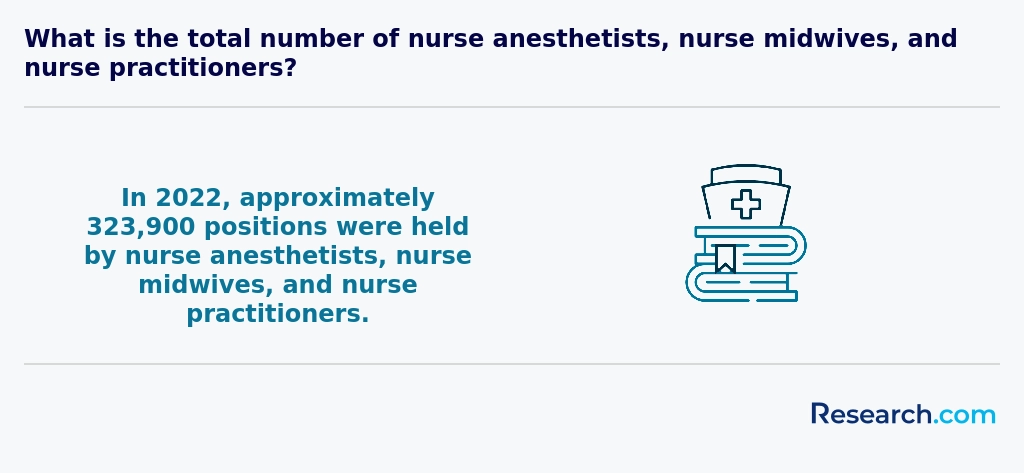
Graduates with a nursing degree in New York find themselves at the threshold of diverse career paths that suit a wide array of passions and skills. Many enter registered nursing, working in dynamic settings like New York City's extensive hospital network or community clinics, where hands-on care and quick decision-making are daily challenges. Others pursue specialized roles such as Nurse Practitioners, enjoying the autonomy to diagnose and treat patients, reflecting the state's progressive healthcare laws. Graduates from renowned schools often share how their education equipped them with confidence and competence to excel in these advanced roles, reinforcing the appeal of nursing career options in New York.
Beyond clinical positions, there are opportunities as Certified Nurse Midwives or Clinical Nurse Specialists, where nurses can focus on specialized care for mothers or work to enhance hospital effectiveness. Some graduates feel rewarded by contributing as Nursing Educators or Public Health Nurses, roles especially relevant given the state's emphasis on addressing nursing shortages and improving community health. For those interested in a broader impact, healthcare administration and research offer avenues to shape policy and innovation.
Financial considerations also influence choices, and many students weigh the cost of programs at public and private institutions in New York. Exploring resources like the Most Affordable Online Nursing Degree Programs Ranking in Illinois can provide inspiration on balancing quality education with cost. Ultimately, the best nursing jobs in New York 2027 promise both personal fulfillment and professional growth, rewarding the dedication of graduates from New York's top nursing programs.
The nursing job outlook in New York is encouraging, with a growing need for skilled professionals in various healthcare settings. Graduates from well-regarded institutions like Columbia University or the State University of New York often find that their degrees open doors quickly in hospitals, outpatient clinics, and specialized care units. Many share stories of securing positions in highly competitive environments, feeling a rewarding sense of purpose as they contribute to communities across the state.
Healthcare employment opportunities New York offers are diverse, extending beyond traditional hospital roles to include long-term care and home healthcare services. This variety allows graduates to match their careers with personal interests and strengths. Some graduates highlight how programs integrate hands-on experiences that prepare them to adapt confidently in real-world medical environments.
For those seeking to accelerate their path, exploring fast track career programs can be a wise choice, balancing intensive study with quicker entry into nursing roles. Considering New York's competitive salary levels and solid job growth, investing in a nursing degree here remains a practical and fulfilling decision.
2027 Most Affordable Nursing Degree Programs Ranking in New York
Investing in your education is a significant decision that can shape your future, and the Research.com team understands the importance of making informed choices. To support prospective students in New York, we have carefully developed the "2027 Most Affordable Nursing Degree Programs Ranking in New York." Our dedication to quality, credibility, and accuracy is demonstrated through thorough research and analysis to produce a reliable ranking.
We utilized the following reputable data sources to ensure a comprehensive evaluation of nursing programs:
By exploring this ranking, readers will gain valuable insights into the most affordable and quality nursing degree programs in New York, enabling them to make informed decisions about their educational investment. For more information about how this ranking was created, please visit our Research.com methodology page.


# 6 position
Bryant & Stratton College-Syracuse North
Bachelor of Science in Nursing




# 14 position
College of Staten Island CUNY
Master of Science in Nursing


# 18 position
Empire State University
Master of Science in Nursing

Frequently Asked Questions About nursing
Nursing degree students in New York can maximize their learning experience by actively engaging in clinical placements throughout the state's diverse healthcare settings. New York offers over 200 hospitals accredited for nursing education, providing students with varied hands-on opportunities, which is crucial for skill development. According to the New York State Education Department, students who complete multiple clinical rotations gain better practical knowledge and tend to pass the NCLEX exam at higher rates.
Additionally, joining nursing organizations such as the New York State Nurses Association allows students to network, access workshops, and stay updated on industry changes. Utilizing academic support resources offered by colleges, including tutoring and simulation labs, also enhances learning outcomes. Time management and seeking mentorship from experienced nurses further improve educational success and professional readiness.
Emerging niches within the nursing field in New York reflect growing healthcare needs and technological advancements. One key area is gerontological nursing, driven by the state's aging population. The New York State Department of Health reports that by 2030, over 20% of residents will be 65 or older, increasing demand for specialized elder care.
Another expanding field is informatics nursing, which integrates healthcare and information technology. As hospitals adopt electronic medical records, nurses with informatics expertise become vital for improving patient outcomes.
Additionally, community health nursing is gaining importance due to efforts addressing public health challenges, including chronic disease management and mental health support.
These niches offer promising career paths for nursing students in New York seeking to meet evolving healthcare demands.
After completing a nursing degree in New York, preparing for the job market involves several strategic steps. First, obtaining New York State licensure by passing the NCLEX-RN exam is essential. According to the New York State Education Department, licensure eligibility requires graduation from an accredited nursing program. Job seekers should also consider gaining clinical experience through internships or residencies, which improve employability in competitive healthcare settings.
Networking is crucial, especially within New York's large hospital systems and community health centers. Joining professional organizations like the New York State Nurses Association can provide valuable connections and job resources. Market data from the Bureau of Labor Statistics indicates that registered nurses in New York earn an average annual wage of around $90,000, reflecting strong demand for qualified nurses.
Employers in New York seek nursing graduates with strong clinical skills and critical thinking abilities. According to the New York State Education Department, hands-on patient care experience is essential. Graduates who demonstrate proficiency in communication and teamwork are highly valued, as nurses often collaborate with diverse healthcare teams.
Technology competence is increasingly important, with familiarity in electronic health records and monitoring systems expected. Additionally, cultural sensitivity and adaptability are key due to New York's diverse population.
The New York State Center for Health Workforce Studies highlights that problem-solving skills and emotional resilience are top attributes that lead to successful nursing careers in the region.
Finding internships relevant to a nursing degree in New York involves several strategic steps. Start by exploring partnerships between nursing schools and healthcare providers, as many institutions facilitate clinical placements for their students. The New York State Education Department oversees nursing programs and often supports connections with local hospitals and clinics.
Major hospitals like NewYork-Presbyterian and Mount Sinai offer structured internships and externships for nursing students. Utilizing platforms such as the New York State Nurse Practitioners Association can also help identify opportunities.
Networking through professional nursing organizations and career services at your college greatly increases your chances. Keep in mind that more than 60% of New York nursing graduates secure clinical placements through their programs, highlighting the importance of institutional support.
A nursing degree significantly enhances career mobility and advancement opportunities in New York. According to the New York State Education Department, registered nurses (RNs) with a bachelor's degree (BSN) often qualify for higher-paying roles and leadership positions more quickly than those with an associate degree. The New York State Nurses Association highlights that 70% of hospitals in the state prefer or require BSN-prepared nurses, boosting employability. Additionally, advanced degrees such as a Master of Science in Nursing (MSN) open doors to specialized roles like nurse practitioners or nurse educators, which come with greater responsibility and salary potential. This educational progression is critical in New York's competitive healthcare market.
Studying for a nursing degree in New York equips students to work effectively in interdisciplinary healthcare teams. New York's nursing programs emphasize collaboration with professionals such as physicians, social workers, and pharmacists, reflecting real-world clinical environments. According to the New York State Education Department, nursing curricula include courses in communication, leadership, and healthcare informatics, which are critical for team-based care.
Clinical placements often occur in diverse settings, including hospitals and community clinics, allowing students to experience interdisciplinary interactions firsthand. This practical training builds skills necessary for coordinated patient care, a core requirement for modern healthcare roles.
Moreover, New York's focus on population health and social determinants of health encourages nurses to engage with various experts beyond traditional medicine, enhancing their adaptability in interdisciplinary roles.
When choosing between a thesis and a non-thesis nursing degree program in New York, consider your career goals and learning preferences. A thesis option typically involves conducting original research and writing a substantial document, which suits students aiming for advanced clinical roles or doctoral studies.
Non-thesis programs often focus on practical skills and coursework, allowing students to graduate faster and enter the workforce sooner. According to the New York State Education Department, nursing programs must meet rigorous curriculum standards regardless of the track.
Job data from the Bureau of Labor Statistics shows New York employs over 300,000 registered nurses, with roles requiring a mix of research and applied knowledge. Reflect on whether you prefer a research-intensive experience or hands-on learning when deciding your path.
Students in New York interested in studying nursing abroad have several reputable options that complement the US higher education system. Many US nursing programs, including those in New York, offer study abroad partnerships with institutions in countries like Ireland, Australia, and Canada, enabling students to earn clinical experience overseas. According to the New York State Education Department, these programs often ensure that credits and clinical hours meet New York State Board of Nursing requirements for licensure. Additionally, some New York colleges provide exchange programs where students can spend a semester abroad while continuing their nursing studies.
International nursing education offers exposure to different healthcare systems, enhancing cultural competence-a key skill for nursing professionals. However, students must verify that their international coursework aligns with US accreditation standards. Resources such as the National Council of State Boards of Nursing (NCSBN) provide guidance on evaluating foreign nursing education in relation to New York licensing.
Students pursuing nursing degrees in New York often seek part-time jobs that align with their education and clinical goals. One common opportunity is working as a Certified Nursing Assistant (CNA), which allows practical experience in patient care, a key aspect of nursing programs. According to the New York State Department of Labor, CNAs earn an average of $17 to $20 per hour, making this a valuable role for students.
Other roles include home health aides and pharmacy technicians, both offering insight into patient support and medication management. Hospitals and long-term care facilities in New York frequently hire students for these positions.
The New York State Education Department supports these roles as they complement coursework and clinical hours, helping students apply theoretical knowledge practically.
Nursing students in New York have access to a variety of networking opportunities that can enhance their education and career prospects. Many universities offer connections through nursing clubs and honor societies, such as the New York University Rory Meyers College of Nursing's Student Nurses Association. These groups provide platforms for students to meet peers, faculty, and healthcare professionals.
Clinical placements in New York's diverse healthcare facilities also offer valuable real-world exposure and connections. Additionally, regional events hosted by organizations like the New York State Nurses Association enable students to engage with practicing nurses and attend professional workshops.
According to the New York State Education Department, these experiences are key to building a professional network in a competitive job market.
Alumni networks provide valuable benefits to nursing degree students in New York by offering access to experienced professionals who understand the regional healthcare landscape. These connections can lead to mentorship opportunities, which are crucial for navigating the challenges of nursing education and early career stages.
In New York, where the demand for registered nurses is expected to grow by 16% between 2020 and 2030 according to the U.S. Bureau of Labor Statistics, alumni networks also help students find job placements in competitive hospitals and clinics across the state.
Furthermore, networking events organized by alumni associations increase students' chances to attend workshops and gain insights on the latest clinical practices and licensing requirements specific to New York.
To customize your nursing degree program in New York, start by selecting the type of degree that aligns with your goals. Options include Licensed Practical Nurse (LPN), Associate Degree in Nursing (ADN), Bachelor of Science in Nursing (BSN), and advanced degrees like MSN or DNP. Many New York schools offer specializations such as pediatrics, geriatrics, or psychiatric nursing.
Consider programs with flexible scheduling or online courses to balance work and study. Clinical placements across New York state can be tailored to focus on hospitals or community health settings based on your interests. The New York State Education Department (NYSED) provides guidance on accredited nursing programs and certifications, ensuring your training meets state requirements.
Nursing students in New York face several typical challenges as they pursue their degrees. One major difficulty is managing the rigorous academic workload. Nursing programs require mastery of complex subjects such as anatomy, pharmacology, and patient care techniques. According to the New York State Education Department, students often report high stress levels due to frequent exams and clinical evaluations.
Another challenge is the competitive clinical placement process. With many students vying for limited spots in hospitals and healthcare facilities, securing quality hands-on experience can be difficult. This can delay graduation timelines or reduce exposure to diverse patient cases.
Additionally, the cost of nursing education in New York is significant. Tuition fees and living expenses in urban areas can strain students financially, impacting their ability to focus on studies. Many rely on financial aid, but student debt remains a concern, as highlighted by the National Center for Education Statistics.
With a nursing degree in New York, graduates can pursue several professional certifications to advance their careers. Common certifications include the Certified Registered Nurse Anesthetist (CRNA), Nurse Practitioner (NP), and Clinical Nurse Specialist (CNS). These credentials require additional education and passing national exams recognized by the American Nurses Credentialing Center (ANCC) or the American Association of Nurse Practitioners (AANP).
New York State also offers certifications such as the Family Nurse Practitioner (FNP) and Psychiatric-Mental Health Nurse Practitioner (PMHNP). According to the New York State Education Department, these certifications enhance job prospects and earning potential significantly.
Specialty credentials in areas like pediatrics, oncology, and emergency nursing are also available for nurses seeking focused expertise.
To write a winning application for a nursing program in New York, start by thoroughly researching the specific schools you are applying to. Each program may have unique prerequisites and admission criteria, so address these carefully.
Strong academic performance is essential. Most New York nursing schools require a minimum GPA of around 3.0, especially in science and math courses, reflecting the competitive nature of admissions (New York State Education Department).
Additionally, personal statements should highlight your motivation for nursing and any healthcare experience. According to the NY State Board of Nursing, clear communication and a commitment to patient care are critical traits to emphasize.
Obtain strong letters of recommendation from academic or healthcare professionals who can attest to your skills and character. Make sure to submit all materials before application deadlines, typically between December and February for fall admissions.
The nursing profession holds significant global importance due to the ongoing demand for healthcare services worldwide. In the United States, including New York, nurses play a critical role in improving public health and managing patient care effectively. According to the New York State Education Department, registered nurses (RNs) are expected to grow by 12% through 2029, reflecting strong job prospects.
Globally, nursing is seen as a respected career with opportunities for specialization and leadership. Many international healthcare systems face nursing shortages, increasing the demand for qualified professionals trained in the U.S. education system. For New York students, obtaining a nursing degree offers versatility and the chance to contribute in diverse healthcare settings both locally and internationally.
Gaining practical experience while studying for a nursing degree in New York is essential for career readiness. Many nursing programs in the state incorporate clinical rotations into their curricula, offering hands-on practice in hospitals, community health centers, and specialized care facilities. For example, the New York State Education Department requires clinical hours to ensure students acquire real-world skills.
Additionally, partnerships between nursing schools and healthcare providers often provide internship and externship opportunities. These placements allow students to work alongside licensed nurses and gain valuable exposure to patient care. According to the New York State Nurses Association, clinical experience is a key component of nursing education aimed at improving job placement rates post-graduation.
Students can also explore volunteer programs at local clinics or public health organizations to enhance their practical knowledge. Many schools advise combining classroom instruction with such practical work to meet New York's licensure requirements effectively.
Choosing the right concentration within a nursing degree program in New York depends on your career goals and interests. Popular concentrations include pediatrics, geriatrics, psychiatric nursing, and acute care. Each specialization prepares students for specific patient populations and work environments.
Consider labor market demand in New York. For instance, the New York State Department of Labor highlights strong growth in geriatric and acute care nursing due to the aging population. Additionally, some concentrations require further certification after graduation.
Research the curriculum and clinical experiences offered by programs in New York. Practical exposure in local healthcare settings can shape your skills and networking opportunities. Check if programs align with New York State nursing licensure requirements and accelerated options for licensed professionals.
- 2027 Most Affordable Online Nursing Degree Programs Ranking in New Jersey
- 2027 Most Affordable Online Nursing Degree Programs Ranking in Pennsylvania
- 2027 Most Affordable Online Nursing Degree Programs Ranking in Connecticut
- 2027 Most Affordable Online Nursing Degree Programs Ranking in Massachusetts
- 2027 Most Affordable Online Nursing Degree Programs Ranking in Ohio
- 2027 Most Affordable Online Nursing Degree Programs Ranking in Virginia
- 2027 Most Affordable Online Nursing Degree Programs Ranking in Kentucky
- 2027 Most Affordable Online Nursing Degree Programs Ranking in North Carolina
- 2027 Most Affordable Online Nursing Degree Programs Ranking in South Carolina
- 2027 Most Affordable Online Nursing Degree Programs Ranking in Tennessee
See What Experts Have To Say About Studying Nursing
Read our interview with Nursing experts


- 8 Nursing Programs to Boost Your Career https://www.pointloma.edu/resources/nursing/8-nursing-programs-boost-your-career
- Medical University of GdaÅsk https://admission.mug.edu.pl/29318.html
- From our readers…Strengthening nursing networks https://www.myamericannurse.com/from-our-readersstrengthening-nursing-networks/
- The Nurses' Alumni Association https://giving.mainlinehealth.org/get-involved/auxiliaries-and-womens-boards/lankenau-medical-center-womens-board/the-nurses-alumni-association
- What Nursing Concentration Is Right for Me? | Maryville Nursing https://nursing.maryville.edu/blog/what-nursing-concentration-is-right-for-me
- Nursing Study Abroad Programs | Go Overseas https://www.gooverseas.com/study-abroad/nursing
- How Much Can I Earn With a BSN? https://www.allnursingschools.com/bsn/salary/
- Work-life balance | Careers Crossroads | RCN Careers Resources | Royal College of Nursing https://www.rcn.org.uk/Professional-Development/Your-career/Nurse/Career-Crossroads/Career-Ideas-and-Inspiration/work-life-balance
- Meeting the future of nursing https://www.nysna.org/meeting-future-nursing
- What Are the Best RN Certifications for Your Career? https://credenzahealth.com/career-advice/what-are-the-best-rn-certifications-for-your-career