2027 Most Affordable Nursing Degree Programs Ranking in Richmond

Co-Founder and Chief Data Scientist
Are you considering a nursing degree in Richmond but worried about the costs? This article introduces the 2027 Most Affordable Nursing Degree Programs Ranking in Richmond, carefully crafted by the Research.com team of data scientists. It offers valuable insights to help you choose nursing programs that deliver quality education without breaking the bank.
Getting a nursing degree opens doors to a rewarding and stable career, making it a smart investment in your future. Explore this ranking to find options that fit your budget and goals, and take confident steps toward your nursing journey.
Key benefits of getting nursing degree in Richmond
- Nursing degree graduates in Richmond can expect competitive salaries, with registered nurses and public health nurses earning a mean annual wage of $94,480, and operating room nurses earning up to $128,490.
- Graduates often find diverse career paths such as clinical nurse educator, emergency room nurse, or public health nurse, offering rewarding roles in hospitals, community health, or education settings.
- Completing a nursing degree online provides flexibility and convenience, allowing working professionals in Richmond to balance studying with personal commitments while gaining the same quality education as traditional programs.
- 2027 Most Affordable Nursing Degree Programs Ranking in Richmond
- What can I expect from nursing degree in Richmond?
- Where can I work with nursing degree in Richmond?
What can I expect from nursing degree in Richmond?
Many nursing students in Richmond discover that the average cost of earning their degree is pleasantly manageable, especially compared to larger cities. At Virginia Commonwealth University (VCU), for example, in-state tuition for a Bachelor of Science in Nursing (BSN) hovers around a figure that allows students to balance quality education with affordable living. Graduates often recall late-night study sessions fueled by affordable local coffee and the reassurance of knowing their financial stress was lessened by these costs.
Living expenses in Richmond contribute to a smoother journey, with many students sharing apartments near campus without breaking the bank. Some part-time nursing students juggle evening classes while working nearby healthcare facilities, thankful for flexible schedules that ease the financial load. The combination of reasonable tuition and lower living costs becomes a breath of fresh air, turning what once seemed like an overwhelming investment into a realistic, hopeful leap toward a fulfilling nursing career.
Where can I work with nursing degree in Richmond?
Graduates from nursing programs at Richmond's top schools often find themselves stepping into vibrant roles across the city's expansive healthcare web. Imagine starting your shift at VCU Health System, where each day could mean rushing through the ER or providing calm reassurance in pediatric wards-this is where many Richmond nursing grads cut their teeth, gaining confidence and skills amid the city's bustling hospital floors.
Others find their calling in cozy, community-focused settings like outpatient clinics or public health offices, collaborating on disease prevention programs or supporting family health initiatives. A recent graduate shared how working with Richmond City Health District enabled her to make a real difference through grassroots health education, connecting deeply with diverse neighborhoods.
For those pursuing advanced practice degrees, Richmond's clinical nurse specialist roles offer a playground of responsibilities, from diagnosing to prescribing. Graduates here frequently thrive in family medicine or behavioral health, enjoying the autonomy and impact their education affords within a city that values innovation in care.
The path after nursing school in Richmond is not just a job-it's a dynamic journey woven through hospitals, nursing homes, community centers, and public health hubs, inviting you into a career that grows with both the city and its people.
Graduates from Richmond's nursing programs often find themselves stepping into roles where the paycheck tells a story of dedication and skill. Registered nurses emerging from well-known local colleges enter the workforce with an average annual wage around $94,480, a figure that reflects both steady demand and a community that values healthcare professionals deeply.
Imagine a recent graduate working their first shift in a Richmond hospital's emergency room, where the intensity matches their $94,480 annual salary, rewarding swift decision-making and calm under pressure. For those who advance into specialized roles, like operating room nurses, the compensation climbs to an impressive $128,490, painting a vivid picture of career growth powered by expertise.
Nursing graduates from Richmond's respected institutions often share stories of neighbors and friends benefiting from solid wages that support comfortable living in the city. Clinical nurse educators and public health nurses, both essential and respected roles here, also earn around $94,480 annually-proof that a nursing degree in Richmond is not just a ticket to a job but a gateway to a fulfilling, rewarding lifestyle.
- Richmond offers accredited nursing programs at associate, bachelor's, and advanced degree levels that meet Virginia Board of Nursing requirements.
- BSN tuition ranges from $10,000 to $25,000 per year, while ADN programs at community colleges cost between $4,000 and $8,000 annually.
- New nursing graduates in Richmond can expect an average starting salary of about $58,000 per year, with experienced nurses earning $85,000 or more.
- Nursing employment in Virginia is projected to grow 12% through 2030, outpacing the national average due to population aging and healthcare expansion.
- Many nursing programs include clinical rotations in local hospitals and clinics, helping students gain practical experience and professional connections.
Imagine walking through the vibrant corridors of a Richmond community college, where an eager ADN student finishes a two-year journey fueled by determination and late-night study sessions. That two-year ADN program is a popular route for those wanting to dive quickly into nursing careers, arming themselves to take the NCLEX-RN and step confidently into hospital wards.
At Richmond's universities, the rhythm changes. Traditional BSN programs demand a full four years-four chapters of growth, clinical practice, and knowledge deep dives. Graduates reminisce about balancing lectures with real patient care, feeling both challenged and empowered by the process.
For career changers, the accelerated BSN's 12 to 18 months feel like an intense but thrilling race. Picture someone with a previous bachelor's degree sprinting through rigorous coursework, forging a new path in nursing faster than most.
Meanwhile, practical nursing aspirants embark on 12 to 18 months of focused LPN training, sharpening skills to become vital healthcare team players in Richmond's clinics.
RN-to-BSN bridge students tell stories of juggling jobs and family during their 1-2 year journey to expand their horizons without hitting pause on life.
NCLEX-RN preparation is one of the most important indicators of whether a nursing program can help students move from graduation to licensure. Richmond, VA nursing programs report strong recent first-time pass rates, including 92% at Virginia Commonwealth University, 89% at the University of Richmond, and 87% at Reynolds Community College, compared with the national average of 84%. These figures suggest that students should look closely at curriculum rigor, clinical quality, testing support, and remediation resources.
Strong NCLEX preparation usually includes:
- Comprehensive review courses: structured review of pharmacology, medical-surgical nursing, pediatrics, maternal-child health, mental health, and leadership.
- Faculty-led prep workshops: small-group sessions focused on test-taking strategy, question analysis, and weak-area remediation.
- Peer study groups and tutoring: accountability and targeted support for students who need reinforcement before exam day.
- State board resources: Virginia Board of Nursing guidance, official content outlines, and practice materials integrated into course planning.
Applicants should ask each school how often students take benchmark exams, what happens if a student scores below target, and whether NCLEX support is included in tuition or billed separately. Nurses planning to advance beyond initial licensure may also compare graduate pathways, including the Cheapest Online Master's in Nursing Degree Programs Ranking in Ohio, to understand affordable next-step options.
Imagine juggling a full-time job, family, and late-night study sessions-all while earning your nursing degree from a cozy Richmond apartment. That's the heartbeat of online nursing programs offered by local institutions. Graduates often praise the freedom to explore lectures on their own schedule, turning the challenges of life into manageable steps. Online classes at Richmond's universities allow access to coursework anytime, molding education around your unique pace.
Contrast this with the rich buzz of campus life at Richmond's traditional nursing schools, where hallway chatter, hands-on labs, and face-to-face mentoring spark immediate confidence. Graduates recall vibrant clinical rotations at nearby hospitals, feeling the pulse of healthcare practically in their hands. The tactile, social environment strengthens bonds not just with knowledge but with peers and professionals deeply rooted in Richmond's medical community.
Both paths demand grit and clinical hours, but Richmond's hospitals and healthcare centers often serve as real-world classrooms for on-campus students, while online learners tap into virtual simulations and local placements. Flexibility versus immersive experience- Richmond's nursing degrees shape resilient caregivers ready for life's unpredictable rhythm.
Accreditation and approval are essential for nursing students in Richmond because they affect licensure eligibility, employer acceptance, transfer options, and future graduate study. Before enrolling, confirm that the program is recognized by the appropriate nursing bodies and that graduates are eligible to pursue the NCLEX-RN and Virginia licensure.
- CCNE or ACEN accreditation: helps confirm curriculum quality and national recognition.
- Virginia Board of Nursing approval: is mandatory for graduates who plan to apply for licensure in Virginia.
- Consistent NCLEX-RN pass rates: applicants should look for programs reporting rates above 85%.
- Robust clinical partnerships: approved clinical sites are necessary for supervised hands-on training.
Students should verify accreditation directly with the accreditor and confirm state approval with the Virginia Board of Nursing. Do not rely only on marketing language. Ask whether the program has recent warnings, probationary status, clinical placement shortages, or NCLEX outcomes that may affect your path to licensure. For broader context on accredited curricula and state-approved training, review our guide to top nursing schools in florida.
The average cost of a nursing degree in Richmond paints a vivid picture of investment and opportunity, with in-state students experiencing a median total cost near $16,945 and out-of-state learners confronting a much steeper median around $59,613. Imagine a determined nursing graduate at Virginia Commonwealth University, balancing textbooks and late-night study sessions, knowing their in-state tuition affords them a clearer financial path compared to peers from afar grappling with higher fees. This dynamic reflects the varied landscape where the average cost of nursing degree in Richmond is shaped not just by tuition but by the full spectrum of expenses-clinical supplies, licensing, and living costs-that shape a student's daily reality.
For those weighing affordable nursing programs Richmond tuition fees often become a pivotal concern, and many discover that attending institutions like VCU aligns with their budgetary goals, while private universities, although pricier, may soften the burden through scholarships and financial aid. Graduates from Richmond's nursing programs often share stories of how these financial considerations influenced their choices, tying the numerical cost to personal journeys of perseverance and hope. To explore comprehensive options, students frequently consult rankings highlighting the cheapest nursing schools in Virginia, a practical step toward aligning dreams with affordable realities.

For students looking for a staged and potentially more affordable nursing route in Richmond, VA, an LVN pathway can be a strategic starting point. LVN programs typically take 12–18 months to complete and often cost less than traditional ADN or BSN tracks. After licensure, graduates can gain direct patient-care experience in settings such as long-term care or outpatient services while preparing for an LVN to RN bridge program.
This approach can spread education costs over time. Instead of paying for a longer degree all at once, students may enter the workforce sooner, earn income, and then return for an RN bridge. The original earning range associated with this pathway is $45,000–$55,000 annually before pursuing further credentials. The work experience can also strengthen clinical confidence and may improve readiness for competitive RN admission processes.
Students comparing flexible options often review lvn programs online with low tuition. Online LVN programs typically use virtual lectures for didactic content while requiring locally arranged in-person clinical rotations. This format may work well for students balancing employment, family care, and coursework, but applicants should verify clinical placement support before enrolling.
After earning an LVN license, Richmond students may consider 1–2 year ADN-to-BSN or RN-BSN bridge options that recognize prior LVN coursework. Credit recognition can reduce redundant classes and shorten the timeline to a BSN. This matters because 70% of Richmond healthcare facilities favor BSN-prepared nurses. Students who want maximum flexibility may again compare lvn programs online with low tuition, but the key decision should be whether the program supports licensure, clinical completion, and progression into RN study.
Imagine landing a nursing scholarship from Virginia Commonwealth University that feels like a personal invitation to succeed-many Richmond grads recount how institutional scholarships, often merit-based, eased their worries by rewarding academic prowess and community spirit. Beyond these, the federal government steps in with the mighty Pell Grant, offering up to $7,395 annually to students juggling jobs and studies, turning financial strain into manageable steps.
Picture yourself tapping into the Virginia Nursing Scholarship Program, a state-level lifeline that whispers, "Stay and serve here." With promises of funding in exchange for commitment to Virginia's healthcare, it's more than aid-it's a pact to uplift local communities.
Local hospitals toss another key into the mix: employer-sponsored tuition reimbursements, coaxing working healthcare heroes to climb higher without the dread of steep bills.
Then there's the HRSA Nursing Scholarship Program, a beacon for those ready to serve underserved Richmond neighborhoods, transforming loans into service credits and hope.
Layer these streams of support together, and nursing students in Richmond find their path less daunting and more empowering.
LPN to RN programs can be a practical route for licensed practical nurses who want to expand their scope of practice, qualify for RN licensure, and improve long-term career mobility. These bridge pathways are usually designed to recognize prior nursing education and bedside experience, which can reduce duplication and shorten the route compared with starting a traditional RN program from the beginning.
Why LPN to RN pathways appeal to working nurses
- Reduced credit hours: many bridge curriculums allow LPN credits to transfer directly, cutting up to a year from standard RN programs.
- Flexible scheduling: evening, weekend, and hybrid formats can help working professionals continue earning while enrolled. Some students also research lpn classes online when comparing theory-based coursework formats.
- Accelerated clinical placements: partnerships with Richmond-area hospitals and clinics can support hands-on experience early in the program, often beginning within the first semester of enrollment.
Common admission requirements
- Valid LPN license: applicants typically need an active Virginia LPN license in good standing.
- Prerequisite coursework: anatomy, physiology, microbiology, and nursing fundamentals are commonly required, typically with a minimum GPA of 2.5–3.0.
- Program length: most bridge tracks can be completed in 12–18 months, depending on full- or part-time status.
What students study
- Advanced Health Assessment and Pharmacology: builds on LPN skills and expands them to RN-level decision-making.
- Nursing Leadership and Community Health: introduces supervision, care coordination, and public health concepts.
- Complex Patient Care Practicum: develops clinical judgment through rotations in emergency, critical care, and specialty units.
For LPNs, the main trade-off is intensity. Bridge programs move quickly because they assume prior nursing knowledge. Students should be ready for a heavier workload, more advanced clinical expectations, and licensure-focused testing throughout the curriculum. With Richmond’s projected 6% growth in RN positions, an LPN to RN pathway can offer both speed and value for practical nurses aiming to elevate their practice.
To step into Richmond's nursing classrooms and clinics, you first need a sturdy academic foothold. Most nursing hopefuls from local favorites like J. Sargeant Reynolds Community College recall how a high school diploma or GED was their first ticket in, setting the stage for more rigorous challenges ahead.
Next comes the core science odyssey-biology, chemistry, anatomy, physiology-and for some, microbiology. These aren't just subjects; they're the vital building blocks that made one Richmond State University graduate confident when faced with patients' complexities.
Maintaining a steady GPA between 2.5 and 3.0 is another key. Another nursing alum from Virginia State remarks how hitting this target felt like earning a personal badge of honor, signaling readiness for the demanding pace of nursing. The standardized TEAS exam is a gatekeeper too, ensuring you grasp the essentials before diving in.
Richmond schools also require a clean slate: background checks and health screenings (think immunizations and TB tests) to protect everyone's well-being once clinical rotations begin.
These prerequisites, rooted in Richmond's institutions, shape not just successful students but passionate caregivers ready to embrace the city's diverse healthcare needs.
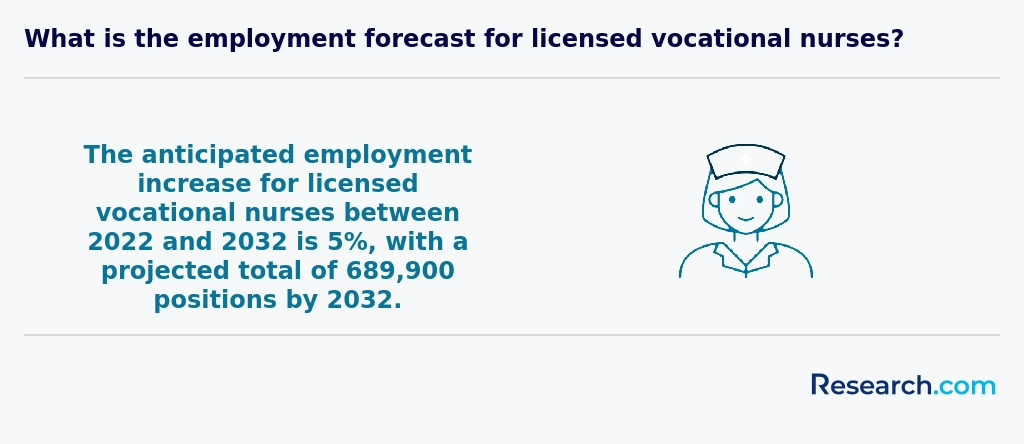
A nursing education plan in Richmond should start with the credential you need for your target role. Students who want the fastest route to registered nursing often compare Associate Degree in Nursing programs, while those aiming for broader hospital opportunities, leadership preparation, or graduate study may prioritize a Bachelor of Science in Nursing. Licensed practical nurses and licensed vocational nurses may be able to use bridge pathways to reduce repeated coursework and shorten the time to RN eligibility.
Cost should be reviewed alongside program quality. A lower tuition program may be a strong choice if it is properly approved, offers reliable clinical placements, and prepares graduates for the NCLEX-RN. A more expensive option may be worth considering if it provides stronger advising, simulation resources, employer connections, or a pathway into advanced nursing study. Students comparing Richmond-area choices can also review the cheapest nursing schools in Virginia to understand how local options fit within the broader state market.
Before applying, confirm these essentials:
- Program level: ADN, BSN, RN-BSN, MSN, or bridge pathway.
- Licensure alignment: eligibility to sit for the NCLEX-RN or advance under Virginia requirements.
- Clinical access: in-person placements in hospitals, clinics, long-term care, or community health settings.
- Total cost: tuition, fees, uniforms, background checks, testing costs, books, transportation, and lost work hours.
- Schedule fit: full-time, part-time, accelerated, evening, weekend, hybrid, or online coursework with local clinical hours.
Imagine stepping into a nursing classroom at one of Richmond's well-regarded colleges, feeling the buzz of excitement as you dive into Human Anatomy and Physiology-where the human body becomes an intricate map waiting to be explored. Graduates often recall how this foundational course turned confusing medical jargon into relatable stories of heartbeats and breath rhythms, setting the stage for real-world care.
Richmond nursing programs weave a vibrant tapestry of courses like Microbiology and Pharmacology, equipping students to battle invisible enemies like infections and mastering the art of medication safety. Many students recount their "aha" moments during Nursing Fundamentals, where textbook lessons transformed into hands-on skills through invigorating clinical labs.
Pediatric and Geriatric Nursing classes bring students face-to-face with the delicate and joyful challenges of caring for children and elders. Community and Public Health Nursing, popular in Richmond's diverse neighborhoods, inspires a sense of purpose by showing how nursing touches the lives of entire populations.
Richmond's nursing programs burst with dynamic specializations that turn ordinary degree seekers into healthcare superheroes tailored for this city's unique pulse. Graduates from popular colleges here share how diving into pediatric nursing felt like stepping into a calling-caring for tiny humans with big needs, blending science with heartbeats. Others find themselves drawn to geriatric nursing, where the wisdom of Richmond's aging population enriches every shift, teaching patience and profound empathy in real, everyday life. These specializations in nursing degree Richmond programs weave the local health landscape into their curricula, resulting in nurses ready for Richmond's distinct challenges.
Critical care nursing students speak of adrenaline-filled rotations in busy urban hospitals, mastering swift decision-making under pressure, while those in psychiatric and mental health nursing develop deep communication skills that help them unravel the threads of human emotions. Community health nursing also thrives here, molding nurses who expand healthcare access to underserved neighborhoods-a true frontline experience. For those starting out or advancing, exploring lpn classes online can complement these paths, offering flexible entry points into the field.
Choosing the best nursing degree in Richmond means diving into programs that fit your life like a well-worn pair of scrubs. Graduates from Virginia Commonwealth University often speak about how the balance of affordable tuition and flexible scheduling helped them juggle late-night shifts and family. Imagine walking through VCU's halls, knowing your clinical rotations at VCU Health hospital are sharpening your skills in real-time. Richmond's affordable nursing schools Richmond VA create a community where experience and education blend seamlessly.
Think beyond just classroom hours-the heartbeat of nursing is hands-on care. Students praise opportunities at Bon Secours St. Mary's Hospital, where clinical partnerships turn theory into confident practice. If cost is a concern, explore scholarships or employer-backed funding that can ease tuition pressures. Some turn to lvn programs online with low tuition to stretch their resources without sacrificing quality.
Richmond's nursing degrees are more than just letters on a diploma-they're your gateway to impacting lives. Seek programs with proven NCLEX success, but also trust the stories from those who've walked the path before you. Their blend of passion and perseverance will light your way.

Graduates holding a nursing degree in Richmond find themselves stepping into a landscape rich with opportunity and impact. From bustling hospital corridors at VCU Medical Center to community outreach in local clinics, career paths gleam with promise. Many dive into roles as Registered Nurses, where the heartbeat of patient care is palpable daily-administering medication, interacting with families, and collaborating with healthcare teams. This reflects the reassuring job outlook Richmond VA offers, fueled by its vibrant healthcare ecosystem.
Others ascend to become Nurse Practitioners, equipped with advanced degrees, embracing autonomy to diagnose and treat-a thrilling leap beyond traditional nursing roles. Richmond's educational hubs, including Virginia Commonwealth University and Richmond Technical Community College, nurture these transitions. Graduates often cherish the mentoring culture here, sharing stories of growth and profound satisfaction.
Specializations stretch like colorful threads-pediatric care filled with joyful resilience, or critical care demanding sharp focus amid urgency. Leadership calls those inspired by guiding teams or shaping future nurses as educators. Exploring cost-effective pathways, students sometimes turn to programs highlighted in the Cheapest Online Master's in Nursing Degree Programs Ranking in Ohio to manage tuition wisely.
Graduate nurses stepping out of Richmond's vibrant nursing programs quickly discover a landscape rich with opportunity and purpose. With healthcare giants like VCU Health System and Bon Secours nearby, graduates find themselves seamlessly transitioning into demanding roles where every shift shapes a story of care and impact. One graduate recalls the thrill of joining a bustling urban hospital, where the steady flow of patients means no two days are alike but each offers a chance to grow and specialize. The pulse of Richmond's nursing job opportunities in Richmond beats strong, supported by state programs and a community hungry for dedicated professionals.
Students from local institutions often share how competitive salaries hover around $70,000 annually, a figure that not only reflects regional strength but also aligns closely with national benchmarks. These numbers spark hope and confidence amidst the long hours of studying and clinical rotations. The investment in education, ranging broadly for in-state students, always seems worthwhile when graduates picture their futures.
The journey into Richmond nursing degree employment outlook gains even more color when considering specialization paths. Certification in critical care or pediatrics can transform a basic RN role into a passionate career. Those curious about accelerating their entry may explore the best accelerated online associate degree programs that weave flexibility and speed into their learning adventure.
2027 Most Affordable Nursing Degree Programs Ranking in Richmond
Investing in your education is a significant decision that can shape your future, and the Research.com team understands the importance of making informed choices. To assist prospective students in Richmond, we have meticulously crafted the "2027 Most Affordable Nursing Degree Programs Ranking in Richmond." Our commitment to quality, credibility, and accuracy is reflected in the extensive research and analysis conducted to compile this ranking.
We utilized the following reputable data sources to ensure a comprehensive evaluation of nursing programs:
By exploring this ranking, readers will gain valuable insights into the most affordable nursing degree options in Richmond, helping them make well-informed decisions about their educational investments. For more details on our methodology, please visit our Research.com methodology page.

# 4 position
Bon Secours Memorial College of Nursing
Bachelor of Science in Nursing

Frequently Asked Questions About nursing
Nursing degree students in Richmond can enhance their learning experience by engaging in clinical internships at local hospitals such as VCU Health and Bon Secours Health System. These hands-on opportunities allow students to apply classroom knowledge in real-world settings, improving both skills and confidence. According to the Virginia Board of Nursing, Richmond offers diverse healthcare settings that expose students to various patient populations and specialties.
Students should also participate in study groups and join nursing organizations like the Student Nurses Association of Virginia. Such networks provide support, mentorship, and access to additional resources. Additionally, staying updated on the latest healthcare technology and evidence-based practices is crucial for success in Richmond's competitive job market.
The nursing field in Richmond is expanding into several emerging niches, reflecting both technological advances and changing patient needs. One rapidly growing area is telehealth nursing, where nurses provide care remotely using digital tools. This niche gained momentum during the COVID-19 pandemic and continues to offer new job opportunities.
Another important specialty is geriatric nursing, as Richmond's aging population increases demand for skilled nurses experienced in elder care. According to the Virginia Employment Commission, geriatric nursing roles in Richmond have grown by over 15% in recent years.
Additionally, nurse informatics is becoming vital. This field combines nursing science with information technology to improve healthcare delivery, and Richmond's hospitals are investing heavily in such roles to enhance patient outcomes.
After completing a nursing degree in Richmond, preparing for the job market involves several key steps. First, graduates should obtain their Registered Nurse (RN) license by passing the NCLEX-RN exam, a mandatory requirement to practice in Virginia. According to the Virginia Board of Nursing, the passing rate for first-time test takers in Richmond is slightly above the national average, reflecting strong program quality in the area.
Next, gaining clinical experience through internships or volunteer work in Richmond hospitals can improve employability. Local healthcare employers, such as VCU Health and Bon Secours, often value practical experience alongside academic credentials.
Networking with nursing professionals and attending local job fairs can also increase job prospects. The Richmond region's healthcare sector is projected to grow by 12% through 2030, indicating steady demand for qualified nurses.
Employers in Richmond seek nursing graduates who demonstrate strong clinical skills combined with effective communication. According to the Virginia Nurses Association, critical thinking and patient care are top priorities. Nurses must be adept at assessing patient needs and responding quickly in fast-paced healthcare settings.
Interpersonal skills are essential for working collaboratively within multidisciplinary teams and with patients from diverse backgrounds. Richmond hospitals also emphasize technological competency, requiring familiarity with electronic health records and modern medical equipment.
Graduates who show resilience, adaptability, and adherence to ethical standards have higher employment prospects. These qualities help meet the increasing demand for skilled nurses in Richmond's growing healthcare sector, as reported by the U.S. Bureau of Labor Statistics.
Finding nursing internships in Richmond involves exploring partnerships between local healthcare facilities and educational institutions. Many nursing programs in the area collaborate with hospitals like VCU Medical Center and Bon Secours Health System, providing structured clinical experiences for students. Students should contact their school's nursing department or career services office to learn about available placements and application deadlines.
Richmond hosts numerous community clinics and long-term care facilities offering externships. Additionally, state and city health departments sometimes provide internship opportunities focused on public health nursing.
According to the Virginia Nurses Association, hands-on clinical experience through internships is essential for licensure and employment readiness.
In Richmond, earning a nursing degree significantly enhances career mobility and advancement opportunities. Registered Nurses (RNs) with degrees, especially Bachelor of Science in Nursing (BSN) holders, often qualify for higher-paying roles and leadership positions. According to the Virginia Department of Health Professions, employers increasingly prefer or require BSN-prepared nurses for specialized units, management, and advanced practice roles.
Career advancement is supported by Richmond's robust healthcare sector, including major hospitals such as VCU Health. Nurses with degrees can pursue certifications and advanced degrees more easily, opening doors to roles like Nurse Practitioner or Clinical Nurse Specialist.
Overall, a nursing degree in Richmond provides a competitive edge in a growing job market.
Studying for a nursing degree in Richmond provides thorough preparation for interdisciplinary roles by emphasizing collaboration among healthcare professionals. Many local programs integrate courses that focus on teamwork with physicians, social workers, and therapists. This approach reflects the region's healthcare demands as seen in institutions like VCU Health and Bon Secours.
The curriculum often includes clinical rotations within diverse healthcare settings, allowing students to gain hands-on experience in various team environments. According to the Virginia Board of Nursing, this practical training enhances communication and decision-making skills critical to interdisciplinary care.
Richmond's nursing education also addresses current healthcare trends, including chronic disease management and patient-centered care, promoting a holistic understanding of patient needs across disciplines.
When choosing between a thesis and a non-thesis nursing degree program in Richmond, consider your career goals carefully. Thesis programs typically require original research and are ideal if you plan to pursue advanced clinical roles or doctoral studies. The non-thesis option, often known as a coursework or capstone path, focuses more on practical skills and is suitable for those aiming to enter or advance in clinical practice quickly.
Richmond nursing schools often offer both paths, with thesis tracks usually lasting longer due to research requirements. According to the Virginia Nurses Association, about 30% of local graduate nursing students opt for thesis programs, reflecting interest in research careers. Understanding these differences helps you align your education with your professional ambitions.
Students based in Richmond who want to study nursing abroad have several typical pathways tied to US higher education structures. Many Richmond students enroll in study abroad or exchange programs through their home universities, which often partner with institutions in countries such as the UK, Australia, and Canada. These programs usually last a semester or a year and allow students to obtain clinical experience consistent with US nursing accreditation standards.
Additionally, Richmond students may pursue international nursing degrees recognized by the Commission on Collegiate Nursing Education (CCNE) or the Accreditation Commission for Education in Nursing (ACEN) to ensure their education meets US licensing requirements. Since around 60% of Richmond's nursing graduates seek diverse clinical experience beyond Virginia (source: Virginia Board of Nursing 2023 data), studying abroad can enhance global competence.
Options also include enrolling in full degree programs abroad, but students must verify eligibility for the NCLEX-RN exam upon returning to the US. Richmond universities often provide advising services to navigate these complexities and support international placements.
Students pursuing nursing degrees in Richmond have several part-time job options that align well with their education. Positions such as nursing assistants or patient care technicians offer practical experience while complementing coursework. These roles provide exposure to clinical settings and hands-on patient care, which can enhance learning and build professional skills.
Local hospitals like VCU Health and Bon Secours Mercy Health often hire part-time assistants, allowing students to work flexible shifts. According to the Virginia Employment Commission, healthcare support roles in Richmond grew 6% between 2020 and 2023, indicating steady demand. Additionally, roles in medical offices or community health programs provide administrative or outreach experience relevant to nursing careers.
Nursing students in Richmond benefit from various networking opportunities that enhance their professional growth. Local universities, such as Virginia Commonwealth University, host nursing associations and student groups where peers connect and share experiences. These organizations often collaborate with healthcare facilities across the city, providing students access to mentorship and clinical internships.
Richmond's healthcare industry, including major hospitals like VCU Health and Bon Secours, frequently offers events and workshops for nursing students. According to the Virginia Nurses Association, Richmond hosts multiple conferences annually, attracting both students and practicing nurses, promoting knowledge exchange and career development.
Additionally, Richmond's nursing programs encourage participation in state and national nursing organizations, expanding professional contacts beyond the city. These connections can lead to job opportunities and continued education pathways, supporting long-term career success.
Alumni networks play a significant role in supporting nursing degree students in Richmond by offering valuable professional connections. These networks help students access local healthcare employers, increasing job placement opportunities in Richmond's competitive nursing market. According to the Virginia Nurses Association, approximately 85% of nursing graduates find employment within six months, often through connections made in alumni groups.
Beyond job leads, alumni provide mentorship, sharing practical advice about Richmond's healthcare environment, licensing requirements, and continuing education. This guidance is crucial for new nurses adapting to demanding clinical roles.
Additionally, alumni events foster collaboration and knowledge exchange, creating a supportive professional community that helps students transition smoothly into nursing careers.
Customizing a nursing degree program in Richmond allows students to align their education with specific career goals. Many local institutions offer flexible coursework options, such as electives focused on specialties like geriatrics, pediatrics, or mental health nursing. These concentrations help tailor skills toward desired nursing fields.
Richmond-area schools often provide clinical placements in diverse healthcare settings, enabling practical experience relevant to targeted roles. For example, students interested in community health may choose internships at local public health organizations.
Part-time and online courses also support working professionals aiming to balance studies with existing commitments. According to the Virginia Center for Nursing, around 65% of Richmond nursing students engage in programs with customizable tracks, enhancing career readiness.
Nursing students in Richmond often face several key challenges during their education. One major difficulty is managing the demanding clinical hours required by accredited programs. Balancing hands-on practice with coursework can be stressful, especially for students working part-time or with family responsibilities. According to the Virginia Board of Nursing, clinical placement availability in Richmond hospitals has become increasingly competitive, adding pressure on students to secure quality clinical experiences.
Additionally, the rigorous curriculum in nursing degrees involves mastering complex subjects, such as pharmacology and anatomy, which many find challenging. Students also report financial strain as another significant obstacle, with tuition and related costs rising, even at public institutions in Richmond. These factors collectively contribute to higher dropout rates in some local nursing programs, as noted in recent educational reports.
With a nursing degree in Richmond, graduates can pursue a variety of professional certifications to enhance their careers. Popular certifications include the Certified Nurse Assistant (CNA), Licensed Practical Nurse (LPN), and Registered Nurse (RN) licenses, which are essential for entry-level and advanced practice in healthcare settings.
Many nurses also choose specialized certifications such as Certified Medical-Surgical Registered Nurse (CMSRN) or Certified Emergency Nurse (CEN), which offer skills recognized nationwide. According to the Virginia Board of Nursing, Richmond's healthcare employers highly value these credentials.
Certifications generally require passing a national exam and maintaining continuing education, ensuring nurses stay current with best practices and regulations.
Writing a winning application for a nursing program in Richmond begins with understanding the local educational environment. Nursing programs in Richmond, such as those at Virginia Commonwealth University, often require a strong academic record, especially in science courses like biology and chemistry. According to the National Center for Education Statistics, competitive applicants typically have a minimum GPA of 3.0.
Applicants should also submit a well-crafted personal statement that highlights their motivation, relevant experience, and commitment to patient care. Richmond's healthcare sector values community involvement and practical experience, so including volunteer or work history can strengthen your application.
Additionally, ensure you meet all prerequisite coursework and submit letters of recommendation from academic or healthcare professionals. Following these steps can enhance your chances in Richmond's growing nursing education market.
The global perspective on a nursing career highlights its vital role in healthcare systems worldwide. In the United States, including Richmond, nursing is one of the fastest-growing professions with an expected 9% job growth from 2020 to 2030, according to the U.S. Bureau of Labor Statistics. Nurses in Richmond often collaborate with international peers, reflecting a worldwide standard of care and ethics.
Globally, the demand for skilled nurses is increasing due to aging populations and chronic diseases. U.S. nursing education frequently incorporates global health issues, preparing students to work in diverse environments.
Richmond offers access to accredited programs that align with global nursing competencies, making it an attractive choice for future nurses.
Students pursuing nursing degrees in Richmond can gain practical experience through clinical rotations integrated into most nursing programs. These rotations typically occur in local hospitals, clinics, and healthcare facilities, offering real-world exposure under professional supervision.
The Virginia Department of Health reports that Richmond has over 15 major healthcare centers providing clinical placement opportunities. Schools often partner with facilities such as VCU Health System, allowing students to develop skills in various specialties.
Additionally, Richmond nursing programs may offer simulation labs, where students practice critical nursing techniques using advanced mannequins and technology.
Volunteering or part-time work in healthcare settings also helps build experience alongside formal education.
Choosing the right concentration within a nursing degree program in Richmond begins with understanding your career goals and interests. Richmond offers various nursing specializations such as pediatric, geriatric, psychiatric, and critical care nursing, each aligning with different healthcare needs. According to the Virginia Center for Nursing, Richmond's healthcare market is growing, with a higher demand in geriatric care due to an aging population.
Research accredited programs through organizations like the Commission on Collegiate Nursing Education (CCNE) to ensure quality education. Consider clinical opportunities, as hands-on experience in local hospitals like VCU Health is crucial for specialization success.
Lastly, evaluate job placement rates and salary data; for example, registered nurses in Richmond earn an average annual wage of around $70,000, which may vary by concentration.
- 2027 Most Affordable Nursing Degree Programs Ranking in Virginia Beach
- 2027 Most Affordable Nursing Degree Programs Ranking in Lynchburg
- 2027 Most Affordable Nursing Degree Programs Ranking in Washington
- 2027 Most Affordable Nursing Degree Programs Ranking in Harrisonburg
- 2027 Most Affordable Nursing Degree Programs Ranking in Baltimore
- 2027 Most Affordable Nursing Degree Programs Ranking in Pittsburgh
- 2027 Most Affordable Nursing Degree Programs Ranking in New York
- 2027 Most Affordable Nursing Degree Programs Ranking in Cleveland
- 2027 Most Affordable Nursing Degree Programs Ranking in Rochester
- 2027 Most Affordable Nursing Degree Programs Ranking in Detroit
See What Experts Have To Say About Studying Nursing
Read our interview with Nursing experts


- Nursing - Admission SUM Medicine https://admission.sum.edu.pl/nursing/
- How to Choose the Right Nursing Program for Your Career Goals - Maria College https://mariacollege.edu/blog/how-to-choose-the-right-nursing-program-for-your-career-goals
- Nurse Salary (RN, APRN) - Average Pay by State [2026 ... https://nursinglicensemap.com/resources/nurse-salary/
- Nursing | Reynolds Community College https://www.reynolds.edu/programs/program-pages/nursing-aas.html
- Types of Nursing Degrees-Which One Is Yours? https://www.allnursingschools.com/how-to-get-into-nursing-school/degree-options/
- Top Nursing Skills U.S. Employers Want to See on Your Resume | O'Grady Peyton https://www.ogradypeyton.com/blog/job-seeker-resources/top-nursing-skills-u.s.-employers-want-to-see-on-your-resume
- Nursing Schools In Richmond, VA https://www.nursingschools.com/schools/virginia/richmond/
- How a BSN Prepares You for Graduate Nursing Degrees (MSN, DNP) https://blog.methodistcollege.edu/bsn-prepares-you-graduate-nursing-degrees
- 10 Nursing Fields That Are Growing in Demand https://promedcert.com/blog/10-nursing-fields-that-are-growing-in-demand
- How Do Nurses Prepare to Work in a Multidisciplinary Team? | NursingEducation https://nursingeducation.org/insights/multidisciplinary-team/