2027 Best Online Bachelor's in Nursing Degree Programs Ranking in South Carolina

Co-Founder and Chief Data Scientist
Choosing the right nursing program is a big step toward a rewarding healthcare career. This article introduces the 2027 Best Online Bachelor's in Nursing Degree Programs Ranking in South Carolina, crafted by the Research.com team of data scientists. It offers clear insights to help you find nursing programs that truly fit your goals and lifestyle.
Whether you're starting fresh or advancing your education, earning a nursing degree opens doors to stability, growth, and meaningful work. Explore these top online options to make an informed, confident decision for your future.
Key benefits of getting online nursing degree in South Carolina
- Graduates with a nursing degree can earn competitive salaries, such as $94,480 annually for Registered Nurses and Public Health Nurses or up to $128,490 for Operating Room Nurses, offering strong financial rewards.
- Career paths for nursing graduates from South Carolina colleges often include diverse roles like Emergency Room Nurse or Clinical Nurse Educator, allowing you to find a rewarding specialty that fits your passion.
- Completing a nursing degree online provides flexibility to balance work and study, as seen with online graduates from popular South Carolina universities, making it easier to advance your career without disrupting your life.
- 2027 Best Online Bachelor's in Nursing Degree Programs Ranking in South Carolina
- What can I expect from online nursing degree in South Carolina?
- Where can I work with online nursing degree in South Carolina?
What can I expect from online nursing degree in South Carolina?
The average cost of an online nursing degree in South Carolina varies depending on the institution and program type. For example, graduates from well-regarded schools like the University of South Carolina and Clemson University report tuition ranging from approximately $15,000 to $40,000 for the entire Bachelor of Science in Nursing (BSN) online program. These figures include tuition fees but may exclude additional costs such as textbooks or clinical placement expenses.
Many students appreciate the flexible payment options and financial aid opportunities offered by these universities, which help mitigate the upfront costs. One graduate shared that balancing work and study was more manageable due to the online format, and the investment felt justified considering the steady job market for nurses in South Carolina.
Because of the rigorous accreditation by bodies like CCNE and ACEN, students feel confident the financial commitment supports a quality education recognized by statewide employers. This reassurance allows students to focus on mastering both theory and clinical skills needed to thrive in South Carolina's healthcare system.
Where can I work with online nursing degree in South Carolina?
Graduates with an online nursing degree from institutions like the University of South Carolina or Clemson University often secure positions in prominent healthcare settings across South Carolina. Many find rewarding roles in major urban centers such as Charleston, Columbia, and Greenville, where hospitals like Prisma Health and the Medical University of South Carolina offer dynamic work environments. These graduates frequently share how their clinical experiences, obtained through program internships, directly prepared them for fast-paced hospital wards.
Nursing careers extend beyond hospitals, with opportunities in outpatient care centers, rehabilitation facilities, and home health agencies. Graduates express satisfaction working with the state's aging population, addressing complex needs in nursing homes and assisted living centers, positively impacting quality of life for elderly residents. Public health nursing is another growing pathway, where BSN-prepared nurses engage in community health initiatives, chronic disease prevention, and education programs, often employed by state and local health departments.
Employment projections confirm a strong job market, with registered nurse roles in South Carolina expected to grow around 9% from 2022 to 2032. This growth reflects expanding demand, rewarding graduates who seek careers aligned with both clinical and community health settings throughout the state.
Graduates with an online nursing degree in South Carolina can expect mean annual wages around $94,480 for common registered nurse roles such as Clinical Nurse Educators, Public Health Nurses, and Emergency Room Nurses. This aligns with national data and reflects strong demand in various healthcare settings within the state.
For example, graduates from well-known programs at universities like the University of South Carolina report starting in positions with competitive wages near $55,000 to $60,000, increasing quickly with experience. Those advancing in specialized fields-such as Operating Room Nurses-can expect significantly higher earnings, with mean salaries reaching approximately $128,490 annually, benefiting from advanced skills obtained through further education or certifications.
Many graduates find that these salary figures support a comfortable lifestyle in cities like Charleston or Columbia, where the healthcare sector values online BSN completion programs. Practical training combined with flexible online coursework enables graduates to build rewarding careers with steadily rising compensation.
- Online nursing degrees in South Carolina range from $15,000 to $40,000, with public universities generally offering lower tuition for in-state students.
- Programs available include RN to BSN and accelerated BSN tracks, all meeting state and national accreditation standards for licensure eligibility.
- The demand for registered nurses in South Carolina is expected to grow by 19% through 2030, faster than the national average.
- Starting salaries average about $57,000 per year, rising to roughly $75,000 with experience; BSN degree holders often earn more than those with an associate degree.
- Licensure requires passing the NCLEX-RN exam, and continuing education is necessary to maintain the license, which can typically be completed online.
The completion time for an online nursing degree in South Carolina typically ranges from two to four years, depending on the student's background and enrollment status. For example, those starting fresh with no nursing experience usually spend around four years finishing a Bachelor of Science in Nursing (BSN) online, often attending popular institutions like the University of South Carolina or the Medical University of South Carolina. Graduates from these programs recall balancing coursework with family and work, appreciating flexible part-time options that extend timelines but maintain steady progress.
Registered Nurses (RNs) seeking to upgrade their qualifications through RN-to-BSN bridge programs generally complete their degrees faster-within 12 to 24 months-thanks to credit for their prior experience. Many graduates find this accelerated path at colleges such as Clemson University advantageous, enabling them to advance professionally without pausing their careers.
South Carolina students report that while theoretical content is online, mandatory clinical hours require local in-person attendance. This blend supports credentialing standards and practical skills, with positive feedback on clinical placements facilitated through university partnerships.
One of the most critical measures of an online nursing program’s quality is its NCLEX-RN pass rate, as it directly reflects how well graduates are prepared for licensure and safe practice. In South Carolina, leading online BSN programs report first-time NCLEX-RN pass rates ranging from 88% to 96%, often exceeding the national average of 85%. These outcomes demonstrate rigorous curriculum alignment with the National Council of State Boards of Nursing (NCSBN) test plan and targeted support for exam readiness. To boost your chances of success, many programs offer dedicated NCLEX review courses, adaptive practice-testing platforms, virtual simulation labs, and one-on-one tutoring. For example, students at the University of South Carolina can access weekly live Q&A workshops with nurse educators, while Clemson University provides HESI exam bundles to benchmark proficiency in key content areas. Additionally, partnerships with local healthcare systems ensure timely clinical hours that reinforce critical thinking and patient-care skills under preceptor supervision. Understanding licensure requirements is equally important: after completing didactic and clinical components, applicants must submit fingerprints and jurisprudence attestations to the South Carolina Board of Nursing. Most graduates receive their NCLEX eligibility letter within two weeks of program completion and schedule their exam within 30 days. Programs that consistently exceed 90% pass rates often feature dedicated licensure advisors who guide students through application deadlines, fee waivers, and testing accommodations. Finally, when evaluating both cost and outcome metrics, prospective students may also consult the Affordable Online Nursing Degree Programs Ranking in Missouri to compare tuition savings against NCLEX success benchmarks and ensure they choose a program that delivers both value and licensure excellence.
Online nursing degrees in South Carolina provide significant flexibility by allowing students to complete coursework remotely through video lectures and digital assignments. Graduates from programs at institutions like the University of South Carolina note how this flexibility enabled them to balance work and family commitments effectively. Conversely, traditional on-campus programs at colleges such as Clemson University require physical attendance for lectures and labs, fostering immediate peer and faculty interaction, which many students find energizing and supportive.
Both online and on-campus formats include essential hands-on clinical hours conducted locally in healthcare settings to meet South Carolina's state licensing requirements. This ensures students from either pathway gain real-world experience necessary for the NCLEX-RN exam.
Cost-wise, in-state tuition typically ranges from $10,000 to $15,000 annually. Online students may save on housing and transportation but sometimes pay additional technology fees. On-campus students appreciate access to campus resources such as simulation labs and face-to-face advising, enhancing their academic support.
Accreditation by bodies like CCNE and ACEN remains consistent across formats, giving graduates equal eligibility for RN licensure in South Carolina.
Accreditation and state approval are essential to ensure your online BSN qualifies you for licensure and practice in South Carolina.
- CCNE or ACEN accreditation: Confirms the program meets national standards for nursing education.
- South Carolina Board of Nursing approval: Required for eligibility to take the NCLEX-RN exam in SC.
- NCLEX-RN eligibility: Graduates of accredited, board-approved programs can register for and sit the exam.
- Interstate Nurse Licensure Compact (NLC): Check if your program’s clinical hours and accreditation support multistate practice.
Verifying accreditation and board approval upfront prevents surprises at graduation and helps you focus on coursework and clinicals. For tips on choosing accessible programs with strong licensure support, explore our easiest nursing programs to get into.
The average cost of an online nursing degree in South Carolina generally falls around $55,200, reflecting a median total expenditure for students completing programs remotely. Graduates from programs at well-regarded institutions like Clemson University or the University of South Carolina often share how manageable tuition and fees allowed them to focus on their studies rather than financial stress. These students emphasize the significance of carefully evaluating tuition to balance affordability with quality.
South Carolina online bachelor nursing program cost varies widely depending on whether a student attends a public or private university, as well as their residency status. In-state students typically benefit from significantly reduced tuition rates compared to out-of-state students, who face much higher fees. This affordability in-state plays a crucial role for many local students pursuing their nursing degrees without accruing large debts. The ability to attend a reputable program online while maintaining personal and work commitments increases satisfaction and boosts completion rates.
Prospective students exploring the average cost of online nursing degree South Carolina can find detailed cost breakdowns and program rankings to guide their financial planning. The savings from avoided commuting and housing expenses, combined with potential scholarships and financial aid, make online options an appealing choice. For those seeking more affordable pathways, reviewing lists of affordable nursing programs in south carolina can illuminate valuable opportunities to achieve their goals efficiently and cost-effectively.
Understanding NCLEX pass rates is crucial when evaluating the quality and effectiveness of online BSN programs in South Carolina. High first-time pass rates indicate rigorous curricula and strong student support, both of which directly impact your licensure success and employability. Many top online nursing programs in South Carolina report NCLEX-RN first-time pass rates above 90%, outperforming national averages. For example, graduates from the University of South Carolina’s online BSN pathway consistently achieve pass rates near 95%, while Clemson University’s program hovers around 92%. These figures reflect comprehensive exam preparation, including dedicated review modules, practice question banks, and virtual study groups. Licensure outcomes also extend beyond exam performance. Employment rates within six months of graduation are another key indicator: South Carolina online BSN programs often report job placement rates exceeding 85%, thanks to robust career services and clinical partnerships with local healthcare providers. Graduates frequently receive multiple job offers upon passing the NCLEX, underscoring the demand for well-prepared nurses in the state. For BSN graduates aiming to further their credentials, pursuing advanced degrees can enhance clinical autonomy and salary potential. Many students transition seamlessly into DNP pathways; those interested in advancing their nursing education can explore dnp fast track programs online to expedite their journey to the highest level of nursing practice. By reviewing NCLEX pass rates and post-graduation licensure success, prospective students gain valuable insight into program quality and can select an online nursing degree that not only prepares them for the exam but also for a thriving career as a licensed professional.
Students pursuing online nursing degrees in South Carolina typically access a range of financial aid options to offset costs that often range from $9,000 to $15,000 annually for in-state public programs. For instance, graduates from institutions like the University of South Carolina and Clemson University report that federal aid through FAFSA remains a cornerstone, enabling access to Pell Grants that cover substantial tuition portions without requiring repayment.
State-specific programs further enhance affordability. The South Carolina Nursing Scholarship Program, favored by many nursing students, offers scholarships contingent on post-graduation service within the state's healthcare facilities-an arrangement that alumni describe as mutually rewarding and stabilizing for their careers.
Employer tuition assistance also plays a critical role, especially for those already employed in healthcare systems such as Prisma Health. This pathway often covers partial or full tuition and is frequently highlighted by recent graduates as a key enabler for advancing their education.
Additional resources include South Carolina State Grants and the Nurse Faculty Loan Program, which many nursing students leverage to ease financial burdens while pursuing teaching roles or advanced clinical careers within the state.
Success in an online nursing program is measured not only by coursework but also by performance on the National Council Licensure Examination (NCLEX). In South Carolina, top online BSN programs boast first-time NCLEX-RN pass rates above 90%, reflecting rigorous academic standards and dedicated exam-prep resources. Many schools offer live virtual review sessions, adaptive question banks, and simulated clinical scenarios to reinforce critical thinking under timed conditions. For example, graduates report that weekly mock exams and faculty-led debriefings helped them reduce test anxiety and pinpoint knowledge gaps before the official exam. To maximize licensure success, students should seek programs that integrate NCLEX-style questions into each clinical and didactic course. This continuous exposure allows learners to apply theoretical concepts to realistic patient scenarios, boosting retention and confidence. Additionally, mentorship from experienced nursing faculty-often accessible through virtual office hours-provides personalized feedback on test-taking strategies and content areas requiring further study. While most students focus on RN licensure, many begin their careers with LPN credentials. Programs like the best rated pennsylvania lpn program often report robust NCLEX-PN pass rates, setting a solid foundation for further academic advancement. By reviewing each school’s publicly available licensure statistics and resources, prospective students can choose a program that aligns with their learning style and career goals, ultimately ensuring a smooth transition from student nurse to licensed professional.
To enroll in an online nursing degree in South Carolina, students must meet several academic and health-related prerequisites designed to ensure readiness for the program. Most require a high school diploma or GED as a baseline, alongside proficiency in core subjects such as biology, chemistry, and mathematics.
Graduates from programs at Midlands Technical College or Trident Technical College recall having to complete prerequisite courses like human anatomy and physiology, microbiology, general chemistry, statistics or college-level math, and English composition before starting the nursing curriculum. These courses are crucial for laying a solid foundation and often require maintaining a minimum GPA between 2.5 and 3.0 to qualify.
Many programs also ask for standardized test scores such as the TEAS to objectively assess academic skills. Practical readiness involves submitting immunization records, CPR certification, and background checks to comply with South Carolina's nursing board regulations, safeguarding students and patients during clinical placements.
When planning your online nursing education in South Carolina, it's essential to consider several factors that can impact your learning experience and future career. Understanding the various online nursing programs available, including their specializations, curriculum, and clinical training opportunities, is crucial for making an informed decision. For instance, exploring affordable nursing programs in south carolina can help you find a program that fits your budget and career goals. Additionally, researching the job market, salary expectations, and growth opportunities in the state can provide valuable insights into the potential outcomes of your online nursing degree. By carefully evaluating these aspects, you can create a personalized plan that aligns with your aspirations and sets you up for success in the nursing field.
Online nursing degree programs in South Carolina commonly include courses such as Anatomy and Physiology, which provide a vital foundation for understanding the human body-a critical skill that graduates from top schools like the University of South Carolina describe as essential when entering clinical settings. Microbiology and Pharmacology further equip students to manage infections and medication safely, a key component highlighted by alumni who appreciated the thorough preparation for practical nursing demands.
Courses in Health Assessment and Nursing Fundamentals teach hands-on skills for patient evaluation and safety, which many graduates recall using immediately during local clinical rotations arranged near institutions such as Charleston Southern University. Specialized subjects like Pathophysiology, Adult and Pediatric Nursing, and Mental Health Nursing ensure students grasp various patient needs and age groups, making the degree relevant across diverse healthcare environments in South Carolina.
Leadership training is also integrated, helping students build confidence for supervisory roles in healthcare systems statewide. These comprehensive course offerings contribute to a strong sense of readiness and accomplishment expressed by many South Carolina online nursing program graduates.
Online nursing specializations South Carolina programs typically offer focus areas that directly respond to the state's healthcare workforce demands. Popular specializations include the Registered Nurse to Bachelor of Science in Nursing (RN to BSN), which helps RNs build leadership and community health skills. Others pursue Nurse Practitioner specializations such as Family Nurse Practitioner (FNP) or Psychiatric-Mental Health Nurse Practitioner, given South Carolina's need for primary care and mental health professionals.
Graduates from well-regarded institutions express satisfaction with Healthcare Leadership and Administration tracks, which prepare nurses for managerial roles and policy development. Public Health Nursing is another vital specialization, addressing rural healthcare challenges through prevention and health promotion, aligning with local initiatives. Clinical Nurse Specialist (CNS) programs provide advanced clinical training tailored to specific populations. These specializations reinforce the appeal of South Carolina nursing degree specialization options.
Students often highlight how local clinical placements integrate real-world practice with their studies. Some compare their nursing journey with options like the best rated pennsylvania lpn program to understand diverse regional meets, reinforcing their commitment and optimism for a rewarding career ahead.
Choosing the best online nursing degree in South Carolina requires verifying accreditation by CCNE or ACEN to ensure eligibility for the NCLEX-RN exam. Graduates from popular universities within the state report confidence in their programs' strong curriculum and relevant specializations, aligning with local healthcare needs. Many appreciate robust clinical placement support, which facilitates hands-on training at nearby medical centers, a critical aspect given South Carolina's growing nursing job market projected to increase by 16% through 2030.
Affordability is another key factor; residents benefit from lower tuition rates at state schools and scholarships like the Nursing Workforce Development Grant Program. Graduates often share how this financial aid eased their path through rigorous coursework. South Carolina's online nursing programs generally boast NCLEX pass rates between 85% and 95%, reflecting quality education and readiness.
Flexibility matters to students balancing work and family commitments. Online courses with asynchronous classes and support services improve learning experiences at schools well-known for delivering some of the best online nursing programs South Carolina offers. For those interested in advanced options, exploring dnp fast track programs online can be a strategic next step.
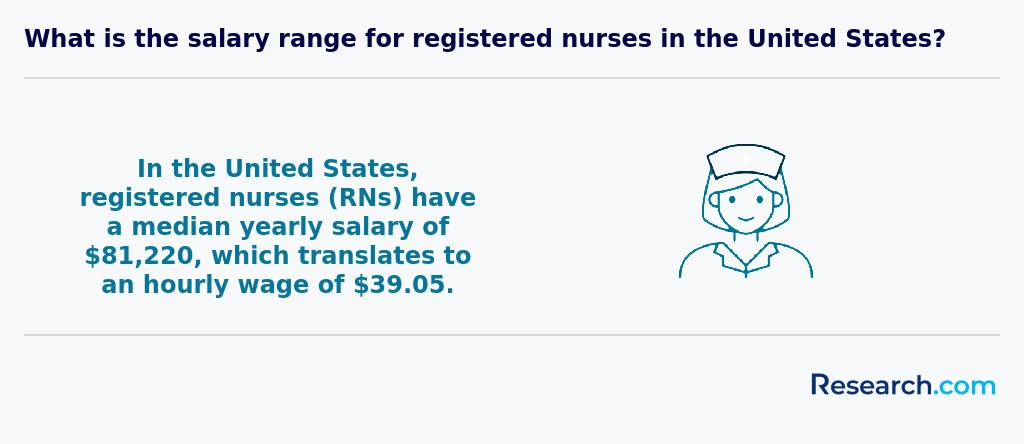
Graduates with an online nursing degree in South Carolina have multiple career options available. The most common role is becoming a Registered Nurse (RN), providing hands-on care in hospitals or clinics throughout the state. Many graduates from institutions such as the Medical University of South Carolina or Clemson University find rewarding work balancing busy hospital floors and community health. With a median annual wage around $62,000 in South Carolina, RNs play a critical role in local healthcare.
Beyond direct patient care, nursing degree job opportunities South Carolina include positions like nurse educators and case managers, which allow graduates to leverage their skills in teaching or care coordination. Some professionals specialize further, choosing pediatric or oncology nursing to deepen expertise and job satisfaction.
Advanced roles such as Nurse Practitioners or Nurse Anesthetists require additional education but provide significantly higher salaries, often exceeding $95,000 annually. Many South Carolina nursing students are attracted to flexible online programs with costs between $20,000 and $40,000, which are competitive compared to national averages. Scholarships and financial aid make these options accessible. Those considering the state's licensing pathway should note that passing the NCLEX-RN exam is mandatory after graduation.
For an overview of cost-effective options, students can explore the Affordable Online Nursing Degree Programs Ranking in Missouri, which offers insight into similar-performing nursing degrees.
The job market for online nursing degree jobs South Carolina is robust, with demand driven by population growth and an aging community. Graduates from online programs at well-regarded institutions such as the University of South Carolina or Clemson University find employment opportunities in both urban centers like Charleston and Columbia and more rural areas where nursing shortages are acute. Many report satisfaction with the flexibility of completing coursework online while gaining clinical experience locally.
South Carolina nursing job market outlook indicates a 15% growth in Registered Nurse positions through 2028, outpacing the national average. This sustained demand ensures that graduates can secure roles in hospitals, outpatient care, and long-term care facilities. Salaries average around $62,000, with opportunities for advancement into specialized and managerial roles that offer higher pay.
For many, the cost-effectiveness of online BSN degrees-from $20,000 to $40,000 tuition-is a key factor, especially when combined with scholarships and access to schools with low tuition programs that accept financial aid. Graduates often feel confident their credentials will be recognized by the state's licensing board, allowing them to step into rewarding healthcare careers across South Carolina.
2027 Best Online Bachelor's in Nursing Degree Programs Ranking in South Carolina
Investing in your education is a significant decision that can shape your future, and the Research.com team recognizes the importance of making informed choices. To support prospective nursing students in South Carolina, we have carefully developed the "2027 Best Online Bachelor's in Nursing Degree Programs Ranking in South Carolina." Our dedication to quality, credibility, and accuracy is reflected in the thorough research and analysis behind this ranking.
We utilized the following reputable data sources to ensure a comprehensive evaluation of nursing programs:
By exploring this ranking, readers will gain valuable insights into the top online nursing degree programs available in South Carolina, empowering them to make well-informed educational decisions. For a detailed explanation of how this ranking was created, please visit our Research.com methodology page.


Frequently Asked Questions About nursing
Online nursing degree students in South Carolina can maximize their learning by actively engaging with both virtual coursework and clinical experiences. Given that South Carolina requires supervised clinical hours for RN licensure, students should seek local healthcare facilities for hands-on training. Utilizing resources from schools accredited by the Commission on Collegiate Nursing Education (CCNE) ensures high-quality education aligned with state standards.
Students should also take advantage of interactive online tools and peer networking opportunities to deepen understanding. According to the South Carolina Board of Nursing, practical experience combined with theoretical knowledge improves job readiness and NCLEX pass rates. Allocating consistent study time and connecting with licensed RN mentors in South Carolina can also enhance learning outcomes.
The nursing field is rapidly evolving, with new specialties emerging to meet healthcare demands. In South Carolina, online nursing programs highlight areas such as gerontology, given the state's growing senior population, and informatics, which focuses on managing patient data through technology. According to the South Carolina Center for Nursing Workforce, telehealth nursing is expanding, driven by rural access needs. Mental health nursing also shows growth as awareness and services increase. These niches offer promising career paths for students seeking online nursing degrees, aligning with national trends where specialized skills enhance employment prospects and salary potential.
After completing an online nursing degree in South Carolina, preparing for the job market requires strategic steps to ensure success. First, graduates must obtain licensure by passing the NCLEX-RN exam, which is mandatory to practice as a registered nurse in the state. The South Carolina Board of Nursing oversees this process.
Networking is also crucial. Joining state nursing associations such as the South Carolina Nurses Association can provide valuable connections and job leads.
Hospitals and healthcare employers in South Carolina often prefer candidates with clinical experience. Graduates should highlight any practicum or clinical hours completed during their degree and consider volunteering or internships to enhance practical skills.
According to the South Carolina Department of Employment and Workforce, nursing is among the fastest-growing professions locally, with a projected job growth rate of over 15% by 2030, indicating strong demand.
Employers in South Carolina seek nursing graduates who demonstrate strong clinical skills and critical thinking abilities. According to the South Carolina Board of Nursing, proficiency in patient care, medication administration, and understanding healthcare technology are essential for new nurses. Communication skills are also highly valued, as nurses must collaborate effectively with patients and healthcare teams.
Time management and adaptability rank highly too, given the fast-paced hospital environments. Statistical data from the U.S. Bureau of Labor Statistics shows that South Carolina's nursing workforce growth emphasizes these competencies to meet increasing healthcare demands. Finally, cultural competence helps nurses provide quality care to diverse populations across the state.
Finding nursing internships in South Carolina involves several strategic steps, especially for students pursuing online nursing degrees. Start by exploring clinical placement programs offered by your college or university, as many schools assist students in securing internships at local hospitals or healthcare facilities. South Carolina has over 90 hospitals, including major networks like Prisma Health and MUSC Health, which regularly partner with nursing programs for student internships.
You can also contact state nursing organizations such as the South Carolina Nurses Association for guidance on internship opportunities. Utilizing job boards like those on the South Carolina Department of Health and Environmental Control (DHEC) website can provide listings specific to nursing roles. Early networking through local healthcare events or virtual fairs can increase your chances of finding relevant internships in the state's clinical settings.
Obtaining an online nursing degree in South Carolina significantly enhances career mobility by allowing nurses to meet employer demands for higher qualifications while balancing work and personal life. According to the South Carolina Board of Nursing, registered nurses with a Bachelor of Science in Nursing (BSN) have better chances for promotions and leadership roles in hospitals, which increasingly require a BSN for advanced clinical and management positions.
The U.S. Bureau of Labor Statistics notes that South Carolina's demand for nurses is expected to grow by 14% through 2032, making an online BSN degree a strategic move to access a broader range of job opportunities and higher salaries. Many healthcare employers in the state actively support nurses in pursuing online education to meet these needs.
Furthermore, an online nursing degree offers education in critical thinking and evidence-based practices, which are vital skills for career advancement within South Carolina's diverse healthcare settings, from urban hospitals to rural clinics.
Studying for a nursing degree in South Carolina online equips students with skills vital for interdisciplinary healthcare roles. Programs emphasize collaboration with professionals like doctors, social workers, and pharmacists. This teamwork approach reflects statewide healthcare demands, as South Carolina focuses on integrated care models to improve patient outcomes.
Courses often include communication, leadership, and health informatics, preparing nurses to work effectively in diverse teams. According to the South Carolina Center for Nursing, over 60% of nursing roles involve cross-disciplinary coordination, highlighting the importance of these skills.
Online programs also use simulations and case studies based on real clinical scenarios, fostering practical decision-making within healthcare teams.
Choosing between a thesis and a non-thesis nursing degree program in South Carolina depends on your academic and career goals. Thesis programs require original research and are ideal for students aiming for advanced clinical roles or graduate study. Non-thesis tracks focus more on practical skills and coursework, suited for those prioritizing direct patient care or administrative positions.
In South Carolina, the Board of Nursing highlights the growing need for nurses with strong research skills, especially as evidence-based practice expands in healthcare. According to the South Carolina Department of Labor, nursing jobs are expected to grow by 15% by 2030, increasing demand for highly skilled professionals.
Consider the time commitment as thesis options often require more time due to research and writing, while non-thesis paths may be quicker for entering the workforce.
Research individual accredited schools to see which format aligns with your schedule and career plans.
Students in South Carolina interested in studying nursing abroad face several considerations. While online nursing degrees are widely accessible through in-state and out-of-state programs, fully studying nursing abroad remotely can be complex due to licensing and accreditation issues.
Many international nursing programs may not meet the South Carolina Board of Nursing requirements for licensure, which relies on passing the NCLEX-RN exam, standardized across the United States. Therefore, students opting to study abroad should verify if their foreign degree is recognized and if they can take the NCLEX-RN exam upon returning.
South Carolina residents often combine international clinical experiences or study abroad semesters with U.S.-based online coursework. This hybrid approach allows them to gain global exposure while ensuring their education meets South Carolina's licensure standards.
Part-time job opportunities in South Carolina can greatly complement nursing degree education by providing practical experience and financial support. Common roles include Certified Nursing Assistant (CNA), medical receptionist, and home health aide. These positions offer exposure to healthcare settings and patient care, reinforcing academic knowledge.
According to the South Carolina Department of Labor, CNAs earn an average hourly wage of $13 to $16 in the state, making this a viable option for students. Additionally, working in long-term care facilities or outpatient clinics can help students build communication and clinical skills essential for nursing careers.
Engaging in these part-time roles while studying online helps integrate theory with hands-on practice, a critical factor in nursing education success.
Online nursing students in South Carolina have several networking opportunities available despite the remote nature of their studies. Many universities offer virtual events, discussion forums, and specialized nursing groups to connect students with peers and faculty. South Carolina's strong healthcare sector, including the South Carolina Nurses Association, provides access to professional conferences, workshops, and local chapters that welcome online students. Additionally, clinical placements within state hospitals and healthcare facilities allow students to meet practicing nurses and healthcare professionals. According to the South Carolina Board of Nursing, maintaining these connections is essential for career growth and employment in the state's growing nursing workforce.
Alumni networks play a crucial role in supporting online nursing degree students in South Carolina. These networks connect current students with graduates who have already navigated the local job market and licensing requirements, providing valuable mentorship opportunities.
In South Carolina, where nursing employment is expected to grow by 17% through 2030 according to the U.S. Bureau of Labor Statistics, alumni can offer guidance on job placements and professional development tailored to regional healthcare needs.
Members of alumni groups often share exclusive job leads, continuing education resources, and insights into hospital culture, which helps students transition smoothly from study to practice.
This connectivity enhances networking, increasing students' chances of securing competitive nursing positions statewide.
Customizing an online nursing degree program in South Carolina allows students to align their education with specific career goals. Many programs offer specializations such as pediatrics, gerontology, or community health, which help tailor skills for desired nursing fields. Additionally, students can often choose electives focusing on leadership or informatics, enhancing opportunities in administration or technology-driven healthcare.
South Carolina's Board of Nursing requires clinical hours that can typically be completed locally, giving flexibility in choosing placement sites. According to the South Carolina Department of Labor, specialized certifications improve job prospects, and selecting a program with options supporting certification preparation is beneficial.
By selecting programs with flexible pacing and elective choices, students can personalize their studies while meeting state licensure requirements efficiently.
Online nursing students in South Carolina often face challenges balancing clinical requirements with remote coursework. Although many programs offer flexibility, students must complete in-person clinical hours at approved healthcare facilities, which can be difficult to schedule alongside work and family obligations.
Technical issues and limited access to reliable internet are common barriers, especially in rural parts of South Carolina where broadband coverage remains incomplete, according to the South Carolina Broadband Office.
Additionally, students must navigate state-specific licensing criteria. The South Carolina Board of Nursing requires graduates to pass the NCLEX-RN exam, and understanding these regulations early is crucial for online learners.
Support services, such as tutoring and advising, may vary between schools, impacting student success rates. According to the National Center for Education Statistics, retention can be lower without strong institutional support. These factors contribute to the complexity of pursuing online nursing degrees in South Carolina.
With an online nursing degree in South Carolina, you can pursue several professional certifications to advance your career. Common options include becoming a Registered Nurse (RN) by passing the NCLEX-RN exam, which is required for licensure in South Carolina. Many graduates also pursue certifications such as Certified Nurse Practitioner (CNP) or Certified Clinical Nurse Specialist (CNS) after obtaining advanced degrees.
Specialty certifications in areas like gerontology, pediatrics, or psychiatric nursing are available through organizations like the American Nurses Credentialing Center (ANCC). South Carolina employers highly value these credentials for roles in hospitals and care facilities.
According to the South Carolina Board of Nursing, over 40,000 RNs are licensed in the state as of 2023, reflecting strong demand for certified professionals.
To write a winning application for an online nursing program in South Carolina, start by thoroughly researching the program's requirements and mission. Most accredited programs look for a strong academic record, especially in science and healthcare-related courses. Highlight any prior healthcare experience, such as CNA certification or volunteer work, as South Carolina values practical experience in nursing admissions.
Include a clear, concise personal statement explaining your motivation, career goals, and commitment to serving diverse communities. The South Carolina Department of Labor reports ongoing demand for nurses, so emphasizing your understanding of local healthcare needs can strengthen your application.
Be sure to submit all transcripts and test scores promptly and ask for strong, relevant recommendation letters. Attention to detail and timely submission demonstrate professionalism essential in nursing careers.
The nursing profession holds a vital role globally, reflecting significant demand across many countries, including the United States. In South Carolina, registered nurses are expected to see a growth rate of approximately 12% from 2020 to 2030, outpacing the average for all occupations, according to the U.S. Bureau of Labor Statistics.
Worldwide, nursing is recognized as a cornerstone of healthcare systems, with nurses often serving as the first point of patient contact. The World Health Organization highlights the importance of nurses in achieving universal health coverage and improving patient outcomes.
For South Carolina students pursuing online nursing degrees, understanding this global context is valuable. It shows that nursing offers diverse career opportunities and strong job stability driven by aging populations and expanding healthcare needs both locally and internationally. This demand supports a promising career path for new graduates.
When pursuing an online nursing degree in South Carolina, gaining practical experience is essential. Most accredited programs require clinical rotations or hands-on training, which students complete at local healthcare facilities. These placements allow students to apply their knowledge under supervision, meeting South Carolina Board of Nursing standards.
Students often arrange clinical experiences through their schools, partnering with hospitals, clinics, or long-term care centers statewide. The state's healthcare system is large, with over 100 hospitals registered, providing diverse opportunities.
Additionally, some programs offer simulation labs or virtual clinical experiences to supplement in-person hours. These methods are designed to prepare students effectively for licensure and employment.
Choosing the right concentration within an online nursing degree program in South Carolina begins with assessing your career goals and the state's healthcare needs. South Carolina faces a growing demand for nurses specialized in geriatrics, mental health, and primary care, according to the South Carolina Department of Labor. Understanding which areas are expanding can help guide your decision.
Consider your interests in patient care settings, such as hospitals, community clinics, or long-term care. Research programs that offer concentrations aligned with these environments and verify their accreditation through the South Carolina Board of Nursing.
Finally, evaluate the curriculum and clinical opportunities provided, ensuring they fit your schedule and provide practical experience relevant to your chosen specialty.
- 2027 Best Online Bachelor's in Nursing Degree Programs Ranking in Georgia
- 2027 Best Online Bachelor's in Nursing Degree Programs Ranking in North Carolina
- 2027 Best Online Bachelor's in Nursing Degree Programs Ranking in Florida
- 2027 Best Online Bachelor's in Nursing Degree Programs Ranking in Tennessee
- 2027 Best Online Bachelor's in Nursing Degree Programs Ranking in Alabama
- 2027 Best Online Bachelor's in Nursing Degree Programs Ranking in Virginia
- 2027 Best Online Bachelor's in Nursing Degree Programs Ranking in Kentucky
- 2027 Best Online Bachelor's in Nursing Degree Programs Ranking in Mississippi
- 2027 Best Online Bachelor's in Nursing Degree Programs Ranking in West Virginia
- 2027 Best Online Bachelor's in Nursing Degree Programs Ranking in Louisiana
See What Experts Have To Say About Studying Nursing
Read our interview with Nursing experts


- 7 Things to Consider When Getting a Nursing Degree Online https://onlinedegrees.elmhurst.edu/blog/seven-things-consider-when-picking-online-nursing-program
- Online Nursing Education (10 Important FAQs Answered) https://www.allnursingschools.com/how-to-get-into-nursing-school/online-programs/
- Online Nursing Schools in South Carolina: Choosing a ... https://www.edumed.org/online-schools/nursing-rn-programs/south-carolina/
- Nursing (B.S.N.) https://uscupstate.edu/programs/nursing-bachelor-of-science-b-s-n/
- Faith Jefferson Hohloch Nursing Scholarship https://coastalcommunityfoundation.org/scholarships/faith-jefferson-hohloch-nursing-scholarship/
- How the Pandemic Made Simulated Learning ... https://www.southcarolinapublicradio.org/sc-news/2021-09-21/how-the-pandemic-made-simulated-learning-indispensable-for-south-carolinas-nurses-of-tomorrow
- Can I Get a Nursing Degree Online? https://www.phoenix.edu/articles/nursing/can-i-get-a-nursing-degree-online.html
- Best Online Nursing Programs in South Carolina https://www.onlineu.com/degrees/nursing/south-carolina
- Guide to Mastering South Carolina Nursing Prerequisites https://www.prereqcourses.com/guide-south-carolina-nursing-prerequisites/
- Nursing https://www.uscb.edu/academics/nursing/index.html