
2027 Best Online Bachelor's in Nursing Degree Programs Ranking in North Carolina

Co-Founder and Chief Data Scientist
If you're considering advancing your career with an online bachelor's degree in nursing, this article is designed just for you. The 2027 Best Online Bachelor's in Nursing Degree Programs Ranking in North Carolina was created by the Research.com team of data scientists to guide you toward the most reputable and valuable programs.
Choosing the right nursing degree can open doors to numerous opportunities and personal growth. Reading this article will help you make an informed decision and take confident steps toward a fulfilling future in healthcare.
Key benefits of getting online nursing degree in North Carolina
- Salary for nursing degree graduates: Graduates can expect competitive salaries, with Registered Nurses earning a mean annual wage of $94,480 and specialized roles like Operating Room Nurses earning up to $128,490 in North Carolina.
- Career paths: Nursing degrees open doors to diverse careers, from Clinical Nurse Educator to Public Health Nurse, offering rewarding opportunities in hospitals, community health, and education within the state.
- Benefits of online nursing degrees: Online programs, such as those from University of North Carolina, provide flexible schedules and reduced commuting time, making it easier to balance work, life, and studies while gaining the same respected credentials.
- 2027 Best Online Bachelor's in Nursing Degree Programs Ranking in North Carolina
- What can I expect from online nursing degree in North Carolina?
- Where can I work with online nursing degree in North Carolina?
What can I expect from online nursing degree in North Carolina?
The average cost of an online nursing degree in North Carolina generally ranges between $20,000 and $50,000, depending on the institution and program length. Graduates from well-known universities like the University of North Carolina at Chapel Hill or East Carolina University often mention the value of their investment, highlighting not just affordable tuition but also the strong support systems that helped balance work, family, and study.
Many students appreciate flexible payment options and scholarships designed specifically for healthcare professionals advancing their education. For example, those enrolled in RN-to-BSN programs often feel reassured knowing their practical experience is recognized, which can reduce overall costs and time to completion.
With tuition costs steadily evolving, future students might see even more competitive pricing or innovative financial aid models emerging, especially as online delivery expands. Those choosing North Carolina schools benefit from programs that combine affordable tuition with accredited, high-quality coursework and required clinical placements, creating a reassuring pathway to licensure and rewarding careers.
Where can I work with online nursing degree in North Carolina?
Graduates with an online nursing degree from institutions like the University of North Carolina at Chapel Hill or East Carolina University often find themselves quickly employed across diverse healthcare environments. Many share how their BSN prepared them to smoothly transition into hospital roles such as critical care or emergency departments, where the pace is fast and teamwork is essential. The growing demand in outpatient clinics and physician offices also opens doors for those who enjoy one-on-one patient care and health education.
Others have described rewarding experiences working in skilled nursing facilities and rehabilitation centers, where they combine clinical skills with leadership roles to improve long-term patient outcomes. North Carolina's participation in the Nurse Licensure Compact further excites graduates, offering the freedom to explore opportunities in multiple states and adapt to emerging healthcare trends.
As healthcare evolves, nursing graduates from programs offered by well-known colleges anticipate roles in community health and telehealth services expanding, reflecting the state's focus on preventative care and chronic disease management. These pathways feel both promising and personally fulfilling for many new nurses.
Graduates with an online nursing degree in North Carolina can anticipate strong earning potential, especially when considering roles with specific data from the U.S. Bureau of Labor Statistics. For example, registered nurses and clinical nurse educators typically earn an average annual salary around $94,480, reflecting solid compensation for those entering or advancing in the field. Public health nurses and emergency room nurses in the state also maintain similar earning brackets, offering graduates multiple viable career paths.
Notably, some roles like operating room nurses boast higher average salaries, around $128,490 annually, showing exciting opportunities for specialized nurses willing to pursue advanced clinical skills. Students from well-known programs at universities such as the University of North Carolina or East Carolina University often share how their comprehensive online training helped land positions with competitive pay and growth potential.
These figures represent not only current outcomes but also hint at future trends in North Carolina's healthcare sector, where demand for qualified nurses is expected to grow. With this backdrop, many online nursing graduates feel confident about steadily increasing their income through experience, certifications, and specialization within the state's vibrant medical community.
- Most online nursing programs in North Carolina meet state licensing requirements and are accredited by bodies like CCNE or ACEN.
- Tuition for bachelor's online nursing degrees typically ranges from $15,000 to $35,000 for residents, with possible additional technology fees.
- Clinical practice must be completed in person at approved healthcare facilities as part of the degree requirements.
- The median annual salary for registered nurses in North Carolina is about $63,000, with new graduates starting around $55,000 and experienced nurses earning over $75,000.
- Pass rates for first-time NCLEX-RN exam takers from accredited North Carolina programs range from 80% to 90%.
- Online bridge programs are available for LPNs and associate degree nurses to advance to a bachelor's degree while working.
Completing an online nursing degree in North Carolina typically ranges from one to four years, depending on your background and chosen program. For example, graduates of traditional BSN programs at well-known schools like UNC Chapel Hill often describe the four-year journey as a rewarding blend of online coursework and hands-on clinical experiences. It's a pace that allows deep learning and skill development while balancing personal life.
Those with prior degrees have found accelerated BSN tracks at institutions such as Duke University particularly empowering, finishing in just 12 to 18 months. These graduates share a sense of accomplishment from diving into intensive, focused study, knowing they can quickly transition into nursing roles amid the state's growing healthcare needs.
RN-to-BSN students from schools like East Carolina University emphasize how flexible online formats help them juggle work and family while completing their degree within one to two years. Many appreciate how clinical placements, though requiring some in-person commitment, integrate seamlessly with their schedules.
Looking ahead, the fusion of evolving online technologies and personalized learning promises to streamline these timelines even further, making nursing education in North Carolina increasingly accessible and adaptable.
Navigating the application process for an online nursing degree in North Carolina requires careful planning and timely submission of materials. Follow these steps to stay on track: 1. Research and Program Selection Begin by identifying accredited programs that align with your career goals. Review each school’s admission deadlines-most fall into fall, spring or summer cohorts-and ensure you meet prerequisites such as a minimum GPA, completed science coursework, and required TEAS scores. 2. Prerequisite Checklist • Official transcripts from all post-secondary institutions • Completion of biology, chemistry, anatomy & physiology courses • TEAS or equivalent entrance exam results • Proof of immunizations and health screening • Background check and drug screening forms 3. Prepare Application Materials • Personal statement or essay outlining your passion for nursing and career aspirations • Resume detailing healthcare or volunteer experience • Letters of recommendation from instructors or healthcare supervisors • Any supplemental video or virtual interview requirements 4. Submit Your Application • Complete the online application portal at least 6–8 weeks before the deadline. • Pay any application fees and confirm submission of supporting documents. • Track your application status regularly and respond promptly to requests for additional information. 5. Financial Aid and Scholarship Applications • File the FAFSA as soon as October 1 for maximum eligibility. • Research institutional scholarships and state‐specific grants. • Explore employer tuition reimbursement programs and external funds-consider also the Most Affordable Online Nursing Degree Programs Ranking in Denton, TX for comparative cost‐saving strategies. 6. Acceptance and Enrollment • Upon acceptance, review your financial aid award and sign enrollment agreements. • Attend orientation webinars to familiarize yourself with the learning management system, simulation labs, and academic advising services. • Confirm your clinical placement preferences early, as slots fill quickly at partnering North Carolina healthcare facilities. By adhering to this timeline and checklist, you’ll streamline your journey from applicant to enrolled nursing student, positioning yourself for success in an increasingly competitive field.
Graduates from online nursing programs at institutions like Western Carolina University often highlight the freedom to balance work and family while pursuing their degree. They describe logging into lectures late at night after shifts, appreciating the flexibility that on-campus programs at schools like the University of North Carolina at Chapel Hill cannot easily offer.
In contrast, traditional on-campus students relish the immediate face-to-face support found in classrooms and clinical labs. Those studying at East Carolina University, for example, mention how direct interaction with instructors and peers builds confidence, especially during hands-on training.
Yet, regardless of format, North Carolina students must complete clinical rotations in person, which means even online learners visit local healthcare facilities near cities like Charlotte or Raleigh. This real-world exposure creates shared experiences bridging online and on-campus paths, nurturing essential skills for nursing careers.
Looking ahead, as digital tools evolve and hybrid models emerge, online students may feel increasingly connected-not just through virtual forums but enriched clinical simulations-making nursing education in North Carolina both accessible and deeply engaging.
To ensure quality and licensure eligibility, online nursing programs in North Carolina must hold accreditation from the Commission on Collegiate Nursing Education (CCNE) or the Accreditation Commission for Education in Nursing (ACEN). Programmatic accreditation guarantees adherence to rigorous academic and clinical standards, while regional accreditation (e.g., SACSCOC) affirms overall institutional quality. One of the most reliable metrics for evaluating program outcomes is the NCLEX-RN pass rate. Across North Carolina, top online BSN programs report first-time NCLEX pass rates exceeding 90%, often rivaling or surpassing on-campus offerings. These rates are published annually by each institution and by the North Carolina Board of Nursing, allowing prospective students to compare performance objectively. In addition to accreditation and NCLEX success, program completion and job placement rates provide insight into the student experience and career readiness. Many universities in the state boast graduation rates above 80% for online nursing cohorts, with more than 85% of graduates securing employment within six months of licensure. For registered nurses seeking to advance their education without duplicating clinical hours, exploring rn to bsn programs that don't require hands-on experience can be a strategic pathway. These bridge programs recognize existing competencies and often focus on leadership, research, and public health coursework, maintaining accreditation while reducing additional clinical requirements. By prioritizing accredited programs with strong NCLEX-RN outcomes and transparent completion metrics, students can confidently select an online nursing degree in North Carolina that aligns with their professional goals and ensures long-term success.
The average cost of an online nursing degree in North Carolina currently reflects a mix of affordability and investment value, with a median total cost around $29,632. This figure includes a broad spectrum of tuition fees, covering both in-state and out-of-state students, whose median costs differ substantially. In-state students can expect tuition closer to $5,509, making programs offered by public universities in North Carolina, such as those in the University of North Carolina system, quite accessible. Graduates from these schools often express satisfaction with the manageable tuition paired with flexible course schedules that fit busy lives.
Out-of-state learners usually face higher tuition rates, with median expenses near $18,972. However, many find that the robust online curriculum and networking opportunities at private institutions justify these fees. Stories from recent graduates at popular colleges reflect a sense of accomplishment and enthusiasm, stemming from the comprehensive preparation for nursing careers and supportive faculty, which helps ease the financial and academic workload.
The average cost of online nursing degree North Carolina students pay can be offset by numerous financial aid options available locally. These options, alongside scholarships and employer tuition reimbursement programs, make pursuing an online BSN a practical goal. For those seeking the most cost-effective paths, exploring the affordable nursing programs in North Carolina provides actionable insights and future-oriented choices in nursing education.
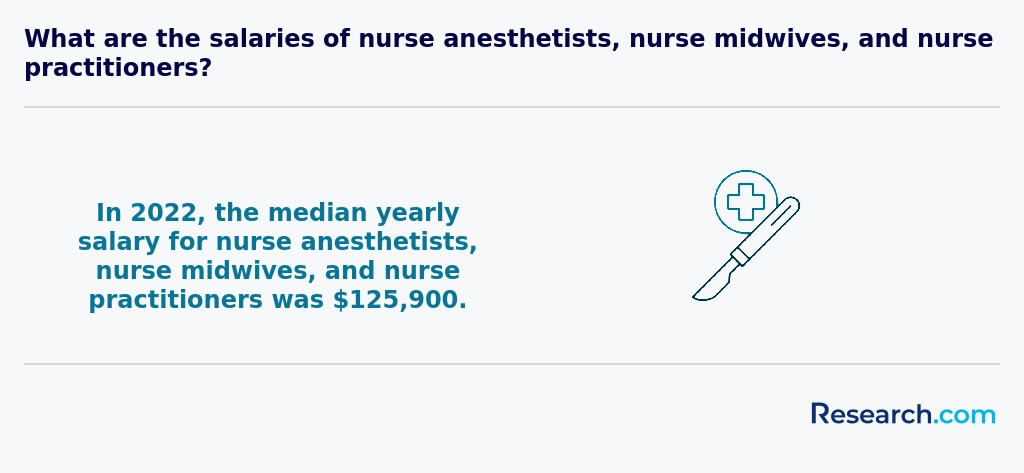
When exploring online nursing programs in North Carolina, understanding the cost implications is crucial for making an informed decision. The total cost of pursuing an online nursing degree can vary significantly, depending on factors such as the type of degree, institution, and whether the student is in-state or out-of-state. For instance, in-state students typically face lower tuition rates, with the median total cost for an online nursing degree ranging from $16,505 to $50,592. Out-of-state students, however, may encounter higher costs, up to $82,212. Prospective students should also consider additional expenses such as books, uniforms, and licensure fees. To manage these costs effectively, it's essential to explore financial aid options, including scholarships, grants, and tuition reimbursement programs. Many institutions in North Carolina, like the University of North Carolina at Charlotte, offer tailored financial aid packages for nursing students. Furthermore, students can research affordable options by looking into affordable nursing programs in North Carolina, which can provide valuable insights into budget-friendly educational pathways. By carefully evaluating these cost considerations and financial aid opportunities, aspiring nurses can make a more informed decision about their online nursing program, ensuring they can achieve their career goals without undue financial burden.
Students pursuing online nursing degrees in North Carolina often discover a variety of financial aid options that make their education more accessible. Graduates from institutions like the University of North Carolina at Chapel Hill or Duke University recall how completing the FAFSA opened doors to Pell Grants-sometimes covering thousands of dollars annually without the burden of repayment.
State programs like the North Carolina Nurse Scholar Program stand out as game changers by offering scholarships in exchange for future service in local hospitals, a lifeline for those eager to give back while easing their debt load. Many community college nursing students, especially at places like Central Piedmont Community College, share stories of receiving institutional scholarships that recognize both merit and financial need, turning ambitions into reality.
Federal loans, with relatively low interest and flexible payments, combine with employer tuition reimbursement programs in hospitals that face shortages, allowing working nurses to advance their careers without overwhelming financial strain. Looking ahead, expanding these support mechanisms could redefine how affordable nursing education in North Carolina becomes.
To qualify for NCLEX-RN and practice as a registered nurse in North Carolina, your online BSN program must:
- Be regionally accredited (often by SACSCOC or equivalent)
- Hold programmatic accreditation through CCNE or ACEN
- Be approved by the North Carolina Board of Nursing for clinical placements
Verify accreditation status on the NC Board of Nursing website before enrolling-it ensures coursework and clinical hours will count toward licensure, unlocks federal aid, and guarantees employer recognition. After earning your BSN, many nurses pursue advanced practice roles; explore pathways like the cheapest dnp online program to continue your education.
Enrolling in an online nursing degree in North Carolina typically starts with a high school diploma or GED, coupled with strong skills in biology, chemistry, math, and English. Graduates from well-known institutions like UNC Chapel Hill or East Carolina University often recall how mastering these subjects early provided a confident foundation for their nursing journey.
Many programs also require college-level prerequisites such as anatomy, physiology, microbiology, and statistics. Students shared how completing these courses prepared them for the rigorous online curriculum, blending virtual classes with real-world applications.
For those advancing from an associate degree or diploma, holding an active RN license in North Carolina is essential. Verification through the North Carolina Board of Nursing bolsters trust in the candidate's clinical experience, reassuring both students and faculty alike.
Standardized exams like the TEAS or HESI are common, though some universities waive these for prior professionals, highlighting a flexible system that values diverse pathways. Many students feel motivated by this inclusive approach, helping them progress seamlessly toward their BSN goals.
Additional prerequisites include background checks and immunizations, reflecting evolving healthcare standards and ensuring safe clinical placements. As online programs grow, future prerequisites may incorporate digital literacy assessments, preparing nurses for emerging telehealth roles across North Carolina.
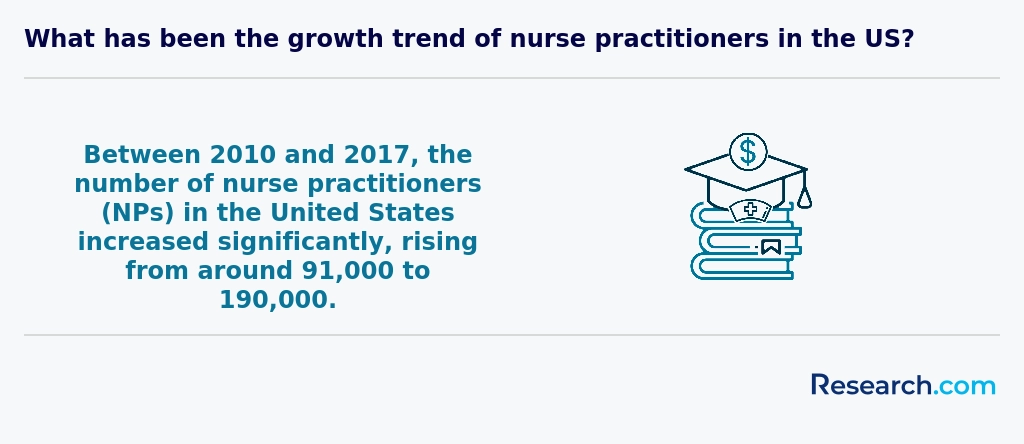
Continuing education through specialized nursing certifications is a strategic way to build on your Online Nursing degree in North Carolina and unlock higher-level clinical roles. Many nurses pursue certificate programs to focus on areas such as psychiatric-mental health, anesthesia, or nurse education-each offering targeted skills that meet critical workforce demands and boost earning potential. One of the most in-demand credentials is the Psychiatric-Mental Health Nurse Practitioner (PMHNP) certificate, which equips RNs with advanced assessment and intervention techniques for patients across the lifespan. For nurses interested in this path, you can explore the best shortest online pmhnp certificate program to complete your training efficiently and begin practicing sooner. Other valuable certifications include:
- Certified Registered Nurse Anesthetist (CRNA): Provides expertise in anesthesia delivery and pain management during surgical procedures.
- Nurse Educator Certification (CNE): Prepares RNs for academic and clinical teaching roles, addressing faculty shortages in nursing schools.
- Certified Nurse Midwife (CNM): Specializes in prenatal, delivery, and postpartum care, allowing nurses to support women throughout childbirth. Choosing the right certificate depends on your career goals, clinical interests, and preferred learning format. Online and hybrid certificate programs often combine asynchronous coursework with local clinical placements, ensuring you gain hands-on experience without relocating. By earning a specialized certification, you not only deepen your clinical expertise but also signal to employers your commitment to professional growth-positioning yourself for roles with greater autonomy, leadership opportunities, and competitive compensation.
Online nursing degree programs in North Carolina typically include courses such as Introduction to Nursing Practice, Human Anatomy and Physiology, Microbiology for Health Sciences, Pharmacology, and Health Assessment. Graduates from well-known institutions like East Carolina University appreciate how these courses build a solid scientific foundation while allowing flexible study schedules. For many, taking Community and Public Health Nursing or Mental Health Nursing opens paths to understanding diverse patient needs across urban and rural areas of the state.
Students often share excitement about Evidence-Based Practice in Nursing, which equips them to apply the latest research in real clinical settings. Leadership and Management in Nursing prepares learners for future roles beyond bedside care, reflecting evolving healthcare demands in North Carolina's dynamic medical landscape.
Combining these courses with mandatory clinical hours locally ensures hands-on skills alongside theory. Many feel confident that this blend readies them for NCLEX-RN licensure, knowing their education aligns closely with the state's professional requirements and modern healthcare challenges.
Online nursing specializations in North Carolina currently span a wide range of fields, allowing students to tailor their education to meet future healthcare demands. Graduates from prominent programs at universities in the state often choose the Registered Nurse to Bachelor of Science in Nursing (RN to BSN) track, which strengthens leadership and community health skills crucial for evolving care models. Others find fulfillment in Family Nurse Practitioner roles, where they enjoy the autonomy of managing patient care across all ages. With mental health increasingly prioritized, many are drawn to the Psychiatric-Mental Health Nurse Practitioner path, often exploring options like the best shortest online pmhnp certificate program for quicker advancement.
North Carolina RN specialization programs online also include gerontology and healthcare administration, reflecting the state's aging population and need for effective healthcare leaders. Graduates highlight how the flexibility of online courses from trusted institutions enables them to balance family and work, while advancing rapidly in a competitive field marked by continuous growth and innovation.
Choosing the best online nursing degree in North Carolina means looking beyond just tuition and course lists. Graduates from well-known universities in the state often praise programs that balance strong online coursework with local clinical placements, which are crucial since in-person practice hours are mandatory. Imagine a busy nurse working full-time who appreciates how these programs coordinate clinical hours at nearby hospitals or clinics, allowing them to gain real-world experience without uprooting their lives.
Another emerging trend is the availability of flexible options like the rn to bsn programs that don't require hands-on experience, which open doors for those seeking less traditional routes. Choosing accredited programs recognized by North Carolina's Board of Nursing ensures eligibility for licensure exams and builds confidence through high NCLEX-RN pass rates, which graduates often celebrate as a testament to their program's quality.
Many students find affordable nursing degrees in North Carolina through public universities that combine rigorous academics with strong support services, such as tutoring and career counseling, helping them stay motivated and connected during their studies. These factors combined create a rewarding and achievable path in the evolving landscape of online nursing education.
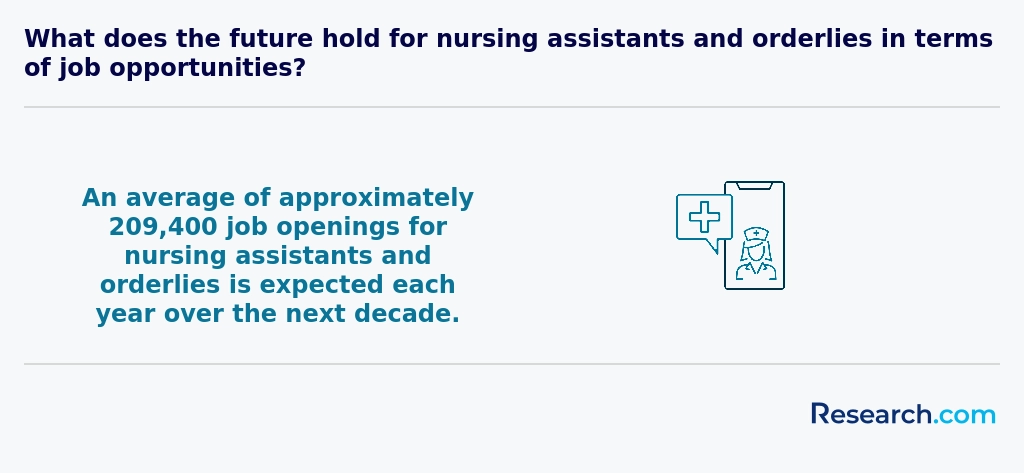
Graduates with an online nursing degree in North Carolina find themselves stepping into a vibrant landscape of job opportunities. Many take on clinical roles, working in hospitals or clinics throughout Raleigh and Charlotte, where they deliver patient care specializing in areas like pediatric or geriatric nursing. These experiences are often described as deeply rewarding, as graduates witness firsthand the impact of their care on patients' lives. Others leverage their degree to pursue leadership positions, providing guidance to nursing teams at well-known institutions such as the University of North Carolina at Chapel Hill or East Carolina University.
Some online nursing degree careers in North Carolina also lead to public health roles, where graduates contribute to community programs aimed at disease prevention and education. The evolving healthcare system increasingly values nurses who blend clinical expertise with policy knowledge, enabling graduates to influence statewide health initiatives.
Many graduates imagine advancing to roles like nurse practitioners or clinical supervisors, inspired by the higher salaries and greater autonomy possible with additional certification. For those weighing program costs, the Most Affordable Online Nursing Degree Programs Ranking in Denton, TX offers useful guidance on managing tuition expenses while aiming for these future roles.
The job market for online nursing degree graduates in North Carolina is poised for steady growth, reflecting broader healthcare expansions across the state. Graduates from well-regarded programs at universities such as UNC Chapel Hill and East Carolina University often share how their online BSN experience offered the flexibility needed to balance work and study, preparing them for roles across hospitals, clinics, and community health centers. The demand for BSN-prepared nurses is expected to rise, creating numerous North Carolina nursing employment opportunities that reward both skill and dedication.
Many graduates highlight that with the population increasing and healthcare systems like Duke Health expanding, their degrees positioned them well for leadership or specialized nursing roles. The median wage, competitive in the region, encourages ongoing career advancement. For students evaluating their options, combining affordability with quality education at open admissions colleges makes pursuing an online nursing degree job outlook North Carolina especially promising.
2027 Best Online Bachelor's in Nursing Degree Programs Ranking in North Carolina
Investing in your education is a significant decision that can shape your future, and the Research.com team understands the importance of making informed choices. To assist prospective students in North Carolina, we have meticulously crafted the "2027 Best Online Bachelor's in Nursing Degree Programs Ranking in North Carolina." Our commitment to quality, credibility, and accuracy is reflected in the extensive research and analysis conducted to compile this ranking.
We utilized the following reputable data sources to ensure a comprehensive evaluation of nursing degree programs:
By exploring this ranking, readers will gain valuable insights into the best online nursing degree programs in North Carolina, helping them make informed decisions about their educational paths. For more details on our methodology, please visit our Research.com methodology page.


Frequently Asked Questions About nursing
Online nursing degree students in North Carolina can maximize their learning by actively engaging with course materials and participating in virtual discussions. Utilizing the state's strong healthcare networks for clinical placements is essential, as North Carolina is home to over 200 hospitals, offering diverse practicums. According to the North Carolina Board of Nursing, students should also prioritize time management to balance coursework and clinical hours efficiently. Leveraging resources such as digital libraries and tutoring services provided by their institutions can enhance understanding.
Additionally, staying informed about NC nursing licensure requirements early helps align studies with professional goals. Networking through state nursing associations can provide support and career insights.
The nursing field in North Carolina is evolving with several emerging niches that reflect broader healthcare trends. One fast-growing area is **telehealth nursing**, which supports remote patient monitoring and virtual consultations. This niche expanded significantly during the COVID-19 pandemic and continues to grow, offering flexible job opportunities for nurses.
Another emerging specialty is **gerontological nursing**, driven by North Carolina's increasing elderly population. According to the North Carolina Department of Health, the state's population aged 65 and older is expected to grow by over 40% by 2030, increasing demand for nurses skilled in elder care.
**Mental health nursing** also represents a critical niche, focusing on behavioral health amid heightened awareness of mental health issues. Nurses in this field work in various settings, including community health and hospitals, addressing a vital area in public health.
After earning an online nursing degree in North Carolina, preparing for the job market involves several key steps. First, graduates must pass the NCLEX-RN exam to obtain licensure as a registered nurse in the state. This is mandatory for legal practice.
Networking is essential; joining state organizations such as the North Carolina Nurses Association can provide job leads and professional development.
Clinical experience gained during studies should be highlighted on resumes, as North Carolina employers highly value practical skills.
Lastly, researching local healthcare employers and understanding regional demand-projected to grow by 15% between 2020 and 2030 according to the North Carolina Department of Commerce-can guide effective job searching.
Employers in North Carolina prioritize several key skills when hiring nursing degree graduates. Clinical competence is paramount, ensuring nurses can deliver safe and effective patient care. Strong communication skills are essential, as nurses collaborate with patients, families, and healthcare teams. Critical thinking and problem-solving abilities help nurses respond swiftly to changing patient conditions.
According to the North Carolina Board of Nursing, adaptability and proficiency with electronic health records are increasingly important due to technological advancements in healthcare. Additionally, cultural competence is valued, reflecting the state's diverse population. These skills prepare graduates to meet the demands of hospitals and healthcare facilities across North Carolina.
Finding internships in North Carolina related to nursing degrees involves leveraging both academic and professional resources. Most online nursing programs in the state partner with local hospitals, clinics, and healthcare facilities, offering students practical experiences required for licensure.
Students are encouraged to contact their program's internship coordinator early to access these partnerships. Additionally, the North Carolina Board of Nursing provides information on approved clinical sites and licensing requirements.
Many internships focus on areas with high demand, such as Durham, Charlotte, and Raleigh, where healthcare systems are robust. Utilizing state job boards and nursing associations, like the North Carolina Nurses Association, can also help identify internship opportunities.
Online nursing degrees in North Carolina significantly enhance career mobility by offering flexible learning opportunities for working nurses. According to the North Carolina Board of Nursing, registered nurses (RNs) with a Bachelor of Science in Nursing (BSN) are in high demand, with over 60% of hospitals seeking BSN-prepared nurses.
This level of education often leads to promotions and specialized roles such as nurse management or clinical leadership. The U.S. Bureau of Labor Statistics projects a 12% growth in nursing roles in North Carolina through 2032, highlighting the importance of earning advanced credentials.
Online degrees allow nurses to gain qualifications without relocating or leaving their jobs, directly supporting career advancement in the state's diverse healthcare settings.
Studying for a nursing degree in North Carolina equips students with skills essential for interdisciplinary healthcare roles. Programs emphasize collaboration among nurses, doctors, social workers, and other professionals to improve patient outcomes. The North Carolina Board of Nursing supports curricula that integrate teamwork, communication, and leadership, preparing graduates for complex care settings.
Many online nursing degrees in the state include case studies and simulation exercises that mirror real healthcare teams. According to the North Carolina Healthcare Workforce Report, over 60% of nursing roles require effective interdisciplinary collaboration.
This focus aligns with national standards from the American Association of Colleges of Nursing, ensuring students are workforce-ready in diverse clinical environments.
When deciding between a thesis and a non-thesis online nursing degree program in North Carolina, consider your career goals and learning preferences. A thesis option typically requires conducting original research and writing a formal paper, which is ideal if you aim for roles in clinical research, academia, or advanced practice.
Non-thesis programs focus more on coursework and practical skills, appealing to students seeking immediate employment in healthcare settings or leadership positions.
According to the North Carolina Board of Nursing, the state expects a 15% growth in advanced nursing roles by 2030, highlighting the value of research skills.
Your choice should align with how deeply you want to engage in scientific inquiry versus hands-on nursing practice.
Students in North Carolina interested in studying nursing abroad face limited direct options for online nursing degrees offered by foreign institutions. Most accredited nursing programs recognized in the U.S. require completion of Nursing programs from nationally recognized schools in the country. However, some students choose to enroll in international universities with online offerings that align with U.S. nursing licensure requirements, ensuring their education meets standards set by the North Carolina Board of Nursing.
According to the North Carolina Board of Nursing, graduates must complete programs accredited by recognized U.S. agencies to sit for the NCLEX-RN exam. Students studying abroad should verify accreditation status and program eligibility. Additionally, partnerships between North Carolina schools and foreign institutions sometimes enable study abroad experiences or clinical rotations overseas while maintaining a U.S.-based degree.
Given the regulatory environment, most North Carolina residents seeking online nursing degrees abroad often pursue hybrid international programs or use their foreign coursework to supplement stateside training. For accurate and up-to-date options, contacting the North Carolina Board of Nursing and reviewing program accreditation remain essential steps for prospective students.
Part-time job opportunities in North Carolina that complement nursing degree education often focus on practical experience and healthcare exposure. Roles such as certified nursing assistant (CNA), medical scribe, or patient care technician provide hands-on patient interaction and a better understanding of clinical environments.
CNAs earn an average hourly wage of $13 to $15 in North Carolina according to the Bureau of Labor Statistics (BLS 2023). This role helps students develop vital skills used in nursing practice. Medical scribe positions, which pay $12 to $18 per hour, allow students to learn medical terminology and documentation processes.
Pharmacies and outpatient clinics also offer part-time jobs in technician or helper roles, supporting medication management and patient counseling under supervision. These roles align well with nursing coursework and enhance a student's resume before graduation.
Online nursing students in North Carolina have several networking opportunities despite studying remotely. Many universities offer virtual events, online discussion boards, and student organization memberships tailored to nursing students. These platforms encourage interaction with peers, alumni, and faculty, which is vital for professional growth.
The North Carolina Nurses Association (NCNA) actively supports students by providing access to regional conferences and workshops. Participation helps students connect with practicing nurses and potential employers across the state.
In addition, clinical placements required for licensure allow students to build local networks in healthcare settings, which often lead to job opportunities after graduation. According to the NC Board of Nursing, clinical hour requirements ensure students engage directly with North Carolina's healthcare community.
Alumni networks provide valuable support for online nursing degree students in North Carolina by fostering professional connections statewide. Graduates often gain access to job postings, mentorship opportunities, and continuing education resources through these networks.
North Carolina's healthcare industry is growing rapidly, with the state ranking among the top in nursing job growth according to the U.S. Bureau of Labor Statistics. Alumni groups help students navigate this competitive market by sharing local insights and networking events.
Additionally, many nursing programs partner with hospitals across North Carolina, enabling alumni to connect with potential employers and clinical sites, which is crucial for career advancement in nursing fields.
Customizing an online nursing degree program in North Carolina involves selecting courses and clinical experiences aligned with your specific career goals. Many programs offer concentrations such as pediatric nursing, gerontology, or community health, enabling you to focus on your desired specialty. Additionally, North Carolina's nursing programs often provide flexible scheduling options to accommodate working professionals.
State-approved online programs must adhere to licensing requirements set by the North Carolina Board of Nursing, ensuring graduates are eligible to take the NCLEX-RN exam. Consulting program advisors can help tailor your curriculum to meet certification or advanced practice goals. According to the North Carolina Center for Nursing, specialized training increases job placement success across the state.
Online nursing students in North Carolina often face challenges balancing coursework with clinical requirements. While theory classes are completed online, clinical hours must be completed in person, requiring coordination with local healthcare facilities. According to the North Carolina Board of Nursing, securing appropriate clinical placements can be competitive, especially in rural areas.
Another common challenge is limited access to on-campus resources such as libraries and study groups, which can affect learning outcomes. Time management also proves difficult, as many students juggle jobs and family obligations alongside demanding course schedules.
Technical issues and varying levels of faculty support for online formats add to the difficulties reported by students. These factors influence student retention and success rates in online nursing programs in the state.
Graduates with an online nursing degree in North Carolina can pursue several professional certifications that enhance their career options. Popular certifications include the Registered Nurse (RN) licensure, which is required to practice and is governed by the North Carolina Board of Nursing. Beyond that, nurses may specialize through certifications such as Certified Medical-Surgical Registered Nurse (CMSRN) or Certified Nurse Manager and Leader (CNML).
Advanced certifications like the Certified Nurse Educator (CNE) or Psychiatric-Mental Health Nurse Practitioner (PMHNP-BC) are accessible after further education and experience. These credentials reflect expertise and commitment, often leading to higher salaries and better job prospects in the state's growing healthcare sector.
To write a winning application for an online nursing program in North Carolina, focus on showcasing your academic achievements and relevant experience. Strong GPA and prerequisite coursework, especially in biology and chemistry, are critical. Many programs value healthcare or volunteer experience-highlight these in your personal statement.
North Carolina's nursing programs often require passing the TEAS (Test of Essential Academic Skills) with competitive scores. Be sure to prepare thoroughly. Additionally, obtain strong letters of recommendation from educators or healthcare professionals familiar with your skills.
According to the North Carolina Board of Nursing, a clear understanding of state nursing regulations and a commitment to ethical practice can set your application apart. Tailor your essays to reflect your dedication to patient care and professional growth within the state's healthcare system.
The nursing profession holds a vital role worldwide due to increasing healthcare demands. In the United States, and specifically North Carolina, nursing is recognized as a stable and respected career with strong growth projected. The U.S. Bureau of Labor Statistics estimates a 9% growth for registered nurses nationwide through 2032.
Globally, nurses are essential frontline caregivers, educators, and health advocates. The demand for skilled nurses is rising due to aging populations and chronic illnesses. North Carolina reflects this trend, with the North Carolina Board of Nursing reporting a steady increase in licensed nurses.
Internationally, nursing standards and education systems vary, but the U.S. offers strong online degree options that prepare students for global health challenges. This makes an online nursing degree in North Carolina a valuable pathway for those seeking broad career opportunities.
Students pursuing an online nursing degree in North Carolina must complete clinical hours to gain essential hands-on experience. Many programs partner with local hospitals and healthcare facilities to arrange in-person clinical rotations near the student's residence. These placements allow students to apply theoretical knowledge in real-world settings under professional supervision.
The North Carolina Board of Nursing requires at least 500 clinical hours for most Bachelor of Science in Nursing (BSN) programs. Students should confirm that their online program has established clinical agreements in their area to ensure smooth placement.
Additionally, some online programs offer simulated labs and virtual clinical practice, but these do not replace required direct patient care experience.
Choosing the right concentration within an online nursing degree in North Carolina starts with understanding your career goals. The state has high demand for specialized nurses, particularly in areas like geriatrics, mental health, and pediatric care, according to the North Carolina Board of Nursing.
Consider the population trends: North Carolina's aging population increases opportunities in gerontological nursing. Mental health nursing is also growing due to rising awareness and services in the region.
Review curriculum options carefully to ensure they align with your interests and the skills employers seek. Accreditation by bodies such as the CCNE or ACEN is essential for program quality and licensure eligibility.
Finally, explore NC-specific licensure requirements and job market data from the U.S. Bureau of Labor Statistics to make an informed choice.
- 2027 Best Online Bachelor's in Nursing Degree Programs Ranking in South Carolina
- 2027 Best Online Bachelor's in Nursing Degree Programs Ranking in Virginia
- 2027 Best Online Bachelor's in Nursing Degree Programs Ranking in Georgia
- 2027 Best Online Bachelor's in Nursing Degree Programs Ranking in Tennessee
- 2027 Best Online Bachelor's in Nursing Degree Programs Ranking in West Virginia
- 2027 Best Online Bachelor's in Nursing Degree Programs Ranking in Kentucky
- 2027 Best Online Bachelor's in Nursing Degree Programs Ranking in Florida
- 2027 Best Online Bachelor's in Nursing Degree Programs Ranking in Maryland
- 2027 Best Online Bachelor's in Nursing Degree Programs Ranking in Alabama
- 2027 Best Online Bachelor's in Nursing Degree Programs Ranking in Pennsylvania
See What Experts Have To Say About Studying Nursing
Read our interview with Nursing experts


- Guide to Mastering North Carolina Nursing Prerequisites https://www.prereqcourses.com/guide-north-carolina-nursing-prerequisites/
- How to Choose the Right Nursing School for Your Career Goals | Archer Review https://www.archerreview.com/blog/how-to-choose-the-right-nursing-school-for-your-career-goals
- How to Choose a Nursing Program | All Nursing Schools https://www.allnursingschools.com/how-to-get-into-nursing-school/choose-the-right-school/
- Online versus Face-to-Face Nursing Degrees: A Study of Recruiters’ Perceptions - OJDLA https://ojdla.com/articles/online-versus-face-to-face-nursing-degrees-a-study-of-recruiters-perceptions
- Career Advancement Pathways for Nurses : Expert RN shares 10+ Professional growth opportunities - MuminMed https://blog.muminmed.com/career-advancement-pathways-for-nurses/
- Do I Have to Write a Thesis to Complete a Master’s Degree in Nursing? https://www.bestmasterofscienceinnursing.com/faq/write-thesis-complete-masters-degree-nursing/
- 7 Things to Consider When Getting a Nursing Degree Online https://onlinedegrees.elmhurst.edu/blog/seven-things-consider-when-picking-online-nursing-program
- Nursing Internship and Externship Programs https://jobs.mayoclinic.org/nursinginternexternprograms
- 2022's Guide for Nursing Certifications https://nursinglicensemap.com/resources/nursing-certification/
- Client Challenge https://www.springerpflege.de/nursing-graduates-perceived-future-career-pathway-and-career-shi/50653658





