2027 Most Popular Nursing Degree Programs Ranking in Cedar Rapids

Co-Founder and Chief Data Scientist
Choosing the right nursing degree program can feel overwhelming, especially with so many options available in Cedar Rapids. This article introduces the 2027 Most Popular Nursing Degree Programs Ranking in Cedar Rapids, carefully developed by Research.com's team of data scientists.
By exploring this ranking, you'll gain valuable insights to help you make an informed decision about which nursing programs truly stand out. Getting a nursing degree opens doors to a rewarding career focused on care and community impact.
Take the first step toward your future with confidence and clarity.
Key benefits of getting nursing degree in Cedar Rapids
- Graduates with a nursing degree in Cedar Rapids can expect a strong salary, with Registered Nurses earning around $94,480 annually and Operating Room Nurses making up to $128,490, showcasing rewarding financial opportunities.
- Career paths are diverse, ranging from Clinical Nurse Educator to Public Health Nurse, reflecting flexible options for growth and specialization after graduating from institutions such as Kirkwood Community College.
- Obtaining a nursing degree online offers convenience and flexibility, allowing students in Cedar Rapids to balance work and study effectively, just like online graduates from the University of Iowa's nursing program.
- 2027 Most Popular Nursing Degree Programs Ranking in Cedar Rapids
- What can I expect from nursing degree in Cedar Rapids?
- Where can I work with nursing degree in Cedar Rapids?
What can I expect from nursing degree in Cedar Rapids?
The average cost of pursuing a nursing degree in Cedar Rapids varies notably depending on the program level and institution. For example, students enrolled in the ADN program at Kirkwood Community College typically pay around $5,000 to $7,000 per year in tuition, which many find affordable compared to four-year university degrees. Graduates often recall the value of this investment, especially considering the hands-on clinical partnerships with local hospitals like St. Luke's, which enhanced their confidence before entering the workforce.
On the other hand, pursuing a BSN at Mount Mercy University involves higher tuition, generally ranging between $18,000 and $22,000 annually. Nursing graduates from these programs often highlight the comprehensive curriculum and leadership training as worth the expense, especially with the growing job demand in Cedar Rapids, projected to rise by 10% over the next decade. The real-world clinical experiences, combined with a robust academic foundation, leave students feeling prepared and optimistic about career opportunities.
Many students appreciate the flexible payment options and financial aid available, making advanced pathways like MSN programs more accessible while maintaining quality education grounded in local healthcare needs.
Where can I work with nursing degree in Cedar Rapids?
Nursing graduates from Cedar Rapids colleges often find diverse employment opportunities across multiple healthcare settings. Major hospitals like Mercy Medical Center and UnityPoint Health - St. Luke's Hospital frequently hire registered nurses (RNs) for roles ranging from bedside care to specialized fields such as emergency and maternity. These positions offer graduates practical experience in high-demand areas, reflecting the city's expanding healthcare infrastructure.
Beyond hospitals, many graduates work in outpatient clinics and community health centers, engaging in patient education and chronic disease management. Nurses employed by Linn County Public Health or private clinics participate actively in vaccination programs and community outreach, offering rewarding roles that impact public wellness directly.
Graduates also explore careers in long-term care and rehabilitation centers, supporting aging populations with hands-on patient care. Those pursuing home health nursing provide personalized care to patients in their homes, a growing sector noted for its increasing demand. Cedar Rapids' nursing programs prepare students effectively for these varied paths, blending academic knowledge with local healthcare needs.
Graduates with nursing degrees from institutions in Cedar Rapids often find rewarding career paths with competitive earnings. Registered Nurses (RNs), including recent graduates, typically earn a mean annual wage of around $94,480 in the area, according to U.S. Bureau of Labor Statistics data. This aligns well with local healthcare demands, offering a stable and growing job market.
Specialized nursing roles such as Clinical Nurse Educators and Public Health Nurses share similar salary expectations, also averaging annual wages near $94,480. These positions offer fulfilling opportunities for graduates eager to impact community health or guide new nursing professionals.
Emergency Room Nurses in Cedar Rapids enjoy comparable earnings, while those advancing to Operating Room Nurse roles can expect significantly higher pay, with mean salaries reaching approximately $128,490 annually. Graduates from popular programs at local colleges often describe the transition to these advanced roles as both exhilarating and financially motivating, enhancing their career satisfaction.
Hourly wages reflect these figures, with typical rates around $45.42 for many nursing roles and up to $61.78 for operating room specialists, providing flexibility and supplemental income potential through shift differentials or overtime.
- Cedar Rapids offers accredited nursing programs including ADN and BSN degrees with tuition ranging from $6,000 to $18,000 per year for in-state students.
- Additional yearly costs for textbooks, uniforms, and exam fees range between $1,000 and $2,000, with financial aid and scholarships often available.
- The local nursing job market expects a 12% growth rate over the next decade, higher than the national 9% average.
- Starting salaries for entry-level registered nurses are approximately $55,000 to $60,000 annually, rising to $70,000 to $80,000 mid-career.
- Cedar Rapids nursing programs prepare students for the NCLEX-RN exam, with completion rates meeting or exceeding national averages.
Nursing students in Cedar Rapids typically complete their degrees within distinct time frames depending on the program. Graduates from Kirkwood Community College's Associate Degree in Nursing (ADN) program often finish in about two years of full-time study, balancing classroom learning with hands-on clinical experience. For many aspiring nurses, this pathway offers a structured pace with manageable demands, making the achievement feel both realistic and rewarding.
Those enrolled in Bachelor of Science in Nursing (BSN) programs, such as at the University of Iowa, usually spend around four years developing advanced skills, leadership abilities, and clinical expertise. Graduates reflect positively on how the extended curriculum deepened their confidence and prepared them for diverse healthcare roles.
Accelerated BSN options, designed for students with prior degrees, can be completed in 12 to 18 months. These intensive programs challenge students to commit fully but offer fast-tracked entry into nursing careers, making them ideal for career changers eager to transition quickly. Many Cedar Rapids residents find this pathway aligns well with their personal and professional goals.
Navigating the transition from graduation to licensure ensures you’re ready to practice as a registered nurse in Iowa. Follow these key steps:
- Complete an accredited nursing program approved by the Iowa Board of Nursing.
- Submit your application, background check and fees to the Iowa Board of Nursing.
- Register with Pearson VUE and schedule the NCLEX-RN exam.
- Reinforce clinical knowledge using reputable prep tools: practice questions, review courses and study groups.
Local institutions report NCLEX-RN pass rates above 85%, reflecting strong academic and hands-on training. For those planning advanced practice roles, explore np programs florida to learn about nurse practitioner pathways.
Online nursing degrees in Cedar Rapids offer flexibility by allowing students to complete coursework remotely, ideal for those balancing work or family commitments. Graduates from these programs often appreciate the convenience but emphasize the importance of completing mandatory in-person clinical hours at local healthcare facilities, which many programs coordinate with to ensure hands-on patient care experience. For instance, students enrolled through Kirkwood Community College frequently commute short distances for these practical sessions, blending virtual learning with real-world application.
Conversely, on-campus nursing students at institutions like the University of Iowa benefit from direct interaction with faculty and immediate access to resources such as simulation labs. Graduates highlight the supportive environment and structured schedule, which help develop critical practical skills through face-to-face mentoring and peer collaboration. This immersive setting often boosts confidence in clinical capabilities early in the program.
Tuition costs between both formats in Cedar Rapids generally fall within a comparable range of $6,000 to $10,000 annually. However, some online programs may include additional technology fees. Students report value in both approaches but suggest choosing based on personal learning style and lifestyle demands.
One of the most critical measures of a nursing program’s quality is its graduates’ performance on the NCLEX-RN licensure examination. In Iowa, all nursing graduates must pass the NCLEX-RN to become practicing Registered Nurses, making pass rates a vital indicator of program effectiveness. Across Cedar Rapids institutions, recent NCLEX-RN first-time pass rates average between 88% and 95%. For example, Coe College reported a 92% first-time pass rate in 2023, while Kirkwood Community College achieved an impressive 95%. These figures consistently exceed the national average of 84%, demonstrating the strong academic preparation and clinical training provided locally. To maximize licensure success, students benefit from targeted NCLEX review courses, simulation lab experiences, and faculty-led study groups. Many graduates credit dedicated NCLEX prep workshops-often embedded within program curricula-for reinforcing critical thinking in pharmacology, medical-surgical nursing, and health assessment. Additionally, early exposure to clinical scenarios under simulation ensures familiarity with exam-style questions and time management strategies. Aspiring nurses should also consider program support services such as one-on-one tutoring, online question banks, and peer mentoring. For those seeking accessible pathways into nursing before advancing to a BSN program, exploring easy nursing schools to get into can offer a practical starting point. By choosing a Cedar Rapids nursing program with robust NCLEX support and proven pass rates, students can feel confident in their ability to meet Iowa’s licensure requirements and launch a successful nursing career.
The average cost of a nursing degree in Cedar Rapids varies depending on residency and the type of institution. Median figures indicate a total cost around $40,878 for in-state students, while out-of-state students typically face expenses closer to $52,078. These totals cover tuition and standard fees associated with nursing programs, reflecting the financial commitment required for aspiring nurses in the area.
For many students attending Kirkwood Community College, an affordable option for an Associate Degree in Nursing (ADN), costs are manageable due to lower tuition rates around $170 per credit hour. Over 60 to 70 credits, this translates to approximately $10,200 to $11,900, excluding additional fees and materials. Graduates from Kirkwood often recall how the community environment and reasonable pricing helped ease financial stress during their studies, making it easier to focus on clinical practice and coursework.
At universities such as the University of Iowa, nursing students pursuing a Bachelor of Science in Nursing (BSN) can expect tuition costs around $10,560 per year for in-state students. This accumulates to roughly $42,000 over four years. Graduates have noted that despite the higher price, the comprehensive curriculum and clinical opportunities provide great value and prepare them well for nursing careers. Out-of-state tuition more than doubles these costs, a key factor when considering whether to study locally or elsewhere.
Additional expenses, including clinical fees, textbooks, uniforms, and licensing exams, add approximately $2,000 to $4,000 throughout the program. Factoring in these costs is crucial for a realistic budget. For example, the NCLEX-RN exam fee is typically around $200 nationwide.
Students also benefit from exploring financial aid options and considering programs that match their personal goals and economic situations. Those seeking varied healthcare education paths might find incentive in reviewing online healthcare administration degrees faculty profiles to complement nursing expertise.
Understanding these financial parameters helps future nurses weigh their options carefully and plan effectively for a rewarding career, keeping the average nursing degree cost Cedar Rapids residents face well in perspective.
Before practicing as a registered nurse in Cedar Rapids, graduates must secure licensure through the Iowa Board of Nursing, which ensures each nurse meets state standards for safe, competent care. To begin, applicants submit an online application, official transcripts from their accredited nursing program, and authorize a criminal background check. Once the Board approves eligibility, candidates register for the NCLEX-RN exam via Pearson VUE, selecting a convenient testing date at a local testing center. Preparing for the NCLEX-RN is critical: Iowa’s NCLEX pass rate consistently ranks above the national average, reflecting the rigorous curricula at institutions like Coe College and Mount Mercy University. Successful candidates often attribute their performance to dedicated study plans, review courses tailored to NCLEX content areas, and practice exams that simulate real testing conditions. Graduates recommend allocating at least six to eight weeks for focused review and leveraging institutional resources-such as faculty-led workshops and tutoring-to reinforce clinical judgment and pharmacology concepts. After passing the NCLEX-RN and receiving official notification from the Iowa Board, newly licensed RNs must maintain active status through continuing education. Iowa requires 36 practice hours and 12 continuing education hours every three years, with specific topics-such as medication administration and patient safety-mandated for licensure renewal. Additionally, many RNs pursue specialty certifications (e.g., CCRN for critical care or CPN for pediatrics) to enhance clinical expertise and career advancement. For nurses planning advanced practice roles, exploring flexible graduate pathways can streamline certification prerequisites and clinical hours. Consider affordable MSN options highlighted in the Cheapest Online Master's in Nursing Degree Programs Ranking in Columbia, MO, which offer NCLEX-RN review modules, specialized tracks, and seamless transition from RN to APRN, empowering Cedar Rapids graduates to meet evolving certification standards and elevate their nursing practice.
Students pursuing nursing degrees in Cedar Rapids commonly access federal aid, such as Pell Grants offering up to $7,395 annually, which several graduates from local colleges found crucial in managing tuition costs around $9,000 per year. FAFSA applications unlock these grants as well as Direct Subsidized and Unsubsidized Loans, with undergraduates borrowing between $5,500 and $12,500 depending on their year of study. One recent graduate shared how this combination made attending a Cedar Rapids community college both feasible and financially less stressful.
State programs also alleviate costs significantly. For example, Iowa's Last-Dollar Scholarship helps community college nursing students by covering remaining tuition after other grants. The Iowa Nurse Scholar Program further supports students committing to work in shortage areas like Cedar Rapids, offering loan forgiveness and tuition reimbursement, which many nursing students view as valuable incentives to serve locally.
Institution-specific scholarships at prominent schools in Cedar Rapids target merit and diversity, benefiting many underrepresented nursing students. Clinical placements with stipends also provide work income, allowing students to reduce reliance on outside loans. Graduates often express optimism, noting that median RN salaries around $62,000 support manageable loan repayment after graduation.
Understanding accreditation and NCLEX (National Council Licensure Examination) pass rates is essential when choosing a nursing program in Cedar Rapids, IA. Accredited programs ensure that your education meets national standards, while strong NCLEX pass rates demonstrate a program’s effectiveness in preparing graduates for licensure and clinical practice. Most Cedar Rapids institutions hold accreditation from the Commission on Collegiate Nursing Education (CCNE) or the Accreditation Commission for Education in Nursing (ACEN). For example, Coe College’s Bachelor of Science in Nursing (BSN) program maintains a five-year CCNE accreditation and consistently achieves NCLEX-RN pass rates above 90%. Kirkwood Community College’s Associate Degree in Nursing (ADN) also boasts ACEN accreditation with first-time NCLEX pass rates averaging 88–92% over the past three years. Prospective students should compare annual pass rates published by each school and verify accreditation status through the CCNE or ACEN directories. High pass rates not only reflect rigorous academic curricula and quality clinical experiences but also correlate with stronger employment prospects. If you’re exploring alternative pathways in practical nursing, consider reviewing online lvn programs dallas texas to weigh all your options before making a commitment.
Enrollment in nursing degree programs in Cedar Rapids requires meeting clear, structured prerequisites. Students typically must hold a high school diploma or GED, ensuring a foundational level of education recognized nationwide. For example, graduates from popular institutions like Kirkwood Community College recall having completed prerequisite courses in biology, chemistry, anatomy, physiology, and math, which formed the basis of their nursing education.
Standardized entrance exams, such as the TEAS or HESI, are critical. These assessments measure academic readiness in reading, math, science, and English, which graduates describe as challenging but fair indicators of their preparedness.
Additional requirements often include proof of immunizations, health screenings, and clearances from background checks and drug tests. Nursing students share that fulfilling these steps not only ensures personal and patient safety but also instills a professional mindset early on.
Applicants must also submit recommendation letters or personal statements, and sometimes attend interviews to demonstrate communication skills and motivation-elements often highlighted positively by recent program completers.
Finally, competitive programs in Cedar Rapids expect a minimum GPA around 2.5 to 3.0, reinforcing the importance of consistent academic performance for success and progression in nursing careers.
To prepare for a nursing career in Cedar Rapids, IA, it's essential to understand the local job market, required skills, and available resources. Prospective nursing students can explore the popular nursing degree programs in the area, which can provide valuable insights into the most in-demand specialties and employers. By researching the local healthcare landscape and staying up-to-date on industry trends, aspiring nurses can make informed decisions about their education and career paths, ultimately leading to a successful and fulfilling nursing career in Cedar Rapids.
Nursing degree programs in Cedar Rapids commonly include foundational science courses such as anatomy, physiology, microbiology, and chemistry, which provide crucial knowledge about the human body. Core nursing courses cover a wide spectrum, including Introduction to Nursing and Healthcare, Pharmacology, Health Assessment, Pathophysiology, and specialized areas like Adult and Pediatric Nursing, Mental Health Nursing, Maternal and Newborn Care, alongside Community and Public Health Nursing.
Students at well-known institutions in Cedar Rapids often describe their coursework as both challenging and rewarding, highlighting the balance between theoretical classes and hands-on clinical rotations at local hospitals and clinics. These practical experiences allow them to apply classroom knowledge in real-life situations, boosting confidence and readiness to enter the workforce.
Additionally, programs emphasize nursing ethics, leadership, and healthcare informatics, equipping graduates to navigate the complex demands of modern healthcare. The inclusion of evidence-based practice and critical thinking skills prepares Cedar Rapids students to deliver effective patient care across diverse settings, fostering a strong sense of professional growth and purpose.
Nursing degree specializations in Cedar Rapids cover a range of clinical and community-focused areas designed to meet local healthcare needs. Graduates of popular programs like those at Kirkwood Community College often highlight medical-surgical nursing as a foundational specialization, offering extensive hands-on experience with adult patients in hospital settings. Pediatric nursing is another core path, where students develop skills to care for children through various developmental stages, a vital focus given the regional population dynamics.
Best nursing programs Cedar Rapids specializations also include geriatric nursing, reflecting the city's growing elderly demographic; many graduates appreciate this concentration for its relevance in managing chronic illnesses and complex care. Nurse practitioner roles, such as family practice and psychiatric-mental health, are emphasized for candidates aiming at leadership and clinical autonomy within Iowa's supportive scope of practice. Other options commonly pursued include labor and delivery, critical care, oncology, emergency, and community health nursing, allowing students to tailor their studies extensively.
Students report that these specializations prepare them well for diverse roles and encourage enthusiasm about entering the workforce. The cost and quality of training often influence decisions, and some explore relocation for higher salaries after graduation as part of their career pathway planning.
Choosing the best nursing degree in Cedar Rapids starts with verifying program accreditation, as graduates need eligibility to take the NCLEX-RN licensure exam. Many successful graduates from Kirkwood Community College appreciate its ACEN-accredited ADN program for balancing coursework with flexible schedules, including part-time and evening classes. This flexibility suits students juggling jobs or family commitments, making the program appealing and manageable.
Cost is another critical factor. Nursing students often find community colleges in Cedar Rapids align with national averages, around $4,750 annually, providing an affordable nursing schools Cedar Rapids option compared to four-year universities averaging roughly $10,940. Graduates highlight this as a key benefit in reducing financial stress during their studies.
Hands-on clinical experiences at facilities like UnityPoint Health - St. Luke's are frequently praised by nursing graduates for aiding skill development and job readiness. Programs with strong hospital partnerships tend to report higher NCLEX-RN pass rates, important for gauging program effectiveness. Prospective students seeking advanced nursing roles may explore additional degree options and can also compare programs by reviewing the Iowa Board of Nursing data or visit resources like nursing schools in louisiana near me for broader insights.
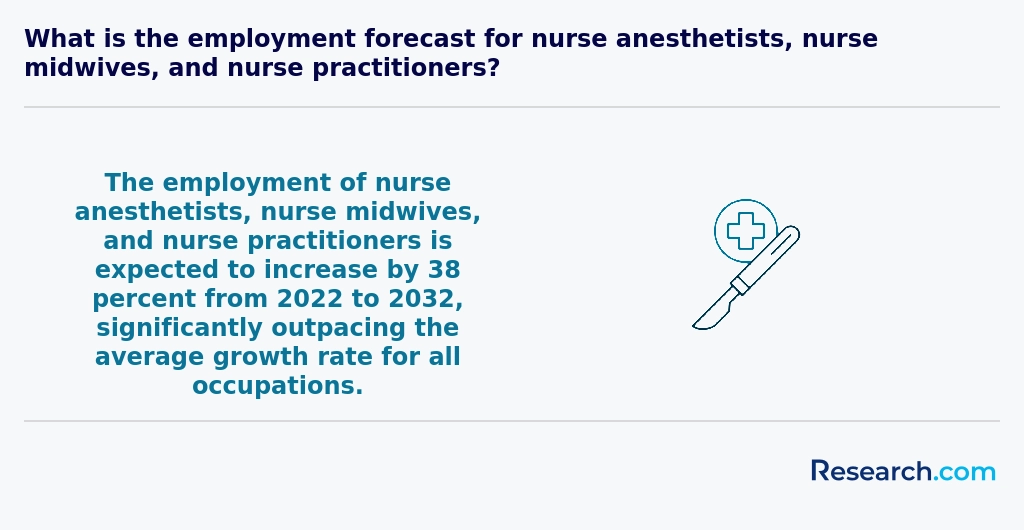
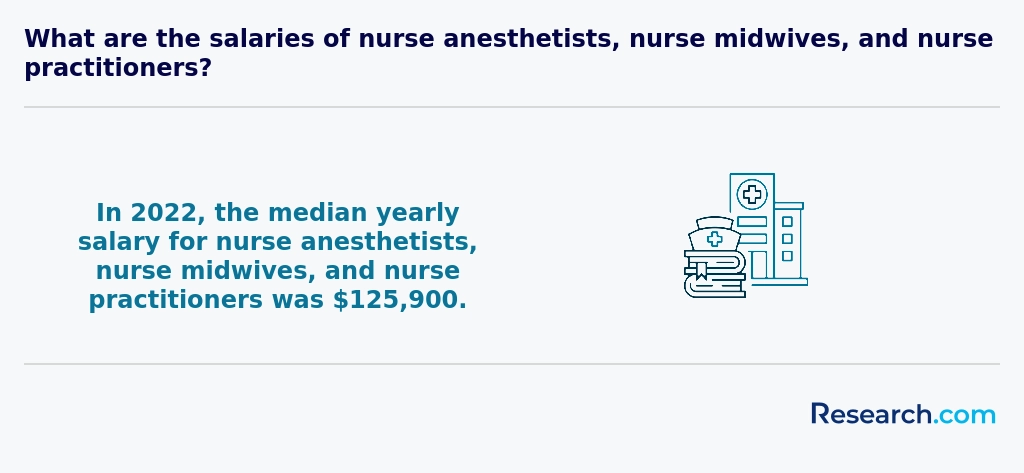
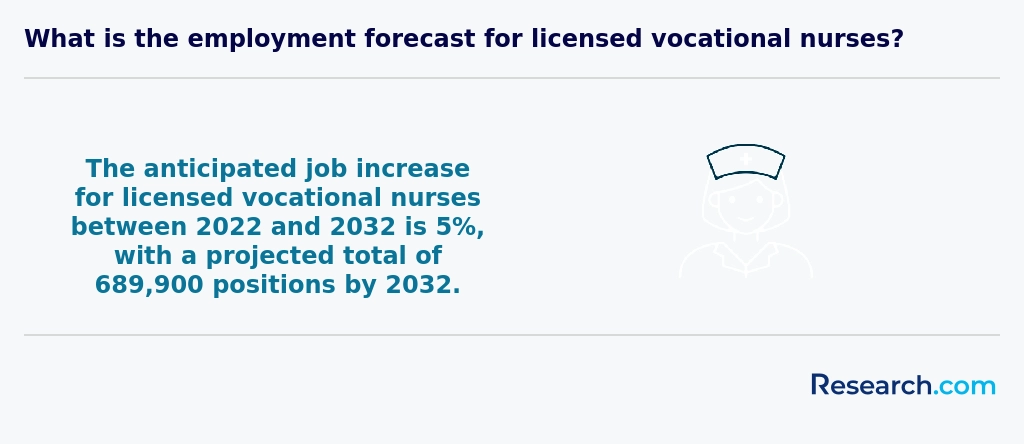
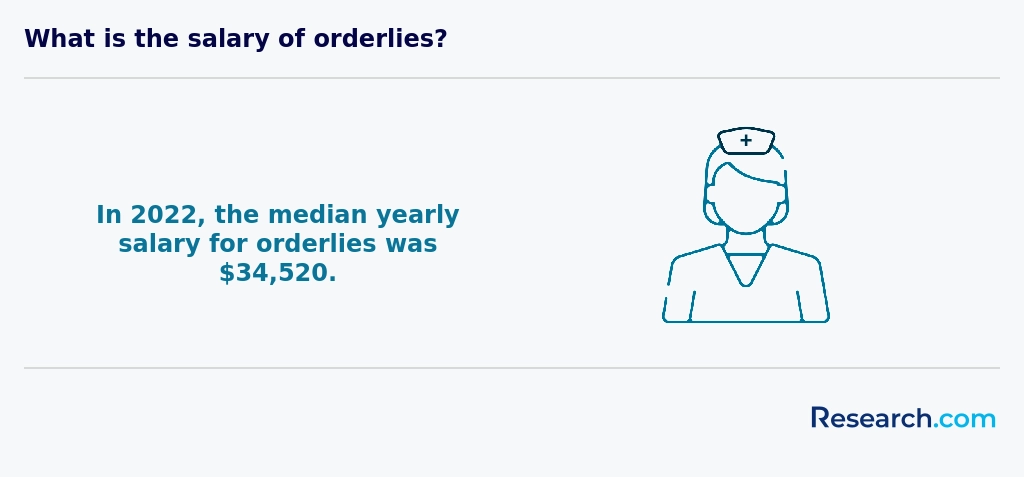
Graduates with a nursing degree in Cedar Rapids have access to diverse career paths that align with both local healthcare demands and national trends. Many start as registered nurses following completion of an Associate Degree in Nursing (ADN) or Bachelor of Science in Nursing (BSN) from institutions such as Kirkwood Community College or Mount Mercy University. These roles involve direct patient care in hospitals like UnityPoint Health - St. Luke's Hospital, which employs a substantial nursing workforce, offering a rewarding environment for recent graduates. The nursing career opportunities in Cedar Rapids also extend to advanced practice roles, including nurse practitioner or nurse anesthetist, which require a Master of Science in Nursing (MSN) or Doctor of Nursing Practice (DNP) degree and provide higher earning potential exceeding $100,000 annually.
Additionally, professionals can pursue leadership positions in healthcare administration, quality assurance, or policymaking, supported by local health system networks. Public and community health nursing are growing fields, offering meaningful engagement in preventive care. Those seeking alternative allied healthcare careers often find helpful guidance here. Graduates consistently note strong job prospects after completing their programs, underscoring the favorable nursing degree job prospects Cedar Rapids offers.
The nursing job opportunities in Cedar Rapids are robust, reflecting strong regional healthcare demand and steady employment growth. Graduates from nursing programs at well-regarded institutions in the area benefit from connections to major employers like Mercy Medical Center and UnityPoint Health, which actively seek qualified nurses. Recent graduates have shared how clinical rotations in these facilities provided valuable hands-on experience and enhanced their confidence entering the workforce. Data from Iowa Workforce Development forecasts an 8-10% growth rate for registered nurses locally, aligning with national trends, which signals a favorable market for new entrants.
For students pursuing a Cedar Rapids nursing degree, the combination of competitive average salaries, approximately $68,000 to $75,000 annually, and in-state tuition aids makes the career pathway attractive. Many graduates move seamlessly into roles that offer growth potential, supported by employers encouraging continued education and certification. Prospective students can explore opportunities at local colleges known for their nursing programs, which help build practical skills aligned with market needs and career ambitions.
Understanding the Cedar Rapids nursing degree employment outlook is vital when planning a nursing career. Students interested in tracking detailed program popularity and outcomes may find the popular nursing degree rankings a useful resource.
2027 Most Popular Nursing Degree Programs Ranking in Cedar Rapids
Investing in your education is a significant decision that can shape your future, and the Research.com team understands the importance of making informed choices. To assist prospective students in Cedar Rapids, we have meticulously created the "2027 Most Popular Nursing Degree Programs Ranking in Cedar Rapids." Our dedication to quality, credibility, and accuracy is demonstrated through rigorous research and analysis conducted to develop this ranking.
We utilized the following reputable data sources to ensure a comprehensive evaluation of nursing programs:
By reviewing this ranking, readers will gain valuable insights into the leading nursing degree programs in Cedar Rapids, empowering them to make well-informed decisions about their educational journeys. For more information on how this ranking was created, please visit our Research.com methodology page.


Frequently Asked Questions About nursing
Students pursuing nursing degrees in Cedar Rapids can enhance their learning by engaging actively with clinical experiences offered through local hospitals like St. Luke's and Mercy Medical Center. These facilities collaborate closely with nursing programs, providing hands-on training crucial for skill development. Additionally, Cedar Rapids benefits from partnerships with community health organizations, allowing students to apply classroom knowledge in diverse, real-world settings.
Utilizing resources such as simulation labs available at Kirkwood Community College can further deepen practical understanding. Networking with local nursing professionals through internships or study groups also supports career growth. According to the Iowa Board of Nursing, graduates from Cedar Rapids nursing programs have an 85% first-time NCLEX pass rate, reflecting strong academic preparation.
The nursing field is expanding into several emerging niches that offer promising career opportunities for students in Cedar Rapids. One rapidly growing area is gerontological nursing, driven by Iowa's aging population, where nurses specialize in elderly care management and chronic illness treatment. Another important niche is telehealth nursing, which has surged since 2020, allowing nurses to provide care remotely. Additionally, informatics nursing combines healthcare with data technology, improving patient records management and decision-making. According to the Iowa Board of Nursing, these specialties reflect a broader national demand for skilled nurses who adapt to technological advances and shifting demographic needs.
After completing a nursing degree in Cedar Rapids, preparing for the job market involves several strategic steps. First, obtaining licensure is essential; graduates must pass the NCLEX-RN exam to become licensed registered nurses in Iowa. The Iowa Board of Nursing provides detailed guidance and resources for this process.
Networking locally can improve job prospects since Cedar Rapids hosts several healthcare facilities, including UnityPoint Health and Mercy Medical Center. Joining professional nursing associations such as the Iowa Nurses Association can offer connections and career support. Additionally, gaining clinical experience through internships or volunteer opportunities during studies can enhance employability.
Staying updated on regional healthcare trends and continuing education is critical in a rapidly evolving field.
Employers in Cedar Rapids highly value nursing degree graduates who demonstrate strong clinical skills combined with effective communication. According to the Iowa Board of Nursing, graduates who excel in patient care, medication administration, and health assessment are in greater demand. Nursing roles in Cedar Rapids often require teamwork and adaptability, especially in hospitals like Mercy Medical Center and UnityPoint Health.
Critical thinking and problem-solving abilities rank among the top sought-after skills. The U.S. Bureau of Labor Statistics highlights that clinical judgment is crucial for safe and efficient nursing practice. Additionally, cultural competence is important, as Cedar Rapids serves a diverse population. Employers also prefer candidates familiar with electronic health records, reflecting the ongoing digitalization in healthcare.
Finding nursing internships in Cedar Rapids involves leveraging local healthcare facilities and educational institutions. Mercy Medical Center and UnityPoint Health offer clinical internship opportunities for nursing students, providing hands-on experience essential for licensure and career readiness. Students should connect with nursing program advisors at Kirkwood Community College or other Cedar Rapids colleges, as these schools often partner with nearby hospitals for internships.
Additionally, the Iowa Board of Nursing emphasizes the importance of clinical hours in approved settings, so verifying that an internship meets these criteria is crucial. Networking through local nursing associations such as the Iowa Nurses Association can also reveal additional internship openings.
According to recent reports, Cedar Rapids healthcare employers continue to seek nursing interns, reflecting an industry growth of approximately 5% annually in the region.
Obtaining a nursing degree in Cedar Rapids significantly enhances career mobility and advancement opportunities. The local healthcare market, including major employers such as the UnityPoint Health and Mercy Medical Center, values candidates with formal nursing education. According to the Iowa Workforce Development, registered nurses in Cedar Rapids earn an average salary above the state median, reflecting demand for skilled professionals.
Nursing degrees, especially bachelor's and higher, open doors to specialized clinical roles and leadership positions, which often require formal credentials. Additionally, degree holders can more easily pursue advanced certifications or graduate studies, expanding career options.
The region's growing healthcare sector offers increased hiring potential, with an expected 15% growth in nursing jobs by 2030, according to the U.S. Bureau of Labor Statistics.
Studying for a nursing degree in Cedar Rapids offers strong preparation for interdisciplinary roles due to the city's integration of healthcare education and practice. Local programs emphasize collaboration with professionals in medicine, social work, and pharmacy, reflecting real-world healthcare teams. Institutions often partner with local hospitals such as UnityPoint Health, providing clinical experiences that enhance teamwork skills.
Courses include communication, ethics, and health informatics, equipping students to navigate diverse healthcare settings. According to the Iowa Department of Public Health, the region values nurses who can coordinate care across multiple specialties. This approach improves patient outcomes by promoting holistic, patient-centered care.
By engaging with multiple disciplines during training, nursing students in Cedar Rapids are well-positioned for careers that require flexibility and collaborative problem-solving skills.
Choosing between a thesis and a non-thesis nursing degree program in Cedar Rapids depends largely on your career goals. A thesis program typically focuses on research and prepares students for advanced roles in clinical research or PhD studies. Non-thesis programs emphasize practical skills and may suit students aiming for immediate nursing practice or leadership positions.
Local institutions, such as Mount Mercy University, offer both options tailored for registered nurses upgrading their credentials. According to the Iowa Board of Nursing, Cedar Rapids has seen a 12% increase in demand for nurse leaders, a sign that practical leadership skills remain highly valued.
Consider your learning style and future plans carefully before choosing between research-intensive or practice-focused programs.
Students based in Cedar Rapids interested in studying nursing abroad have several pathways to consider. While local institutions such as Kirkwood Community College and the University of Iowa offer strong nursing programs, those seeking international experience often explore exchange programs or partnerships facilitated through these schools.
Many US nursing programs, including those accessible in Cedar Rapids, have established study abroad agreements allowing students to gain clinical experience internationally while earning credits toward their degree. These opportunities commonly include countries with strong healthcare systems, such as Canada, the United Kingdom, or Australia.
However, it is important to note that internationally earned nursing credits must comply with US nursing board requirements. Students should work closely with academic advisors to ensure all coursework aligns with Iowa Board of Nursing standards.
According to the National Student Clearinghouse Research Center, about 7% of US nursing students participate in some form of international study, although data specific to Cedar Rapids is limited.
Students pursuing nursing degrees in Cedar Rapids have several part-time job opportunities that can complement their education and build clinical skills. Many local hospitals and clinics, such as UnityPoint Health and Mercy Medical Center, offer positions like patient care assistants or nursing aides. These roles provide hands-on experience in patient interaction and care under supervision.
Additionally, home health aide jobs and medical administrative assistant positions are common part-time options. According to the Iowa Workforce Development, healthcare support roles in the Cedar Rapids metro area are expected to grow by about 12% through 2028, indicating a steady demand.
Such roles help nursing students develop practical skills while maintaining flexible schedules aligned with their studies.
Nursing students in Cedar Rapids have access to a variety of networking opportunities that help build professional connections. Local healthcare facilities such as UnityPoint Health and Mercy Medical Center frequently collaborate with nursing programs to offer clinical placements and internships. These partnerships allow students to engage with practicing nurses and healthcare leaders.
Additionally, nursing students can join organizations like the Iowa Nurses Association, which hosts events and workshops in the Cedar Rapids area. These gatherings provide chances to meet peers and experienced professionals.
Academic institutions in Cedar Rapids also organize career fairs and guest lectures, further supporting student networking and career development.
Alumni networks play a crucial role for nursing degree students in Cedar Rapids by providing valuable career support and connections. Graduates often share job opportunities within local hospitals and clinics, increasing students' chances of finding employment in a competitive healthcare market. According to the Iowa Board of Nursing, Cedar Rapids has a growing demand for registered nurses, with employment expected to rise by 12% through 2030.
These networks also facilitate mentorship, where experienced nurses guide students and recent graduates through clinical challenges and professional development. Additionally, alumni events and workshops create avenues for continued education and networking, helping students stay updated with nursing best practices and licensing requirements.
Customizing a nursing degree program in Cedar Rapids often begins with selecting the right educational institution offering flexible tracks. Local schools like Kirkwood Community College and the University of Iowa provide options such as ADN, BSN, and RN-to-BSN programs. These allow students to tailor coursework to specific areas like pediatrics, geriatrics, or acute care.
Many programs include elective courses and clinical rotations, enabling hands-on experience in your desired specialty. Cedar Rapids healthcare partnerships also enhance opportunities for internships and networking. According to the Iowa Board of Nursing, over 60% of local programs support part-time and online learning, helping professionals balance education with work.
Nursing students in Cedar Rapids often face significant challenges balancing rigorous academic coursework with clinical practice requirements. The demanding schedules can lead to high stress and time management difficulties. According to the Iowa Board of Nursing, clinical placements are competitive, which sometimes limits hands-on training opportunities.
Financial constraints also affect many students. Tuition and fees for nursing programs in Cedar Rapids range widely, and additional costs such as uniforms and licensing exams add to the financial burden. Moreover, the evolving healthcare landscape requires students to stay updated with current technology and protocols, which can be overwhelming.
With a nursing degree in Cedar Rapids, graduates can pursue numerous professional certifications to advance their careers. Common certifications include the Registered Nurse (RN) license, required to practice nursing in Iowa, overseen by the Iowa Board of Nursing. Many nurses continue to become Certified Nurse Practitioners (CNPs), specializing in areas such as family practice or acute care by passing national exams.
Other popular certifications include Certified Clinical Nurse Specialist (CNS) and Certified Nurse Midwife (CNM). According to data from the Iowa Department of Public Health, registered nurses in Cedar Rapids with certifications often see higher earning potential and better job security. Pursuing certifications in pediatric, geriatric, or critical care nursing can also enhance specialization opportunities within the local healthcare market.
To write a winning application for a nursing program in Cedar Rapids, start by carefully reviewing each school's specific admission requirements, including prerequisite courses and GPA minimums. Many programs require a minimum GPA around 3.0, along with completion of foundational science courses such as anatomy and physiology.
Highlight your relevant experience, whether through healthcare volunteering or work, to demonstrate commitment and understanding of the nursing field. Personal statements should clearly explain your motivation for nursing and how you plan to succeed academically and professionally.
Additionally, strong letters of recommendation from instructors or healthcare professionals can enhance your application. According to the Iowa Board of Nursing, selective nursing programs in Cedar Rapids receive many applications, making attention to detail and authenticity essential.
Finally, prepare for any required entrance exams like the TEAS to ensure competitive scores, as these tests often weigh on admission decisions.
Nursing is a globally respected profession, valued for its essential role in healthcare systems. In the United States, including Cedar Rapids, nursing careers offer diverse opportunities due to a growing demand for qualified professionals. According to the U.S. Bureau of Labor Statistics, employment for registered nurses is projected to grow 6% from 2021 to 2031, faster than the average for all occupations.
Internationally, nursing standards and education vary, but U.S. nursing degrees, such as those offered in Cedar Rapids, are known for rigorous training and clinical practice. This provides graduates with skills adaptable worldwide.
Global health challenges, such as pandemics, highlight the critical role of nurses. Nurses trained in the U.S. often engage in international health initiatives, emphasizing cultural competence and evidence-based care.
Gaining practical experience while studying for a nursing degree in Cedar Rapids is essential for career readiness. Most nursing programs, such as those at Kirkwood Community College and the University of Iowa, include clinical rotations as part of their curriculum. These placements allow students to work directly with patients in local hospitals and clinics like UnityPoint Health and St. Luke's Hospital.
Additionally, nursing students can pursue internships or volunteer positions within Cedar Rapids healthcare facilities. This hands-on exposure helps build skills in real-world settings, improving both confidence and competence. According to the Iowa Board of Nursing, clinical hours frequently range from 500 to over 700 hours during the course of study.
Choosing the right concentration within a nursing degree program in Cedar Rapids begins with understanding your career goals. Nursing offers various specializations, including pediatrics, geriatrics, mental health, and critical care. Each focuses on different patient groups or environments.
Consider the local healthcare landscape: Linn County, where Cedar Rapids is located, has a growing elderly population, increasing demand for geriatric nursing and chronic disease management.
Research schools like Mount Mercy University or Kirkwood Community College for their program options and clinical partnerships. Accreditation, faculty expertise, and available clinical experiences also influence quality education and job readiness.
Lastly, review employment trends from the Iowa Workforce Development to identify high-demand nursing specialties relevant to Cedar Rapids graduates.
- 2027 Most Popular Nursing Degree Programs Ranking in Peoria
- 2027 Most Popular Nursing Degree Programs Ranking in Chicago
- 2027 Most Popular Nursing Degree Programs Ranking in Saint Paul
- 2027 Most Popular Nursing Degree Programs Ranking in Minneapolis
- 2027 Most Popular Nursing Degree Programs Ranking in Omaha
- 2027 Most Popular Nursing Degree Programs Ranking in Saint Louis
- 2027 Most Popular Nursing Degree Programs Ranking in Sioux City
- 2027 Most Popular Nursing Degree Programs Ranking in Kansas City
- 2027 Most Popular Nursing Degree Programs Ranking in Lincoln
- 2027 Most Popular Nursing Degree Programs Ranking in Indianapolis
See What Experts Have To Say About Studying Nursing
Read our interview with Nursing experts


- Tuition & Costs | Kirkwood Community College | Cedar Rapids, Iowa https://www.kirkwood.edu/get-started/paying-for-college/tuition-costs
- THE FIELD OF NURSING - FIRST-DEGREE OF STUDIES https://wnoz.wum.edu.pl/pl/content/field-nursing-first-degree-studies
- Client Challenge https://www.slideshare.net/slideshow/nursing-perspectivepdf/257210042
- Nursing Internships Abroad: An Introduction - RealStep https://www.real-step.com/en/articles/nursing-internships-abroad/
- How to Choose a Nursing Program: A Comprehensive Guide - Madonna ABSN https://absn.madonna.edu/blog/how-to-choose-a-nursing-program/
- Online versus Face-to-Face Nursing Degrees: A Study of Recruiters’ Perceptions - OJDLA https://ojdla.com/articles/online-versus-face-to-face-nursing-degrees-a-study-of-recruiters-perceptions
- Career Advancement Pathways for Nurses : Expert RN shares 10+ Professional growth opportunities - MuminMed https://blog.muminmed.com/career-advancement-pathways-for-nurses/
- Best Iowa Nursing Schools and Programs | NursingEducation https://nursingeducation.org/state/iowa/
- What Are the Best RN Certifications for Your Career? https://credenzahealth.com/career-advice/what-are-the-best-rn-certifications-for-your-career
- How to Write https://esign.com/letter-of-intent/school/nursing/