2027 Most Valuable Nursing Degree Programs Ranking in Bronx

Co-Founder and Chief Data Scientist
Choosing the right nursing degree program is a crucial step toward a rewarding career in healthcare. This article introduces the 2027 Most Valuable Nursing Degree Programs Ranking in Bronx, created by the Research.com team of data scientists.
Designed to help you make an informed choice, the ranking highlights nursing programs that offer great value and strong career prospects. Exploring these options can guide you toward a program that fits your goals and lifestyle.
Getting a nursing degree opens doors to meaningful work, growth, and the chance to make a positive difference in your community.
Key benefits of getting nursing degree in Bronx
- Salary for nursing degree graduates: In Bronx, registered nurses and public health nurses typically earn a mean annual wage of $94,480, while operating room nurses can earn up to $128,490, showing rewarding financial prospects.
- Career paths: Graduates from local colleges like Lehman College often find diverse opportunities, from clinical nursing to education roles, offering a fulfilling career with options to specialize.
- Online degree benefits: Nursing graduates from online programs at institutions such as Excelsior College enjoy flexible study schedules and quicker entry into the workforce, making education more accessible and convenient.
- 2027 Most Valuable Nursing Degree Programs Ranking in Bronx
- What can I expect from nursing degree in Bronx?
- Where can I work with nursing degree in Bronx?
What can I expect from nursing degree in Bronx?
The average cost of obtaining a nursing degree in the Bronx is generally lower than many private institutions, making it an attractive option for local students. Public colleges such as Lehman College and Borough of Manhattan Community College, both part of the CUNY system, offer in-state tuition rates that typically range from $6,500 to $8,000 per year for nursing programs. Graduates from these institutions often express satisfaction with the affordability that allowed them to focus on their studies without overwhelming financial strain.
Many nursing students in the Bronx report that the combination of reasonable tuition and strong academic support services, like tutoring and career advising, enhances their educational experience. Real-life clinical training at local hospitals such as Montefiore Medical Center offers meaningful, hands-on experience that complements classroom learning.
Considering the Bronx's steady demand for registered nurses documented by the U.S. Bureau of Labor Statistics, investing in a nursing degree here provides accessible education with practical benefits, enabling graduates to enter the workforce confidently and economically.
Where can I work with nursing degree in Bronx?
Graduates from nursing programs at Bronx Community College or Lehman College find diverse employment opportunities throughout the borough. Most often, they begin careers in acute care hospitals such as BronxCare Health System or Montefiore Medical Center, where roles span emergency care, pediatrics, geriatrics, and surgical nursing specialties. These hospitals provide hands-on experience that many graduates vividly recall as both challenging and rewarding, sparking professional growth.
Many graduates also choose careers in long-term care facilities like the Bronx-Lebanon Hospital Center. With nearly 13% of Bronx residents aged 65 or older, nurses here find fulfilling roles supporting geriatric and rehabilitative care, helping patients regain independence and improve quality of life.
Other nursing graduates engage in public health roles, working with entities such as the New York City Department of Health, addressing higher local rates of asthma and diabetes by educating families and managing outreach programs. Additionally, many graduates appreciate the flexibility of home health care agencies, where nurses provide personalized support for elderly or chronically ill patients directly in their homes.
Graduates holding a nursing degree from schools in the Bronx often find themselves entering a competitive salary landscape that reflects both the city's healthcare demands and cost of living. Registered Nurses (RNs) like many alumni from Bronx-based programs generally earn a mean annual wage of $94,480, according to recent U.S. Bureau of Labor Statistics data for New York City. This aligns with what many local graduates share about their early career earnings.
Specialized roles commonly accessible to Bronx nursing graduates reveal even greater financial potential. For instance, Operating Room Nurses command a mean annual income of approximately $128,490. This higher wage corresponds to the advanced skills and intensive training typically provided by nursing education programs affiliated with Bronx institutions, often encouraging students to pursue specialties.
Other roles such as Clinical Nurse Educators, Public Health Nurses, and Emergency Room Nurses also report mean annual salaries close to $94,480. Graduates frequently describe how their practical experiences during clinical rotations in Bronx hospitals positively influence their career readiness and earning capability.
These figures highlight the tangible monetary benefits available to nursing graduates in the Bronx, making local nursing degree programs a strong investment for students aiming for rewarding healthcare careers.
- Tuition for nursing programs in the Bronx ranges from around $6,000 per year at public community colleges to $20,000-$35,000 at private colleges.
- Additional costs for books, uniforms, and clinical supplies typically add several hundred to a few thousand dollars to the total expenses.
- Nursing jobs in the Bronx are growing at about 10% over the next decade, reflecting strong demand due to population density and healthcare needs.
- Starting salaries for new nurses are around $65,000 annually, with experienced registered nurses earning about $85,000 or more, and advanced nurses exceeding $110,000.
- Nursing programs must be accredited by CCNE or ACEN to qualify graduates for licensure exams and jobs.
- Local scholarships and financial aid programs are available to help reduce the cost of nursing education in the Bronx.
Completing a nursing degree in the Bronx varies by the program chosen and enrollment status. Most residents pursuing an Associate Degree in Nursing (ADN) complete it within 2 to 3 years, especially those attending local community colleges. Graduates often appreciate that this route allows them to enter the workforce quickly while balancing family or job responsibilities.
For those attending institutions like Lehman College or Bronx Community College, the traditional Bachelor of Science in Nursing (BSN) requires around 4 years of full-time study. BSN graduates commonly express pride in opening doors to advanced nursing roles and better salaries after investing this time.
Accelerated BSN programs, which some Bronx universities offer to students with prior degrees in other fields, typically take 12 to 18 months. Graduates describe these intensive paths as demanding but rewarding, allowing faster career shifts while still benefiting from the city's clinical training opportunities.
Accreditation and NCLEX outcomes are two of the strongest quality signals when comparing nursing programs in the Bronx. Accreditation through organizations such as the Commission on Collegiate Nursing Education (CCNE) or the Accreditation Commission for Education in Nursing (ACEN) helps show that a program follows recognized academic and clinical standards. Bronx institutions such as Lehman College and Bronx Community College maintain accreditation through CCNE or ACEN, and prospective students should verify each program’s current status directly before applying.
Accreditation can affect more than academic reputation. It may influence eligibility for federal financial aid, transfer options, graduate study, employer recognition, and state licensure exam readiness. A program that is not properly approved or accredited can create serious barriers after graduation, even if the coursework appears similar on paper.
NCLEX-RN pass rates help show how well a program prepares graduates for licensure. Programs in the Bronx consistently report first-time pass rates above the national average of 87%. Recent cohorts at Bronx Community College achieved a 92% first-time pass rate, while Lehman College graduates posted a 90% success rate. These figures suggest strong preparation, but students should still ask for the most recent multi-year data, because one cohort can be stronger or weaker than another.
If you are considering a practical nursing route before pursuing an RN credential, compare licensure outcomes just as carefully. Students exploring flexible practical nursing pathways can review online lpn programs in philadelphia as a broader example of how LPN options may support earlier workforce entry before further nursing education.
Online and on-campus nursing degree programs in Bronx differ primarily in delivery and student experience. On-campus students at institutions like Lehman College and Bronx Community College attend classes in person, benefiting from direct access to faculty and hands-on clinical training at nearby medical centers. Graduates often recall the value of immediate support during lab sessions, which helped build confidence in practical skills.
In contrast, online programs provide flexibility by allowing coursework to be completed remotely, appealing to working adults balancing family or jobs. However, these students still complete clinical hours in person, arranged locally to meet state requirements. Many online learners appreciate this balance of convenience and real-world exposure.
Cost considerations also factor in: New York State public nursing tuition averages $7,000 to $10,000 annually for in-state students. While online students may save on commuting and housing, tuition remains comparable. Ultimately, Bronx nursing students choose based on personal schedules and access to clinical sites, with both paths ensuring licensure readiness through accredited curriculum aligned with NCLEX-RN standards.
The right nursing school in Bronx, NY should do more than award a credential. It should prepare you to meet New York licensing requirements, pass the NCLEX, complete supervised clinical training, and enter a healthcare setting with confidence. Start by confirming that the program matches your intended path, whether that is an associate degree, bachelor’s degree, RN-to-BSN completion route, or another nursing credential.
Accreditation should be one of your first checks. A nursing program with recognized accreditation and state approval is more likely to meet academic, clinical, and licensure expectations. You should also review the curriculum, faculty access, simulation resources, student support, graduation outcomes, and how clinical placements are arranged in Bronx hospitals, clinics, and community health settings.
Cost matters as well. Compare tuition, fees, transportation, supplies, exam preparation costs, and lost work hours if the program has a demanding daytime schedule. Students comparing local and statewide options may also find it useful to review a valuable nursing school in New York to understand how Bronx programs fit within the broader New York nursing education landscape.
- Best for faster entry: ADN programs can be a practical route for students who want to qualify for RN licensure sooner.
- Best for broader career mobility: BSN programs may offer stronger preparation for leadership, public health, and competitive hospital roles.
- Best for working nurses: RN-to-BSN or hybrid options can make advancement more manageable while employed.
- Best value check: Look at total cost against NCLEX support, clinical quality, and graduate employment outcomes, not tuition alone.
The average cost of a nursing degree in the Bronx typically reflects the median total cost of about $39,120, with in-state students paying an estimated $18,464. These figures highlight the significant savings for residents pursuing education locally, especially when compared to out-of-state tuition costs. Graduates from prominent institutions such as Bronx Community College, which offers an ADN program, often speak positively about the balance between cost and educational quality, emphasizing the affordability and accessibility of public college options.
For students seeking a Bachelor of Science in Nursing (BSN), Lehman College provides a well-regarded program within the City University of New York (CUNY) system, where tuition tends to be lower than private colleges. Nursing students highlight how the reasonable tuition rates in the Bronx coupled with financial aid opportunities and scholarships make pursuing their degrees more manageable. Understanding the total cost nursing programs Bronx 2027 could involve helps prospective students plan effectively, balancing tuition, fees, and other expenses like uniforms and licensing.
Many nursing graduates appreciate the support received during their studies, which fosters a sense of community and optimism about their future careers. Choosing a valuable nursing school in New York located in the Bronx, with its comparatively affordable tuition and strong academic credentials, provides a pathway that feels both achievable and rewarding to local students. This data-driven insight aids students in making informed decisions tailored to their budget and career goals.
Completing a nursing degree in the Bronx does not automatically make you eligible to practice as an RN. You must meet New York State licensing requirements and pass the NCLEX-RN. A strong program should prepare you academically and clinically for that process, but students are responsible for completing every required step.
- Apply to the New York State Board of Nursing with official transcripts, fee payment, and fingerprinting for a background check.
- Prepare using the NCLEX-RN test plan, official resources, practice questions, and review courses that target core clinical judgment and safety concepts.
- Schedule and pass the NCLEX-RN exam. Local programs report pass rates around 90%, reflecting strong preparation from Bronx institutions.
- After passing, submit your exam results, proof of identity, and fee to receive your New York RN license, renewable every two years with required continuing education.
- After licensure, consider an RN-to-BSN pathway such as rn to bsn programs without clinicals if you want broader career options or future graduate study.
Nursing students in the Bronx have access to several key financial aid options to manage tuition costs, which range from about $6,000 at Bronx Community College to over $30,000 at private institutions. Many begin by applying for federal aid through FAFSA, unlocking Pell Grants worth up to $7,395 for eligible students. Graduates from Bronx nursing programs often recall how these grants significantly eased their financial stress during studies.
Additionally, federal Direct Loans-both subsidized and unsubsidized-offer manageable repayment terms compared to private loans, providing a practical leverage for students balancing part-time work and classes. The New York Excelsior Scholarship also benefits those attending public colleges like Lehman College by covering tuition, further lowering barriers to degree completion.
Scholarships from organizations such as the New York State Nurses Association add another layer of support, rewarding academic and community achievements. Many local employers supplement this by offering tuition reimbursement or loan forgiveness for nurses committed to serving underserved Bronx neighborhoods, turning financial aid into a pathway toward professional and personal fulfillment.
A Doctor of Nursing Practice can be a strong next step for nurses who want advanced clinical responsibility, leadership roles, systems improvement work, or influence in healthcare policy and administration. For Bronx nursing graduates who are already working, online DNP programs may offer a more flexible way to continue studying without leaving the workforce.
Students comparing doctoral options should look beyond speed. Some of the fastest dnp programs online may fit nurses with clear goals and strong time management, but accelerated formats can be demanding. Review the program’s accreditation, practicum expectations, project requirements, faculty expertise, and whether clinical hours can be completed near your current workplace or community.
What online DNP students should evaluate
- Program pace: Several accredited programs offer accelerated tracks allowing completion in as little as 12–18 months of full-time study, but the workload can be intense.
- Curriculum focus: Common areas include evidence-based practice, healthcare systems management, health informatics, population health, and leadership.
- Clinical immersion: Online delivery does not remove the need for supervised practice experiences. Confirm where and how those requirements are completed.
- Career alignment: DNP graduates may pursue executive leadership roles, advanced clinical positions, policy work, organizational consultancy, or academic appointments.
- Accreditation: Verify CCNE or ACEN recognition and confirm that the program supports your state and specialty goals.
For Bronx-trained nurses, a DNP can expand career options beyond bedside practice. The best fit depends on whether you want to remain in direct patient care, move into administration, teach, or lead quality improvement across healthcare systems.
Applicants seeking nursing degrees in Bronx must meet several clear academic and experiential prerequisites to succeed. Most Bronx programs require a high school diploma or GED, alongside prerequisite coursework in biology, chemistry, anatomy, and physiology. Graduates from local colleges often recall that maintaining a GPA around 2.5 to 3.0 was essential to remain competitive during admissions.
Standardized tests like the TEAS frequently play a role in evaluating readiness, ensuring applicants possess core academic skills. Many students emphasize that clinical or volunteer experience in healthcare-documented through internships or caregiving roles-was pivotal in showcasing their commitment.
Universities such as Lehman College or Bronx Community College stress the importance of background checks and up-to-date immunization records, safeguarding patient safety.
Letters of recommendation and personal statements also offer applicants a chance to express passion and dedication, which local graduates highlight as key factors in strengthening their applications. Engaging in hands-on healthcare roles before enrollment better prepared them for demanding clinical training ahead.

NCLEX pass rates and licensing requirements should be reviewed before you commit to any Bronx nursing program. The NCLEX-RN is the exam used to assess whether a graduate is prepared to practice safely and effectively as a registered nurse. Strong first-time pass rates can indicate effective instruction, clinical preparation, advising, and exam support.
Many Bronx nursing programs report first-time NCLEX-RN pass rates between 85% and 95%, exceeding the New York State average of 88%. When comparing programs, ask whether those rates reflect all graduates, first-time test takers only, and the most recent reporting year.
- Accreditation: Confirm that the program is accredited by CCNE or ACEN when applicable and that it meets licensure expectations.
- State approval: Verify that the curriculum is approved by the New York State Education Department (NYSED) Board of Nursing.
- Exam preparation: Look for NCLEX review support, practice question banks, simulation labs, remediation plans, and faculty advising.
Basic New York RN licensing steps
- Complete an accredited nursing program and have official transcripts submitted to NYSED.
- Register for the NCLEX-RN through Pearson VUE and pay the licensing fee.
- Receive an Authorization to Test (ATT) and schedule the exam within 90 days.
- Pass the NCLEX-RN to obtain your Registered Nurse (RN) license and begin practicing.
Students who are comparing cost and academic support beyond the Bronx may also review the Affordable Online Bachelor's in Nursing Degree Programs Ranking in the West for examples of budget-conscious nursing pathways.
Nursing degree programs in Bronx typically include a structured blend of science and practical courses designed to prepare students for healthcare careers. Graduates often recall foundational subjects like anatomy, physiology, microbiology, and chemistry as essential building blocks that clarified how the human body functions and responds to illness in real hospital settings such as those affiliated with BronxCare Health System.
Pharmacology courses are central, equipping students to understand medication effects and avoid risks, a skill frequently praised by alumni who have navigated complex patient medication plans during clinical rotations. Core nursing skills-such as wound care, vital sign monitoring, and infection control-are practiced repeatedly, helping students gain confidence before entering adult health nursing or pediatric nursing classes offered at institutions like Lehman College.
Advanced topics including obstetrics, mental health nursing, and health assessment align closely with New York State licensing requirements. Many students highlight clinical rotations at Montefiore Medical Center as transformative, where theory meets patient care, fostering a sense of accomplishment and readiness for the NCLEX-RN exam. Courses in ethics and nursing leadership also prepare students emotionally and intellectually for professional challenges.
Nursing degree specializations in Bronx cover a broad spectrum designed to meet the region's specific healthcare demands. Popular programs include Registered Nurse (RN) tracks focusing on adult and pediatric care and Licensed Practical Nurse (LPN) training emphasizing essential clinical skills. Graduates from Bronx-based universities often highlight how specialization in geriatric nursing addresses the pressing needs of the borough's aging population, while mental health nursing aligns with growing behavioral health initiatives. Community health nursing is another critical focus area, reflecting Bronx nursing programs with specialization options aimed at serving underserved urban populations, which resonates deeply with students committed to local impact.
Students find that programs in critical care and obstetric-neonatal nursing at well-known Bronx colleges prepare them for fast-paced hospital environments. Many graduates express enthusiasm about how these specializations enhance their readiness for diverse clinical settings. For those seeking flexible pathways, exploring online lpn programs in philadelphia has also become a viable option, broadening access to foundational nursing education.
Choosing the best nursing degree in Bronx requires analyzing degree types that align with career goals, such as ADN, BSN, or advanced options like MSN. Graduates from Bronx's top nursing schools often highlight BSN programs for better job prospects and increased salary potential, reflecting national trends. Accreditation from bodies like ACEN or CCNE is crucial, ensuring eligibility for the NCLEX-RN exam and strong program quality.
Cost is a major factor for many students in Bronx; public nursing programs typically range from $6,000 to $12,000 annually in-district, while private institutions may exceed $20,000. Graduates emphasize the value of exploring financial aid early to manage expenses at affordable nursing schools Bronx NY offers. Clinical experience matters significantly-partnerships with Montefiore Medical Center or BronxCare Health System provide diverse hands-on training that students find invaluable.
Students balancing work and study appreciate programs with flexible schedules and competitive NCLEX-RN pass rates above 85%, indicating effective preparation. For those considering further advancement, investigating the fastest dnp programs online can provide accelerated pathways toward a Doctor of Nursing Practice.
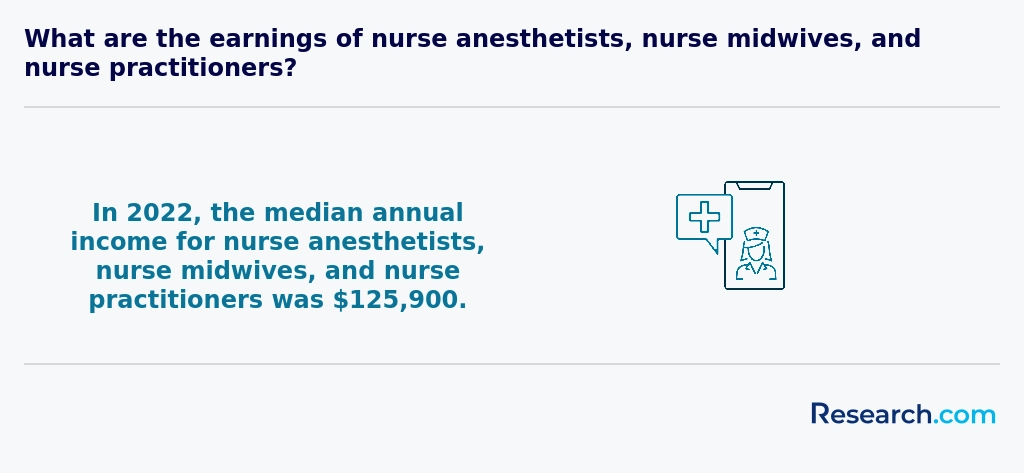
Graduates with a nursing degree in Bronx find diverse career paths across clinical care, leadership, and education within the region's extensive healthcare landscape. Many begin as registered nurses (RNs) employed by major local hospitals like Montefiore Medical Center, where median salaries hover around $80,000, fostering both financial stability and professional growth. Nursing career opportunities in Bronx further extend to advanced roles including Nurse Practitioners (NPs), Clinical Nurse Specialists (CNS), Certified Nurse Midwives (CNMs), and Nurse Anesthetists (CRNAs), which demand higher education but offer greater autonomy and specialized practice.
Nursing graduates from institutions such as Lehman College often share how their education provided hands-on experience that led to roles in nursing management or public health nursing, impacting community wellness directly. Some opt to become nursing educators, training the future workforce in Bronx's hospitals and universities. For those weighing educational investments, local programs present affordable options, and detailed tuition comparisons are available through the Affordable Online Bachelor's in Nursing Degree Programs Ranking in the West.
Each pathway offers unique challenges and rewards, reflecting the best nursing jobs in Bronx's dynamic health system and fulfilling the aspirations of many driven students eager to contribute meaningfully to community health.
The Bronx nursing job market outlook remains strong, fueled by ongoing demand for healthcare professionals in a diverse urban population. Graduates from Bronx community colleges and universities specializing in nursing consistently find employment in hospitals like Montefiore Medical Center and BronxCare Health System, as well as in community clinics and long-term care facilities. Many graduates describe their first nursing roles as rewarding, directly impacting communities with higher rates of chronic conditions such as asthma and diabetes.
Registered nurses in the Bronx earn an average annual wage near $90,000, which is competitive given the local cost of living. Employment opportunities are projected to grow by 7% through 2030, reflecting a steady increase in healthcare needs. This outlook makes pursuing a nursing degree at a Bronx institution both an accessible and financially sensible choice. Graduates also benefit from local programs that foster strong partnerships with healthcare providers, increasing job placement success and real-world experience during study.
Students exploring accelerated paths often turn to accelerated online degree programs to enter the workforce sooner, enhancing their career trajectory in this competitive market focused on nursing careers in Bronx 2027.
2027 Most Valuable Nursing Degree Programs Ranking in Bronx
Investing in your education is a significant decision that can shape your future, and the Research.com team understands the importance of making informed choices. To assist prospective students in the Bronx, we have meticulously developed the "2027 Most Valuable Nursing Degree Programs Ranking in Bronx." Our commitment to quality, credibility, and accuracy is reflected in the extensive research and analysis conducted to compile this ranking.
We utilized the following reputable data sources to ensure a comprehensive evaluation of nursing degree programs:
By exploring this ranking, readers will gain valuable insights into the most valuable nursing degree programs available in the Bronx, empowering them to make well-informed decisions about their educational and professional futures. For more details on our methodology, please visit our Research.com methodology page.


Frequently Asked Questions About nursing
Nursing degree students in Bronx can maximize their learning by actively engaging in clinical rotations at local hospitals such as BronxCare Health System. Hands-on experience is essential for developing practical skills and understanding patient care. According to the New York State Education Department, students who complete diverse clinical placements tend to perform better in licensure exams. Joining campus nursing organizations also helps students network and access mentorship opportunities. Additionally, utilizing Bronx community health resources enriches learning with real-world public health challenges. Time management and seeking academic support services offered by Bronx institutions further enhance success in rigorous nursing programs.
The nursing field is expanding rapidly with several emerging niches that offer promising career paths for Bronx students. One of the fastest-growing areas is gerontological nursing, driven by the increasing elderly population locally and nationally. The Bronx has a significant aging population, creating demand for nurses skilled in elder care.
Another niche gaining traction is informatics nursing, where professionals integrate healthcare with technology to improve patient outcomes. According to the U.S. Bureau of Labor Statistics, jobs in this sector are expected to grow by 20% by 2030.
Additionally, community health nursing is vital in the Bronx due to diverse populations facing unique health challenges. Nurses in this field work on prevention, education, and outreach, addressing disparities in urban settings.
After completing a nursing degree in Bronx, preparing for the job market involves several important steps. First, graduates must pass the NCLEX-RN exam, which is required for licensure as a registered nurse in New York State. According to the New York State Education Department, the pass rate for Bronx nursing graduates in 2023 was around 85%, reflecting the competitive nature of the field.
Networking is also crucial; attending local healthcare job fairs and joining organizations like the Bronx Chapter of the New York State Nurses Association can connect graduates with employers. Additionally, gaining clinical experience through internships or volunteer work improves employability.
With the Bronx facing a nursing shortage, job prospects remain strong, but candidates should focus on developing specialized skills such as geriatric or pediatric care, which are in high demand locally.
Employers in Bronx prioritize several key skills when hiring nursing degree graduates. Critical thinking and clinical competence are essential, ensuring nurses can make accurate decisions under pressure. Communication skills are also highly valued, as nurses must effectively interact with patients, families, and medical teams.
According to the New York State Department of Labor, Bronx healthcare employers increasingly seek graduates proficient in electronic health records (EHR) technology and patient-centered care practices. Adaptability is important due to the diverse patient population in Bronx hospitals, requiring cultural sensitivity and teamwork.
Strong organizational abilities and adherence to safety protocols are mandatory to meet regulatory standards and ensure quality care.
Finding internships in the Bronx relevant to a nursing degree involves a strategic approach leveraging local healthcare resources. Many nursing programs in the Bronx partner with hospitals, clinics, and community health centers to offer clinical placements and internships as part of the curriculum. For example, institutions such as Montefiore Medical Center and BronxCare Health System regularly provide internship opportunities aligned with nursing education.
Students should begin by consulting their academic advisors, who often maintain relationships with healthcare providers. Additionally, checking job boards from organizations like the New York State Nurses Association or the Bronx Workforce1 Career Center can reveal openings specific to nursing internships.
Volunteering and attending local healthcare career fairs in the Bronx also enhance networking opportunities. According to the New York State Department of Labor, the Bronx healthcare sector is growing steadily, emphasizing experiential learning for nursing students to fill workforce needs.
Obtaining a nursing degree in Bronx significantly enhances career mobility and advancement opportunities. Registered nurses (RNs) with degrees are in high demand locally, supported by the New York State Department of Labor, which projects a 19% growth in nursing jobs through 2030. Earning a Bachelor of Science in Nursing (BSN) or advanced degrees such as a Master's can open doors to specialized roles, including nurse practitioner or nurse educator positions, that offer higher salaries and leadership responsibilities.
Bronx healthcare facilities often prefer or require BSN-prepared nurses, reflecting a nationwide trend towards higher educational standards in nursing. Employers like Montefiore Medical Center prioritize degrees for promotion, making education a key factor in career development. Furthermore, degree programs frequently include clinical placements within Bronx, enabling valuable local professional networking and experience that support career progression in the borough.
Studying for a nursing degree in Bronx equips students with essential skills for interdisciplinary roles by emphasizing collaboration across healthcare fields. Bronx nursing programs often include clinical rotations in diverse settings like hospitals, community centers, and specialized clinics, offering exposure to teams of doctors, social workers, and therapists. The Bronx's healthcare environment reflects a high demand for coordinated care due to its diverse population and prevalence of chronic conditions, as reported by the New York State Department of Health.
Courses integrate communication, ethics, and problem-solving tailored to complex patient needs, fostering teamwork. According to the National League for Nursing, Bronx institutions focus on interprofessional education to prepare graduates for dynamic healthcare roles.
Choosing between a thesis and a non-thesis nursing degree program in Bronx depends largely on your career goals and time commitment. Thesis programs usually require original research, which suits students aiming for leadership roles or doctoral studies. Non-thesis programs focus more on practical skills and clinical experience, ideal for immediate workforce entry.
In Bronx, programs like those at Lehman College offer both options, reflecting citywide trends where roughly 40% of nursing graduates pursue thesis tracks for advanced practice roles, according to CUNY data. Consider your interest in research and career plan before deciding.
Students based in Bronx interested in studying nursing abroad have several pathways to consider within the United States higher education framework. Many Bronx institutions, such as Lehman College and Bronx Community College, offer partnerships or exchange programs with international universities, allowing students to gain global experience while earning credits toward their nursing degrees.
Additionally, Bronx students can explore study abroad programs focused on healthcare in countries with advanced nursing systems. Programs accredited by organizations like the Commission on Collegiate Nursing Education (CCNE) ensure that international coursework meets U.S. standards, facilitating smoother licensure processes upon return.
Since about 12% of Bronx residents are enrolled in higher education (U.S. Census, 2022), access to such options is part of a growing trend toward internationalizing nursing education for local students.
For students pursuing nursing degrees in Bronx, several part-time job opportunities can effectively complement their education. Working as a Certified Nursing Assistant (CNA) is among the most common roles, offering hands-on patient care experience that aligns closely with nursing coursework. According to the New York State Department of Labor, CNAs in Bronx earn a median wage around $15-$18 per hour, providing both income and practical skills.
Other part-time roles include medical scribing, where students document physician-patient interactions, enhancing medical terminology and workflow understanding. Local hospitals such as Montefiore Medical Center often recruit part-time aides and assistants, giving Bronx students exposure to clinical environments.
Additionally, positions in community health outreach programs allow nursing students to develop communication skills critical for patient education and advocacy, vital aspects of nursing practice detailed by the American Nurses Association.
Nursing students in Bronx benefit from numerous networking opportunities essential for career growth. Many local colleges facilitate connections through on-campus nursing clubs and student organizations. These groups often host guest speakers, workshops, and community events, fostering professional relationships early in students' careers.
The Bronx has a strong healthcare presence, including Montefiore Medical Center and BronxCare Health System. These institutions frequently offer internships, clinical rotations, and job fairs, allowing students to connect with experienced nurses and healthcare leaders.
Additionally, regional chapters of the American Nurses Association and New York State Nurses Association provide events, conferences, and seminars that Bronx nursing students can attend. Such engagement supports professional development and mentorship.
Alumni networks play a crucial role in supporting nursing degree students in Bronx. These networks provide valuable connections to experienced professionals who understand the local healthcare landscape. Engaging with alumni can help students secure internships and job placements at prominent Bronx hospitals such as Montefiore Medical Center and BronxCare Health System.
Research shows that strong alumni involvement can increase graduates' employment rates by up to 20%, which is significant given the competitive nursing job market in New York City. Alumni often share insights on licensing exams and continuing education opportunities, enhancing student success.
Additionally, alumni events and mentorship programs offer personalized guidance, helping students navigate career paths and build professional confidence. This local support is especially beneficial in Bronx, where community ties influence hiring decisions.
Customizing a nursing degree program in Bronx allows students to align their education with specific career goals. Many local institutions offer flexible pathways such as associate, bachelor's, and accelerated programs. Choosing electives in areas like pediatric nursing, gerontology, or mental health can help tailor expertise.
Clinical placements within Bronx's diverse healthcare settings provide practical experience, critical for career specialization. Additionally, some programs support part-time or online coursework, accommodating working students. According to New York State Education Department data, about 65% of nursing graduates in Bronx find employment in specialized fields within six months, emphasizing the value of targeted training.
Engaging with faculty advisors early can guide course selection to match certifications or advanced practice goals.
Nursing students in Bronx face several typical challenges that impact their education and progress. One major difficulty is managing the demanding clinical hours alongside rigorous coursework. Bronx students often balance school with work and family responsibilities, adding stress and time constraints. According to the New York State Education Department, high attrition rates in nursing programs are partly due to these pressures.
Additionally, limited access to clinical placements in local hospitals creates competition for valuable hands-on experience. Financial barriers also affect many students, with Bronx counties reporting a higher percentage of low-income residents compared to the state average, which can limit resources for educational expenses.
With a nursing degree, graduates in the Bronx can pursue several professional certifications that enhance their career options and earning potential. Common certifications include the Registered Nurse (RN) license, which is required to practice nursing professionally.
Beyond licensure, nurses often seek specialty certifications such as Certified Nurse Practitioner (CNP), Certified Clinical Nurse Specialist (CNS), and Certified Nurse Midwife (CNM). These require passing national exams administered by bodies like the American Nurses Credentialing Center (ANCC).
Certification in areas like Critical Care (CCRN) or Pediatric Nursing (CPN) is also popular in the Bronx, reflecting local demand in hospitals and clinics. According to the New York State Education Department, over 40% of Bronx nurses hold at least one specialty certification, which aligns with state and national trends favoring certified nurses for advanced roles and leadership.
Applicants aiming for nursing programs in Bronx should carefully prepare their applications to stand out among a competitive pool. Start by maintaining a strong academic record, especially in science and math courses, which are crucial for nursing studies. Most programs look for a minimum GPA of 3.0, but higher scores increase your chances.
Highlight any healthcare-related experience, such as volunteering or work in medical settings. This practical exposure demonstrates commitment and readiness for the rigors of nursing training.
Personal statements must clearly express your motivation to serve in Bronx communities, referencing local healthcare challenges if possible. Tailoring essays to reflect awareness of Bronx's diverse population can be a significant advantage.
Many Bronx nursing schools require letters of recommendation, ideally from science teachers or healthcare professionals who can attest to your skills and character.
Lastly, prepare thoroughly for entrance exams like the TEAS, as performance on these tests is a critical admission factor according to data from the New York State Education Department.
Nursing is recognized worldwide as a vital and respected healthcare profession. In the United States, including Bronx, nursing offers diverse career paths supported by strong educational frameworks. According to the U.S. Bureau of Labor Statistics, employment for registered nurses is expected to grow 9% from 2022 to 2032, reflecting global healthcare demands.
Many countries face nursing shortages, prompting international collaboration and educational exchange programs to strengthen the workforce. Bronx nursing programs often emphasize global health perspectives, preparing students to understand diverse patient needs.
The increasing complexity of healthcare systems globally highlights the importance of advanced nursing degrees. Pursuing nursing education in Bronx helps students build skills applicable both locally and in international contexts, supported by accredited institutions and clinical partnerships.
Practical experience is essential when pursuing a nursing degree in Bronx, as it enhances clinical skills and prepares students for real-world healthcare settings. Many accredited nursing programs in the Bronx require clinical rotations at local hospitals, clinics, or community health centers. For example, facilities like Bronx-Lebanon Hospital Center and Montefiore Medical Center often partner with nursing schools to offer hands-on training.
Students typically complete hundreds of clinical hours, working under supervision to gain experience in patient care, medication administration, and medical procedures. Additionally, some programs encourage internships or externships during summer breaks.
The New York State Education Department mandates supervised clinical experience for licensure eligibility, ensuring students graduate practice-ready.
Choosing the right concentration within a nursing degree program in Bronx requires understanding your career goals and interests. Some popular nursing concentrations include pediatric nursing, geriatric nursing, mental health nursing, and acute care. Each focuses on different patient populations and care settings.
Consider local healthcare demands: Bronx hospitals report a growing need for nurses specializing in chronic disease management and elderly care, due to the borough's aging population (NYC Health, 2023). Researching job placement rates for concentrations can also help ensure future employment.
Visit schools' websites and speak with advisors to compare curriculum and clinical opportunities specific to the Bronx community.
- 2027 Most Valuable Nursing Degree Programs Ranking in New York
- 2027 Most Valuable Nursing Degree Programs Ranking in Brooklyn
- 2027 Most Valuable Nursing Degree Programs Ranking in Boston
- 2027 Most Valuable Nursing Degree Programs Ranking in Baltimore
- 2027 Most Valuable Nursing Degree Programs Ranking in Washington
- 2027 Most Valuable Nursing Degree Programs Ranking in Rochester
- 2027 Most Valuable Nursing Degree Programs Ranking in Virginia Beach
- 2027 Most Valuable Nursing Degree Programs Ranking in Columbus
- 2027 Most Valuable Nursing Degree Programs Ranking in Detroit
- 2027 Most Valuable Nursing Degree Programs Ranking in Charlotte
See What Experts Have To Say About Studying Nursing
Read our interview with Nursing experts

Lisa Grubb
Nursing Expert
Assistant Professor
Johns Hopkins School of Nursing

- Bronx STEAM Center https://bxsteamcenter.nyc/web/content/explore-our-cte-pathways
- Clinical Experience for Nursing Students: A Critical Career Step https://beal.edu/clinical-experience-for-nursing-students/
- Top Nursing Skills U.S. Employers Want to See on Your Resume | O'Grady Peyton https://www.ogradypeyton.com/blog/job-seeker-resources/top-nursing-skills-u.s.-employers-want-to-see-on-your-resume
- Transform Lives as a Nurse in the Bronx! https://www.nurserecruiter.com/job/25ww3d
- Clinical Nurse Instructor (Emergency Department) https://www.bronxcare.org/nursing/join-our-team
- Tips for Creating a Perfect Nursing School Application https://www.allnursingschools.com/articles/how-to-create-the-perfect-nursing-school-application/
- How Many Prerequisites Are Needed for Nursing? [2026] https://www.straighterline.com/blog/nursing-how-many-prerequisites-for-nursing
- Choosing a Thesis vs. Non-Thesis Program: What Every Graduate Student Needs to Know https://presenti.ai/blog/choosing-a-thesis-vs-non-thesis-program/
- Work-life balance | Careers Crossroads | RCN Careers Resources | Royal College of Nursing https://www.rcn.org.uk/Professional-Development/Your-career/Nurse/Career-Crossroads/Career-Ideas-and-Inspiration/work-life-balance
- School of Nursing Alumni Resources https://nursing.utmb.edu/About/Alumni