2027 Most Valuable Nursing Degree Programs Ranking in New York

Co-Founder and Chief Data Scientist
Choosing the right nursing degree program is a big step toward a rewarding career in healthcare. This article presents the 2027 Most Valuable Nursing Degree Programs Ranking in New York, created by the Research.com team of data scientists to guide students in making informed decisions.
By exploring this ranking, you'll discover programs that offer excellent value, strong career prospects, and solid educational foundations. Whether you're starting your journey or advancing your skills, this information can help you find a path that fits your goals and passion for nursing.
Key benefits of getting nursing degree in New York
- Salary for nursing degree graduates: Graduates can expect competitive pay, such as $94,480 annually for Registered Nurses and Public Health Nurses, while specialized roles like Operating Room Nurses can earn up to $128,490 per year.
- Career paths: A nursing graduate from a top New York college often explores diverse roles including Emergency Room Nurse, Clinical Nurse Educator, and Public Health Nurse, offering exciting chances for growth and specialization.
- Online degree benefits: Getting a nursing degree online from a reputable New York university allows flexible study schedules, making it easier to balance work and life, while still opening doors to rewarding healthcare careers.
- 2027 Most Valuable Nursing Degree Programs Ranking in New York
- What can I expect from nursing degree in New York?
- Where can I work with nursing degree in New York?
What can I expect from nursing degree in New York?
The average cost of pursuing a nursing degree in New York varies significantly depending on where you study. Graduates from the State University of New York (SUNY) system often speak highly of the affordable tuition, which makes earning a Bachelor of Science in Nursing (BSN) more accessible without sacrificing quality. Many find relief in combining this with scholarships and federal aid, easing the financial load while gaining hands-on experience at top hospitals affiliated with these campuses.
On the other hand, graduates from private colleges report higher tuition expenses but emphasize the personalized support and smaller class sizes that enhance their learning journey. These experiences often include extensive clinical hours in renowned New York City hospitals, providing exposure to diverse patient populations that enrich their nursing skills and confidence.
Across the board, students appreciate that financial aid and loan forgiveness programs available in New York can turn daunting tuition fees into a manageable investment toward a rewarding career. With determination and the right resources, many emerge ready to make a powerful impact in healthcare.
Where can I work with nursing degree in New York?
With a nursing degree earned from respected New York institutions like Hunter College or SUNY Downstate, you'll find a world of opportunities waiting for you. Graduates often step confidently into roles at major hospitals such as NewYork-Presbyterian or NYU Langone, working alongside expert teams in fast-paced emergency rooms or specialized units like oncology and pediatrics. One graduate shared how the hands-on experience gained through clinical rotations in these vibrant settings helped them feel ready to make a real difference from day one.
Many nurses choose to care for New York's growing elderly population by joining long-term care facilities or rehabilitation centers. Imagine the fulfillment of supporting an elderly patient in a nursing home, offering compassion and expertise that profoundly improves their daily life. Community health centers also welcome enthusiastic grads aiming to promote wellness through preventive care and education.
For those drawn to variety, roles in home healthcare, schools, or government agencies provide meaningful paths. Some alumni embrace psychiatric nursing in state facilities, finding purpose in mental health support. This diversity is why your nursing degree from a New York college can open doors to a rewarding and flexible career.
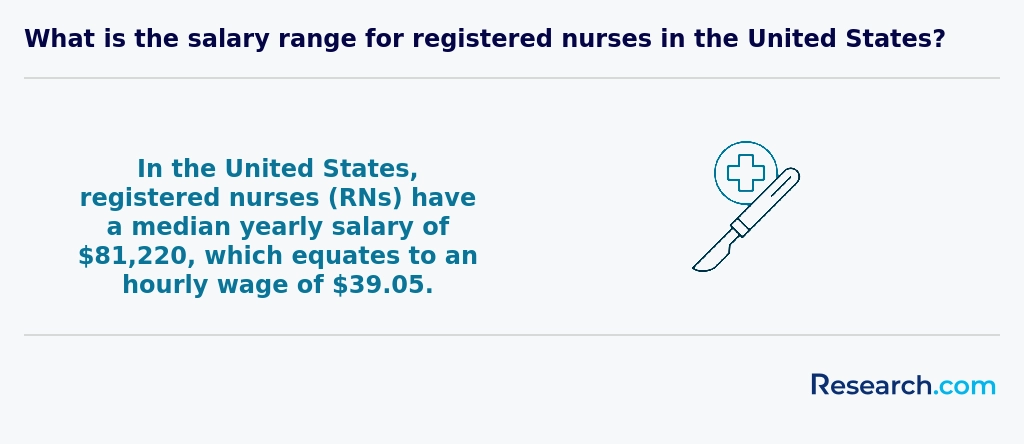
If you earn a nursing degree in New York, you can expect a strong earning potential that grows with experience and specialization. Graduates from schools like SUNY Downstate or NYU have shared how starting salaries for registered nurses typically fall around $65,000 to $75,000, but the state's high demand for healthcare professionals supports rapid growth. According to the latest data, registered nurses in New York earn a mean annual wage of about $94,480, reflecting both the skill required and the local cost of living.
Specialized roles bring even greater financial rewards. For instance, operating room nurses average $128,490 annually, a considerable jump that many graduates aspire to through continued education and training. Nursing careers in New York's urban hospitals showcase how advancing your skills can transform your salary, with hourly wages rising from around $45 to over $61 in critical areas like surgery.
These figures demonstrate the tangible benefits of pursuing your nursing education in New York, where diverse job opportunities and competitive wages fuel ongoing professional and personal growth.
- Annual tuition for nursing programs in New York ranges from $7,000 to $10,000 at public colleges and can exceed $40,000 at private schools.
- Nursing degrees available include ADN, BSN, and MSN, with BSN becoming the preferred qualification among employers.
- Starting salaries for new registered nurses average around $70,000 per year, higher than the national average.
- Experienced nurses in New York can earn between $90,000 and $100,000 annually, especially in cities like New York City.
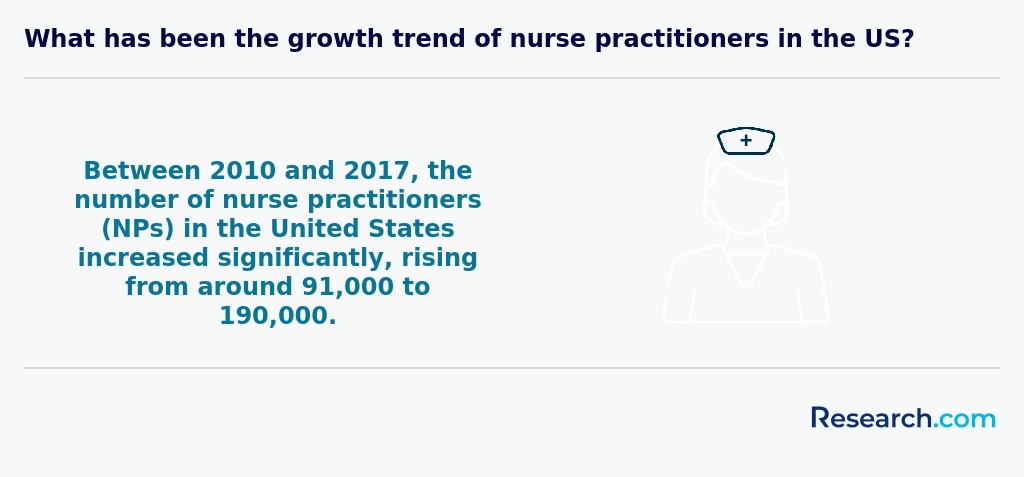
- The state employs about 190,000 registered nurses and expects continued job growth driven by healthcare demand.
- Licensing requires passing the NCLEX-RN exam and ongoing continuing education to maintain the license.
Completing a nursing degree in New York varies depending on the path you choose, but knowing the typical time frames can help you plan your journey confidently. Many graduates from community colleges like Bronx Community College share how their Associate Degree in Nursing took about two years, giving them a quicker entry into nursing careers with manageable costs.
Others aiming for a Bachelor of Science in Nursing at institutions such as Hunter College often commit to four years of full-time study, which pays off through better job prospects and higher salaries. Some graduates even recall enrolling in accelerated BSN programs, finishing in just 12 to 18 months, which worked well for those switching careers.
If you're looking to advance beyond the BSN, pursuing a Master of Science in Nursing typically takes an additional two years. Many graduates from SUNY Downstate appreciate part-time and online options, balancing work and study to fit their lifestyles.
Remember, whether full- or part-time, these programs meet strict New York accreditation standards that ensure the education you receive is both high-quality and respected statewide. This means your investment in time truly prepares you to thrive as a nurse here.
Accreditation is the cornerstone of quality nursing education, ensuring programs meet rigorous standards set by bodies such as the Commission on Collegiate Nursing Education (CCNE) and the Accreditation Commission for Education in Nursing (ACEN). In New York, the top-ranked nursing degree programs boast accreditation that not only validates curriculum excellence but also guarantees eligibility for licensure exams nationwide. Prospective students should look for schools with CCNE or ACEN accreditation to ensure their degree is recognized by employers and state boards of nursing. One of the most critical metrics of program effectiveness is the NCLEX-RN pass rate. In New York, accredited BSN programs report average first-time pass rates exceeding 90%, well above the national average of 87%. High pass rates reflect robust academic support, quality clinical partnerships, and structured exam preparation. Applicants can often find detailed pass-rate statistics on each institution’s website or through state nursing board reports, enabling data-driven comparisons when choosing a program. Graduate outcomes extend beyond licensure. Accredited programs typically publish post-graduation employment rates, with many New York graduates securing positions within three months of licensure due to strong hospital affiliations and career services. For students considering advanced pathways, it’s also valuable to compare options like the Most Affordable Online Master’s in Nursing Degree Programs Ranking in the Midwest, which highlights cost-effective graduate programs that maintain high accreditation and licensure success. By prioritizing accredited schools with proven licensure outcomes, aspiring nurses can confidently invest in a program that delivers both professional credibility and career readiness.
Choosing between an online and on-campus nursing degree in New York often comes down to your lifestyle and learning preferences. Online programs, like those offered through Excelsior College, provide remarkable flexibility-graduates frequently share how studying asynchronously allowed them to juggle work, family, and coursework without stepping foot on campus. This style fits well if you need to set your own pace but still demands dedication, especially when coordinating local clinical hours, which all New York programs require to be completed in person.
On-campus programs at institutions such as Hunter College immerse you directly into hands-on learning, where graduates recall the energy of in-person labs and real-time support from faculty. The interpersonal connections here often build confidence quickly, important in a field where face-to-face skills matter. While attendance requires fixed schedules and commuting, many find that the tangible access to resources and peer collaboration greatly enhances their training.
Both paths ensure accreditation through bodies like the CCNE, so whether you choose to learn from your living room or a New York classroom, you'll be well-prepared for licensure and a rewarding nursing career.
. When considering nursing programs in New York, affordability is a crucial factor for many prospective students. The cost of tuition, additional fees, and living expenses can vary significantly between institutions, making it essential to research and compare prices. For those seeking a cost-effective option, looking into programs that offer financial aid, scholarships, or flexible payment plans can be beneficial. Additionally, some schools may provide assistance with living expenses or offer affordable housing options, which can help alleviate some of the financial burdens associated with pursuing a nursing degree. Prospective students can also explore online resources, such as affordable nursing school in New York, to find the most affordable nursing programs in the state, helping them make informed decisions about their educational investments.
The average nursing degree cost in New York varies depending on the school and residency status, but on average, students can expect to invest around $35,000 if they qualify for in-state tuition, and closer to $49,590 for out-of-state students. Graduates from popular nursing programs at institutions like the State University of New York (SUNY) campuses often share how balancing the costs with scholarships and financial aid makes nursing an achievable goal despite these numbers.
Many nursing students in New York find themselves budgeting not just for tuition but also for essential items such as clinical placement fees, lab materials, uniforms, and exam costs, which add to the overall total. For example, those attending community colleges offering Associate Degrees in Nursing tend to spend less annually but recognize that the journey to a Bachelor of Science in Nursing (BSN) will increase expenses accordingly. When looking at the total cost of nursing programs New York 2027 estimates, it is helpful to remember that long-term career benefits make the upfront cost worthwhile.
Financial support options tailored specifically for nursing students can dramatically reduce out-of-pocket expenses. Many graduates have credited federal aid, scholarships, and state-specific grants for easing their financial burdens. If you want to explore more options for affordable programs, visiting resources like an affordable nursing school in New York could be a strategic first step on this rewarding path.
For students seeking a quicker entry into the healthcare field, Licensed Practical Nurse (LPN) programs in New York offer a focused curriculum-typically 12 to 18 months long-that balances classroom instruction in fundamentals of nursing, pharmacology, and patient care techniques with hands-on clinical rotations in long-term care facilities and community settings. Graduates who pass the NCLEX-PN exam become LPNs, earning an average annual salary of around $55,000, and can immediately contribute to patient care teams in hospitals, rehabilitation centers, and home health agencies. Many New York LPNs leverage bridge or articulation agreements-often called LPN-to-RN programs-to pursue an Associate Degree in Nursing (ADN) or a Bachelor of Science in Nursing (BSN) with advanced standing. These pathways reduce redundant coursework and shorten time to RN licensure, while fostering career growth and higher earning potential. Aspiring nurses who value program flexibility and regional reputation may also consider top out-of-state options; for example, the best rated north carolina lpn programs provide robust clinical partnerships and accelerated tracks that have proven advantages for LPN-to-RN advancement. By understanding both in-state and select out-of-state LPN offerings, students can tailor their nursing education to fit workload, budget, and long-term professional goals-whether they plan to begin practicing right away or bridge into a Registered Nurse role.
When pursuing a nursing degree in New York, numerous financial aid options can make your educational journey more achievable. Graduates from programs at institutions like Hunter College or SUNY Downstate often highlight how critical federal aid was, especially Pell Grants and low-interest federal loans accessed through FAFSA. These funds can cover a sizable portion of tuition, easing immediate financial stress.
State programs such as the Excelsior Scholarship are game changers for many, covering tuition at public colleges for eligible students with incomes under $125,000. Imagine attending the nursing school at CUNY York College without worrying about tuition bills, thanks to this support. Additionally, the New York State Nursing Incentive Scholarship directly links aid to a commitment of working in underserved communities, turning your education into a powerful force for good.
Many nursing grads share how employer tuition reimbursement, especially from large health systems like Mount Sinai, helped them balance work and study effectively. These programs make the dream of advancing your career possible without overwhelming debt.
Choosing a nursing program with recognized accreditation and a proven track record of NCLEX-RN success ensures your education meets the highest standards and paves the way for licensure in New York and beyond. • Accredited Programs: Verify that your institution is accredited by the Commission on Collegiate Nursing Education (CCNE) or the Accreditation Commission for Education in Nursing (ACEN). Accreditation guarantees curriculum rigor, faculty qualifications, and clinical resources, all of which influence your readiness for real-world practice. • New York State Approval: In addition to national accreditation, confirm approval by the New York State Education Department’s Office of the Professions. State approval ensures eligibility to sit for the NCLEX-RN and smooth licensure processing upon graduation. • NCLEX-RN Pass Rates: High pass rates reflect a program’s effectiveness in preparing students. Aim for schools reporting first-time pass rates above 85%, and review cohort performance data to compare outcomes across institutions. • Exam Preparation Resources: Look for curricula that integrate NCLEX-style questions, dedicated review courses, and simulation labs. These tools boost confidence and critical-thinking skills under exam conditions. • Advanced Practice Pathways: For those planning to pursue a doctorate or specialized role, many accredited BSN and MSN programs now offer seamless bridges into doctoral study. Explore a quick online dnp program to accelerate your transition into advanced practice and leadership.
To enroll in a nursing degree program in New York, you'll first need a high school diploma or GED, but that's just the beginning. Many successful graduates from institutions like Hunter College and Excelsior College emphasize the importance of strong foundations in science and math, which these schools highly recommend. You'll typically need to complete prerequisite college courses such as Anatomy and Physiology, Microbiology, Chemistry, Nutrition, Psychology, and either Statistics or College Algebra. These subjects prepare you for the rigorous learning ahead.
Applicants should also be ready to demonstrate strong English skills, often through standardized test scores or coursework in writing and literature, as clear communication is vital in nursing. Many schools in New York require the TEAS exam, testing essential skills in reading, math, science, and English. Achieving the necessary score can feel tough, but it boosts your confidence before clinicals.
Don't forget that background checks and proof of immunizations, including influenza and COVID-19, are mandatory for clinical placements. Graduates recall feeling proud when meeting these professional standards early, knowing they're one step closer to entering the field that truly makes a difference.
Accreditation by organizations like the Commission on Collegiate Nursing Education (CCNE) or the Accreditation Commission for Education in Nursing (ACEN) guarantees a program meets rigorous standards and qualifies graduates to sit for the NCLEX-RN exam.
- Commission on Collegiate Nursing Education (CCNE)
- Accreditation Commission for Education in Nursing (ACEN)
Look for programs reporting NCLEX-RN first-time pass rates above 85%, a reliable measure of curriculum effectiveness. Verify accreditation and compare pass rates on official school websites before applying. For a budget-friendly RN-to-BSN bridge, explore our cheapest rn to bsn online option.
When you enroll in a nursing degree program in New York, expect a carefully designed mix of courses that equip you with real-world skills and deep knowledge. Graduates from respected schools like Hunter College or Stony Brook University often recall how foundational science classes-anatomy, physiology, microbiology, and chemistry-gave them a clear understanding of the human body, which became invaluable during clinical rotations.
Beyond the basics, these programs include specialized nursing courses such as medical-surgical nursing, pediatrics, maternal and newborn care, mental health, and community health nursing. One graduate shared how pediatric nursing classes helped them connect empathetically with young patients during hospital internships in New York City.
Pharmacology is another key area, teaching students how to manage medications safely-something graduates often describe as empowering when they moved from classroom theory to patient care. Courses in nursing research, ethics, and leadership prepare students for responsibilities beyond bedside care, shaping confident nurses ready to advocate effectively for their patients in diverse settings across New York.
When exploring nursing degree specializations in New York, students often find a rich variety tailored to meet the state's unique healthcare demands. Graduates from well-known programs at CUNY Hunter College or NYU emphasize pathways like Adult-Gerontology Nurse Practitioner roles, where caring for the aging population becomes deeply rewarding. Others pursue Pediatric Nursing, inspired by their experiences working with children in local urban hospitals. These specializations open doors to meaningful careers, blending clinical skills with compassionate care.
Many nursing students at institutions such as SUNY Downstate thrive in Psychiatric-Mental Health Nursing, a vital field in New York's diverse communities. The focus on culturally competent care empowers them to make a real difference in mental health recovery. Meanwhile, emergency nursing stands out for those drawn to fast-paced, high-stakes environments, often found in New York's busiest trauma centers. For advanced nursing programs New York offers, programs like Nurse Anesthetist and Nurse Midwifery, typically at graduate level, represent top choices for highly skilled roles that command respect and excellent salaries.
Some students leverage RN to BSN pathways to specialize further in community health, pediatrics, or geriatrics, tailoring education to their passion areas. If you're considering your options beyond New York, exploring the best rated north carolina lpn programs can offer useful comparisons and broaden your perspective.
Choosing the best nursing degree in New York starts with understanding your goals: do you want to enter the field quickly with an ADN from a community college, or aim for broader opportunities with a BSN from institutions like Hunter College or Pace University? Graduates often praise the hands-on clinical experience and flexible schedules that helped them balance life and study, especially in busy cities. Many find that attending an accredited program ensures they can confidently pass the NCLEX-RN exam and pursue advanced roles.
Cost is another practical consideration. Affordable nursing schools in New York, particularly community colleges, offer ADN programs for as low as $5,000 per year, while BSN programs at private colleges might exceed $40,000. Many students tap into scholarships or loan forgiveness tailored to New York nurses, easing financial pressure.
Look for programs that align with your lifestyle; part-time or online courses provide flexibility, and some graduates recommend exploring a quick online dnp program to continue advancing your education without pause.

If you've earned a nursing degree in New York, the career paths waiting for you are inspiringly diverse and rewarding. Many graduates find themselves stepping into Registered Nurse roles in busy hospitals like NewYork-Presbyterian or bustling community clinics across the city. These settings offer hands-on patient care and constant growth, fulfilling the deep desire to make a real difference every day-something every nursing student from SUNY Downstate or Hunter College can relate to. For those seeking more autonomy, becoming a nurse practitioner or nurse anesthetist is a promising route, often requiring further education but offering increased responsibility and salaries often exceeding $110,000.
You might also consider nursing career opportunities in New York beyond traditional roles, such as public health nursing with the state's Department of Health, where you can impact community wellness and disease prevention. Others have found their calling in healthcare education or research, addressing faculty shortages and advancing the profession-as emphasized by graduates passionate about teaching at local universities. Exploring further, check out the Most Affordable Online Master's in Nursing Degree Programs Ranking in the Midwest to plan your advanced studies confidently.
The nursing job outlook in New York remains vibrant and full of promise, especially for graduates with degrees from well-known institutions such as Hunter College or SUNY Downstate. Graduates often share how securing roles in bustling hospitals or outpatient clinics throughout New York City and Long Island felt rewarding, both professionally and personally. The steady growth in employment means these graduates can confidently step into roles with competitive wages averaging around $87,000 annually for registered nurses, with advanced practice nurses earning even more.
Employment opportunities thrive due to New York's commitment to healthcare reform and expanding care access, making it an ideal time to pursue your nursing career here. Many graduates report that the specialized knowledge gained during their studies positions them well for roles in pediatrics, mental health, or gerontology, which are in high demand in the state.
For those still considering their educational path, it's helpful to explore programs like the best accelerated online bachelor's degree for working adults that balance quality education with flexibility. This approach suits prospective nurses eager to enter the workforce quickly while navigating other life commitments, making New York nursing degree employment opportunities both accessible and promising.
2027 Most Valuable Nursing Degree Programs Ranking in New York
Investing in your education is a significant decision that can shape your future, and the Research.com team understands the importance of making informed choices. To assist prospective students in New York, we have meticulously crafted the "2027 Most Valuable Nursing Degree Programs Ranking in New York." Our commitment to quality, credibility, and accuracy is reflected in the extensive research and analysis conducted to compile this ranking.
We utilized the following reputable data sources to ensure a comprehensive evaluation of nursing programs:
By exploring this ranking, readers will gain valuable insights into the most valuable nursing degree programs available in New York, helping them make informed decisions about their educational paths. For more details on our methodology, please visit our Research.com methodology page.


# 4 position
College of Staten Island CUNY
Master of Science in Nursing


# 7 position
CUNY Graduate School and University Center
Bachelor of Science in Nursing



# 10 position
Empire State University
Bachelor of Science in Nursing


# 14 position
Bryant & Stratton College-Syracuse North
Bachelor of Science in Nursing


# 16 position
College of Staten Island CUNY
Bachelor of Science in Nursing
# 17 position
Empire State University
Master of Science in Nursing


Frequently Asked Questions About nursing
Nursing degree students in New York can maximize their learning experience by combining theoretical coursework with practical clinical training. New York mandates a minimum of 500 clinical hours for registered nurse (RN) programs, ensuring hands-on experience in diverse healthcare settings. Students should actively seek out clinical placements in hospitals, community clinics, and long-term care facilities to develop versatile skills.
Engaging in simulation labs used by many New York nursing schools helps students practice procedures safely. Joining nursing organizations, such as the New York State Nurses Association, offers networking and professional development opportunities.
Utilizing state resources like the New York State Education Department's board exam prep materials can improve pass rates, which currently average around 85%. Consistent study and early exposure to licensure exam content are also essential.
Emerging niches within the nursing field in New York reflect the evolving healthcare landscape and the state's diverse population. One growing area is geriatric nursing, driven by New York's sizable aging population. According to the New York State Department of Health, the number of residents aged 65 and older is projected to increase by over 20% by 2030, creating demand for specialists in elder care.
Another expanding niche is psychiatric-mental health nursing, responding to increased awareness and treatment needs related to mental health conditions. Telehealth nursing is also rising, especially in rural upstate New York, where access to care is limited. Additionally, nurses with expertise in informatics are valued for improving electronic health records and patient care outcomes.
After completing a nursing degree in New York, preparing for the job market requires a combination of strategic certification, clinical experience, and professional networking. Graduates must first pass the NCLEX-RN exam to obtain licensure, a mandatory step to legally practice as a registered nurse (NYS Education Department, 2023). Gaining additional certifications, such as Basic Life Support (BLS) or Advanced Cardiovascular Life Support (ACLS), can improve employability in specialized areas.
Clinical internships or residencies, often available through local hospitals, provide practical experience highly valued by employers in New York. According to the New York State Department of Labor, the demand for registered nurses is projected to grow by 16% from 2020 to 2030.
Building a professional network through nursing associations and job fairs is essential. Online platforms, like the New York State Nurses Association, offer valuable job leads and career resources. Staying informed on healthcare trends in New York helps graduates align skills with market needs.
Employers in New York seek nursing graduates with a blend of clinical expertise and interpersonal skills. Critical skills include strong communication, as nurses must interact effectively with patients and healthcare teams. According to the New York State Education Department, proficiency in patient assessment and care planning is essential. Technical competence with electronic health records (EHR) also ranks high due to widespread digital documentation.
Additionally, critical thinking and problem-solving abilities are vital for handling fast-paced hospital environments. Cultural competency is increasingly emphasized, reflecting New York's diverse population. The New York State Center for Nursing highlights teamwork and adaptability as key traits sought by healthcare employers across the state.
Finding nursing internships in New York is a crucial step for students pursuing nursing degrees. Many accredited nursing programs in the state require clinical internships as part of the curriculum, often facilitated by the college or university. Students should consult their school's career center or nursing department for approved hospital and healthcare partnerships.
The New York State Department of Education lists hospitals and clinics eligible to mentor nursing students. Facilities in New York City and surrounding areas, such as Mount Sinai and NYU Langone Health, frequently offer internships.
Online platforms like the New York Nursing Workforce Portal provide updated internship listings specifically for nursing students, helping connect students with opportunities that match their career goals.
In New York, earning a nursing degree significantly enhances career mobility and advancement opportunities. Nurses with associate or bachelor's degrees often qualify for broader roles, including specialized clinical positions and leadership jobs. According to the New York State Department of Labor, registered nurses with a Bachelor of Science in Nursing (BSN) report higher employment rates and earn approximately 15% more than those with an associate degree.
The state's healthcare system values advanced education, encouraging nurses to pursue further credentials like a Master of Science in Nursing (MSN) to access higher-paying roles such as nurse practitioner or nurse educator. Additionally, a nursing degree enables easier interstate licensure transfers under the Nurse Licensure Compact.
Studying for a nursing degree in New York equips students with essential skills for interdisciplinary roles by emphasizing collaborative healthcare practices. New York nursing programs often integrate coursework involving teamwork with medical, social work, and public health professionals. This approach reflects the state's diverse healthcare settings, from urban hospitals to community clinics.
According to the New York State Education Department, many nursing curricula include simulation labs where students practice communication and decision-making alongside other health disciplines. Additionally, clinical placements expose students to real-world interdisciplinary environments, preparing them to coordinate patient care effectively.
This training aligns with healthcare trends prioritizing integrated care teams, making nursing graduates in New York well-prepared to contribute beyond traditional nursing roles.
Choosing between a thesis and a non-thesis nursing degree program in New York depends largely on your career goals and learning style. Thesis programs focus on research, requiring students to conduct original studies, which is ideal if you plan to pursue a PhD or a career in nursing research or academia. Non-thesis programs emphasize practical skills and clinical experience, preparing graduates for advanced nursing roles in hospitals or community health settings.
According to the New York State Education Department, nursing programs with thesis options often demand more time, typically two to three years, while non-thesis paths may be shorter. Consider whether you prefer hands-on clinical work or scholarly investigation when deciding.
Students in New York seeking nursing degrees abroad have several pathways to consider. Many U.S. nursing schools, including those in New York, maintain exchange partnerships with international institutions, which allow students to earn clinical experience overseas while continuing credit toward their U.S. degree. These programs typically last from a few weeks to a semester.
Another option is enrolling directly in foreign nursing programs recognized by U.S. accrediting bodies. However, graduates must ensure their degrees meet New York State Education Department requirements for licensure. According to the New York State Board of Nursing, foreign-educated nurses must pass the NCLEX-RN exam and complete credential evaluation.
Students should also explore study-abroad scholarships specific to nursing. The Institute of International Education notes increased interest in global health specialties, making programs in countries like Canada, the U.K., and Australia popular choices for New York nursing students seeking international exposure.
Students pursuing nursing degrees in New York can benefit from several part-time job opportunities that complement their education. Roles such as certified nursing assistants (CNAs), medical scribes, and phlebotomy technicians offer hands-on experience relevant to clinical skills. According to the New York State Department of Labor, CNAs earn a median hourly wage of around $16, making them a practical choice.
Jobs in outpatient clinics, long-term care facilities, and community health organizations provide exposure to patient care environments. These roles help develop communication and technical skills vital for nursing licensure exams. Additionally, flexible hours and proximity to major hospitals in New York City and surrounding areas make these positions accessible for busy students.
Nursing students in New York have access to numerous networking opportunities that support career development. Many universities host nursing clubs and organizations, such as the Student Nurses Association, which connect students with peers and professionals in the field. Clinical placements in New York hospitals offer direct interaction with experienced nurses and healthcare teams, expanding practical networks.
The New York State Nurses Association provides events, workshops, and conferences open to students, fostering connections with licensed professionals. Additionally, annual gatherings like the New York State Organization of Nurse Executives conference bring together nursing leaders and learners. These venues help students build valuable relationships, mentorships, and job leads within the state's robust healthcare system.
Alumni networks provide significant support to nursing degree students in New York by offering connections to experienced professionals in the healthcare field. These networks often facilitate mentorship opportunities, which can be crucial for students navigating clinical placements and early career choices. According to the New York State Nurses Association, strong alumni ties increase employment rates for graduates by up to 25% through referrals and job leads.
Additionally, alumni connections keep students informed about local nursing trends and continuing education programs, fostering lifelong learning. Networking events and online groups help students build relationships that can lead to collaborations and professional growth within New York's diverse healthcare system.
In New York, nursing degree programs often offer various pathways to align with your career goals. You can choose from Associate Degree in Nursing (ADN), Bachelor of Science in Nursing (BSN), or advanced degrees like Master's or Doctor of Nursing Practice (DNP). Many schools provide specialized tracks in areas such as pediatrics, geriatrics, or mental health.
Clinical placement options across diverse healthcare settings allow you to gain targeted experience. Additionally, some programs include online or part-time formats, offering flexibility for working students. According to the New York State Education Department, customization through electives and certifications can boost your employability in a competitive nursing market.
Nursing students in New York often face high tuition costs, with public and private program fees averaging between $7,000 and $30,000 annually, according to data from the New York State Education Department. This financial burden is a significant challenge, especially for those balancing work and study. Clinical placement availability is another concern, as dense urban areas and competitive programs limit access to quality practicum experiences.
Additionally, students report stress from rigorous coursework and long clinical hours, impacting mental health and academic performance. According to the American Association of Colleges of Nursing, nearly 50% of nursing students nationwide experience moderate to high stress, a likely reflection in New York.
With a nursing degree in New York, you can pursue several professional certifications to enhance your career opportunities and specialize in various fields. One of the most recognized is the Registered Nurse (RN) license, granted after passing the NCLEX-RN exam. Many nurses advance by obtaining certifications like Certified Nurse Practitioner (CNP), Critical Care Registered Nurse (CCRN), or Certified Nurse Educator (CNE).
Advanced certifications such as Family Nurse Practitioner (FNP) or Psychiatric Mental Health Nurse Practitioner (PMHNP) are popular in New York, reflecting workforce needs identified by the New York State Department of Labor. Certification often requires additional clinical hours and passing specialty exams offered by organizations like the American Nurses Credentialing Center (ANCC).
Writing a winning application for a nursing program in New York requires careful preparation and attention to detail. Start by researching accredited programs recognized by the New York State Education Department's Office of the Professions. Highlight your academic achievements, especially in science and math courses, as these subjects form the foundation for nursing studies.
Strong letters of recommendation from healthcare professionals or educators can significantly boost your application. Additionally, a compelling personal statement explaining your motivation to pursue nursing is essential. According to the New York State Center for Health Workforce Studies, competition is high, so clearly demonstrate your commitment to patient care and community health.
Meeting prerequisites and submitting all application materials before deadlines is critical. Be sure to prepare for and excel in the TEAS exam, often required by New York nursing programs, to improve your chances.
Nursing is a globally recognized profession, essential to healthcare systems worldwide. In New York, nurses often benefit from international standards due to the state's diverse population and extensive healthcare network. According to the New York State Education Department, the demand for nurses is increasing, reflecting a worldwide trend driven by aging populations and chronic disease management.
Globally, nurses require a blend of clinical skills and cultural competence, making New York's nursing programs valuable for students aiming to work both domestically and internationally. The U.S. Bureau of Labor Statistics projects a 9% growth for registered nurses nationally by 2031, highlighting opportunities within New York and beyond.
Many New York nursing schools align curricula with global best practices, offering pathways for licensure across countries through agreements like the NCLEX-RN exam recognized in select nations. This alignment enhances mobility and career flexibility for graduates in a global context.
Gaining practical experience is essential while pursuing a nursing degree in New York. Most accredited programs require clinical placements, which allow students to work in hospitals, clinics, or community health settings. These hands-on experiences develop essential skills and are supervised by licensed professionals. According to the New York State Education Department, students often complete 500 to 1,000 hours of clinical practice before graduation.
Many nursing schools in New York have partnerships with major healthcare providers such as NewYork-Presbyterian and Mount Sinai Health System. These collaborations offer students opportunities for internships and externships.
Additionally, students may participate in simulation labs that replicate real clinical scenarios, providing further skill-building in a controlled environment. Volunteering or working as a certified nursing assistant (CNA) can also enhance practical knowledge during study.
Choosing the right concentration within a nursing degree program in New York requires understanding your career goals and the state's healthcare needs. New York State Department of Labor projects nursing employment will grow 12% from 2020 to 2030, with particular demand in geriatrics, mental health, and pediatrics.
Consider concentrations such as Family Nurse Practitioner or Psychiatric-Mental Health Nursing, which align with high-demand specialties. Also, evaluate what courses and clinical experiences each program offers to match your interests.
Licensing requirements in New York demand completing an approved program with specified clinical hours, so ensure your chosen concentration meets these standards.
Research nursing schools accredited by the New York State Education Department or national bodies like CCNE for quality education.
- 2027 Most Valuable Online Nursing Degree Programs Ranking in New Jersey
- 2027 Most Valuable Online Nursing Degree Programs Ranking in Pennsylvania
- 2027 Most Valuable Online Nursing Degree Programs Ranking in Connecticut
- 2027 Most Valuable Online Nursing Degree Programs Ranking in Massachusetts
- 2027 Most Valuable Online Nursing Degree Programs Ranking in Ohio
- 2027 Most Valuable Online Nursing Degree Programs Ranking in Virginia
- 2027 Most Valuable Online Nursing Degree Programs Ranking in Kentucky
- 2027 Most Valuable Online Nursing Degree Programs Ranking in North Carolina
- 2027 Most Valuable Online Nursing Degree Programs Ranking in South Carolina
- 2027 Most Valuable Online Nursing Degree Programs Ranking in Tennessee
See What Experts Have To Say About Studying Nursing
Read our interview with Nursing experts


- How to Become a Public Health Nurse https://www.allnursingschools.com/how-to-become-a-nurse/new-york/
- Career Advancement Pathways for Nurses : Expert RN shares 10+ Professional growth opportunities - MuminMed https://blog.muminmed.com/career-advancement-pathways-for-nurses/
- What Are the Best RN Certifications for Your Career? https://credenzahealth.com/career-advice/what-are-the-best-rn-certifications-for-your-career
- Healing the Big Apple One Patient at a Time https://www.nurserecruiter.com/newyork
- The Importance of Clinical Experience for Nursing Students https://bealuniversity.ca/clinical-experience-for-nursing-students/
- How to Choose the Right Nursing School for Your Career Goals | Archer Review https://www.archerreview.com/blog/how-to-choose-the-right-nursing-school-for-your-career-goals
- Client Challenge https://www.springerpflege.de/nursing-graduates-perceived-future-career-pathway-and-career-shi/50653658
- How to Choose the Right Nursing Program for Your Career Goals - Maria College https://mariacollege.edu/blog/how-to-choose-the-right-nursing-program-for-your-career-goals
- Essential Tips for Nursing Students to Advance Their Careers https://almanaltraining.com/essential-tips-for-nursing-students-to-advance-their-careers/
- Nursing in NYC: Earn Your Degree in New York City - UMSV https://absn.mountsaintvincent.edu/blog/nursing-in-new-york-city/