
2027 Most Valuable Nursing Degree Programs Ranking in Boston

Co-Founder and Chief Data Scientist
Choosing the right nursing degree program is a big step toward a rewarding career in healthcare, especially in Boston's vibrant medical community. This article presents the 2027 Most Valuable Nursing Degree Programs Ranking in Boston, thoughtfully created by the Research.com team of data scientists to guide you through your options.
By exploring this ranking, you gain access to valuable insights that make your decision easier and more informed. Pursuing a nursing degree opens doors to meaningful work where you can truly make a difference in people's lives.
Take the first step with confidence and discover which programs offer the best opportunities for your future.
Key benefits of getting nursing degree in Boston
- Graduates with a nursing degree in Boston can expect strong earning potential, with Registered Nurses earning a mean annual wage of $94,480 and Operating Room Nurses earning up to $128,490, offering financial stability and rewarding career growth.
- Career paths are diverse, ranging from Public Health Nursing to Clinical Nurse Educators, allowing graduates from Boston's universities to find fulfilling roles that match their passions and strengths.
- Online nursing degrees from Boston-based schools provide flexibility for working students, often enabling faster completion while balancing life commitments, making education more accessible without compromising quality.
- 2027 Most Valuable Nursing Degree Programs Ranking in Boston
- What can I expect from nursing degree in Boston?
- Where can I work with nursing degree in Boston?
What can I expect from nursing degree in Boston?
The average cost of a nursing degree in Boston varies widely depending on the institution and program level, but students typically face substantial tuition expenses. Graduates from programs at well-known universities like Northeastern or those affiliated with Harvard often report tuition costs ranging from $40,000 to over $60,000 per year for comprehensive Bachelor of Science in Nursing (BSN) degrees. While this may seem daunting, many students find value in the rich clinical experiences offered through partnerships with premier hospitals such as Massachusetts General Hospital, which enhances both learning and future employment prospects.
Some graduates describe their investment as worthwhile, emphasizing scholarships and grants that offset costs, along with clinical tuition reimbursements tied to local health systems. However, others note that financial pressures can be significant regardless of these supports, especially when balancing part-time work and intense clinical schedules. Such contrasts highlight the importance of exploring all financial aid options early in the Boston nursing education journey.
Ultimately, although the financial commitment is considerable, Boston's nursing programs often provide strong returns in career readiness, supported by diverse clinical rotations and connections to a vibrant healthcare community.
Where can I work with nursing degree in Boston?
Graduates from nursing programs at institutions like Boston College and Northeastern University often find vibrant career paths within Boston's extensive healthcare system. Many start in hospitals such as Massachusetts General or Brigham and Women's, where they quickly gain hands-on experience providing patient care in diverse, high-pressure environments. One graduate described the sense of fulfillment balancing rapid decision-making with compassionate care in pediatrics.
Others pursue roles in outpatient clinics or physician offices, focusing on preventive health and chronic condition management. This setting can be appealing for those seeking a more predictable schedule and closer patient relationships. Graduates emphasize how this path fosters deeper patient education skills and proactive health management.
Long-term care facilities like nursing homes also attract Boston nursing grads, especially given the city's aging population. Here, nurses report feeling vital to patient wellbeing, coordinating care and forming lasting bonds with residents.
Community health clinics and public health agencies offer work focused on outreach and addressing health disparities, allowing nurses to impact Boston's diverse populations directly. Finally, some graduates with advanced degrees engage in nursing education or research, often affiliated with local universities, blending clinical insight with academic progress.
Graduates of nursing programs in Boston, such as those from Northeastern University or Boston College, often find that their degrees translate into competitive earnings reflective of the city's high demand for healthcare professionals. According to U.S. Bureau of Labor Statistics data, a registered nurse in Boston can expect a mean annual wage around $94,480, with the mean hourly wage about $45.42. This aligns closely with what many recent grads report earning in entry-level hospital roles.
For those pursuing specialized paths, like operating room nursing, salaries increase significantly. The mean annual wage for operating room nurses reaches approximately $128,490, with hourly wages near $61.78. Graduates often express enthusiasm about the potential to grow into these higher-paying, specialized roles over time.
Boston's nursing students often share how hands-on clinical experiences at renowned hospitals enhance their qualifications, supporting transitions from baseline RN salaries toward more advanced positions. While starting wages may range broadly, the consistent theme is optimism fueled by the city's robust healthcare environment and its strong focus on education and specialization.
- The cost of a nursing degree in Boston ranges from $15,000 to $50,000 per year, with public universities generally being more affordable than private ones.
- Starting salaries for new nursing graduates in Boston typically fall between $65,000 and $75,000 annually.
- Experienced nurses can earn between $85,000 and $110,000 per year within five to ten years.
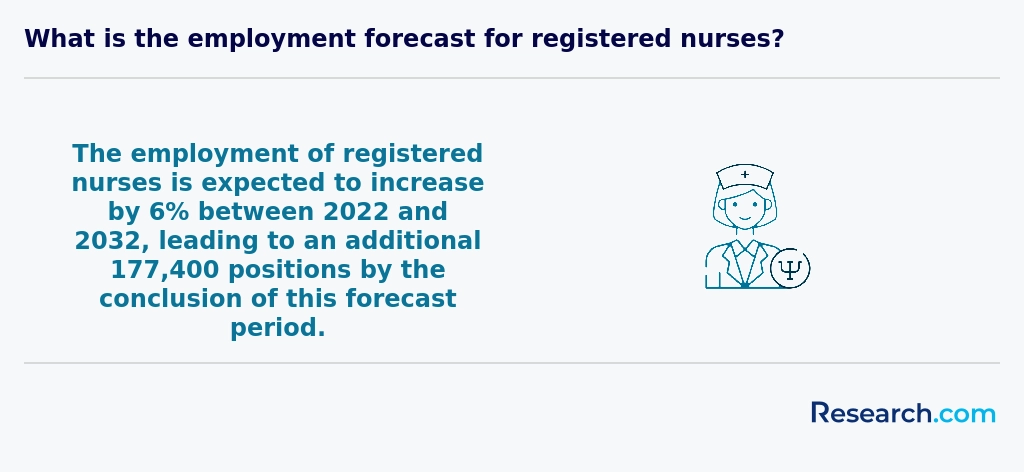
- Nursing jobs in Boston are expected to grow by approximately 12% over the next decade, outpacing the national average.
- Nursing graduates must pass the NCLEX-RN exam and obtain licensure through the Massachusetts Board of Registration in Nursing to practice.
Completing a nursing degree in Boston varies primarily by the program type and study pace. For example, graduates from community colleges offering the Associate Degree in Nursing (ADN) often finish within two years, allowing them to enter the workforce quickly while still feeling confident in their practical skills. Many share how this pathway gave them an early start but also motivated them to pursue further education later.
In contrast, students at universities like Northeastern or Boston College pursuing a Bachelor of Science in Nursing (BSN) invest about four years full-time, combining rigorous classroom learning with hands-on clinical practice. Many describe this experience as challenging yet rewarding, highlighting the strong support systems in place that help them balance academic demands and real-world training.
Accelerated BSN options, popular at institutions such as Simmons University, offer a faster route for those holding prior degrees, typically completing in 12 to 18 months. Graduates often emphasize the intensity but appreciate the ability to transition careers swiftly.
For those aiming at specialized roles through a Master of Science in Nursing (MSN), an additional two years after the BSN is common, sometimes extended by part-time study. These programs at Boston-area schools provide flexibility, acknowledging students' diverse personal and professional commitments.
Many BSN-prepared RNs choose to advance their careers through graduate nursing programs and professional certifications. Master of Science in Nursing (MSN) tracks offer specializations such as nurse practitioner, nurse educator, and nurse anesthetist, equipping graduates for leadership roles in clinical settings. For those aiming at the highest level of practice, Doctor of Nursing Practice (DNP) degrees emphasize policy, evidence-based care, and executive decision-making; expedited pathways are available through fast online dnp programs, allowing busy professionals to complete their doctorates with minimal disruption. Beyond formal degrees, certifications from bodies like the American Nurses Credentialing Center (ANCC) or the Pediatric Nursing Certification Board (PNCB)-for credentials such as CCRN, CPN, CEN, and Public Health Nurse (PHN)-validate specialized expertise, often leading to enhanced earning potential. In Boston’s competitive healthcare landscape, these advanced credentials not only improve patient outcomes but also unlock opportunities in administration, academia, and research.
Choosing between online and on-campus nursing degrees in Boston often comes down to how students want to balance flexibility with hands-on experience. Graduates from on-campus programs at institutions like Northeastern University often highlight the energy of face-to-face classes and the direct access to clinical rotations at renowned hospitals such as Massachusetts General. They describe how this close supervision boosts confidence in practical skills.
Meanwhile, those who pursued online nursing degrees appreciate the ability to study around work or family commitments, especially when enrolled through local Boston schools offering hybrid options. They find value in the convenience but acknowledge that coordinating in-person clinical hours independently can be challenging.
Cost and living expenses in Boston also play a role. Online students often feel relieved by savings on commuting and housing, while on-campus students note the immersive campus community as a rewarding trade-off. Each route provides unique advantages depending on personal circumstances and learning preferences.
Understanding NCLEX outcomes helps you measure program quality and predict career readiness.
- Aim for first-time NCLEX-RN pass rates above 90% in Boston programs.
- Compare year-over-year trends to spot consistent preparation.
- Verify availability of NCLEX prep workshops, practice exams, and tutoring.
- Check graduate job placement rates in Boston’s major hospitals post-licensure.
For experienced RNs seeking to advance credentials without new clinical requirements, explore rn to bsn online programs without clinicals.
The average cost of a nursing degree in Boston varies widely depending on the type of program and institution, but recent data places the median total tuition around $62,674. For many students, especially those pursuing an Associate Degree in Nursing (ADN) through community colleges, costs tend to be significantly lower, often falling between $10,000 and $16,000. These students appreciate the more affordable pathway that still leads to fulfilling careers in nursing, often remarking on the practical benefits of smaller class sizes and hands-on training available at institutions like Bunker Hill Community College.
By contrast, students enrolled in Bachelor of Science in Nursing (BSN) programs at prestigious Boston universities experience much higher tuition fees. Public universities, such as the University of Massachusetts Boston, charge closer to $16,500 in annual tuition for in-state residents, summing up to about $66,000 over four years. Private universities, including Boston University and Northeastern University, have total costs that can exceed $220,000, reflecting their extensive resources and renowned faculty. Graduates from these programs often highlight how their investment translated into confidence and extensive professional networks, despite the financial pressure.
Beyond tuition, additional expenses like lab fees, licensing exam preparation, and living costs in Boston add layers to the total expenses for nursing degree Boston 2027 hopefuls must consider. Yet many find their passion for nursing and the rewarding experiences in clinical rotations justify these costs. For those weighing options, it's useful to research scholarships and aid that can lessen the financial burden. For example, choosing a valuable nursing school in Massachusetts can make a significant difference in long-term career and cost outcomes.

Graduates of nursing programs in Boston, MA, must meet specific licensure requirements set by the Massachusetts Board of Registration in Nursing (BORN) before beginning their professional practice. To qualify for RN licensure, students must: • Complete an accredited nursing program (ACEN or CCNE). • Submit official transcripts and a completed application to BORN, including proof of clinical hours. • Pass a criminal background check and fingerprinting. A crucial step is passing the National Council Licensure Examination (NCLEX-RN). Massachusetts programs routinely publish first-time NCLEX pass rates-often exceeding 85%-as a measure of curriculum effectiveness. To boost your chances of success, consider: • Enrolling in dedicated NCLEX review courses offered by your school or third-party providers. • Forming study groups with peers to practice question-based learning and simulate exam timing. • Utilizing online question banks and adaptive learning platforms to identify knowledge gaps. Tracking pass rate trends not only informs program choice but also underscores institutional support for licensure success. For students weighing cost against quality, our sister ranking on Low Cost Nursing Degree Programs Ranking in Birmingham, AL offers insights into affordable options that still maintain strong NCLEX outcomes. By understanding the licensure process and leveraging available resources, aspiring nurses in Boston can transition smoothly from graduation to a licensed bedside role.
Nursing students in Boston often rely on a combination of federal, state, and institutional financial aid to manage tuition costs that can reach up to $45,000 annually. Many students find that filing the FAFSA opens doors to essential federal support like the Federal Pell Grant, which offers up to $7,395 without repayment obligations, easing immediate financial pressure. A graduate from Northeastern University recalls how federal Direct Subsidized Loans provided manageable, low-interest options that balanced study and part-time work.
At the state level, the Massachusetts State Grant Program helps residents attending institutions such as Boston College by reducing out-of-pocket expenses through need-based grants. Several Boston universities also offer scholarships targeting various backgrounds-merit, community service, or specific nursing fields-that former students say unlocked opportunities otherwise out of reach.
Additionally, some hospitals and employers in Boston offer tuition reimbursement, a practical resource for those already in healthcare roles. Financial aid offices at Boston nursing schools are critical allies, helping students navigate this patchwork of funding with up-to-date advice and personalized planning.
To find the most suitable nursing program, prospective students should consider factors such as accreditation, curriculum, and clinical opportunities. When exploring options, it's beneficial to look into a valuable nursing school in Massachusetts, as these institutions often provide high-quality education and preparation for the nursing profession. By researching and comparing different nursing schools, students can make informed decisions about their educational paths and set themselves up for success in their future careers.
Enrolling in a nursing degree program in Boston demands a solid academic foundation, often beginning with a high school diploma or GED. Graduates from well-known institutions such as Boston University or Northeastern University recall spending significant time mastering biology, chemistry, and math before applying. These core subjects form the essential scientific base nursing schools expect, reflecting the rigor of Boston's competitive academic landscape.
Many Boston nursing programs also require standardized test scores like the SAT or ACT, though some graduates note that recent policy shifts sometimes waive these requirements, especially if students demonstrate strong college coursework already completed. Prerequisite courses like anatomy, physiology, microbiology, and nutrition must be completed with a minimum grade-typically a C or better-to show readiness for clinical challenges ahead.
Beyond academics, applicants frequently submit personal statements and letters of recommendation. Graduates often share how providing evidence of healthcare volunteering or work experience positively influenced their acceptance, as these elements highlight genuine commitment. While GPA requirements vary, Boston programs commonly expect between 2.5 and 3.0, ensuring students can handle the demanding nursing curriculum.
Ensuring that a nursing program holds proper accreditation and licensing is crucial for both educational quality and career readiness. In Massachusetts, reputable nursing schools must be accredited by recognized agencies such as the Commission on Collegiate Nursing Education (CCNE) or the Accreditation Commission for Education in Nursing (ACEN). Accreditation guarantees that curricula meet industry standards and that graduates are eligible to sit for the National Council Licensure Examination (NCLEX-RN). Prospective students should verify each program’s state board approval status-which confirms compliance with the Massachusetts Board of Registration in Nursing (BORN) requirements-and review NCLEX-RN first-time pass rates, an important indicator of program effectiveness. Beyond traditional RN pathways, individuals exploring Licensed Practical Nurse (LPN) routes can compare accelerated options through 100 online lpn programs to assess how LPN programs differ in accreditation, clinical hours, and licensure outcomes. While LPN training typically spans 12 to 18 months, CCNE-accredited BSN and ADN programs range from two to four years, offering deeper clinical immersion and broader career advancement opportunities. Before enrolling, students should confirm:
- Program accreditation (CCNE or ACEN) and state board approval.
- NCLEX-RN or NCLEX-PN pass rates well above the national average (80%+).
- Clinical partnerships with top Boston hospitals for hands-on training.
- Eligibility for federal financial aid and state scholarship programs. By prioritizing accredited and licensed programs, nursing students safeguard their investment, enhance licensure success, and lay a strong foundation for a rewarding healthcare career in Boston’s competitive job market.
Nursing degree programs in Boston typically include a blend of foundational sciences and applied nursing courses essential for real-world practice. Graduates from well-known local institutions often cite courses like anatomy, physiology, microbiology, and pharmacology as crucial for understanding the complexities of the human body and diseases. These theoretical subjects provide the backbone for more specialized studies.
Applied courses commonly involve Medical-Surgical Nursing, where students manage adult patient care under supervision, and Pediatric Nursing, focusing on healthcare needs of younger patients. Many find Maternal and Newborn Nursing eye-opening, as it combines prenatal through postnatal care experiences. Mental Health Nursing is also emphasized, addressing emotional wellbeing, while Community and Public Health Nursing equips students to promote wellness beyond hospital walls.
Students appreciate how Boston-based programs integrate these courses with clinical hours at prominent hospitals like Massachusetts General, which helps them connect theory to practice. This hands-on approach often sparks a sense of purpose and confidence as they navigate the challenges of modern healthcare.
Nursing degree specializations in Boston are notably diverse, reflecting the city's rich healthcare environment. Graduates from well-known institutions often speak positively about programs that allow them to specialize in areas such as Adult-Gerontology Acute Care, Pediatric Nursing, and Family Nurse Practitioner training. These specializations offer students hands-on clinical experiences at leading hospitals like Massachusetts General Hospital and Boston Children's Hospital, making their education feel directly relevant and impactful in real-world settings.
However, it is important to critically consider whether this variety fully addresses all student interests or regional healthcare needs. While specialties like Mental Health Nursing and Neonatal Nursing are available, some graduates express a desire for even more niche options that might develop alongside Boston's evolving medical research scene. Pursuing Boston nursing program specialization options can be lucrative, but also demanding, pushing students to balance rigorous training with a passion for specific patient populations.
For those exploring foundational nursing routes, researching financial and program flexibility is crucial-students may also find value in exploring 100 online lpn programs for more accessible options before committing to a Boston-based specialization.
Choosing the best nursing degree program in Boston starts with understanding your career goals and the type of degree that fits them. Graduates from Boston College and Northeastern University often highlight how the Bachelor of Science in Nursing (BSN) offered there provided a comprehensive education and opened doors to diverse clinical experiences at renowned hospitals, a key factor in their successful licensure. However, some students find the quicker path of an Associate Degree in Nursing (ADN) appealing for immediate entry into the workforce, despite the narrower scope.
Cost and accreditation are critical considerations for selecting from among the best nursing degree programs in Boston. Public universities tend to offer more affordable tuition for in-state students, which many graduates appreciate as they balance educational expenses and living costs. The emphasis on programs accredited by the CCNE or ACEN ensures eligibility for federal aid and quality education, which Boston nursing students emphasize as important for their confidence and future employment.
Flexibility also plays a role-students juggling work and study have praised programs with part-time or accelerated options. Many share positive experiences with clinical placements at top institutions like Massachusetts General Hospital, enriching their practical skills. It's worth comparing NCLEX-RN pass rates, often exceeding the national average in Boston's programs, as a reliable gauge of preparation quality. For those exploring advanced nursing paths, exploring fast online dnp programs can offer time-efficient options without sacrificing rigor.
Finally, affordability matters long-term. Identifying affordable nursing schools Boston 2027 offers requires balancing tuition with living costs and potential financial aid. Graduates advise considering hidden expenses such as textbooks and clinical fees when making your choice.

Graduates with a nursing degree in Boston find themselves at the crossroads of diverse career paths shaped by the city's robust healthcare network and renowned institutions like Massachusetts General Hospital and Boston Children's Hospital. Many begin with clinical nursing roles such as registered nurses or nurse practitioners, benefiting from Massachusetts' notably high demand for these professionals. Nursing students from Boston University or Northeastern University often share experiences of hands-on clinical rotations that deepen their understanding of varied specialties, from pediatrics to oncology, emphasizing real-world readiness in nursing career opportunities in Boston.
Beyond bedside care, some graduates pursue education or research roles, leveraging advanced degrees to teach or join clinical trials at local research centers. Others step into administrative or leadership positions, where they influence healthcare delivery while navigating challenges that require additional training. While some may expect immediate financial payoff, the reality is nuanced; costs of nursing programs can be steep, which underscores the appeal of programs highlighted in the Low Cost Nursing Degree Programs Ranking in Birmingham, AL. Such practical considerations complement the otherwise promising Boston nursing degree job outlook.
The nursing job opportunities in Boston remain robust due to the city's extensive healthcare network and growing demand for qualified professionals. Graduates from popular nursing programs at institutions such as Boston College and Northeastern University often find that their clinical placements at well-known hospitals provide crucial practical experience, smoothing the transition to employment. These graduates describe the environment as challenging but rewarding, with many expressing confidence in the strong post-graduation employment outlook.
Boston nursing degree employment outlook is influenced by factors such as an aging population, expansions in outpatient services, and technological advancements in healthcare. While the city's salary levels for registered nurses are competitive-averaging around $90,000 annually-prospective students should weigh the higher educational costs. Some consider shorter pathways, exploring options like quickest associate degree programs online, to enter the workforce sooner and mitigate expenses. Ultimately, Boston's supportive healthcare policies and plentiful clinical opportunities create a promising landscape for nursing graduates despite financial considerations.
2027 Most Valuable Nursing Degree Programs Ranking in Boston
Investing in your education is a significant decision that can greatly impact your career and future opportunities. The Research.com team recognizes the importance of making well-informed choices and has dedicated substantial effort to ensuring the quality, credibility, and accuracy of the "2027 Most Valuable Nursing Degree Programs Ranking in Boston." This ranking is based on a thorough analysis of multiple trusted data sources to provide a reliable guide for prospective nursing students.
We utilized the following reputable data sources to create this comprehensive ranking:
By consulting this ranking, readers will gain valuable insights into the most valuable nursing degree programs in Boston, helping them make confident, informed decisions about their educational journey. For detailed information on how this ranking was developed, please visit our Research.com methodology page.


# 9 position
Northeastern University Professional Programs
Bachelor of Science in Nursing

# 10 position
MGH Institute of Health Professions
Bachelor of Science in Nursing

Frequently Asked Questions About nursing
Nursing degree students in Boston can maximize their learning by engaging actively in clinical placements across renowned local hospitals, such as Massachusetts General and Boston Children's Hospital. These provide hands-on experience, which is crucial for skill development. Boston's numerous simulation labs also enhance practical learning by allowing students to practice procedures in a controlled environment.
Students should take advantage of Boston's extensive healthcare network for internships and mentorships, fostering professional connections. Additionally, attending nursing conferences and workshops in the city promotes the latest knowledge and networking opportunities.
The Massachusetts Board of Nursing reports a growing demand for advanced practice nurses, highlighting the importance of pursuing specialty certifications during studies.
The nursing field is rapidly evolving, with several emerging niches gaining attention in Boston's healthcare market. One key area is geriatric nursing, driven by the city's aging population and increased demand for specialized elder care. According to the Massachusetts Department of Public Health, Boston anticipates a 20% growth in the elderly demographic by 2030, highlighting the need for skilled nurses in this niche.
Another growing specialty is telehealth nursing, which has expanded due to advances in technology and the COVID-19 pandemic. Boston hospitals are investing heavily in remote patient monitoring, creating new roles for nurses trained in digital care tools. Additionally, nurse informatics is becoming vital, combining nursing knowledge with data management to improve patient outcomes.
Finally, environmental health nursing is emerging as awareness of the impact of environmental factors on health increases. Boston universities are increasingly integrating this focus into nursing curricula to prepare students for community health challenges linked to urban environments.
After completing a nursing degree in Boston, preparing for the job market requires a strategic approach. First, obtaining licensure is essential; graduates must pass the NCLEX-RN exam, which is required in Massachusetts and nationwide.
Networking through local healthcare facilities and joining organizations like the Massachusetts Nurses Association can offer valuable connections and job opportunities. Boston's strong healthcare sector, including renowned hospitals like Massachusetts General and Brigham and Women's, frequently hires newly licensed nurses.
Additionally, pursuing certifications in specialties such as gerontology or critical care can improve employability. According to the Massachusetts Executive Office of Labor and Workforce Development, registered nursing demand in Boston is projected to grow by over 15% through 2030.
Employers in Boston highly value nursing graduates who demonstrate strong clinical skills combined with effective communication. According to the Massachusetts Department of Higher Education, more than 70% of healthcare employers emphasize the ability to provide patient-centered care as a critical skill.
Analytical thinking and critical decision-making are also key, as nurses frequently assess complex situations. In Boston's competitive healthcare market, adaptability and teamwork play essential roles, with local hospitals often citing collaboration as a top hiring criterion.
Technological proficiency, including familiarity with electronic health records (EHR), is increasingly important. The Massachusetts Nurses Association highlights that comfort with digital tools significantly enhances job readiness. These core skills help graduates meet the practical demands of Boston's nursing workforce.
Finding nursing internships in Boston involves leveraging both academic resources and local healthcare networks. Many nursing programs in the city maintain partnerships with prominent hospitals such as Massachusetts General Hospital and Boston Medical Center, offering structured internship placements. Students should consult their school's career services early to access these opportunities.
Additionally, Boston's strong healthcare sector, with over 30 major hospitals in the area, provides varied clinical settings for hands-on experience. Websites like the Massachusetts Nurses Association also list internship openings and professional development events.
Networking through local nursing associations and attending career fairs can further enhance internship prospects in Boston's competitive nursing field.
Obtaining a nursing degree in Boston significantly enhances career mobility and advancement opportunities within the region's healthcare industry. Registered nurses with a Bachelor of Science in Nursing (BSN) are often preferred by employers, especially in prominent Boston hospitals such as Massachusetts General and Brigham and Women's, due to their broader clinical training and leadership skills.
According to the Massachusetts Department of Higher Education, nurses with advanced degrees like a Master of Science in Nursing (MSN) have access to higher-paying roles, including nurse practitioners and nurse educators, with salaries averaging up to 30% more than those holding only an associate degree.
Boston's competitive job market values continual education and certifications, enabling nurses to transition into specialized fields and administrative positions more rapidly. Networking opportunities through local institutions also support career growth for degree holders.
Studying for a nursing degree in Boston offers students unique exposure to interdisciplinary healthcare settings. Many Boston nursing programs emphasize collaboration across fields such as medicine, social work, and public health. This approach reflects the reality of modern healthcare, where nurses often coordinate patient care within diverse teams.
Institutions in Boston frequently partner with leading hospitals and research centers, providing clinical experiences in complex environments. According to the Massachusetts Department of Higher Education, about 70% of Boston nursing students engage in multidisciplinary clinical rotations before graduation, enhancing critical teamwork skills.
Curricula typically integrate courses in healthcare policy, communication, and ethics alongside clinical practice, preparing graduates to contribute effectively to collaborative care. These interdisciplinary skills are crucial for addressing Boston's diverse patient populations across urban and suburban communities.
Choosing between a thesis and a non-thesis nursing degree program in Boston depends largely on your career goals and learning preferences. A thesis program typically involves conducting original research, which is ideal for those aiming to pursue advanced practice roles, doctoral studies, or academic careers.
Non-thesis programs focus more on clinical practice and coursework, appealing to students targeting immediate entry into the nursing workforce or leadership roles. According to the Massachusetts Board of Registration in Nursing, Boston employs over 35,000 registered nurses, with many employers valuing practical skills found in non-thesis graduates.
Consider your time availability, since thesis programs usually require more extended study periods and strong research skills. Visit schools' websites and review curriculum details for Boston institutions like Boston University and Northeastern University to understand their specific offerings.
Boston-based students interested in studying nursing abroad have several pathways facilitated by local universities and international partnerships. Many nursing programs in Boston, such as those at Boston University and Northeastern University, offer study abroad opportunities in countries like the United Kingdom, Ireland, and Australia, where students can gain clinical experience in diverse healthcare settings.
According to the Institute of International Education, about 5% of nursing students in the U.S. participate in study abroad programs, often lasting a semester or summer session. These programs help students build cultural competence and expand their clinical skills beyond the U.S. context.
Students should consult their academic advisors early to explore exchange agreements and accreditation transferability, ensuring courses taken abroad meet Massachusetts Board of Nursing standards for licensure upon return.
Part-time job opportunities in Boston can significantly enhance nursing degree education by providing practical experience. Many nursing students work as Certified Nursing Assistants (CNAs) or Patient Care Technicians in local hospitals such as Massachusetts General and Boston Medical Center. These roles offer hands-on patient care experience essential for skill development.
Additionally, positions in home health aide services or outpatient clinics allow students to understand community health needs. According to the Massachusetts Department of Public Health, Boston has over 40 healthcare employers seeking part-time nursing support roles, reflecting strong demand.
Such jobs not only complement academic learning but also help build professional networks in the Boston medical community.
Boston offers nursing students numerous networking opportunities through its many prestigious hospitals and academic institutions. Local universities often host nursing conferences, workshops, and career fairs that connect students with healthcare professionals. For example, Massachusetts General Hospital and Boston Medical Center frequently collaborate with nursing schools to provide clinical internships, allowing students to build valuable professional contacts.
Professional organizations like the Massachusetts Nurses Association (MNA) also hold regular events, offering students chances to meet experienced nurses and learn about job openings. According to a 2023 MNA report, over 75% of nursing students in Boston participate in such networking activities, highlighting their importance for career growth.
Additionally, Boston's vibrant healthcare community encourages mentorship programs and student chapters of national groups, such as the American Nurses Association, fostering ongoing professional relationships and support systems essential for nursing careers.
Alumni networks play a significant role in supporting nursing degree students in Boston. These networks connect current students with graduates who have experience in the local healthcare system. Networking through alumni can lead to mentorship opportunities, helping students navigate clinical placements and job searches in Boston's competitive nursing field. According to the Massachusetts Nursing Workforce Survey (2023), over 60% of nursing graduates found their first job through personal connections, including alumni.
Additionally, alumni often provide access to exclusive job postings and continuing education events tailored to Boston's healthcare environment. Since Boston hosts numerous hospitals and research centers, these connections can be especially valuable for career advancement.
Engagement with alumni networks also supports professional development and fosters a sense of community, which is crucial in the demanding nursing profession.
Customizing a nursing degree program in Boston allows students to align their education with specific career goals. Many Boston-area institutions offer flexible options such as elective courses, clinical placements, and specialization tracks in areas like pediatrics, geriatrics, or psychiatric nursing. For instance, students can select practicum sites within Boston's extensive healthcare network, gaining hands-on experience tailored to their interests.
In addition, programs often support part-time or online learning formats, which can accommodate working professionals. According to the Massachusetts Department of Higher Education, approximately 65% of nursing students in Boston choose programs emphasizing practical skills combined with academic knowledge.
Advanced certifications and continuing education are also available locally, helping graduates stay competitive.
Nursing students in Boston face several common challenges as they pursue their degrees. One significant difficulty is managing the demanding clinical hours required by accredited programs. Many students report balancing long shifts in busy hospitals like Massachusetts General, with academic coursework, which can lead to stress and fatigue. According to the Massachusetts Board of Registration in Nursing, clinical placements remain competitive, making it harder to secure preferred sites.
Another challenge is the high cost of education. Boston's nursing programs often come with tuition fees above the national average, compounded by living expenses in the city. Students also need to prepare for the NCLEX exam, which requires focused study amid a heavy workload.
Language and communication skills can be a barrier for some students, especially given Boston's diverse patient population. Schools increasingly emphasize cultural competence, adding complexity to training but improving preparedness for real-world nursing.
With a nursing degree, graduates in Boston can pursue a variety of professional certifications that enhance their skills and open career opportunities. Common certifications include the Registered Nurse (RN) license, which is essential for clinical practice. Beyond this, nurses can obtain specialty certifications such as Certified Nurse Practitioner (CNP), Certified Nurse Midwife (CNM), and Certified Registered Nurse Anesthetist (CRNA).
Boston, home to numerous hospitals and healthcare centers, offers access to credentialing programs through institutions like the Massachusetts Board of Registration in Nursing. These certifications typically require passing national exams such as those administered by the American Nurses Credentialing Center (ANCC).
Specialty certification in fields like oncology, pediatrics, or gerontology can improve job prospects. According to the Massachusetts Department of Public Health, nurses with advanced certifications tend to earn higher wages and have better employment stability in the Boston area.
Writing a winning application for a nursing program in Boston requires clear organization and attention to detail. Start by thoroughly reviewing each school's prerequisites and admission criteria, as Boston nursing programs often emphasize strong GPA performance, clinical experience, and letters of recommendation. For example, institutions like Simmons University and Boston College report acceptance rates around 40%, highlighting competition levels.
Applicants should craft a compelling personal statement that highlights motivation for nursing, relevant experiences, and career goals. Including specific examples from volunteer work or healthcare settings can strengthen the narrative.
Some programs also require standardized test scores such as the TEAS, which measures academic readiness.
Lastly, timely submission of transcripts and application materials increases your chances of consideration. Checking resources from the Massachusetts Board of Registration in Nursing can provide updated program requirements and guidance.
Nursing is recognized as a vital and respected profession worldwide, with global demand growing steadily. In the United States, including Boston, the nursing workforce is expected to increase by 9% from 2020 to 2030, reflecting a broader international trend of aging populations and healthcare needs.
Many nursing degrees in Boston emphasize global health perspectives, preparing students to work in diverse environments. According to the Bureau of Labor Statistics and the Massachusetts Department of Public Health, Boston has a strong concentration of healthcare facilities, making it an important hub for nursing education and practice.
Globally, nursing roles vary, but the core responsibilities of patient care and advocacy remain constant. U.S.-trained nurses, especially those with advanced degrees from Boston institutions, often have opportunities for international collaboration and mobility, enhancing their career prospects worldwide.
Gaining practical experience is essential when pursuing a nursing degree in Boston. Most accredited nursing programs in the area include clinical rotations, allowing students to work in hospitals, community clinics, and long-term care facilities. These placements provide hands-on experience under the supervision of licensed nurses.
Boston is home to major medical centers like Massachusetts General Hospital and Boston Medical Center, offering extensive clinical opportunities. According to the Massachusetts Board of Registration in Nursing, clinical practicum hours typically range from 500 to 700 for bachelor's degree programs.
Additionally, nursing students can participate in internships or volunteer programs, enhancing their skills and professional network while studying. Many Boston schools have partnerships to facilitate these experiences, supporting students' readiness for licensure and employment.
Choosing the right concentration within a nursing degree program in Boston requires careful consideration of your career goals and the local healthcare landscape. Boston is home to many top hospitals and research centers, which influences the demand for specialties such as acute care, pediatrics, and geriatrics. According to the Massachusetts Department of Public Health, geriatric nursing is rapidly growing due to the aging population in the area.
Additionally, reviewing program curriculums is important. Some Boston schools offer focused training in community health or nurse anesthesia, which can affect your career path and salary potential. The U.S. Bureau of Labor Statistics reports nurse anesthetists earn higher salaries nationwide, including Boston's competitive market.
Networking with local professionals and using Boston-specific employment data can guide your choice. Clinical placement opportunities unique to Boston also play a key role. By aligning your interests with regional healthcare needs, you optimize your skills and future job prospects.
- 2027 Most Valuable Nursing Degree Programs Ranking in Bronx
- 2027 Most Valuable Nursing Degree Programs Ranking in New York
- 2027 Most Valuable Nursing Degree Programs Ranking in Brooklyn
- 2027 Most Valuable Nursing Degree Programs Ranking in Rochester
- 2027 Most Valuable Nursing Degree Programs Ranking in Baltimore
- 2027 Most Valuable Nursing Degree Programs Ranking in Washington
- 2027 Most Valuable Nursing Degree Programs Ranking in Virginia Beach
- 2027 Most Valuable Nursing Degree Programs Ranking in Detroit
- 2027 Most Valuable Nursing Degree Programs Ranking in Columbus
- 2027 Most Valuable Nursing Degree Programs Ranking in Charlotte
See What Experts Have To Say About Studying Nursing
Read our interview with Nursing experts


- 10 Nursing Career Advancement Ideas https://credenzahealth.com/career-advice/10-nursing-career-advancement-ideas
- How to Choose the Right Nursing Program for Your Career Goals - Maria College https://mariacollege.edu/blog/how-to-choose-the-right-nursing-program-for-your-career-goals
- Interdisciplinary Education and Practice https://www.aacnnursing.org/news-data/position-statements-white-papers/interdisciplinary-education-and-practice
- Nursing Study Abroad Programs | Go Overseas https://www.gooverseas.com/study-abroad/nursing
- Guide to Mastering Massachusetts Nursing Prerequisites https://www.prereqcourses.com/guide-to-massachusetts-nursing-prerequisites/
- What Nursing Concentration Is Right for Me? | Maryville Nursing https://nursing.maryville.edu/blog/what-nursing-concentration-is-right-for-me
- School of Nursing Alumni Resources https://nursing.utmb.edu/About/Alumni
- Nursing Schools In Massachusetts For RN, ASN, BSN, MSN https://www.nursingschools.com/schools/massachusetts/
- Tips for Creating a Perfect Nursing School Application https://www.allnursingschools.com/articles/how-to-create-the-perfect-nursing-school-application/
- Nursing Schools in Boston - Complete Information https://colleges.cometoboston.com/nursing-schools-in-boston


