2027 Most Affordable Nursing Degree Programs Ranking in Syracuse

Co-Founder and Chief Data Scientist
Are you considering a nursing degree in Syracuse and want to find the best options without overspending? This article introduces the 2027 Most Affordable Nursing Degree Programs Ranking in Syracuse created by the Research.com team of data scientists.
By exploring this ranking, you'll discover nursing programs that balance quality education with affordability, helping you make an informed decision for your future.
Pursuing a nursing degree opens doors to a rewarding and stable career, so let's guide you toward the right program for your goals and budget.
Key benefits of getting nursing degree in Syracuse
Getting a nursing degree in Syracuse offers excellent earning potential, with registered nurses and public health nurses earning around $94,480 annually, while specialized roles like operating room nurses earn even higher at about $128,490.
Graduates from Syracuse University enjoy diverse career paths, including clinical nursing, education, emergency care, and public health, allowing for rewarding and meaningful work.
Online nursing degrees offer flexibility, enabling students to balance studies with life's demands, just like successful graduates from Syracuse's online programs who benefit from accessible, high-quality education.
- 2027 Most Affordable Nursing Degree Programs Ranking in Syracuse
- What can I expect from nursing degree in Syracuse?
- Where can I work with nursing degree in Syracuse?
What can I expect from nursing degree in Syracuse?
The average cost of pursuing a nursing degree in Syracuse varies significantly between public and private institutions, shaping the financial decisions of many students. For example, graduates from Onondaga Community College, which offers an Associate Degree in Nursing (ADN), often highlight the affordability of tuition, typically lower than private colleges, making it accessible for those balancing work or family commitments.
In contrast, students from Le Moyne College pursuing a Bachelor of Science in Nursing (BSN) might face higher tuition fees but emphasize the value of comprehensive education that covers leadership and research, which can lead to better job prospects. Many graduates recall applying for scholarships and financial aid targeting nursing students, which eased the burden and made higher-cost programs manageable.
It's important to consider that the financial investment often correlates with program length and depth: ADN programs generally take two years, while BSN programs last about four. Prospective students should weigh these factors against local employment growth projections and the potential for higher earnings post-graduation in Syracuse's expanding healthcare market.
Where can I work with nursing degree in Syracuse?
Graduates holding a nursing degree from institutions like SUNY Upstate Medical University often find diverse job prospects throughout Syracuse's healthcare system. Many have appreciated hands-on experiences in Upstate University Hospital, which offers roles in specialized areas such as trauma and oncology. These settings provide real-life exposure beyond textbooks and foster a sense of confidence in both bedside nursing and advanced clinical practices.
Others have moved into community health centers or outpatient clinics where the focus shifts to chronic disease management and patient education. These roles feel rewarding to many graduates who value the chance to form lasting relationships with patients managing long-term conditions.
Long-term care facilities and home health services also attract nursing alumni, especially when they express a desire to impact elderly patients' quality of life. Some graduates describe visits to patients' homes as deeply fulfilling, combining clinical skills with empathetic caregiving.
Additionally, smaller specialty clinics and rehab centers provide career paths that challenge nurses to adapt quickly and contribute meaningfully to recovery plans. These choices illustrate that a nursing degree in Syracuse can lead to varied and rewarding work environments, each shaping professionally enriching journeys.
Graduates from nursing programs in Syracuse, such as those at local community colleges and Syracuse University, often find their degrees translate into competitive salaries. Registered Nurses (RNs), including roles like Clinical Nurse Educators or Public Health Nurses, typically earn mean annual wages around $94,480, according to recent U.S. Bureau of Labor Statistics data. This figure reflects well on the local job market, offering graduates a dependable starting point as they enter healthcare.
For those pursuing specialized paths, Operating Room Nurses stand out with even higher earnings-an average annual wage near $128,490, which can be a motivating goal for graduates aiming at technical or surgical nursing careers. RNs in Syracuse describe feeling encouraged by these opportunities, especially when balancing study and part-time work. They often mention the city's growing healthcare infrastructure and active union presence as important factors supporting steady income growth post-graduation.
While entry salaries may begin lower at around $60,000 for some roles, many graduates report their compensation rises quickly with experience, certifications, or advancing education. For example, alumni who obtained a BSN or MSN commonly note noticeable pay increases within a few years, reflecting the value employers place on higher qualifications locally.
- Nursing programs in Syracuse cost between $6,000 and $12,000 per year for in-state students, with community colleges offering more affordable associate degrees.
- Starting salaries for entry-level registered nurses in Syracuse range from $58,000 to $65,000 annually.
- Experienced registered nurses can earn between $75,000 and $90,000 per year, with higher wages for advanced practice nurses requiring graduate education.
- The local nursing job market grows about 4% to 6% annually, slightly above the national average.
- Clinical placements are available through partnerships with local hospitals and clinics, essential for licensure and hands-on experience.
- Passing the NCLEX-RN exam is required to become a licensed registered nurse in New York State.
Completing a nursing degree in Syracuse varies significantly depending on the program chosen, reflecting a realistic balance between ambition and practicality. Graduates from local community colleges often appreciate the two-year Associate Degree in Nursing (ADN) for its efficient pathway to becoming registered nurses, allowing them to start working sooner without sacrificing clinical experience. Meanwhile, those attending well-known Syracuse universities pursuing a Bachelor of Science in Nursing (BSN) typically spend four years immersed in both rigorous coursework and practical placements, which prepares them more broadly for leadership and research roles.
Many ADN graduates recall the flexibility of RN-to-BSN bridge programs provided by Syracuse colleges, which let working nurses earn their bachelor's degree in one to two years-fitting school around life's demands rather than pausing their careers. Students aiming for advanced practice roles note the 1.5 to 3 years required for a Master of Science in Nursing (MSN), understanding this as time well-invested for specialized clinical or leadership positions. Realistically, students juggling work or part-time study find these timelines extend, demonstrating the importance of personal circumstance in planning their path.
To maximize your nursing education experience in Syracuse, NY, it's crucial to consider various factors, including affordability, program accreditation, and clinical experience opportunities. When exploring nursing programs, students often find it helpful to research the most affordable nursing programs in New York, as these can provide a high-quality education without excessive financial burden. By weighing these factors and considering the unique strengths of each program, aspiring nurses can make informed decisions that align with their career goals and financial situation, ultimately leading to a rewarding and successful nursing career.
Students pursuing nursing degrees in Syracuse often find that online and on-campus programs offer distinctly different experiences tailored to their lifestyles. Graduates of online programs appreciate the flexibility to balance studies with work or family responsibilities, especially when enrolled at institutions like Le Moyne College, where digital coursework lets them engage with anatomy or pharmacology lessons from home. This flexible pace can reduce stress and enhance motivation for self-directed learners.
Conversely, those attending on-campus programs at places such as Syracuse University highlight the energizing atmosphere of face-to-face interaction with peers and instructors. The access to campus labs and clinical simulations fosters confidence in practical skills, an advantage that some students feel better prepares them for real-world nursing challenges.
Regardless of format, all students in Syracuse must complete clinical rotations locally. Graduates often recall how hands-on experiences in nearby healthcare facilities deeply enriched their training, reinforcing knowledge from their classes and strengthening their readiness for licensure.
Accreditation and licensure success are critical markers of a quality nursing program in Syracuse. They ensure your education meets national standards and prepares you to pass the NCLEX-RN exam.
- Accredited by the CCNE or ACEN: verifies curriculum rigor and clinical training quality
- NCLEX-RN pass rates (2023): ADN programs average 85–92%, BSN programs average 90–95%
- Verify status and rates on the New York State Education Department website or individual school pages
Checking accreditation and NCLEX outcomes helps you select a program that not only fits your budget but also maximizes your chances for licensure. For insights on accredited nursing programs beyond New York, see best nursing colleges in texas.
The average nursing degree cost in Syracuse fluctuates depending on whether students attend public or private institutions and the type of degree pursued. Data suggests the median total cost hovers around $57,885, while in-state students can expect closer to $40,330. Graduates from local public colleges like Onondaga Community College often recall that their more affordable ADN programs allowed them to build foundational skills without the burden of heavy debt.
On the other hand, those aiming for a Bachelor of Science in Nursing (BSN) at universities such as Syracuse University face significantly higher costs. Many nursing students share that while the tuition is steep-often exceeding $60,000 annually-the opportunity to learn from experienced faculty and access advanced clinical experiences drives strong personal and professional growth. However, these benefits do come with a substantial financial commitment, making it vital for prospective students to weigh the total cost of nursing programs Syracuse carefully against their career goals.
Financial aid, scholarships, and in-state tuition rates provide relief for some, but additional expenses like textbooks and clinical fees can add up quickly. Students who researched the most affordable nursing programs in New York often highlight how strategic choice of school impacted their overall affordability and post-graduate satisfaction, which is an important consideration in the demanding field of nursing education.
Planning your application timeline is crucial to securing a spot in a Syracuse nursing program. Most institutions offer both fall and spring intake, with the following typical deadlines: • Fall Semester – Priority Deadline: January 15 – Final Deadline: March 1 • Spring Semester – Priority Deadline: August 1 – Final Deadline: October 1 Many programs use rolling admissions, so submitting completed materials early can increase your chances of acceptance. Required application components generally include: • Official high school and college transcripts • TEAS (Test of Essential Academic Skills) scores • Personal statement or essay detailing your motivation for nursing • Letters of recommendation from educators or healthcare professionals • Proof of completed prerequisite courses (biological sciences, chemistry, math, English) After submitting your application, you may be invited to an interview or campus visit. Be prepared to discuss clinical experiences, long-term career goals, and how you plan to balance academic and personal commitments. For students aspiring to advance beyond a BSN, it’s wise to consider long-term educational planning now. Before you graduate, explore our Most Affordable Online Doctorate in Nursing Degree Programs Ranking in the South to chart a clear path toward your DNP or PhD in nursing.
Many nursing students at institutions like SUNY Upstate Medical University find federal financial aid vital in managing tuition costs, with Pell Grants providing up to $7,395 annually based on financial need. These grants, which do not require repayment, often form the foundation of a student's funding portfolio. However, the reliance on federal aid alone can be risky if eligibility changes, prompting students to combine options.
State programs, such as New York's Tuition Assistance Program (TAP), further support in-state students by offering grants up to $5,665, easing the burden for local nursing students. Graduates often mention how leveraging TAP alongside federal loans helped them balance finances without excessive debt, especially in a city where public tuition ranges between $7,000 and $15,000 annually.
Beyond government aid, localized scholarships from organizations like the New York State Nurses Association and Syracuse-area healthcare employers provide crucial scholarships or tuition reimbursement, rewarding commitments to work locally. One graduate shared how securing a hospital-sponsored scholarship boosted their motivation and sense of community connection, reinforcing their decision to stay in Syracuse after school.
Work-study and employer tuition assistance also play a practical role. Many nursing students find that part-time hospital jobs not only offset costs but offer real-world experience, creating a positive cycle of education and employment. This multi-source approach demonstrates how Syracuse nursing students actively navigate aid, tailoring solutions to their unique situations and goals.
Investing in a nursing degree in Syracuse involves not only tuition costs but also the long-term financial gains from higher earning potential. To calculate ROI, compare the total program costs-tuition, fees, books, and living expenses-with projected starting salaries and career growth. For example, a BSN program costing $120,000 that leads to an average RN salary of $89,010 yields a payback period of roughly 1.3 years (total cost ÷ annual salary). If you factor in specialization-such as becoming an Operating Room Nurse with an average salary of $124,680-the payback period shrinks to under one year. Key steps to assess ROI: 1. Tabulate Total Cost - ADN: $23,900–$66,320 - BSN: $89,556–$211,392 2. Estimate First-Year Salary - Entry-level RN: ~$89,010 - Specialized RN roles: $100,000+ 3. Calculate Payback Period - Payback Period = Total Cost ÷ Annual Salary 4. Factor in Career Advancement - Master’s or NP roles can push salaries above $117,000, further reducing payback time. For RNs seeking to upgrade credentials with minimal disruption and expense, exploring what is the easiest rn to bsn program can be critical for maximizing ROI. By choosing a cost-effective RN-to-BSN pathway, students can accelerate credential upgrades, access higher-paying roles sooner, and minimize educational debt-all key to achieving a strong financial return on their nursing education.
Nursing degree programs in Syracuse commonly require a high school diploma or GED, with a focus on foundational courses like biology, chemistry, and anatomy. Graduates from SUNY Upstate Medical University often recall how maintaining a "C" grade or higher in these subjects was essential to meet admission criteria, reflecting the program's emphasis on readiness for challenging coursework.
Applicants to four-year BSN programs typically submit standardized test scores such as the SAT or ACT. Some also face the TEAS exam, which assesses key skills in reading, math, science, and English. At Onondaga Community College, former students remember preparing extensively for this test, appreciating how it sharpened their academic confidence and highlighted areas needing improvement.
Beyond academics, nursing programs in Syracuse require applicants to provide transcripts, recommendation letters, personal statements, and CPR certification-signifying a commitment to both theory and practical readiness. Many students find that gathering these documents early eases the process and builds a sense of purpose. Background checks and immunization records are also necessary, ensuring clinical site compliance and student safety while fostering trust between students and patients.
Understanding the return on investment (ROI) for your nursing education is crucial when evaluating affordability and long-term financial benefits. ROI measures how quickly graduates can recoup their educational costs through earnings. In Syracuse, the average cost of an ADN program ranges from $23,900 to $66,320, while a BSN can cost between $89,556 and $211,392. Given a median starting salary of $58,000 for new Registered Nurses, an ADN graduate could potentially break even in under two years, whereas BSN holders may see a payback period of three to four years, depending on total program cost and living expenses. Several factors influence ROI, including program length, financial aid, and local job market saturation. For instance, accelerated BSN pathways reduce tuition and living-cost exposure, shortening time to degree and improving ROI. Graduates who secure specialized roles-such as Operating Room Nurses with average salaries around $124,680-often experience even faster payback periods. Employers in Syracuse frequently offer sign-on bonuses and tuition reimbursement, further optimizing ROI for graduates who negotiate these benefits. Pursuing advanced practice roles can significantly elevate your long-term ROI. Nurse Practitioners, for example, earn median salaries exceeding $117,000 locally, enabling a rapid return on any additional graduate‐level investment. To explore top tier NP programs that balance cost with quality outcomes, check out the best colleges for nurse practitioner and compare their clinical placement rates, graduation success, and average student debt loads. Ultimately, calculating your personal ROI means weighing total tuition, expected salary trajectory, and potential earning upgrades through specialization or graduate study. By projecting payback timelines and factoring in financial aid or employer incentives, prospective students can make data-driven decisions about which nursing degree programs in Syracuse offer the most sustainable path to both professional fulfillment and financial stability.
Nursing degree programs in Syracuse typically include a combination of science and nursing-specific courses that prepare students for both theoretical understanding and practical application. Graduates from popular institutions like Le Moyne College or Syracuse University often recall how courses in anatomy and physiology, microbiology, and pharmacology gave them a solid grasp of the human body and medication effects, essential for safe patient care.
Along with these sciences, students encounter nursing-focused subjects such as health assessment techniques and mental health nursing that reflect real hospital and community settings. One graduate describes learning how to conduct thorough patient assessments during clinicals at local hospitals, which made these subjects feel especially relevant and rewarding.
Courses in leadership and evidence-based practice encourage critical thinking and adaptability, key for navigating the evolving healthcare environment in Syracuse. While this curriculum may seem demanding, many students find it energizing to connect classroom lessons directly to clinical experiences they face in Syracuse's healthcare system.
In Syracuse, nursing degree specializations reflect a diverse range of clinical and advanced practice fields tailored to meet local healthcare demands. Students often pursue pediatric nursing, focusing on infants and children, which graduates find especially rewarding when working in pediatric units at Syracuse-area hospitals. Others choose geriatric nursing, addressing the complex needs of an aging New York State population, a specialization praised by alumni who appreciate its societal impact. Critical care nursing, with its emphasis on intensive care units and emergency services, attracts those who thrive in high-pressure environments and want to develop sharp clinical skills.
Psychiatric-mental health nursing also features prominently, resonating with students aware of increasing behavioral health challenges in the community. Nurse Practitioner (NP) specializations in family medicine, adult-gerontology, and women's health provide a pathway to advanced roles; graduates from local programs highlight the practical benefits of prescriptive authority and enhanced patient interaction. Many find that programs at institutions like Onondaga Community College and Syracuse universities offer robust curricula aligned with national trends. Those interested may explore the best colleges for nurse practitioner to compare breadth of options. This variety ensures students can craft their career in nursing while contributing meaningfully to healthcare in Syracuse.
Choosing the best nursing degree in Syracuse depends heavily on your career goals and financial situation. Graduates from Le Moyne College often share how their Bachelor of Science in Nursing (BSN) programs, valued for strong clinical placements at hospitals like St. Joseph's Hospital Health Center, prepared them well for specialized nursing roles. Meanwhile, some students opt for Associate of Science in Nursing (ASN) programs that offer quicker pathways into entry-level registered nurse positions, balancing time and cost effectively.
When considering affordable nursing degree programs in Syracuse, it's important to look beyond tuition. Students frequently mention that factoring in scholarships, additional fees, and daily commuting costs helped them avoid financial surprises. SUNY Upstate Medical University is noted for competitive pricing and solid financial aid options, appealing to those seeking quality combined with affordability.
Flexibility also matters. Many nursing learners find that programs offering part-time schedules or online coursework make it easier to manage work or family commitments. For those curious about alternatives to traditional tracks, exploring what is the easiest rn to bsn program can add clarity to your decision-making process.
Ultimately, examining accreditation, local clinical opportunities, and student support services at Syracuse's best nursing schools in Syracuse NY helps ensure your education aligns with both your personal and professional aspirations.
Graduates of nursing programs in Syracuse often find a spectrum of career options tailored to their education and interests. Many start as Registered Nurses (RNs), working in well-known local hospitals or community health centers, where they engage directly in patient care. These roles reflect strong nursing career opportunities in Syracuse, supported by steady industry demand.
Others pursue advanced qualifications to become Nurse Practitioners, gaining autonomy in diagnosing and treating patients after completing MSN or DNP degrees. Licensed Practical Nurses (LPNs) and Licensed Vocational Nurses (LVNs) represent quicker entry points with different responsibilities, often used by students balancing work and study. Graduates recall the sense of fulfillment from roles in pediatric or critical care nursing, which require specific certifications but offer rewarding specialization.
Some nursing students from Syracuse's popular universities have transitioned to non-clinical roles like healthcare administration or nursing education, impacting community health systems more broadly. These varied paths illustrate the best nursing jobs for Syracuse graduates, combining both clinical and leadership opportunities. For those considering cost-effective routes to advanced degrees, the Most Affordable Online Doctorate in Nursing Degree Programs Ranking in the South is a practical resource guiding further education choices.
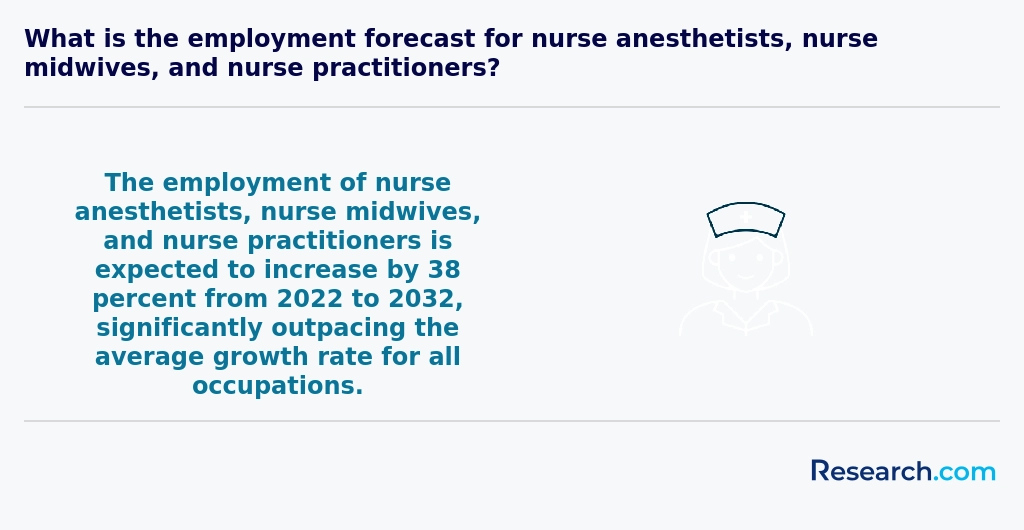
The nursing job opportunities in Syracuse remain robust, fueled by a local healthcare system anchored by institutions like Upstate University Hospital. Graduates from well-regarded nursing programs at Syracuse-area colleges report access to diverse roles, from acute care in hospitals to community health clinics. Many find the steady demand encouraging, especially given projections showing employment growth around 12% through 2032.
However, it's important for students to weigh the financial investment in nursing degrees at these local universities against potential earnings. Registered nurses in Syracuse have a median annual wage near $72,000, which can feel adequate but somewhat modest compared to national figures. Graduates with advanced certifications or degrees often report better salaries and more administrative options. Prospective students often explore certifications that pay the most to maximize their long-term career outcomes.
Those pursuing a nursing degree here appreciate that their education aligns well with real local needs, bridging classroom learning with hands-on experience in a community that values skilled healthcare professionals. The Syracuse nursing degree employment outlook benefits from this mix of practical training and a collaborative healthcare environment. Still, staying adaptable and continuing education are common themes among recent graduates navigating the evolving market.
2027 Most Affordable Nursing Degree Programs Ranking in Syracuse
Investing in your education is a significant decision that can shape your future, and the Research.com team understands the importance of making informed choices. To assist prospective students in Syracuse, we have meticulously crafted the "2027 Most Affordable Nursing Degree Programs Ranking in Syracuse." Our commitment to quality, credibility, and accuracy is reflected in the extensive research and analysis conducted to compile this ranking.
We utilized the following reputable data sources to ensure a comprehensive evaluation of nursing degree programs:
By exploring this ranking, readers will gain valuable insights into the most affordable and high-quality nursing programs in Syracuse, helping them make informed decisions about their educational and financial paths. For more details on our methodology, please visit our Research.com methodology page.


Frequently Asked Questions About nursing
Nursing degree students in Syracuse can maximize their learning experience by combining formal education with practical opportunities. Syracuse is home to accredited programs such as those at Onondaga Community College and SUNY Upstate Medical University, recognized for strong clinical training. Participating actively in clinical rotations within Syracuse's diverse healthcare settings builds critical hands-on skills.
Engaging with local nursing associations, like the Central New York Nurses Association, offers networking and mentorship prospects. According to the New York State Education Department, Syracuse nursing students benefit from clinical sites with high patient diversity, enhancing cultural competence. Utilizing campus resources such as tutoring centers and simulation labs further supports knowledge retention and skill development.
The nursing field in Syracuse, like much of the United States, is evolving rapidly with new specialized roles emerging. One notable niche is geriatric nursing, driven by a growing aging population demanding expert care. According to the New York State Department of Health, elderly patient numbers in Syracuse are projected to increase by 15% over the next decade, intensifying this demand.
Another expanding area is informatics nursing, which combines healthcare with advanced technology to improve patient outcomes. Local hospitals increasingly seek nurses skilled in electronic health records and data analysis.
Additionally, community health nursing is gaining attention in Syracuse, focusing on preventive care and managing chronic diseases in underserved neighborhoods, aligning with public health initiatives funded by New York State.
Preparing for the job market after earning a nursing degree in Syracuse involves several important steps. First, graduates should obtain licensure by passing the NCLEX-RN exam, which is required to practice as a registered nurse in New York State. According to the New York State Education Department, the NCLEX pass rate for Syracuse-area nursing schools typically hovers around 85-90%.
Networking is critical; connecting with local healthcare providers in Syracuse, such as Upstate University Hospital and St. Joseph's Health, can open doors to employment opportunities. Job fairs hosted by Syracuse-area colleges often feature healthcare employers looking for new nurses.
Gaining clinical experience during studies, through internships or externships, enhances practical skills and marketability. Additionally, joining professional organizations like the New York State Nurses Association provides access to resources and job listings tailored to the region.
Employers in Syracuse highly value nursing graduates who demonstrate strong clinical skills and the ability to provide compassionate patient care. According to the New York State Department of Labor, critical thinking and effective communication are among the top skills sought after in the nursing workforce.
Proficiency in electronic health records (EHR) systems is increasingly important, as hospitals in Syracuse move toward digital healthcare management. The Central New York workforce board emphasizes teamwork and adaptability due to the fast-paced medical environments in local hospitals.
Additionally, knowledge of evidence-based practice improves patient outcomes, a key focus for healthcare employers in the region. Graduates who combine technical knowledge with interpersonal skills tend to be more competitive in Syracuse's nursing job market.
Finding nursing internships in Syracuse involves leveraging local healthcare facilities and academic partnerships. Syracuse is home to several hospitals, such as Upstate University Hospital, that offer clinical training and internship opportunities for nursing students. Many nursing programs in the area, including those at SUNY Upstate Medical University, have established relationships with these institutions to facilitate placements.
The New York State Education Department requires practical experience as part of nursing education, which strengthens the availability of internships. Students should contact their school's career services or nursing department to access exclusive listings.
Additionally, websites like the National Student Nurses' Association provide resources and networking opportunities specifically for nursing internships.
In Syracuse, holding a nursing degree significantly boosts career mobility and advancement. According to the New York State Department of Labor, registered nurses in the Syracuse metropolitan area earned a median annual wage of approximately $75,000 in 2023, which is above the national median. This higher earning potential often corresponds with advanced credentials.
Nurses with a Bachelor of Science in Nursing (BSN) or higher qualifications are more likely to receive promotions, particularly into leadership or specialized clinical roles. Healthcare employers in Syracuse increasingly prefer BSN-prepared nurses due to evidence linking higher education with better patient outcomes.
Furthermore, a degree enables nurses to pursue advanced practice roles, such as nurse practitioners or nurse educators, which are in growing demand locally. Syracuse's expanding health systems support continuing education and often require degrees for career progression.
Studying for a nursing degree in Syracuse offers students strong preparation for interdisciplinary roles through collaborative learning environments and clinical experiences. Local nursing programs emphasize teamwork among healthcare professionals, including physicians, social workers, and therapists. Syracuse-area clinical sites, such as Upstate University Hospital, provide exposure to varied medical settings where nurses work alongside other disciplines.
According to the New York State Education Department, interdisciplinary skills are integral to nursing curricula, equipping students with communication and critical thinking abilities. These competencies align with national standards from the American Association of Colleges of Nursing, ensuring graduates can function effectively within diverse healthcare teams.
Choosing between a thesis and a non-thesis nursing degree program in Syracuse depends on your career goals and interests. A thesis program typically suits students aiming for research roles or advanced studies, as it involves conducting original research and writing a detailed thesis. Non-thesis programs focus more on practical knowledge and clinical skills, ideal for those pursuing immediate professional practice in nursing.
In Syracuse, schools like Syracuse University offer both options, aligning with national trends where 40% of nursing master's students choose thesis tracks for research careers, according to the American Association of Colleges of Nursing (AACN). Cost and program length may vary between these tracks.
Students based in Syracuse who are interested in studying nursing abroad have several options, primarily through study abroad programs offered by local institutions. Syracuse University and Onondaga Community College sometimes partner with universities in countries like the United Kingdom, Australia, and Canada, allowing nursing students to complete clinical or theoretical coursework overseas.
These programs typically last a semester or a summer term and comply with U.S. nursing accreditation standards, which is crucial for licensure upon return. According to the American Association of Colleges of Nursing, about 10% of nursing students nationwide participate in international experiences, though specific figures for Syracuse remain limited.
Additionally, some students pursue full nursing degrees at foreign universities recognized by the Commission on Graduates of Foreign Nursing Schools, but they must ensure the program meets U.S. licensing requirements.
Students pursuing nursing degrees in Syracuse can find several part-time job opportunities that complement their education and build relevant experience. Positions such as certified nursing assistant (CNA), medical receptionist, or home health aide are commonly available in local hospitals and care facilities. The Upstate University Hospital and St. Joseph's Health provide part-time roles that align well with nursing studies.
According to the New York State Department of Labor, the demand for nursing support roles in Syracuse has grown by 8% over the past five years. These jobs allow students to develop patient care skills while managing their academic schedules.
Flexible shifts and weekend roles often accommodate class times, offering practical exposure alongside theoretical learning.
Nursing students in Syracuse have various networking opportunities to enhance their education and career prospects. Local institutions like SUNY Upstate Medical University and Le Moyne College host student nursing organizations that connect members with healthcare professionals. These groups often organize events, workshops, and volunteering activities, fostering relationships within the medical community.
Regional conferences and seminars, such as those organized by the New York State Nurses Association (NYSNA), provide additional platforms for students to engage with practicing nurses and educators. Syracuse's hospitals, including St. Joseph's Health, offer clinical placements that often lead to professional networking.
According to the U.S. Bureau of Labor Statistics, New York State employs over 200,000 registered nurses, offering a strong local job market with numerous networking possibilities.
Alumni networks play a significant role in supporting nursing degree students in Syracuse. These networks connect current students to a broad community of graduates working throughout New York's healthcare system. According to a 2023 report by the Syracuse Area Nurse Association, 75% of nursing graduates found job opportunities through alumni referrals.
Through mentorship programs, alumni offer guidance on clinical experiences, licensure prep, and career planning. This support helps students navigate the challenging transition from education to professional practice.
Moreover, alumni networks frequently host events, workshops, and webinars, providing access to continuing education and professional development. Such engagement fosters lifelong learning critical in nursing careers.
Customizing a nursing degree program in Syracuse allows students to align their education with specific career goals. Many local institutions offer flexible curricula where students can choose electives focusing on specialties such as pediatric, geriatric, or psychiatric nursing.
Additionally, Syracuse-area nursing programs often include clinical placements in diverse healthcare settings. This hands-on experience is crucial for exploring fields like community health or acute care nursing.
For those seeking advanced roles, some schools provide options to pursue certifications or add graduate-level coursework alongside the bachelor's degree.
Research from the New York State Education Department highlights the importance of selecting programs accredited by the CCNE or ACEN to ensure quality education that meets professional standards.
Nursing students in Syracuse commonly face several challenges during their education. One primary difficulty is managing clinical hours alongside academic coursework. Local hospitals affiliated with nursing programs often have limited placement slots, which can delay hands-on experience needed for graduation.
Financial strain is another concern. According to data from the National Student Nurses' Association, the average debt for nursing students can exceed $30,000, and Syracuse students may face high living costs that add to this challenge.
Additionally, the rigorous nature of nursing curricula, including both classroom theory and practical skills, requires strong time management and resilience. Support services in Syracuse schools attempt to address some of these stressors.
With a nursing degree in Syracuse, graduates can pursue several professional certifications to advance their careers. Common certifications include the Certified Nursing Assistant (CNA), Registered Nurse (RN), and Licensed Practical Nurse (LPN) credentials, depending on the level of education completed. Further specialization certificates, like Certified Nurse Practitioner (CNP) or Critical Care Registered Nurse (CCRN), are also available for those pursuing advanced practice roles.
The New York State Education Department oversees licensure and certification, ensuring nurses meet regional standards. According to the New York State Department of Labor, Syracuse's healthcare employers value certifications as they often correlate with better job prospects and salaries. Specialized certifications in pediatric, geriatric, and mental health nursing are growing in demand locally.
To write a winning application for a nursing program in Syracuse, start by carefully reviewing the specific requirements of each school, as they often vary. Most programs expect a strong academic record in science and math courses, with a minimum GPA of 3.0 being common. Highlight any healthcare-related experience or volunteer work, as practical exposure is highly valued by admissions committees.
Personal statements should clearly explain your motivation for nursing, showcasing your commitment and understanding of the profession. In Syracuse, schools like SUNY Upstate Medical University emphasize interpersonal skills and community involvement, so be sure to include those elements.
Additionally, submitting strong letters of recommendation from educators or healthcare professionals can significantly strengthen your application. Finally, prepare thoroughly for any entrance exams such as the TEAS, as Syracuse nursing programs often consider these scores critically.
Nursing careers are recognized globally for their essential role in healthcare systems. In the United States, including Syracuse, there is a high demand for skilled nurses due to an aging population and expanding healthcare services. According to the U.S. Bureau of Labor Statistics, registered nursing jobs are projected to grow by 9% from 2022 to 2032, faster than the average for all occupations.
Internationally, nurses often gain respect and opportunities to work in various healthcare settings, though licensing requirements can differ. Graduates from Syracuse nursing programs benefit from curricula aligned with national standards, preparing them for both local and global healthcare challenges.
Statewide, New York reports over 200,000 licensed registered nurses, with Syracuse contributing a significant share through its educational institutions. This local workforce supports not only hospitals but also community and public health initiatives, reflecting global trends emphasizing diverse nursing roles.
Students pursuing nursing degrees in Syracuse can gain practical experience through clinical rotations, which are typically integrated into nursing programs accredited by the Commission on Collegiate Nursing Education (CCNE). Local hospitals such as St. Joseph's Hospital Health Center and Upstate University Hospital partner with universities to provide hands-on training. These clinical hours are essential for applying theoretical knowledge in real healthcare settings and are required for licensure. Additionally, some programs offer simulation labs equipped with high-fidelity mannequins to replicate patient care scenarios, helping students refine their skills before direct patient interaction.
Volunteer work and internships in Syracuse's healthcare facilities also offer valuable exposure. According to the New York State Education Department, completing 500-700 clinical hours is standard for Bachelor of Science in Nursing (BSN) candidates. Engaging in community health initiatives or nursing assistant positions can enhance practical knowledge and improve employment prospects after graduation.
When choosing a concentration within a nursing degree program in Syracuse, consider your career goals and personal interests first. Nursing offers various specializations such as pediatric, geriatric, or acute care, each with distinct roles and demands. Research local healthcare needs; Syracuse has a growing elderly population, increasing demand for geriatric nursing, according to the New York State Department of Health.
Evaluate program curricula and clinical opportunities at Syracuse institutions like SUNY Upstate Medical University. Hands-on experience in your chosen field is crucial. Additionally, consider certification requirements and job placement rates, as a strong program will prepare you for licensure exams and employment in Syracuse's healthcare system.
- 2027 Most Affordable Nursing Degree Programs Ranking in Rochester
- 2027 Most Affordable Nursing Degree Programs Ranking in New York
- 2027 Most Affordable Nursing Degree Programs Ranking in Baltimore
- 2027 Most Affordable Nursing Degree Programs Ranking in Boston
- 2027 Most Affordable Nursing Degree Programs Ranking in Pittsburgh
- 2027 Most Affordable Nursing Degree Programs Ranking in Washington
- 2027 Most Affordable Nursing Degree Programs Ranking in Cleveland
- 2027 Most Affordable Nursing Degree Programs Ranking in Harrisonburg
- 2027 Most Affordable Nursing Degree Programs Ranking in Detroit
- 2027 Most Affordable Nursing Degree Programs Ranking in Lynchburg
See What Experts Have To Say About Studying Nursing
Read our interview with Nursing experts


- School of Nursing Alumni Resources https://nursing.utmb.edu/About/Alumni
- What Nursing Concentration Is Right for Me? | Maryville Nursing https://nursing.maryville.edu/blog/what-nursing-concentration-is-right-for-me
- How Much Can I Earn With a BSN? https://www.allnursingschools.com/bsn/salary/
- Climbing or Weaving? Evolving the Nursing Career Ladder https://www.anpd.org/NPD-In-Motion/Article/climbing-or-weaving-evolving-the-nursing-career-ladder
- Educational Next Steps | Crouse Health, Syracuse, New York https://www.crouse.org/nursing/profession/next-steps/
- 7 Nursing School Tips for Studying https://www.denvercollegeofnursing.edu/blog/nursing/7-Nursing-School-Tips-for-Studying.html
- Do I Have to Write a Thesis to Complete a Master’s Degree in Nursing? https://www.bestmasterofscienceinnursing.com/faq/write-thesis-complete-masters-degree-nursing/
- How Do Nurses Navigate Career Advancement? | NursingEducation https://nursingeducation.org/insights/career-advancement/
- Interdisciplinary Education and Practice https://www.aacnnursing.org/news-data/position-statements-white-papers/interdisciplinary-education-and-practice
- Top Nursing Skills U.S. Employers Want to See on Your Resume | O'Grady Peyton https://www.ogradypeyton.com/blog/job-seeker-resources/top-nursing-skills-u.s.-employers-want-to-see-on-your-resume