2027 Most Valuable Online Bachelor's in Nursing Degree Programs Ranking in Pennsylvania

Co-Founder and Chief Data Scientist
Choosing the right online nursing degree is an important step for Pennsylvania students aiming to advance their careers. This article introduces the 2027 Most Valuable Online Bachelor's in Nursing Degree Programs Ranking in Pennsylvania, carefully crafted by the Research.com team of data scientists.
By exploring this ranking, you'll gain clear insights into nursing programs that offer the best value, helping you make a confident and informed decision. Pursuing a nursing degree opens doors to rewarding opportunities and personal growth, making it a worthwhile investment for your future.
Key benefits of getting online nursing degree in Pennsylvania
- Graduates with a nursing degree in Pennsylvania can earn competitive salaries, such as Registered Nurses and Public Health Nurses who make around $94,480 annually, while Operating Room Nurses can earn up to $128,490 per year.
- Career paths include diverse roles like Clinical Nurse Educator or Emergency Room Nurse, showing versatile opportunities for growth and specialization in Pennsylvania's healthcare field.
- Online nursing degrees offer flexible schedules and convenient learning, allowing graduates from Pennsylvania universities to balance work and study effectively while gaining quality education.
- 2027 Most Valuable Online Bachelor's in Nursing Degree Programs Ranking in Pennsylvania
- What can I expect from online nursing degree in Pennsylvania?
- Where can I work with online nursing degree in Pennsylvania?
What can I expect from online nursing degree in Pennsylvania?
When you imagine the price tag on an online nursing degree in Pennsylvania, think less sticker shock and more smart investment. Graduates from popular schools like Pennsylvania State University or University of Pennsylvania often share how in-state tuition felt like a welcoming handshake rather than a barricade. The average cost typically swings between $20,000 and $40,000 for the entire program, depending largely on whether you tap into accelerated options or transfer some credits. This range keeps tuition wallet-friendly-especially compared to out-of-state rates or traditional campus-based studies.
One graduate recounted juggling their job while diving into anatomy lectures online, appreciating how the flexibility also came with an affordable price that didn't sacrifice quality. Many programs embrace hybrid models where hands-on clinicals happen in local hospitals, offering relatable, real-world experience without expensive travel or dorm fees. In Pennsylvania, the financial balance feels just right to fuel your nursing dreams without draining your resources.
Where can I work with online nursing degree in Pennsylvania?
Graduates with an online nursing degree in Pennsylvania often find themselves stepping into the vibrant hallways of major health systems like the University of Pennsylvania Health System or UPMC in Pittsburgh, where the hum of life-saving care fuels their passion. They thrive in acute care units, emergency rooms, or even specialized pediatric wards, drawing on skills honed through flexible online programs from universities like Penn State or Drexel.
Others discover their calling in charming outpatient clinics or physician offices scattered across Pennsylvania's towns, where their ability to educate patients and manage chronic illnesses shines. Imagine a BSN grad confidently coordinating care plans for elderly patients, a vital rhythm echoed in the long-term care facilities energized by Pennsylvania's aging community.
Community health centers in rural areas beckon online degree holders to lead vital public health campaigns, turning their leadership training into action that bridges gaps and uplifts underserved neighborhoods. With each role, these nurses celebrate licensure milestones mandated by the state - a badge of honor that transforms learning into impact, resonating with the $77,000 average wage that reflects their valued expertise.
Graduates from online nursing programs in Pennsylvania, such as those offered by Drexel University or the University of Pennsylvania, often step into roles where the paycheck matches their dedication. Registered Nurses typically earn a mean annual wage around $94,480, a solid reward that transforms their passion into tangible stability. Imagine finishing your BSN online and walking into a hospital in Philadelphia, where you join the ranks of nurses with fulfilling work and an average salary that approaches $80,000-just a taste of the potential here.
Some trailblazers dive into specialized fields like operating rooms, where the numbers jump dramatically. Operating Room Nurses in Pennsylvania pull in an impressive mean wage near $128,490. That's a career path that not only sharpens your skills but elevates your financial outlook significantly.
Clinical Nurse Educators and Public Health Nurses, often graduates from programs at Temple University or Pennsylvania State University, see the same steady mean wage of about $94,480, proving that nursing expertise is highly valued across various healthcare sectors. This layered salary range highlights the flexibility and growth that come with an online nursing degree in the Keystone State.
- Pennsylvania offers fully online Bachelor of Science in Nursing (BSN) programs accredited by the Pennsylvania State Board of Nursing and national agencies like the Commission on Collegiate Nursing Education (CCNE).
- The total tuition cost for an online BSN degree in Pennsylvania typically ranges from $30,000 to $60,000, which is generally lower than on-campus programs.
- Registered nurses (RNs) in Pennsylvania have a median annual wage of about $75,000, with entry-level salaries around $60,000 and experienced nurses earning over $90,000.
- The nursing job market in Pennsylvania is growing due to a rising and aging population, leading to increased demand for licensed BSN-prepared nurses.
- Online nursing degrees provide flexible study options while preparing graduates to meet the state's growing healthcare employment needs.
Picture a student at a well-known Pennsylvania university, juggling work and family while diving into an online BSN program. For fresh starters without prior credits, it's roughly a four-year dance-mirroring traditional campus pacing but with the freedom to tweak schedules. Graduates who already hold an associate degree have found their own rhythm speeding through RN-to-BSN tracks in just 12 to 24 months, thanks to credit transfers and flexible semester loads.
Some adventurous learners with a bachelor's in other fields leap into accelerated BSN programs at prominent Pennsylvania schools, crossing the finish line in 12 to 18 months. Imagine them balancing clinical hours-required real-world practice nearby-with online theory, crafting a patchwork schedule that suits their lives.
Part-time students often savor a longer journey, spreading the experience over three to six years, mindful that pacing isn't just about speed but sustainability. These timelines reflect a canvas painted with personal circumstance, program choice, and the vibrant heartbeat of Pennsylvania's nursing education scene.
Before you can embark on your nursing career, obtaining licensure through the Pennsylvania State Board of Nursing and passing the NCLEX-RN exam are non-negotiable steps. Accredited online programs seamlessly integrate NCLEX-RN prep into their curricula, offering simulation labs, review workshops, and access to question banks that mirror the exam format. Students typically engage in comprehensive content reviews covering pharmacology, pathophysiology, and patient care scenarios to build the critical thinking skills needed for success on test day. Pennsylvania requires applicants to submit official transcripts, complete a criminal background check, and verify clinical practice hours-criteria most online BSN programs help you satisfy through partnerships with local healthcare facilities. Graduates often highlight institutional support services, such as dedicated licensure advisors who guide them through application deadlines, document submission, and scheduling the NCLEX-RN at Pearson VUE testing centers. To maintain your RN license in Pennsylvania, you must complete 30 contact hours of continuing education every two years, including coursework in patient safety and opioid prescribing. Many online nursing schools offer affordable CEU bundles or free webinars to help you stay compliant without disrupting your work schedule. For cost comparisons across states, you might also explore our Cheapest Online Nursing Degree Programs Ranking in New York, which provides tuition insights that can inform your budgeting strategy. Understanding licensure reciprocity is crucial if you plan to relocate. Pennsylvania participates in the Nurse Licensure Compact (NLC), allowing multistate practice privileges but only for LPNs/LVNs and RNs licensed in compact states. Aspiring Nurse Practitioners and other advanced roles should verify certification requirements with national bodies like the American Nurses Credentialing Center (ANCC). By choosing a program designed with these licensure milestones in mind, you’ll ensure a smooth transition from graduate to licensed professional.
Imagine juggling a full-time job and family while earning your nursing degree from the comfort of your living room-this is the rhythm many online nursing students in Pennsylvania embrace at institutions like Drexel or West Chester University. Coursework unfolds asynchronously, letting you pause lectures between dinner and bedtime or revisit tricky concepts before an assignment deadline. It's a dance with flexibility, perfect for those needing to weave education seamlessly into life's tapestry.
Contrast this with the on-campus experience at places like Penn State or the University of Pennsylvania, where nursing students thrive on tangible connections-feeling the pulse of hands-on labs, hearing real-time feedback from professors, and bonding with classmates face-to-face. These learners savor the energy of clinical simulations and spontaneous hallway chats, crafting a community as vital as the curriculum itself.
Both paths converge where it matters most: practical clinical placements in Pennsylvania hospitals, arranged near your home regardless of format, anchoring your education firmly in state licensing requirements. Each graduate carries pride not just in their diploma, but in the unique journey that prepared them to care and heal.
One of the most critical metrics for evaluating online bachelor’s in nursing programs is the NCLEX-RN pass rate, which reflects both program quality and student readiness for clinical practice. In Pennsylvania, top institutions boast first-time pass rates exceeding 90%, with the University of Pittsburgh and Villanova University consistently ranking among the highest. These schools integrate comprehensive NCLEX preparation into the curriculum, offering live review sessions, adaptive question banks, and dedicated faculty mentors. To maximize success, students should establish a structured study plan early in their program:
- Leverage school-provided question banks and simulated exams to identify knowledge gaps.
- Participate in peer study groups and online forums to reinforce critical thinking under time constraints.
- Engage with faculty-led NCLEX workshops that focus on test-taking strategies, pharmacology, and patient safety scenarios. Beyond undergraduate NCLEX preparation, many graduates pursue advanced practice roles. For those exploring postgraduate options, consider the most affordable np program online, which combines cost-effective tuition with specialized NCLEX-PN and NCLEX-RN review resources. Ultimately, strong pass rates not only signal program excellence but also translate into greater employability and confidence as you transition from student to licensed professional.
The average cost of an online nursing degree in Pennsylvania hovers around $35,880 for in-state residents, a figure that many aspiring nurses find surprisingly attainable. Graduates from well-known institutions in Pennsylvania often share how balancing budget with quality education was a vital part of their journey, especially when attending programs like those at Penn State or Temple University. This median price reflects tuition, fees, and the core academic demands of a Pennsylvania online bachelor nursing program tuition, making it a useful benchmark for planning your education.
Imagine a student juggling evening clinicals and daytime courses, relieved by a tuition cost that aligns with state standards rather than out-of-pocket expenses typical of private schools pushing towards $54,120 or higher. These financial realities frame the hopeful stories of many graduates who felt the weight of their investment lighten with scholarships and financial aid options tailored for nursing careers in Pennsylvania.
As you explore your options, it's worth checking out financial tools and resources at your disposal, like those offered through the Pennsylvania Higher Education Assistance Agency (PHEAA) or employer tuition reimbursement plans. For those hunting specifically for an affordable online experience, the path to an affordable nursing school in Pennsylvania is clearer than ever, inviting future nurses to embrace their goals without being burdened by excessive costs.
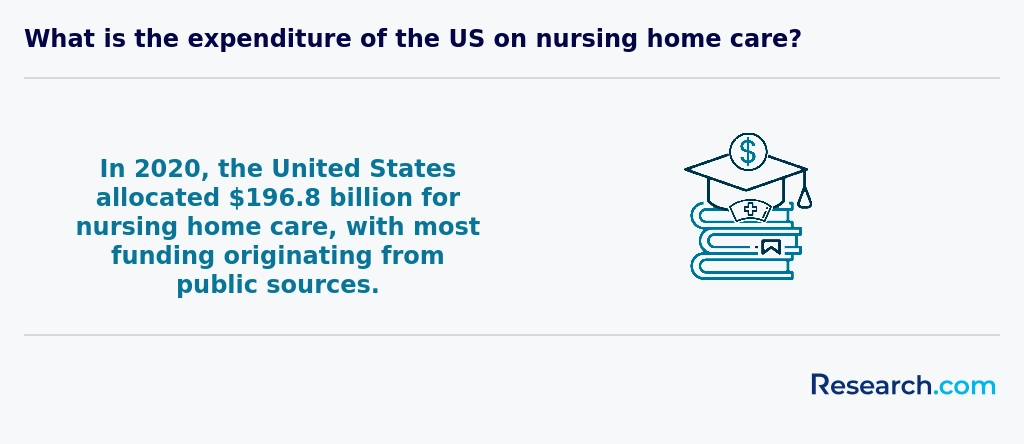
Online BSN programs in Pennsylvania demonstrate strong licensure success and program completion metrics:
- First-time NCLEX-RN pass rates often exceed 90%, reflecting thorough exam preparation and faculty support.
- Typical graduation rates range from 85% to 95%, indicating effective student services and curriculum design.
- Programs accredited by CCNE or ACEN consistently show higher outcomes, thanks to rigorous standards and clinical partnerships.
- Compare outcomes and consider rn to bsn programs without clinicals for efficient completion and proven licensure success.
Imagine a nursing student at Drexel University juggling night shifts while chasing their online degree. They unlock a treasure chest called the Pell Grant-up to $7,395 a year-that feels like a compassionate hand lifting some of that financial weight. Across town at Penn State, another online nursing hopeful taps into the Pennsylvania State Grant from PHEAA, receiving anywhere from $500 to $5,000 based on their hustle and need, turning dreams into achievable goals.
It's not just about grants; local hospitals in underserved areas often offer tuition reimbursement or loan forgiveness like secret bonuses, rewarding dedication to communities in need. Pennsylvania State Nurses Association scholarships sprinkle a bit of luck and recognition on top of hard work, shining a hopeful spotlight on deserving students.
Private loans lurk as a last resort-less friendly than federal aid but sometimes necessary. Meanwhile, many nursing programs offer their own institutional perks, such as flexible payment plans or discounts for active healthcare heroes, weaving a safety net uniquely tailored for Pennsylvania's online nursing warriors.
To find an affordable online nursing program in Pennsylvania, prospective students should consider several factors, including tuition costs, financial aid options, and the potential return on investment. One key step is to research programs that offer competitive pricing without compromising on quality. For instance, exploring options for an affordable nursing school in Pennsylvania can help students make informed decisions about their educational investment. Additionally, scholarships, grants, and loan programs can significantly reduce the financial burden, making it essential to explore all available financial aid opportunities. By weighing these factors and considering the long-term career benefits, students can navigate the process of selecting an affordable online nursing program that aligns with their budget and career aspirations.
Imagine starting your nursing journey at a well-known Pennsylvania university, eager and hopeful. To step into the online BSN program, you first need a high school diploma or GED-a simple yet powerful key. Graduates recall how foundational classes in biology, chemistry, and anatomy formed the backbone of their understanding even before encountering their first virtual lecture.
Many students share how submitting SAT or ACT scores once felt like a hurdle, though some newer programs now waive this requirement, easing the path. A 2.5 to 3.0 GPA is often the academic minimum, a gentle reminder that steady effort counts more than perfection.
Fluency in English is non-negotiable-after all, clear communication can mean the difference in patient care. For international students, providing TOEFL or IELTS scores opens doors to these programs.
Licensed RNs seeking advanced degrees must display their active Pennsylvania license, blending real-world nursing practice with online study. Clinical hours remain vital but adaptable; schools help arrange local placements so you gain hands-on experience without uprooting your life.
Letters of recommendation and personal statements give a voice to your passion, making your application uniquely yours. These steps, experienced by countless Pennsylvania nursing graduates, reflect a shared commitment to caring and excellence.

Nurses holding an Associate Degree in Nursing (ADN) can accelerate their trajectory toward advanced practice roles by enrolling in accredited bridge programs that streamline the path to a Master of Science in Nursing (MSN). Bridge programs typically integrate foundational BSN coursework with graduate-level core classes, reducing redundancy and accelerating time to completion. Applicants should look for CCNE- or ACEN-accredited programs that offer specialized tracks such as Family Nurse Practitioner (FNP) or Psychiatric-Mental Health Nurse Practitioner (PMHNP). Key advantages of bridge pathways include flexible online formats, competency-based progression, and clinical placements tailored to each specialty. Many students appreciate that these programs build on ADN clinical experience, allowing them to dive deeper into advanced pharmacology, pathophysiology, and health assessment earlier in their studies. Cohort models foster peer collaboration, while dedicated academic advisors guide learners through licensing requirements and certification exam preparation. When evaluating bridge options, compare program length, credit transfer policies, and clinical hour requirements. For details on credit alignment, tuition estimates, and timelines-especially if you’re curious about how long it takes to move from an ADN to a Nurse Practitioner-explore our adn to np how long resource. Understanding these timelines helps you map your career milestones, from earning state licensure to applying for advanced practice roles in primary care, acute care, or specialty clinics. Upon graduation, bridge program alumni are uniquely positioned to sit for the NCLEX-RN as well as national certification exams for their chosen specialty, improving both job prospects and earning potential. Embracing a bridge pathway not only expands clinical competencies but also strengthens leadership, research literacy, and population-health expertise-essential components for a thriving career in the evolving landscape of healthcare.
Imagine diving into the complexities of the human body through courses like anatomy and physiology, where Pennsylvania online nursing students unravel mysteries behind every heartbeat and breath. Graduates from top programs at Drexel or Penn State describe how classes in pharmacology felt like learning secret recipes-each drug carrying its own story and power to heal. At their kitchen table, they mastered patient care techniques, translating theory into actions that matter deeply in real hospitals.
Courses don't stop at the science; they invite you into the ethical maze nurses navigate daily. Leadership and management classes, beloved by online learners at Villanova and Temple, sparked confidence to lead teams through crisis and calm. Evidence-based nursing research felt like detective work-using facts like clues to craft better patient outcomes right here in Pennsylvania's unique healthcare settings.
And then, there's the heart of it all: clinical placements arranged locally to satisfy Pennsylvania's strict licensure requirements. One graduate swears by the adrenaline rush of first-hand experience in a community clinic, where textbook knowledge transforms into healing hands, confirming that every course builds toward real impact.
In Pennsylvania, online nursing degree specializations open doors to dynamic career paths that resonate deeply with personal passion and community needs. Graduates from prominent universities often recount immersing themselves in Registered Nurse to Bachelor of Science in Nursing (RN to BSN) programs that sharpen clinical judgment and leadership skills, stepping confidently into roles that shape patient outcomes.
Others dive into Nursing Leadership and Management, juggling virtual case studies on healthcare policies while envisioning themselves steering teams through Pennsylvania's bustling hospital corridors. Community and Public Health Nursing vividly comes alive through projects that connect students with underserved populations, fostering a heartfelt mission to uplift local health standards.
Gerontological Nursing, enriched by Pennsylvania's large elderly population, becomes a calling for many who find joy in tailoring compassionate care for seniors-something graduates from top colleges cherish deeply. For those drawn to mental health's complexities, Psychiatric-Mental Health Nursing in online programs equips them with tools to support minds as well as bodies. Pediatric Nursing completes the spectrum, nurturing skills to care for Pennsylvania's youngest citizens.
Among the best nursing specialties in Pennsylvania online programs, these diverse routes empower students to mold their future uniquely, guided by supportive educators and real-world relevance. Interested learners curious about advancing beyond BSN pathways often explore adn to np how long it takes to bridge degrees, fueling ambitions with clear direction.
Imagine walking through the virtual halls of a renowned Pennsylvania university, where graduates recall balancing online lectures with local clinical rotations tailored to the state's healthcare landscape. Choosing the best online nursing programs Pennsylvania hinges on more than just shiny reputation; it's about accreditation that guarantees your license won't hang on a thread. Programs recognized by bodies like CCNE or ACEN ensure you gain a diploma armed with legitimacy, a critical credential in your nursing journey.
Picture a graduate from a well-known college who admired the affordability of her program, cutting costs without compromising quality, a testament to why an affordable online nursing degree Pennsylvania can be both a smart and heartfelt choice. She often talks about navigating tuition ranges and discovering financial aid lifelines, an experience many find empowering rather than daunting.
Visualize locating clinical partnerships close to home-essential for turning theory into care. Graduates glow with stories from colleges that championed local placements across Pennsylvania, thoughtfully easing the pressure of meeting clinical hour requirements.
Many celebrate passing the NCLEX-RN on their first try, thanks to programs with pass rates soaring above 85%, and some find themselves thriving through accelerated or specialized tracks. If you seek tailored pathways or want to explore pediatrics or gerontology, envision yourself thriving in these flexible options.
To unlock your nursing future, don't overlook the most affordable np program online, where budget meets ambition and opportunity.
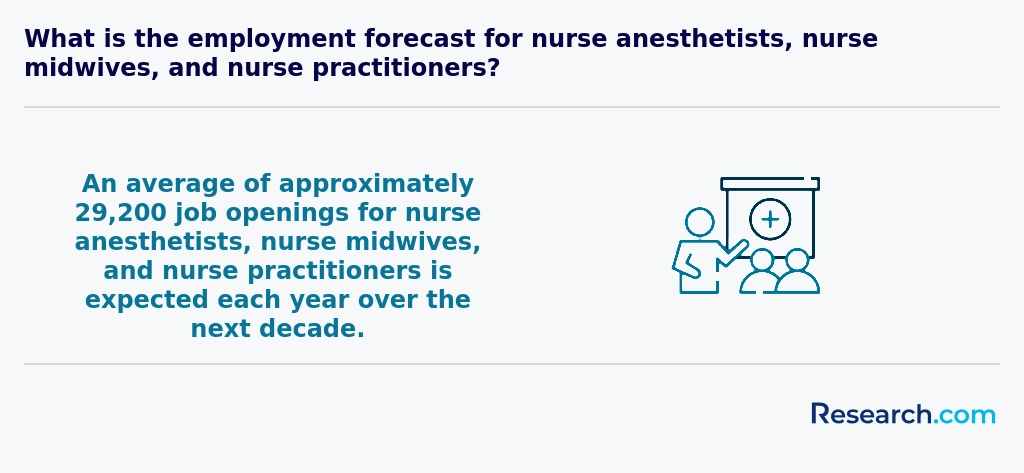
Navigating online nursing career opportunities in Pennsylvania means stepping into a vibrant ecosystem where graduates from cornerstone colleges like the University of Pennsylvania and Drexel University blossom into versatile healthcare warriors. Imagine a graduate embracing the pulse of a Philadelphia hospital ward as a Registered Nurse, earning a rewarding salary that surpasses the national average, or evolving into a nurse practitioner empowered to make autonomous decisions in rural clinics. These careers, often fueled by a Bachelor of Science in Nursing earned online, are gateways to impactful roles that ripple through communities.
Beyond bedside care, graduates transition into roles as clinical nurse specialists, educators, or administrators-each weaving new threads into the healthcare fabric of the state. Pennsylvania's demand for well-prepared nurses means students are not only learning but stepping into careers filled with opportunity and purpose. For those seeking cost-effective options, check out the Cheapest Online Nursing Degree Programs Ranking in New York which can inspire financial planning, even for Pennsylvania residents exploring nearby programs.
The landscape for online nursing degree graduates in Pennsylvania sparkles with opportunity. Graduates from renowned institutions like the University of Pennsylvania or Pennsylvania State University often share stories of swift job placements within major hospital networks such as UPMC or Penn Medicine. The state's healthcare ecosystem actively seeks skilled professionals, making online nursing jobs in Pennsylvania a tangible reality, not just a dream.
Imagine finishing your degree while balancing family life or part-time work - that's the flexibility many students cherish. Employers here prize licensure and experience, knowing that graduates from online programs meet rigorous standards just as their campus counterparts do. The Pennsylvania nursing degree employment outlook teems with promise: a 10% growth in demand for registered nurses means your effort translates to steady, rewarding employment.
Starting salaries hover around $63,000, climbing higher with experience and specialization, echoing real stories from alumni thriving in hospitals and outpatient centers statewide. For those exploring accelerated paths, exploring 6 month online certificate programs high paying jobs offers a fascinating complement to nursing careers, opening even more doors in healthcare.
2027 Most Valuable Online Bachelor's in Nursing Degree Programs Ranking in Pennsylvania
Investing in your education is a significant decision that can impact your career and future, and the Research.com team recognizes the importance of making well-informed choices. With this in mind, we have carefully developed the "2027 Most Valuable Online Bachelor's in Nursing Degree Programs Ranking in Pennsylvania." Our dedication to quality, credibility, and accuracy is demonstrated through thorough research and analysis in compiling this ranking.
We utilized the following reputable data sources to ensure a comprehensive evaluation of online nursing programs:
By reviewing this ranking, readers will gain valuable insights into the most valuable online nursing degrees available in Pennsylvania, helping them make confident and informed decisions about their educational paths. For more information on our methodology, please visit our Research.com methodology page.





# 7 position
Penn State University Park
Nursing, RN to BSN


Frequently Asked Questions About nursing
Online nursing degree students in Pennsylvania can maximize their learning experience by actively engaging with both digital coursework and local clinical opportunities. Pennsylvania requires nursing students to complete supervised clinical hours, so choosing programs with strong local partnerships can provide essential hands-on practice.
Utilizing state resources, such as the Pennsylvania Board of Nursing's guidelines, helps students stay informed on licensure requirements and continuing education updates. Additionally, many schools offer virtual simulation labs that complement practical experience, enhancing clinical reasoning skills.
Participating in online study groups and seeking support from academic advisors also improves understanding. According to the Pennsylvania Department of Labor, demand for registered nurses is projected to grow by 11% through 2030, making thorough preparation vital.
The nursing profession in Pennsylvania is evolving rapidly, with several emerging niches reflecting changes in healthcare demands. One key area is geriatric nursing, driven by the state's aging population; Pennsylvania has one of the highest percentages of residents over 65, increasing the need for specialized elder care. Another growing field is telehealth nursing, where remote patient monitoring and virtual consultations are expanding access to care, especially important in rural communities. Additionally, psychiatric-mental health nursing is gaining attention in response to rising awareness of mental health issues. These niches offer promising career paths for students pursuing online nursing degrees in Pennsylvania.
After completing an online nursing degree in Pennsylvania, securing employment requires strategic preparation. First, graduates must obtain licensure by passing the NCLEX-RN exam, a mandatory step for registered nurses nationwide. According to the Pennsylvania State Board of Nursing, this exam evaluates critical knowledge needed to practice safely.
Networking plays a crucial role; connecting with healthcare professionals through local nursing associations or online platforms can open job opportunities. Pennsylvania's healthcare industry is robust, with the Bureau of Labor Statistics projecting a 12% growth in nursing jobs through 2031.
Graduates should also consider gaining experience through internships or volunteer work in Pennsylvania hospitals or clinics. Updating resumes to highlight clinical skills and online learning adaptability is essential, as employers value technological proficiency alongside clinical expertise.
Employers in Pennsylvania highly value nursing graduates who demonstrate strong clinical skills combined with effective communication. According to the Pennsylvania State Nurses Association, top qualities include critical thinking and the ability to adapt in fast-paced healthcare environments.
Technical proficiency, such as familiarity with electronic health records (EHR) systems widely used in Pennsylvania hospitals, is essential. Nurses must also exhibit empathy and teamwork skills, as collaborative care improves patient outcomes significantly.
Leadership potential is increasingly sought after, reflecting a trend toward nurses taking on advanced roles. Data from the Pennsylvania Department of Labor highlights that nurses with strong problem-solving abilities enjoy better job prospects and higher retention rates across varied clinical settings.
Finding nursing internships in Pennsylvania involves a few strategic steps. First, check if your online nursing program has partnerships with local hospitals or clinics, as many schools facilitate clinical placements. The Pennsylvania State Board of Nursing requires hands-on clinical experience for licensure, making internships essential.
Major health systems in Pennsylvania, such as UPMC and Penn Medicine, offer structured internship programs for nursing students. Contact their human resources or education departments to inquire about opportunities.
Additionally, explore resources from the Pennsylvania Center for Nursing, which reports employment trends and can help identify organizations actively hiring interns.
Networking through professional nursing associations in Pennsylvania also increases your chances of finding valuable internships.
Obtaining an online nursing degree in Pennsylvania can significantly enhance career mobility and advancement opportunities. The state's growing healthcare sector demands highly skilled nurses, with the Pennsylvania Department of Labor projecting a 9% increase in registered nurse (RN) employment through 2030. An online degree allows working professionals to balance education with their current job, facilitating timely upskilling.
The flexibility of online programs enables nurses to pursue specialized roles such as nurse practitioner or nurse educator, often requiring a Bachelor of Science in Nursing (BSN). Research from the Pennsylvania State Board of Nursing highlights that employers increasingly prefer candidates with BSN credentials, linking these qualifications to higher salaries and leadership potential.
Additionally, online nursing degrees accredited by bodies like the CCNE or ACEN ensure Pennsylvania nurses meet licensure and certification requirements, which is essential for career progression within the state's healthcare system.
Studying for an online nursing degree in Pennsylvania equips students with skills essential for interdisciplinary healthcare roles. Programs emphasize collaboration with professionals like doctors, social workers, and therapists to enhance patient care.
The Pennsylvania State Board of Nursing requires curricula to cover communication and teamwork, which are vital in today's integrated health systems. Additionally, many schools include case studies and virtual simulations that reflect real-world interdisciplinary scenarios.
According to the Pennsylvania Department of Health, nurses involved in team-based care improve patient outcomes by 20%. This data highlights the importance of interdisciplinary training in nursing education within the state.
Furthermore, online programs often offer flexible learning combined with clinical experiences in diverse healthcare environments across Pennsylvania, fostering practical collaboration skills necessary for various healthcare settings.
When choosing between a thesis and a non-thesis online nursing degree program in Pennsylvania, consider your career goals and learning preferences. Thesis programs focus on original research and preparation for advanced roles like nurse practitioner or academic positions. They often require more time and self-directed work. Non-thesis programs emphasize practical skills and clinical experience, ideal for students seeking immediate entry or advancement in nursing practice.
According to the Pennsylvania State Board of Nursing, more than 75% of nurses continue education to improve clinical skills. Reviewing your intended career path and discussing options with academic advisors can guide your choice effectively.
Students based in Pennsylvania who wish to study nursing abroad while pursuing an online degree have several pathways available through partnerships between U.S. universities and international institutions. Many accredited Pennsylvania nursing programs offer online coursework combined with clinical experiences that can be completed overseas, subject to state licensing regulations.
Options for abroad experiences often include short-term clinical placements or study abroad programs in countries with established healthcare education systems, such as the United Kingdom or Canada. However, students must ensure these experiences align with the Pennsylvania State Board of Nursing requirements for licensure. According to the Pennsylvania State Nurses Association, clinical hours completed internationally may require additional verification.
Additionally, online nursing degrees in Pennsylvania accredited by bodies like CCNE or ACEN maintain quality standards that facilitate international learning opportunities without compromising state licensure eligibility.
Part-time jobs in Pennsylvania that align well with nursing degree studies offer practical experience without overwhelming students' schedules. Roles such as Certified Nursing Assistant (CNA) or Patient Care Technician provide hands-on patient care skills, vital for nursing careers and often available at hospitals, nursing homes, and clinics statewide.
The Pennsylvania Department of Labor and Industry notes that CNAs earn a median hourly wage of approximately $14, making it a viable option to support education costs. Additionally, medical receptionist positions can develop communication and organizational skills essential in healthcare environments.
Some students also find employment as pharmacy technicians, a role growing by 6% annually in Pennsylvania according to the U.S. Bureau of Labor Statistics.
Online nursing students in Pennsylvania have various networking opportunities despite the remote format. Many programs partner with local healthcare facilities, allowing students to attend clinicals and meet nursing professionals in person. This real-world experience aids in building valuable connections.
Professional organizations like the Pennsylvania State Nurses Association offer memberships applicable to online students. These groups host events, webinars, and conferences that foster relationships among nursing peers across the state.
Additionally, virtual platforms and forums provided by nursing schools encourage peer interaction and collaboration. Networking through these channels can lead to job referrals and mentorships, which are crucial in Pennsylvania's competitive healthcare job market.
Alumni networks offer significant benefits for online nursing degree students in Pennsylvania. These networks create opportunities for mentorship, professional networking, and career advancement. According to the Pennsylvania State Nurses Association, nurses with strong professional connections are 40% more likely to find employment within six months of graduation.
Online programs often facilitate engagement in alumni associations through virtual events and social media platforms. This connection helps students access local job openings and continuing education resources tailored to Pennsylvania's healthcare system. Alumni can share insights on Pennsylvania's licensing requirements and the regional demand for nurses, which is expected to grow by 16% from 2020 to 2030, per the U.S. Bureau of Labor Statistics.
Being part of an alumni network also supports building long-term professional relationships, critical in a field heavily influenced by peer recommendations and referrals.
Customizing an online nursing degree program in Pennsylvania allows students to align their education with specific career goals. Many Pennsylvania nursing schools offer flexible curricula, including electives in specialties like pediatrics, geriatrics, or community health.
Students can often select clinical practicum sites close to home, gaining hands-on experience in preferred settings such as hospitals or public health agencies.
Additionally, some programs provide pathways for accelerated study or part-time enrollment, accommodating working professionals.
The Pennsylvania State Board of Nursing requires clinical hours and specific coursework for licensure, so customization must still meet these state standards.
Sources like the Pennsylvania Center for Nursing highlight that tailored education supports workforce needs statewide.
Online nursing students in Pennsylvania often face several significant challenges. One major issue is gaining sufficient clinical experience, as online programs must coordinate placements within the state's healthcare facilities, which can be limited or competitive. According to the Pennsylvania State Board of Nursing, securing approved clinical sites remains a hurdle for many programs.
Time management is another common challenge, with students balancing coursework alongside work or family commitments. A 2023 survey by the Pennsylvania Higher Education Assistance Agency found that nearly 40% of nursing students reported stress related to balancing these factors.
Additionally, technological barriers and inconsistent internet access can affect learning quality, especially in rural areas of Pennsylvania where broadband availability is lower than the national average.
With an online nursing degree in Pennsylvania, you can pursue various professional certifications that enhance your career opportunities. Common certifications include the Registered Nurse (RN) license, which is required to practice nursing in the state and is overseen by the Pennsylvania State Board of Nursing. Many graduates also seek specialty certifications such as Certified Nurse Practitioner (CNP), Clinical Nurse Specialist (CNS), or Certified Nurse Educator (CNE), which demonstrate advanced expertise.
Certifications from national organizations like the American Nurses Credentialing Center (ANCC) and the American Association of Nurse Practitioners (AANP) are widely recognized and respected by Pennsylvania employers.
According to the Pennsylvania Department of Labor & Industry, nurses holding specialized certifications often experience higher salaries and greater job stability. Additionally, online nursing programs typically prepare students to meet licensure and certification requirements efficiently.
Applying to an online nursing program in Pennsylvania requires careful preparation to stand out. Start by ensuring you meet all prerequisites, such as a valid CNA license or having completed required science courses, as many programs prioritize these. Highlight your clinical experience clearly, since Pennsylvania's nursing job market demands practical skills. According to the Pennsylvania State Nurses Association, experienced applicants have a higher acceptance rate. Tailor your personal statement to explain why you chose nursing and how an online format suits your goals. Lastly, request strong letters of recommendation from healthcare professionals familiar with your abilities to enhance your application's credibility.
Nursing is a globally respected profession with growing demand, especially in the United States. In Pennsylvania, the nursing workforce aligns with national trends emphasizing expanded roles and diverse care settings. According to the Pennsylvania Center for Workforce Information & Analysis, nursing shortages are expected to continue through 2030, highlighting strong job prospects.
Globally, nurses are critical to public health, with many countries adopting advanced nursing roles to meet complex healthcare needs. Online nursing degrees in Pennsylvania prepare students to compete in this evolving labor market by offering flexible paths for licensure and specialization.
The U.S. Bureau of Labor Statistics projects a 9% growth in nursing jobs nationwide from 2022 to 2032, reinforcing nursing as a stable career choice.
Students pursuing online nursing degrees in Pennsylvania must complete clinical practicum hours to gain hands-on experience. These clinical placements are typically arranged by the nursing program in partnership with local hospitals, clinics, and healthcare facilities across the state.
In Pennsylvania, the Board of Nursing requires a minimum of 500 supervised clinical hours for registered nurse licensure, ensuring students apply their knowledge in real-world settings.
Many programs offer flexible clinical scheduling to accommodate online learners, including evenings and weekends. Students are encouraged to seek sites near their residence to reduce travel burdens.
According to the Pennsylvania State Nurses Association, clinical experience is crucial for developing skills in patient care, communication, and critical thinking essential for nursing careers.
Choosing the right concentration within an online nursing degree program in Pennsylvania requires understanding your career goals and the state's healthcare needs. Pennsylvania's nursing job market emphasizes areas like gerontology, pediatrics, and mental health due to a growing elderly population and increased demand for behavioral health services, according to the Pennsylvania Department of Labor & Industry.
Consider concentrations that align with these trends to improve your job prospects. Additionally, review program accreditation and curriculum focus to ensure they match your interests in clinical practice, leadership, or community health.
Research the Pennsylvania State Board of Nursing requirements for your chosen specialty to confirm eligibility for certification or licensure after graduation.
- 2027 Most Valuable Online Bachelor's in Nursing Degree Programs Ranking in New York
- 2027 Most Valuable Online Bachelor's in Nursing Degree Programs Ranking in Ohio
- 2027 Most Valuable Online Bachelor's in Nursing Degree Programs Ranking in Virginia
- 2027 Most Valuable Online Bachelor's in Nursing Degree Programs Ranking in Connecticut
- 2027 Most Valuable Online Bachelor's in Nursing Degree Programs Ranking in Kentucky
- 2027 Most Valuable Online Bachelor's in Nursing Degree Programs Ranking in North Carolina
- 2027 Most Valuable Online Bachelor's in Nursing Degree Programs Ranking in Tennessee
- 2027 Most Valuable Online Bachelor's in Nursing Degree Programs Ranking in South Carolina
- 2027 Most Valuable Online Bachelor's in Nursing Degree Programs Ranking in Indiana
- 2027 Most Valuable Online Bachelor's in Nursing Degree Programs Ranking in Michigan
See What Experts Have To Say About Studying Nursing
Read our interview with Nursing experts

Lisa Grubb
Nursing Expert
Assistant Professor
Johns Hopkins School of Nursing

- York College of Pennsylvania | RN to BSN Online Degree https://onlinenursing.ycp.edu/
- How to Become a Public Health Nurse https://www.allnursingschools.com/how-to-become-a-nurse/pennsylvania/
- Exploring Diverse Nursing Career Horizons - N2S Healthcare Blog https://n2shealthcare.com/blog/exploring-diverse-nursing-career-horizons-n2s-healthcare-blog
- Online Nursing Prerequisites: Complete Guide & Cost Savings | StraighterLine https://www.straighterline.com/blog/which-online-nursing-prerequisites-should-you-take-online
- 8 Nursing Programs to Boost Your Career https://www.pointloma.edu/resources/nursing/8-nursing-programs-boost-your-career
- Career Advancement Pathways for Nurses : Expert RN shares 10+ Professional growth opportunities - MuminMed https://blog.muminmed.com/career-advancement-pathways-for-nurses/
- What Are the Best Jobs to Work While in Nursing School? https://www.dewv.edu/what-are-the-best-jobs-to-work-while-in-nursing-school/
- 2025 Best Online Nursing Programs in Pennsylvania https://www.onlineu.com/degrees/nursing/pennsylvania
- Study Nursing Abroad | Boomerang International Educational Services https://boomerangedu.com/study-nursing-abroad/
- | NRR | Dove Medical Press https://www.dovepress.com/internship-challenges-encountered-by-nursing-students-a-qualitative-st-peer-reviewed-fulltext-article-NRR