2027 Most Affordable Nursing Degree Programs Ranking in Tennessee

Co-Founder and Chief Data Scientist
Choosing the right nursing degree program in Tennessee can feel overwhelming. That's why the Research.com team of data scientists created the 2027 Most Affordable Nursing Degree Programs Ranking in Tennessee to guide you in making an informed decision.
This article highlights affordable options that balance quality and cost, helping you find a program that fits your goals and budget.
Pursuing a nursing degree opens doors to a rewarding career where you can make a real difference. Explore your opportunities with confidence and clarity.
Key benefits of getting nursing degree in Tennessee
- Nursing degree graduates in Tennessee can expect strong salaries, with Registered Nurses earning an average annual wage of $94,480 and Operating Room Nurses making up to $128,490, offering financial stability and rewarding pay.
- Graduates from popular Tennessee universities often explore diverse roles such as Clinical Nurse Educator or Public Health Nurse, providing exciting career growth and opportunities to impact community health.
- Completing a nursing degree online from a well-known Tennessee college allows flexible scheduling and work-life balance, making it easier to advance your education while managing personal commitments.
- 2027 Most Affordable Nursing Degree Programs Ranking in Tennessee
- What can I expect from nursing degree in Tennessee?
- Where can I work with nursing degree in Tennessee?
What can I expect from nursing degree in Tennessee?
The average cost of earning a nursing degree in Tennessee varies depending on the type of program and institution. Graduates from community colleges offering Associate Degree in Nursing (ADN) programs typically report spending between $6,000 and $12,000 for the full course, making this an affordable path. For those pursuing a Bachelor of Science in Nursing (BSN) at well-known universities like the University of Tennessee, total tuition and fees range from $20,000 to $40,000 depending on residency status and program length.
Many nursing students find that combining scholarships, grants, and state loan forgiveness programs significantly lowers this cost. Graduates recall how financial aid eased their worries, letting them focus on crucial clinical hours and classwork without added stress.
Hands-on experience gained at Tennessee's hospitals and clinics enhances the value of each dollar spent, preparing students for high NCLEX pass rates and growing job opportunities. This practical approach, encouraged by Tennessee nursing programs, strengthens confidence and optimism for successful nursing careers.
Where can I work with nursing degree in Tennessee?
Graduates with a nursing degree in Tennessee often find rewarding careers in hospitals, especially in cities like Nashville and Memphis, where healthcare systems actively hire new nurses. Many graduates from the University of Tennessee Health Science Center share how their clinical rotations in busy hospital wards helped prepare them for these demanding roles. Working in hospitals offers a fast-paced environment that many find exciting and fulfilling.
Others pursue roles in outpatient care centers or urgent care clinics, which provide more predictable hours and the chance to build ongoing patient relationships. Graduates from Belmont University describe how internships in specialty clinics opened doors to these outpatient jobs focused on chronic disease management and rehabilitation.
Long-term care facilities and nursing homes in Tennessee also have steady demand, especially given the state's growing senior population. Nurses from Middle Tennessee State University often mention the satisfaction of supporting elderly patients in residential care, bringing both comfort and skilled care.
Many nursing graduates expand their impact by working in public health or home healthcare, helping communities stay healthy outside hospital walls. With additional certifications, some even move into academic or administrative positions within local universities and healthcare organizations, enjoying diverse career pathways.
Graduates with a nursing degree in Tennessee can expect solid earnings starting around $62,000 annually for registered nurse roles, but more specialized positions offer higher pay. For example, nurses working in clinical education, public health, or emergency rooms average about $94,480 per year, according to the latest data.
Those who pursue advanced certifications or roles such as operating room nurses earn even more, with mean salaries reaching $128,490. Many graduates from top Tennessee nursing programs, like those at the University of Tennessee or Vanderbilt University Medical Center, share stories of quickly entering well-paying nursing jobs in busy urban hospitals like Nashville or Memphis, where demand is high and compensation reflects that.
Starting as a registered nurse offers graduates a rewarding balance of financial stability and career growth. By gaining experience and possibly advancing education through courses or certifications offered locally, nurses can transition into specialized roles. This progression not only increases earnings but also job satisfaction by expanding clinical responsibilities and autonomy.
- Nursing degrees in Tennessee include Associate Degree in Nursing (ADN) and Bachelor of Science in Nursing (BSN), offered at community colleges, technical schools, and universities.
- The cost for an ADN ranges between $6,000 and $15,000, while BSN programs typically cost from $20,000 to $40,000 for in-state students at public universities.
- Entry-level registered nurses in Tennessee earn about $55,000 annually, with average salaries rising to around $68,000 after gaining experience.
- Tennessee expects strong nursing job growth through 2030, driven by hospitals, outpatient centers, and nursing homes.
- Graduates must pass the NCLEX-RN exam and complete required clinical practice hours to become licensed registered nurses in Tennessee.
Completing a nursing degree in Tennessee typically takes between two and four years, depending on the program you choose. For example, graduates from Tennessee's community colleges often complete an Associate Degree in Nursing (ADN) in about two years. These programs provide hands-on clinical experience and prepare students to take the NCLEX-RN licensure exam-ideal for those eager to enter the workforce quickly.
On the other hand, students aiming for a Bachelor of Science in Nursing (BSN) at universities like the University of Tennessee or Belmont University usually spend around four years completing their degree. These programs cover leadership, public health, and research, opening broader career opportunities. Some graduates share how accelerated BSN programs helped them transition from other fields in just 12 to 18 months, balancing studies with family and work commitments.
Diploma programs, often tied to hospitals, take 1 to 2 years but are less common. Many graduates find that ADN and BSN degrees from accredited institutions in Tennessee better meet employers' expectations and provide a smoother path to a rewarding nursing career.
NCLEX-RN performance is one of the clearest signals of whether a nursing program prepares students for licensure. Affordability matters, but a program with weak licensure outcomes can become expensive if students must delay employment, repeat coursework, or retake the exam.
NCLEX-RN pass rates by institution
- University of Tennessee Health Science Center: 96% first-time pass rate
- Vanderbilt University: 98% first-time pass rate
- Tennessee State University: 92% first-time pass rate
- East Tennessee State University: 94% first-time pass rate
Programs with pass rates above 90% generally show strong alignment with NCLEX competencies, structured academic support, and effective clinical preparation. Students should still look at multi-year trends rather than a single year because pass rates can fluctuate by cohort size and student mix.
Employment, retention, and satisfaction outcomes
- Average job placement within six months of graduation: 88%
- One-year retention in the profession: 82%
- 85% of surveyed alumni report feeling “well-prepared” for their first nursing role
- 40% pursue specialty certifications or advanced degrees within two years
Strong employment and retention outcomes suggest that graduates are not only passing licensure exams but also transitioning successfully into real patient-care settings. When comparing schools, ask how they track job placement, whether they have employer partnerships, and what support is available for students struggling academically or clinically.
Students considering an earlier entry point into healthcare may also want to understand how long does it take to become an lpn. Starting with practical nursing can be a strategic path for some students, especially if they need to work sooner and later bridge into an RN program.
Online nursing degrees in Tennessee appeal to students needing flexibility, such as working adults or those with family commitments. Graduates from programs like the University of Tennessee Health Science Center share how studying remotely allowed them to balance coursework with jobs, using video lectures and online discussions. However, these students emphasize that clinical practice still requires hands-on hours at local healthcare facilities, meeting state Board of Nursing rules.
In contrast, on-campus programs offer direct interaction with faculty and peers, delivering rich, face-to-face learning experiences. Nursing students at Tennessee State University value the daily access to simulation labs and in-person guidance, which builds confidence in clinical skills. These programs follow structured schedules, ideal for learners who thrive in routine environments.
Both paths prepare you for the NCLEX-RN exam, but choosing depends on your lifestyle and learning preferences. Keep in mind tuition averages about $10,000 annually for in-state students at Tennessee public universities, and factor in costs like clinical placement fees.
Accelerated Bachelor of Science in Nursing programs are designed for students who already hold a bachelor’s degree in another field and want to become registered nurses without completing a second four-year undergraduate program. In Tennessee, ABSN programs typically condense nursing coursework into 12–18 months of full-time study through intensive classroom, lab, simulation, and clinical experiences.
These programs can be a strong fit for career changers who can commit to a demanding schedule. The trade-off is pace: ABSN students often move through back-to-back didactic and clinical rotations, including summer terms. That structure can shorten the time to graduation, but it may leave little room for full-time employment during the program.
Key features of ABSN programs in Tennessee
- Prerequisites and GPA Requirements: Applicants must usually complete foundational courses in anatomy, physiology, microbiology, and statistics, often with a minimum cumulative GPA of 3.0.
- Clinical Placement Support: Many schools assign clinical preceptors through nearby health systems so students can gain experience in acute care, pediatrics, community health, and other settings.
- Accelerated Timeline: By enrolling in back-to-back semesters, including summer, students may graduate in as little as 14 months instead of following the four-year timeline of a traditional BSN.
Cost and financial aid considerations
Tuition for ABSN tracks can range from $40,000 to $70,000, so career changers should calculate whether the faster timeline justifies the higher upfront cost. Scholarships, employer partnerships, and loan-forgiveness programs for high-need regions can help reduce the burden, but students should still compare total program cost against expected starting pay.
Some hybrid or online-supported options may reduce residency costs or offer more flexible scheduling. Students comparing formats can review the best online bsn programs for non nurses while confirming that any program they choose meets Tennessee Board of Nursing licensing requirements.
The average cost of a nursing degree in Tennessee varies by program type and institution but typically falls around a median total of $25,620 for in-state students. Graduates from schools like Nashville State Community College often highlight how pursuing an Associate Degree in Nursing (ADN) can be a budget-friendly entry into the field, with total costs often under $12,000.
For those aiming for a Bachelor of Science in Nursing (BSN), especially at popular public universities like the University of Tennessee system, the total tuition typically ranges higher and can approach $36,000 to $60,000 over four years. Many graduates appreciate that public institutions offer tuition more aligned with state averages, making higher education more accessible while still providing quality training.
However, financing a nursing degree in Tennessee involves more than just tuition; students often budget for books, uniforms, licensing exams, and clinical supplies. Fortunately, many find relief through state-supported financial aid programs and scholarships designed specifically for nursing students, reducing the overall economic burden.
For those seeking the most cost-efficient options, exploring the cheapest online nursing programs in Tennessee has become a popular route. These programs provide flexibility and affordability, empowering students to balance school, work, and life more comfortably.
With affordable nursing programs Tennessee 2027 and beyond, many students feel optimistic about their educational investment. By carefully selecting the right program and utilizing available financial resources, aspiring nurses can meet their goals without overwhelming debt.
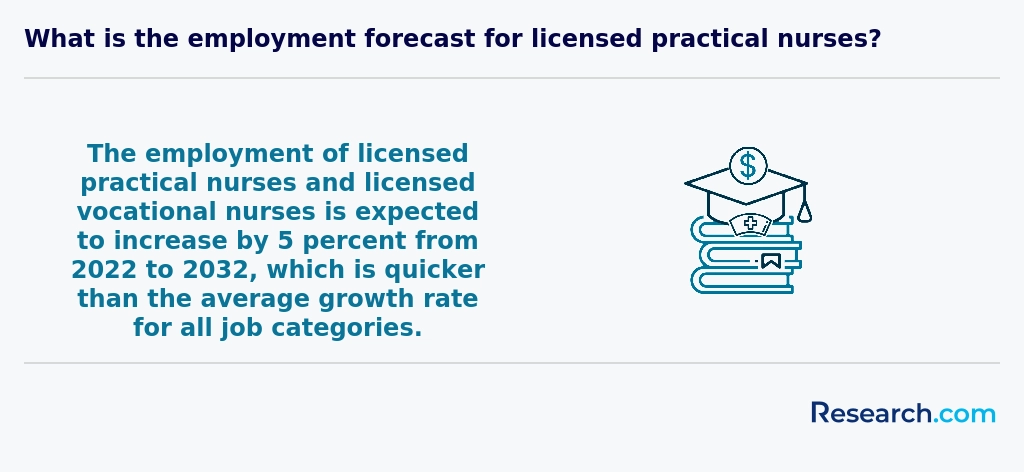
Return on investment for a nursing degree depends on total borrowing, time to completion, licensure success, and earnings after graduation. In Tennessee, the median student debt for nursing graduates ranges from $18,000 for ADN programs to $35,000 for BSN programs. Compared with an average starting salary of $60,000 for new RNs and $89,010 for seasoned RNs, the debt-to-earnings ratio remains well below the critical 1:1 threshold, which points to a strong potential ROI.
Most graduates repay their loans within 5–7 years, particularly when they use state-sponsored options such as the Graduate Nursing Loan-Forgiveness Program. Students can improve their repayment outlook by choosing accredited programs with high NCLEX pass rates, applying for grants and scholarships early, and limiting borrowing for non-tuition expenses where possible.
Residency status can make a major difference. For students comparing in-state and out-of-state tuition, Tennessee residency can save $5,000–$15,000 per year. Community colleges and public universities are often the lower-cost pathway, but students should still factor in program length, commuting, clinical scheduling, and whether they can keep working during school.
Accelerated BSN tracks and employer-sponsored tuition assistance may also improve ROI if they help students enter higher-paying RN roles sooner or reduce out-of-pocket costs. For a broader affordability comparison, students can review the Inexpensive Online Bachelor's in Nursing Degree Programs Ranking in Missouri and consider how tuition, format, and clinical requirements differ across states.
Nursing students in Tennessee find many financial aid options that make pursuing their degrees more manageable. Graduates from popular schools like the University of Tennessee Health Science Center often highlight how federal Pell Grants, which can cover up to $7,395 yearly, significantly eased their tuition burden. Applying through FAFSA is a crucial first step to unlock such aid.
State programs like the Tennessee HOPE Scholarship and HOPE Access Grant also benefit students at public universities and community colleges by reducing tuition based on merit and financial need. Many students recall how these awards helped them avoid large loan debts early in their education.
For those committed to serving underserved communities, loan forgiveness programs such as the Nurse Corps and the state's Nurse Education Assistance Loan Program (NEALP) offer rewarding ways to cut student debt by working in rural Tennessee facilities. Graduates often describe the peace of mind this support brings, allowing them to focus on their careers.
Many nursing schools, including private colleges, provide institutional scholarships rewarding academic excellence or community involvement. Meanwhile, employer tuition reimbursement is a practical option for working nurses balancing jobs with classes at places like Vanderbilt University Medical Center.
Accreditation and board approval are essential when choosing a nursing program in Tennessee. They help ensure that the curriculum meets professional standards and that graduates are eligible to pursue licensure. Enrolling in a program without proper approval can create serious problems, including ineligibility for the NCLEX-RN or difficulty transferring credits.
Before applying, verify each program’s standing with:
- Commission on Collegiate Nursing Education (CCNE)
- Accreditation Commission for Education in Nursing (ACEN)
- Tennessee Board of Nursing approval
After graduation, RN candidates must complete key licensing steps:
- Submit an application to the Tennessee Board of Nursing
- Pass the NCLEX-RN examination
- Complete required background checks and health screenings
Students planning to continue into advanced practice should also confirm that their undergraduate and graduate programs support future licensing and certification goals. If you plan to become a nurse practitioner, compare cost-effective options through cheap np programs while checking accreditation, clinical-hour requirements, and state authorization.
To enroll in a nursing degree program in Tennessee, students must have a high school diploma or GED, with strong backgrounds in biology, chemistry, and math. For example, graduates from popular nursing programs at the University of Tennessee share how taking these courses in high school gave them confidence entering college-level science classes.
Applicants often complete entrance exams like the TEAS, which tests reading, math, science, and English skills. Passing this exam helped many students at Tennessee State University feel prepared and hopeful as they started their nursing journeys.
Before beginning core nursing courses, students typically complete college prerequisites such as anatomy and physiology, microbiology, chemistry, nutrition, and psychology. One graduate from Belmont University highlights how mastering these courses early made clinical rotations less intimidating.
Additionally, students should anticipate background checks, drug screenings, and required immunizations for clinical placements, matching Tennessee healthcare standards. Many nursing hopefuls gain CNA certification or volunteer experience, which not only enhances applications but also builds real-world skills and enthusiasm for patient care.
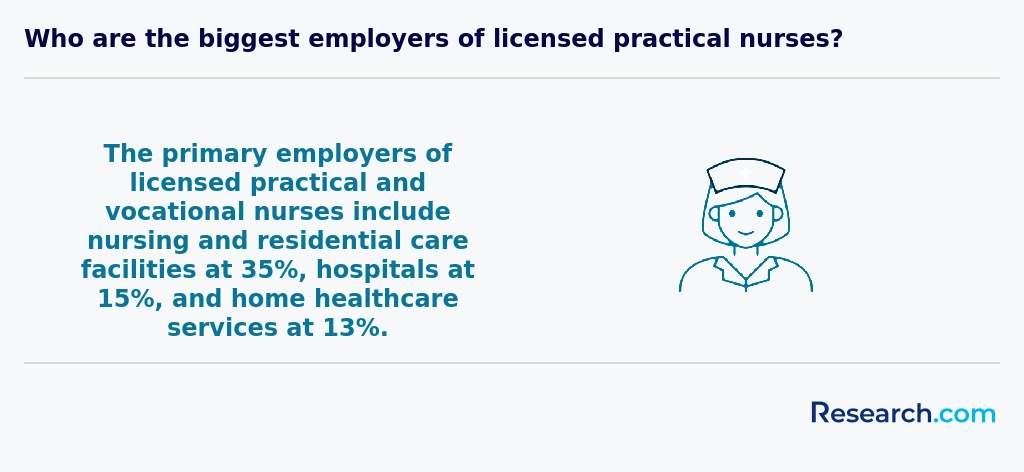
Affordable nursing programs in Tennessee can be found at community colleges, public universities, private institutions, and online or hybrid programs. The right option depends on your current education level, whether you need RN licensure, how quickly you want to graduate, and how much debt you are willing to take on.
Cost should be evaluated alongside quality. A low tuition rate is helpful only if the program is approved for licensure, offers adequate clinical placement support, and prepares students for the NCLEX-RN. Prospective students should compare tuition, fees, books, uniforms, transportation, background checks, exam costs, and the time they may need to reduce work hours during clinical rotations.
Students who need flexibility may want to compare campus-based programs with the cheapest online nursing programs in Tennessee. Online coursework can reduce commuting and scheduling barriers, but nursing degrees still require in-person labs, simulations, or clinical experiences. Before enrolling, confirm where clinical placements occur and whether the school helps arrange them.
What to compare before choosing an affordable program
- Program level: LPN, ADN, BSN, RN-to-BSN, ABSN, MSN, and DNP pathways serve different goals.
- Approval and accreditation: Verify Tennessee Board of Nursing approval and national accreditation when applicable.
- NCLEX preparation: Review pass rates, tutoring, remediation policies, and simulation resources.
- Total cost: Look beyond tuition to include fees, supplies, testing, commuting, and living expenses.
- Clinical access: Ask whether placements are guaranteed, assigned, or student-arranged.
- Financial aid: Compare scholarships, grants, federal aid, employer reimbursement, and loan-forgiveness options.
Nursing degree programs in Tennessee include essential courses designed to build strong foundations and hands-on skills needed for a nursing career. Students at well-known institutions like the University of Tennessee Health Science Center often describe the balance between core sciences and practical nursing classes as both challenging and rewarding.
Typical courses cover Anatomy and Physiology, where students learn about the human body's structure and function, and Microbiology, focusing on germs and infections crucial in healthcare. Pharmacology prepares students to understand medications, while Nutrition highlights how diet supports patient recovery. Many graduates recall how Nursing Fundamentals gave them confidence in basic patient care, and courses like Adult Health Nursing and Maternal and Child Health Nursing offer real-world relevance to diverse patient groups.
Courses such as Mental Health Nursing and Community and Public Health Nursing help students grasp broader health aspects. Clinical rotations at nearby hospitals let students apply what they learn, making the material come alive in real patient care situations. This practical approach is a common highlight among nursing students across Tennessee's colleges.
Nursing degrees in Tennessee typically offer a range of specializations designed to prepare students for diverse clinical roles. Popular tracks include Family Nurse Practitioner (FNP), which equips graduates from the University of Tennessee with skills to provide comprehensive primary care across all ages. Another high-demand option is Adult-Gerontology Acute Care Nurse Practitioner, ideal for addressing Tennessee's growing elderly population with complex health needs. Pediatric Nursing remains a favorite among students who want to care for children in specialized settings like Vanderbilt University Medical Center. Psychiatric-Mental Health Nursing responds to the increasing need for mental health services, building confidence in graduates to support patients facing psychiatric challenges. Nurse Anesthetist (CRNA) programs are highly respected for their rigor and reward, offering promising career paths within the state's surgical and hospital environments.
Many students considering the best nursing programs in Tennessee with specializations find that these focused areas involve additional clinical hours and certification, ultimately enhancing their job prospects. For those beginning their journey, exploring the best online bsn programs for non nurses can also provide flexible access to these specialized tracks.
Choosing the best nursing degree programs in Tennessee starts with identifying your career goals. Graduates from universities such as the University of Tennessee Health Science Center often highlight how a Bachelor of Science in Nursing (BSN) opened doors to advanced clinical roles and leadership opportunities. Consider that many employers today prefer or require a BSN, especially in major hospitals like Vanderbilt University Medical Center, where real-world experience is highly valued.
Next, ensure the program is accredited by the Tennessee Board of Nursing and recognized national bodies like the CCNE or ACEN. This impacts your eligibility for licensure and financial aid. Community colleges offering Associate Degree in Nursing (ADN) can be more affordable, aligning with the affordable nursing schools Tennessee ranking, but verify clinical placement quality and partnerships with healthcare providers.
For working professionals, programs with flexible schedules and online options can ease the challenge of balancing work and study. If you want to explore quicker routes, check out how long does it take to become an lpn for additional pathways to nursing roles.
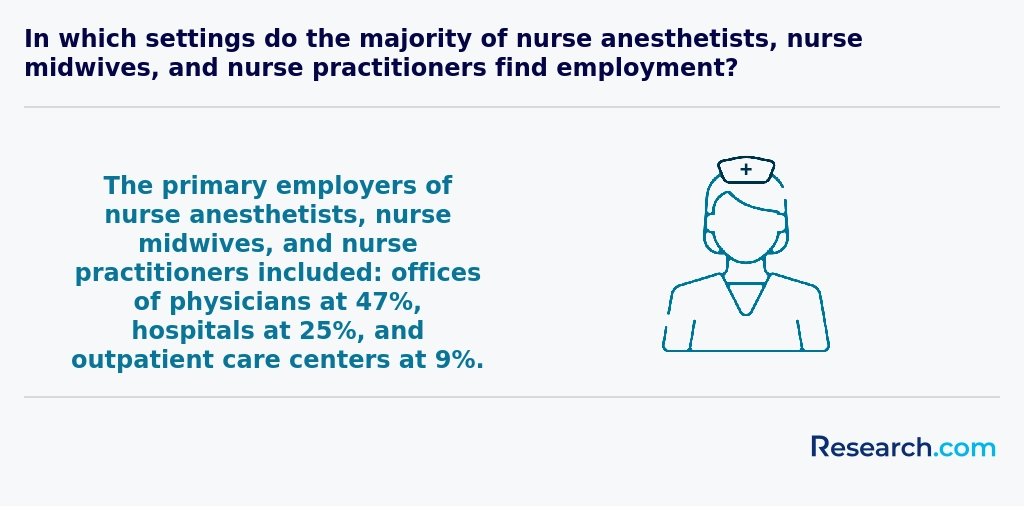
Graduates with a nursing degree in Tennessee have a variety of career paths available that match their skills and ambitions. Many start as registered nurses (RNs), working in hospitals, clinics, or nursing homes across the state. For example, graduates from well-known nursing programs at state universities often share how rewarding it feels to provide critical care or specialize in pediatric nursing. This hands-on experience helps build confidence and opens doors to diverse clinical opportunities.
For those interested in advanced roles, pursuing a Master of Science in Nursing to become a Nurse Practitioner (NP) is a common next step. NPs in Tennessee serve crucial roles in underserved rural areas as primary care providers, making a real impact where healthcare access is limited. Other graduates explore specialized careers including Certified Nurse Midwife, Clinical Nurse Specialist, or Nurse Anesthetist, which offer expert-level focus and greater responsibility.
Job prospects for nursing graduates Tennessee-wide continue to improve, supported by growing healthcare demands and state workforce programs. Students looking to manage costs while accessing quality education can explore options like those listed in the Inexpensive Online Bachelor's in Nursing Degree Programs Ranking in Missouri, which many Tennesseans consider for flexible learning pathways.
The nursing job outlook in Tennessee remains strong, with registered nurses projected to see a 12% growth through 2032. Graduates from well-known programs at universities like the University of Tennessee and Belmont University report entering a job market rich with opportunities in hospitals, outpatient centers, and home health services. Many find that urban areas such as Nashville and Knoxville offer more specialized roles and the potential for career advancement.
Starting salaries average around $64,000 annually, slightly below the national average but balanced by Tennessee's lower cost of living. Graduates frequently mention feeling encouraged by healthcare employers actively recruiting new nursing professionals across both rural and metropolitan areas. Those looking to boost their career prospects often pursue additional certifications or advanced degrees to qualify for nurse practitioner or clinical specialist roles.
For students balancing work and study, exploring an accelerated online bachelor's degree in nursing can be a strategic path, helping them enter the workforce faster without compromising on quality. This approach aligns well with Tennessee's growing demand and employment opportunities Tennessee graduates can rely on.
2027 Most Affordable Nursing Degree Programs Ranking in Tennessee
Investing in your education is a significant decision that can shape your future, and the Research.com team understands the importance of making informed choices. To assist prospective students in Tennessee, we have meticulously crafted the "2027 Most Affordable Nursing Degree Programs Ranking in Tennessee." Our commitment to quality, credibility, and accuracy is reflected in the extensive research and analysis conducted to compile this ranking.
We utilized the following reputable data sources to ensure a comprehensive evaluation of nursing programs:
By exploring this ranking, readers will gain valuable insights into the most affordable nursing degree programs in Tennessee, helping them make informed and confident decisions about their educational paths. For more details on our methodology, please visit our Research.com methodology page.





Frequently Asked Questions About nursing
To maximize their learning experience, nursing degree students in Tennessee should actively engage in clinical practicum opportunities. These real-world experiences are crucial, as the Tennessee Board of Nursing requires students to complete clinical hours to qualify for licensure.
Students can also take advantage of Tennessee's strong network of healthcare facilities partnering with educational institutions, providing diverse settings for hands-on training. According to the Tennessee Higher Education Commission, programs with robust practical components often see higher NCLEX pass rates.
Additionally, students should utilize academic support services, such as tutoring and simulation labs offered by many Tennessee colleges, to reinforce their skills and knowledge.
Networking through local nursing associations and attending state nursing conferences can further expose students to current healthcare trends and career opportunities in Tennessee.
The nursing field in Tennessee is expanding beyond traditional roles, with emerging niches offering new career paths for graduates. One growing area is telehealth nursing, which has gained importance as remote care becomes more common. According to the Tennessee Department of Health, demand for telehealth services increased by over 30% in recent years.
Another key niche is gerontological nursing, driven by Tennessee's aging population. The state's senior demographic is expected to grow by 18% by 2028, creating a strong need for nurses specialized in elder care.
Additionally, integrative and holistic nursing is gaining traction as patients seek complementary treatments alongside conventional care. These fields represent promising options for nursing students considering specialization in Tennessee.
After completing a nursing degree in Tennessee, preparing for the job market involves several key steps. First, graduates must pass the NCLEX-RN exam, which is required to gain licensure from the Tennessee Board of Nursing. This license allows them to practice as registered nurses within the state.
Building clinical experience through internships or residencies can strengthen employment prospects, as Tennessee hospitals often prefer candidates with hands-on training. Networking with healthcare professionals and joining local organizations like the Tennessee Nurses Association can also open job opportunities.
According to the Tennessee Department of Labor and Workforce Development, the demand for registered nurses is projected to grow 12% through 2030, indicating a healthy job market for new graduates. Staying current with continued education and specialty certifications enhances career advancement in Tennessee's competitive healthcare environment.
Employers in Tennessee highly value nursing degree graduates who demonstrate strong clinical skills and critical thinking. According to the Tennessee Board of Nursing, competencies such as patient assessment, medication administration, and care planning are essential. Additionally, effective communication is crucial for collaboration with healthcare teams and patient families.
Leadership abilities and adaptability are also key, especially in high-pressure environments common in Tennessee hospitals. Familiarity with electronic health records (EHR) and technology improves a graduate's employability, as many facilities rely on digital patient management.
Lastly, cultural sensitivity and patient advocacy align with Tennessee's diverse population needs, enhancing care quality and patient satisfaction.
Finding internships in Tennessee relevant to a nursing degree involves several strategic steps. Many accredited nursing programs in Tennessee, such as those at the University of Tennessee or Vanderbilt University, have established partnerships with local hospitals and clinics to provide clinical placements. Students should first consult their school's career services or nursing department for available opportunities.
The Tennessee Board of Nursing recommends that students complete clinical hours at healthcare facilities registered with the state. Major medical centers like Vanderbilt University Medical Center and Saint Thomas Health frequently offer nursing internships. Additionally, utilizing the Tennessee Hospital Association's resources can help locate nearby facilities.
Networking through Tennessee Nurses Association events and job fairs that focus on nursing positions also increases internship placements. According to the Bureau of Labor Statistics, Tennessee expects a 12% growth in registered nurse employment through 2030, underscoring the importance of hands-on experience during education.
Obtaining a nursing degree in Tennessee significantly enhances career mobility and advancement opportunities within the state's healthcare sector. Registered nurses (RNs) with an associate or bachelor's degree often experience faster job placement, with the Tennessee Center for Nursing reporting a steady demand for skilled nurses across rural and urban areas. A Bachelor of Science in Nursing (BSN) is increasingly preferred by employers, especially hospitals aiming for Magnet recognition, which improves potential salaries and leadership roles.
Higher education also allows nurses to pursue specialized roles, such as nurse practitioners or nurse educators, requiring advanced degrees and certifications. The Tennessee Board of Nursing emphasizes that degree credentials correlate strongly with eligibility for promotions and increased professional responsibilities, facilitating long-term career growth within the state's healthcare system.
Studying for a nursing degree in Tennessee equips students with skills essential for interdisciplinary collaboration in healthcare. Programs across the state emphasize teamwork by integrating coursework in communication, ethics, and health informatics alongside clinical training.
Tennessee nursing curricula often include partnerships with other health professions, such as medicine, social work, and pharmacy, preparing graduates to work smoothly within diverse care teams. According to the Tennessee Board of Nursing, this approach aligns with the state's healthcare goals to improve patient outcomes through coordinated care.
Additionally, simulation labs and practicum experiences in Tennessee hospitals expose students to real-world interdisciplinary settings, fostering practical skills for collaborative decision-making.
Choosing between a thesis and a non-thesis nursing degree program in Tennessee depends largely on your career goals and learning preferences. Thesis programs emphasize research and typically require students to conduct original studies. These are ideal if you aim to pursue a PhD or work in academic or research settings.
Non-thesis programs focus more on practical skills and coursework, which may be better suited for nurses planning to enter clinical practice or leadership roles quickly. According to the Tennessee Higher Education Commission, about 40% of advanced nursing students prefer non-thesis options for their flexible schedules.
Consider program length, faculty expertise, and your interest in research versus applied learning when making this decision.
Students based in Tennessee seeking nursing degrees abroad have several options through exchange programs and partnerships facilitated by their home institutions. Many Tennessee universities with nursing programs maintain global ties allowing students to study clinical nursing practices in countries like the United Kingdom, Australia, or Canada. Such programs often last a semester or a year and include supervised clinical hours aligned with U.S. nursing standards.
These opportunities enable students to gain international healthcare perspectives while fulfilling requirements toward their Bachelor of Science in Nursing (BSN). According to the Tennessee Board of Nursing, studying abroad must be carefully planned to ensure credit transfer and eligibility for licensure upon return.
Additionally, Tennessee students can explore virtual international nursing courses accredited in the U.S., providing global exposure without leaving home. However, hands-on clinical experience abroad remains a valued option for immersive learning.
Part-time job opportunities in Tennessee that complement nursing degree education often focus on gaining practical experience while supporting academic commitments. Common roles include certified nursing assistant (CNA) positions, medical scribing, and patient care technician jobs. These roles provide direct patient interaction, helping students apply classroom knowledge in real-world settings.
According to the Tennessee Department of Labor, healthcare support roles are expected to grow by 15% through 2030, underscoring relevant opportunities for nursing students. Working in hospitals, long-term care facilities, or clinics helps students build clinical skills and strengthen resumes.
Additionally, some universities in Tennessee offer on-campus healthcare jobs, such as assisting in campus health centers, which can offer flexible schedules conducive to study loads.
Nursing students in Tennessee have access to a variety of valuable networking opportunities that support their career growth. Many universities host student chapters of professional organizations such as the Tennessee Nurses Association (TNA), which offers events and conferences throughout the year. These gatherings allow students to meet practicing nurses and healthcare leaders regionally.
Clinical placements in hospitals and clinics across Tennessee provide hands-on experience and connections to potential employers. According to the Tennessee Board of Nursing, partnerships between educational institutions and healthcare facilities have increased by 15% over the last five years, enhancing student access to internships.
Additionally, statewide nursing symposiums and workshops encourage collaboration and knowledge sharing among future and established nurses.
Alumni networks play a crucial role for nursing degree students in Tennessee by connecting them to experienced professionals statewide. These networks provide access to mentorship, job referrals, and continuing education opportunities. According to the Tennessee Center for Nursing, roughly 75% of nursing graduates find employment through connections made during or after their programs.
Strong alumni ties also help students navigate licensure and certification processes in the state. They often share insights about Tennessee's Board of Nursing regulations and the Nurse Licensure Compact, which can impact where graduates practice.
Engaging with alumni fosters professional growth, increasing chances of career advancement in Tennessee's growing healthcare sector.
Customizing a nursing degree program in Tennessee allows students to align their education with specific career goals. Many Tennessee institutions offer flexible curricula with options such as specialty tracks in pediatrics, geriatrics, or community health. Students can choose electives and clinical rotations that reflect their interests and intended work settings.
Additionally, registered nurses may pursue advanced degrees like the RN-to-BSN or MSN, focusing on leadership, nurse education, or nurse practitioner roles. According to the Tennessee Higher Education Commission, schools statewide increasingly emphasize practical experience, enabling students to gain hands-on skills relevant to local healthcare demands.
This customization ensures graduates are well-prepared for Tennessee's diverse nursing job market.
Nursing students in Tennessee face several notable challenges during their education. One primary difficulty is the competitive nature of clinical placements, which are essential for hands-on experience. With limited sites and growing enrollment, securing these opportunities can be stressful.
Additionally, many students encounter financial pressures. According to the Tennessee Higher Education Commission, the average tuition for nursing programs is rising, and students often juggle work with demanding coursework.
Academic rigor also poses challenges. Nursing curricula include extensive science and healthcare courses, requiring strong time management and study skills.
Finally, balancing personal responsibilities with clinical and classroom demands is a common struggle among Tennessee nursing students.
Graduates with a nursing degree in Tennessee have access to various professional certifications that can enhance their careers. Common certifications include the Registered Nurse (RN) license obtained through the Tennessee Board of Nursing. Beyond this, RNs can pursue specialty certifications such as Certified Medical-Surgical Registered Nurse (CMSRN), Certified Pediatric Nurse (CPN), and Certified Nurse Educator (CNE).
Advanced certifications like Family Nurse Practitioner (FNP-BC) or Adult-Gerontology Acute Care Nurse Practitioner (AGACNP-BC) are available for those with higher degrees. According to the Tennessee Center for Nursing, obtaining certifications often leads to higher salary potential and improved job opportunities across hospitals and clinics statewide.
To write a winning application for a nursing program in Tennessee, start by ensuring your academic credentials meet program requirements, typically a minimum GPA of 2.5 or higher. Nursing programs in Tennessee are competitive, where nearly 60% of applicants gain admission, according to the Tennessee Board of Nursing.
Strong personal statements that clearly explain your passion for nursing and commitment to patient care can set you apart. Highlight any healthcare experience, volunteer work, or certifications such as CPR. Letters of recommendation from healthcare professionals or educators are highly valued.
Additionally, prepare for nursing prerequisite exams like the HESI or TEAS, which many Tennessee schools use to assess readiness. Scoring above the average benchmark improves your chances substantially.
Nursing is a respected profession worldwide, offering opportunities to work in diverse healthcare settings. In the United States, including Tennessee, nurses are vital to patient care and public health. Globally, demand for nurses is increasing due to aging populations and chronic diseases.
According to the Tennessee Department of Health, the state expects a 15% growth in nursing jobs through 2030. This trend reflects a broader international need for skilled nursing professionals. Nurses trained in the U.S. are often recognized internationally, given the high standards of education and clinical practice they meet.
Many countries face nursing shortages, creating chances for U.S.-educated nurses to collaborate or work abroad. However, licensing and certification requirements vary widely, so students should understand these factors when considering a global nursing career.
Gaining practical experience is essential while studying for a nursing degree in Tennessee. Most accredited nursing programs in the state require clinical rotations, which place students in real healthcare settings under supervision. These settings include hospitals, nursing homes, and community clinics.
The Tennessee Board of Nursing mandates hands-on clinical hours to ensure graduates are competent in patient care. Typically, students complete between 500 and 700 clinical hours, depending on the program level.
Additionally, some schools offer simulation labs that use advanced technology to mimic real-life medical scenarios, enhancing skills without direct patient contact. Volunteering and internships at local healthcare facilities can also complement formal training.
Practical experience in Tennessee prepares students for licensure exams and successful nursing careers. Reliable data on clinical requirements can be found on the Tennessee Board of Nursing website.
Choosing the right concentration within a nursing degree program in Tennessee involves careful consideration of your career goals and interests. Common specialties include pediatrics, geriatrics, mental health, and critical care. It is important to review Tennessee's healthcare job market; for example, the Tennessee Department of Labor anticipates a 15% growth in registered nurse employment by 2030, with high demand in geriatric care due to the aging population.
Consider accrediting bodies such as the CCNE or ACEN endorsing the program's concentrations. Research clinical placement opportunities in Tennessee hospitals or community centers related to your chosen specialty. Understanding state licensure requirements for your area of focus is also essential to ensure eligibility post-graduation.
- 2027 Most Affordable Online Nursing Degree Programs Ranking in Kentucky
- 2027 Most Affordable Online Nursing Degree Programs Ranking in Mississippi
- 2027 Most Affordable Online Nursing Degree Programs Ranking in Georgia
- 2027 Most Affordable Online Nursing Degree Programs Ranking in North Carolina
- 2027 Most Affordable Online Nursing Degree Programs Ranking in Missouri
- 2027 Most Affordable Online Nursing Degree Programs Ranking in Virginia
- 2027 Most Affordable Online Nursing Degree Programs Ranking in Indiana
- 2027 Most Affordable Online Nursing Degree Programs Ranking in South Carolina
- 2027 Most Affordable Online Nursing Degree Programs Ranking in Illinois
- 2027 Most Affordable Online Nursing Degree Programs Ranking in Ohio
See What Experts Have To Say About Studying Nursing
Read our interview with Nursing experts


- The Nurses' Alumni Association https://giving.mainlinehealth.org/get-involved/auxiliaries-and-womens-boards/lankenau-medical-center-womens-board/the-nurses-alumni-association
- Interdisciplinary Education and Practice https://www.aacnnursing.org/news-data/position-statements-white-papers/interdisciplinary-education-and-practice
- Types of Nursing Degrees-Which One Is Yours? https://www.allnursingschools.com/how-to-get-into-nursing-school/degree-options/
- Nursing Shortage in Tennessee: Opportunity for RNs | ABSN https://onlineabsn.marian.edu/blog/why-the-nursing-shortage-in-tennessee-makes-it-the-perfect-time-to-relocate-to-nashville/
- Nursing - WSEI University https://www.wsei.pl/en/admission/bachelors-degree/nursing-bachelor-degree/
- Essential Tips for Nursing Students to Advance Their Careers https://almanaltraining.com/essential-tips-for-nursing-students-to-advance-their-careers/
- Nursing Scholarships for Tennessee Students https://www.nursingexplorer.com/scholarships/states/tennessee
- Career Advancement Pathways for Nurses : Expert RN shares 10+ Professional growth opportunities - MuminMed https://blog.muminmed.com/career-advancement-pathways-for-nurses/
- Health Sciences Achievement Award https://www.tncwd.com/Current
- How Do Nurses Navigate Career Advancement? | NursingEducation https://nursingeducation.org/insights/career-advancement/