2027 Most Affordable Online Nursing Degree Programs Ranking in Virginia

Co-Founder and Chief Data Scientist
Embarking on a nursing career is an exciting step, especially for students in Virginia looking to balance quality education with affordability. This article presents the 2027 Most Affordable Online Nursing Degree Programs Ranking in Virginia, thoughtfully created by the Research.com team of data scientists.
By exploring this ranking, you'll gain valuable insight to help choose nursing programs that fit your budget without sacrificing quality. Whether you're starting fresh or advancing your education, a nursing degree opens doors to meaningful, rewarding opportunities.
Take this chance to make informed decisions and take a confident step toward your future in healthcare.
Key benefits of getting online nursing degree in Virginia
- Graduates with a nursing degree in Virginia can expect strong earning potential, with registered nurses earning a mean annual wage of $94,480 and operating room nurses reaching $128,490.
- Career paths include roles like clinical nurse educator, public health nurse, and emergency room nurse, offering diverse opportunities to find a fulfilling and impactful job.
- Completing an online nursing degree in Virginia provides flexibility for working students and faster access to education, as seen with graduates from universities like Old Dominion University who balance study and life effectively.
- 2027 Most Affordable Online Nursing Degree Programs Ranking in Virginia
- What can I expect from online nursing degree in Virginia?
- Where can I work with online nursing degree in Virginia?
What can I expect from online nursing degree in Virginia?
The average cost of an online nursing degree in Virginia typically ranges between $8,000 and $12,000 per year at public universities for undergraduate programs. Many students attending schools such as Old Dominion University or George Mason University share that these rates make earning a Bachelor of Science in Nursing (BSN) more accessible, especially for in-state residents. However, private institutions offering online nursing degrees generally charge higher tuition, which can feel daunting for some students despite financial aid opportunities.
Graduates often recall balancing tuition expenses with scholarship applications, emphasizing how crucial it was to seek financial support early. Some reported that weighing the cost against program quality and clinical placement assistance at hospitals within Virginia gave them confidence in their investment. These placements allow students to fulfill hands-on training locally, which positively influences overall satisfaction.
While the cost can vary, understanding tuition alongside potential aid options helps prospective students make informed decisions without assuming all programs are equally affordable or offer identical experiences.
Where can I work with online nursing degree in Virginia?
Graduates with an online nursing degree in Virginia commonly find diverse employment opportunities throughout the state's healthcare system. Many secure positions in well-known acute care hospitals like those affiliated with Virginia Commonwealth University or Inova Health System, where alumni often share how their accredited online education and Virginia licensure enabled a smooth transition to bedside nursing. These graduates express confidence and pride in delivering critical care in fast-paced hospital settings.
Others pursue fulfilling careers in nursing homes and long-term care facilities, especially in less urban areas, where the demand for compassionate nurses remains high. Students from programs like those at Old Dominion University often highlight the rewarding nature of providing personalized care to elderly patients in these community-centered environments.
Additionally, some alumni explore roles in community health agencies or home health care, driven by Virginia's focus on rural health improvement. These positions appeal to graduates who value autonomy and deep patient relationships, reflecting a meaningful alternative to traditional hospital work.
Nonetheless, it's vital for students to verify their online program's accreditation and Virginia Board of Nursing approval, as this directly impacts licensure eligibility and legal employment across all these settings.
Graduates of online nursing programs in Virginia can anticipate varied earnings depending on their chosen career path. For example, Registered Nurses, Clinical Nurse Educators, Public Health Nurses, and Emergency Room Nurses all share a mean annual wage of about $94,480 and an hourly wage near $45.42. These figures reflect solid earning potential shortly after graduation from institutions like George Mason University or Virginia Commonwealth University, where many students transition smoothly into these roles.
Those pursuing specialized areas such as Operating Room Nursing see noticeably higher compensation, with mean salaries reaching $128,490 annually and hourly wages around $61.78. This boost aligns with advanced skills gained through clinical experience and specialized coursework offered in online MSN programs.
Graduates often describe their experience balancing rigorous academics with practical training as challenging yet rewarding, leading to satisfying careers in busy hospital settings or community health environments. Many emphasize the encouragement found within Virginia's nursing networks and the tangible career growth supported by the state's healthcare demand. However, salaries still depend on location-urban areas tend to pay more, reflecting higher living costs and demand.
- Virginia offers online nursing degrees at ADN, BSN, and advanced practice levels with options designed for flexible schedules.
- Annual tuition for ADN or BSN programs ranges from $7,000 to $12,000 at public universities for in-state students, while private schools may charge over $20,000.
- New nursing graduates in Virginia earn an average starting salary of about $60,000, with median salaries reaching $75,000 or more after five to ten years.
- Nursing jobs in Virginia are projected to grow by approximately 15% over the next decade, driven by increasing healthcare needs.
- Online nursing programs require in-person clinical hours completed locally to meet Virginia's licensure requirements regulated by the Board of Nursing.
Completing an online nursing degree in Virginia varies notably by the type of program and individual circumstances. For example, graduates from programs like those at George Mason University often report that an Associate Degree in Nursing (ADN) takes about two years, allowing relatively quick entry into nursing roles. This path suits those eager to start working but may postpone higher qualifications.
Meanwhile, online Bachelor of Science in Nursing (BSN) programs, common at schools such as Liberty University, typically require around four years. However, accelerated BSN options, especially for those already holding another bachelor's degree, can shorten this to 12-18 months. Graduates appreciate this flexibility, particularly working adults balancing careers and family.
For registered nurses advancing via RN-to-BSN online programs, timeframes depend heavily on transfer credits and weekly course loads, generally spanning one to two years. At institutions like Virginia Commonwealth University, this flexibility helps nurses upgrade qualifications while maintaining employment, often fostering a strong sense of achievement.
Master's-level nursing degrees (MSN) usually take 1.5 to 3 years online, with part-time schedules preferred by many working professionals. Clinical practicums remain essential and must be completed in person at approved local sites, which some students find challenging yet rewarding, reinforcing practical skills alongside theoretical knowledge.
For those eager to delve deeper into the world of nursing in Virginia, exploring resources beyond the immediate scope of online nursing programs can be incredibly beneficial. One crucial aspect to consider is the array of affordable nursing programs in Virginia, which can significantly impact the financial feasibility of pursuing a nursing degree. Moreover, understanding the nuances of Virginia's healthcare system, including public health initiatives and community care programs, can provide aspiring nurses with a broader perspective on their potential roles within the state's healthcare landscape. By tapping into these additional resources, individuals can make more informed decisions about their educational and professional paths, ultimately enriching their journey towards becoming skilled and compassionate nursing professionals in Virginia.
Online nursing degrees in Virginia, such as those offered by popular institutions like Old Dominion University and Virginia Commonwealth University, provide greater flexibility for students balancing jobs or family. Graduates often share how accessing lectures and assignments anytime allowed them to study around work shifts, reducing stress compared to fixed class times. However, this freedom requires strong self-discipline and comfort with technology, which some students initially find challenging.
On-campus programs at universities like the University of Virginia offer immersive face-to-face instruction and hands-on practice, which many students value for immediate feedback and peer interaction. Graduates recall that regular in-person labs and networking with professors helped build confidence in clinical skills.
Both formats mandate completing clinical hours in approved Virginia healthcare facilities, ensuring practical experience. Tuition costs are generally comparable between online and on-campus options, though online degrees sometimes save commuting expenses.
Ultimately, the decision hinges on personal learning styles and life circumstances, with Virginia nursing students appreciating both paths for their unique benefits.
As the nursing profession evolves, many students look beyond entry-level credentials and pursue accelerated bridge programs to reach advanced practice roles. These pathways streamline the transition from an Associate Degree in Nursing (ADN) to a Master of Science in Nursing (MSN), equipping nurses with the expertise to become Nurse Practitioners (NP), Clinical Nurse Specialists (CNS), or other leadership positions. Key benefits include targeted coursework, reduced credit overlap, and accelerated timelines that often shave months off traditional programs. One popular option is the ADN-to-MSN bridge, designed for working RNs who hold an ADN and wish to bypass a separate BSN. This integrated curriculum typically covers advanced health assessment, pathophysiology, and pharmacology before moving into specialty courses. Clinical practicums are carefully coordinated with local healthcare facilities, ensuring that students gain hands-on experience in their chosen fields. For nurses aiming to specialize in family practice or primary care, dedicated adn to fnp programs online offer flexible schedules, part-time paths, and virtual simulations that accommodate busy professional lives. Admission criteria for these bridge programs usually include a valid RN license, a minimum GPA (often around 3.0), completion of prerequisite science courses, and sometimes a standardized test like the GRE. Graduates emerge prepared to sit for national certification exams (e.g., the ANCC or AANP for Nurse Practitioners) and assume roles that command higher salaries-often exceeding $120,000 annually for Family Nurse Practitioners in Virginia. By leveraging advanced bridge programs, nursing professionals can fast-track their career growth, expand their scope of practice, and meet the growing demand for specialized, high-quality patient care.
The average cost of an online nursing degree in Virginia typically centers around $27,550 for in-state students, reflecting a balance of affordability and quality education. Graduates from universities such as Old Dominion University and Virginia Commonwealth University often share that, while the sticker price may seem significant, the investment is manageable through careful planning and financial aid opportunities. Many students find reassurance in the competitive tuition rates compared to other states, which supports access to nursing education without excessive financial burden.
However, costs can vary depending on whether students enroll in community colleges or private institutions. For example, community college programs offering associate degrees may cost less overall but still provide foundational skills crucial for nursing careers. On the other hand, private institutions often have higher tuition, which can exceed $30,000, adding a layer of financial consideration for prospective students weighing different options.
Students pursuing affordable online nursing programs Virginia-wide often take advantage of federal grants, scholarships from the Virginia Nurses Association, and employer tuition reimbursement plans to reduce expenses. Considering an example of a nursing graduate from a public university, it's clear how budgeting around these median costs enables a positive experience focused on learning rather than financial stress. Those interested in exploring further can also consult comprehensive resources highlighting the affordable nursing programs in Virginia.

One of the most critical factors in choosing an online nursing program is ensuring it meets rigorous accreditation standards and produces graduates who excel on the NCLEX-RN licensure exam. Accredited programs guarantee that the curriculum aligns with national nursing competencies and that credits transfer smoothly for further specialization. In Virginia, top programs hold accreditation from the Commission on Collegiate Nursing Education (CCNE) or the Accreditation Commission for Education in Nursing (ACEN), and maintain state board approval through the Virginia Board of Nursing. Prospective students should verify each school’s accreditation status on the U.S. Department of Education’s database and review annual NCLEX pass rate reports, which reflect program effectiveness and graduate readiness. Data shows that programs featured in this ranking boast NCLEX pass rates between 85% and 98%, surpassing the national average of 85%. For example, graduates from Virginia Commonwealth University’s online BSN program achieved a 96% first-time pass rate in 2023, while Old Dominion University reported a 93% pass rate. These metrics are strong indicators of academic quality, clinical preparedness, and the institution’s ability to support students through rigorous exam preparation resources, such as virtual review sessions, practice question banks, and dedicated NCLEX coaching. While exploring affordability and flexibility, students may also wish to compare how Virginia’s accessible programs stack up against offerings in other states. For a broader perspective on affordable nursing education, consider our Affordable Online Bachelor's in Nursing Degree Programs Ranking in New York. By evaluating accreditation credentials alongside NCLEX performance, prospective nurses can confidently select a program that not only fits their budget but also prepares them for a successful and sustainable career in healthcare.
Virginia nursing students pursuing online degrees often rely on a mix of financial aid options to manage costs, which can range widely from $8,000 to $30,000 annually. Graduates from institutions like Old Dominion University and Virginia Commonwealth University recall how applying for federal aid through the FAFSA unlocked access to Pell Grants and subsidized loans, easing their financial burdens significantly. However, some emphasize the importance of not assuming these funds fully cover expenses, as loans must be carefully considered for long-term impact.
State programs also play a crucial role. Many students attending private nonprofit colleges reported benefiting from the Virginia Tuition Assistance Grant (VTAG), which offered meaningful support for those enrolled in qualifying online nursing tracks. Others, especially associate degree candidates at community colleges such as Northern Virginia Community College, highlight the value of local scholarships and aid that complemented federal sources.
Beyond traditional funding, narratives from alumnae working in Richmond healthcare facilities showcase employer tuition reimbursement as a vital resource, allowing them to pursue further education without overwhelming debt. Additionally, scholarships from organizations like the Virginia Nurses Foundation provide crucial supplemental funding, often recognizing commitment to the nursing profession within the state.
While funding can be complex, many students find that combining federal, state, institutional, and external aid opens practical pathways to achieving their nursing goals online in Virginia.
One of the most critical indicators of program quality is the NCLEX-RN pass rate, which reflects how well a nursing program prepares students for licensure. In Virginia, accredited online nursing degree programs report first-time NCLEX-RN pass rates ranging from 88% to 95%, surpassing the national average of 84%. High pass rates not only demonstrate rigorous academic standards but also signal strong faculty engagement, comprehensive exam prep resources, and effective clinical partnerships that support student success. Prospective students should prioritize programs with consistently high pass rates to maximize their chances of obtaining licensure on the first attempt and entering the workforce without delay. Beyond preparation for the NCLEX-RN, graduates aiming for advanced practice roles can look at licensure exam outcomes for nurse practitioner tracks. Programs with clear pathways to specialty certifications often boast certification pass rates above 90%. Students considering these tracks may also benefit from exploring an affordable online np degree, which combines cost-effective coursework with robust clinical mentorship to ensure strong performance on national certification exams. When evaluating program outcomes, in addition to NCLEX-RN and NP certification pass rates, review the program’s graduate employment rate and the average time to employment. Virginia’s top online nursing programs typically report over 90% employment within six months of graduation, reflecting strong industry partnerships and active career services. By focusing on these licensure and employment metrics, prospective nursing students can select programs that deliver both academic excellence and real-world career readiness.
To enroll in an online nursing degree program in Virginia, students generally must hold a high school diploma or GED, establishing a basic foundation similar to that required by popular institutions like Old Dominion University or George Mason University. Graduates often recall that completing prerequisite courses such as biology, chemistry, and anatomy proved essential-not just for admission but for feeling confident in tackling nursing concepts remotely.
Many students pursuing a BSN or RN-to-BSN emphasize the importance of holding an active Virginia RN or LPN license, which these programs frequently require to ensure practical readiness alongside academic work. A minimum GPA around 2.5 to 3.0 is common, especially in relevant science and math courses, reflecting the challenge of balancing foundational knowledge with rigorous healthcare training.
Some candidates found standardized tests like the TEAS daunting but helpful in identifying areas needing improvement before fully committing. Letters of recommendation and personal statements also play a meaningful role, allowing applicants to express their passion for nursing-a factor graduates often cite as motivating throughout their journey. Background checks and immunizations align with clinical safety standards, highlighting how even online programs maintain real-world accountability.
Graduating from an online nursing program in Virginia is only the first step toward practicing as an RN. You must complete state-mandated clinical hours and pass the NCLEX-RN exam to earn licensure through the Virginia Board of Nursing.
- Board Approval and Accreditation: Choose a program approved by the Virginia Board of Nursing and accredited by CCNE or ACEN to ensure NCLEX-RN eligibility.
- Clinical Hour Requirements: Most BSN programs require 500–700 supervised clinical hours, arranged at local healthcare sites or through high-fidelity virtual simulation.
- NCLEX-RN Application: After graduation, submit official transcripts, fingerprinting and exam registration to the Virginia Board of Nursing to schedule your NCLEX-RN.
- RN-to-BSN Bridge Programs: If you’re already a licensed RN, consider rn to bsn online with no clinicals to focus on advanced coursework without additional clinical requirements.
Online nursing degrees in Virginia typically include a blend of science and nursing-specific courses designed to prepare students thoroughly for healthcare roles. Graduates from universities like Virginia Commonwealth University often mention how foundational courses such as anatomy, physiology, microbiology, and chemistry helped them confidently understand the human body and disease processes before moving into clinical practice.
The nursing coursework covers a wide spectrum, including Fundamentals of Nursing, Pharmacology, and specialized topics like Adult and Gerontological Nursing and Maternal and Child Health Nursing. Students frequently describe the relevance of these courses in real clinical settings, such as caring for elderly patients in community hospitals or supporting new mothers during pediatric visits.
Mental Health Nursing and Community/Public Health Nursing also receive strong emphasis, which graduates find crucial given Virginia's diverse population and growing focus on preventive care. Evidence-based practice and nursing research courses enable students to critically assess studies, allowing them to apply the latest healthcare findings confidently.
However, some students note that while online classes provide flexibility, the clinical rotations required locally can be challenging to schedule but ultimately rewarding. These hands-on experiences solidify their learning and meet Virginia Board of Nursing's licensure standards, creating a comprehensive path from theory to practice.
Online nursing specializations in Virginia commonly include pathways such as Registered Nurse to Bachelor of Science in Nursing (RN to BSN) and Master of Science in Nursing (MSN) with multiple tracks. Graduates from institutions like George Mason University or Old Dominion University often share how the RN to BSN specialization helped them enhance clinical skills and open doors to leadership roles within Virginia's healthcare systems.
MSN specializations frequently cover Family Nurse Practitioner, Psychiatric-Mental Health Nurse Practitioner, and Nurse Educator tracks, each aligning with critical needs identified by Virginia's health authorities. For example, FNP graduates express satisfaction in being able to fill primary care gaps in rural areas, a significant issue locally. Some have also explored adn to fnp programs online to accelerate career advancement.
Other options including Public Health Nursing, nursing informatics, and leadership equip students to tackle community health challenges or adopt technological innovations, offering versatility. Prospective students should consider these Virginia nursing degree specialization options with attention to how well the curriculum matches personal career goals and local healthcare demands.
Choosing the best online nursing degree in Virginia involves weighing accreditation, cost, and flexibility carefully. For instance, graduates from well-known Virginia universities often stress how accreditation from bodies like CCNE ensured their eligibility for licensure in the state. While some students prioritize affordable online nursing programs Virginia offers, it's important to balance tuition with program quality to avoid missing essential clinical experiences.
Many students appreciate programs with asynchronous classes, similar to those offered by top colleges in Virginia, because they can juggle work and family demands. However, some report challenges completing local clinical requirements, highlighting the need to consider your geographic situation. Others find success thanks to strong faculty support and partnerships with nearby hospitals, which enrich hands-on learning.
Considering options like RN-to-BSN or MSN paths can also influence your choice. Exploring financial aid and scholarships is advisable; some graduates recommend looking into resources such as affordable online np degree programs to reduce costs, ensuring a sustainable commitment to education without sacrificing quality.
Graduates of online nursing degree programs in Virginia find a broad spectrum of career options, reflecting the state's diverse healthcare needs. Most commonly, those with an ADN or BSN pursue Registered Nurse roles in hospitals, clinics, or community health centers, where the median annual wage reaches around $73,000. Alumni from institutions like the University of Virginia and Virginia Commonwealth University often share how the flexibility of online study allowed them to balance work and family while preparing for these positions.
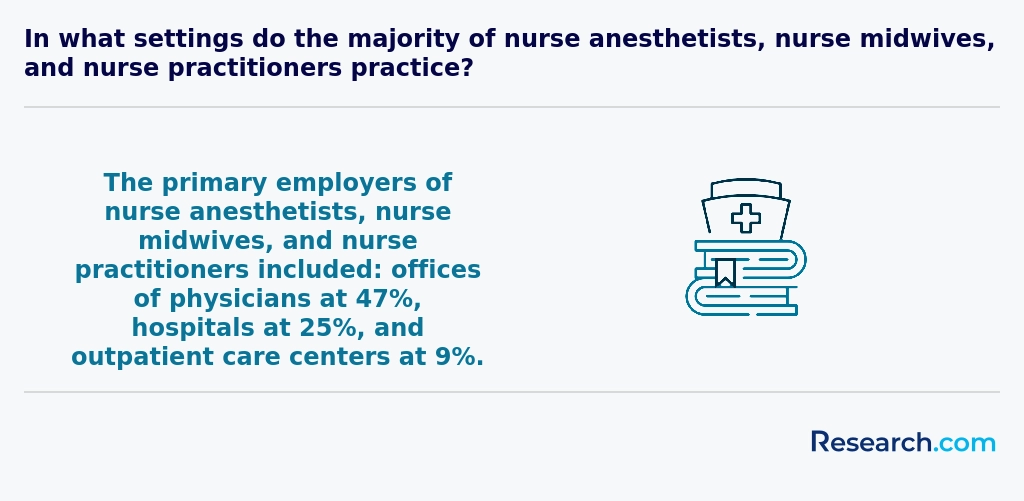
Beyond traditional nursing jobs with online degree Virginia, many graduates advance to specialized roles such as nurse practitioners or nurse anesthetists, particularly as Virginia's rural areas face healthcare shortages. Some capitalized on their education to work in nursing administration or health informatics, combining clinical expertise with leadership or technology skills, a choice that reflects evolving healthcare demands.
Others explore paths in public health or school nursing, roles that provide personal fulfillment through community impact. Online students in Virginia appreciate how programs integrate real-world scenarios, helping them envision themselves in these diverse roles. For those considering costs and career outcomes, comparing options through resources like the Affordable Online Bachelor's in Nursing Degree Programs Ranking in New York can provide valuable insight.
The job market for online nursing degrees in Virginia remains robust, supported by steady employment growth projected at around 10% through 2032. Graduates from online programs at popular schools such as Old Dominion University or George Mason University often share how their flexible schedules allowed them to balance work and study, quickly moving into job opportunities without relocating. This demand aligns with various healthcare settings including hospitals, outpatient clinics, and long-term care facilities, which consistently seek qualified Registered Nurses.
Virginia nursing career opportunities demonstrate attractive wages, with mean salaries around $74,000 annually and even higher pay in metropolitan areas like Richmond or Northern Virginia. Graduates report feeling encouraged by these prospects, especially those pursuing advanced roles such as Nurse Practitioners who can exceed $110,000 per year. Nonetheless, job seekers should weigh market competition and regional differences.
Many students find online programs a cost-effective path, as public institutions typically offer tuition under $10,000 for in-state learners. The combination of affordability and career potential is one reason why some turn to the top degree programs for older adults online, further broadening access to nursing amid this promising market.
2027 Most Affordable Online Nursing Degree Programs Ranking in Virginia
Investing in your education is a significant decision that can shape your future, and the Research.com team recognizes the importance of providing trustworthy guidance. To support prospective students in Virginia, we have carefully developed the "2027 Most Affordable Online Nursing Degree Programs Ranking in Virginia." Our dedication to quality, credibility, and accuracy is demonstrated through thorough research and careful analysis. We based this ranking on several reputable data sources to deliver an informed and reliable resource:
By consulting this ranking, readers will obtain valuable insights into affordable and high-quality online nursing degree programs in Virginia, empowering them to make well-informed educational choices. For a detailed explanation of our methodology, please visit our Research.com methodology page.




Frequently Asked Questions About nursing
Online nursing degree students in Virginia can maximize their learning by actively engaging with their coursework and clinical opportunities. Virginia offers over 60 nursing programs accredited by the Commission on Collegiate Nursing Education (CCNE), ensuring high-quality education standards. Students should take advantage of virtual simulations and local clinical placements to gain hands-on experience, which is essential for licensure requirements as regulated by the Virginia Board of Nursing.
Networking with faculty and peers through virtual study groups also enhances understanding and retention. Utilizing state resources, such as the Virginia Nurses Foundation, can provide mentorship and career guidance. According to the Virginia Employment Commission, registered nurses in the state grew by 10% from 2019 to 2023, underscoring strong job prospects for well-prepared graduates.
Emerging niches in nursing reflect the evolving healthcare demands across the United States, including Virginia. One fast-growing area is gerontological nursing, driven by Virginia's increasing senior population. The Virginia Employment Commission projects a 19% growth in jobs for registered nurses specializing in elder care by 2030. Another niche is telehealth nursing, which gained momentum during the COVID-19 pandemic and continues expanding with online health services becoming normalized.
Additionally, psychiatric-mental health nursing is emerging as a critical field due to rising awareness of mental health issues. Specialized nurse informatics roles are also increasing, as healthcare systems adopt advanced technologies. These niches provide promising career paths for online nursing students in Virginia.
After completing an online nursing degree in Virginia, preparing for the job market requires strategic planning. First, graduates should obtain a Virginia Nursing License by passing the National Council Licensure Examination (NCLEX-RN). This credential is essential for legal nursing practice in the state.
Networking plays a vital role, so joining organizations like the Virginia Nurses Association can connect new nurses with employers and mentors. According to the Virginia Employment Commission, registered nurses in Virginia can expect a 13% job growth rate from 2022 to 2032, reflecting strong demand.
Additionally, building clinical experience via externships or volunteer work enhances employability. Updating resumes and preparing for interviews with current job market trends is also important.
Employers in Virginia's healthcare sector prioritize several key skills when hiring nursing degree graduates. Clinical competence is essential; nurses must demonstrate strong patient care abilities and familiarity with electronic health records, as reported by the Virginia Nurses Association. Communication skills also rank highly since nurses need to effectively collaborate with patients, families, and medical teams.
Additionally, critical thinking and problem-solving capabilities are vital due to the fast-paced and complex nature of healthcare environments. According to the Virginia Board of Nursing, graduates with leadership qualities and adherence to ethical standards have an advantage. These skills align with both state licensure requirements and employer expectations in Virginia's diverse medical settings.
Finding nursing internships in Virginia involves proactive research and utilizing resources available through both educational institutions and healthcare facilities. Many online nursing programs in Virginia coordinate internships or clinical placements with local hospitals and clinics, ensuring students gain hands-on experience required for licensure.
The Virginia Nurses Association and the Virginia Department of Health often list internship opportunities or partnerships with medical centers across the state. Networking with faculty and career advisors at your online program can also connect you to clinical sites.
Since Virginia has over 120 hospitals, including large systems like Sentara Healthcare and Inova Health System, students can explore multiple internship options. The Virginia Board of Nursing requires clinical hours for practical experience, so confirming that internships meet these requirements is essential.
Obtaining an online nursing degree in Virginia can significantly enhance career mobility and advancement opportunities. The 2023 Virginia Employment Commission reports registered nurses (RNs) in the state earn a median annual wage of around $76,000, with advanced roles like nurse practitioners earning considerably more. Online programs accredited by agencies such as the Commission on Collegiate Nursing Education (CCNE) provide required education and clinical experiences recognized statewide.
Flexible online study allows working nurses to pursue bachelor's or master's degrees without pausing employment, facilitating promotions into leadership or specialized clinical positions. Additionally, Virginia supports license reciprocity, enabling nurses with online degrees recognized by the Virginia Board of Nursing to practice across state lines, expanding job prospects.
Expert sources, including the Virginia Nurses Association, highlight that higher credentials correlate strongly with increased pay and better job security within the state's growing healthcare market.
Studying for a nursing degree in Virginia provides students with the skills needed for interdisciplinary healthcare roles through integrated curricula emphasizing collaboration. Many online programs include courses on communication, leadership, and informatics that prepare nurses to work alongside physicians, social workers, and other health professionals. According to the Virginia Nurses Association, effective teamwork is essential for improving patient outcomes statewide.
Virginia's nursing programs often highlight case studies and simulations involving multiple disciplines. This practical approach develops critical thinking and adaptability, which are crucial in today's complex healthcare environments.
Additionally, the Virginia Board of Nursing supports education that meets national standards, ensuring graduates are prepared for diverse clinical settings.
When choosing between a thesis and a non-thesis nursing degree program in Virginia, consider your career goals and time commitment. Thesis programs emphasize research and prepare students for doctoral studies or academic roles. Non-thesis tracks focus on practical knowledge and typically require fewer credits, appealing to those aiming for clinical or administrative positions.
Online nursing programs in Virginia, such as those offered by the University of Virginia and Virginia Commonwealth University, provide both options. According to the Virginia Nurses Association, about 30% of advanced degree nurses pursue research-related roles, indicating a growing need for thesis-trained graduates.
Evaluate your interest in research versus direct practice and check program requirements carefully before enrolling.
Students based in Virginia looking to study nursing abroad face limited options through online degree programs directly affiliated with foreign institutions. Most U.S. nursing programs, including those in Virginia, emphasize regional accreditation and state board approval, which can create challenges for foreign online degrees to meet Virginia Board of Nursing requirements.
Virginia students may consider international exchange programs or study abroad opportunities offered through domestic universities with global partnerships. However, these are generally in-person experiences rather than fully online curricula. According to the Virginia Board of Nursing, all nurses must pass the NCLEX-RN exam regardless of where the education was completed.
It is important to verify transcript evaluations and accreditation status when considering foreign degrees to ensure eligibility for licensure in Virginia.
Part-time job opportunities in Virginia can effectively complement nursing degree education, offering practical experience and flexible schedules. Common roles include certified nursing assistant (CNA), medical scribe, and pharmacy technician. According to the Virginia Employment Commission, CNAs earn a median hourly wage of about $14.50, providing valuable patient care exposure aligned with nursing studies.
Medical scribes support healthcare providers by documenting patient information, enhancing students' understanding of medical terminology and charting. These positions often offer part-time hours suitable for busy students.
Working in pharmacies can help familiarize students with medication management, a critical nursing skill. Such practical jobs not only boost resumes but also improve clinical knowledge while maintaining study flexibility.
Online nursing students in Virginia have several networking opportunities despite the distance learning format. Many Virginia universities offering online nursing degrees provide virtual events, discussion boards, and group projects that encourage interaction among students and faculty. Professional organizations like the Virginia Nurses Association (VNA) also offer memberships, webinars, and local chapter meetings, which are valuable for building connections within the state's nursing community.
In addition, students can benefit from clinical placements arranged by their programs, often in Virginia healthcare facilities. This hands-on experience allows students to meet practicing nurses and healthcare leaders, expanding their professional network significantly. According to the Virginia Department of Health Professions, nearly 150,000 registered nurses work in the state, creating a broad base for networking.
Alumni networks provide valuable support for online nursing degree students in Virginia by fostering professional connections. According to the Virginia Nurses Association, these networks help graduates access job openings and mentorship opportunities in a competitive healthcare job market.
Such networks often organize local events and online forums, allowing students to connect with experienced nurses throughout Virginia. This interaction offers insights into regional healthcare trends and licensure requirements.
Additionally, alumni associations can assist with continuing education and certifications, crucial for Virginia nurses to maintain licensure under state regulations.
Overall, involvement in alumni networks enhances career development and integration into the Virginia nursing community.
Customizing an online nursing degree program in Virginia allows students to align their education with specific career goals. Many Virginia institutions offer elective courses or specialized tracks within nursing programs, such as pediatric, geriatric, or psychiatric nursing. Choosing these options helps students gain expertise in their desired field.
Additionally, some programs provide clinical placement flexibility, enabling students to complete hands-on training at healthcare facilities near their home. According to the Virginia Board of Nursing, this approach supports diverse career paths in hospital settings, community health, or long-term care.
Students may also select part-time schedules or accelerated courses to balance education with work commitments. These options facilitate timely degree completion without sacrificing professional growth.
Online nursing students in Virginia face several challenges unique to the region and profession. One major difficulty is securing clinical placements, as the state requires direct hands-on experience to meet Virginia Board of Nursing standards. With limited partnerships between online programs and local healthcare facilities, students may experience delays or travel burdens.
Time management is another common issue. Balancing work, family, and online coursework can be intense, especially given that Virginia has one of the fastest-growing nursing populations, increasing competition and urgency for timely program completion (Virginia Department of Health, 2023).
Additionally, internet connectivity and technological barriers remain concerns, particularly for students in rural parts of Virginia where broadband access may be inconsistent (Federal Communications Commission, 2022).
With an online nursing degree in Virginia, graduates can pursue several professional certifications to enhance their careers. One prominent option is the Registered Nurse (RN) licensure, which is required to practice nursing in the state and involves passing the NCLEX-RN exam.
Advanced certifications include the Certified Nurse Practitioner (CNP), which allows nurses to provide specialized care. Nurses may also seek certifications like Certified Nurse Midwife (CNM) or Certified Registered Nurse Anesthetist (CRNA) after gaining experience.
National certifying bodies such as the American Nurses Credentialing Center (ANCC) provide various specialty credentials recognized in Virginia's healthcare system.
When applying for an online nursing program in Virginia, a clear and focused application is essential. Start by thoroughly researching program requirements from accredited institutions recognized by the Virginia Board of Nursing. Highlight your academic achievements, nursing-related experience, and any certifications, such as CNA or LPN licenses.
Virginia reported over 300,000 registered nurses in 2023, making the field competitive. Demonstrating commitment through relevant volunteering or work experience strengthens your application. Craft a compelling personal statement that explains your motivation and career goals, emphasizing your dedication to nursing challenges in the state.
Strong letters of recommendation from healthcare professionals or educators in Virginia add valuable credibility. Finally, proofread all documents carefully to avoid errors and submit your application well before deadlines to improve your chances of admission.
Nursing is recognized worldwide as a vital and respected profession, offering numerous career opportunities. In the United States, including Virginia, the demand for qualified nurses is growing due to an aging population and expanding healthcare needs. According to the Virginia Department of Health Professions, registered nurses in Virginia are expected to see a 15% job growth by 2028.
Globally, nurses play a crucial role in disease prevention, patient care, and health education, contributing significantly to public health systems. Many U.S. nursing programs emphasize international standards and cultural competence, preparing graduates for diverse work environments.
Online nursing degrees in Virginia align with these trends, offering flexible education while maintaining rigorous accreditation standards that meet global benchmarks such as those set by the World Health Organization.
Students pursuing an online nursing degree in Virginia can gain practical experience through clinical placements arranged by their schools. Virginia requires all nursing programs to include hands-on clinical hours to meet state Board of Nursing standards. These clinicals often take place in local hospitals, community health centers, or nursing homes near the student's residence. According to the Virginia Board of Nursing, students need at least 500 clinical hours for licensure eligibility.
Many programs partner with healthcare facilities across Virginia to offer these opportunities, allowing online learners to complete supervised training in real-world settings. Additionally, simulation labs are increasingly used to supplement clinical practice, providing controlled environments to build skills safely.
Choosing the right concentration within an online nursing degree program in Virginia depends on your career goals and interests. Popular specialties include family nurse practitioner, psychiatric nursing, and nurse educator roles. According to the Virginia Board of Nursing, demand is rising for advanced practice nurses in primary care and mental health due to statewide shortages.
Research job outlooks and salary data from sources like the Bureau of Labor Statistics to understand which concentrations offer strong growth. Consider programs accredited by the Commission on Collegiate Nursing Education (CCNE) to ensure quality education recognized by Virginia employers.
Evaluate how each concentration fits your schedule and learning style, especially in online formats, and whether the program offers clinical placements within Virginia to meet licensure requirements.
- 2027 Most Affordable Online Nursing Degree Programs Ranking in North Carolina
- 2027 Most Affordable Online Nursing Degree Programs Ranking in Tennessee
- 2027 Most Affordable Online Nursing Degree Programs Ranking in Kentucky
- 2027 Most Affordable Online Nursing Degree Programs Ranking in Pennsylvania
- 2027 Most Affordable Online Nursing Degree Programs Ranking in South Carolina
- 2027 Most Affordable Online Nursing Degree Programs Ranking in Ohio
- 2027 Most Affordable Online Nursing Degree Programs Ranking in New Jersey
- 2027 Most Affordable Online Nursing Degree Programs Ranking in Georgia
- 2027 Most Affordable Online Nursing Degree Programs Ranking in Indiana
- 2027 Most Affordable Online Nursing Degree Programs Ranking in New York
See What Experts Have To Say About Studying Nursing
Read our interview with Nursing experts

Lisa Grubb
Nursing Expert
Assistant Professor
Johns Hopkins School of Nursing

- How to Set and Achieve Your Nursing Career Goals | HealthTrust https://engage.healthtrustjobs.com/how-to-set-achieve-nursing-career-goals
- Nursing Internships Abroad: An Introduction - RealStep https://www.real-step.com/en/articles/nursing-internships-abroad/
- Nurse Salary https://nursinglicensemap.com/resources/nurse-salary/
- How Do Nurses Navigate Career Advancement? | NursingEducation https://nursingeducation.org/insights/career-advancement/
- Virginia needs more nurses. Training them requires more than adding classroom seats https://www.vpm.org/news/2026-07-13/nurse-training-vdh-data-hawkins-odu-deguzman-inova-dreyfus-ecpi
- Can I Get a Nursing Degree Online? | University of Phoenix https://www.phoenix.edu/articles/nursing/can-i-get-a-nursing-degree-online.html
- How to Choose a Nursing Program | All Nursing Schools https://www.allnursingschools.com/how-to-get-into-nursing-school/choose-the-right-school/
- Exploring Diverse Nursing Career Horizons - N2S Healthcare Blog https://n2shealthcare.com/blog/exploring-diverse-nursing-career-horizons-n2s-healthcare-blog
- What Are the Best RN Certifications for Your Career? https://credenzahealth.com/career-advice/what-are-the-best-rn-certifications-for-your-career
- Best BSN Programs in Virginia in 2024 (Online & On-Campus) at RN to BSN Programs | Apply now! – Vaia – Talents https://talents.vaia.com/companies/rn-to-bsn-programs/best-bsn-programs-in-virginia-in-2024-online-on-campus-38035582/