
2027 Most Affordable Online Nursing Degree Programs Ranking in New Jersey

Co-Founder and Chief Data Scientist
If you're considering a nursing career in New Jersey, choosing the right online program can feel overwhelming. Our 2027 Most Affordable Online Nursing Degree Programs Ranking in New Jersey was thoughtfully created by Research.com's team of data scientists to help you find options that fit your budget and goals.
This article highlights affordable, reputable nursing degree programs so you can make a well-informed decision. Earning a nursing degree opens doors to meaningful work and personal growth, and we're here to support your journey every step of the way.
Key benefits of getting online nursing degree in New Jersey
- Graduates with a nursing degree in New Jersey can expect competitive salaries, with roles like Registered Nurse earning a mean annual wage of $94,480 and Operating Room Nurses making up to $128,490, offering strong financial stability.
- Career paths for nursing graduates in New Jersey are diverse, ranging from clinical nursing to public health and emergency room positions, allowing you to find a role that fits your passion and lifestyle.
- Online nursing degrees from New Jersey institutions provide flexible learning schedules and the ability to balance work and study, making it easier for busy students to advance their careers without disrupting their lives.
- 2027 Most Affordable Online Nursing Degree Programs Ranking in New Jersey
- What can I expect from online nursing degree in New Jersey?
- Where can I work with online nursing degree in New Jersey?
What can I expect from online nursing degree in New Jersey?
The average cost of an online nursing degree in New Jersey typically ranges from $15,000 to $40,000, depending on the institution and program length. Graduates from well-known schools like Rutgers or Stockton University often recall balancing coursework with their busy lives, finding value in programs that fit their schedules without sacrificing quality. Many share how the cost felt like an investment in flexible learning that prepared them for real-world nursing challenges.
Students find that tuition often covers both the online lectures and essential clinical placements arranged nearby, making the financial commitment more tangible as they gain hands-on experience. Some graduates mention financial aid and scholarships easing the burden, transforming a daunting price tag into a manageable stepping stone.
With nursing demand rising in New Jersey, many feel that the cost is outweighed by promising job prospects and a median salary hovering near $77,000. The journey through online nursing programs here often feels like unlocking new opportunities-protocols, patient care, and culturally competent lessons that bring theory straight into vibrant, local healthcare settings.
Where can I work with online nursing degree in New Jersey?
Graduates with an online nursing degree from well-known New Jersey schools like Rutgers University or Seton Hall University often find themselves stepping confidently into bustling hospital corridors or caring for patients in cozy home health settings. Imagine beginning your day at a place like Hackensack Meridian Health, collaborating with seasoned nurses and specialists in vibrant emergency rooms or pediatric units. Many grads share their excitement about joining these leading healthcare systems, where they experience hands-on learning while making a real difference.
Others discover rewarding careers in community health, working alongside public health departments to promote wellness and education across New Jersey neighborhoods. Some graduates with advanced degrees enjoy the thrill of autonomy, practicing as nurse practitioners or nurse anesthetists after meeting state certifications. Whether it's managing a long-term care facility or teaching future nurses at local universities, the options are diverse and inspiring-perfect for those eager to explore nursing's many paths in New Jersey's dynamic healthcare landscape.
Imagine starting your nursing journey with an online degree from a respected New Jersey school like Rutgers or Seton Hall and stepping into the workforce with a solid salary waiting for you. Graduates entering Registered Nurse roles in New Jersey can expect mean annual wages around $94,480, matching figures from the U.S. Bureau of Labor Statistics for various nursing positions such as Clinical Nurse Educator and Public Health Nurse. These salaries paint a promising picture for those ready to dive into healthcare.
Now picture advancing to an Operating Room Nurse position, where the mean annual wage climbs impressively to $128,490, a thrilling prospect shared by those who pursued further specialization. Nurses who graduated from New Jersey's online programs often highlight the rewarding mix of challenging work and financial stability, especially in metropolitan areas where wages can stretch higher.
This blend of solid salary data and flexible learning opens doors, making the leap into nursing not just a career choice, but an exciting exploration of growth and opportunity in New Jersey's vibrant healthcare landscape.
- Online nursing programs in New Jersey use a hybrid model, requiring clinical hours in person at approved healthcare facilities.
- Tuition for an online ADN ranges from $8,000 to $15,000, while BSN programs cost between $20,000 and $45,000 for in-state students.
- New Jersey employs over 120,000 registered nurses, with a projected job growth of about 8% through the next decade.
- Starting salaries for newly licensed RNs average around $70,000, with experienced nurses earning over $90,000 annually.
- Nurse practitioners and clinical nurse specialists can earn more than $110,000 per year.
Diving into an online nursing degree in New Jersey feels like embarking on a unique journey, where timelines stretch differently based on your starting point and ambitions. For example, graduates from Rutgers University's online BSN program share how a traditional four-year path unfolded with flexibility, allowing them to balance family and work without losing momentum in their studies.
Meanwhile, those with a prior non-nursing bachelor's degree at schools like Stockton University have experienced the thrill of accelerated BSN programs, finishing in as little as 12 to 18 months. This intense pace sparks excitement, transforming career changers into confident nurses faster than expected. For working RNs advancing through online RN to BSN tracks, such as those offered by William Paterson University, completion usually takes 1 to 2 years. They express gratitude for fitting courses around their shifts, making progress feel empowering rather than overwhelming.
Even pursuing an associate degree online, often completed within 2 to 3 years at colleges like Bergen Community College, offers a rewarding passage into nursing licensure-and ultimately a stepping stone to more advanced degrees. These varied paths demonstrate how New Jersey's nursing education adapts to your life, bringing aspirations within reach amidst the vibrant energy of your own adventure.
To find the most affordable online nursing schools in New Jersey, prospective students should research and compare the costs of different programs. One crucial step is to explore the cheapest nursing school in New Jersey, considering factors such as tuition, fees, and financial aid options. By evaluating these aspects, students can make informed decisions about their educational investments. Additionally, understanding the cost-effectiveness of online nursing programs can help students balance their academic and financial goals, ultimately leading to a successful and rewarding nursing career.
Choosing between an online or on-campus nursing degree in New Jersey feels like stepping into two exciting worlds. Online students at schools like Rutgers University embrace the freedom of logging in from home, balancing family life or jobs while accessing lectures anytime. They find adventure in organizing their day, yet still gear up for hands-on clinical hours at local hospitals, turning virtual learning into real-world skill-building.
On the flip side, those attending on-campus programs at institutions such as the College of New Jersey thrive on face-to-face energy. They enjoy lively discussions in campus labs and the camaraderie of study groups, fueling their motivation with direct faculty support and immediate feedback. The hustle of walking between classes and clinical sites offers a vibrant rhythm many love.
Whether online or traditional, New Jersey nursing students share pride in meeting identical Board of Nursing standards and feeling confident that their degree will open doors statewide. The personal journey just depends on how you prefer to explore your nursing adventure.
To practice as a Registered Nurse (RN) or Nurse Practitioner (NP) in New Jersey, graduates must complete an accredited program and secure licensure through the New Jersey Board of Nursing (BON). 1. Program Accreditation • Ensure your online nursing degree is accredited by the Accreditation Commission for Education in Nursing (ACEN) or the Commission on Collegiate Nursing Education (CCNE). Accreditation validates curriculum quality, eligibility for federal financial aid, and seamless NCLEX® registration. 2. Clinical Hour Requirements • New Jersey mandates a minimum of 600 supervised clinical hours. Even in an online program, you’ll arrange clinical placements at BON-approved healthcare facilities. Track and verify these hours as part of your graduation portfolio. 3. NCLEX-RN Examination • After graduation, register with Pearson VUE to sit for the NCLEX-RN exam. Passing this standardized test is the final academic step toward RN licensure. Schedule early to accommodate potential testing-site availability. 4. State Licensure Application • Submit your license application via the New Jersey e-Licensing system, including: – Official transcripts from your accredited online program – NCLEX Authorization to Test (ATT) letter – Background check and fingerprinting results – Application fee (currently $120) 5. Endorsement and Advanced Practice • RNs licensed in other states can apply for endorsement; verify your credentials with the NJ BON and complete any additional jurisprudence requirements. • Aspiring NPs must hold an MSN or DNP from a CCNE/ACEN-accredited program, complete advanced practice clinical hours (typically 500+), and pass a national NP certification exam. For those comparing pathways, explore low cost np programs online that meet New Jersey’s stipulations. 6. Continuing Education (CE) • To renew your RN license every two years, complete 30 contact hours of CE, including one hour in pain management and one hour in opioid prescribing practices. Advanced practice nurses must also engage in population-specific education. By verifying accreditation, fulfilling clinical requirements, and navigating the licensure process diligently, you’ll be prepared to deliver safe, effective care and advance your nursing career in New Jersey.
The average online nursing degree cost in New Jersey offers a fascinating blend of accessibility and quality that many students find encouraging. Public institutions like Rutgers or William Paterson University provide more affordable online nursing programs, with median in-state total tuition hovering around $37,972. For students exploring affordable online nursing programs NJ tuition fees at these schools often translate into manageable credit costs, making a BSN or ADN within reach even for those balancing work and family life.
Graduates from these programs often share how choosing online formats allowed them to tailor their study schedules around demanding jobs or caregiving responsibilities, blending ambition with flexibility. Meanwhile, private colleges in New Jersey, known for their enhanced support and innovative course delivery, charge higher tuition-sometimes exceeding $40,000-but many students find this investment worthwhile for the personalized attention and career services they receive.
Budgeting for an online nursing degree includes more than tuition. Technology fees, textbooks, and clinical placements add up, so planning ahead is key. For those curious about the most cost-effective route, researching local grant opportunities and scholarships can be a game changer, especially with organizations like the New Jersey Nurses Association prioritizing nursing students.
Students eager to see which options best fit their goals and budgets often start by checking out the cheapest nursing school in New Jersey, finding that with careful planning, a rewarding nursing career is within tangible reach.
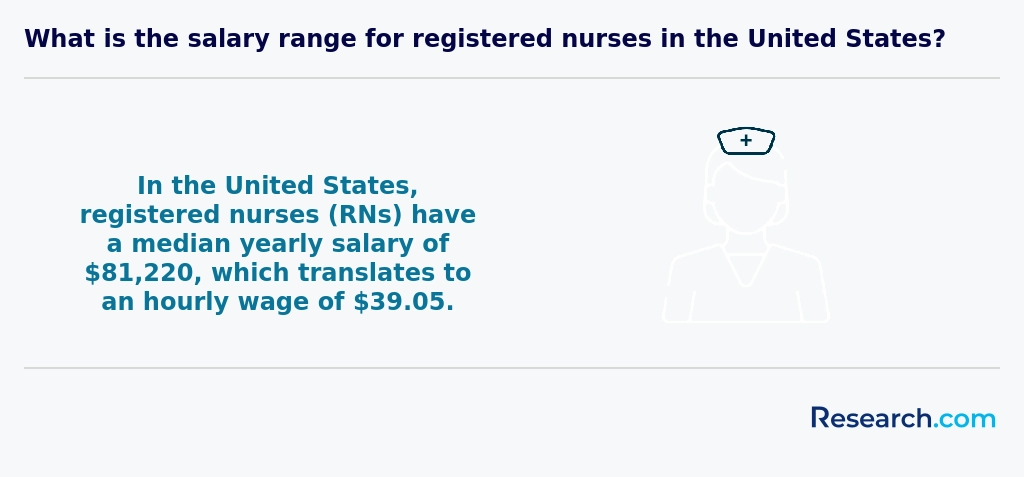
Accreditation by recognized agencies ensures that online nursing programs in New Jersey meet rigorous academic and clinical standards. Prospective students should verify that their institution holds accreditation from the Commission on Collegiate Nursing Education (CCNE) or the Accreditation Commission for Education in Nursing (ACEN). In addition, state approval by the New Jersey Board of Nursing is essential for eligibility to sit for the NCLEX-RN or advanced practice licensure exams. Meeting licensure requirements involves completing a board-approved curriculum, accumulating mandated clinical hours, and passing the NCLEX. Key factors include:
- Accredited Curriculum: Programs accredited by CCNE or ACEN qualify graduates for federal financial aid and transfer credits.
- Clinical Partnerships: Approved clinical affiliates provide supervised hands-on training in hospitals and community settings.
- NCLEX Pass Rates: High pass rates indicate program effectiveness and prepare graduates for licensure success. Many nurses begin with an accredited associate degree and then advance through bridge options; for example, exploring adn to msn np programs can streamline the pathway to advanced practice roles. By confirming both regional accreditation and state board approval, students safeguard their investment and position themselves for seamless entry into New Jersey’s dynamic healthcare workforce.
Exploring financial aid for online nursing degrees in New Jersey unlocks a treasure trove of support designed to ease the journey. Many graduates from well-known schools like Rutgers and Rutgers-Camden often find relief through federal aid programs, such as Pell Grants and Federal Direct Loans, which can slice thousands off tuition bills. Imagine receiving up to $7,000 a year without worrying about repayment-that's a game changer for busy students balancing work and study.
State-specific gems come from the New Jersey Higher Education Student Assistance Authority, with the Tuition Aid Grant brightening prospects for residents attending full-time programs. Graduates recall how this grant, sensitive to family income, turned dreams into plans by covering significant tuition chunks for online nursing programs.
Scholarships from local nursing associations add sparkle, often awarded to hard-working students showing strong academic promise. Picture celebrating a few thousand dollars arriving just when extra funds were needed. Plus, hospitals around New Jersey sometimes offer tuition reimbursement, rewarding graduates who commit to serving their communities-fueling both career and financial peace of mind.
When selecting an online nursing program in New Jersey, verifying accreditation is essential. The New Jersey Board of Nursing requires graduates to complete a program approved by the Commission on Collegiate Nursing Education (CCNE) or the Accreditation Commission for Education in Nursing (ACEN). Accredited programs ensure you meet the educational standards necessary for licensure and eligibility to sit for the NCLEX-RN exam. To apply for licensure, recent graduates must submit to the New Jersey Board of Nursing:
- Official transcripts from an accredited institution.
- A completed RN application form and fee.
- Authorization to Test (ATT) from Pearson VUE, issued upon board approval. Once you receive the ATT, schedule and pass the NCLEX-RN exam to become a licensed registered nurse in New Jersey. Most candidates receive results within six weeks and can begin practicing immediately upon licensure. Maintaining your license requires 30 contact hours of continuing education every two years, covering topics such as pharmacology updates, ethics, and patient safety. Many online programs integrate continuing education modules, allowing seamless CE tracking and renewal support. While focusing on New Jersey requirements, you may also find it helpful to explore cost comparisons in different regions. For example, our Low Cost Nursing Degree Programs Ranking in Birmingham, AL highlights affordability factors that can guide your budget planning, especially if you plan to relocate or compare tuition rates across state lines.
Many students share how meeting a minimum GPA, usually around 2.5 to 3.0, boosted their confidence to tackle challenges. And then there's the TEAS exam, a gatekeeper testing your skills in reading, math, science, and English-passing it feels like unlocking a new level.
For those juggling work or previous healthcare experience, being a Licensed Practical Nurse opens doors to accelerated BSN pathways, something valued by programs across New Jersey. Enrolling here isn't just about meeting requirements; it's about stepping into a vibrant community that rewards determination and passion.
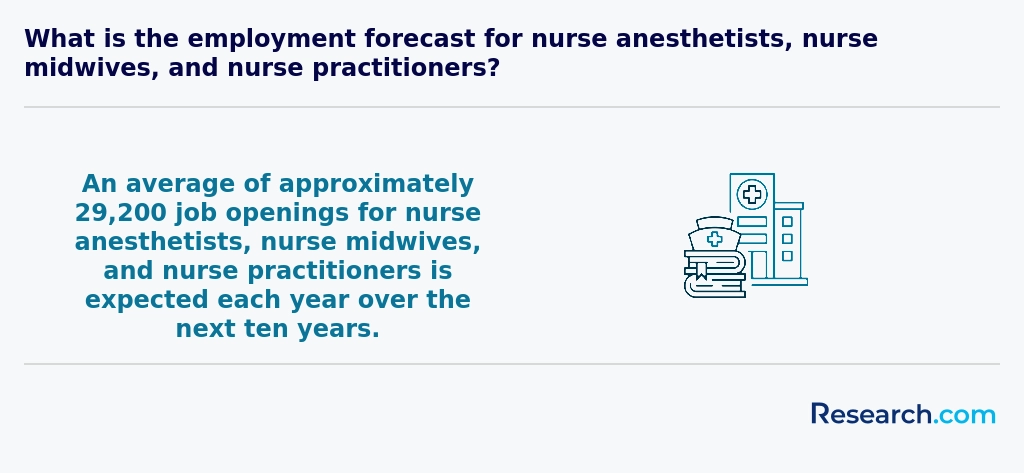
Graduates must meet New Jersey Board of Nursing standards to practice as RNs. Key steps include:
- Completing a nursing program accredited by CCNE or ACEN
- Applying for licensure via the NJ Board of Nursing and paying the required fees
- Passing the NCLEX-RN exam
- Submitting fingerprints and passing a criminal background check
- Maintaining licensure through renewal every two years with required continuing education
RNs looking to advance their education without extra clinical requirements can explore programs like rn to bsn without clinicals to boost credentials and career options.
Diving into an online nursing degree in New Jersey means immersing yourself in courses that blend science, care, and community spirit. Many graduates from well-known institutions across the state often recall the thrill of mastering anatomy and physiology, where understanding the human body felt like unlocking the secrets of a living puzzle.
The core classes you'll encounter-such as Health Assessment, Pharmacology, and Pathophysiology-prepare you to confidently assess patients, understand medications, and identify illness mechanisms. Imagine practicing nursing care focused on adults or the elderly, or exploring mental health nursing, all while balancing the flexibility of online learning.
Popular programs at New Jersey colleges also emphasize maternal and child health, as well as community nursing, offering opportunities to engage in impactful local clinical placements. Graduates cherish the leadership and ethics courses that shaped their ability to navigate real-world healthcare challenges. For many, these courses aren't just content-they're the foundation of a journey toward making a genuine difference in their communities.
Exploring online nursing specializations New Jersey offers reveals dynamic pathways that ignite passion and professional growth. Graduates from top schools like Rutgers and Seton Hall often recount how the Registered Nurse to Bachelor of Science in Nursing (RN to BSN) opened doors to leadership roles without pausing their careers. Others found the Registered Nurse to Master of Science in Nursing (RN to MSN) an adventurous leap toward becoming nurse practitioners, equipped for comprehensive family or pediatric care.
Imagine diving into a Family Nurse Practitioner (FNP) program that prepares you to impact communities statewide, a choice many New Jersey nurses cherish amid growing job demand. Those drawn to mental health gravitate toward Psychiatric-Mental Health Nursing, where they develop life-changing skills for supporting patients facing complex challenges.
Meanwhile, public health nursing offers a vibrant way to connect with New Jersey's diverse populations through community health projects. And for tech-savvy nurses, Health Informatics merges data mastery with healthcare innovation. Many students pursuing affordable nursing degree concentrations NJ find exciting versatility in these options, including the opportunity to explore adn to msn np programs that bridge career goals seamlessly.
Choosing the best online nursing degree in New Jersey often begins with accreditation. Graduates from Rutgers or Georgian Court University share how attending programs accredited by CCNE or ACEN gave them confidence knowing their education met rigorous standards, preparing them well for the NCLEX licensure. Imagine attending virtual lectures yet completing clinical hours close to home-many students appreciate how these schools arrange local practicum sites, blending convenience with hands-on experience.
Cost plays a big role too. Students balancing budgets praise public universities offering affordable online nursing degrees New Jersey residents can access without compromising quality. One graduate found that flexible scheduling and part-time options made juggling work and family possible while advancing their nursing career. For those eyeing advanced roles, exploring low cost np programs online can open new pathways without breaking the bank.
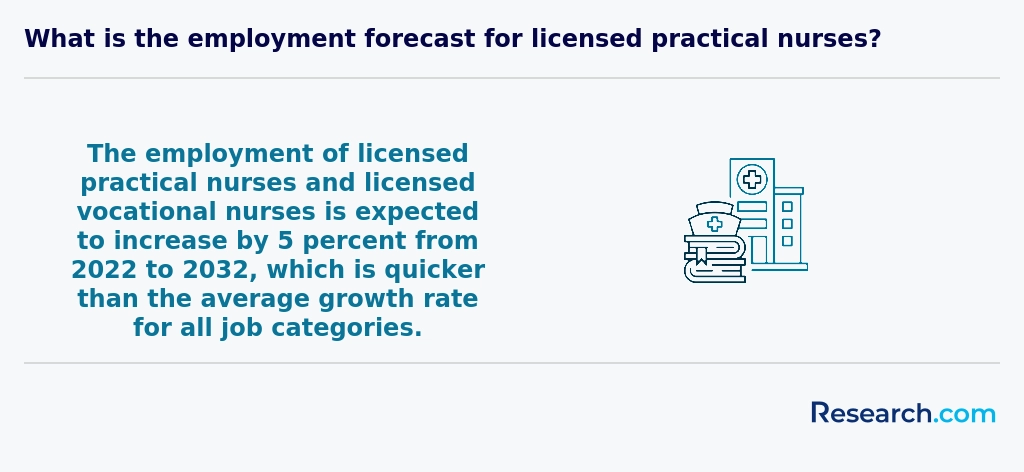
Graduates of online nursing degree programs in New Jersey often find themselves stepping into varied and exciting roles within healthcare. Many begin their journey as Registered Nurses (RNs), working in bustling hospitals or community clinics after passing the NCLEX-RN exam. Those who studied at popular institutions like Rutgers or Stockton University share how their BSN credentials opened doors to enriching experiences in outpatient care and long-term facilities.
Exploring online nursing career options New Jersey offers brings surprises-some alumni move into Licensed Practical Nurse (LPN) jobs or dive into public health nursing roles, promoting wellness in local communities. Others pursue paths as nurse educators, shaping the next generation of caregivers, or as case managers, navigating complex patient needs with compassion and precision.
Ambitious graduates often leverage online programs to climb further, stepping into advanced roles like Nurse Practitioners who enjoy rewarding salaries above $110,000. For any student concerned about costs, exploring Low Cost Nursing Degree Programs Ranking in Birmingham, AL can be a practical step to manage tuition and unlock these opportunities.
The job market for online nursing degrees in New Jersey is vibrant and expanding, fueled by an ongoing nursing shortage in many counties. Graduates from well-known institutions such as Rutgers University and the College of New Jersey often find themselves stepping into fulfilling roles at hospitals, outpatient centers, and public health organizations. Many share stories of how flexible online programs allowed them to balance work and study, leading to rewarding careers that directly impact their communities. This growth in healthcare demand, especially with telehealth services on the rise, opens unique remote nursing opportunities that graduates eagerly embrace.
Employment opportunities for nursing graduates New Jersey wide remain strong, with registered nurses earning a mean annual wage of about $82,000-comfortably above the national average. Advanced roles like Nurse Practitioners command even higher salaries. For students evaluating costs, online nursing programs blend quality education with affordability, often reducing extra expenses. Many aspiring nurses use resources tailored to four year degrees that pay well to guide their choices, discovering pathways to both financial success and meaningful work.
2027 Most Affordable Online Nursing Degree Programs Ranking in New Jersey
Investing in your education is a significant decision that can shape your future, and the Research.com team understands the importance of making informed choices. To assist prospective students in New Jersey, we have meticulously crafted the "2027 Most Affordable Online Nursing Degree Programs Ranking in New Jersey." Our commitment to quality, credibility, and accuracy is reflected in the extensive research and analysis conducted to compile this ranking.
We utilized the following reputable data sources to ensure a comprehensive evaluation of online nursing programs:
By exploring this ranking, readers will gain valuable insights into the most affordable nursing degree programs available online in New Jersey, helping them make informed and confident decisions about their education. For more details on how this ranking was created, please visit our Research.com methodology page.


Frequently Asked Questions About nursing
Online nursing degree students in New Jersey can maximize their learning experience by actively engaging with both virtual coursework and clinical practice opportunities. The New Jersey Board of Nursing mandates clinical hours, so students should seek local healthcare facilities for hands-on experience to supplement online studies. Utilizing state resources, such as the New Jersey Nursing Workforce Data Center, helps students understand regional healthcare needs and better prepare for the job market.
Effective time management and participation in online discussion forums enhance comprehension and peer networking. Accessing academic support services offered by accredited programs also improves outcomes. According to the National Council of State Boards of Nursing, students who combine theory with practical exposure show higher licensure exam pass rates in New Jersey.
The nursing field in New Jersey is rapidly evolving, with several emerging niches offering new career opportunities. One significant area is geriatric nursing, driven by the state's aging population. According to the New Jersey Department of Labor, by 2030, nearly 20% of residents will be age 65 or older, increasing demand for specialized elderly care.
Another growing niche is nurse informatics, blending healthcare and information technology to improve patient care. New Jersey hospitals increasingly adopt electronic health records, requiring nurses skilled in data management.
Additionally, telehealth nursing has expanded since the COVID-19 pandemic, allowing nurses to provide care remotely, which is especially beneficial in rural parts of the state.
These niches are shaping the future of nursing careers in New Jersey, reflecting broader national healthcare trends.
After completing an online nursing degree in New Jersey, preparing for the job market involves several key steps. First, obtaining licensure as a Registered Nurse (RN) is essential by passing the NCLEX-RN exam, which is required statewide. According to the New Jersey Board of Nursing, graduates must also complete a criminal background check. Networking with local healthcare providers and joining the New Jersey State Nurses Association can enhance job prospects. Additionally, gaining clinical experience through internships or part-time roles is valuable. Considering specialties in high demand, such as geriatric or psychiatric nursing, aligns with New Jersey's growing healthcare needs, improving employment opportunities.
Employers in New Jersey seeking nursing degree graduates prioritize a mix of technical and interpersonal skills. Critical thinking and clinical decision-making are essential, as nurses often make quick judgments impacting patient care. Effective communication is highly valued, enabling nurses to clearly coordinate with patients, families, and healthcare teams.
In addition, adaptability is key in New Jersey's diverse medical settings, from urban hospitals to community clinics. Knowledge of electronic health records (EHR) and proficiency in healthcare technology is increasingly important, reflecting statewide efforts to modernize healthcare.
According to the New Jersey State Nurses Association, strong ethical standards and cultural competence also rank among top skills employers expect for improving patient outcomes and satisfaction.
Finding nursing internships in New Jersey involves combining academic resources with local healthcare connections. Many accredited nursing programs require or strongly recommend internships to gain practical experience. Start by consulting your online nursing school's career services, which often provide lists of approved clinical sites in New Jersey.
Local hospitals, such as Hackensack Meridian Health and RWJBarnabas Health, frequently offer internship programs specifically for nursing students. These institutions are among the largest employers of nurses in New Jersey, making them key opportunities for clinical experience.
The New Jersey Board of Nursing oversees licensing and may offer guidance on approved clinical partnerships tailored to internships. According to the New Jersey Department of Labor, internship opportunities often increase in urban centers like Newark and Jersey City due to higher healthcare demand.
Networking through professional organizations, such as the New Jersey State Nurses Association, can also help identify internships suited to your nursing focus. Early application is important since these internships often have competitive placements.
An online nursing degree in New Jersey can significantly enhance career mobility and advancement opportunities. Graduates with Bachelor of Science in Nursing (BSN) or higher degrees often qualify for expanded roles, such as nurse practitioners or nurse managers. According to the New Jersey Board of Nursing, the state actively supports education pathways that prepare nurses for advanced certifications.
Online programs allow working nurses to continue earning while upgrading their credentials, which is crucial given New Jersey's growing healthcare demands. The U.S. Bureau of Labor Statistics projects a 12% employment growth for registered nurses in New Jersey through 2031, making advanced degrees especially valuable.
Additionally, employers increasingly prefer or require BSN-prepared nurses for leadership or specialized clinical roles, boosting earning potential and job security. This aligns with national trends advocating for higher education levels within nursing to improve patient outcomes and meet regulatory standards.
Studying for a nursing degree online in New Jersey prepares students for interdisciplinary roles by integrating coursework that emphasizes collaboration across healthcare fields. Programs often include training in communication, teamwork, and leadership to effectively work with physicians, social workers, and therapists. According to the New Jersey Board of Nursing, these skills are essential due to the state's diverse healthcare settings, from urban hospitals to community clinics. Many programs partner with local healthcare providers for clinical experiences, giving students practical exposure to interdisciplinary teams. This approach helps graduates adapt to complex patient needs while promoting holistic care delivery.
When choosing between a thesis and a non-thesis nursing degree program in New Jersey, consider your career goals and time commitment. Thesis programs require original research, appealing to those interested in academic or clinical research roles. Non-thesis options focus more on practical skills and may allow faster completion.
According to the New Jersey Board of Nursing, research skills can enhance job prospects in advanced practice and leadership positions. However, many employers in the state value clinical experience equally.
Cost and duration differ as well. Thesis programs often require more credits, leading to higher tuition and longer study time, while non-thesis programs are designed for professionals seeking quick advancement without research obligations.
Your decision should align with personal interests and the type of nursing career you aim to pursue.
Students based in New Jersey seeking to study nursing abroad have limited direct options due to licensure and accreditation differences. Many international nursing programs are not recognized by the New Jersey Board of Nursing, which requires graduates to meet U.S. standards to practice. However, New Jersey students can enroll in U.S.-based online nursing degree programs that offer international clinical experiences or partnerships with foreign universities.
According to the New Jersey Board of Nursing, licensure depends on graduating from a Commission on Collegiate Nursing Education (CCNE)-accredited program. Therefore, students must ensure their degree meets these criteria for eventual Nursing Licensure Examination (NCLEX) eligibility in New Jersey.
Some U.S. schools provide study-abroad options or clinical placements abroad within accredited online nursing programs, offering international exposure without risking licensure issues. This pathway remains the most practical for New Jersey residents interested in global nursing education.
Part-time job opportunities in New Jersey that complement nursing degree education often include roles such as certified nursing assistants (CNAs), medical scribes, and patient care technicians. These positions provide valuable clinical experience and help students develop practical skills relevant to their future nursing careers.
According to the New Jersey Department of Labor, CNAs earn a median wage of approximately $16 per hour, making it a viable option for students balancing work and studies. Medical scribes, increasingly in demand, offer exposure to medical documentation and healthcare workflows.
Additionally, some hospitals and clinics in New Jersey actively seek nursing students for part-time internships and externships, enhancing hands-on learning aligned with online coursework.
Online nursing students in New Jersey have several networking opportunities despite the virtual format. Many schools hosting online programs connect students through virtual events, discussion boards, and online study groups. These platforms facilitate peer interaction and professional relationship building crucial in nursing.
Additionally, local nursing organizations such as the New Jersey State Nurses Association (NJSNA) offer memberships and networking events, including conferences and webinars open to online students. Participation helps students meet practicing nurses and healthcare leaders in New Jersey.
Clinical placements and internships in New Jersey healthcare facilities further expand networking possibilities by providing hands-on experience and direct interaction with professionals.
Alumni networks provide valuable support to online nursing degree students in New Jersey by fostering professional connections within the state's healthcare community. According to the New Jersey Board of Nursing, these networks often help graduates find job opportunities in local hospitals and clinics, which is crucial given the state's competitive nursing job market.
Networking through alumni groups also offers mentorship opportunities, allowing new nurses to receive guidance from experienced professionals on licensing and career advancement. Many alumni networks host events and online forums that facilitate knowledge sharing and keep members informed about New Jersey's evolving healthcare regulations.
Overall, active alumni networks enhance career development and professional growth for nursing students statewide.
Customizing an online nursing degree program in New Jersey allows students to align their education with specific career goals. Many New Jersey institutions offer flexible curricula featuring electives and specialty tracks such as gerontology, pediatrics, or nursing administration. Selecting clinical placement sites within New Jersey's diverse healthcare systems also helps tailor practical experience.
According to the New Jersey Board of Nursing, students can pursue options like RN-to-BSN or MSN with specialties that suit their interests. Some programs integrate leadership or informatics courses, meeting the growing demand for skilled nurses in these areas.
Choosing accredited schools ensures credits transfer easily and meets licensing requirements.
Online nursing students in New Jersey face several challenges that can impact their educational progress. One key issue is balancing clinical requirements with remote coursework. While theoretical classes are online, nursing programs still mandate hands-on clinical hours, which students must arrange locally. This can be difficult due to limited clinical sites and competition for placements, especially in urban areas like Newark or Jersey City.
Another challenge is the technical skills needed for online learning platforms. Some students struggle with navigating virtual classrooms or accessing resources, which can hinder study efficiency. According to the New Jersey Board of Nursing, 30% of learners report difficulties adapting to remote education technologies.
Time management is also a critical hurdle. Many nursing students in New Jersey juggle jobs and family responsibilities along with demanding coursework, making consistent study time scarce. These factors combine to create a complex landscape for online nursing education in the state.
With an online nursing degree in New Jersey, graduates can pursue several professional certifications to advance their careers. Common options include becoming a Registered Nurse (RN) by passing the NCLEX-RN exam, which is required to practice nursing in the state. Many nurses further specialize by earning certifications like Certified Nurse Practitioner (CNP), Certified Clinical Nurse Specialist (CNS), or Certified Nurse Midwife (CNM).
These certifications often require additional clinical experience and passing national exams recognized by organizations such as the American Nurses Credentialing Center (ANCC). According to the New Jersey Board of Nursing, obtaining relevant certification can significantly increase job opportunities and earning potential within the state's healthcare sector.
Writing a successful application for an online nursing program in New Jersey requires careful preparation and attention to detail. Start by submitting all required documents, including official transcripts and proof of prerequisite coursework. Many New Jersey nursing programs require a minimum GPA of 3.0, so highlight academic achievements clearly.
Strong letters of recommendation from healthcare professionals or previous instructors can boost your application. Additionally, craft a compelling personal statement that explains your motivation and commitment to nursing, referencing New Jersey's growing demand for nurses, projected to increase by 15% through 2030 according to the New Jersey Department of Labor.
Finally, ensure your resume lists relevant experience, certifications, and volunteer work related to healthcare.
The nursing profession is recognized globally as an essential and respected career in healthcare. In the United States, including New Jersey, nurses are integral to patient care and public health, with job growth projected at 6% from 2021 to 2031 according to the U.S. Bureau of Labor Statistics. Globally, nursing shortages have highlighted the need for well-trained professionals, increasing demand for qualified individuals.
New Jersey offers online nursing degrees that align with U.S. standards, ensuring graduates meet rigorous licensing requirements. These programs often incorporate global health perspectives to prepare nurses for diverse environments.
The World Health Organization emphasizes nursing's role in achieving universal health coverage, a goal influencing education standards worldwide. Thus, pursuing nursing in New Jersey positions students within an internationally relevant profession.
Students pursuing an online nursing degree in New Jersey must complete practical clinical hours, which are essential for licensure. To fulfill this requirement, many programs partner with local hospitals, healthcare centers, and long-term care facilities throughout New Jersey, enabling students to gain supervised hands-on experience. According to the New Jersey Board of Nursing, students typically need to complete at least 500-700 clinical hours depending on their program level.
Online nursing students should coordinate with their schools to secure clinical placements near their residence to comply with state regulations. Additionally, some programs may offer simulation labs or virtual clinical experiences to supplement in-person training. Seeking early placement is advisable as spots may be limited due to high demand.
Choosing the right concentration within an online nursing degree program in New Jersey requires careful consideration of your career goals and the state's healthcare needs. Popular concentrations include family nurse practitioner, psychiatric mental health, and nurse education. According to the New Jersey Department of Labor, demand is high for nurse practitioners and mental health nurses due to shortages in primary care and behavioral health.
Evaluate how each specialization aligns with your interests and strengths. Research program accreditation and clinical placement opportunities in New Jersey. Also, consider licensure requirements, as some concentrations require additional certification in the state before practice.
- 2027 Most Affordable Online Nursing Degree Programs Ranking in Pennsylvania
- 2027 Most Affordable Online Nursing Degree Programs Ranking in New York
- 2027 Most Affordable Online Nursing Degree Programs Ranking in Connecticut
- 2027 Most Affordable Online Nursing Degree Programs Ranking in Virginia
- 2027 Most Affordable Online Nursing Degree Programs Ranking in Massachusetts
- 2027 Most Affordable Online Nursing Degree Programs Ranking in Ohio
- 2027 Most Affordable Online Nursing Degree Programs Ranking in Kentucky
- 2027 Most Affordable Online Nursing Degree Programs Ranking in North Carolina
- 2027 Most Affordable Online Nursing Degree Programs Ranking in South Carolina
- 2027 Most Affordable Online Nursing Degree Programs Ranking in Tennessee
See What Experts Have To Say About Studying Nursing
Read our interview with Nursing experts


- Nursing, AAS - Eastern International College https://eicollege.edu/academics/associates/nursing/
- | NRR | Dove Medical Press https://www.dovepress.com/internship-challenges-encountered-by-nursing-students-a-qualitative-st-peer-reviewed-fulltext-article-NRR
- How to Choose a Nursing Program: A Comprehensive Guide - Madonna ABSN https://absn.madonna.edu/blog/how-to-choose-a-nursing-program/
- The Nurses' Alumni Association https://giving.mainlinehealth.org/get-involved/auxiliaries-and-womens-boards/lankenau-medical-center-womens-board/the-nurses-alumni-association
- Generic RN Track | RWJBarnabas Health School of Nursing https://www.rwjbh.org/rwjbarnabas-health-school-of-nursing/admission-registration/prospective-students/generic-rn-track/
- Exploring Diverse Nursing Career Horizons - N2S Healthcare Blog https://n2shealthcare.com/blog/exploring-diverse-nursing-career-horizons-n2s-healthcare-blog
- How Do Nurses Prepare to Work in a Multidisciplinary Team? | NursingEducation https://nursingeducation.org/insights/multidisciplinary-team/
- Scholarships & Financial Aid https://www.aacnnursing.org/students/scholarships-financial-aid
- Accelerated Bachelor of Science in Nursing (BSN) https://www.tesu.edu/degrees-programs/bachelors/accelerated-bsn/index.php
- Know more about thesis vs non- thesis: what is the difference? https://studyfans.com/en/blogs/816


