2027 Most Affordable Nursing Degree Programs Ranking in Minneapolis

Co-Founder and Chief Data Scientist
Choosing the right nursing degree program in Minneapolis can feel overwhelming, but it's an exciting step toward a rewarding career. This article introduces the 2027 Most Affordable Nursing Degree Programs Ranking in Minneapolis, carefully developed by the Research.com team of data scientists to guide you through your options.
By exploring this ranking, you'll discover programs that balance cost with quality, helping you make a confident and informed decision. Pursuing a nursing degree opens doors to meaningful work and personal growth, making your future brighter and more promising.
Key benefits of getting nursing degree in Minneapolis
- Graduates with a nursing degree in Minneapolis can expect strong salaries, such as $94,480 annually for Registered Nurses and up to $128,490 for Operating Room Nurses, ensuring financial stability and rewarding careers.
- Nursing degree holders from local schools have diverse career paths, including roles like Clinical Nurse Educator or Public Health Nurse, offering meaningful work in many healthcare settings.
- Getting a nursing degree online from Minneapolis universities offers flexible learning schedules and the chance to balance work and study, making it easier to advance your career without disrupting your life.
- 2027 Most Affordable Nursing Degree Programs Ranking in Minneapolis
- What can I expect from nursing degree in Minneapolis?
- Where can I work with nursing degree in Minneapolis?
What can I expect from nursing degree in Minneapolis?
The cost of pursuing a nursing degree in Minneapolis offers a hopeful balance between quality education and affordability. Many students find community colleges like Hennepin Technical College provide associate degree programs at a manageable price, making the dream of becoming a registered nurse accessible without overwhelming financial stress. Graduates of these programs often share how starting here allowed them to focus on learning and clinical experience rather than worrying about excessive tuition fees.
At the same time, universities such as the University of Minnesota offer bachelor's and advanced nursing degrees that involve a higher investment but open doors to leadership roles and greater earnings potential. Graduates from these programs recall how the strong clinical partnerships and rigorous coursework justified the cost, giving them confidence and skills for a fulfilling nursing career.
Ultimately, Minneapolis nursing students benefit from diverse educational pathways tailored to different budgets, with many reporting both financial feasibility and high satisfaction from their training experiences.
Where can I work with nursing degree in Minneapolis?
With a nursing degree from a respected Minneapolis institution like the University of Minnesota School of Nursing, graduates step into a vibrant healthcare community filled with rewarding opportunities. Many find themselves thriving in major hospitals such as the Mayo Clinic or Hennepin Healthcare, where their skills directly impact lives in emergency rooms, surgical units, and intensive care settings. Here, teamwork and patient-centered care create an inspiring environment that energizes new nurses every day.
Others discover fulfilling careers in long-term care and rehabilitation centers, meeting the needs of Minnesota's growing senior population. Graduates often share how working in these settings offers deep personal satisfaction through meaningful connections with patients and families. Community clinics and public health organizations also beckon those passionate about prevention and education, expanding nursing roles beyond traditional hospitals.
Minneapolis also opens doors to specialty clinics, school nursing, and corporate occupational health roles, demonstrating the flexibility of a nursing career. For graduates drawn to academia and research, faculty positions at local universities provide a chance to shape the future of nursing while engaging in cutting-edge study. The city's broad possibilities make every graduate's journey uniquely exciting and full of promise.
Graduates with nursing degrees from Minneapolis-based institutions often find themselves stepping into rewarding careers with strong earning potential. Registered nurses in this region can expect a mean annual wage of about $94,480, reflecting the robust healthcare market supported by top facilities like the University of Minnesota Medical Center. This figure is encouraging for those completing programs at local colleges, showcasing a pathway to financial stability early in their careers.
Specialized roles offer even greater opportunities. For example, operating room nurses command notably higher salaries, with mean annual wages reaching $128,490. This highlights how advanced skills learned through dedicated training in Minneapolis nursing programs can translate into impressive compensation. Many graduates share stories of rapidly progressing into these specialized positions, fueled by quality education and hands-on experience.
Other nursing careers such as clinical nurse educators, public health nurses, and emergency room nurses also enjoy consistent earnings around $94,480 annually. These roles illustrate the diverse options open to nursing graduates, allowing them to find fulfilling work that aligns with their passions while maintaining a strong income in a supportive community setting.
- Nursing degrees in Minneapolis include options from LPN certificates to BSN and advanced degrees.
- Tuition for BSN programs at public universities ranges from $10,000 to $20,000 per year for in-state students, while private schools may charge over $30,000 annually.
- Associate degrees in nursing (ADN) at community colleges cost between $5,000 and $10,000 per year.
- Registered nurse employment in the Minneapolis-St. Paul area is growing faster than the national average due to higher healthcare demands.
- Starting salaries for new nurses range from $60,000 to $70,000 annually, with experienced RNs earning median salaries near $80,000 to $90,000 per year.
- Clinical training through partnerships with local hospitals is required for licensure, including passing the NCLEX-RN exam.
Completing a nursing degree in Minneapolis is a rewarding journey that typically spans from 2 to 4 years, depending on the path you choose. Many local students find that pursuing an Associate Degree in Nursing (ADN) through community colleges offers a swift and focused route, usually taking about 2 to 3 years. Graduates often share how this hands-on experience quickly prepared them to join the workforce and start making a difference in patient care.
Others aiming for a broader scope of knowledge and opportunities pursue a Bachelor of Science in Nursing (BSN) at institutions like the University of Minnesota-Twin Cities. This 4-year program is praised for blending rigorous academics with flexible scheduling, allowing students to balance their studies with life's demands. Many speak enthusiastically about the deep connections they build with faculty and peers, fueling their passion for leadership and research within nursing.
For working nurses, the RN-to-BSN bridge program is a popular choice, taking just 1 to 2 years and offering a convenient way to advance credentials. Students often express pride in achieving this milestone without stepping away from their careers. Whether starting fresh or building on previous experience, nursing students in Minneapolis are energized by the community's support and the clear path toward a fulfilling healthcare career.
Choosing between online and on-campus nursing degrees in Minneapolis comes down to how you envision your learning journey. Online programs offer unmatched flexibility, letting you balance family, work, or other commitments while advancing your nursing career from anywhere. Many Minneapolis graduates highlight the freedom to set their own pace and the convenience of studying from home, knowing that clinical placements in local hospitals and clinics still provide crucial hands-on experience.
On the other hand, attending a school like the University of Minnesota or Augsburg University brings the vibrant energy of campus life-immediate feedback from passionate instructors, collaborative study sessions with peers, and access to advanced simulation labs that bring nursing skills to life. Graduates recall how this immersive environment boosted their confidence and prepared them for real-world scenarios.
Both paths lead to the same goal: a fulfilling nursing career. Whether you thrive in an interactive classroom or a flexible digital setting, Minneapolis offers programs designed to nurture your potential and inspire your future.
Advanced practice nursing is the next step for registered nurses who want greater clinical responsibility, specialized patient care roles, and expanded career options. Advanced Practice Registered Nurse (APRN) pathways include Nurse Practitioner (NP), Clinical Nurse Specialist (CNS), Certified Registered Nurse Anesthetist (CRNA), and Certified Nurse Midwife (CNM). These roles typically require a Master of Science in Nursing (MSN) or Doctor of Nursing Practice (DNP), followed by national certification in the chosen specialty.
Choosing an APRN track should be based on the patients you want to serve, the level of autonomy you want, and the settings where you hope to work. Family nurse practitioner and pediatric NP tracks are common options, while oncology, psychiatric-mental health, acute care, and geriatric care appeal to nurses who want a more focused scope.
| APRN path | Best fit for nurses interested in | Key decision factor |
| Nurse Practitioner | Primary, family, pediatric, geriatric, acute, or psychiatric-mental health care | Population focus and state scope-of-practice rules |
| Clinical Nurse Specialist | Improving care quality, specialty practice, and clinical systems | Specialty area and leadership preparation |
| Certified Registered Nurse Anesthetist | Anesthesia care and high-acuity clinical practice | Intensive clinical requirements and advanced science coursework |
| Certified Nurse Midwife | Pregnancy, childbirth, reproductive health, and family-centered care | Clinical placements and certification eligibility |
Geriatric care is especially relevant as the population ages and more patients require support for chronic illness, mobility limitations, medication management, and complex care coordination. Nurses considering this route can review the geriatric nurse practitioner track for guidance on programs that combine focused admissions pathways with clinical training.
Certification is not a formality. It confirms readiness to practice in a specialty area and is often required for employment and licensure. Organizations such as the American Nurses Credentialing Center (ANCC) and the American Association of Nurse Practitioners (AANP) administer certification exams. APRNs should also plan for continuing education, renewal requirements, and any Minnesota-specific rules that affect prescribing, supervision, or scope of practice.
In Minneapolis, aspiring nurses often find the average cost of a nursing degree to be around $31,482, reflecting a balance between quality education and investment in their future. For those living in-state, the total tuition and fees for nursing degrees Minneapolis typically hover near $14,400, making it a more affordable option in trusted institutions like the University of Minnesota. Graduates from these programs often share how their education, combined with engaging clinical experiences, has prepared them thoroughly for a rewarding career, filling them with pride and confidence.
Community colleges and universities in Minneapolis offer various pathways, so students can choose what fits their goals and budgets. Many students pursuing an Associate Degree in Nursing appreciate the more accessible costs, while others aiming for a Bachelor of Science in Nursing experience the full vibrancy of Minneapolis campuses. These programs inspire dedication and a genuine connection to the local community, motivating students to push forward despite financial concerns.
Choosing the right program is essential, and many prospective nurses find support through scholarships and financial aid. Exploring options like the most affordable nursing schools in minnesota helps them identify schools where the cost aligns with their dreams. This approach turns every dollar spent into a meaningful step toward becoming a trusted healthcare professional devoted to making a difference every day.
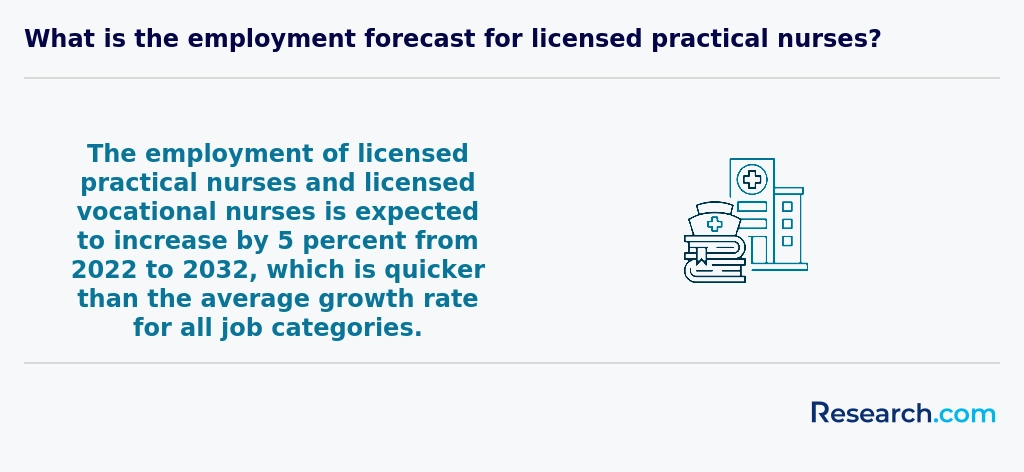
Affordable nursing education in Minneapolis starts with understanding the difference between the lowest sticker price and the best overall value. A less expensive program can be a strong choice if it is accredited, approved for Minnesota licensure, offers supervised clinical experience, and prepares students for the NCLEX-RN. A program with slightly higher tuition may still be worth considering if it provides stronger clinical partnerships, better advising, flexible scheduling, or a smoother path from ADN to BSN or graduate study.
Students comparing Minneapolis options should also look statewide because nearby public colleges, community colleges, and online or hybrid programs may reduce total cost. Research.com's guide to the most affordable nursing schools in minnesota can help applicants compare budget-friendly programs beyond the city while keeping licensure goals and clinical requirements in view.
When evaluating affordability, consider the full cost of attendance rather than tuition alone. Nursing students often need to budget for lab fees, uniforms, background checks, immunizations, transportation to clinical sites, textbooks, testing fees, and NCLEX preparation. A realistic comparison should include both direct expenses and the time required to complete the degree.
Students pursuing nursing degrees in Minneapolis often find valuable financial aid opportunities that ease their journey. Graduates from institutions like the University of Minnesota and Metropolitan State University frequently share how FAFSA opened doors to federal grants, including the Pell Grant, making tuition more manageable without adding stress. This federal support creates a strong foundation for students balancing studies and work.
The Minnesota Office of Higher Education shines by offering the Nursing Loan Forgiveness Program, which many Minneapolis nursing students have tapped into. By committing to care in underserved areas, they not only build rewarding careers but also reduce debt significantly, turning challenges into triumphs.
Local scholarships from organizations such as the Minnesota Nurses Foundation have empowered students to focus on their passions rather than finances. Meanwhile, employers across Minneapolis healthcare facilities often provide tuition reimbursement, helping those already working as nurses to advance their education and feel supported every step of the way.
Accreditation and NCLEX outcomes are two of the most important quality checks for any nursing program. A program may be affordable, but it should still meet the education standards required for licensure and safe clinical practice.
Before applying, confirm that the program is:
- Accredited by ACEN or CCNE to meet national nursing education standards.
- Approved by the Minnesota Board of Nursing for state licensure eligibility.
- Reporting consistent NCLEX-RN pass rates at or above the national average, typically 85%+.
- Publishing job placement rates within six months of graduation.
These checks apply to both campus-based and affordable online nursing programs. For online or hybrid options, also confirm how labs, simulations, and clinical placements are completed, because licensure preparation still requires hands-on patient-care training.
Enrolling in a nursing degree in Minneapolis opens the door to a rewarding career, and meeting the prerequisites is the first exciting step. Most programs, including those at popular local colleges, ask for a high school diploma or GED paired with strong coursework in biology, chemistry, math, and English. Graduates often reflect on how these science classes sparked their passion and sharpened their critical thinking, preparing them for the challenges ahead.
A vital part of the journey is excelling on entrance exams like the TEAS, which tests your skills in reading, math, science, and English. Many Minneapolis nursing students recall the pride and confidence they gained upon achieving a competitive TEAS score, a milestone that strengthened their applications.
Hands-on healthcare experience, such as volunteering or working as a CNA, also plays a key role. This real-world exposure, valued by nursing programs in Minneapolis, brings daily patient interactions to life and fuels a deeper sense of commitment. Preparing for background checks and health screenings ensures you're ready to embrace clinical opportunities safely and responsibly.
Bridge programs help working nurses move from one credential level to the next without starting over. In Minneapolis, these pathways can be especially useful for ADN-prepared registered nurses who want a BSN, MSN, NP preparation, leadership roles, or a stronger foundation for graduate study.
Common bridge options include ADN-to-MSN pathways, RN-to-BSN programs, and RN-to-BSN-to-NP routes. Some programs combine online coursework with required in-person clinical rotations, which can make them more manageable for nurses working shifts. Students comparing options such as rn bsn to np pathways should verify whether the program accepts their prior credits, how clinical placements are arranged, and whether the timeline is realistic alongside employment.
- Integrated curriculum: Strong bridge programs sequence BSN and MSN coursework to reduce repeated content and make the path more efficient.
- Clinical placement support: Programs with established relationships in Minneapolis healthcare settings can reduce the burden of finding approved sites.
- Leadership and evidence-based practice training: Coursework in policy, informatics, research, and care improvement prepares nurses for more than bedside practice.
- Financial planning: Tuition discounts, scholarships, employer reimbursement, and part-time enrollment can reduce out-of-pocket cost.
Bridge programs are not automatically easier than traditional routes. Many are accelerated and require strong time management. Before enrolling, ask about weekly workload, clinical hour expectations, graduation rates, certification eligibility, and whether the program is accredited and accepted for Minnesota licensure or advanced practice requirements.
Nursing degree programs in Minneapolis offer a vibrant mix of courses designed to build confident, compassionate healthcare professionals. Students at well-known Minneapolis colleges dive deeply into Human Anatomy and Physiology, truly understanding how the body works-knowledge that one graduate described as "the foundation for every patient interaction." Courses like Microbiology and Pharmacology equip learners to handle infections and medications with skill and care, preparing them for real clinical settings.
Core classes such as Nursing Fundamentals and Health Assessment bring coursework to life by teaching hands-on care and sharp diagnostic skills. Graduates often recall their joy in mastering these critical abilities during clinical rotations at Minneapolis hospitals, where classroom theory met real patient stories. Specialized courses including Mental Health Nursing and Community Health empower students to support diverse populations, reflecting the city's rich cultural fabric.
Leadership and Emergency Nursing classes also inspire confidence, helping students envision themselves thriving in challenging healthcare roles. This course blend in Minneapolis nursing programs ensures graduates step into their careers ready to make a powerful difference with both heart and expertise.
Minneapolis nursing programs with specialization options offer inspiring pathways to tailor your nursing degree to your passions and career goals. Graduates often share how choosing specializations like Adult-Gerontology Acute Care empowered them to provide expert care for the region's growing elderly population, reflecting Minnesota's unique healthcare needs. Others found deep fulfillment in Pediatric Nursing, working alongside world-class children's hospitals that make Minneapolis a vibrant hub for pediatric care.
Opportunities also abound in Family Nurse Practitioner roles, allowing nurses to serve diverse communities with compassionate, comprehensive care. Many nursing students appreciate programs that include Psychiatric-Mental Health Nursing, a field growing in importance as mental health awareness expands statewide. Students at prominent nursing schools in Minneapolis often speak enthusiastically about the hands-on experience they gain in Critical Care Nursing, preparing them for fast-paced hospital environments.
Those seeking to extend their expertise might explore options such as the geriatric nurse practitioner track. Nursing degree specializations in Minneapolis create a strong foundation that fuels confidence, clinical skill, and rewarding careers dedicated to making a real difference.
Choosing the best nursing degree in Minneapolis means focusing on what fits your goals and lifestyle while embracing the vibrant community around you. Many graduates from local colleges share how starting with an affordable nursing degree programs Minneapolis allowed them to gain hands-on experience quickly and confidently. Whether you're pursuing an ADN or aiming for a Bachelor of Science in Nursing through larger universities, such as those in the Twin Cities, you benefit from rich clinical partnerships with area hospitals that truly prepare you for real-world challenges.
Graduates often praise the quality and accessibility of programs accredited by top nursing organizations, which guarantee you'll receive education that meets high standards and helps you pass licensure exams. If you're ready to advance your career, explore bridge pathways like the rn bsn to np route that many local students have found rewarding. Trust the process and choose a program where you see yourself thriving and making a meaningful difference.

Nursing graduates in Minneapolis enjoy a vibrant range of career paths fueled by the city's strong healthcare network and educational institutions. Whether trained at a leading university or a community college, graduates often find rewarding positions in hospital nursing, providing critical care in bustling emergency rooms or specialized units. Many also embrace community health nursing, delivering essential services to diverse local neighborhoods, while others choose home health nursing, supporting Minnesota's aging population with compassionate in-home care. These roles embody the spirit of service and connection that nursing students in Minneapolis deeply value.
With nursing career opportunities in Minneapolis expanding, graduates are inspired by stories of peers advancing into specialized fields like pediatric or oncology nursing. Some pursue advanced practice roles, including nurse practitioners or clinical nurse specialists, enjoying both professional growth and increased earning potential. Students often praise the affordability and quality of programs here, highlighting how choices like those found in the Cheapest Nursing Degree Programs Ranking in Virginia help reduce financial barriers and allow them to focus on their passions.
The nursing job opportunities in Minneapolis are vibrant and growing, fueled by the city's diverse healthcare landscape and expanding population. Graduates from popular institutions like the University of Minnesota's School of Nursing often share stories of landing rewarding positions in esteemed local hospitals such as Hennepin Healthcare or Abbott Northwestern Hospital. These experiences highlight the accessibility of meaningful work where new nurses can immediately contribute to patient care and community health.
Minneapolis nursing degree employment outlook is bright, with projected growth surpassing national averages. Many graduates find themselves thriving in specialty care centers or home health agencies, where their skills are in high demand. The competitive median salary of around $78,000 encourages continued professional growth, and those advancing to Nurse Practitioner roles enjoy even greater financial rewards. Cost-conscious students may explore options like the top online associate degree in 6 months as a stepping stone to their careers, balancing affordability with strong outcomes.
2027 Most Affordable Nursing Degree Programs Ranking in Minneapolis
Investing in your education is a significant decision that can shape your future, and the Research.com team understands the importance of making informed choices. To assist prospective students in Minneapolis, we have meticulously developed the "2027 Most Affordable Nursing Degree Programs Ranking in Minneapolis." Our dedication to quality, credibility, and accuracy is demonstrated by the thorough analysis and careful research performed to create this ranking.
We utilized the following reputable data sources to ensure a comprehensive evaluation of nursing programs:
By exploring this ranking, readers will gain valuable insights into the most affordable and credible nursing degree programs available in Minneapolis, enabling them to make well-informed educational decisions. For more information about how this ranking was created, please visit our Research.com methodology page.
# 1 position
Capella University
Doctor of Nursing Practice

# 2 position
Capella University
Master of Science in Nursing
# 3 position
Capella University
Bachelor of Science in Nursing
# 4 position
Walden University
PhD in Nursing


# 6 position
Walden University
Master of Science in Nursing
# 8 position
Walden University
Bachelor of Science in Nursing

Frequently Asked Questions About nursing
Students pursuing nursing degrees in Minneapolis can enhance their learning by engaging actively in clinical practice opportunities offered by local hospitals and healthcare centers. Facilities such as Hennepin Healthcare and Abbott Northwestern provide essential real-world experience, which is crucial for skill development.
Utilizing resources at Minneapolis Community and Technical College and the University of Minnesota, including tutoring and simulation labs, can improve understanding of complex subjects. According to the Minnesota Board of Nursing, hands-on experience combined with strong theoretical knowledge leads to higher pass rates on the NCLEX exam.
Joining student nursing organizations and networking with professionals helps gain insight into healthcare trends and job prospects. Additionally, maintaining consistent communication with academic advisors ensures effective course planning aligned with career goals.
Emerging niches within the nursing field offer exciting opportunities for students pursuing degrees in Minneapolis. One rapidly growing area is geriatrics, driven by Minnesota's aging population. The Minnesota Board of Nursing reports a demand surge for nurses specializing in elder care and chronic disease management. Another niche is telehealth nursing, which expanded significantly during the COVID-19 pandemic and continues to evolve as technology integrates into healthcare systems.
Additionally, psychiatric and mental health nursing gains importance due to rising awareness of mental wellness. Public health nursing also remains essential, focusing on community health initiatives and preventive care. These specialties offer meaningful careers aligned with local healthcare needs.
After completing a nursing degree in Minneapolis, preparing for the job market involves several key steps. First, obtaining licensure through the National Council Licensure Examination (NCLEX-RN) is mandatory to practice as a registered nurse in Minnesota. According to the Minnesota Board of Nursing, passing rates for local graduates consistently exceed 85%, indicating solid program preparation.
Networking is also crucial. Minneapolis hosts many healthcare facilities, including the Mayo Clinic and Hennepin Healthcare, which frequently offer internships and entry-level opportunities. Joining professional groups like the Minnesota Nurses Association can help with job leads and mentorship.
Finally, upgrading skills through certifications in specialties such as critical care or pediatrics can improve employment prospects in this competitive market.
Employers in Minneapolis seek nursing degree graduates with strong clinical skills, effective communication, and critical thinking abilities. In a 2023 Minneapolis Health Workforce Report, 85% of healthcare providers emphasized clinical competence as the top priority. This includes proficiency in patient assessment, medication administration, and electronic health records.
Communication skills are also vital, as nurses must collaborate with diverse medical teams and interact compassionately with patients from various backgrounds. According to the Minnesota Board of Nursing, employers favor graduates who demonstrate adaptability and problem-solving in high-pressure environments.
Technical literacy, especially familiarity with telehealth platforms, is increasingly important amid ongoing healthcare digitization.
Finding internships in Minneapolis related to a nursing degree involves exploring partnerships between local healthcare facilities and educational institutions. Many nursing programs in Minneapolis collaborate with hospitals such as Hennepin Healthcare and Children's Minnesota, which offer clinical rotations and internship opportunities to students.
The Minnesota Board of Nursing supports experiential learning, emphasizing that hands-on clinical experience is essential for licensure. Nursing students should contact their school's career services or clinical placement office early to access available internship listings.
Additionally, websites like the Minnesota Department of Employment and Economic Development provide resources for healthcare internships and job openings. Networking through nursing associations in Minneapolis, such as the Minnesota Nurses Association, can also help identify internship opportunities specific to the region.
Obtaining a nursing degree in Minneapolis significantly enhances career mobility and advancement opportunities within the region's healthcare sector. According to the Minnesota Department of Employment and Economic Development, registered nurses in the Minneapolis-Saint Paul metro area earned a median wage well above the national average, reflecting strong local demand.
Advanced degrees, such as a Bachelor of Science in Nursing (BSN), are often required for leadership roles and specialized nursing positions. Employers in Minneapolis increasingly favor candidates with a BSN or higher, which can lead to roles in management, education, and clinical specialties.
The nursing shortage in Minnesota further boosts opportunities for graduates, offering a competitive advantage when seeking employment or promotion in hospitals, clinics, and community health centers.
Studying for a nursing degree in Minneapolis equips students with skills essential for interdisciplinary healthcare roles. Local nursing programs emphasize collaboration with professionals in medicine, social work, and allied health fields, reflecting real-world clinical settings. For example, the University of Minnesota's School of Nursing integrates simulation labs where nursing students work alongside peers from other disciplines to enhance teamwork and communication.
Minneapolis healthcare facilities, like Hennepin Healthcare, frequently employ nurses trained in cooperative decision-making to improve patient outcomes. According to the Minnesota Board of Nursing, graduates are well-prepared for roles requiring interaction across various healthcare domains, contributing to holistic patient care.
When choosing between a thesis and a non-thesis nursing degree program in Minneapolis, consider your career goals and learning style. Thesis programs require original research, which suits students aiming for advanced clinical roles or doctoral studies. Non-thesis options focus on coursework and practical training, ideal for those seeking direct patient care or administrative positions.
In Minneapolis, many nursing schools, including the University of Minnesota, offer both paths. According to recent data from the Minnesota Board of Nursing, employment for advanced practice nurses grew by 15% over five years, emphasizing the value of research skills in competitive fields.
Review program requirements, faculty expertise, and available resources when deciding.
Students based in Minneapolis looking to study nursing abroad have several pathways. Many nursing programs in the U.S. encourage study abroad experiences through partnerships with international universities, particularly for clinical internships and cultural exchange. While Minneapolis itself does not directly offer nursing degrees abroad, institutions like the University of Minnesota support students pursuing global experiences. According to the American Association of Colleges of Nursing, approximately 40% of nursing programs nationwide include study abroad options or global health components.
Students interested in licensure abroad must consider specific country requirements, as nursing credentials and clinical hours often vary internationally. Many opt for semester-long programs in countries with established nursing systems to enhance their skills and cultural competence.
Minneapolis offers various part-time job opportunities that complement nursing degree education by providing practical experience and flexible schedules. Positions such as patient care assistant or medical scribe in local hospitals like Abbott Northwestern or Hennepin Healthcare allow students to apply clinical knowledge while gaining hands-on skills.
Pharmacies and outpatient clinics also employ part-time pharmacy technicians or medical receptionists, which help students understand medication management and administrative processes. According to the Minnesota Department of Employment and Economic Development, healthcare support roles in Minneapolis are projected to grow by 14% through 2030, reflecting strong job availability.
Volunteer work in community health programs offers additional valuable exposure to public health nursing practices.
Nursing students in Minneapolis benefit from numerous networking opportunities across academic and professional settings. Local universities, including the University of Minnesota School of Nursing, host events such as career fairs, workshops, and guest lectures, connecting students with healthcare employers. Additionally, the Minnesota Nurses Association offers student memberships, providing access to conferences, mentorship programs, and regional meetings.
Minneapolis is home to major medical centers like Hennepin Healthcare and Abbott Northwestern Hospital, which often collaborate with schools to offer clinical placements and networking events. These connections help students gain practical experience and establish professional relationships early in their careers.
According to the Minnesota Department of Employment and Economic Development, nursing remains a high-demand field in the region, encouraging active engagement within the local healthcare community.
Alumni networks provide significant benefits for nursing degree students in Minneapolis by offering strong professional connections. These networks help students access local job opportunities, as many healthcare employers prefer candidates recommended through trusted alumni. According to the Minnesota Nurses Association, over 70% of nursing graduates find employment within six months, often aided by alumni referrals.
In addition, alumni groups organize mentorship programs that guide current students through clinical experiences and licensure preparation, enhancing their readiness for the Minnesota Nursing License Exam. Networking events in Minneapolis also foster collaboration and knowledge sharing, linking students with experienced nurses in major local hospitals like Abbott Northwestern and Fairview.
Customizing a nursing degree program in Minneapolis often begins with choosing the right degree level, such as an Associate Degree in Nursing (ADN), Bachelor of Science in Nursing (BSN), or an advanced degree. Many local institutions offer flexible options including part-time, online, and hybrid formats to accommodate working professionals.
Students can tailor their studies by selecting electives aligned with specialties like pediatrics, gerontology, or community health. Minneapolis has a growing healthcare sector focused on elder care and public health, influencing available specialization tracks. Clinical placements also provide opportunities to gain experience in diverse settings, helping build a career-specific portfolio.
Advising services at Minneapolis nursing schools support personalized educational pathways, ensuring course selections meet individual career goals and state licensure requirements. According to the Minnesota Board of Nursing, graduates with specialized training tend to see improved employment outcomes locally.
Nursing students in Minneapolis face several challenges typical of rigorous healthcare programs. One key difficulty is managing demanding clinical rotations alongside coursework. According to the Minnesota Nurses Association, students often report stress balancing hands-on experience with theoretical studies. Financial pressure is also significant. Tuition and living costs in the Twin Cities area can exceed $15,000 annually, making it tough for many to afford education without debt.
Additionally, the competitive admission process limits access to local nursing programs, which can discourage prospective students. Time management and coping with high-stakes exams also remain widespread concerns among nursing candidates in Minneapolis.
With a nursing degree in Minneapolis, graduates can pursue various professional certifications to enhance their careers. Common certifications include the Certified Nurse Assistant (CNA), Licensed Practical Nurse (LPN), and Registered Nurse (RN) licenses. For advanced practice, options such as Certified Nurse Practitioner (CNP) or Clinical Nurse Specialist (CNS) are available.
The Minnesota Board of Nursing governs licensing, ensuring standards meet regional healthcare demands. According to the Minnesota Department of Employment and Economic Development, the demand for specialized nurses is expected to grow by 12% through 2030.
Other recognized certifications include Certified Nurse Midwife (CNM), Certified Registered Nurse Anesthetist (CRNA), and Certified Pediatric Nurse (CPN). Pursuing these certifications often requires additional coursework and clinical experience beyond a basic nursing degree.
Writing a winning application for a nursing program in Minneapolis requires clear organization and attention to key details. Start by thoroughly researching each program's prerequisites, as Minneapolis schools often require specific coursework like anatomy and physiology. Include official transcripts showing strong academic performance, especially in science classes. Highlight any healthcare experience, such as volunteering or CNA certification, which strengthens your candidacy.
Minneapolis nursing programs typically value a well-crafted personal statement. Use this to explain your motivation for nursing and commitment to community health, a priority in Minnesota's healthcare system according to the Minnesota Department of Health. Finally, request strong recommendation letters from instructors or employers familiar with your abilities. Meeting all deadlines and carefully reviewing your application ensures your submission stands out.
Nursing is recognized globally as a vital and respected profession, with a growing demand across many countries. In the United States, and specifically Minneapolis, the nursing workforce continues to expand due to an aging population and increased healthcare needs.
Globally, there is a significant focus on cultural competence and the ability to work in diverse healthcare settings. Nurses trained in the U.S. often have opportunities to collaborate internationally or provide care in underserved regions.
According to the Minnesota Department of Employment and Economic Development, registered nursing jobs in Minneapolis are projected to grow by 12% from 2020 to 2030, faster than average for all occupations. This reflects a broader global trend of increasing demand for qualified nursing professionals.
Education standards vary worldwide, but U.S. nursing degrees are highly respected, creating opportunities for work both domestically and abroad.
Gaining practical experience while studying for a nursing degree in Minneapolis is essential for building clinical skills and employability. Most nursing programs require students to complete clinical rotations in local hospitals, clinics, or community health centers. Institutions like the University of Minnesota and Augsburg University partner with healthcare facilities including Hennepin Healthcare and Fairview Health Services, offering hands-on training opportunities.
Additionally, students can pursue internships and volunteer roles in Minneapolis-area medical centers. According to the Minnesota Board of Nursing, clinical hours vary but often range between 500 and 900 hours before graduation, depending on the degree level.
This real-world exposure helps students apply theory to practice, improving patient care skills in diverse healthcare settings.
Choosing the right concentration within a nursing degree program in Minneapolis involves considering your career goals and the local healthcare demand. Popular options include family nurse practitioner, psychiatric nursing, and pediatric nursing, reflecting the needs of Minnesota's diverse population.
Research from the Minnesota Department of Health highlights a growing demand for advanced practice nurses in community and rural settings. You should also evaluate available clinical placements and faculty expertise at Minneapolis institutions.
Cost and program length vary, so reviewing specifics from schools like the University of Minnesota can help match your needs. Accreditation by bodies such as the CCNE ensures quality education.
- 2027 Most Affordable Nursing Degree Programs Ranking in Saint Paul
- 2027 Most Affordable Nursing Degree Programs Ranking in Sioux City
- 2027 Most Affordable Nursing Degree Programs Ranking in Madison
- 2027 Most Affordable Nursing Degree Programs Ranking in Omaha
- 2027 Most Affordable Nursing Degree Programs Ranking in Milwaukee
- 2027 Most Affordable Nursing Degree Programs Ranking in Lincoln
- 2027 Most Affordable Nursing Degree Programs Ranking in Peoria
- 2027 Most Affordable Nursing Degree Programs Ranking in Chicago
- 2027 Most Affordable Nursing Degree Programs Ranking in Kansas City
- 2027 Most Affordable Nursing Degree Programs Ranking in Saint Louis
See What Experts Have To Say About Studying Nursing
Read our interview with Nursing experts

Lisa Grubb
Nursing Expert
Assistant Professor
Johns Hopkins School of Nursing

- How to Choose the Right Nursing Program for Your Career Goals - Maria College https://mariacollege.edu/blog/how-to-choose-the-right-nursing-program-for-your-career-goals
- Types of Nursing Degrees-Which One Is Yours? https://www.allnursingschools.com/how-to-get-into-nursing-school/degree-options/
- Interdisciplinary Education and Practice https://www.aacnnursing.org/news-data/position-statements-white-papers/interdisciplinary-education-and-practice
- From our readers…Strengthening nursing networks https://www.myamericannurse.com/from-our-readersstrengthening-nursing-networks/
- How to Choose the Right Nursing School for Your Career Goals | Archer Review https://www.archerreview.com/blog/how-to-choose-the-right-nursing-school-for-your-career-goals
- Nursing https://www.century.edu/programs/nursing/
- Do I Have to Write a Thesis to Complete a Master’s Degree in Nursing? https://www.bestmasterofscienceinnursing.com/faq/write-thesis-complete-masters-degree-nursing/
- Nursing Internships Abroad: An Introduction - RealStep https://www.real-step.com/en/articles/nursing-internships-abroad/
- Study Nursing Abroad | Boomerang International Educational Services https://boomerangedu.com/study-nursing-abroad/
- Nursing career paths and outlooks - Children's Minnesota https://www.childrensmn.org/blog/nursing-career-paths-2/