2027 Most Affordable Online Nursing Degree Programs Ranking in Ohio

Co-Founder and Chief Data Scientist
Choosing the right nursing degree program can feel overwhelming, especially when balancing quality and affordability. This article presents the 2027 Most Affordable Online Nursing Degree Programs Ranking in Ohio, carefully developed by the Research.com team of data scientists.
Designed to help Ohio students make informed decisions, this ranking highlights nursing programs that offer excellent value without sacrificing educational standards. Pursuing a nursing degree opens the door to a rewarding and stable career in healthcare.
Explore these options with confidence and take a meaningful step toward your future.
Key benefits of getting online nursing degree in Ohio
- Nursing graduates in Ohio can expect solid salaries, with Registered Nurses earning an average of $94,480 annually and Operating Room Nurses reaching about $128,490 per year.
- Career paths from Ohio nursing programs are diverse, including roles like Clinical Nurse Educator and Emergency Room Nurse, offering rewarding opportunities in various healthcare settings.
- Online nursing degrees provide flexibility and convenience, allowing students to balance work and life while gaining respected qualifications from institutions like Ohio State University.
- 2027 Most Affordable Online Nursing Degree Programs Ranking in Ohio
- What can I expect from online nursing degree in Ohio?
- Where can I work with online nursing degree in Ohio?
What can I expect from online nursing degree in Ohio?
The average cost of an online nursing degree in Ohio can feel pretty manageable, especially compared to on-campus options. For example, many students who enroll at public universities like Ohio State or Wright State find that in-state tuition rates help keep expenses down. Graduates often share how they appreciated being able to pursue their degrees without breaking the bank, balancing their budgets while working part-time or full-time jobs.
Tuition varies depending on the program level-practical nursing certificates tend to be more affordable, while Bachelor's and Master's degrees can cost a bit more. But overall, students often mention enjoying the flexibility of spreading out payments or using financial aid. It's not uncommon to hear about classmates juggling family responsibilities alongside interactive online classes, all while saving money compared to traditional routes.
Plus, since clinical practice happens locally at approved healthcare sites, students don't have to worry about extra travel costs or relocating, making the whole process more convenient and wallet-friendly.
Where can I work with online nursing degree in Ohio?
If you earn an online nursing degree in Ohio, you've got a bunch of solid options waiting for you. Many grads from schools like Ohio State University and Kent State jump right into hospitals like Cleveland Clinic or OhioHealth, where they get to work in fast-paced areas like emergency rooms or critical care. It's pretty exciting to think about helping people in those crucial moments.
Others find themselves in outpatient centers or long-term care facilities, especially as Ohio's aging population means there's a growing need for nurses who specialize in elder care. A lot of graduates also love working in home health care, visiting patients directly and getting to build close, personal connections.
Plus, if you're into community work, public health departments offer chances to educate folks and promote wellness across neighborhoods. Knowing Ohio's nursing licensure rules makes stepping into these roles way smoother, and the demand for nurses keeps rising. Many Ohio nursing grads share how rewarding it feels to make a real difference wherever they choose to work.
If you're thinking about an online nursing degree in Ohio, you'll be happy to know you can make some solid money after graduation. Most grads from well-known schools like Ohio State or University of Cincinnati find themselves earning around $94,480 per year working as registered nurses, clinical nurse educators, or public health nurses. That's pretty competitive and lines up well with those who've been in the field a while.
Then, if you're aiming higher and want to specialize, say as an operating room nurse, Ohioans with the right training can expect even better pay-around $128,490 a year. That's a boost that really rewards going the extra mile with your education.
Graduates often talk about landing hospital roles in places like Cleveland or Columbus, where demand is strong and the pay reflects it. With nursing programs that focus on hands-on skills even in online formats, you're set up well to step into these jobs that balance rewarding work with great salaries.
- Tuition for online nursing degrees in Ohio ranges from $10,000 to $20,000 for an ADN and $30,000 to $50,000 for a BSN program.
- Starting salaries for new nursing graduates in Ohio average between $55,000 and $60,000 annually.
- Experienced registered nurses in Ohio earn median salaries of about $75,000 per year, with advanced roles paying higher.
- The job market for nurses in Ohio is projected to grow by 9% through 2030, exceeding the national average.
- Ohio requires passing the NCLEX-RN exam for licensure, and online programs include local clinical experiences to fulfill this requirement.
If you're looking to finish an online nursing degree in Ohio, how long it takes really depends on the program and your background. For instance, if you're starting fresh, an Associate Degree in Nursing (ADN) usually takes about two years. But keep in mind, even if classes are online, you'll need to complete in-person clinicals at local hospitals or clinics.
For those aiming for a Bachelor of Science in Nursing (BSN), think around four years if you're studying full-time. Lots of students at schools like Ohio State University or University of Cincinnati speed things up by transferring credits or taking classes year-round. Part-timers might stretch it to three or six years, and that's totally fine for juggling work or family.
Registered nurses who already have an associate degree love the RN-to-BSN option, which can take just 12 to 24 months online. Graduates often share how local clinical placements fit smoothly into their schedules, making the whole experience feel manageable and rewarding.
Many say the flexibility in Ohio's programs makes finishing your degree less stressful and more doable-even if life gets busy!
Passing the NCLEX-RN is the final step to becoming a practicing nurse in Ohio. After graduation, you’ll apply for licensure through the Ohio Board of Nursing, submit required transcripts, and schedule your exam. Many online programs in Ohio integrate exam-focused review and practice questions into their curricula, leading to pass rates that often exceed the state average.
To maximize your success:
- Familiarize yourself with the NCLEX test plan and question formats using official NCSBN resources
- Participate in school-provided review workshops or virtual tutoring sessions
- Complete timed practice exams to build confidence under real-test conditions
- Join online study groups and use flashcards to reinforce critical nursing concepts
For licensed RNs seeking a streamlined route to a BSN, consider rn to bsn online programs without clinicals.
If you're thinking about nursing degrees in Ohio, the biggest difference between online and on-campus programs really comes down to how you experience learning. For example, students attending Ohio State or University of Cincinnati in person love the buzz of campus life-being able to pop into the library, join study groups, or chat face-to-face with professors. It feels super motivating and makes building friendships easier.
On the flip side, online nursing students enjoy the freedom of accessing lectures anytime, which is great for those juggling jobs or family. One graduate mentioned how taking coursework from home let them fit studying around a busy schedule without worrying about commuting through downtown traffic.
Either way, Ohio nursing programs require the same clinical hours, so online students still get hands-on experience at local hospitals. You won't miss out on the practical stuff, just the traditional classroom vibe.
So, if you thrive on social interaction, on-campus might feel more natural. But if you want flexibility and control over your pace, online could be the perfect fit for you here in Ohio.
Completing an accredited online nursing program is only the first step toward practicing in Ohio; graduates must also navigate the state’s licensure and certification requirements. First, applicants should verify that their institution is approved by the Ohio Board of Nursing, which ensures eligibility to sit for the NCLEX-RN exam-the pivotal assessment for Registered Nurse licensure. Once the program’s completion is verified, graduates submit an application through Ohio’s eLicense system, undergo a criminal background check, and schedule their NCLEX-RN at a Pearson VUE testing center. After passing the NCLEX-RN, new licensees receive their Ohio RN license valid for two years. To maintain and renew this license, nurses must complete 24 contact hours of continuing education in topics such as patient safety, evidence-based practice, and Ohio-specific prescribing rules. Many online programs integrate these requirements into elective modules, and those interested in advanced practice roles often explore specialized adn to np online programs that combine MSN coursework with clinical residencies. For nurses pursuing advanced practice, Ohio requires national certification through recognized bodies-such as the American Nurses Credentialing Center-followed by an application for an APRN certificate. Requirements include a graduate degree in a specialized role (e.g., Family Nurse Practitioner), proof of 500 clinical hours, and compliance with Ohio’s collaborative practice statutes. Understanding each step-from initial RN licensure to advanced certification-ensures a smooth transition into practice and helps safeguard patient care standards across Ohio’s diverse healthcare settings.
If you're thinking about an online nursing degree in Ohio, the average cost usually hovers around $29,000 total, which is pretty reasonable compared to other states. In-state students at popular schools like Ohio State University or Kent State often find that their out-of-pocket tuition lands near this figure, especially for BSN programs. Many graduates from these programs share how affordable the online option made it easier for them to juggle work and school without breaking the bank.
Of course, costs can vary depending on whether you're in-state or out-of-state-out-of-state tuition can push the total closer to about $33,484. But there are lots of schools in Ohio that offer residency discounts or reciprocal agreements with neighboring states, making nursing degrees more accessible. When looking for affordable nursing degree programs Ohio 2027 options, it's smart to consider community colleges offering online ADN programs, which typically cost less and still provide excellent training.
One thing to keep in mind is that tuition isn't the only expense; books, clinical supplies, and tech fees can add up. Thankfully, many Ohio nursing students find a good mix of financial aid and scholarships that ease these extra costs. If you want to check out the cheapest nursing schools in ohio, there are great options that balance quality and cost, making Ohio a standout choice for those seeking an affordable online nursing degree.
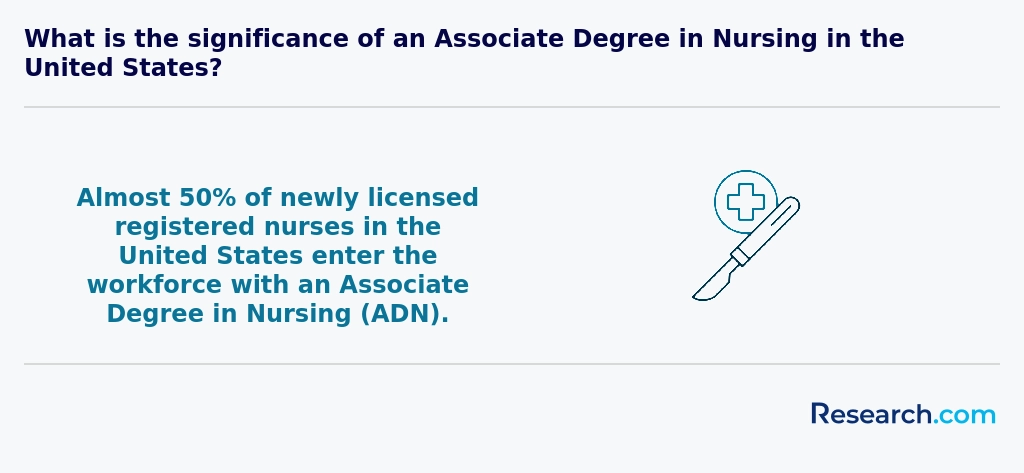
Accreditation is a critical factor when selecting an online nursing degree in Ohio, as it ensures that programs meet rigorous academic and clinical standards set by recognized bodies such as the Commission on Collegiate Nursing Education (CCNE) or the Accreditation Commission for Education in Nursing (ACEN). Prospective students should verify that their chosen institution holds regional accreditation and specific nursing program accreditation, which not only validates the quality of education but is also required for eligibility to sit for the NCLEX-RN licensure exam. State authorization by the Ohio Board of Nursing guarantees that online students-whether in-state or participating through interstate agreements-receive a curriculum aligned with Ohio’s scope of practice and clinical hour requirements. Preparing for licensure involves more than completing coursework; programs must provide documented clinical experiences, simulation labs, and NCLEX-RN practice assessments to support exam readiness. Many high-performing programs report first-time NCLEX pass rates above the national average of 87%, reflecting effective integration of evidence-based learning and faculty mentorship. When comparing affordability and accreditation, remember to explore similar rankings for other regions-such as our Cheapest Online Nursing Degree Programs Ranking in Arkansas-to gauge how Ohio’s accredited offerings stack up in cost-effectiveness. Beyond initial licensure, accredited programs facilitate seamless progression into advanced practice or specialization by meeting prerequisites for graduate education and certification. Maintaining active licensure requires compliance with Ohio’s continuing education mandates-typically 24 contact hours biennially-including courses in ethics, pharmacology updates, and patient safety. By prioritizing accredited, state-approved online nursing programs that emphasize NCLEX success and lifelong learning, students can confidently navigate licensure requirements and embark on a sustainable nursing career in Ohio.
If you're going for an online nursing degree in Ohio, the good news is there's a solid lineup of financial aid to help ease the burden. Many students at popular schools like Ohio State or University of Cincinnati find that filling out the FAFSA opens doors to grants like the Pell Grant, which often covers a big chunk of tuition without needing to be paid back. It's a real relief when you hear about grads who managed to save thousands just from that.
On top of federal aid, Ohio offers the Ohio College Opportunity Grant, which many nursing students at places like Wright State tap into. This grant helps out families with moderate incomes, making nursing degrees more affordable without extra stress.
Locally, professional groups and hospitals sometimes pitch in with scholarships or tuition help, especially for employees juggling work and study. Some grads talk about how landing one of these scholarships made juggling life and nursing school totally doable.
And if you don't mind loans, subsidized Stafford loans have friendlier interest rates. Plus, programs like the Nursing Faculty Loan Program can forgive some debt if you end up serving underserved Ohio hotspots. It's all about mixing and matching options that fit your story!
Successful completion of an accredited online nursing program in Ohio culminates in eligibility to sit for the NCLEX-RN exam and obtain state licensure. Prospective students should verify that their chosen program is approved by both the Ohio Board of Nursing and a recognized accrediting body-such as the Commission on Collegiate Nursing Education (CCNE) or the Accreditation Commission for Education in Nursing (ACEN)-to ensure eligibility for licensure. Online curricula typically integrate dedicated NCLEX-RN prep modules, including practice question banks, simulated testing environments, and timed quizzes that mirror the exam’s format. Many programs also offer live or recorded review sessions led by faculty who analyze common question types, highlight critical thinking strategies, and review the latest test plan updates from the National Council of State Boards of Nursing (NCSBN). Students benefit from: • Comprehensive practice exams that adapt to individual performance levels • Interactive video tutorials covering pharmacology, pathophysiology, and patient safety • Access to virtual simulations, where clinical scenarios reinforce decision-making skills Passing the NCLEX-RN on the first attempt is a key indicator of program quality and predicts stronger employment prospects. Ohio institutions often report pass rates above the national average, thanks to robust support services such as personalized coaching, peer study groups, and academic advising. To maximize success: 1. Establish a consistent study schedule, dedicating at least 150–200 hours to review. 2. Utilize adaptive learning platforms that focus on weak areas and track progress. 3. Engage in virtual study groups or discussion forums to reinforce knowledge through teaching. 4. Leverage university career services to connect with NCLEX prep workshops and alumni mentors. For nurses planning to advance beyond entry-level practice, exploring affordable nurse practitioner online programs can provide a seamless path to graduate-level certification and expanded clinical roles.
If you're thinking about jumping into an online nursing degree in Ohio, there are a few key prerequisites you'll want to know. First, pretty much every program asks for a high school diploma or equivalent, alongside official transcripts showing your previous coursework. Many students sharing their journeys from places like Ohio State University or University of Cincinnati highlight how completing classes in biology, chemistry, and anatomy before enrolling really boosted their confidence when nursing studies got intense.
Another biggie is the GPA-some programs, especially for BSNs, want you to have around a 2.5 to 3.0 minimum. Ohio grads often mention that hitting this GPA bumped their chances and gave them peace of mind heading into exams.
Speaking of exams, expect to tackle the TEAS, which covers reading, math, science, and English. Passing it gives schools a good sense you're ready. Also, don't forget immunizations, background checks, and drug screenings-to make sure you're set for those clinical rotations Ohio demands, even for online students.
Lastly, if you're switching lanes, like an RN going into a BSN program, having an active Ohio nursing license is a must. Many grads have said getting these basics down made their journey smoother and kept the stress low, making their nursing dreams feel totally within reach.
To find the most affordable options for nursing education in Ohio, prospective students can explore various online nursing degree programs. One crucial step is to research institutions that offer affordable tuition rates without compromising on the quality of education. For instance, students can look into cheapest nursing schools in ohio, which provide a comprehensive list of affordable nursing programs in the state. By considering factors such as accreditation, program reputation, and curriculum, students can make informed decisions about their nursing education, ultimately leading to a rewarding career in healthcare.
If you're diving into an online nursing degree in Ohio, you'll find the courses cover a solid mix of science and hands-on nursing skills. Ohio students from places like Ohio State University or Wright State often share how topics like Anatomy and Physiology really clicked when they imagined patients' bodies during clinicals. Picture learning about Microbiology and how germs work - it's not just theory, it's what you'll use daily in infection control.
Courses like Pharmacology teach you about medications and dosages, prepping you for real-world patient care. Nursing Fundamentals and Health Assessment classes help students feel confident doing everything from taking vitals to spotting changes in a patient's condition. Plus, you'll dive into Mental Health and Community Health Nursing, which are essential for supporting diverse patients across Ohio's hospitals and clinics.
Many graduates say they loved how their programs balanced science with practical skills, making them feel ready and excited to start working as RNs in their local communities.
If you're looking into online nursing specializations Ohio has plenty of options that fit different career goals. For example, many graduates from popular schools like Ohio State University and Kent State choose the Registered Nurse to Bachelor of Science in Nursing (RN to BSN) track to boost their qualifications. They often find employers in the state really value this degree since over 60% of nurses in Ohio already hold a BSN.
Other popular choices include Family Nurse Practitioner (FNP) programs that prepare you to handle primary care duties-perfect for those wanting to serve both city and rural communities facing a shortage of providers. There's also Gerontology, which is growing fast given Ohio's aging population, so grads feel proud knowing they're making a difference for seniors.
Ohio accredited nursing programs specialties like Psychiatric-Mental Health Nursing, Pediatric Nursing, and Healthcare Leadership let students focus on what excites them most beyond bedside care. Many graduates say these programs at schools like University of Cincinnati equipped them perfectly for real-world challenges.
For those considering flexible routes, it's worth checking out adn to np online programs that further expand career options without stepping on campus too much.
Picking the best online nursing degree in Ohio comes down to a few key things. First, make sure the program is properly accredited by groups like CCNE or ACEN-this is crucial so you can sit for the NCLEX-RN and get licensed. Many graduates from popular Ohio schools share how having flexible schedules with asynchronous classes made juggling work and study way easier. Also, check if local clinical rotations are part of the program since hands-on experience really boosts confidence and skills.
Cost is a big deal too. Online nursing degrees in Ohio typically cost between $8,000 and $15,000 per year in tuition, but don't forget books and tech fees. Plenty of students have told me how they found scholarships or financial aid to sweeten the deal. If you're looking for something budget-friendly, you might want to explore affordable nurse practitioner online programs.
Finally, look at pass rates-programs with over 85% NCLEX success are gold. Also, think about faculty experience and support services; grads often mention how having knowledgeable instructors who understand Ohio's healthcare scene makes a big difference. If you want the best online nursing degrees Ohio has to offer, balancing flexibility, cost, and quality is key.
If you're wondering what career paths are available for an online nursing degree in Ohio, there's actually a bunch of options that can fit different vibes and goals. Many graduates from popular Ohio schools land roles as registered nurses (RNs) in hospitals or community clinics, where they get to provide direct care and really connect with patients. Others dive into specialized fields like Nurse Practitioners or Clinical Nurse Specialists, focusing on areas like cardiology or oncology. I've heard from grads at Ohio State University and University of Cincinnati who felt super pumped moving into nurse educator roles, teaching the next generation, or stepping into public health nursing to make a difference at the community level.
Ohio's nursing programs also set you up well for leadership gigs like nurse managers or healthcare coordinators once you've got some experience under your belt. Plus, the state's affordability makes it easier to jump in without breaking the bank - you might even want to check out the Cheapest Online Nursing Degree Programs Ranking in Arkansas for comparison. Overall, Ohio's nursing degree employment opportunities give you plenty of room to grow and find your perfect fit.
The job market for online nursing degree graduates in Ohio is looking solid and full of opportunity. For example, many graduates from well-known Ohio colleges find that local hospitals and clinics are eager to hire nurses who earned their degrees online, especially those with a Bachelor of Science in Nursing (BSN). This demand is driven by Ohio's healthcare industry valuing flexibility and accreditation standards that let you sit for the NCLEX-RN without hassle. If you're pursuing online nursing jobs in Ohio, you'll be happy to hear that places like Columbus and Cleveland offer plenty of openings, and rural areas even provide perks like loan repayment or signing bonuses to attract talent.
Graduates often share how the blend of convenient online courses and a healthy job market really sparked their confidence and career growth. Plus, the Ohio nursing degree employment outlook is strong, with registered nurse roles expected to grow by around 9% through 2028. Tuition costs here are reasonable too, making it easier to invest in your future without drowning in debt. For anyone thinking bigger, there are always online easiest phd degree programs available to expand your qualifications and salary potential over time.
2027 Most Affordable Online Nursing Degree Programs Ranking in Ohio
Investing in your education is a significant decision that can shape your future, and the Research.com team understands the importance of making informed choices. To assist prospective students in Ohio, we have meticulously crafted the "2027 Most Affordable Online Nursing Degree Programs Ranking in Ohio." Our commitment to quality, credibility, and accuracy is reflected in the extensive research and analysis conducted to compile this ranking.
We utilized the following reputable data sources to ensure a comprehensive evaluation of nursing programs:
By exploring this ranking, readers will gain valuable insights into the most affordable online nursing degree programs in Ohio, empowering them to make informed and confident decisions about their educational investments. For more information about how this ranking was created, please visit our Research.com methodology page.





# 15 position
Shawnee State University
Nursing - RN to BSN


Frequently Asked Questions About nursing
Online nursing degree students in Ohio can maximize their learning experience by actively engaging with course materials and faculty. Many Ohio programs combine online theory with required local clinical practice, so students should seek flexible placements that best fit their schedules. Utilizing Ohio Board of Nursing resources ensures awareness of state licensure requirements, which are crucial for career planning.
Time management is essential; setting consistent study hours improves retention and reduces stress. Joining online study groups or nursing forums encourages peer support and practical knowledge exchange. Additionally, Ohio's growing healthcare sector offers volunteer opportunities to gain hands-on experience alongside studies, enhancing both skills and resumes.
The nursing field in Ohio is evolving, and several emerging niches offer promising career paths. One rapidly growing area is gerontological nursing, driven by Ohio's aging population. According to the Ohio Department of Aging, over 17% of Ohioans are 65 or older, increasing demand for nurses specializing in elderly care.
Another niche is telehealth nursing, which has expanded due to technological advances and the COVID-19 pandemic. Telehealth allows nurses to provide remote care, improving access in rural Ohio regions.
Additionally, informatics nursing, which combines healthcare and information technology, is gaining importance. This specialty supports improved patient data management and healthcare outcomes statewide.
After completing an online nursing degree in Ohio, preparing for the job market involves several key steps. First, graduates must obtain licensure by passing the NCLEX-RN exam, required for registered nurses in Ohio. According to the Ohio Board of Nursing, the state's NCLEX pass rate typically hovers around 85%, so focused exam preparation is essential.
Networking is also important. Joining professional organizations like the Ohio Nurses Association can connect graduates with job opportunities and mentorship.
Additionally, Ohio's healthcare sector is expected to grow by 7% through 2030, according to the U.S. Bureau of Labor Statistics, suggesting a positive employment outlook for nurses.
Finally, continuing education and certifications in specialized nursing fields can enhance job prospects and salary potential.
Employers in Ohio prioritize several key skills when hiring nursing graduates, especially those with online degrees. Clinical competency is essential; nursing graduates must demonstrate strong hands-on patient care abilities. According to the Ohio Board of Nursing, practical skills paired with critical thinking significantly improve patient outcomes.
Communication skills are equally important. Nurses must effectively collaborate with patients, families, and healthcare teams in diverse settings. The Ohio Hospital Association highlights communication as a frequent factor in successful nursing careers.
Adaptability and familiarity with healthcare technology are growing in importance. Ohio's expanding telehealth services require nurses to be comfortable with digital tools and electronic health records. These skills ensure graduates remain competitive in the evolving healthcare landscape.
Finding nursing internships in Ohio is a vital step for students pursuing online nursing degrees. Begin by exploring partnerships between Ohio nursing programs and local hospitals, clinics, or long-term care facilities, which often offer clinical placements. For instance, The Ohio State University and Cleveland Clinic are known for supporting nursing internships. The Ohio Board of Nursing also provides guidelines ensuring internships meet state requirements for clinical hours.
Additionally, nursing students should use resources such as the Ohio Action Coalition or the Ohio Nurses Association, which sometimes list internship opportunities. Networking with faculty and joining professional nursing organizations can further increase access to placements. Typically, internships require students to complete at least 500 clinical hours, helping meet Ohio's nursing licensure criteria.
An online nursing degree in Ohio can significantly enhance career mobility and advancement opportunities. Registered nurses with a Bachelor of Science in Nursing (BSN) or higher earn about 15% more than those with an associate degree, according to the Ohio Board of Nursing. Employers in Ohio's healthcare sector increasingly prefer candidates with BSN degrees for leadership roles and specialized positions.
Many Ohio hospitals participate in the American Nurses Credentialing Center's Magnet Recognition Program, which values advanced nursing education. An online degree allows current nurses to pursue further education without pausing work, helping them qualify for promotions or advanced practice roles faster.
Furthermore, Ohio's expanding healthcare industry, including urban centers like Cleveland and Columbus, offers diverse job opportunities for nurses with higher degrees. This flexibility supports professional growth and geographic mobility within the state.
Studying for a nursing degree in Ohio prepares students for interdisciplinary roles by emphasizing collaboration with other healthcare professionals. Ohio nursing programs integrate coursework that covers communication, leadership, and teamwork skills essential for working in diverse medical settings. According to the Ohio Board of Nursing, curricula often include subjects like health informatics and patient safety, promoting coordination between nurses, physicians, social workers, and therapists.
Online programs also incorporate clinical simulations and practicums in various healthcare environments, which strengthen practical experience in interdisciplinary teams. This approach aligns with Ohio's focus on improving patient outcomes through comprehensive, collaborative care.
Such preparation reflects national trends supported by the American Association of Colleges of Nursing, which highlights interdisciplinary education as critical for modern nursing roles.
Choosing between a thesis and a non-thesis nursing degree program in Ohio depends largely on your career goals and learning preferences. A thesis option typically requires conducting original research and writing a detailed paper, which suits students aiming for advanced clinical roles, academia, or doctoral studies.
Non-thesis programs focus more on practical skills and coursework, appealing to those pursuing immediate advancement in clinical practice or leadership positions. According to the Ohio Board of Nursing, the state has seen a 15% growth in advanced practice roles, highlighting practical skills' demand.
Cost, time commitment, and university resources also vary between options. Researching each school's curriculum and support services is essential.
Students based in Ohio seeking to study nursing abroad face limited options when pursuing fully online nursing degrees. Most accredited U.S. nursing programs, recognized by the Ohio Board of Nursing, require clinical hours to be completed in-state or within the United States to meet licensure requirements. This stipulation affects international programs that may not align with Ohio's clinical practice standards. According to the National Council of State Boards of Nursing (NCSBN), clinical competencies must comply with U.S. regulations for licensure eligibility.
Many Ohio students interested in international study instead consider hybrid programs combining online coursework with local clinical placements. These arrangements allow students to benefit from global curricula while fulfilling Ohio's clinical requirements. Additionally, some Ohio universities maintain partnerships with foreign institutions for exchange experiences, primarily at the graduate level and involving limited time abroad.
Students pursuing an online nursing degree in Ohio have several part-time job options that complement their education. Working as a certified nursing assistant (CNA) is common and provides hands-on patient care experience. According to the Ohio Department of Job and Family Services, CNAs earn an average hourly wage of $13-$17, which helps students financially and professionally.
Other opportunities include medical assistants, home health aides, or pharmacy technicians. These roles develop clinical skills crucial for nursing careers while maintaining flexible schedules. Ohio's healthcare sector is growing, promoting steady demand for such positions that align well with nursing studies.
Online nursing students in Ohio have several networking opportunities to support their academic and professional growth. Many Ohio universities offering online programs provide virtual events, webinars, and discussion forums where students can connect with peers and faculty. Additionally, students often join statewide nursing organizations, such as the Ohio Nurses Association, which hosts conferences and local chapter meetings.
Clinical placements in Ohio health systems also offer practical networking with healthcare professionals. According to the Ohio Board of Nursing, over 200,000 RNs are licensed in the state, providing a large, active community for graduates.
Alumni networks play a vital role for students pursuing online nursing degrees in Ohio. These networks connect current students with graduates, offering valuable mentorship and career guidance. According to the Ohio Board of Nursing, having professional connections can significantly improve job placement rates, especially in competitive healthcare markets.
Through alumni events and online forums, students can access job leads, clinical placements, and continuing education opportunities beyond their coursework. Many Ohio nursing programs report that active alumni networks help graduates find positions in hospitals, such as the Cleveland Clinic or OhioHealth.
Additionally, alumni networks provide emotional support and professional encouragement, which is crucial for online learners who may feel isolated. This network boosts graduates' confidence and readiness to enter Ohio's healthcare workforce.
Customizing an online nursing degree program in Ohio begins with choosing the right specialization aligned with your career goals. Many Ohio schools offer tracks like family nurse practitioner, psychiatric nursing, or nurse educator roles. This allows you to focus your studies on skills needed for your preferred field.
Ohio's nursing education system supports flexible course options, including elective classes and clinical placements that fit varied schedules and interests. For example, some programs partner with local healthcare facilities to provide clinical experience close to home.
Additionally, online programs often offer accelerated pathways and credit transfers for prior learning, which can shorten completion time and support career advancement.
According to the Ohio Board of Nursing, more than 70% of RNs in Ohio pursue continuous education to meet evolving healthcare demands, making customization essential for long-term success.
Online nursing students in Ohio often face unique challenges related to clinical training requirements. Although coursework can be completed remotely, Ohio's nursing boards mandate in-person clinical hours, which may be difficult for students balancing work or family commitments. According to the Ohio Board of Nursing, students must complete at least 500 clinical hours to qualify for licensure.
Connectivity issues and adapting to virtual learning platforms are common hurdles, especially in rural areas where internet access is less reliable. Additionally, some students report feeling less engaged without direct interaction with instructors and peers, which can impact motivation and learning outcomes.
Financial constraints also play a role. While online programs can be more affordable, unexpected costs like travel to clinical sites and purchasing specific technology may arise, complicating budgeting for students.
With an online nursing degree in Ohio, graduates can pursue several professional certifications to advance their careers. After obtaining a registered nurse (RN) license through the Ohio Board of Nursing, many choose to earn certifications such as Certified Nurse Practitioner (CNP), Certified Nurse Midwife (CNM), or Clinical Nurse Specialist (CNS). These credentials require additional postgraduate education and passing national certification exams.
Ohio nurses may also seek specialty certifications like the Pediatric Nursing Certification Board (PNCB) or the Medical-Surgical Nursing Certification Board (MSNCB), which enhance expertise in specific care areas. According to the Ohio Board of Nursing, over 200,000 RNs are licensed in the state, reflecting a strong demand for certified professionals.
Certifications often improve job prospects and salary potential, with some Ohio hospitals offering bonuses for advanced credentials. Industry bodies like the American Nurses Credentialing Center (ANCC) provide recognized certification programs nationwide, accessible after completing an accredited degree and clinical experience. Pursuing certifications aligns well with Ohio's focus on expanding healthcare quality and workforce development.
To write a winning application for an online nursing program in Ohio, begin by carefully reviewing each school's admission requirements. Many programs require a minimum GPA of 3.0 and completion of prerequisite courses such as anatomy, physiology, and microbiology. Highlight your clinical or healthcare experience to demonstrate practical skills and commitment.
Ohio's Board of Nursing emphasizes adherence to application instructions and submission deadlines; missing documents can delay consideration. Personal statements should clearly express your passion for nursing and how an online program fits your career goals. Strong letters of recommendation from healthcare professionals can also boost your application.
Data from the Ohio Department of Higher Education shows that programs favor applicants with a combination of academic strength and relevant experience.
The nursing profession enjoys strong respect worldwide, recognized for its crucial role in healthcare. In the United States, including Ohio, there is a high demand for nurses, driven by an aging population and expanding healthcare services. According to the Ohio Board of Nursing, employment for registered nurses in the state is expected to grow about 9% between 2020 and 2030, reflecting a sustained need for qualified professionals.
Globally, nurses often serve as primary caregivers, educators, and advocates for patient health. The US nursing education system, with its structured licensure and online degree options, prepares students to meet diverse cultural and clinical needs.
Online nursing degrees in Ohio provide flexible learning paths with accreditation essential for international recognition. These programs help students gain skills needed for a global healthcare environment where multidisciplinary teamwork and evidence-based practice are valued.
Students pursuing an online nursing degree in Ohio can gain practical experience through clinical placements arranged by their institutions. These clinical hours are a mandatory part of nursing education, required by the Ohio Board of Nursing for licensure. Typically, online programs partner with local hospitals, clinics, or healthcare facilities to provide hands-on training near the student's location.
The clinical experience includes supervised patient care, allowing students to apply classroom knowledge in real-world settings. According to the Ohio Board of Nursing, programs usually require between 500 to 800 clinical hours for registered nurse (RN) candidates. This ensures students meet state standards while balancing an online schedule.
Additionally, some programs offer simulation labs or virtual clinical experiences as a supplement, but in-person clinicals remain essential for skill development and licensure eligibility.
Choosing the right concentration within an online nursing degree in Ohio depends on your career goals and interests. Ohio offers various specializations such as Family Nurse Practitioner, Psychiatric Mental Health Nurse, and Nurse Educator. According to the Ohio Board of Nursing, specialties with the highest demand include gerontology and acute care.
Consider workforce data from the Ohio Department of Job and Family Services, which notes growth in home health and community care roles. Aligning your concentration with these trends can improve job prospects after graduation.
Also, verify if your program is accredited by bodies like the Commission on Collegiate Nursing Education (CCNE) to ensure quality education and licensing eligibility in Ohio.
- 2027 Most Affordable Online Nursing Degree Programs Ranking in Indiana
- 2027 Most Affordable Online Nursing Degree Programs Ranking in Kentucky
- 2027 Most Affordable Online Nursing Degree Programs Ranking in Pennsylvania
- 2027 Most Affordable Online Nursing Degree Programs Ranking in Michigan
- 2027 Most Affordable Online Nursing Degree Programs Ranking in Illinois
- 2027 Most Affordable Online Nursing Degree Programs Ranking in Virginia
- 2027 Most Affordable Online Nursing Degree Programs Ranking in Tennessee
- 2027 Most Affordable Online Nursing Degree Programs Ranking in North Carolina
- 2027 Most Affordable Online Nursing Degree Programs Ranking in Missouri
- 2027 Most Affordable Online Nursing Degree Programs Ranking in South Carolina
See What Experts Have To Say About Studying Nursing
Read our interview with Nursing experts

Lisa Grubb
Nursing Expert
Assistant Professor
Johns Hopkins School of Nursing

- Trends in Nursing Archives - Felbry College https://www.felbrycollege.edu/tag/trends-in-nursing/
- Guide to Making a Career Change to Nursing https://teach.com/online-ed/healthcare-degrees/online-msn-programs/career-change-to-nursing/
- Online Nursing Degrees - Comprehensive List of Programs (2026) | Leland https://www.joinleland.com/library/a/nursing-degree-online-comprehensive-list-of-programs
- Top Skills Employers Want in Practical Nursing Graduates https://vervecollege.edu/what-employers-look-for-in-practical-nursing-graduates/
- How to Choose the Right Nursing Program for Your Career Goals - Maria College https://mariacollege.edu/blog/how-to-choose-the-right-nursing-program-for-your-career-goals
- Career Advancement Pathways for Nurses : Expert RN shares 10+ Professional growth opportunities - MuminMed https://blog.muminmed.com/career-advancement-pathways-for-nurses/
- Know more about thesis vs non- thesis: what is the difference? https://studyfans.com/en/blogs/816
- The Ultimate Guide to Online Nursing Degree Programs: Flexible Options for Every Nurse – FRESHRN https://www.freshrn.com/online-nursing-degree-programs/
- From our readers…Strengthening nursing networks https://www.myamericannurse.com/from-our-readersstrengthening-nursing-networks/
- Nurse Salary https://nursinglicensemap.com/resources/nurse-salary/