
2027 Most Affordable Nursing Degree Programs Ranking in Ohio

Co-Founder and Chief Data Scientist
Are you considering a nursing degree in Ohio but concerned about cost? This article presents the 2027 Most Affordable Nursing Degree Programs Ranking in Ohio, carefully created by the Research.com team of data scientists. It's designed to help you find affordable options without compromising quality.
Exploring this ranking can guide you toward programs that fit your budget and career goals. A nursing degree opens doors to meaningful, rewarding work, making it a great investment in your future. Dive in to discover valuable information tailored just for Ohio students like you.
Key benefits of getting nursing degree in Ohio
- Graduates with a nursing degree in Ohio can enjoy strong earning potential, with Registered Nurses and Clinical Nurse Educators earning around $94,480 annually and Operating Room Nurses earning an impressive $128,490 on average.
- Career paths for nursing graduates in Ohio are diverse, including roles like Public Health Nurse or Emergency Room Nurse, offering opportunities to work in hospitals, community health, and specialty care settings.
- Online nursing degrees from reputable Ohio universities provide flexibility for balancing work and study, making it easier to earn your degree without sacrificing current responsibilities.
- 2027 Most Affordable Nursing Degree Programs Ranking in Ohio
- What can I expect from nursing degree in Ohio?
- Where can I work with nursing degree in Ohio?
What can I expect from nursing degree in Ohio?
The average cost of a nursing degree in Ohio can vary quite a bit depending on where you choose to study. For example, students attending public universities like Ohio State or the University of Cincinnati often find more affordable tuition, especially if they're residents of Ohio. Many grads share that paying in-state tuition helped ease the financial stress while they focused on tough nursing classes and clinicals.
Private colleges, on the other hand, tend to charge more, but they sometimes offer flexible schedules or hybrid courses that fit better with busy lives. Some graduates mention that the option to take some classes online allowed them to keep working part-time, which helped balance costs and hands-on experience.
Bottom line: students often pay anywhere from about $8,000 to $25,000 per year for nursing programs depending on the school and residency status. It's a stretch, but many say the investment feels worth it when you're stepping into a growing job market and feeling confident with real clinical training under your belt.
Where can I work with nursing degree in Ohio?
If you earn your nursing degree in Ohio, you'll find plenty of doors open for you. Many grads from places like Ohio State University and Kent State jump right into hospital jobs with big names such as Cleveland Clinic or OhioHealth. Imagine working in a busy ER or helping out in pediatrics-real hands-on stuff that feels rewarding every day. Others find their groove in outpatient clinics or urgent care centers where the pace can be a bit different but just as important.
Some of your classmates might land roles in long-term care or assisted living homes, especially as Ohio's senior population keeps growing. It's super fulfilling to provide rehab care or simply be a friendly face for residents who really appreciate the help. Then there's the path of becoming an advanced practice nurse, like a nurse practitioner, which many from Ohio's nursing schools are excited about because you get more autonomy and trust.
Plus, working with community health organizations to promote wellness in smaller towns or underserved areas is something many grads find meaningful. Whether it's a hospital floor or a health outreach event, your degree from Ohio is your key to caring careers that actually make a difference.
Graduates from nursing programs at schools like Ohio State University or University of Cincinnati often find that their degrees open doors to solid earning opportunities in Ohio. For example, typical jobs like Registered Nurse, Clinical Nurse Educator, or Public Health Nurse all share a similar mean annual wage of about $94,480, based on recent data. That's a comfortable paycheck that reflects the skills you've worked hard to develop.
If you like fast-paced environments, working as an Emergency Room Nurse in Ohio brings the same average salary of around $94,480. It's a rewarding role with chances to make a real difference every day and earn well while doing it.
Want to aim even higher? Operating Room Nurses earn a mean annual salary of approximately $128,490. Those extra bucks reflect the advanced expertise and responsibility, perfect for those who've gained specialized training after finishing their nursing degree in Ohio.
Many grads tell us how choosing a program nearby helped them balance studies and work, giving them experience that pushed their paychecks upward fast. With Ohio's variety of nursing careers, your nursing degree can really pay off.
- Ohio offers ADN, BSN, and advanced nursing degrees with over 50 programs accredited by the Ohio Board of Nursing.
- Tuition for ADN programs ranges from $5,000 to $15,000, while BSN programs cost between $20,000 and $40,000 at public schools, with private schools charging over $50,000.
- Registered nurses in Ohio earned a median annual wage of about $67,000 as of May 2023, with entry-level salaries starting around $55,000 to $60,000.
- The job market for nurses in Ohio is expected to grow by 9% from 2022 to 2032, matching national averages.
- Graduates must pass the NCLEX-RN exam to get licensed, and nursing schools provide NCLEX preparation and require clinical experience.
If you're looking to get your nursing degree in Ohio, the timeline really depends on which path you choose. For example, many students start with an Associate Degree in Nursing (ADN), which usually takes about 2 to 3 years. It's a popular choice at community colleges and gets you into the workforce quicker, which a lot of grads appreciate because they start earning sooner while gaining solid hands-on experience.
On the other hand, if you're aiming for a Bachelor of Science in Nursing (BSN), plan on roughly 4 years. Ohio State University and Kent State University are big names offering BSN programs packed with classroom learning and clinical practice. Graduates often say it feels like a full journey but totally worth it for the deeper knowledge and job opportunities.
Already have your ADN and working as an RN? Ohio offers RN-to-BSN bridge programs that take around 1 to 2 years. Many grads find this super convenient since they can study while juggling work and life.
And if you want to specialize, an MSN might take 1.5 to 3 years, depending on how fast you go. It's a great move for those dreaming of nurse practitioner or educator roles.
After earning a nursing degree in Ohio, graduates must obtain licensure through the Ohio Board of Nursing before practicing as an RN or LPN. This process verifies that candidates meet state standards for education, exam readiness, background screening, and patient safety.
To secure an RN or LPN license in Ohio, you must:
- Graduate from a Board-approved nursing program and submit official transcripts.
- Register for and pass the NCLEX-RN or NCLEX-PN exam, administered by the National Council of State Boards of Nursing (NCSBN).
- Complete a criminal background check and fingerprinting as required by the Ohio Board of Nursing.
- Pay application fees, currently $75–$95, plus any additional processing charges.
Once licensed, Ohio nurses must renew their credentials biennially and complete 24 hours of continuing education per renewal period, including at least two hours in Ohio’s mandatory opioid prescribing guidelines. Nurses who want to move into specialized clinical roles may pursue certifications such as Critical Care (CCRN) or Oncology Nursing (OCN) through organizations like the American Nurses Credentialing Center (ANCC).
If you are comparing affordability across states, the Low Cost Nursing Degree Programs Ranking in Rhode Island can provide a useful cost benchmark outside Ohio.
Choosing between online and on-campus nursing degrees in Ohio really comes down to your lifestyle and how you learn best. Imagine a student juggling a part-time job and family in Columbus who loves the flexibility of online classes from Ohio State University. They can study late at night and still attend clinicals nearby, which is the hands-on part you can't skip. On the flip side, someone at the University of Cincinnati might thrive with the energy of in-person classes, enjoying face-to-face time with professors and classmates, plus easy access to campus labs and local hospitals for real-world practice.
Students often mention how online programs save them on commuting and housing costs, but on-campus students treasure the social vibes and instant support from career services. Both paths require you to complete clinical hours in Ohio's healthcare settings and get accredited to sit for the NCLEX-RN exam. It's all about what fits your rhythm-whether that's the structured buzz of campus life or the freedom to design your own study schedule.
The Ohio Board of Nursing oversees licensure for nursing roles in the state, including Licensed Practical Nurses (LPNs), Registered Nurses (RNs), and Advanced Practice Registered Nurses (APRNs). Requirements vary by credential, but all applicants should expect education verification, a background check, an exam process, fees, and renewal requirements.
Core Ohio nursing licensure requirements
- Education verification: Graduates must submit official transcripts directly from their accredited nursing school to the Ohio Board of Nursing. Prospective LPNs who need a faster route may compare an lpn fast track program online, while confirming that the program satisfies Ohio education requirements.
- Criminal background check and fingerprinting: Ohio requires state and federal criminal records checks through fingerprint submission. Applicants must use Fieldprint or another approved vendor and pay the required fees.
- NCLEX examination: LPN candidates must pass the NCLEX-PN, while RN candidates must pass the NCLEX-RN. After approval, Pearson VUE issues an Authorization to Test (ATT), which allows candidates to schedule the exam.
- Application and fees: Applicants complete the Ohio Board of Nursing online application and pay the required application and examination fees listed by the board.
- License issuance and renewal: Once the exam and all other requirements are complete, the board issues the license. Licenses must be renewed biennially, and RNs and LPNs must complete at least 24 contact hours of continuing education per renewal cycle.
- Advanced practice requirements: APRNs must hold a master’s or doctoral degree, complete approved clinical hours, maintain national certification in their specialty, and obtain Ohio’s Advanced Practice authorization.
Specialty certifications, such as oncology nursing or psychiatric-mental health credentials, are not always required for entry-level practice. However, they can strengthen employability, support advancement, and help nurses qualify for roles in specialized units or advanced practice settings.
If you're wondering about the average cost of a nursing degree in Ohio, it typically runs around $18,815 for in-state students. That's a median figure, but the actual amount can vary depending on whether you're going for an Associate Degree in Nursing (ADN) or a Bachelor of Science in Nursing (BSN). Graduates from popular Ohio schools often share how manageable these expenses feel when paired with financial aid opportunities and scholarships offered locally. For example, students at public universities often find the prices much friendlier compared to private institutions, making nursing education more accessible.
Many students starting out in community colleges report that affordable nursing programs Ohio tuition fees make it easier to jump into nursing without breaking the bank. These ADN programs can be a great choice for those eager to start working sooner and save money. Meanwhile, BSN students might expect higher tuition overall, but the investment often opens up more career doors and higher pay.
Some Ohio nursing programs offer online or hybrid options, which current students say help save on extra costs like commuting or housing. If you want to see a list of the cheapest online nursing schools in ohio, this page is a useful guide: cheapest online nursing schools in ohio. Many students feel grateful for the flexibility and cost reductions these programs provide, allowing them to focus more on their studies and less on finances.
Ultimately, understanding the average cost of nursing degree in Ohio helps prospective nursing students plan better and pursue their dreams with confidence, knowing what to expect financially along the way.
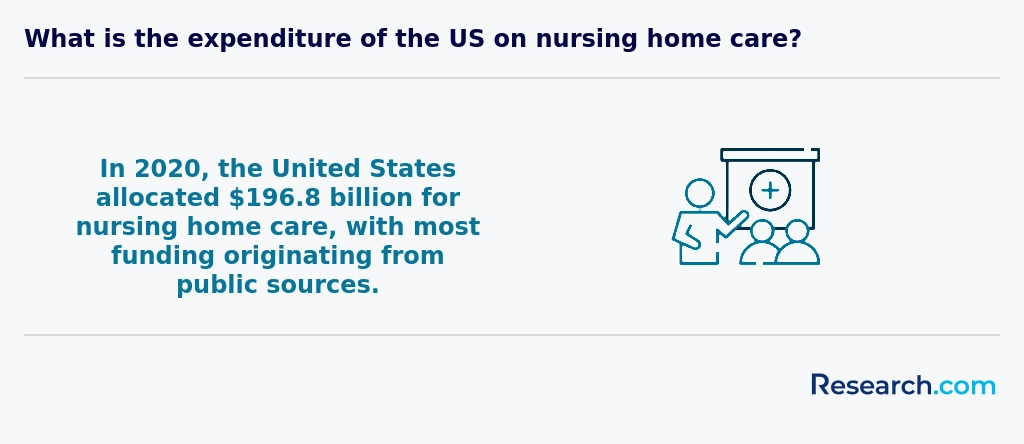
The most affordable nursing program is not always the one with the lowest posted tuition. A better comparison looks at total cost, graduation timeline, clinical placement support, NCLEX preparation, accreditation, and whether the program qualifies you for Ohio licensure. Start by comparing public community colleges, regional public universities, online RN-to-BSN options, and accelerated programs if you already have college credit.
When reviewing costs, look beyond tuition. Nursing students often pay for lab fees, simulation fees, uniforms, background checks, immunizations, CPR certification, transportation to clinical sites, textbooks, and NCLEX-related expenses. These costs can change the real price of attendance, especially for students commuting long distances or balancing work with clinical rotations.
If flexibility is important, compare campus-based options with online or hybrid programs. For students who need to keep working while enrolled, Research.com’s guide to the cheapest online nursing schools in ohio can help identify lower-cost programs with more flexible scheduling. Still, remember that even online nursing programs usually require in-person clinical experiences.
- Confirm accreditation and state approval first. A low-cost program must still meet licensure requirements and prepare you for the NCLEX.
- Compare total program cost, not just annual tuition. Include fees, supplies, books, transportation, and exam costs.
- Ask about clinical placement support. A cheaper program may become harder to complete if you must arrange clinicals without enough guidance.
- Check NCLEX support and outcomes. Strong review resources, simulation labs, and faculty advising can affect your first-attempt success.
- Use every aid source available. FAFSA, state aid, institutional scholarships, employer tuition assistance, and nursing-specific awards can reduce borrowing.
If you're planning to study nursing in Ohio, you'll be glad to know there's a solid mix of financial aid options that can really help lighten the load. For example, students at Ohio State University often tap into federal Pell Grants, which can cover a huge chunk of tuition without needing to be paid back. Right now, the max Pell Grant is $7,395, which is a game-changer for many.
State aid is another big help. Programs like the Ohio College Opportunity Grant (OCOG) are designed for residents going to schools like the University of Cincinnati, helping cover tuition and fees for those with financial needs. Plus, the Ohio Board of Nursing offers scholarships and the Nurses Education Assistance Loan Program (NEALP), which actually forgives loans if grads work in underserved parts of Ohio-you don't hear that every day!
Many local hospitals team up with nursing schools, offering scholarships or tuition reimbursement. So, if you study at places like Kent State, you might graduate with less debt thanks to those partnerships. And don't forget the Ohio Nurses Association scholarships-lots of nursing students piggyback on those too.
Overall, nursing students in Ohio often find a bunch of ways to get financial help, making it easier to focus on what really matters: becoming a great nurse ready to help their communities.
Passing the NCLEX-RN is essential because it is the gateway from nursing graduate to licensed registered nurse. Most Ohio ADN and BSN programs report pass rates above 90% over the past three years, reflecting academic support, clinical training, and structured exam preparation.
When comparing programs, do not look at pass rates alone. Ask how many students complete the program, how many sit for the exam, what review resources are included, and whether students receive individualized support if they struggle in predictor exams or clinical coursework.
Practical NCLEX preparation strategies include:
- Start early with a structured study plan that covers all testable content areas.
- Use reputable question banks and timed practice exams to build pacing and stamina.
- Attend school-sponsored review sessions and use simulation labs when available.
- Review rationales carefully instead of only tracking right and wrong answers.
- Form study groups for accountability, but reserve solo time for weak content areas.
- Schedule the exam when you are prepared, but avoid delaying so long that clinical knowledge fades.
After earning an RN license, nurses who want to move into advanced clinical practice can compare affordable graduate options, including the cheapest online acute care nurse practitioner programs.
If you're thinking about jumping into a nursing program in Ohio, there are a few key prerequisites you'll want to know upfront. Most schools, whether it's a community college offering an ADN or a bigger university with a BSN program, will expect you to have a high school diploma or GED. You'll also need to have some solid science and math classes under your belt, like biology and chemistry, since nursing programs get pretty intense with those subjects.
Many nursing students from schools like Ohio State University or Kent State share that they needed decent ACT scores-usually around 20 or higher-and sometimes had to take the TEAS test to show they're ready for the challenge. Plus, before you can jump into clinicals, you'll need your immunizations, CPR cert, and a clean background check. Ohio's pretty strict about that so everyone stays safe and compliant.
Students often mention that these steps, while a bit stressful at first, really boost confidence going into the program. Knowing you've got the basics covered helps you focus on learning and clinical practice without surprises later on.

To practice as a nurse in Ohio, you must complete an approved education pathway, apply through the Ohio Board of Nursing, pass the required NCLEX exam, and maintain your license through renewal and continuing education. The process is straightforward, but small delays in transcripts, background checks, or exam registration can slow your start date.
- Complete an accredited nursing program. Choose a state-approved ADN or BSN program accredited by ACEN or CCNE. Students who already have a non-nursing background may want to compare alternative pathways, including online adn programs for non nurses, while confirming how clinical rotations are handled.
- Apply to the Ohio Board of Nursing. After graduation, submit your licensure application through the Ohio Board of Nursing portal. Be prepared to provide official transcripts, complete a background check, and satisfy fingerprinting requirements.
- Register for and pass the NCLEX-RN. Once approved, register with Pearson VUE and schedule the NCLEX-RN. A structured study plan, practice questions, and school-sponsored review sessions can help you prepare effectively. Many programs report over 90% first-attempt success for graduates who engage in structured review.
- Receive your Ohio RN license. After you pass the NCLEX-RN and meet all requirements, the Ohio Board of Nursing issues your license electronically. Verify your license status before accepting or starting an RN position.
- Renew and maintain your license. Ohio RNs must renew licensure every two years and complete 24 contact hours of continuing education in approved topics.
The safest strategy is to choose your nursing program with licensure in mind from the beginning. Before enrolling, confirm that the program is approved for Ohio licensure, has adequate clinical partnerships, and clearly explains the NCLEX application process.
If you're diving into a nursing degree in Ohio, expect a mix of both science and hands-on courses that really prepare you for the real world. Many nursing students at popular schools like Ohio State or University of Cincinnati start with basics such as anatomy, physiology, microbiology, and chemistry. These classes help you understand how the body works, which is super important when you're later caring for patients.
On top of that, you'll take psychology and human development courses so you can connect better with people from all walks of life. Then comes the clinical stuff - like fundamentals of nursing, adult health, maternal and child health, and even mental health nursing. Graduates often rave about their clinical rotations in nearby hospitals, where they actually get to put theory into practice and feel confident before taking the NCLEX.
Many also find courses in pharmacology, nutrition, and leadership especially helpful when stepping into real nursing roles, managing meds, or leading teams. It's a full package that makes Ohio nursing grads feel ready and excited to start their careers.
If you're thinking about nursing degree specializations in Ohio, there's a neat variety to choose from. Graduates from popular colleges often talk about how hands-on and rewarding the Pediatric Nursing track felt, especially working with kids in specialized children's hospitals around the state. Others found their passion in Geriatric Nursing, which makes a lot of sense here given Ohio's aging population. Community Health Nursing is another common path, focusing on promoting wellness right in local neighborhoods-students often appreciate the real-world impact they can make early on.
Places like Ohio universities really push clinical experiences, so you're not just hitting the books but getting out there in real hospitals or clinics. For those wanting to level up from being a nurse, the Registered Nurse to Bachelor of Science in Nursing (BSN) is a popular step, opening doors to leadership roles. And if you're curious about specialty options beyond degrees, many students explore online adn programs for non nurses that fit well with their schedules.
Overall, Ohio nursing program specialization options give you flexibility to follow what excites you while preparing for a strong career.
When picking the best nursing degree in Ohio, it really comes down to what fits your goals and lifestyle. If you want to jump into nursing quickly, an ADN is a great option-it usually takes about two years and lots of grads from Columbus-area community colleges rave about how affordable nursing degree programs in Ohio helped them start their careers without drowning in debt. On the other hand, if you're aiming for jobs with more responsibility or planning to move into management later, a BSN from a public university in Cleveland or Cincinnati might be worth the additional cost and time.
Another thing to keep in mind is how the school supports hands-on learning. Nursing grads often mention their clinical rotations at local hospitals, which really boost confidence before you hit the job market. Plus, checking out schools with solid NCLEX-RN pass rates makes a big difference. Lots of folks found searching for the best nursing schools in Ohio for cost super helpful before deciding.
And if you're looking for a quicker start, you might want to explore programs like the lpn fast track program online, which many Ohio students have enjoyed for its flexibility and speed.
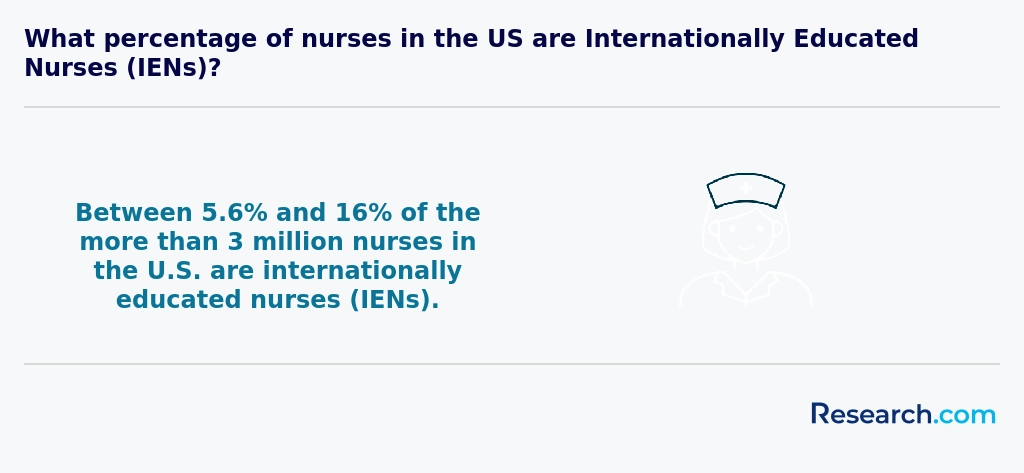
Graduates from nursing programs in Ohio often find themselves opening doors to a wide range of career paths. Whether they completed their nursing degree at a big name like Ohio State University or a smaller college, many share stories of jumping into roles as registered nurses in hospitals, outpatient clinics, or long-term care centers. This flexibility is one major reason nursing career opportunities in Ohio are so appealing. Some grads with a BSN have stepped into leadership roles or taken charge in community health projects, thanks to their broader training.
Beyond bedside care, others have found joy working as nurse practitioners or educators, especially since Ohio projects strong growth in such roles. Some graduates love the idea of public health or school nursing, where they can impact families and kids directly. If you're curious about affordable ways to start, don't miss the Low Cost Nursing Degree Programs Ranking in Rhode Island for ideas on managing expenses while aiming for your dream job in nursing.
The job market for nursing degree graduates in Ohio is looking pretty bright right now. With hospitals and clinics in cities like Cleveland and Columbus growing quickly, there are tons of opportunities waiting for new nurses. Many grads from popular nursing programs at Ohio State or University of Cincinnati talk about how easily they found good positions right after finishing their BSN degrees. This strong demand comes from an aging population and more healthcare needs, making nursing careers in Ohio more secure than ever. Plus, the median salary of around $64,000 is competitive enough to support a comfortable lifestyle here.
Those interested in nursing career opportunities in Ohio will find that both urban and rural areas need skilled nurses, so whether you want city life or a quieter setting, there's a spot for you. Students also appreciate that tuition at public universities stays affordable, which adds to the appeal. For folks thinking about speeding things up, you might want to check out some fast degree programs in nursing that help you get into the workforce sooner.
2027 Most Affordable Nursing Degree Programs Ranking in Ohio
Investing in your education is a significant decision that can shape your future, and the Research.com team understands the importance of making informed choices. To assist prospective students, we have meticulously crafted the "2027 Most Affordable Nursing Degree Programs Ranking in Ohio." Our commitment to quality, credibility, and accuracy is reflected in the extensive research and analysis conducted to compile this ranking.
We utilized the following reputable data sources to ensure a comprehensive evaluation of nursing degree programs:
By exploring this ranking, readers will gain valuable insights into the most affordable nursing degree programs in Ohio, empowering them to make well-informed decisions about their education and future careers. For more information about how this ranking was created, please visit our Research.com methodology page.


# 3 position
Ohio University-Zanesville Campus
Bachelor of Science in Nursing

# 4 position
Ohio University-Southern Campus
Bachelor of Science in Nursing

# 5 position
Ohio University-Eastern Campus
Bachelor of Science in Nursing



# 17 position
Bryant & Stratton College-Parma
Bachelor of Science in Nursing


Frequently Asked Questions About nursing
Nursing degree students in Ohio can maximize their learning experience by actively engaging in clinical rotations across diverse healthcare settings. Ohio offers numerous hospitals and clinics that collaborate with nursing programs, providing real-world exposure critical for skill development. According to the Ohio Board of Nursing, hands-on experience helps students meet licensure requirements and improves confidence.
Utilizing academic resources such as simulation labs, widely available in Ohio's nursing schools, enhances practical understanding without patient risk. Participating in study groups and seeking mentorship from experienced nurses also benefits knowledge retention and professional growth.
Finally, staying informed about Ohio's evolving healthcare policies and nursing workforce trends can prepare students to meet local community needs effectively.
The nursing field in Ohio is evolving, with several emerging niches gaining prominence. One rapidly growing area is geriatric nursing, driven by Ohio's aging population. According to the Ohio Department of Aging, by 2030 nearly 20% of Ohioans will be over 65, increasing demand for specialized elder care.
Another key niche is telehealth nursing. Ohio's commitment to expanding telemedicine, especially after the COVID-19 pandemic, has created opportunities for nurses to provide remote patient monitoring and virtual care. This trend is supported by legislation promoting telehealth access across the state.
Additionally, psychiatric nursing is expanding as mental health awareness rises. The Ohio Mental Health & Addiction Services reports a surge in demand for behavioral health professionals, underpinning growth in this specialty.
After earning a nursing degree in Ohio, preparing for the job market involves several key steps. First, graduates must pass the NCLEX-RN exam to become licensed Registered Nurses. Ohio's Board of Nursing oversees this process and provides useful resources for applicants.
Networking is also crucial. Joining local organizations like the Ohio Nurses Association can help build professional connections and provide job leads. Additionally, Ohio hospitals and healthcare facilities often offer residency programs designed to support new nurses transitioning into clinical roles.
According to the Ohio Department of Job and Family Services, the demand for registered nurses in Ohio is expected to grow by 12% from 2020 to 2030, indicating strong employment prospects.
Consider further certifications in specialties such as gerontology or critical care to enhance your marketability. Finally, maintaining up-to-date knowledge of state regulations and continuing education requirements through accredited programs is essential for long-term career success.
Employers in Ohio seek several key skills in nursing degree graduates to ensure quality patient care. Strong clinical competence, including proficiency in patient assessment and medication administration, is essential. According to the Ohio Board of Nursing, graduates must demonstrate critical thinking and problem-solving abilities to adapt in fast-paced healthcare environments.
Effective communication is highly valued, as nurses coordinate with patients and healthcare teams regularly. Additionally, teamwork skills and cultural competence are important due to Ohio's diverse patient population. Emotional resilience and time management also rank highly, helping nurses handle stress and multitask efficiently in clinical settings, based on reports from the Ohio Hospital Association.
Finding internships in Ohio related to a nursing degree begins with exploring opportunities offered by accredited nursing programs in the state. Many Ohio universities, such as Ohio State University and University of Cincinnati, have partnerships with local hospitals and healthcare facilities to provide clinical placements for students.
The Ohio Board of Nursing requires students to complete clinical hours to qualify for licensure, so nursing programs often assist in securing internships. Additionally, job boards like the Ohio Department of Job and Family Services website list healthcare internships available statewide.
Networking through professional organizations, such as the Ohio Nurses Association, also helps connect students with internship opportunities. These internships offer valuable hands-on experience to enhance nursing skills in real healthcare settings.
Obtaining a nursing degree in Ohio significantly enhances career mobility and advancement opportunities within the state's healthcare system. According to the Ohio Board of Nursing, registered nurses (RNs) with a Bachelor of Science in Nursing (BSN) or higher are more likely to qualify for leadership roles and specialized positions.
The Ohio Department of Job and Family Services reports that RNs with formal education beyond an associate degree earn, on average, 10-15% more annually. Additionally, hospitals participating in Ohio's Magnet Recognition Program prioritize hiring nurses with bachelor's degrees, boosting career prospects.
Advanced nursing degrees also facilitate transitions into advanced practice roles such as nurse practitioners or clinical nurse specialists, which are in increasing demand statewide. Education credentials directly correlate with upward mobility in Ohio's healthcare workforce.
Studying for a nursing degree in Ohio equips students with skills essential for interdisciplinary healthcare roles. Ohio's nursing programs emphasize collaborative learning environments where nursing students work alongside peers in fields like social work, pharmacy, and medicine. This approach reflects the integrated care model used in Ohio's hospitals and clinics.
According to the Ohio Board of Nursing, many accredited programs include simulation labs and interprofessional education opportunities. These foster communication and teamwork, preparing graduates to contribute effectively in diverse care teams.
With Ohio's increasing demand for coordinated healthcare, nursing graduates often engage with other professionals to improve patient outcomes, demonstrating the degree's role in interdisciplinary readiness.
When choosing between a thesis and a non-thesis nursing degree program in Ohio, consider your career goals first. Thesis programs focus on research and prepare students for roles in academia or advanced clinical research. They often require completing a significant research project, which can take more time and effort.
Non-thesis programs emphasize practical skills and coursework, ideal for nurses aiming to enter clinical practice or leadership positions quickly. According to the Ohio Board of Nursing, research skills are valued but not always required for advanced practice roles.
Also, check program length and costs, as thesis options may require additional semesters. Data from Ohio public universities show thesis students may spend 1-2 extra semesters compared to non-thesis peers.
Students in Ohio interested in studying nursing abroad have several pathways to consider. Many Ohio universities with nursing programs, such as Ohio State University, offer study abroad partnerships that allow students to earn credits overseas while completing their degree. These programs often include countries with established healthcare systems, providing diverse clinical experiences.
Ohio ranks among the top states for nursing workforce demand, making global experience valuable for future employment. According to the Ohio Board of Nursing, integrative international exposure can enhance cultural competence, crucial in diverse patient care.
Students should verify that international courses meet Ohio's licensure requirements and consult with academic advisors to align study abroad choices with their career goals.
Students pursuing nursing degrees in Ohio often seek part-time jobs that enhance their education and practical skills. Common opportunities include certified nursing assistant (CNA) roles, patient care technician positions, and medical scribe jobs. These roles provide valuable hands-on experience in clinical settings, improving patient interaction skills and understanding of healthcare operations.
Ohio's Bureau of Labor Market Information reports that CNAs earn a median hourly wage of around $13.50, which supports students financially while gaining relevant experience. Hospitals and long-term care facilities across Ohio frequently hire part-time nursing assistants, making this a viable option for many students.
Additionally, working as a medical scribe can develop knowledge of medical terminology and documentation, key skills for nursing professionals. These part-time roles align with nursing curricula and can strengthen a student's resume prior to graduation.
Nursing students in Ohio benefit from numerous networking opportunities that connect them with healthcare professionals and peers. Many Ohio nursing programs partner with local hospitals and clinics, offering clinical placements where students meet experienced nurses and potential employers. According to the Ohio Board of Nursing, clinical experiences are integral to nursing education in the state.
Professional organizations like the Ohio Nurses Association (ONA) provide access to conferences, workshops, and local chapters for student members. These events foster relationships with registered nurses and nursing leaders. Additionally, Ohio hosts annual nursing symposiums, which attract thousands of nursing students and professionals, creating rich environments for collaboration and mentorship.
Ohio universities often have nursing student groups that organize community health events and seminars. These create practical networking settings outside classrooms. With Ohio's growing healthcare sector, such connections can be vital for job placement after graduation.
Alumni networks provide valuable support for nursing degree students in Ohio by offering connections to experienced professionals throughout the state. These networks often help students secure clinical placements, internships, and job opportunities in Ohio's healthcare facilities.
According to the Ohio Nurses Association, networking through alumni can increase the likelihood of employment after graduation, especially in competitive hospital systems like Cleveland Clinic and University Hospitals.
Alumni also provide mentorship, career advice, and guidance on navigating Ohio's licensure requirements. With the state licensing exam pass rate around 88%, access to experienced nurses can improve preparation and success.
Many Ohio nursing schools actively facilitate engagement with alumni, enhancing students' professional growth and local workforce integration.
Customizing a nursing degree program in Ohio involves selecting courses, clinical experiences, and specializations that align with your career goals. Many Ohio nursing schools offer options such as family nurse practitioner, pediatric nursing, or gerontology tracks. According to the Ohio Board of Nursing, students can tailor their education by choosing electives or certificate programs that focus on these specialties.
Additionally, Ohio's community colleges and universities often provide flexible formats, including online classes or part-time study, to accommodate working professionals. Clinical placements in diverse healthcare settings across Ohio allow hands-on experience in areas that match your interests and intended practice environment.
Engaging with faculty advisors early helps identify opportunities for research, internships, or advanced certifications that complement your career plans.
Nursing students in Ohio face several common challenges throughout their education. One significant obstacle is balancing demanding clinical hours with academic coursework. Ohio nursing programs require extensive hands-on training in hospitals and healthcare settings, which can be time-consuming and stressful.
Another difficulty is managing the financial burden. According to the Ohio Board of Nursing, tuition and fees vary widely, and many students struggle to cover costs without sufficient financial aid. Additionally, the rigorous nature of nursing studies often leads to high stress and burnout rates among students.
Finally, passing the NCLEX-RN licensing exam is a critical hurdle. Ohio's pass rates fluctuate, emphasizing the need for strong preparation and support services within nursing programs.
A nursing degree in Ohio opens many doors to valuable professional certifications. Graduates can pursue the Registered Nurse (RN) licensure, which is essential for practicing nursing in the state. Beyond that, Ohio nurses often seek certifications such as Certified Nurse Practitioner (CNP), Certified Nurse Midwife (CNM), or Clinical Nurse Specialist (CNS), which require advanced degrees and specialized clinical experience.
Specialty certifications certified by bodies like the American Nurses Credentialing Center (ANCC) are popular. These include certifications in areas such as gerontology, pediatrics, and critical care. According to the Ohio Board of Nursing, these credentials enhance career prospects and demonstrate expertise.
Many Ohio healthcare employers prefer or require certifications to ensure high-quality patient care and professional development. The U.S. Bureau of Labor Statistics also reports a growing demand for certified nurses, reinforcing the value of these credentials in Ohio's healthcare market.
Writing a winning application for a nursing program in Ohio requires careful preparation and attention to detail. Begin by thoroughly researching the specific program's prerequisites and admission criteria, as requirements can vary widely across institutions.
Strong academic performance in science and math courses is essential. Ohio nursing programs often recommend or require a minimum GPA of around 3.0. Highlight any healthcare-related experience, such as volunteering or work in medical settings, to demonstrate commitment and practical skills.
Craft a clear, concise personal statement that explains your motivation to pursue nursing and your career goals. According to the Ohio Board of Nursing, competitive candidates often showcase strong communication skills, empathy, and a dedication to patient care.
Request letters of recommendation from professionals or educators who can vouch for your work ethic and character. Finally, prepare for potential interviews by practicing common questions on teamwork and ethics.
The nursing profession is highly respected worldwide, with varied career opportunities influenced by regional healthcare systems. In the United States, including Ohio, nurses hold crucial roles in patient care, education, and leadership. According to the Ohio Board of Nursing, nearly 200,000 licensed nurses practise in the state, reflecting a growing demand aligned with national trends.
Globally, the U.S. nursing education system is recognized for its rigorous standards and diverse pathways-from associate degrees to doctorates. Ohio's nursing programs follow these standards, preparing graduates for a competitive job market both domestically and abroad.
Internationally, nurses often migrate to meet workforce shortages, and U.S. credentials, including Ohio licenses, are respected in many countries. This global mobility enhances professional opportunities but requires familiarity with differing licensing requirements and cultural healthcare practices.
Gaining practical experience is essential when studying for a nursing degree in Ohio. Most accredited nursing programs require students to complete clinical hours in real healthcare settings.
Students often participate in clinical rotations at hospitals, nursing homes, and community health centers throughout Ohio. These rotations provide hands-on experience under supervision, allowing students to apply classroom knowledge.
The Ohio Board of Nursing mandates a minimum number of clinical hours for licensure, varying by program type. For example, a Bachelor of Science in Nursing (BSN) generally includes around 500-700 clinical hours.
Additionally, some schools offer simulation labs, which use advanced technology to replicate patient care scenarios, enhancing practical skills safely.
Choosing the right concentration within a nursing degree program in Ohio involves understanding both personal interests and local healthcare needs. Ohio offers various nursing specialties, including gerontology, pediatrics, and psychiatric nursing. According to the Ohio Board of Nursing, geriatrics is in high demand due to the state's aging population, with a 16% projected growth in demand by 2030.
Students should consider their preferred patient population and clinical environments. Exploring program curricula, clinical placement opportunities, and licensing requirements can help align choices with career goals.
Consulting resources like the Ohio Department of Jobs and Family Services can provide updated labor market data to guide your decision.
- 2027 Most Affordable Online Nursing Degree Programs Ranking in Indiana
- 2027 Most Affordable Online Nursing Degree Programs Ranking in Kentucky
- 2027 Most Affordable Online Nursing Degree Programs Ranking in Pennsylvania
- 2027 Most Affordable Online Nursing Degree Programs Ranking in Michigan
- 2027 Most Affordable Online Nursing Degree Programs Ranking in Illinois
- 2027 Most Affordable Online Nursing Degree Programs Ranking in Virginia
- 2027 Most Affordable Online Nursing Degree Programs Ranking in Tennessee
- 2027 Most Affordable Online Nursing Degree Programs Ranking in North Carolina
- 2027 Most Affordable Online Nursing Degree Programs Ranking in Missouri
- 2027 Most Affordable Online Nursing Degree Programs Ranking in South Carolina
See What Experts Have To Say About Studying Nursing
Read our interview with Nursing experts


- Nurse Salary https://nursinglicensemap.com/resources/nurse-salary/
- What to Do After Nursing School: A Career Timeline for New Grads https://nursegrid.com/blog/what-to-do-after-nursing-school-a-career-timeline-for-new-grads/
- From our readers…Strengthening nursing networks https://www.myamericannurse.com/from-our-readersstrengthening-nursing-networks/
- Nursing Program - Understanding Costs & How to Make it Affordable - Cincinnati State https://www.cincinnatistate.edu/rn-understanding-costs-and-how-to-make-it-affordable/
- Top Skills Employers Want in Practical Nursing Graduates https://vervecollege.edu/what-employers-look-for-in-practical-nursing-graduates/
- What to Do After Nursing School: A Step-by-Step Guide https://nursester.com/nursing-school-next-steps-guide/
- Study Nursing Abroad in 2025: Costs, Jobs & Top Countries https://www.aeccglobal.com/study-abroad/courses/nursing
- Work-life balance | Careers Crossroads | RCN Careers Resources | Royal College of Nursing https://www.rcn.org.uk/Professional-Development/Your-career/Nurse/Career-Crossroads/Career-Ideas-and-Inspiration/work-life-balance
- Breen School of Nursing | Ursuline - Liberal Arts College in OH https://www.ursuline.edu/academics/breen-school-of-nursing
- Nursing Salaries by Degree (CNA, LPN, RN, BSN) | 2025 Guide https://allnurseschools.com/nursing-salaries-by-degree/


