
2027 Best Nursing Degree Programs Ranking in District of Columbia

Co-Founder and Chief Data Scientist
Choosing the right nursing degree program in the District of Columbia can feel overwhelming. To help you navigate this important decision, the Research.com team of data scientists has created the 2027 Best Nursing Degree Programs Ranking in District of Columbia.
This article provides clear insights into which programs offer strong education and support, empowering you to make an informed choice. Pursuing a nursing degree opens the door to a fulfilling career helping others, personal growth, and job stability. Reading this ranking will give you confidence in finding a program that fits your goals and sets you up for success.
Key benefits of getting nursing degree in District of Columbia
- Salary for nursing degree graduates: Nurses in the District of Columbia can earn competitive wages, with Registered Nurses and Clinical Nurse Educators averaging $94,480 annually, while Operating Room Nurses earn notably higher at $128,490.
- Career paths: Graduates from local universities like Georgetown University enjoy diverse roles, from emergency room care to public health nursing, allowing for rewarding and flexible career options.
- Benefits of online degrees: Online nursing programs offer flexibility and convenience, enabling students to balance work and study while gaining the same qualifications as traditional programs, often enhancing career advancement opportunities.
- 2027 Best Nursing Degree Programs Ranking in District of Columbia
- What can I expect from nursing degree in District of Columbia?
- Where can I work with nursing degree in District of Columbia?
What can I expect from nursing degree in District of Columbia?
In the District of Columbia, the average cost for a nursing degree varies depending on the program and institution, but students can generally expect tuition fees ranging from $10,000 to $25,000 annually at public universities like the University of the District of Columbia (UDC). Graduates from UDC often mention that while the cost is manageable compared to private institutions, budgeting for additional expenses such as books, uniforms, and clinical fees is essential.
Many nursing students in DC find value in the practical experience gained through clinical partnerships with hospitals like MedStar Washington Hospital Center, which enriches their learning despite the costs involved. Those balancing finances appreciate that UDC's accredited nursing program prepares them efficiently for the NCLEX-RN licensure exam without excessive expense.
Planning ahead to cover living costs and supplies helps ease financial stress, allowing students to focus on mastering patient care skills. Graduates frequently share that the investment feels worthwhile given the strong job growth and diverse clinical exposure available in DC's healthcare environment.
Where can I work with nursing degree in District of Columbia?
Graduates from nursing programs at institutions like George Washington University or Georgetown University find a variety of employment paths within the District of Columbia's robust healthcare network. Many begin their careers in major hospitals such as MedStar Washington Hospital Center, gaining hands-on experience in high-demand specialties like emergency care or pediatrics. These settings offer the chance to develop practical skills and build confidence in fast-paced environments.
Others transition into public health roles, working with the D.C. Department of Health or local clinics, where they contribute directly to community wellness programs. This path suits those who want to impact underserved populations and address chronic health issues, providing a rewarding sense of purpose beyond the hospital walls.
For graduates seeking flexibility, outpatient centers and home healthcare agencies offer roles that blend patient interaction with autonomy. Many nursing alumni appreciate how these positions fit their lifestyles while maintaining meaningful patient relationships. The federal government also recruits nurses for research and veteran care, presenting unique career growth opportunities within D.C.'s diverse health sector.
Graduates from nursing programs in District of Columbia can expect competitive earnings reflecting the region's healthcare demand. For those starting as registered nurses, typical roles in hospitals or community health clinics bring mean annual wages around $94,480, matching reported data for Public Health Nurses and Clinical Nurse Educators. This salary level supports comfortable living in D.C., where graduates from well-known nursing schools quickly apply their skills.
More specialized roles offer higher earnings. For instance, Operating Room Nurses in D.C. typically earn about $128,490 annually, a significant boost that reflects the advanced expertise needed. Graduates who secure such positions, often through practical experience gained in hospital rotations, report a strong sense of accomplishment and financial security early in their careers.
It's useful to consider that salaries can vary even within the nursing field depending on certifications and employer type. Many graduates from local universities find that gaining specialty certifications or working in emergency or operating rooms can increase hourly wages, sometimes above the regional average of $45.42 per hour. Managing this career progression helps maximize earnings steadily while contributing meaningfully to patient care.
- District of Columbia offers ADN, BSN, and MSN nursing programs regulated by the D.C. Board of Nursing.
- BSN programs at public institutions cost between $15,000 and $30,000 per year, while private universities can charge over $40,000 annually.
- ADN programs average $10,000 to $20,000 in total tuition, excluding additional costs like textbooks and clinical fees.
- Starting salaries for new nurses are around $70,000 per year; experienced BSN nurses can earn $90,000 or more annually.
- Nurses with advanced certifications, such as nurse practitioners, may earn over $100,000 per year in D.C.
- Licensing requires passing the NCLEX-RN and completing continuing education for renewal in the district.
Nursing degrees in the District of Columbia vary in length based on the program you choose. An Associate Degree in Nursing (ADN) typically takes about 2 years, offering a quicker path for those eager to start working as registered nurses or LPNs. Graduates from programs at local community colleges often share how this route helped them launch their careers fast but also mention the growing preference employers have for Bachelor's degrees.
A Bachelor of Science in Nursing (BSN) usually requires 4 years of full-time study. Students at universities like Georgetown or George Washington University appreciate the broader education they receive-including leadership and research training-which better prepares them for complex healthcare roles. Some find the time investment worthwhile for improved job prospects and professional growth.
For those advancing further, a Master of Science in Nursing (MSN) adds approximately 1.5 to 3 years beyond the BSN, depending on full- or part-time study. Many graduates balancing jobs and family praise the flexible scheduling offered by DC institutions, enabling them to earn advanced credentials without overwhelming disruption.
Accelerated BSN programs are a real solution for career changers-these can be completed in just 12 to 18 months, making them a popular choice among graduates with prior degrees aiming to enter nursing quickly without sacrificing quality.
Many aspiring nurses arrive in the District of Columbia with a bachelor’s degree in an unrelated field and seek faster routes into clinical practice. Accelerated nursing programs bridge this gap by condensing core nursing coursework and clinical rotations into an intensive curriculum, often spanning 12 to 18 months. These programs are ideal for professionals eager to leverage previous academic credits and enter the workforce quickly. • Program Structure: Accelerated tracks typically begin with foundational science and nursing theory, then progress to high-intensity clinical experiences in local hospitals and community settings. • Eligibility: Candidates must hold a non-nursing bachelor’s degree, meet prerequisite course requirements (e.g., anatomy, microbiology), and demonstrate strong academic performance. • Benefits: Graduates benefit from a streamlined pathway to licensure, reduced tuition compared to traditional BSN/MSN routes, and robust career support services. For those aiming to combine advanced practice preparation with a quick timeline, exploring accelerated msn programs for non nurses provides insights into top-ranked direct-entry MSN options that cater to career changers nationwide. By selecting an accredited accelerated program, students can transition seamlessly into roles such as Registered Nurse or Nurse Practitioner, tapping into DC’s dynamic healthcare landscape with minimal delay.
Online nursing degrees in the District of Columbia give you flexibility-imagine logging into classes after a work shift or while caring for family. Graduates appreciate being able to study anywhere, though all acknowledge the need to complete clinical hours in person at local hospitals. For example, students linked with programs at George Washington University often balance virtual lectures with hands-on training arranged through DC healthcare centers.
On-campus programs, like those at Georgetown University, offer direct access to faculty and well-equipped labs, making it easier to master practical skills alongside peers. Graduates value this immersive environment for building confidence and networking face to face. Scheduled classes and in-person supervision help many stay on track, especially when learning complex procedures.
Cost-wise, online paths may reduce commuting and housing expenses, but be ready for added tech or placement fees. Whether online or on-campus, all DC programs require accredited clinical training to ensure readiness for licensure.
Understanding program outcomes is critical when choosing the best nursing degree. In the District of Columbia, accreditation by the CCNE or ACEN ensures rigorous standards, but you’ll also want to examine graduation statistics and NCLEX-RN pass rates to gauge real-world success. • Graduation Rates: – Bachelor of Science in Nursing (BSN) programs in D.C. report an average on-time graduation rate of 78%, with flagship institutions like George Washington University reaching 85% and Howard University at 80%. – Associate Degree in Nursing (ADN) programs average a 70% graduation rate, reflecting strong support for accelerated pathways. • NCLEX-RN First-Time Pass Rates: – George Washington University achieved a 95% first-time pass rate in 2023, one of the highest in the region. – Howard University posted a 92% pass rate, while the University of the District of Columbia reported an 88% rate, highlighting consistent clinical preparation across campuses. • Post-Graduation Licensure and Employment: – Over 90% of D.C. nursing graduates secure RN licensure within three months of graduation. – Within six months, 84% of BSN holders and 76% of ADN holders report full-time employment in hospitals, clinics, or community health settings. For prospective students balancing cost with outcomes, consider reviewing the Most Affordable Online Nursing Degree Programs Ranking in New York to benchmark affordability against the strong program outcomes found in D.C. By comparing graduation and NCLEX metrics alongside tuition data, you can make an informed decision that aligns with both your budget and career goals.
The average nursing degree cost in District of Columbia is roughly $67,710 for in-state students, reflecting the total expenses across popular programs. Graduates from public institutions like the University of the District of Columbia often share how budgeting approximately $10,000 annually in tuition helped them manage their finances effectively while pursuing their degrees. This in-state total includes tuition, fees, and required educational materials, which are essential to plan for alongside other living expenses.
Private schools in DC, such as Georgetown University and George Washington University, typically see higher costs, with median total expenses reaching around $77,794. Graduates recall the heavy investment but emphasize the value of smaller class sizes, advanced clinical opportunities, and networking prospects that enriched their nursing education experience.
When considering the cost of nursing programs in DC 2027, it's important to include unrestricted items such as textbooks, uniforms, licensing exam fees, and clinical placement costs, which can add several thousand dollars to the overall price. Students recommend speaking directly to the financial aid offices to uncover scholarships, grants, or payment plans tailored for nursing students in District of Columbia.
For those prioritizing affordability without sacrificing quality, reviewing affordable nursing programs in District of Columbia can be a practical step. This exploration guides prospective students to balance cost with program strengths while making well-informed decisions that align with their career goals.

To find an affordable nursing program in the District of Columbia, it's essential to consider several factors, including tuition costs, scholarship opportunities, and financial aid packages. Prospective students can start by researching institutions that offer competitive pricing without compromising on the quality of education. For instance, exploring affordable nursing programs in District of Columbia can provide valuable insights into programs that balance affordability with academic excellence. Many nursing schools in D.C. also offer financial assistance to eligible students, which can significantly reduce the financial burden of pursuing a nursing degree. By weighing these factors and exploring available options, aspiring nurses can make informed decisions about their educational investments and set themselves up for success in their future careers.
Nursing students in District of Columbia can access multiple financial aid sources to reduce the high costs of programs at schools like Georgetown University and Howard University. Many graduates recall applying early for federal aid through FAFSA, securing Pell Grants that cover up to $7,395 annually, which made a significant difference in managing expenses. Alongside, subsidized federal loans with lower interest rates help spread out payments sensibly after graduation.
The Health Resources and Services Administration (HRSA) scholarship programs are especially helpful for those willing to commit to working in those hard-to-staff DC healthcare facilities, turning service commitments into tangible financial relief. Local support such as the DC Tuition Assistance Grant (DCTAG) directly benefits residents attending nursing programs, reducing tuition costs even further.
Institutional scholarships from DC nursing schools reward students for merit or financial need-graduates often suggest contacting financial aid offices at their colleges to uncover these less-publicized options. Additionally, employer tuition reimbursement programs in DC hospitals provide both funding and career stability if you're employed there while studying.
Attending an accredited nursing program ensures you meet District of Columbia requirements for safe practice and eligibility to sit for the NCLEX-RN exam.
- Programs should be accredited by the Commission on Collegiate Nursing Education (CCNE) or the Accreditation Commission for Education in Nursing (ACEN) and approved by the DC Board of Nursing
- Graduate from an accredited program to qualify for NCLEX-RN registration
- Register and pass the NCLEX-RN exam to receive your RN license
- Submit proof of education, a criminal background check, immunization records and application fees to the DC Board of Nursing
- Maintain licensure with required continuing education every two years
Advanced practice nurses often pursue a Doctor of Nursing Practice (DNP); you can compare costs via the cheapest dnp program online.
To enroll in a nursing degree program in the District of Columbia, you must first have a high school diploma or GED, which is the baseline for all entry-level nursing courses. For instance, students aiming for an Associate Degree in Nursing (ADN) or a Bachelor of Science in Nursing (BSN) at popular local institutions often share how completing prerequisite courses in anatomy, physiology, microbiology, and chemistry gave them the confidence to handle the intense science workload early on.
Many students describe the challenge and satisfaction of mastering English and math skills, vital for clear communication and precise dosage calculations in clinical settings. Some programs also require passing standardized tests like the TEAS, which many graduates recall as a crucial checkpoint that prepared them well for their studies at colleges like Trinity Washington University.
- A minimum GPA, commonly between 2.5 and 3.0, is essential to reflect your academic dedication and readiness.
- If you're targeting higher degrees like RN-to-BSN or an MSN, holding an active RN license verified by the District of Columbia Board of Nursing is mandatory, offering a tangible proof of your nursing competence before advancing.
Finally, be ready for personal steps such as writing strong personal statements, obtaining recommendations, and passing background checks-graduates from George Washington University often highlight how these requirements, while demanding, helped build their professionalism and preparedness for clinical experiences in the DC healthcare landscape.
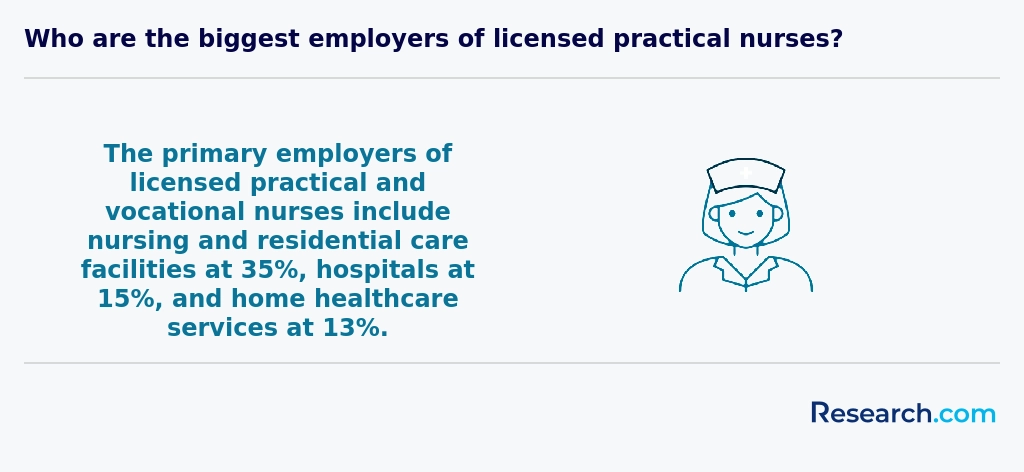
One of the strongest indicators of a nursing program’s quality is its NCLEX-RN first-time pass rate combined with graduate employment outcomes. In the District of Columbia:
- George Washington University consistently reports an NCLEX-RN pass rate hovering around 95%, with over 90% of graduates employed within six months of licensure.
- Howard University boasts an average pass rate of 92%, thanks to robust preparatory workshops and simulation labs that mirror real-world clinical scenarios.
- The University of the District of Columbia maintains a competitive 88% pass rate, emphasizing personalized mentorship and small cohort sizes to boost student confidence. Beyond exam success, alumni surveys reveal that nearly 85% of D.C. nursing graduates secure positions in acute care settings, community health organizations, or government agencies within one year. For those aiming to elevate their credentials and expand career prospects, consider bridge pathways such as online rn to bsn programs, which not only enhance clinical leadership skills but also improve marketability in today’s competitive healthcare landscape. Continuous performance tracking and transparent reporting of outcomes ensure that prospective students make fully informed decisions, aligning academic investment with long-term career success.
Nursing degree programs in the District of Columbia typically start with foundational science courses like anatomy, physiology, and microbiology, essential for understanding the body and diseases. Graduates from popular DC universities often share how mastering these basics helped them build confidence early on, especially during clinical rotations.
Core courses you'll encounter include Introduction to Nursing Practice, Pharmacology, Health Assessment, and Pathophysiology. These provide practical skills, such as safe medication administration and conducting physical exams, which local students find immediately applicable in real hospital settings. Specialized subjects like Mental Health Nursing and Maternity and Pediatric Nursing prepare you to care for diverse patient groups, reflecting the varied experiences found in DC healthcare facilities.
Students also take Adult and Geriatric Nursing and Community Health Nursing, broadening their scope to lifespan care and public health initiatives. Many programs incorporate ethics, leadership, and healthcare policy, helping students from DC colleges develop the critical thinking needed beyond bedside care. Clinical practicums in city hospitals are where theory turns into real-world nursing confidence.
In the District of Columbia, nursing degree specializations span diverse fields to match healthcare demands. Popular choices include Adult-Gerontology Nursing, where graduates confidently manage aging patients' acute and chronic conditions, and Pediatric Nursing, which equips nurses to handle childhood health from infancy through adolescence. Those aiming for advanced practice often pursue Family Nurse Practitioner training, providing comprehensive care for all ages, a specialization frequently found at institutions like Georgetown University.
Psychiatric-Mental Health Nursing is another critical focus, training nurses to support patients with mental health challenges-a rewarding path reported by many graduates from the University of the District of Columbia. Emergency Nursing prepares you for fast-paced hospital settings, while Obstetrics and Gynecology nursing offers hands-on experience in women's reproductive health.
Many students enhance their career prospects by selecting nursing degree specializations in District of Columbia programs known for aligning with licensing requirements. Exploring options like online rn to bsn programs can also provide flexibility for working professionals seeking advancement.
Start by identifying which nursing degree fits your career goals in the District of Columbia-whether an ADN, BSN, or advanced degree like an MSN. Graduates from Georgetown University often emphasize how choosing a BSN opened doors in hospital leadership, while those from George Washington University praise the hands-on clinical experience that prepared them effectively for real patient care. Check that the program is accredited by CCNE or ACEN to ensure licensure eligibility and smooth transition into the workforce.
Cost is a major concern; many students appreciate enrolling in affordable nursing schools in District of Columbia, such as community colleges offering ADN programs, which reduce expenses while meeting licensing requirements. Some also take advantage of accelerated msn programs for non nurses to fast-track their education with flexible schedules. Evaluate each program's clinical placements and faculty expertise, as these factors significantly impact your learning and confidence in a demanding profession.
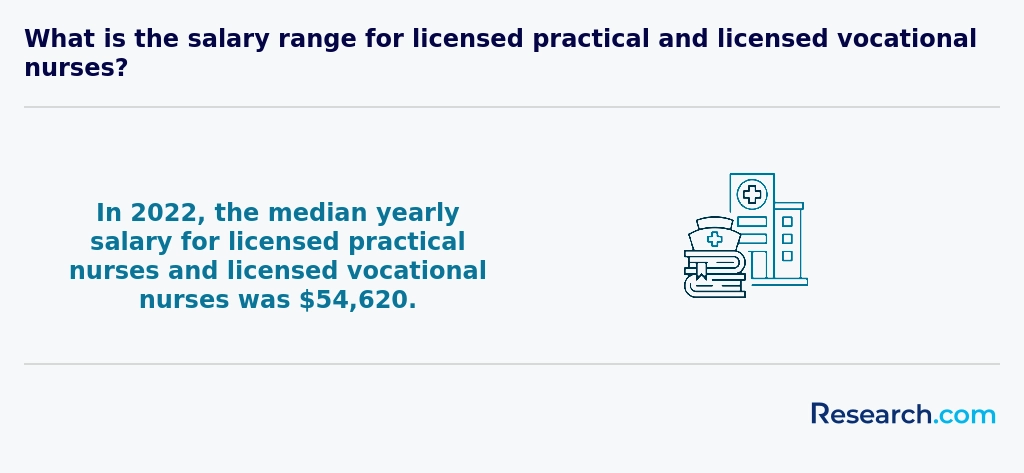
Graduates with a nursing degree in District of Columbia have access to diverse nursing career opportunities. Many start as Registered Nurses (RNs) by completing an ADN or BSN at local institutions like Georgetown University or University of the District of Columbia, then passing the NCLEX-RN exam. These graduates step into clinical roles, gaining hands-on experience in prominent D.C. hospitals with competitive salaries and room for growth.
Those seeking advancement often pursue graduate degrees to become Nurse Practitioners or Nurse Educators, roles highly valued in a city with strong healthcare infrastructure. Specialized careers such as Informatics Nursing and Public Health Nursing reflect the evolving healthcare landscape, offering graduates options aligned with their interests and skills. The Most Affordable Online Nursing Degree Programs Ranking in New York can provide financial guidance for prospective students aiming to balance education costs and career goals.
This practical approach helps maximize the District of Columbia nursing degree job outlook by aligning education choices with local healthcare demands and federal institution opportunities.
The nursing job outlook in District of Columbia remains strong, driven by high demand in major hospitals and government healthcare agencies. Graduates from local institutions like George Washington University and community colleges find that their degrees open doors to well-paying roles, with mean annual salaries ranging from $87,000 to $90,000. Many nursing graduates recount landing nursing positions at notable facilities such as MedStar Washington Hospital Center and Children's National Hospital soon after graduation, which leads to rewarding, stable careers.
Employment opportunities for nursing graduates DC benefit from ongoing growth due to an aging population and expanded outpatient and telehealth services. Federal employers, including the Department of Veterans Affairs, also offer attractive nursing roles with competitive benefits, encouraging graduates to consider both clinical and government positions.
Students balancing work and study appreciate the flexible curriculum options available, especially at community colleges offering ADN programs at a lower cost compared to four-year BSN degrees. For those seeking time-efficient paths, exploring fast degree college options for working adults can help you complete programs without sacrificing income.
2027 Best Nursing Degree Programs Ranking in District of Columbia
Investing in your education is a significant decision that can shape your future, and the Research.com team understands the importance of making informed choices. To assist prospective nursing students in the District of Columbia, we have meticulously crafted the "2027 Best Nursing Degree Programs Ranking in District of Columbia." Our commitment to quality, credibility, and accuracy is reflected in the extensive research and analysis conducted to compile this ranking.
We utilized the following reputable data sources to ensure a comprehensive evaluation of nursing programs:
By exploring this ranking, readers will gain valuable insights into the best nursing degree programs available in the District of Columbia, helping them make well-informed decisions about their educational pathways. For more details on our methodology, please visit our Research.com methodology page.


Frequently Asked Questions About nursing
Nursing students in the District of Columbia can maximize their learning by taking full advantage of clinical experiences available through local hospitals and healthcare centers. The proximity to renowned medical facilities like MedStar Washington Hospital Center offers diverse patient care settings essential for practical skills development. Engaging actively in simulation labs, which many DC nursing programs provide, helps prepare students for real-world scenarios.
Networking with faculty and participating in DC-based nursing associations can expand professional opportunities. According to the District of Columbia Board of Nursing, clinical hours are a critical component, and exceeding minimum requirements often enhances readiness for the NCLEX-RN exam.
Utilizing resources such as tutoring and study groups within schools improves academic performance. Additionally, students should stay informed about healthcare trends specific to DC's population, integrating public health knowledge into their training.
The nursing field in the District of Columbia is evolving with new specialized roles gaining importance. Emerging niches include gerontological nursing, focusing on elderly care, a critical area given the district's aging population. According to the DC Department of Health, demand for nurses skilled in chronic disease management and palliative care is increasing.
Another growing area is telehealth nursing, boosted by advancements in digital health technologies and the COVID-19 pandemic's impact. Nurses now provide remote monitoring and virtual care services, expanding access for urban and underserved communities.
Additionally, psychiatric and mental health nursing is receiving more attention due to rising awareness of mental health needs in DC. These specialties offer promising opportunities for advanced practice nurses in clinical settings across the region.
After completing a nursing degree in the District of Columbia, preparation for the job market is essential to secure employment in this competitive field. Graduates should obtain licensure by passing the NCLEX-RN exam, which is required to practice legally in the District. According to the DC Board of Nursing, timely application for licensure can significantly reduce waiting times.
Networking is also important. Engaging with local healthcare providers and attending job fairs hosted by organizations such as the DC Nurses Association can improve job prospects.
Additionally, gaining clinical experience through internships or volunteer work in DC hospitals helps demonstrate practical skills. According to the U.S. Bureau of Labor Statistics, registered nurses in the DC metro area earn a median annual wage higher than the national average, reflecting local demand.
Employers in the District of Columbia highly value nursing degree graduates who demonstrate strong clinical skills and critical thinking abilities. According to the District's health workforce reports, competency in patient care procedures and familiarity with electronic health record systems are essential for entry-level nurses.
Communication skills are also crucial, as nurses must effectively interact with diverse patient populations and multidisciplinary teams. Additionally, knowledge of local healthcare regulations and cultural competency specific to D.C.'s diverse communities is increasingly sought after.
Analytical skills and adaptability remain top priorities, especially given the fast-changing healthcare environment affected by public health challenges. The District's nursing employers emphasize teamwork, ethical judgment, and continuous learning as key professional attributes.
Finding nursing internships in the District of Columbia involves leveraging local healthcare institutions and educational resources. Many nursing programs in DC have partnerships with hospitals like MedStar Washington Hospital Center and George Washington University Hospital, which offer clinical placements and internships for nursing students.
The DC Health Care Alliance and the Department of Health also provide resources for student internships focused on public health nursing roles. Networking through local nursing associations such as the DC Nurses Association can uncover additional opportunities.
Students should check their school's career services and clinical coordinators for internship listings and application deadlines. According to the Bureau of Labor Statistics, DC has a high demand for registered nurses, which supports robust internship availability in the area.
Obtaining a nursing degree in the District of Columbia significantly enhances career mobility and advancement opportunities. Registered Nurses (RNs) with degrees such as an Associate's or Bachelor's in Nursing are in high demand across diverse healthcare settings including hospitals, clinics, and government agencies.
The U.S. Bureau of Labor Statistics indicates that the Washington-Arlington-Alexandria metro area, which includes D.C., shows a projected 12% job growth for RNs from 2021 to 2031, higher than the national average. Higher education credentials, especially a Bachelor of Science in Nursing (BSN), often lead to leadership roles and specialized positions such as nurse practitioners or clinical managers.
The District of Columbia Board of Nursing requires a degree and licensure, making formal education essential for licensing and career progression. Advanced degrees also open pathways to teaching and administrative careers within D.C.'s numerous healthcare institutions and research centers.
Studying for a nursing degree in the District of Columbia equips students with skills essential for interdisciplinary collaboration in healthcare settings. Programs often emphasize teamwork, communication, and leadership, reflecting the integrated nature of modern medical care. DC nursing schools incorporate clinical experiences in diverse environments, including hospitals and community clinics, fostering understanding of various health professionals' roles.
The Commission on Collegiate Nursing Education (CCNE) accredits many DC programs, ensuring curriculum quality aligned with national standards for collaborative practice. According to the Bureau of Labor Statistics, nurses in DC work closely with physicians, therapists, and social workers, emphasizing interdisciplinary care.
This preparation enhances adaptability and promotes patient-centered care delivered by coordinated healthcare teams.
Choosing between a thesis and a non-thesis nursing degree program in the District of Columbia depends largely on your career goals and learning preferences. A thesis program emphasizes research, requiring students to design and complete an original study, which suits those interested in academic or advanced clinical roles. In contrast, non-thesis programs focus on practical skills and coursework, often appealing to nurses aiming to enter or progress in clinical practice quickly.
District of Columbia offers both options, with institutions like Georgetown University providing thesis tracks for research-focused students. According to the U.S. Bureau of Labor Statistics, D.C. employs over 20,000 registered nurses, many in clinical roles that may not require a thesis degree.
Consider your long-term plans: if leadership or doctoral studies appeal, a thesis pathway is advantageous. If immediate practice or certification is your priority, non-thesis degrees are efficient and respected.
Students from the District of Columbia seeking to study nursing abroad have several pathways available through partnerships and exchange programs with international institutions. While DC itself does not operate its own abroad nursing campuses, many local universities with nursing programs collaborate with schools in countries like Canada, the United Kingdom, and Australia. These programs often include clinical practice components that meet U.S. accreditation standards.
According to the American Association of Colleges of Nursing, international nursing education can enhance students' cultural competence and global health perspectives. Nursing students from DC institutions are encouraged to verify if foreign programs satisfy the Commission on Collegiate Nursing Education (CCNE) or Accreditation Commission for Education in Nursing (ACEN) criteria.
Such international experiences must be carefully aligned with licensing requirements in the U.S., including those set by DC's Board of Nursing, to ensure graduates qualify for RN licensure upon return.
Students pursuing nursing degrees in the District of Columbia can benefit from various part-time job opportunities that align with their academic goals. Positions such as Certified Nursing Assistant (CNA) or medical scribe offer practical experience while managing flexible schedules. According to the U.S. Bureau of Labor Statistics, DC healthcare support roles are projected to grow by 14% through 2031, indicating strong demand.
Other options include working as a patient care technician or volunteering in local clinics, which provide hands-on exposure to clinical settings. These experiences enhance practical skills and improve resumes for future nursing licensure. The District's numerous hospitals and community health centers create diverse employment opportunities suited for nursing students.
Nursing students in the District of Columbia have access to various networking opportunities that enhance their professional growth. Local colleges and universities often host career fairs and industry panels, connecting students with healthcare employers across the region. The D.C. area is home to several hospitals and research centers, such as MedStar Health and Children's National Hospital, where students can participate in internships and clinical rotations, facilitating direct contact with professionals in nursing and healthcare fields.
Additionally, students can join organizations like the American Nurses Association District of Columbia Chapter, which offers events, workshops, and mentorship programs. According to the U.S. Bureau of Labor Statistics, healthcare jobs in D.C. are projected to grow by over 17% through 2030, making such networks critical for job placement and career advancement.
Alumni networks provide valuable support for nursing degree students in the District of Columbia by connecting them to experienced professionals. These networks often offer mentorship opportunities, helping students navigate clinical placements and employment after graduation. According to data from the DC Board of Nursing, 67% of new nursing graduates find their first job through professional connections, highlighting the practical benefits of these networks.
In addition, alumni associations in DC often host events and workshops focused on continuing education and best practices, which are crucial in the evolving healthcare field. Networking through alumni groups can also expose students to local healthcare employers like MedStar Health, increasing job prospects.
Overall, these connections foster a sense of community and professional growth for nursing students in the District.
Customizing a nursing degree program in the District of Columbia allows students to align their education with specific career goals. Many local institutions offer flexible options such as elective courses, specialized tracks, and clinical placements in diverse healthcare settings. For example, students can focus on pediatric, geriatric, or psychiatric nursing depending on their interests.
Additionally, D.C. nursing programs often provide accelerated BSN tracks or bridge programs for Licensed Practical Nurses (LPNs) and Registered Nurses (RNs) seeking higher degrees. Choosing a program with strong partnerships with nearby hospitals can enhance clinical experiences.
According to the D.C. Board of Nursing, tailoring education helps meet licensure requirements and emerging healthcare demands effectively.
Nursing students in the District of Columbia often face significant challenges related to rigorous academic demands and clinical practice requirements. The fast-paced curriculum demands strong time management skills, with many students balancing coursework, lab sessions, and clinical rotations. Additionally, limited availability of clinical placements in local hospitals can create scheduling conflicts and restrict hands-on learning opportunities.
Financial pressures are also common, as the cost of nursing programs in the area can be high, and students often report concerns about tuition and living expenses. According to the U.S. Bureau of Labor Statistics, the District has one of the highest living costs in the nation, adding to student stress.
Furthermore, nursing students encounter high levels of stress and burnout, partly due to exposure to challenging healthcare environments during clinicals. Support services and mental health resources vary between institutions, affecting student well-being. Awareness of these challenges can help prospective students prepare for the demands of nursing education in Washington, DC.
With a nursing degree in the District of Columbia, you can pursue a variety of professional certifications to enhance your career opportunities. Among the most common certifications are the Certified Nurse Assistant (CNA), Licensed Practical Nurse (LPN), and Registered Nurse (RN) credentials, which are the foundations for clinical practice.
Advanced certifications include the Certified Nurse Practitioner (CNP), Clinical Nurse Specialist (CNS), and Certified Nurse Midwife (CNM). These require further education beyond a bachelor's degree. The American Nurses Credentialing Center (ANCC) and specialty organizations like the Oncology Nursing Certification Corporation offer specialized certifications in areas such as pediatrics, geriatrics, and critical care.
According to the District of Columbia Board of Nursing, maintaining these certifications often involves continuing education and periodic renewal. Pursuing certifications can significantly increase earning potential and job stability within D.C.'s competitive healthcare market.
To write a winning application for a nursing program in the District of Columbia, start by thoroughly researching accredited local institutions like Georgetown University and the University of the District of Columbia. Highlight relevant academic achievements, especially strong grades in science and health-related courses.
Include clear, focused personal statements that demonstrate your motivation for nursing and commitment to healthcare. DC nursing programs often value community involvement, so detailing volunteer or work experience within the city's healthcare system can strengthen your application.
Prepare for standardized tests such as the TEAS, as many programs require competitive scores. Lastly, request strong letters of recommendation from professionals who can attest to your dedication and skills in healthcare or academics.
The nursing profession is recognized globally as essential to healthcare systems. For students in the District of Columbia, pursuing a nursing degree opens opportunities not only locally but also worldwide. According to the U.S. Bureau of Labor Statistics, registered nursing is one of the fastest-growing professions in the U.S., with an expected growth rate of 6% from 2021 to 2031.
Internationally, nurses are seen as vital in addressing public health challenges, especially in aging populations and underserved communities. The World Health Organization promotes the exchange of nursing professionals to meet global health demands, which can offer U.S.-educated nurses diverse career paths abroad.
Domestically, the District of Columbia supports advanced nursing education through local universities, enabling students to gain skills aligned with global standards. This prepares graduates for leadership roles in the U.S. and worldwide healthcare environments.
Gaining practical experience while studying for a nursing degree in the District of Columbia is essential for developing clinical skills and preparing for licensure. Most accredited nursing programs in the area incorporate clinical rotations as part of their curriculum, placing students in local hospitals, clinics, and community health centers. For example, partnerships with healthcare facilities like MedStar Washington Hospital Center provide real-world exposure under professional supervision.
In addition, students can seek internships or externships during summer breaks to further enhance hands-on learning. Volunteering opportunities at organizations such as the DC Health Department also contribute valuable practical experience. These experiences not only build nursing competencies but also help fulfill the clinical hour requirements mandated by the DC Board of Nursing.
Choosing the right concentration within a nursing degree program in the District of Columbia requires careful consideration of career goals and local healthcare needs. Popular concentrations include family nurse practitioner, psychiatric-mental health, and pediatric nursing. According to the DC Department of Health, the region faces critical shortages in mental health and primary care, suggesting strong demand for these specialties.
Students should evaluate program accreditation, clinical placement opportunities, and faculty expertise in the chosen concentration. The Commission on Collegiate Nursing Education (CCNE) accredits most reputable DC programs, ensuring quality education.
Additionally, consider state licensure requirements, as DC mandates specific clinical hours tied to certain concentrations for Nurse Practitioner certification.
- 2027 Best Online Nursing Degree Programs Ranking in California
- 2027 Best Online Nursing Degree Programs Ranking in Colorado
- 2027 Best Online Nursing Degree Programs Ranking in North Dakota
- 2027 Best Online Nursing Degree Programs Ranking in Kansas
- 2027 Best Online Nursing Degree Programs Ranking in Texas
- 2027 Best Online Nursing Degree Programs Ranking in Iowa
- 2027 Best Online Nursing Degree Programs Ranking in Missouri
- 2027 Best Online Nursing Degree Programs Ranking in Louisiana
- 2027 Best Online Nursing Degree Programs Ranking in Wisconsin
- 2027 Best Online Nursing Degree Programs Ranking in Illinois
See What Experts Have To Say About Studying Nursing
Read our interview with Nursing experts

Lisa Grubb
Nursing Expert
Assistant Professor
Johns Hopkins School of Nursing

- How to Write https://esign.com/letter-of-intent/school/nursing/
- The Nurses' Alumni Association https://giving.mainlinehealth.org/get-involved/auxiliaries-and-womens-boards/lankenau-medical-center-womens-board/the-nurses-alumni-association
- Career Advancement Pathways for Nurses : Expert RN shares 10+ Professional growth opportunities - MuminMed https://blog.muminmed.com/career-advancement-pathways-for-nurses/
- What Are the Best RN Certifications for Your Career? https://credenzahealth.com/career-advice/what-are-the-best-rn-certifications-for-your-career
- THE FIELD OF NURSING - FIRST-DEGREE OF STUDIES https://wnoz.wum.edu.pl/pl/content/field-nursing-first-degree-studies
- How to Choose a Nursing Program: A Comprehensive Guide - Madonna ABSN https://absn.madonna.edu/blog/how-to-choose-a-nursing-program/
- Nursing Internships Abroad: An Introduction - RealStep https://www.real-step.com/en/articles/nursing-internships-abroad/
- Nursing Study Abroad Programs | Go Overseas https://www.gooverseas.com/study-abroad/nursing
- Medical University of GdaÅsk https://admission.mug.edu.pl/29318.html
- Types of Nursing Degrees-Which One Is Yours? https://www.allnursingschools.com/how-to-get-into-nursing-school/degree-options/


