
2027 Most Affordable Nursing Degree Programs Ranking in District of Columbia

Co-Founder and Chief Data Scientist
Choosing the right nursing degree program in District of Columbia can feel overwhelming. That's why the Research.com team of data scientists created the 2027 Most Affordable Nursing Degree Programs Ranking in District of Columbia to help you make an informed choice.
This article breaks down affordable options, allowing you to focus on quality education without financial stress. Whether you are starting your nursing journey or advancing your career, finding an affordable program matters.
Explore the ranking to discover programs that fit your goals and budget, and take a confident step toward a rewarding nursing career.
Key benefits of getting nursing degree in District of Columbia
- Salary for nursing degree graduates: Nursing graduates in the District of Columbia can expect competitive salaries, with Registered Nurses and Emergency Room Nurses earning about $94,480 annually, while Operating Room Nurses can earn significantly more at $128,490 per year.
- Career paths: Graduates from local institutions, such as Georgetown University, enjoy diverse opportunities in roles like Public Health Nurse, Clinical Nurse Educator, and Emergency Room Nurse, offering rewarding experiences in varied healthcare environments.
- Online degree benefits: Earning a nursing degree online from schools like George Washington University allows flexibility for working adults, enabling them to balance studies with life while gaining the same valuable skills as traditional students.
- 2027 Most Affordable Nursing Degree Programs Ranking in District of Columbia
- What can I expect from nursing degree in District of Columbia?
- Where can I work with nursing degree in District of Columbia?
What can I expect from nursing degree in District of Columbia?
The average cost of pursuing a nursing degree in the District of Columbia varies but typically ranges from affordable public tuition for residents to higher rates at private institutions. Many students enrolling at well-known schools such as The George Washington University find that while tuition can be a significant investment, scholarships and financial aid opportunities often help ease the financial burden. Graduates often share how the value of their education far outweighs the cost because of the extensive hands-on clinical experience provided at top hospitals like MedStar Washington Hospital Center and George Washington University Hospital.
The comprehensive curriculum not only prepares students for licensure exams but also instills confidence through real-world practice. Many describe their journey as empowering, knowing they are gaining skills to serve a vibrant and diverse urban community. This blend of quality education and practical exposure makes the tuition a worthwhile step toward a fulfilling career in nursing within Washington, D.C.
Where can I work with nursing degree in District of Columbia?
Graduates with nursing degrees from esteemed institutions like Georgetown University and the University of the District of Columbia find themselves welcomed into a thriving healthcare environment filled with fulfilling career paths. Many begin their journey in D.C.'s bustling hospitals, such as MedStar Washington Hospital Center, where they experience the deep satisfaction of providing care in diverse specialties from surgical units to intensive care.
Others choose community health centers or outpatient clinics like Unity Health Care, where they build meaningful connections by promoting wellness and disease prevention among local families. The ability to impact public health directly energizes many early-career nurses, giving them a strong sense of purpose.
Long-term care facilities also offer rich opportunities. Nurses here embrace the rewarding challenge of supporting elderly and disabled residents, often becoming trusted advocates and close friends over time. Additionally, government agencies and research centers in D.C. provide unique roles that combine clinical expertise with community outreach, policy work, or cutting-edge research.
Many graduates feel inspired by the ease of expanding their careers beyond D.C., thanks to nursing license reciprocity with Maryland and Virginia. This opens doors to an even broader range of professional adventures, ensuring every graduate can find a path uniquely theirs.
Graduates holding nursing degrees in the District of Columbia are stepping into careers with strong earning potential. Registered nurses, clinical nurse educators, and public health nurses typically earn around $94,480 per year, reflecting rewarding opportunities right after graduation. Imagine a graduate from a well-known nursing program in the District joining a major hospital, confidently starting a career with a solid six-figure potential ahead.
For nurses seeking to specialize, roles like emergency room nursing also offer this competitive average salary, ensuring financial stability alongside dynamic work environments.
Those advancing their qualifications can aspire to operating room nursing positions, where the mean annual wage rises impressively to about $128,490. Graduates completing further education in popular institutions in D.C. often share inspiring stories of how this specialization has transformed their professional and personal lives, balancing high responsibility with rewarding compensation.
These salaries, combined with the vibrant healthcare landscape of D.C. and the support from numerous local employers, provide a compelling reason to pursue a nursing degree here, promising not only a career but a truly fulfilling and prosperous future.
- District of Columbia offers nursing degrees including ADN, BSN, and advanced programs from accredited institutions.
- BSN program costs at private schools range from $30,000 to over $50,000 per year, while public institutions tend to be less expensive.
- ADN programs are more affordable but still reflect the higher living and education costs in D.C.
- Entry-level registered nurses in D.C. earn around $75,000 annually, higher than the national average for new nurses.
- Median RN salaries in the area range from $90,000 to $100,000 depending on experience and specialization.
- Financial aid, scholarships, and loan forgiveness options are available to help offset nursing education expenses in D.C.
Completing a nursing degree in the District of Columbia offers exciting opportunities for growth and success, with timelines that fit a variety of life paths. Many students find that an Associate Degree in Nursing (ADN), available at accessible community colleges, takes about 2 to 3 years. Graduates often share how this timeframe allowed them to quickly step into rewarding nursing roles while balancing family or work.
For those dreaming bigger, the Bachelor of Science in Nursing (BSN) usually takes around 4 years at universities like the University of the District of Columbia. Graduates proudly speak of gaining not only clinical skills but also leadership and research expertise, feeling truly prepared for diverse nursing careers.
Accelerated programs, spanning 12 to 18 months, inspire career changers with a fast-paced but fulfilling journey to become Registered Nurses. Meanwhile, advanced degrees such as the MSN offer flexible timelines from 1 to 3 years, empowering nurses to advance into specialized roles that truly make a difference in the community.
After graduating from an accredited nursing program, you’ll need to secure your RN license before entering clinical practice. Here’s a streamlined path to licensure:
- Graduate from a CCNE- or ACEN-accredited nursing program.
- Apply to the District of Columbia Board of Nursing (DC BON) and submit official transcripts.
- Complete fingerprinting and a criminal background check as required by the DC BON.
- Register for the NCLEX-RN through Pearson VUE and pay the exam fee.
- Schedule and pass the NCLEX-RN; typical DC nursing programs maintain pass rates above 88%.
- Receive your RN license electronically and begin professional practice.
After licensure, explore advanced practice options and career growth through cheap online fnp programs.
Choosing between online and on-campus nursing programs in the District of Columbia means embracing the learning style that empowers you most. Graduates from popular institutions like Georgetown University and The Catholic University of America often share how online programs offered the freedom to balance work, family, and studies with flexible digital access, making every lecture and assignment fit their busy lives seamlessly.
Meanwhile, those who attended on-campus programs in the heart of DC treasure the vibrant energy of face-to-face interactions, hands-on practice in advanced simulation labs, and instant feedback from expert instructors. Imagine stepping into Howard University's clinical facilities where students build confidence through real-time skills training and close connections with experienced healthcare providers.
Both paths lead to licensure and rewarding careers, with state-approved clinical hours carefully designed to guarantee readiness. Whether logging in from home or stepping onto campus, nursing students in DC are equipped to thrive, grow, and make a powerful impact in their communities.
Before practicing as a registered nurse in D.C., graduates must pass the NCLEX-RN and secure state licensure through the D.C. Board of Nursing. The application process involves submitting official transcripts, completing a background check, and paying the required fees. Once licensed, nurses must renew every two years, which includes completing at least 30 continuing education units (CEUs) approved by the Board. These CEUs often cover topics like patient safety, infection control, and ethics, ensuring that practitioners remain up to date with evolving standards of care. For those pursuing advanced practice roles, additional certifications are required. Nurse practitioners (NPs) must hold national certification in their specialty-such as family, adult-gerontology, or pediatrics-followed by an Advanced Practice Registered Nurse (APRN) license in D.C. Specialty credentials, like the Certified Pediatric Nurse Practitioner (CPNP), demonstrate expertise and can lead to higher compensation; see our detailed breakdown of pediatric nurse practitioner salary to understand the financial benefits of this path. Maintaining these credentials involves ongoing professional development. Nurses can fulfill CEU requirements through accredited workshops, online courses, or conferences hosted by organizations like the American Nurses Association (ANA). Additionally, pursuing certifications such as the Critical Care Registered Nurse (CCRN) or Oncology Certified Nurse (OCN) can both enhance clinical skills and improve job market competitiveness. By understanding and adhering to D.C.’s licensure and certification mandates, nursing graduates not only comply with legal standards but also position themselves for long-term career growth and leadership opportunities in healthcare.
The average nursing degree cost in District of Columbia typically falls around $67,710 for in-state students, making it a significant but worthwhile investment in your future. Graduates from public institutions such as the University of the District of Columbia often share how affordable tuition paired with comprehensive programs empowered them to pursue their passion without overwhelming debt. Meanwhile, private universities like Georgetown offer enriched learning environments with state-of-the-art clinical experiences, reflecting their higher tuition rates. These diverse options ensure students from all backgrounds find a pathway that fits their goals and budget.
Many students appreciate the accessible nature of affordable nursing programs tuition DC provides, especially within community and public colleges, where hands-on training meets financial practicality. Beyond tuition, investing in books, uniforms, and licensing exams shapes a complete educational journey that prepares students for real-world challenges. Success stories often highlight the excitement of securing practical placements across the city, making studies both dynamic and inspiring.
Aspiring nurses can also rely on extensive financial aid and scholarships, including Pell Grants and nursing-specific awards, which ease the overall cost burden. For those researching options, exploring the most affordable online nursing schools in District of Columbia offers a flexible and cost-effective approach to obtaining a valuable degree. Each step in the nursing education journey here deserves celebration, as it brings you closer to a fulfilling career dedicated to care and healing.
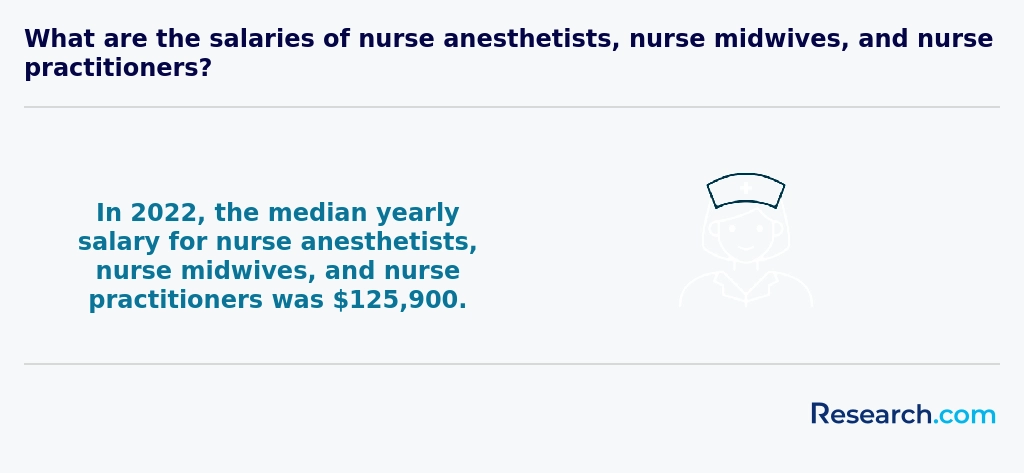
Pursuing a doctoral degree in nursing can unlock leadership roles, research opportunities, and the highest levels of clinical practice. Whether you aim for a Doctor of Nursing Practice (DNP) to gain advanced clinical expertise or a PhD in Nursing to drive scholarly inquiry, a doctoral credential demonstrates commitment to excellence and can significantly boost earning potential. In the District of Columbia, established programs at institutions like Georgetown University offer rigorous curricula that blend health policy, evidence-based practice, and organizational leadership. Graduates often step into positions such as chief nurse executives, nurse educators, or health policy advisors, roles that influence patient care on a systemic level. For nurses balancing work and study, online DNP pathways provide flexibility without sacrificing quality. Many programs incorporate virtual simulations, telehealth practicums, and interactive seminars to mirror on-campus experiences. To explore affordable online doctoral options beyond D.C., consider the Low Cost Online Doctorate in Nursing Degree Programs Ranking in Texas, which highlights programs with competitive tuition and strong accreditation. Before applying, verify program accreditation by the Commission on Collegiate Nursing Education (CCNE) or the Accreditation Commission for Education in Nursing (ACEN) and review state-specific licensing requirements. Admission typically requires a BSN or MSN with a minimum GPA, relevant clinical experience, and letters of recommendation. By choosing a doctoral path, you position yourself at the forefront of nursing innovation, poised to lead interdisciplinary teams and shape the future of healthcare delivery.
Financial aid empowers nursing students in the District of Columbia to pursue their dreams without being overwhelmed by costs. Federal assistance, accessed through the FAFSA, unlocks grants, loans, and work-study opportunities that lighten the financial load. For instance, the Pell Grant offers up to $7,395 annually, providing real relief to many students at Georgetown University or the University of the District of Columbia.
Local scholarships, like the District of Columbia Nursing Scholarship Program, encourage graduates to give back by working in D.C. healthcare settings. Many students from popular programs feel motivated knowing their education is supported by these targeted awards that make tuition more affordable.
Institutional scholarships at Washington Adventist University and other schools reward academic excellence and financial need, helping students stay focused on their studies.
Loan programs under the Nurse Corps Scholarship Program cover tuition in exchange for service in underserved areas, turning financial aid into an opportunity for meaningful career growth.
Plus, employer tuition reimbursement helps working nurses advance their education without sacrificing income, a lifeline for those balancing work and study in busy hospitals across D.C.
To optimize your nursing education and career in the District of Columbia, it's essential to consider several factors, including the cost of tuition, availability of scholarships, and the job market. Pursuing a degree from one of the most affordable online nursing schools in District of Columbia can be a strategic decision, allowing you to balance your studies with other commitments while keeping expenses manageable. By understanding the local healthcare landscape, the types of specializations available, and the skills in demand, you can tailor your education and training to meet the needs of employers in the District of Columbia, thereby enhancing your employability and career prospects.
Envision yourself walking through the halls of a nursing program at a top institution in the District of Columbia, like Georgetown University or the University of the District of Columbia. To begin this exciting journey, you'll first need a high school diploma or GED-this essential foundation opens the door to accredited programs that shape future healthcare leaders.
Graduates often recall the confidence they gained after completing prerequisite college courses such as biology with labs, anatomy and physiology, microbiology, chemistry, English composition, and psychology. These courses prepare you to dive deeply into nursing concepts with clarity and passion. Imagine sitting in class, building both critical knowledge and determination alongside peers who share your dedication.
Standardized tests like the TEAS or HESI may sound intimidating at first, but many students find them empowering-providing a clear benchmark to showcase your readiness. Plus, the required background checks, immunizations, and CPR certifications ensure a safe, professional environment where you can thrive during clinicals with peace of mind.

Many aspiring nurses in the District of Columbia begin their careers with an Associate Degree in Nursing (ADN) and later seek to expand their scope of practice by earning a Master of Science in Nursing (MSN). ADN to MSN bridge programs allow students to bypass the traditional BSN step, reducing time and tuition costs while accelerating entry into advanced practice roles such as Nurse Practitioner or Clinical Nurse Specialist. Program Benefits and Structure:
- Accelerated Timeline: Complete both degrees in as little as 2–3 years by transferring ADN credits directly into MSN coursework.
- Cost Efficiency: Save on tuition and living expenses by eliminating the separate BSN phase.
- Seamless Curriculum: Integrated coursework blends foundational nursing theory with graduate-level specialization.
- Clinical Focus: Gain advanced clinical skills through targeted practicums in specialties like family health, pediatrics, and psychiatric nursing. Key Considerations:
- Accreditation: Ensure your program is CCNE- or ACEN-accredited to qualify for licensure and federal financial aid.
- Admission Requirements: Typically require a current RN license, minimum GPA of 3.0, prerequisite courses in statistics and pathophysiology, and clinical hours.
- Format and Flexibility: Choose from hybrid or fully online options-many students opt for adn to msn online programs that accommodate work and family commitments.
- Career Outcomes: Graduates report an average salary increase of 20–30% upon MSN completion, with high demand in D.C.’s hospitals, community clinics, and telehealth providers. By selecting the right ADN to MSN bridge pathway, Registered Nurses in the District of Columbia can rapidly advance their careers, meet evolving healthcare demands, and deliver higher levels of patient care.
In the District of Columbia, nursing students dive into a comprehensive curriculum designed to equip them for the dynamic world of healthcare. Courses in anatomy, physiology, microbiology, and chemistry lay a strong foundation, helping students from universities like Georgetown University truly understand the complexities of the human body. Graduates often reflect on how these core sciences gave them confidence to tackle challenging clinical situations.
Specialized nursing classes cover pharmacology, adult and pediatric nursing, maternal and newborn care, and mental health nursing. Many students at institutions such as Trinity Washington University describe their excitement mastering these subjects, which prepare them to care compassionately for diverse populations.
Hands-on skills like health assessment, leadership, and community health nursing are integrated to bring theory to life. Nursing students frequently share stories of conducting wellness checks and leading public health initiatives during their clinical rotations in DC's vibrant hospitals and community centers, making their learning meaningful and impactful.
Students pursuing a nursing degree in District of Columbia find a wealth of specializations designed to match their passions and the city's healthcare needs. Graduates from local universities often highlight the rewarding focus areas such as Registered Nurse (RN) to Bachelor of Science in Nursing (BSN) programs that emphasize leadership and community health, preparing them to make a real impact in urban and underserved neighborhoods. Advanced Practice Registered Nurse (APRN) tracks like Nurse Practitioner (NP), Clinical Nurse Specialist (CNS), and Certified Nurse Midwife (CNM) open doors to advanced clinical roles, inspiring students to achieve excellence in their care.
Popular nursing programs with specializations DC also include specialty areas in Pediatrics, Geriatrics, Mental Health, and Acute Care, reflecting the diverse needs of the community. Some graduates share how Nurse Anesthetist (CRNA) pathways challenge them intellectually, pushing them toward expert practice with great confidence. Students exploring postgraduate paths find options like the Doctor of Nursing Practice (DNP) particularly motivating when focusing on clinical specialties or nurse leadership. For those eager to understand financial outcomes, many reflect on the value of choosing a specialization that leads to higher earnings, such as the pediatric nurse practitioner salary.
Choosing the best nursing degree in District of Columbia means focusing on what truly drives your passion and career goals. Graduates from local programs often share how hands-on clinical experiences at institutions like MedStar Washington Hospital Center transformed their learning, turning theory into confident care. Exploring schools with strong reputations and solid NCLEX pass rates can make all the difference, as they prepare you well for the licensing journey ahead.
Affordability plays a key role too. Many students find that affordable nursing degree programs in District of Columbia allow them to pursue their dreams without overwhelming debt, especially when factoring in costs beyond tuition like clinical fees and books. Considering programs accredited by trusted bodies ensures quality education and access to financial aid.
For those looking to advance, checking out adn to msn online programs available locally offers flexible paths to grow your credentials while balancing life's demands. The journey is challenging but rewarding, fueled by your ambition and supported by the vibrant nursing community here.
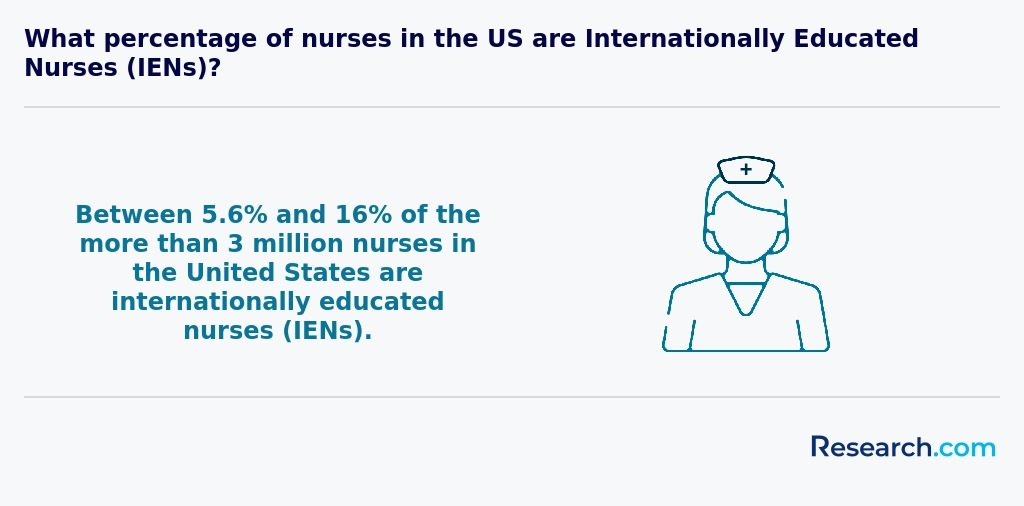
Graduates with a nursing degree in the District of Columbia find themselves at the gateway to diverse and fulfilling career paths, from hands-on patient care to leadership roles in healthcare. Many who start as registered nurses (RNs) in renowned local institutions quickly embrace opportunities in bustling hospitals and community clinics, gaining the confidence and skills that only real-world experience can provide. For those passionate about specializing, advancing to a nurse practitioner or nurse educator role offers both independence and the chance to impact patient wellness on a deeper level.
Public health nursing also shines in D.C., where nurses collaborate with government agencies and nonprofits focused on improving community health. This creates enriching work environments where you can contribute to disease prevention and health education-experiences shared by many graduates from top nursing colleges here who cherish making a difference every day. For students dreaming of innovation, careers in nursing research within federal institutions provide exciting potential to influence national health priorities. Exploring affordable pathways, consider programs like the Low Cost Online Doctorate in Nursing Degree Programs Ranking in Texas that complement the robust options available locally.
Embracing these nursing career opportunities in District of Columbia reveals a vibrant landscape where your education truly transforms into lifelong impact and personal fulfillment.
The nursing job market in the District of Columbia offers a promising landscape for graduates eager to make a difference. Many nursing students from well-regarded universities in D.C. enter a job market fueled by diverse healthcare settings, from top hospitals to federal health agencies. Their journeys often reflect an inspiring blend of rigorous clinical training and real-world experience, allowing them to confidently step into rewarding roles immediately after graduation.
Graduates of nursing programs in D.C. frequently share stories of securing positions quickly due to the region's growing demand for skilled nurses and specialized roles like advanced practice registered nurses. This vibrant environment supports the nursing career outlook District of Columbia with expanding opportunities in government healthcare and community health services, ensuring that nurses remain in high demand.
Students can also explore pathways to move beyond traditional nursing roles by pursuing highest paying certifications, which align well with the robust and evolving job market in the district.
2027 Most Affordable Nursing Degree Programs Ranking in District of Columbia
Investing in your education is a significant decision that can greatly impact your future, and the Research.com team recognizes the importance of making well-informed choices. To support prospective students in the District of Columbia, we have carefully developed the "2027 Most Affordable Nursing Degree Programs Ranking in District of Columbia." Our dedication to quality, credibility, and accuracy is demonstrated by the thorough research and detailed analysis behind this ranking.
We utilized the following reputable data sources to ensure a comprehensive evaluation of nursing programs:
By consulting this ranking, readers will gain valuable insights into the most affordable nursing degree programs in the District of Columbia, empowering them to make confident educational decisions. For a complete overview of our approach, please visit our Research.com methodology page.


Frequently Asked Questions About nursing
Nursing degree students in the District of Columbia can maximize their learning experience by actively engaging in clinical opportunities offered through local hospitals and healthcare facilities. The city's rich healthcare network, including institutions like MedStar Washington Hospital Center, provides exposure to diverse patient populations and critical care scenarios.
Students should also utilize resources at accredited local colleges, such as the University of the District of Columbia, which have established partnerships for hands-on training. Additionally, staying updated on DC Board of Nursing regulations ensures academic and professional compliance.
Joining professional nursing organizations in DC helps students network, gain mentorship, and access continuing education events crucial for career growth.
The nursing field in the District of Columbia is evolving with several emerging niches that offer new career opportunities. One growing area is geriatric nursing, driven by an aging population in D.C. and nationwide. According to the U.S. Census Bureau, the District's population of residents aged 65 and older is projected to increase significantly by 2030. This creates a greater need for nurses specializing in elderly care.
Another expanding niche is community health nursing, focusing on public health initiatives and preventive care. The District's emphasis on improving urban health outcomes has increased demand for nurses skilled in managing chronic diseases and health education.
Additionally, informatics nursing is gaining traction, combining healthcare and technology. Nurses trained in data analysis and electronic health record management are vital in D.C.'s modern health systems.
After completing a nursing degree in the District of Columbia, preparation for the job market begins with obtaining licensure by passing the NCLEX-RN exam. The DC Board of Nursing requires this for all registered nurses.
Networking plays a key role; joining local organizations such as the District of Columbia Nurses Association can help connect graduates with employers. Additionally, gaining clinical experience through internships or volunteer work at DC-area hospitals improves employment prospects.
The Bureau of Labor Statistics projects that nursing jobs in the DC metro area will grow faster than average, reflecting increased healthcare demand. Staying informed about local job fairs and hospital recruitment events in the District also aids in securing positions.
Finally, continuing education and certifications relevant to specialties in demand, like geriatrics or pediatrics, can significantly enhance employability in the District of Columbia healthcare market.
Employers in the District of Columbia seek nursing graduates who possess strong clinical and interpersonal skills. According to the U.S. Bureau of Labor Statistics, D.C. hospitals emphasize critical thinking and patient communication as essential competencies for registered nurses. Graduates must demonstrate proficiency in hands-on patient care, infection control, and familiarity with electronic health records, all vital in modern healthcare settings.
Additionally, cultural competence ranks highly due to D.C.'s diverse population. Nurses are expected to effectively engage with patients from various backgrounds. Leadership and teamwork skills are also valued, as many nursing roles require collaboration within multidisciplinary teams.
Finding nursing internships in the District of Columbia involves targeting local hospitals and healthcare providers, many of which have established programs for nursing students. Leading institutions such as George Washington University Hospital and MedStar Washington Hospital Center often offer clinical placements that are essential for hands-on experience. Additionally, nursing programs accredited by the Commission on Collegiate Nursing Education (CCNE) typically have partnerships with local medical facilities to help students secure internships.
Students should utilize resources from their nursing schools, including career services and faculty contacts, who can guide them to relevant opportunities.
The District's Department of Health and Human Services also provides listings of approved internship programs, which can be a valuable tool for locating openings.
Timing is crucial: many internships require applications several months in advance, so early planning increases chances of placement.
In the District of Columbia, obtaining a nursing degree significantly enhances career mobility and advancement opportunities. The healthcare sector in D.C. consistently demands qualified nurses, with the Bureau of Labor Statistics projecting a 12% growth in registered nurse positions nationally through 2031. A formal degree-from an Associate Degree in Nursing (ADN) to a Bachelor of Science in Nursing (BSN) or higher-enables nurses to pursue specialized roles, such as nurse practitioners or nurse educators, which require advanced credentials.
Employers in D.C. increasingly prefer or require BSN degrees for leadership or clinical advancement roles. Additionally, a nursing degree supports eligibility for state licensure and certification exams mandatory for professional practice in D.C. According to the District's Department of Health, nurses with higher degrees often report better salary prospects and more varied job roles, reflecting the competitive healthcare market in the capital region.
Studying for a nursing degree in the District of Columbia equips students with skills tailored for interdisciplinary healthcare roles. Programs emphasize collaboration between nursing, medicine, social work, and public health to address complex patient needs. According to the American Association of Colleges of Nursing, D.C. nursing programs integrate coursework in communication, ethics, and leadership, preparing graduates for teamwork in diverse clinical settings.
Clinical experiences often take place in D.C.'s urban hospitals and community health centers, exposing students to multidisciplinary teams. This helps learners understand the roles of various healthcare professionals and fosters cooperative decision-making.
Graduates in D.C. are thus well-prepared to contribute effectively in settings requiring joint efforts, such as chronic disease management and health promotion initiatives.
Choosing between a thesis and a non-thesis nursing degree program in the District of Columbia largely depends on your career goals and learning preferences. Thesis programs focus on research, requiring students to conduct original studies and write a detailed thesis. This is ideal for those considering advanced research roles or doctoral studies. Non-thesis programs emphasize practical skills and clinical experience, suitable for nurses aiming to advance their clinical practice quickly.
The District of Columbia offers various accredited programs, and local healthcare demands favor strong clinical expertise. According to the D.C. Health Workforce Report (2023), 65% of nurses in the area hold practice-oriented degrees, reflecting job market preferences.
Additionally, time and cost vary; thesis options often take longer and may be more expensive due to research requirements. Ultimately, weigh your professional ambitions, financial resources, and preferred learning style when deciding.
Students based in the District of Columbia who wish to study nursing abroad have several options through exchange programs and partnerships supported by local universities. Institutions like Georgetown University and Howard University offer study abroad opportunities in countries such as the United Kingdom, Ireland, and Australia. These programs often allow students to earn credits towards their nursing degrees while gaining international clinical experience.
Additionally, some students opt for international nursing programs accredited by recognized U.S. organizations. This ensures their qualifications meet U.S. licensing standards, such as those monitored by the Commission on Collegiate Nursing Education (CCNE).
According to the District of Columbia Board of Nursing, maintaining accreditation and eligibility to sit for the NCLEX-RN exam is essential for any study abroad nursing program to count towards licensure in D.C.
Financial aid and scholarships are sometimes available specifically for nursing students pursuing international education through federal and institutional resources.
In the District of Columbia, several part-time job opportunities can effectively complement nursing degree education. Many students find positions as certified nursing assistants (CNAs) or patient care technicians in local hospitals such as MedStar Washington Hospital Center and George Washington University Hospital. These roles provide practical, hands-on experience in clinical settings, which is invaluable alongside academic learning.
Additionally, working as a medical scribe or in outpatient clinics offers insights into patient care and medical documentation. According to the D.C. Department of Employment Services, healthcare support roles are expected to grow by 14% through 2030, indicating strong job availability for nursing students.
Nursing students in the District of Columbia benefit from diverse networking opportunities through local healthcare institutions and professional organizations. The Capital Area Chapter of the American Association of Colleges of Nursing (AACN) hosts events that connect students with experienced nurses and educators. Additionally, institutions like Georgetown University and George Washington University offer nursing students access to clinical placements in prominent DC hospitals, facilitating direct professional networking.
Moreover, the District's strategic location provides access to national nursing conferences and seminars, often held within the city. According to the DC Health Department, over 15,000 licensed nurses practice in the area, creating a large community for collaborative learning and mentorship.
Alumni networks play a significant role in supporting nursing degree students in the District of Columbia. These networks connect current students with graduates who have practical experience in local healthcare settings. Through mentorship programs, alumni offer guidance on clinical placements, job interviews, and professional development.
In DC, where healthcare institutions are highly competitive, alumni connections can increase access to internships and employment opportunities. According to the DC Board of Nursing, referral and networking are among the top ways new nurses find jobs in the region.
Furthermore, alumni groups often host workshops and seminars that keep students updated on nursing trends and licensure requirements. This ongoing engagement helps students transition smoothly from education to practice.
Customizing a nursing degree program in the District of Columbia involves selecting specializations and course options aligned with your career goals. Many local institutions offer tracks such as family nursing, psychiatric nursing, or gerontology, allowing students to focus on areas with growing demand. According to the District's Board of Nursing, registered nurses pursuing advanced practice licenses benefit from tailored clinical hours. Additionally, some programs provide flexible schedules, including part-time and online classes, which help accommodate working professionals. Engaging in internships or clinical rotations at prominent D.C. hospitals can also enhance practical skills and networking opportunities within your chosen field.
Nursing students in the District of Columbia often face significant challenges throughout their education. One primary difficulty is managing the demanding clinical rotations combined with rigorous coursework, which requires strong time management skills. According to the District's Board of Nursing, many students report stress related to balancing hands-on experience with academic requirements. Additionally, the high cost of living in Washington, D.C. can strain students financially, often making it necessary to work part-time while studying.
Another common challenge is the competitive nature of local nursing programs, as the District hosts several top-ranked schools attracting many applicants. Students also navigate complex licensing exams required by the D.C. Board of Nursing to practice professionally, which some find stressful without comprehensive preparation. These factors contribute to a challenging but rewarding educational environment for nursing students in the region.
With a nursing degree in the District of Columbia, graduates can pursue various professional certifications to enhance their careers. Common certifications include the Certified Nurse Assistant (CNA), which is often an entry-level credential. Many nurses advance by obtaining the Registered Nurse (RN) license through the National Council Licensure Examination (NCLEX-RN).
For specialized fields, nurses may pursue certifications such as the Certified Nurse Practitioner (CNP), Certified Nurse Midwife (CNM), or Clinical Nurse Specialist (CNS). The District of Columbia Board of Nursing requires these certifications to be recognized by national bodies like the American Nurses Credentialing Center (ANCC).
According to the District of Columbia Health Workforce Institute, the demand for certified nurses is rising, especially in primary care and specialty areas.
To write a winning application for a nursing program in the District of Columbia, start by clearly demonstrating your passion for healthcare and commitment to patient care. Highlight any relevant experience, such as volunteering or work in medical settings, which increases your chances given DC's competitive nursing schools.
Focus on your academic record, especially in science and math courses, since programs like those at Georgetown University and George Washington University look for strong GPA and prerequisite completion. Including a compelling personal statement that outlines your motivation and goals can set you apart.
Be sure to prepare thoroughly for the TEAS (Test of Essential Academic Skills), commonly required for nursing applicants in DC. According to the National League for Nursing, higher TEAS scores correlate with better acceptance rates.
Finally, secure strong letters of recommendation from healthcare professionals or instructors who can attest to your dedication and skills. Attention to detail and timely submission of all required documents are essential to strengthen your application in DC's competitive nursing environment.
The nursing profession holds significant value worldwide, with many countries experiencing high demand for skilled nurses. In the United States, including the District of Columbia, nursing is recognized as a critical component of healthcare, offering diverse career opportunities. According to the U.S. Bureau of Labor Statistics, nursing jobs are projected to grow 9% from 2020 to 2030, faster than average for all occupations.
Globally, nurses are essential to public health, with organizations like the World Health Organization emphasizing the role of well-educated nurses in achieving health goals. In DC, the presence of renowned hospitals and research centers provides practical training and employment opportunities.
Gaining practical experience is essential while studying for a nursing degree in the District of Columbia. Most nursing programs accredited by the Commission on Collegiate Nursing Education (CCNE) or the Accreditation Commission for Education in Nursing (ACEN) include clinical rotations as part of their curriculum. These rotations take place in local hospitals, clinics, and community health settings, giving students hands-on patient care experience.
Additionally, many students in D.C. participate in internships or externships with health care providers such as MedStar Health or Howard University Hospital. These opportunities deepen clinical skills and professional networking.
The District of Columbia Board of Nursing requires students to complete supervised clinical hours to be eligible for licensure, ensuring real-world training is integrated during studies. According to the Bureau of Labor Statistics, practical experience significantly improves employability in the competitive D.C. nursing job market.
Choosing the right concentration within a nursing degree program in the District of Columbia requires understanding your career goals and the local healthcare landscape. Popular concentrations include Family Nurse Practitioner, Adult-Gerontology, and Psychiatric-Mental Health, reflecting diverse patient needs in D.C.'s urban setting. According to the D.C. Board of Nursing, programs must align with state licensure requirements, so verify that the concentration prepares you adequately for licensure exams.
Consider workforce demand in D.C., where there is notable growth in geriatric and mental health care. The U.S. Bureau of Labor Statistics projects registered nurse employment in the D.C. metro area to grow by 12% by 2030, especially for specialized roles. Research concentrations offered by accredited schools to ensure they meet your professional needs and align with local healthcare job trends.
- 2027 Most Affordable Online Nursing Degree Programs Ranking in California
- 2027 Most Affordable Online Nursing Degree Programs Ranking in North Dakota
- 2027 Most Affordable Online Nursing Degree Programs Ranking in Kansas
- 2027 Most Affordable Online Nursing Degree Programs Ranking in Texas
- 2027 Most Affordable Online Nursing Degree Programs Ranking in Iowa
- 2027 Most Affordable Online Nursing Degree Programs Ranking in Missouri
- 2027 Most Affordable Online Nursing Degree Programs Ranking in Louisiana
- 2027 Most Affordable Online Nursing Degree Programs Ranking in Wisconsin
- 2027 Most Affordable Online Nursing Degree Programs Ranking in Illinois
- 2027 Most Affordable Online Nursing Degree Programs Ranking in Mississippi
See What Experts Have To Say About Studying Nursing
Read our interview with Nursing experts

Lisa Grubb
Nursing Expert
Assistant Professor
Johns Hopkins School of Nursing

- Nursing Schools in DC - District of Columbia Nurse Education Programs https://rn-journal.com/district-of-columbia/nursing-schools-in-dc
- THE FIELD OF NURSING - FIRST-DEGREE OF STUDIES https://wnoz.wum.edu.pl/pl/content/field-nursing-first-degree-studies
- What Nursing Concentration Is Right for Me? | Maryville Nursing https://nursing.maryville.edu/blog/what-nursing-concentration-is-right-for-me
- Mission and Graduate Outcomes https://lowercolumbia.edu/programs/health/nursing/mission_and_graduate_outcomes/
- How to Choose a Nursing Program: A Comprehensive Guide - Madonna ABSN https://absn.madonna.edu/blog/how-to-choose-a-nursing-program/
- Most Affordable Nursing Programs in District of Columbia (2026) https://mynursingschools.com/affordable-nursing-programs/district-of-columbia
- District of Columbia Nursing CE Courses https://www.medcec.com/pages/nursing-dc-welcome
- Nurse Salary (RN, APRN) - Average Pay by State [2026 ... https://nursinglicensemap.com/resources/nurse-salary/
- Nursing Schools In District of Columbia For RN, ASN, BSN, MSN https://www.nursingschools.com/schools/district-of-columbia/
- How To Become A Nurse In The District Of Columbia [2025] - RNtoNP.com http://rntonp.com/nursing-by-state/district-of-columbia


